I didn’t particularly like driving a Class C motorhome around the Yucatan. Many of the highways are extremely narrow with no shoulder. That’s not unusual for Mexico. But the Yucatan added another dimension: a dense wall of thorny brush on both sides AND big trucks and buses.
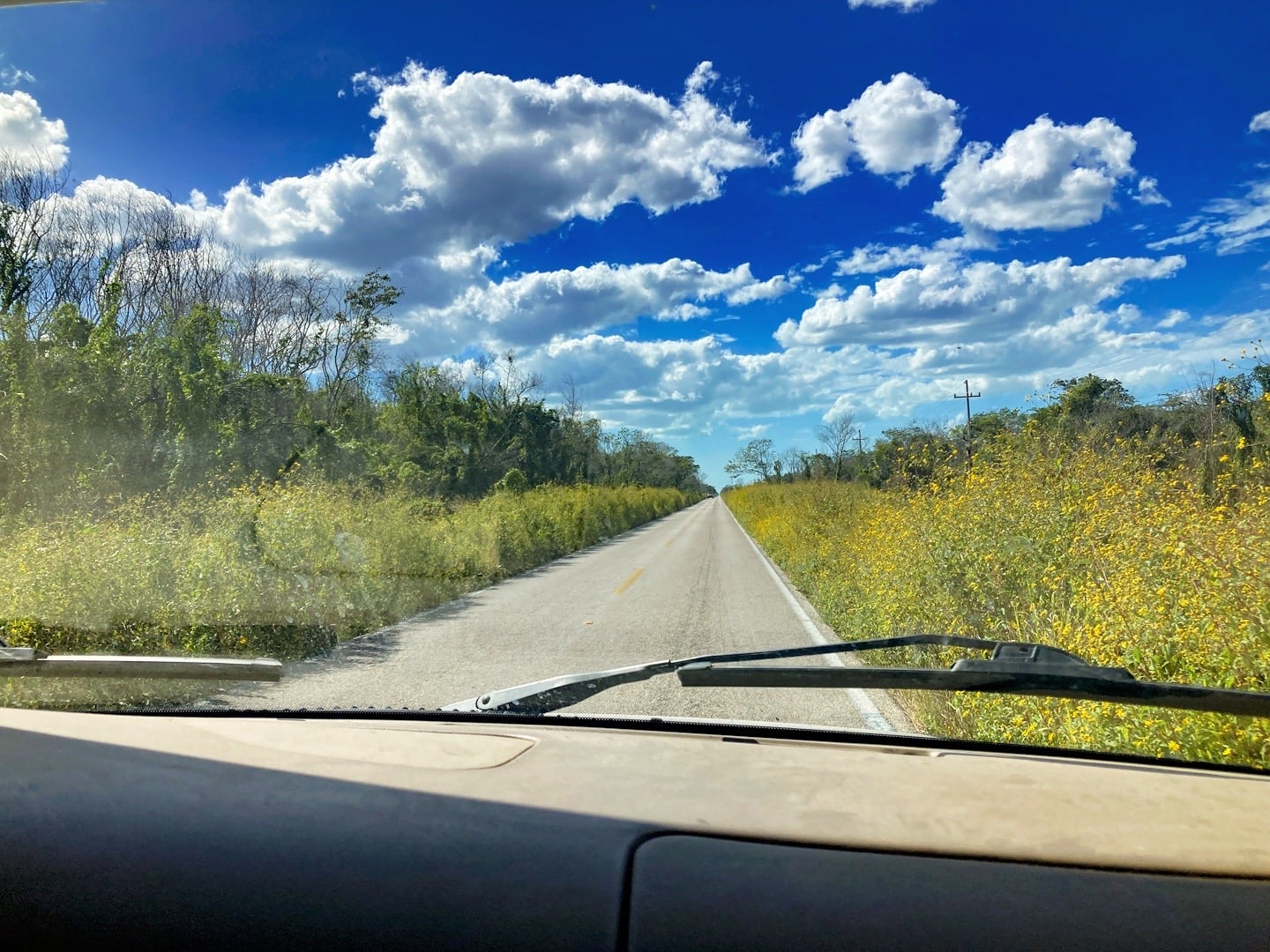
Hell-Run from Mérida
If you’re curious, these lanes are about 10 feet wide (the minimum by law in the U.S. is 12 feet). Our RV is exactly 8 feet 4 inches wide. Counting the side mirrors, it’s exactly 10 feet.
No problem. That means five luxurious feet on each side…until of course there’s an oncoming coach bus or 18-wheeler. Then, you’re talking inches.
Our Mexico-USA RV Journey 2024-25
The half dozen times I encountered buses and trucks coming the opposite way, I’d have to move the RV over to the right until I heard scraping, pull my side mirror in, and hold my breath. With the mirror in, it’s impossible to tell just how close we’d come to these big rigs, but my guess is closer than I’d like to know.
Oh, and the best part is that this is NOT a minor little byway providing access to a handful of tiny villages. Nope, this is the ONLY road connecting Celestún (a town of nearly 10,000) with the state capital, Mérida (a city of over a million).
Nearly the entire stretch of Mexico 281 from Kinchil to Celestún is like this. That’s 40 km, which means you’re doing this for 30 minutes without a break.
Therefore, it was quite the relief to finally arrive in Celestún, but one that was quickly tempered by the knowledge that we’ll have to turn around and do it all over again in the opposite direction in a matter of days.
Even before we knew what the road would be like, I had some reservations about making the trip out to Celestún. I’m not crazy about out-and-backs, particularly when we’re only pulling 7 to 11 mpg in this thing, and the RV parks out here don’t have full hookups.
But Celestún has something that few other places in North American have: Pink Flamingos in the wild. And that’s what we came to see.
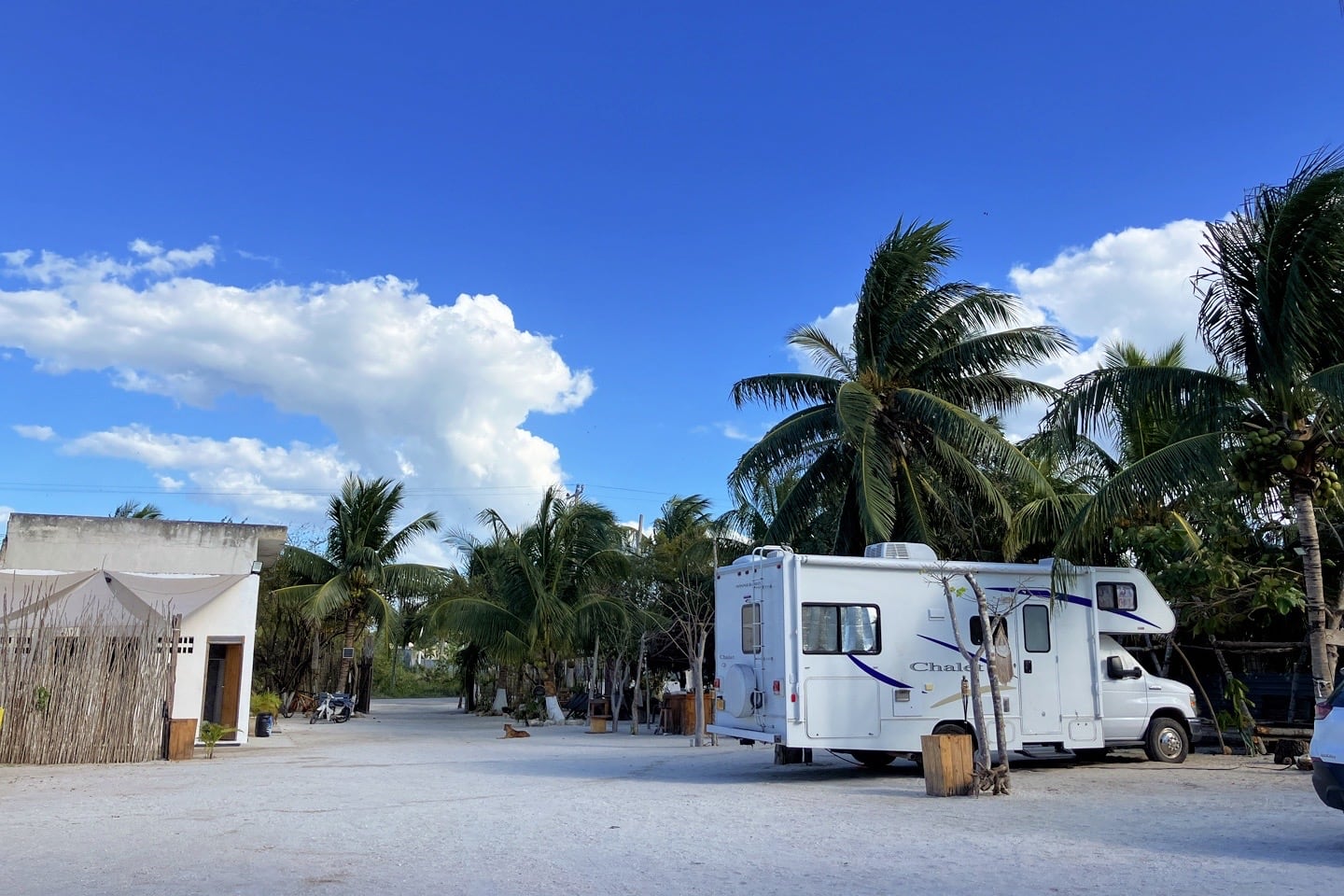
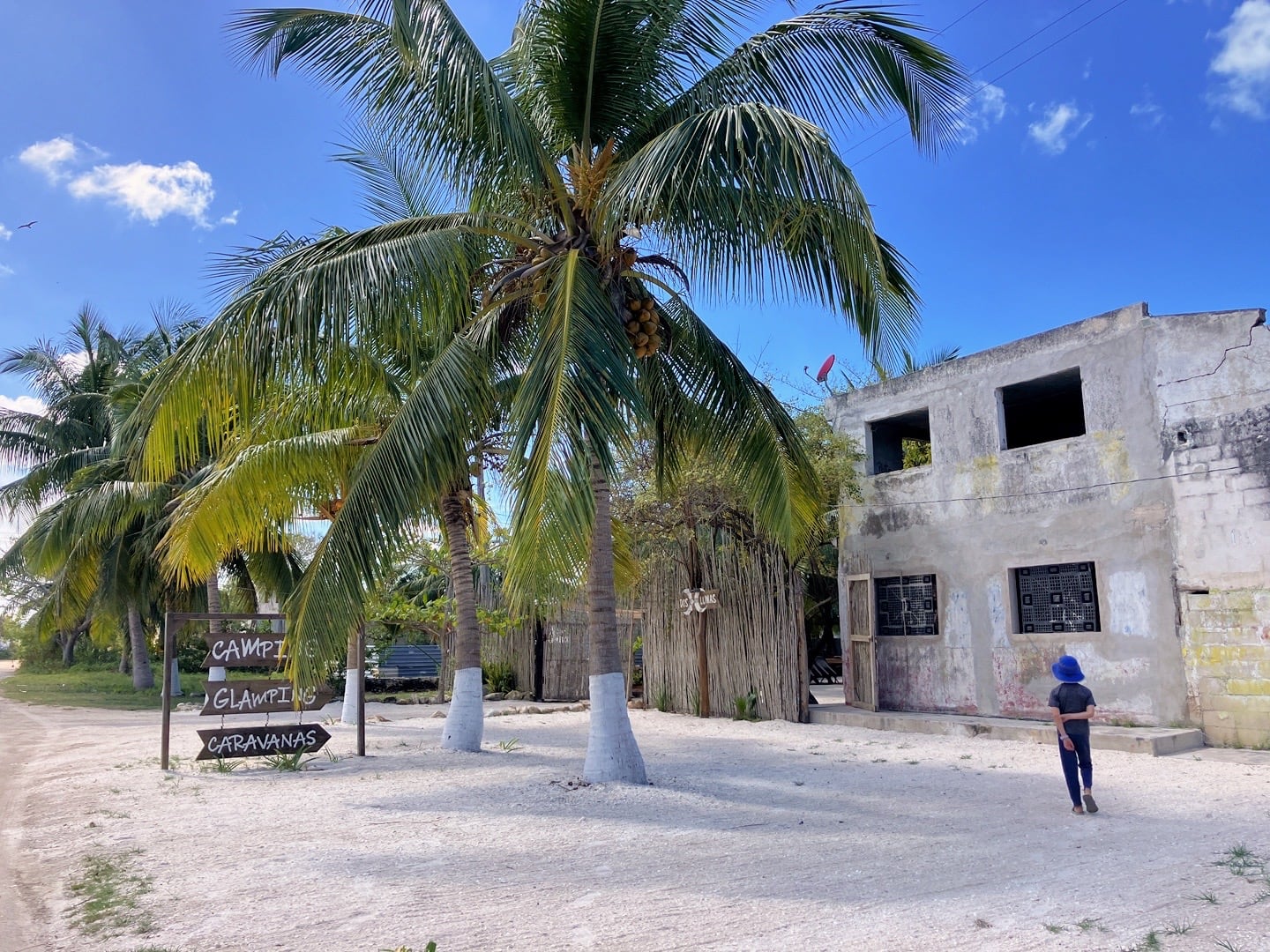
Dos Lunas RV Park
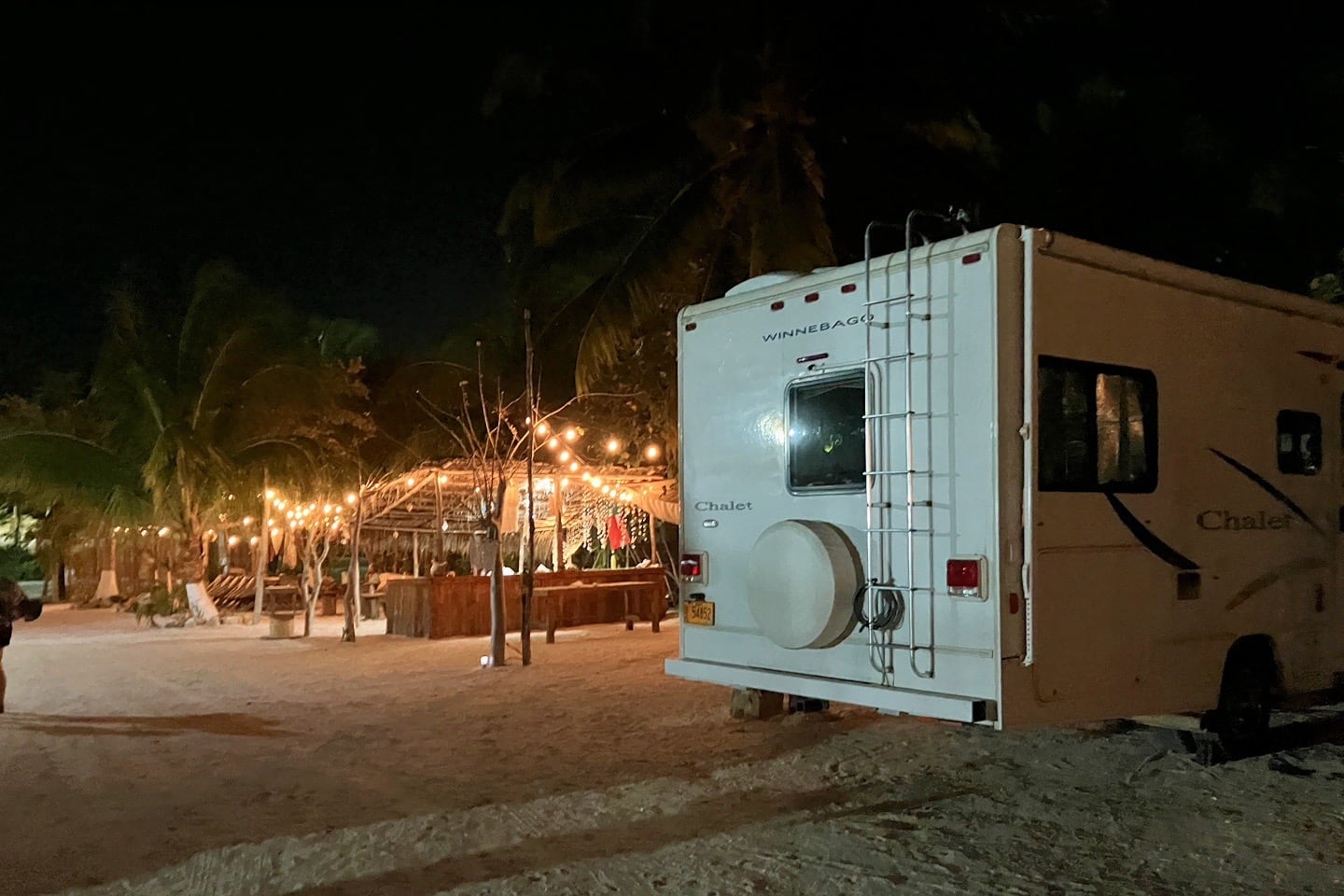
Parked among swaying palms and a couple of other rigs at Dos Lunas in Celestún. I could have pictured us staying here for a couple of weeks if the hookups were just a little better, and they didn’t cram in the rigs and tents.
Indeed, there was one guy in a big expedition vehicle that had been there for a couple of months, but his rig was well equipped for that sort of thing.
And just over the bamboo bridge, we ran into a couple we had met in Isla Aguada around Christmas who had found a nice little boondocking patch for their Subaru Outback tent camper combo right on the beach. If only we had all-wheel drive and a little more head clearance.
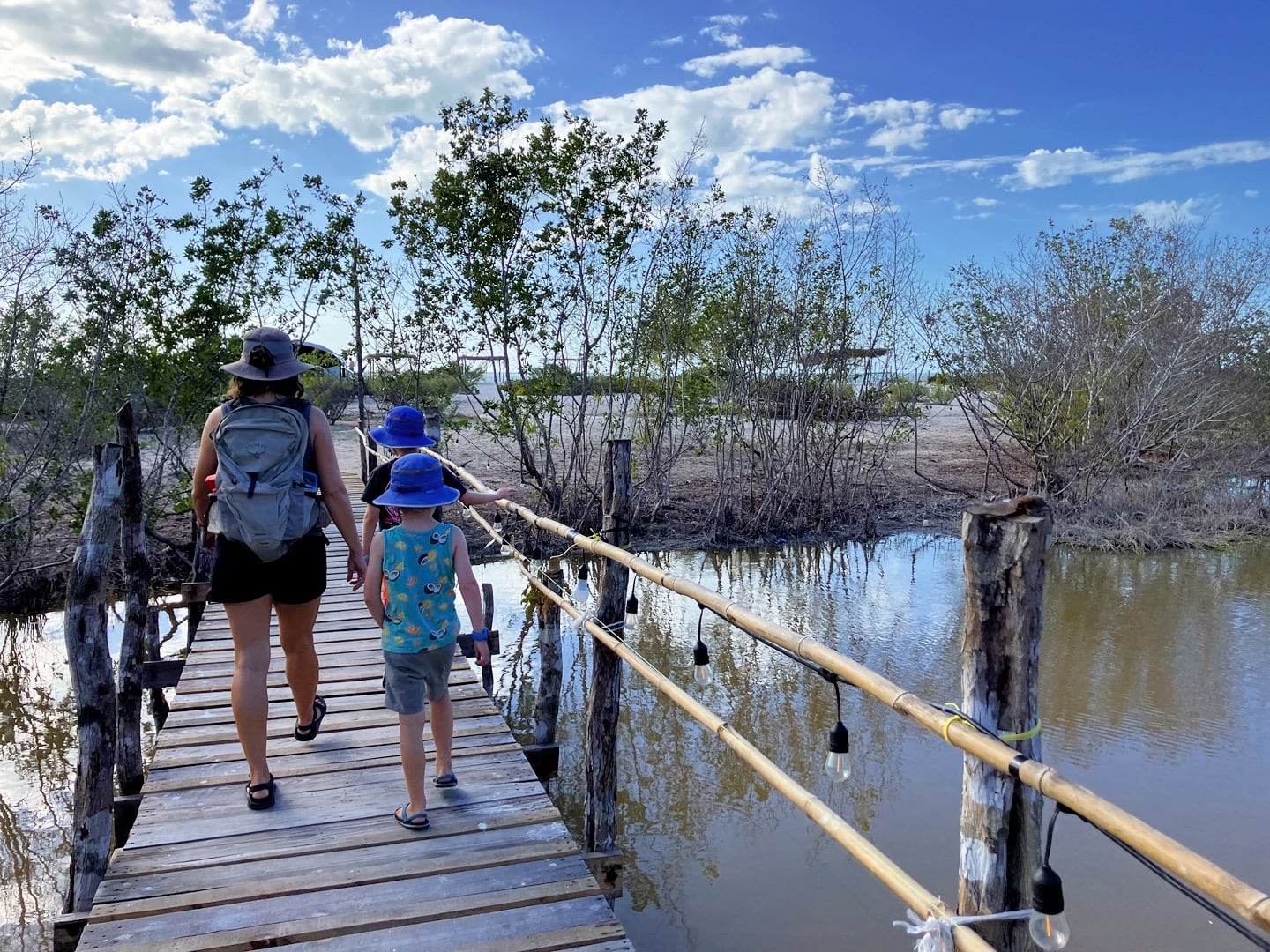
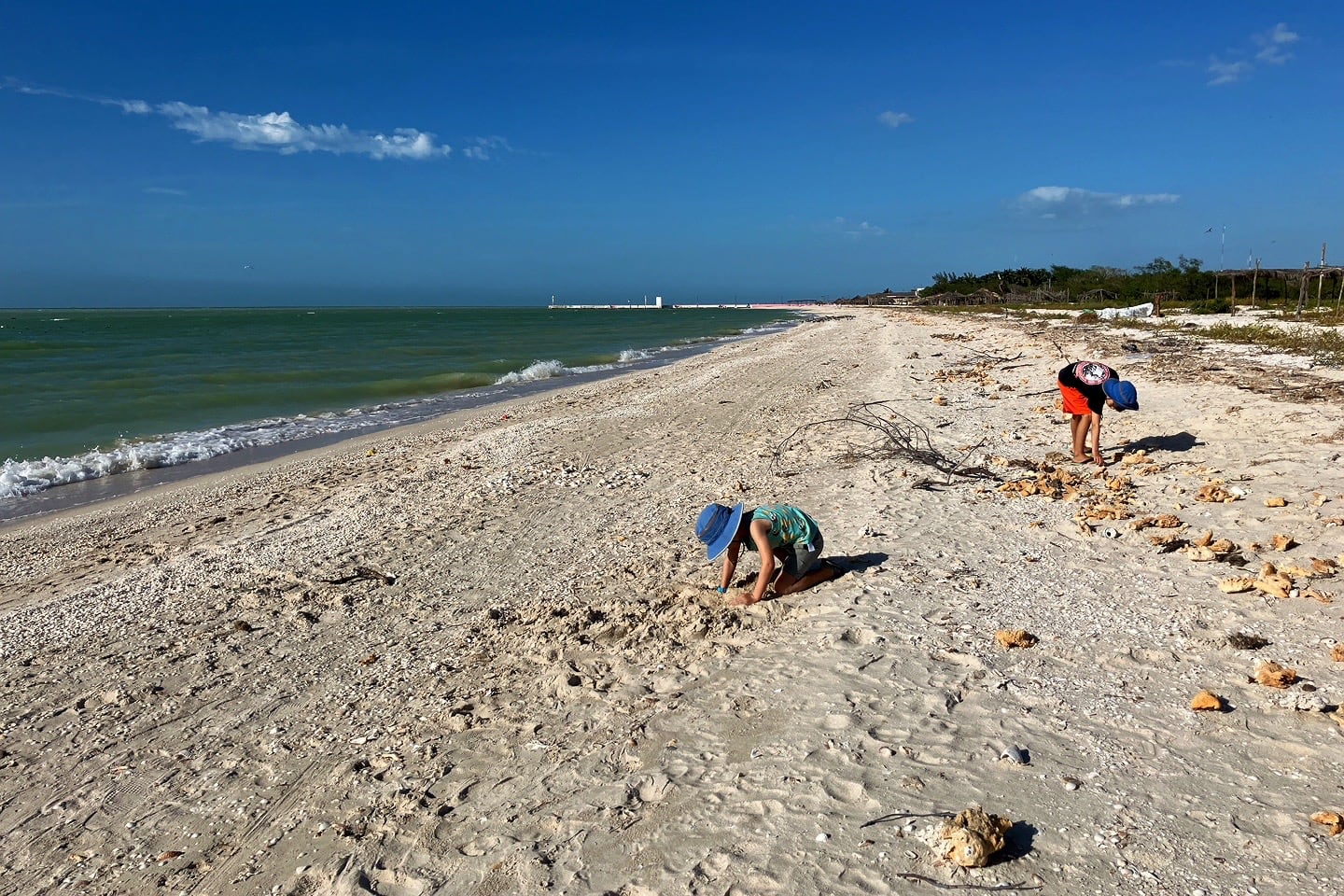
The stretch of beach at Dos Lunas isn’t anything we’d typically write home about (we’ve been spoiled in Mexico), but more than enough for a beach combing and relaxing.
It didn’t take long, however, before we were ready to make our way into town to have a look around.
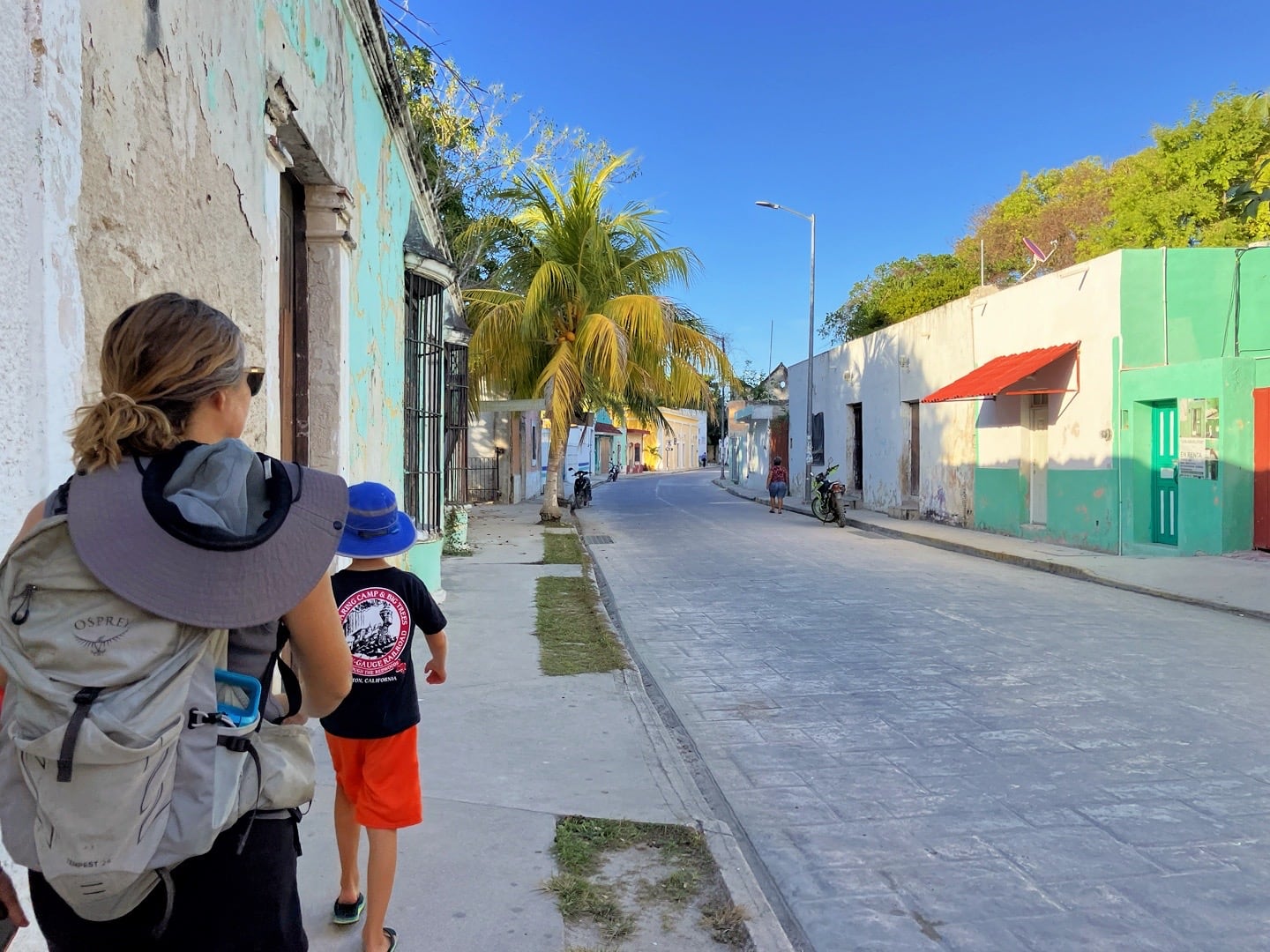
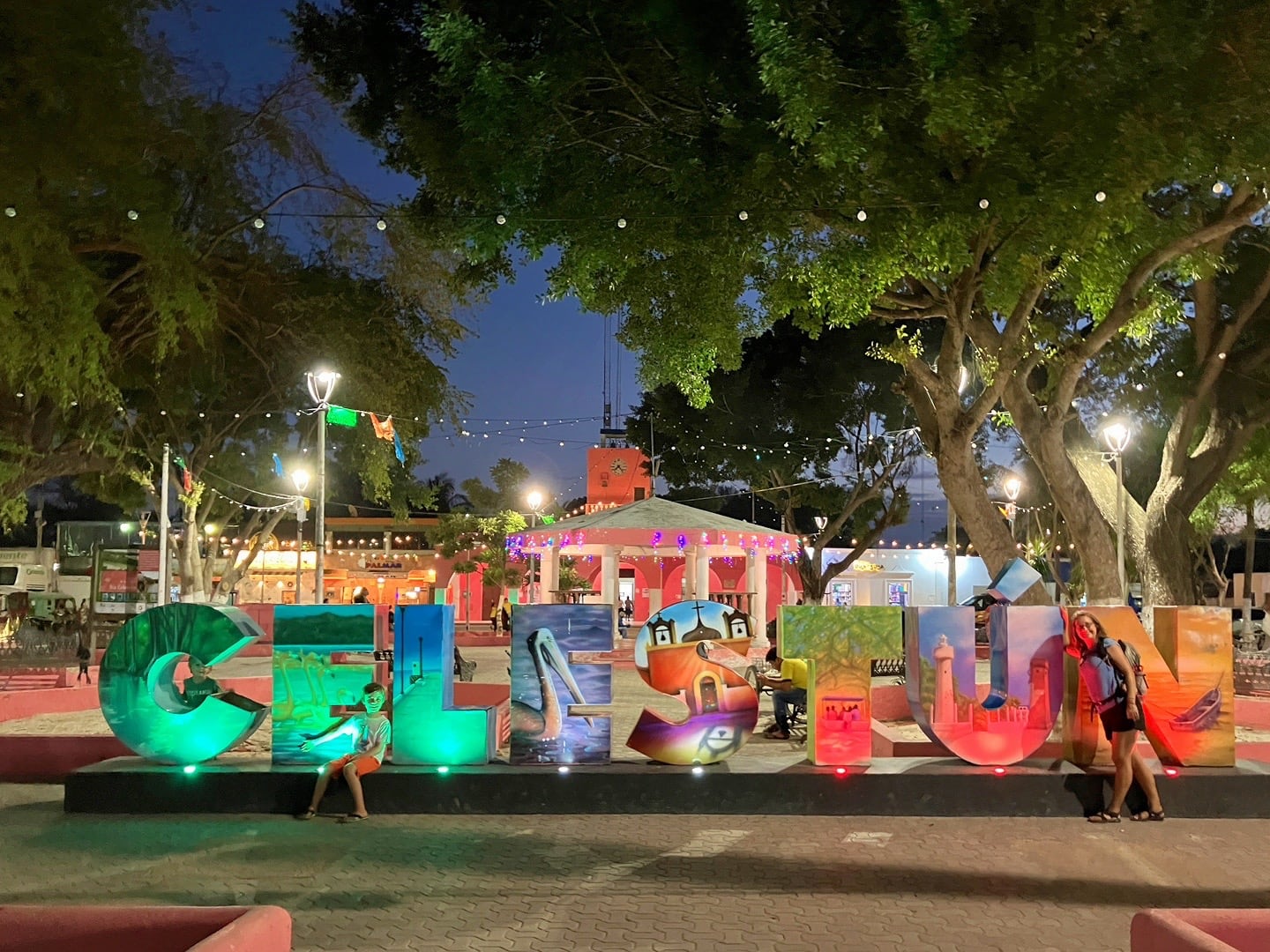
Celestún Town
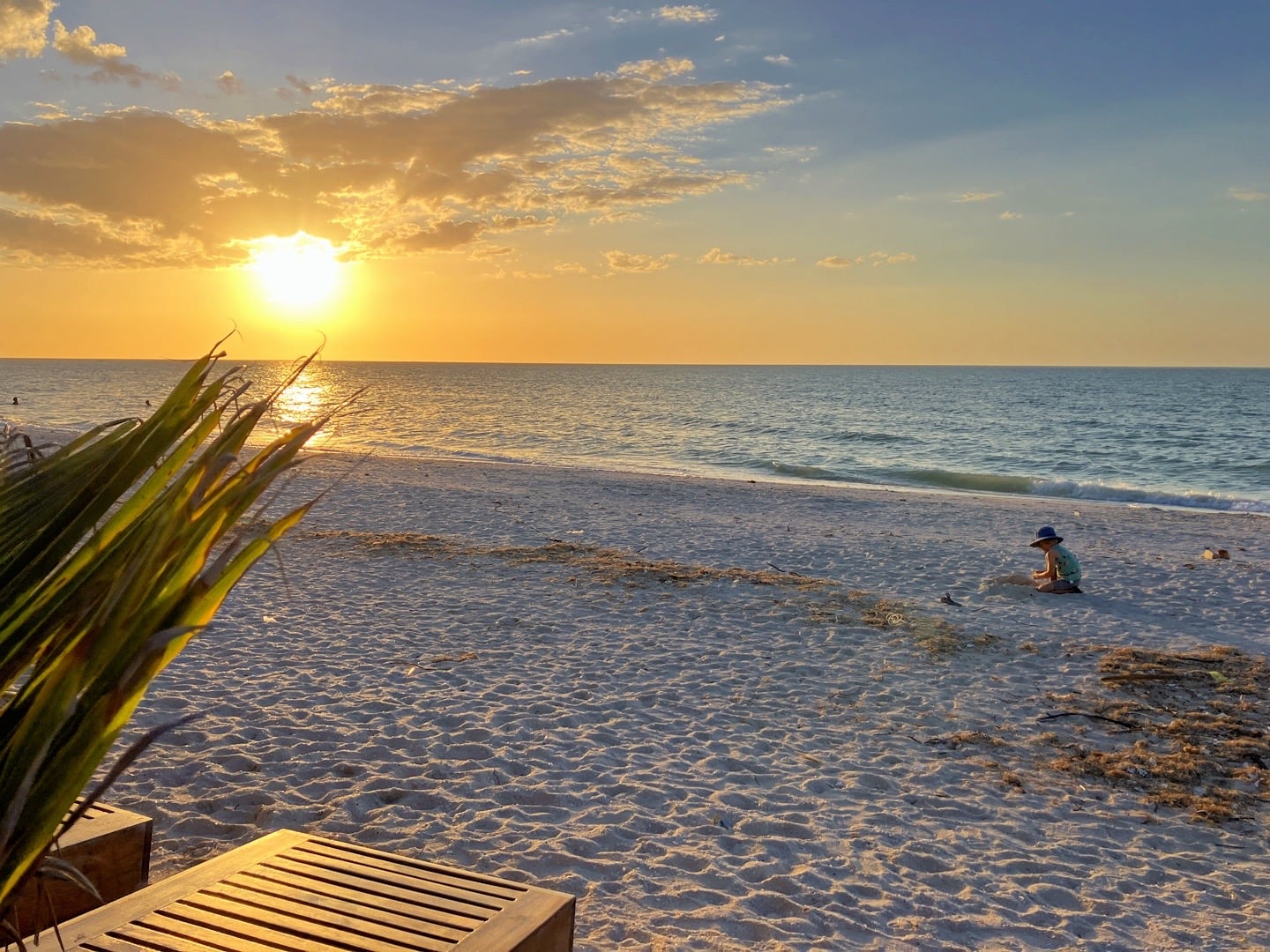
The little fishing town of Celestún was a pleasant surprise. We came for the world-famous pink flamingos, but the town is worth a visit, alone (with some pretty awesome ocean sunsets to boot, since the water is situated to the west here).
Celestún is also significant because it marks the turn-around point of our RV journey (for now).
Since we set off, we’ve been slowly making our way south, then east to the Yucatan. From this point, we’ll slowly be making our way back to the U.S. border…eventually. Aside from long overdue visits with family and friends, places like Celestún make it hard to feel rushed to get there.
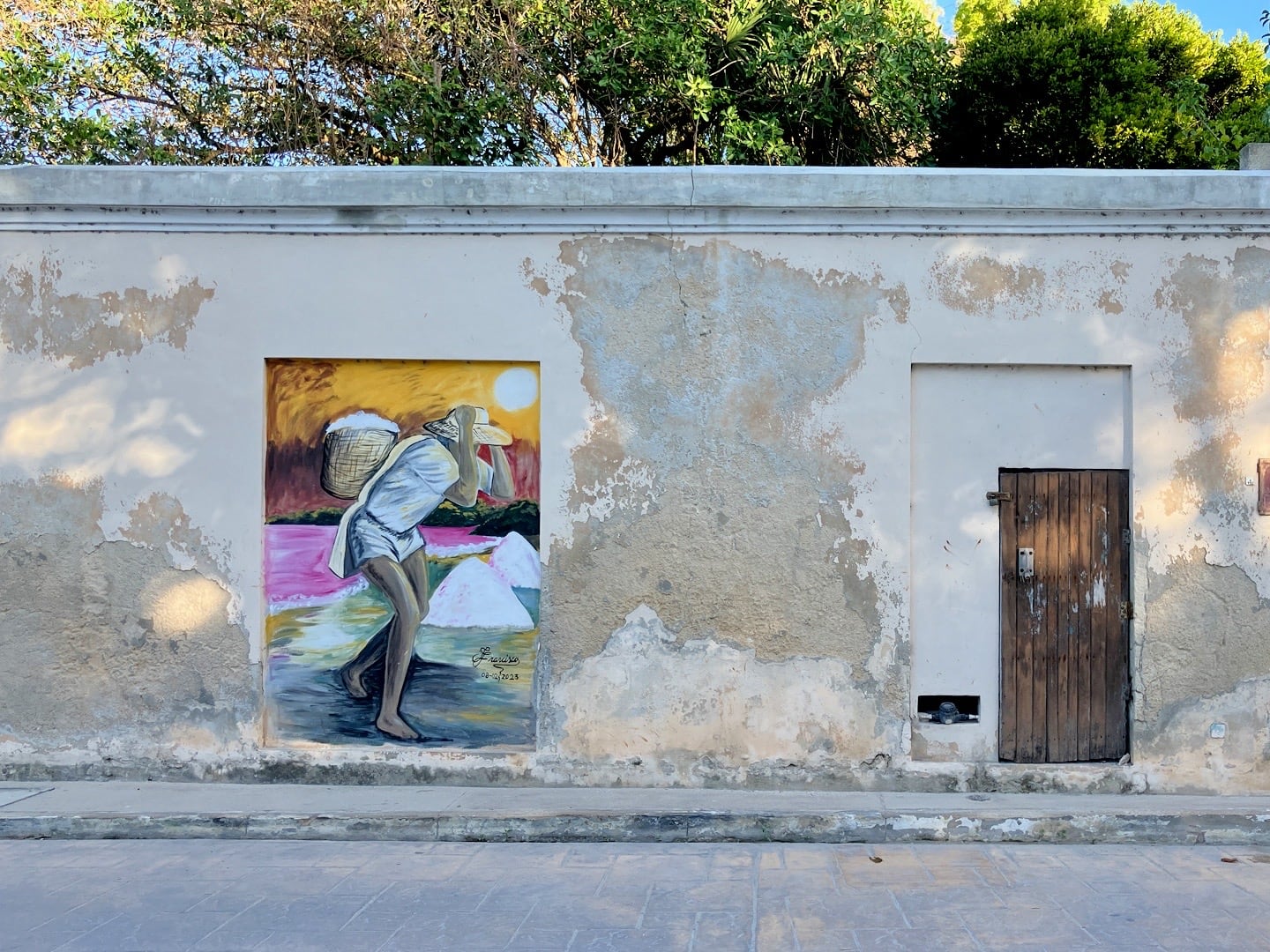
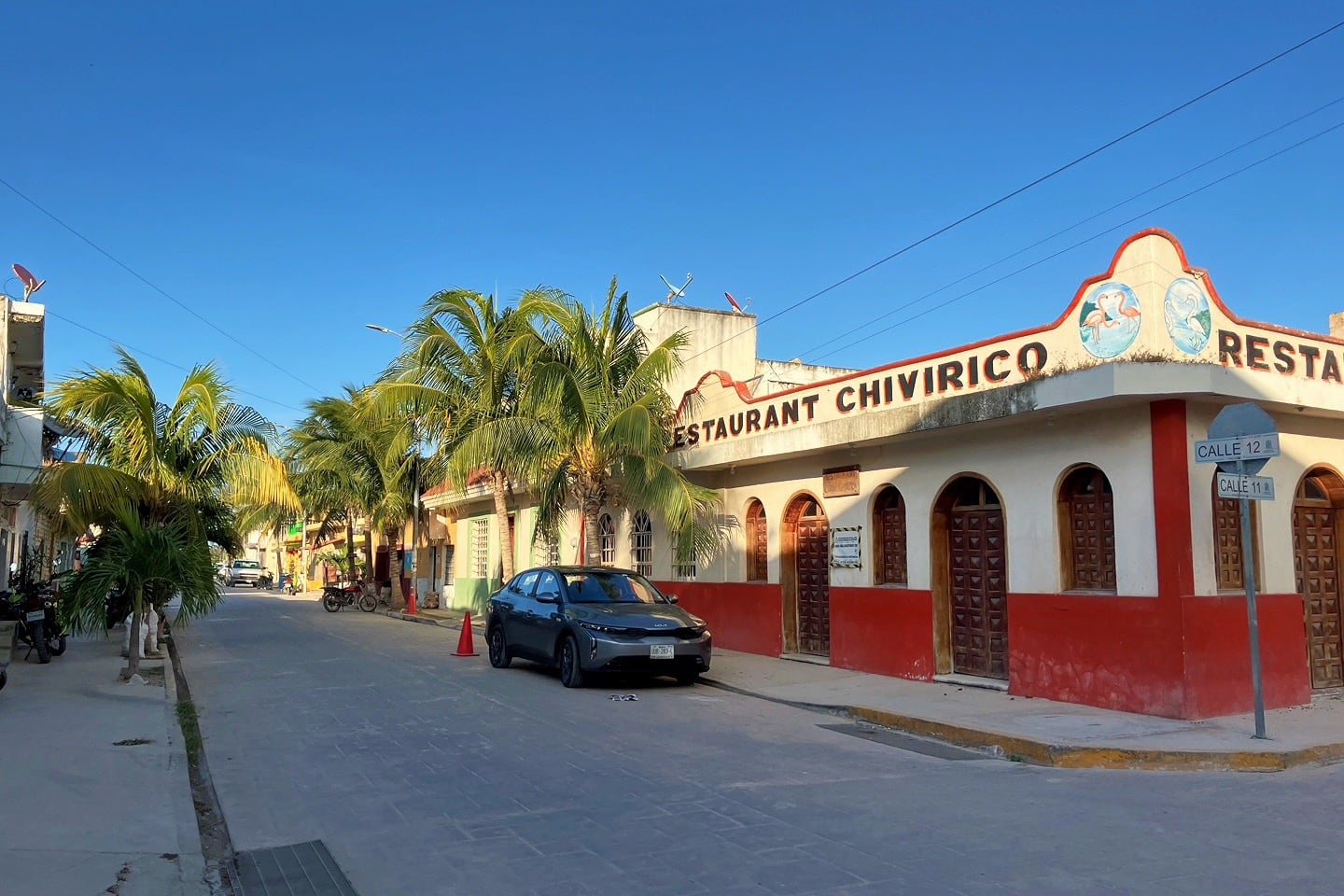
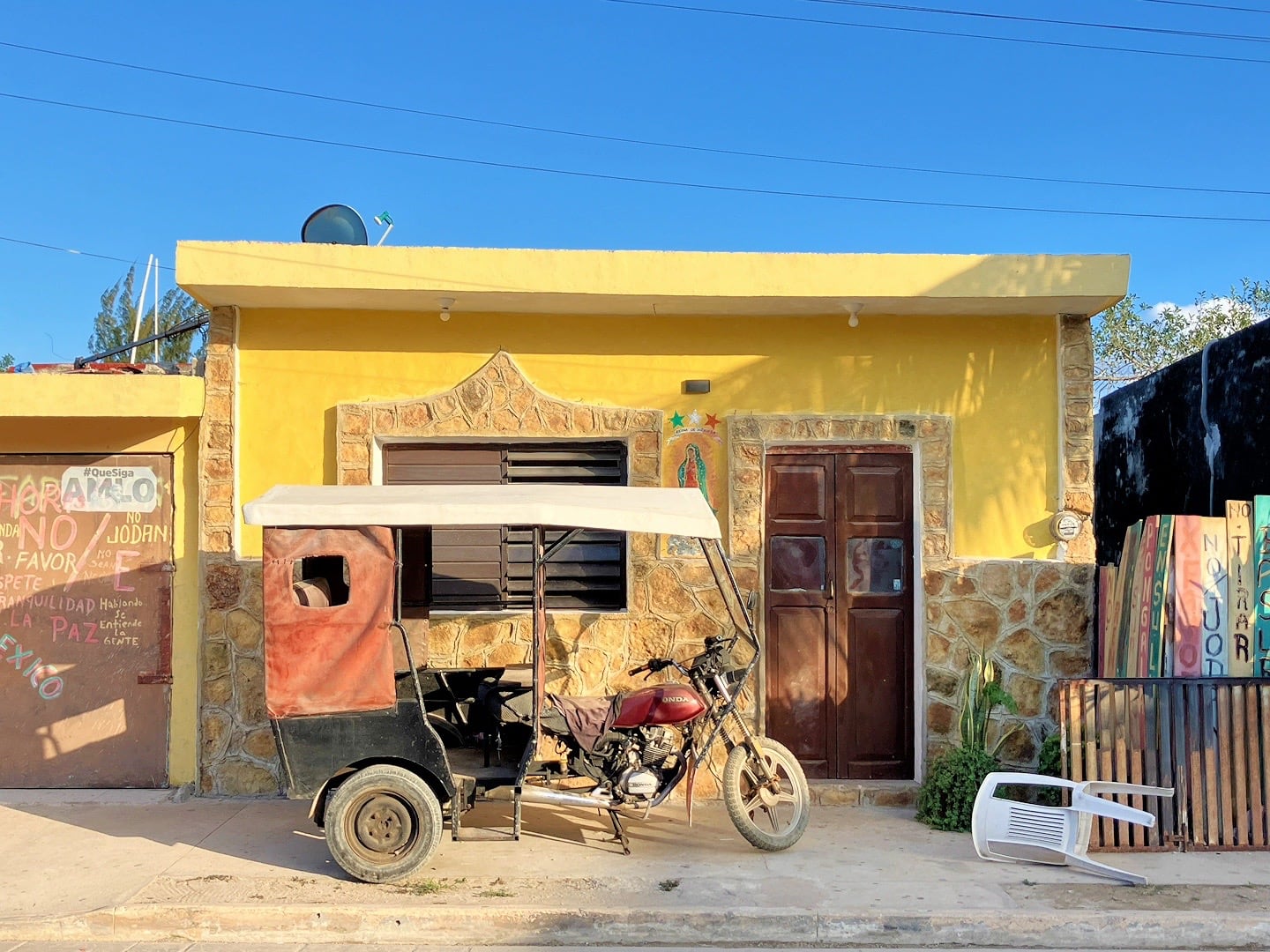
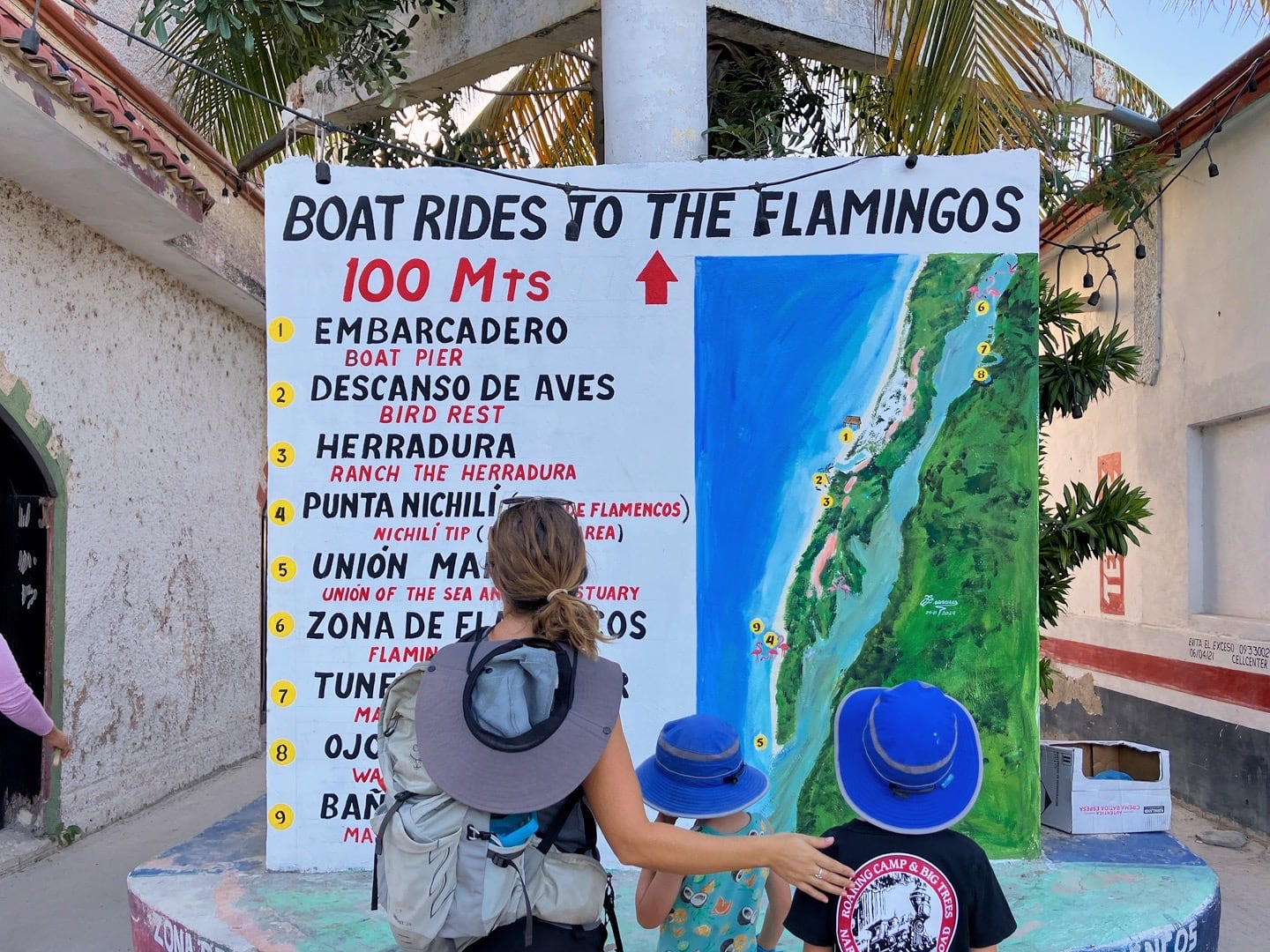
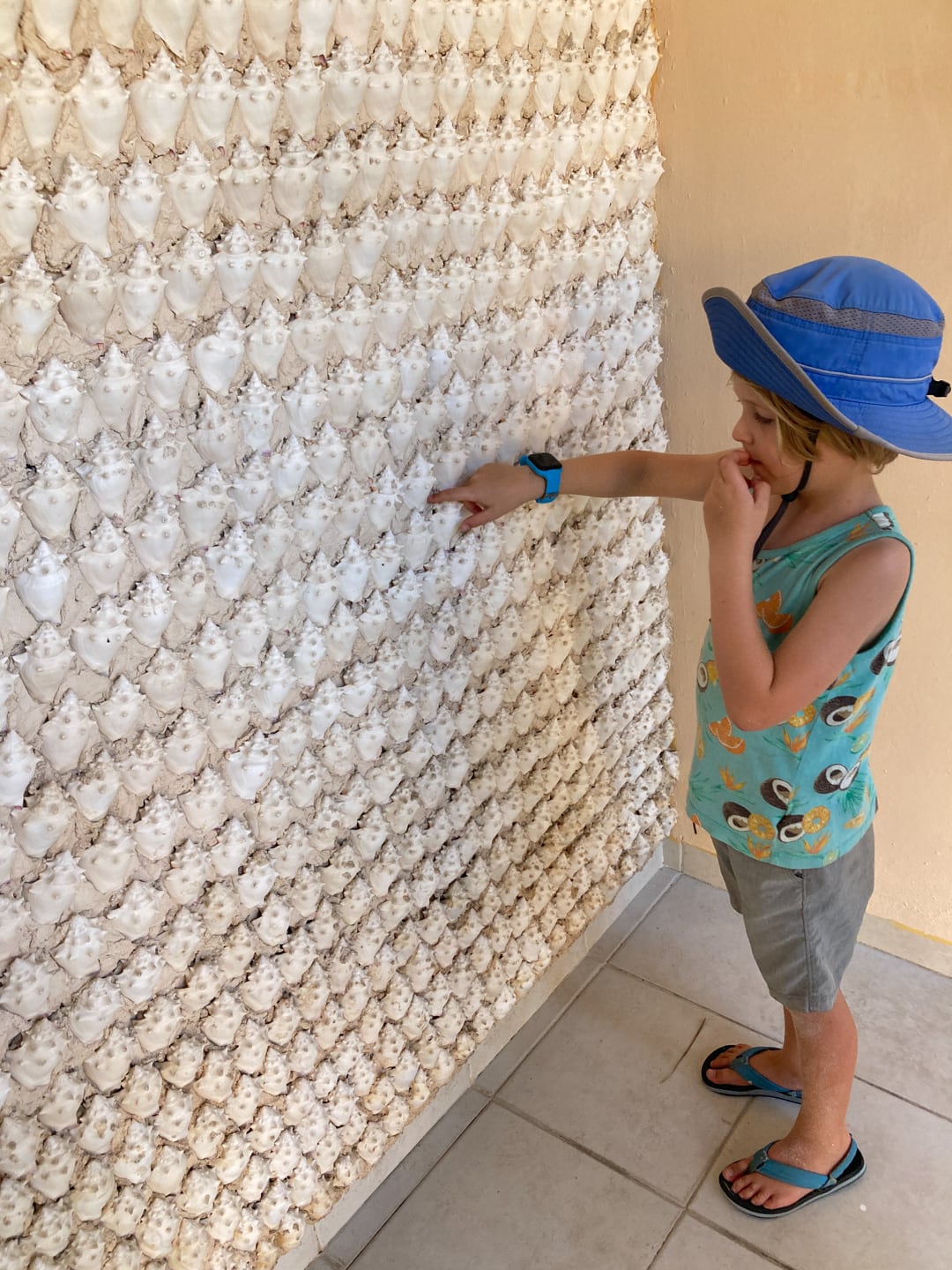
If you’re looking for sundowners on the beach, there aren’t a ton of options in the center of town. The first option we came across was the aptly named La Palapa.
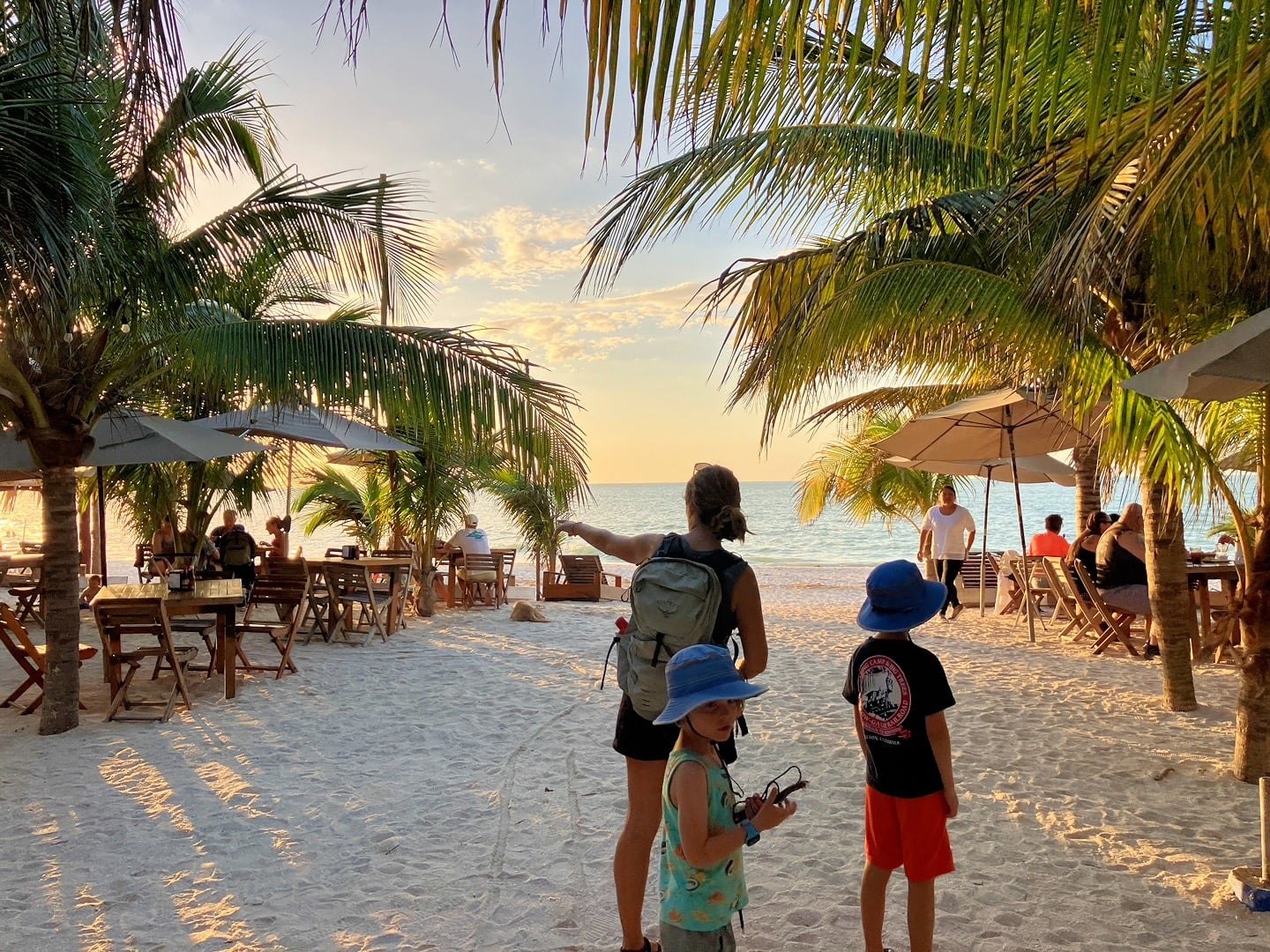
La Palapa
I was expecting a local tostada and mariscos sort of place serving Micheladas and Tecate. When we walked into La Palapa it was as if we had suddenly found ourselves on the Riviera Maya, which wasn’t exactly what we were looking for.
We checked out one or two other places nearby, but eventually found ourselves back at La Palapa with all the other gringos, mostly on account of the view.
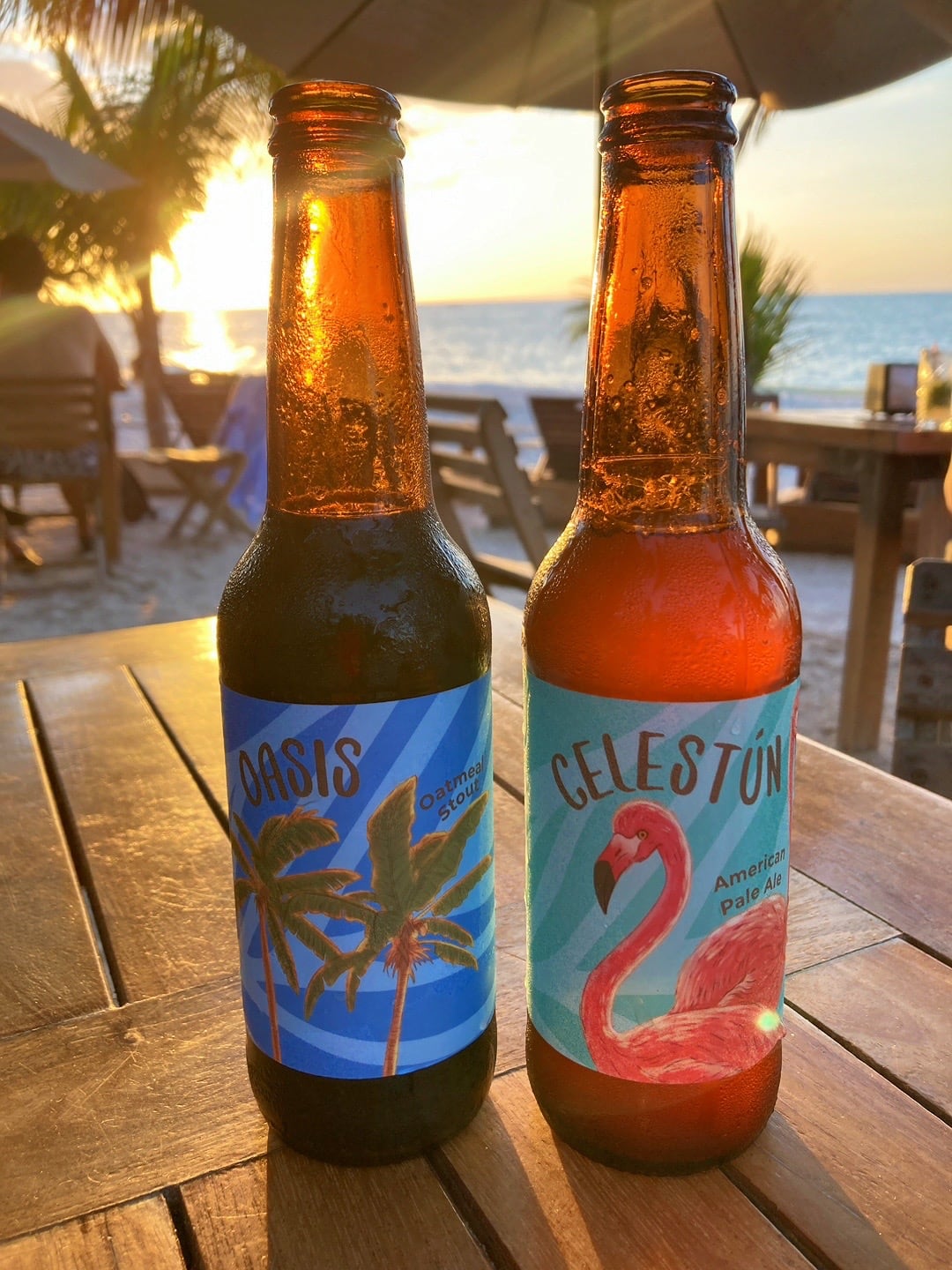
After an extended stay in Canicab, locally-brewed craft beer was a serious (and totally unexpected) treat.
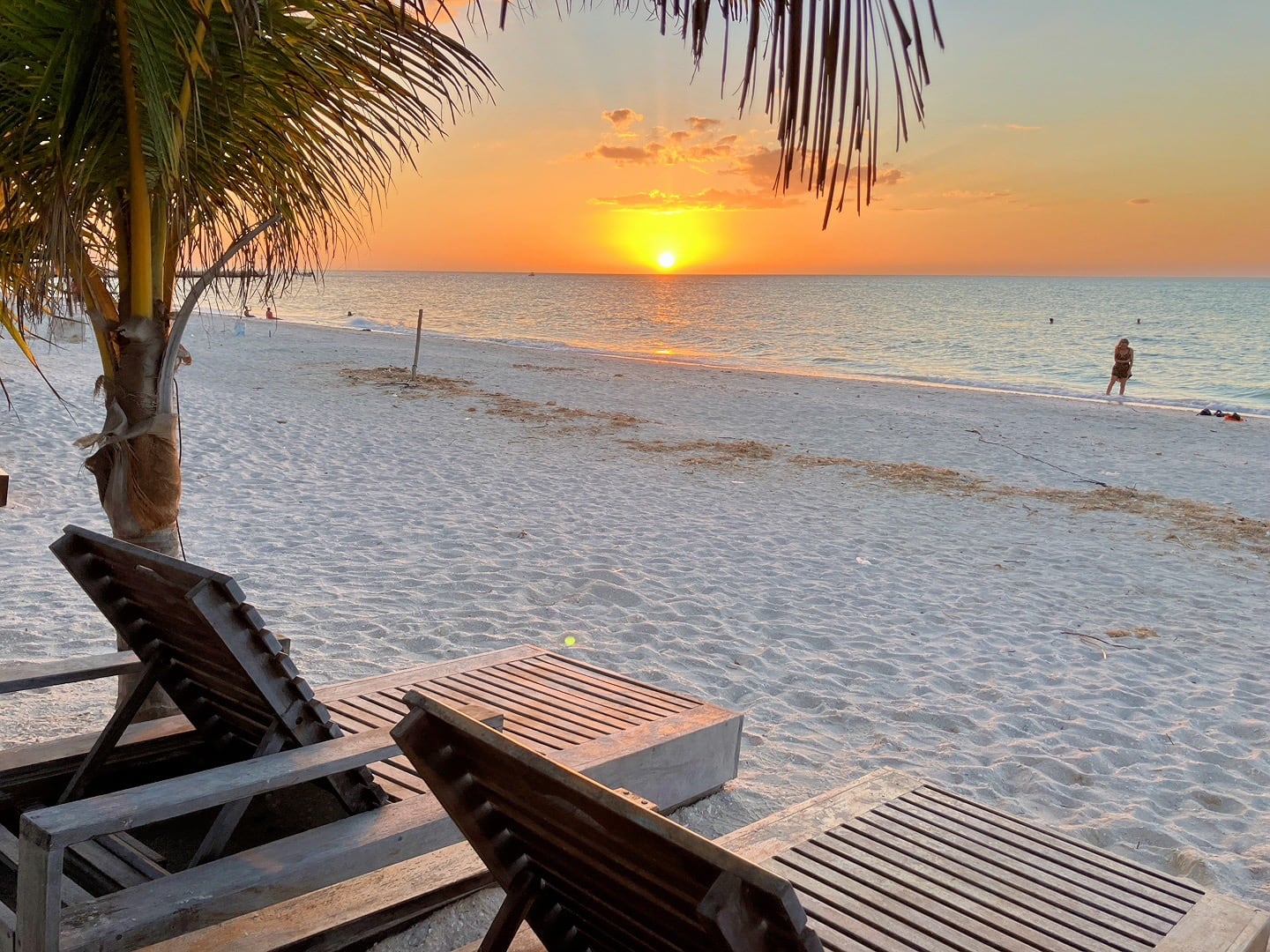
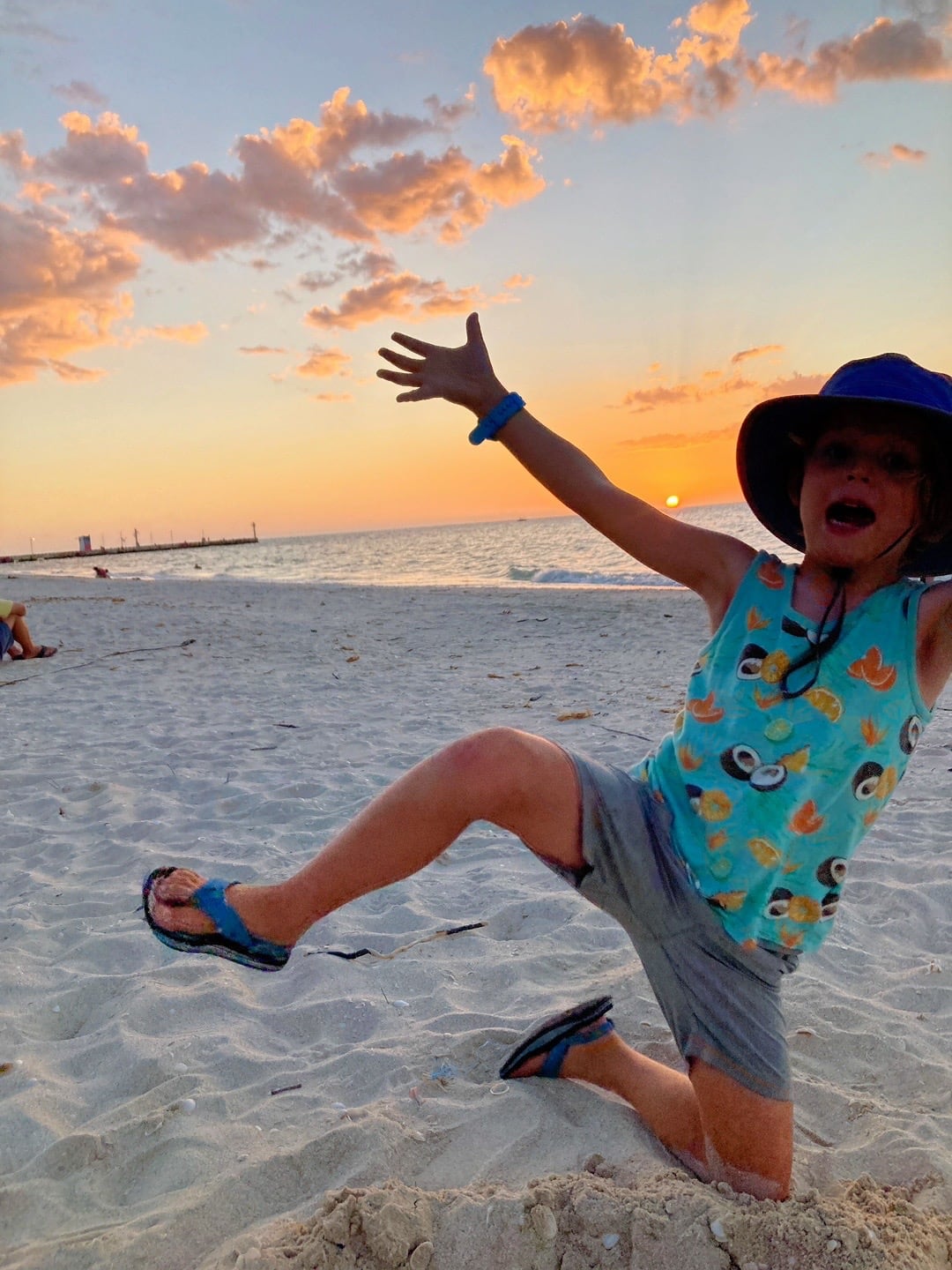
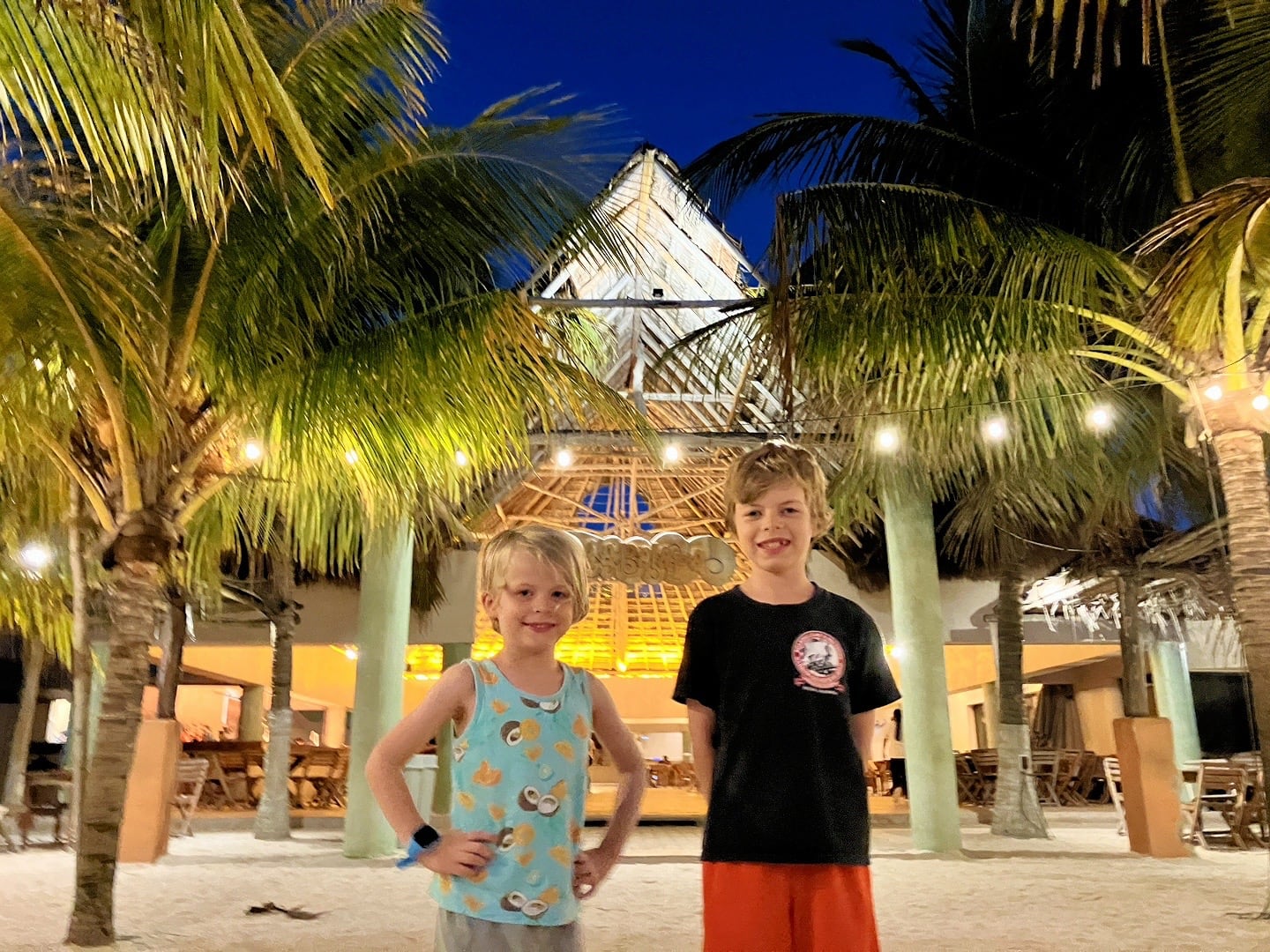
The palapa at La Palapa.
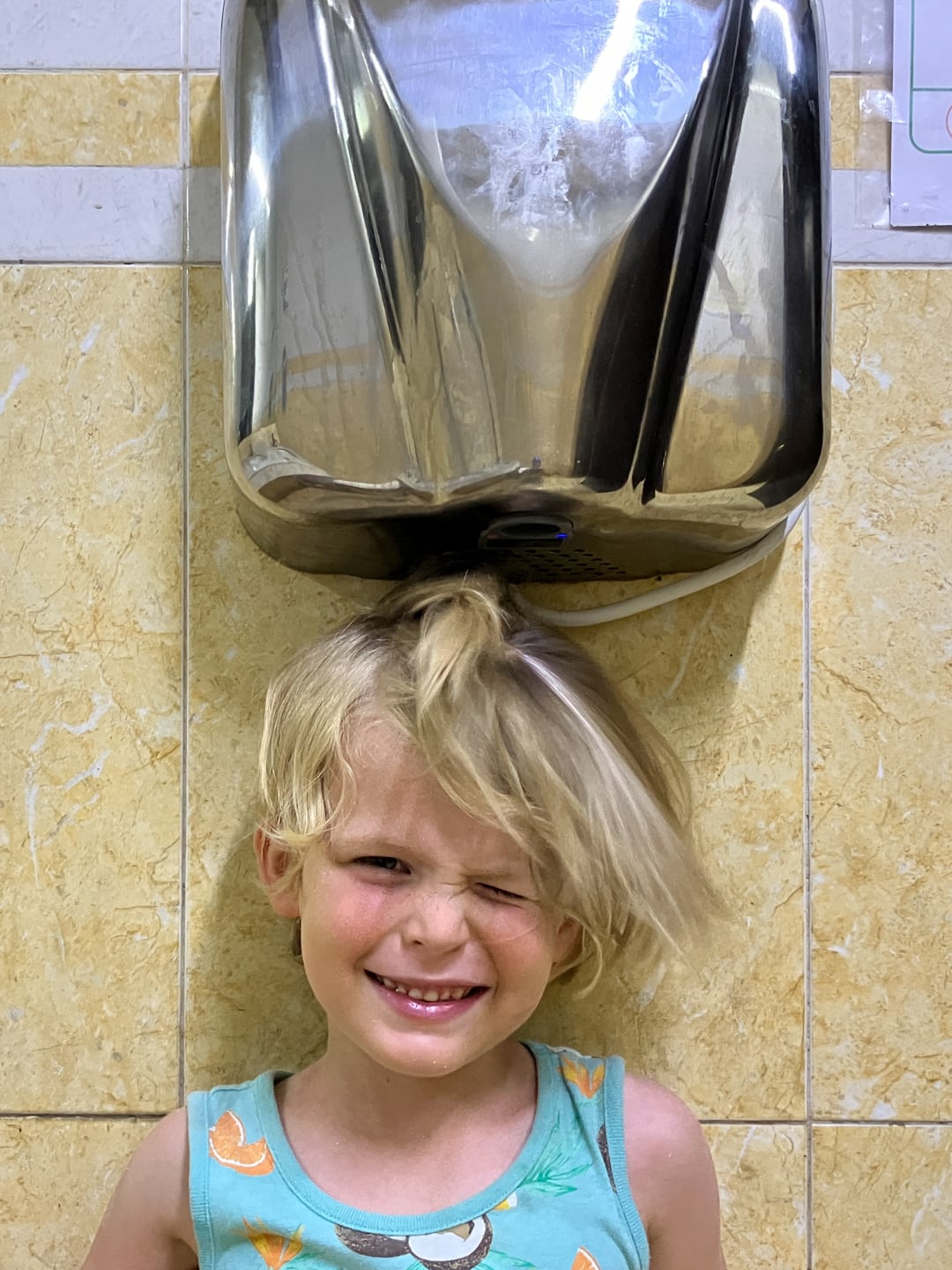
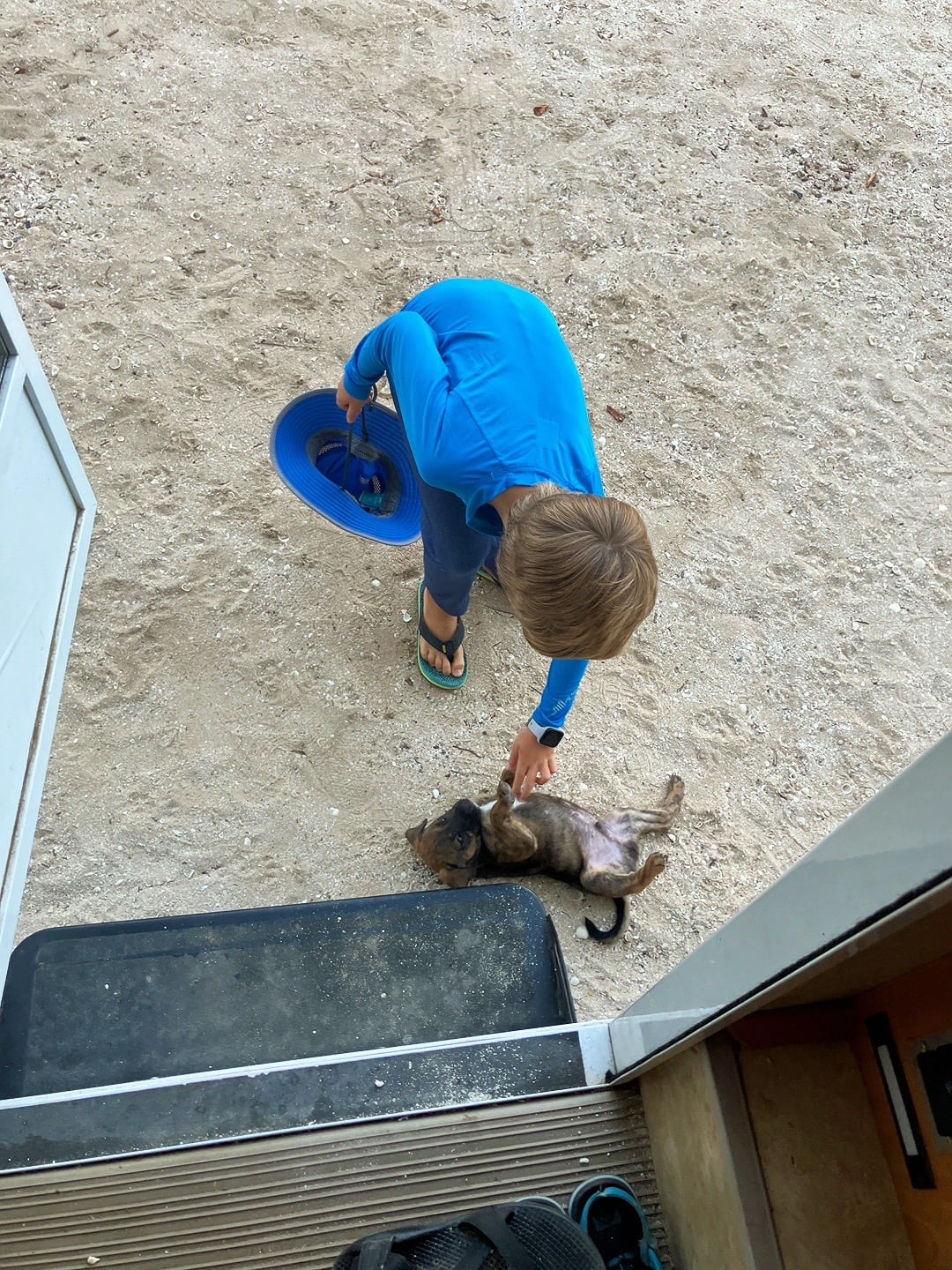
The boys were thrilled that there were a litter of puppies at the RV Park, which greeted them in the morning.
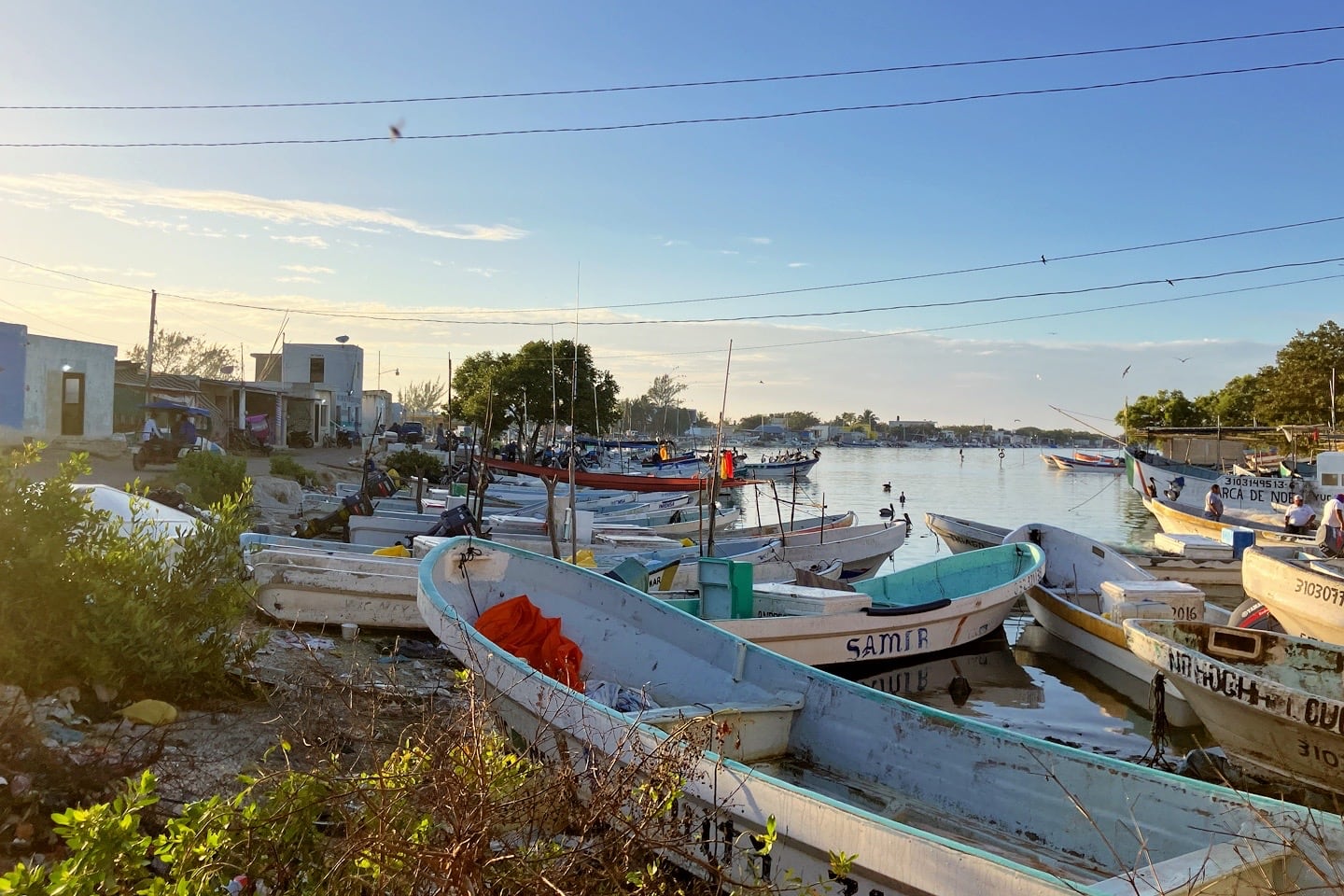
Celestún’s Pink Flamingos
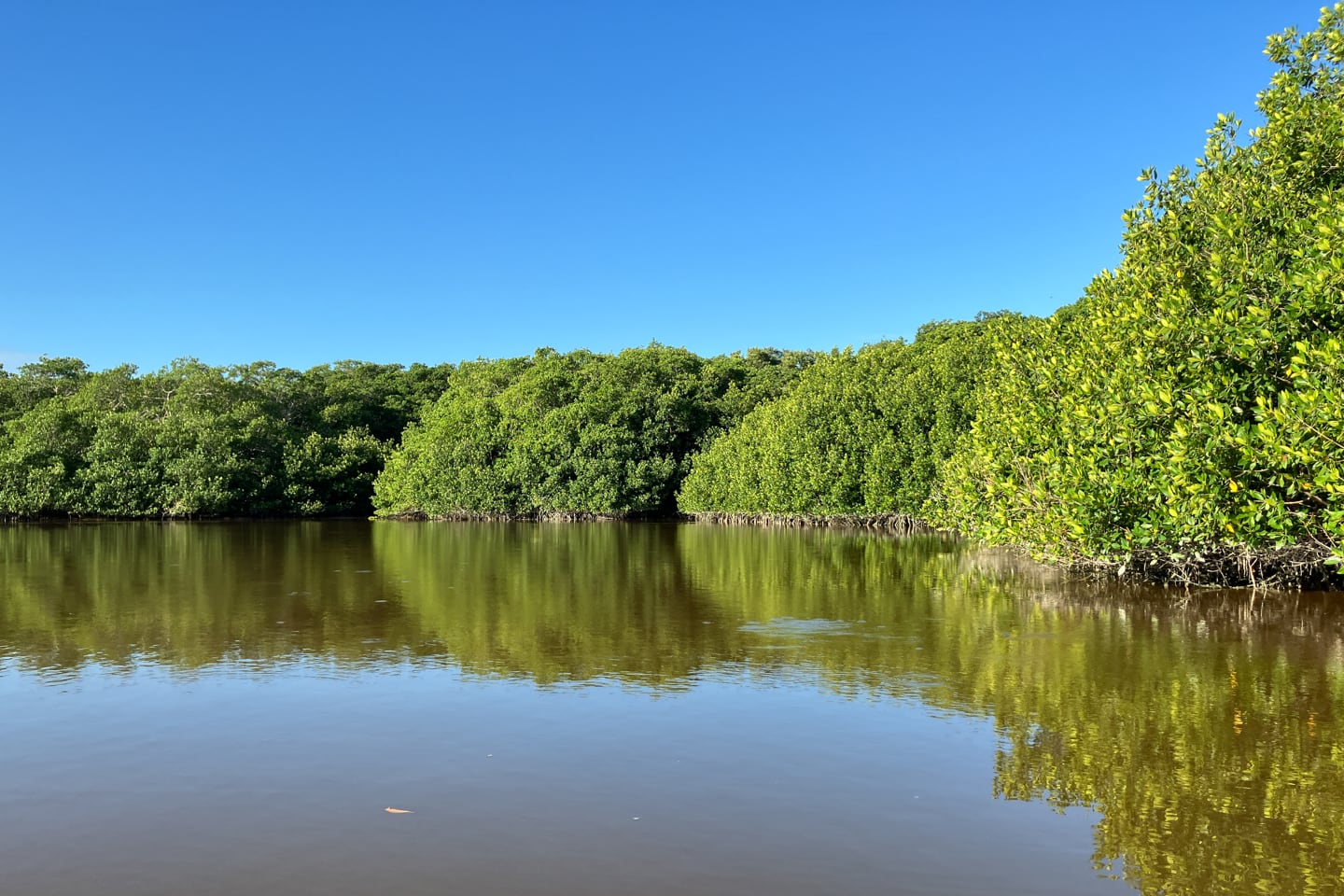
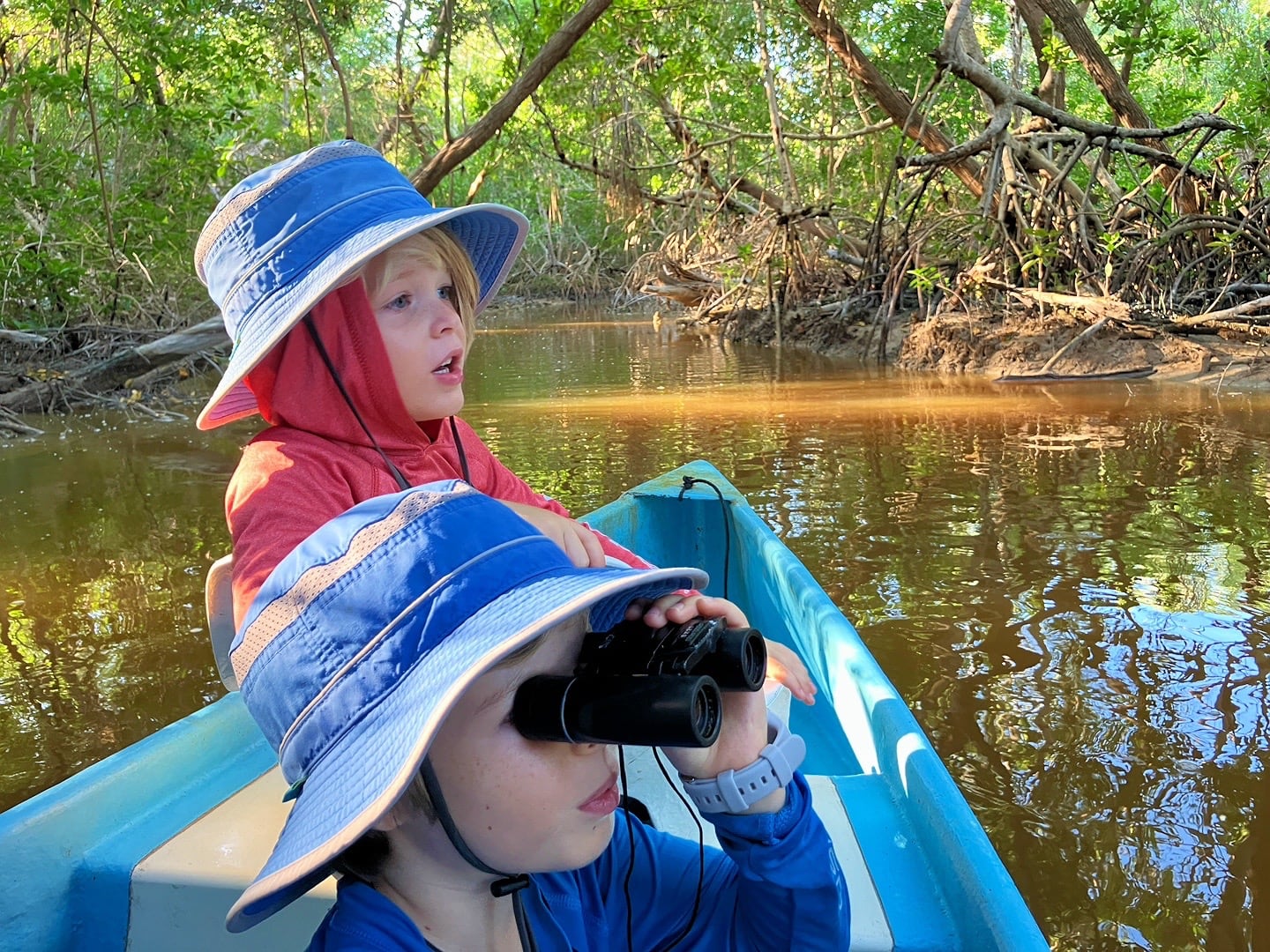
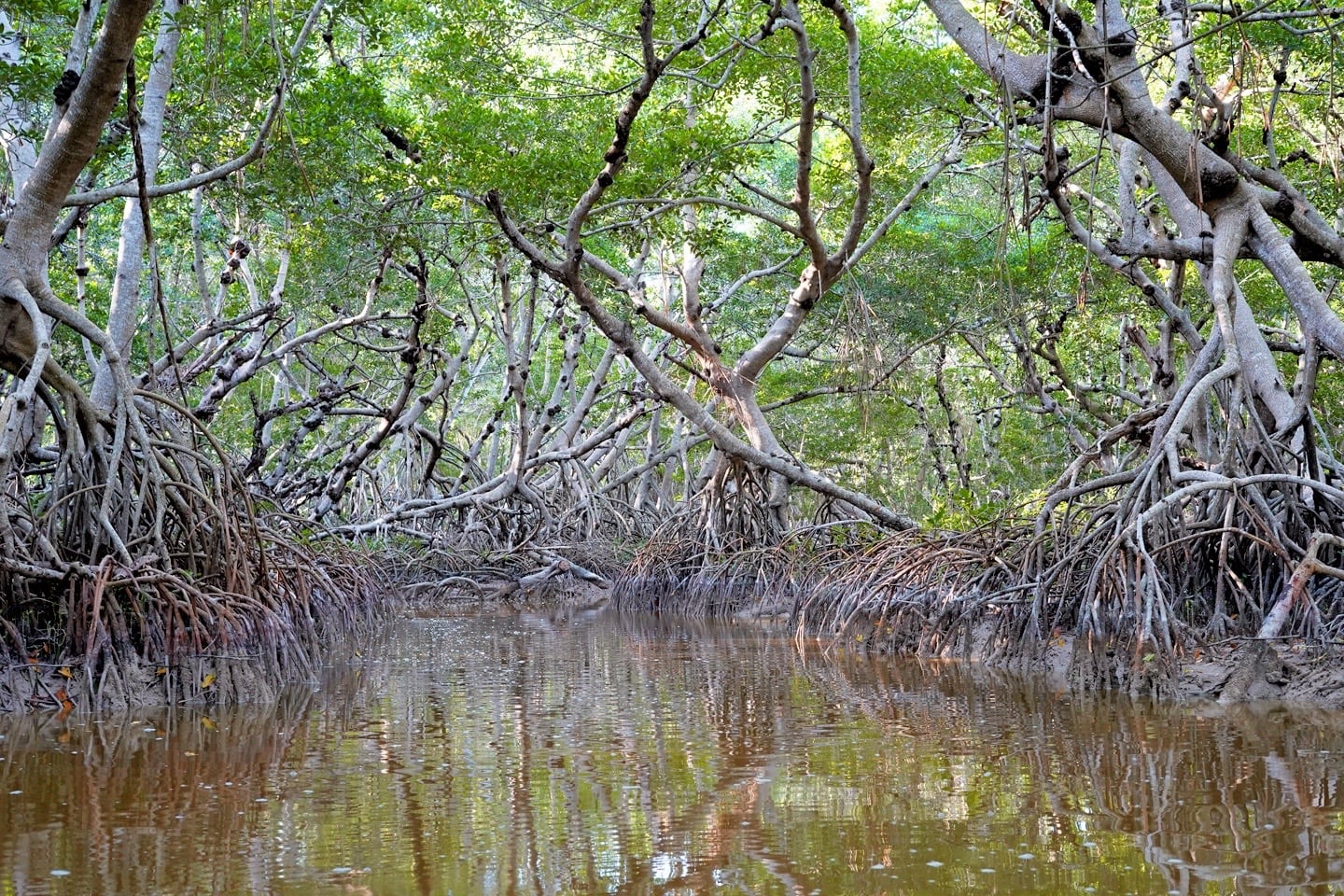
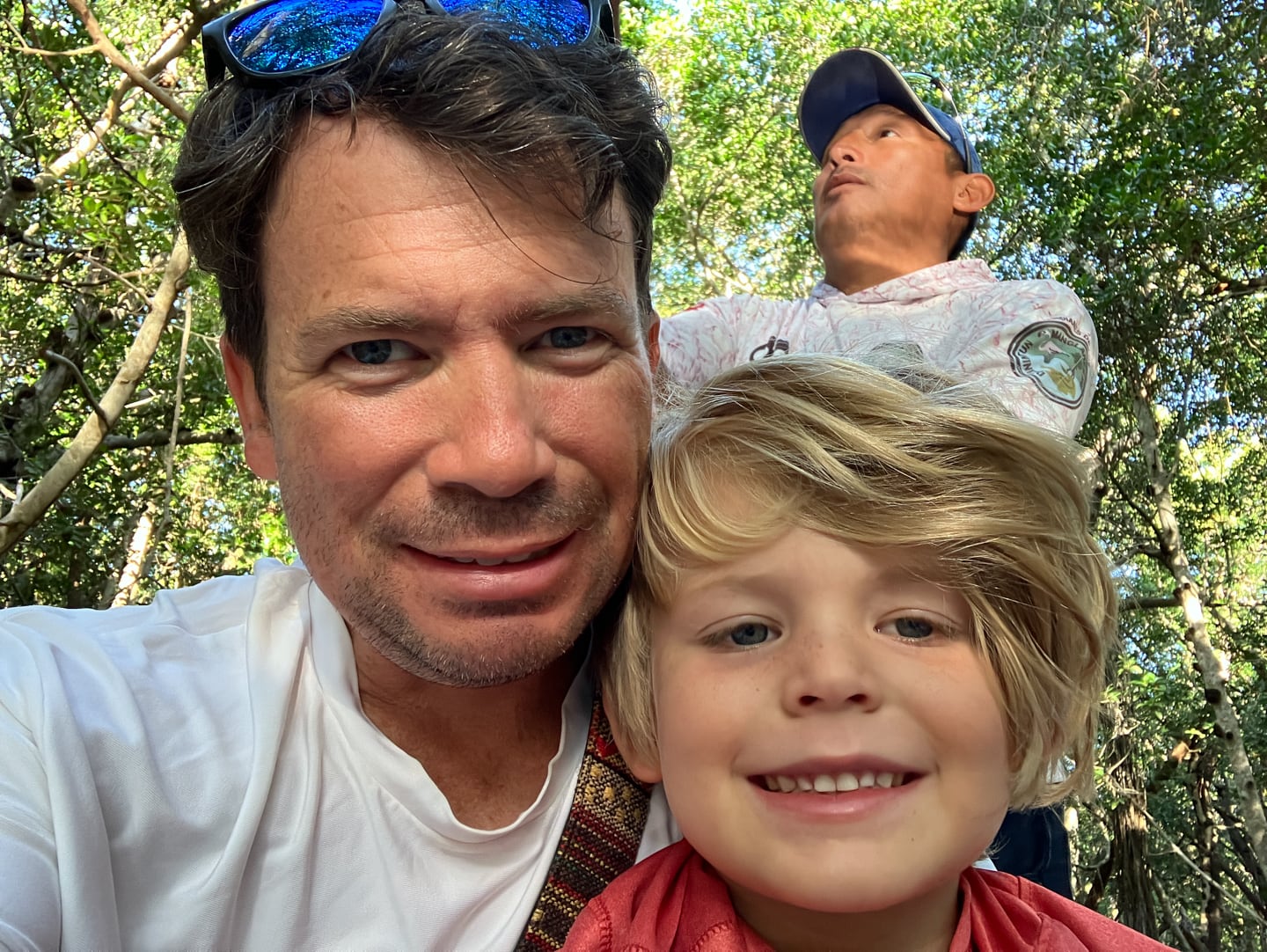
One of the boys’ Christmas presents was a canoe tour of the mangroves and Ría Celestún to see the pink flamingos. Lori researched the heck out of this one and landed on a trip with the highly-regarded Guardianes de los Manglares de Dzinintún community tour operator, which we highly recommend.
Most visitors to Celestún jump on one of the tours that leave from the beach around the main pier (Muelle). Those tend to be overpriced and don’t get great reviews. Many simply ferry you down to the mouth of the river for a view of the flamingos before bringing you back to the pier.
Going with Guardianes takes a bit more effort as you have to either flag a tuk-tuk from town or walk 20 minutes, which is what we did. But they offer tours led by a knowledgeable guide in both Spanish and English, with a very worthwhile tour of Celestún’s Dzinintún mangroves of the Ría Celestún Biosphere Reserve.
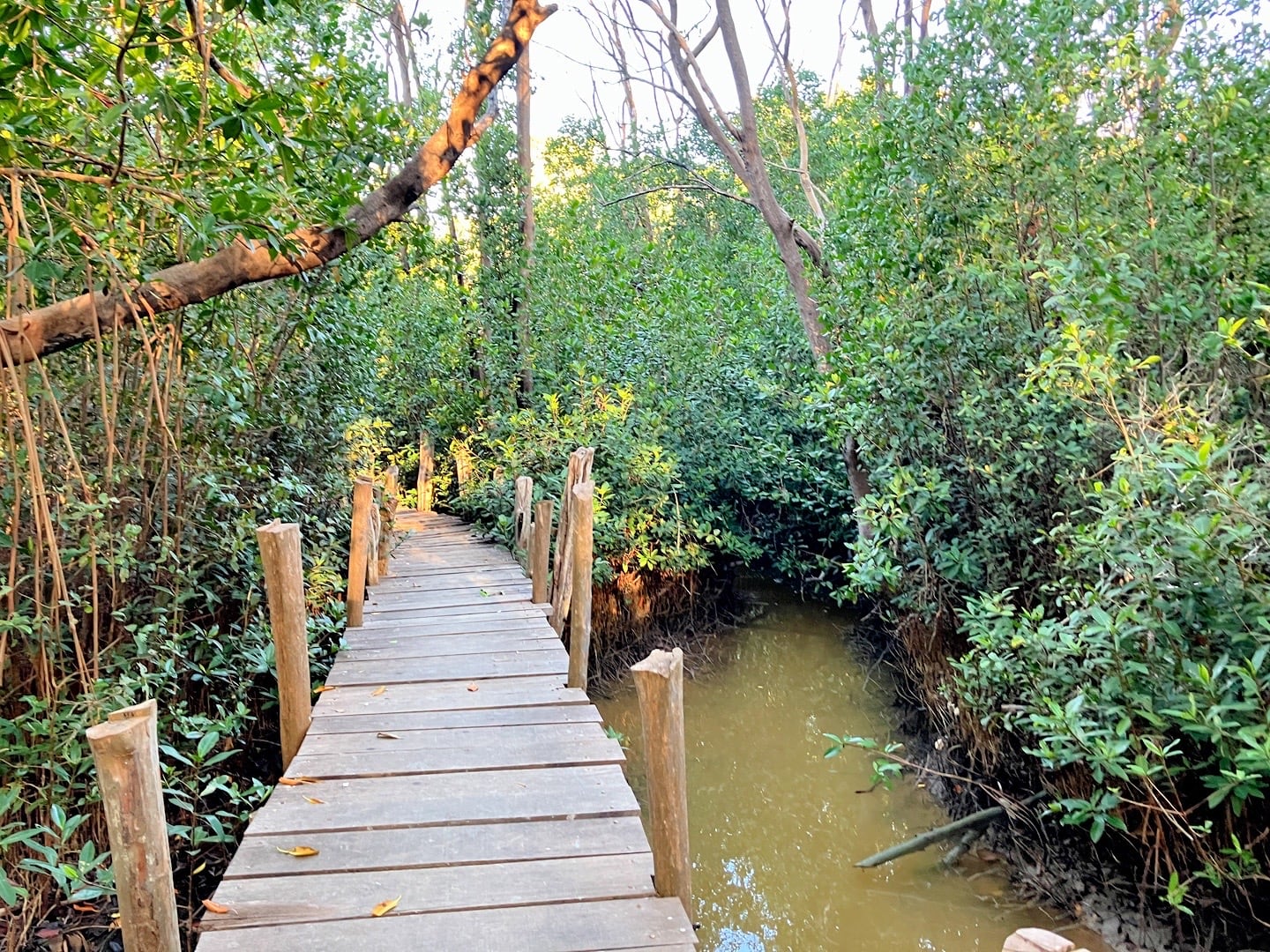
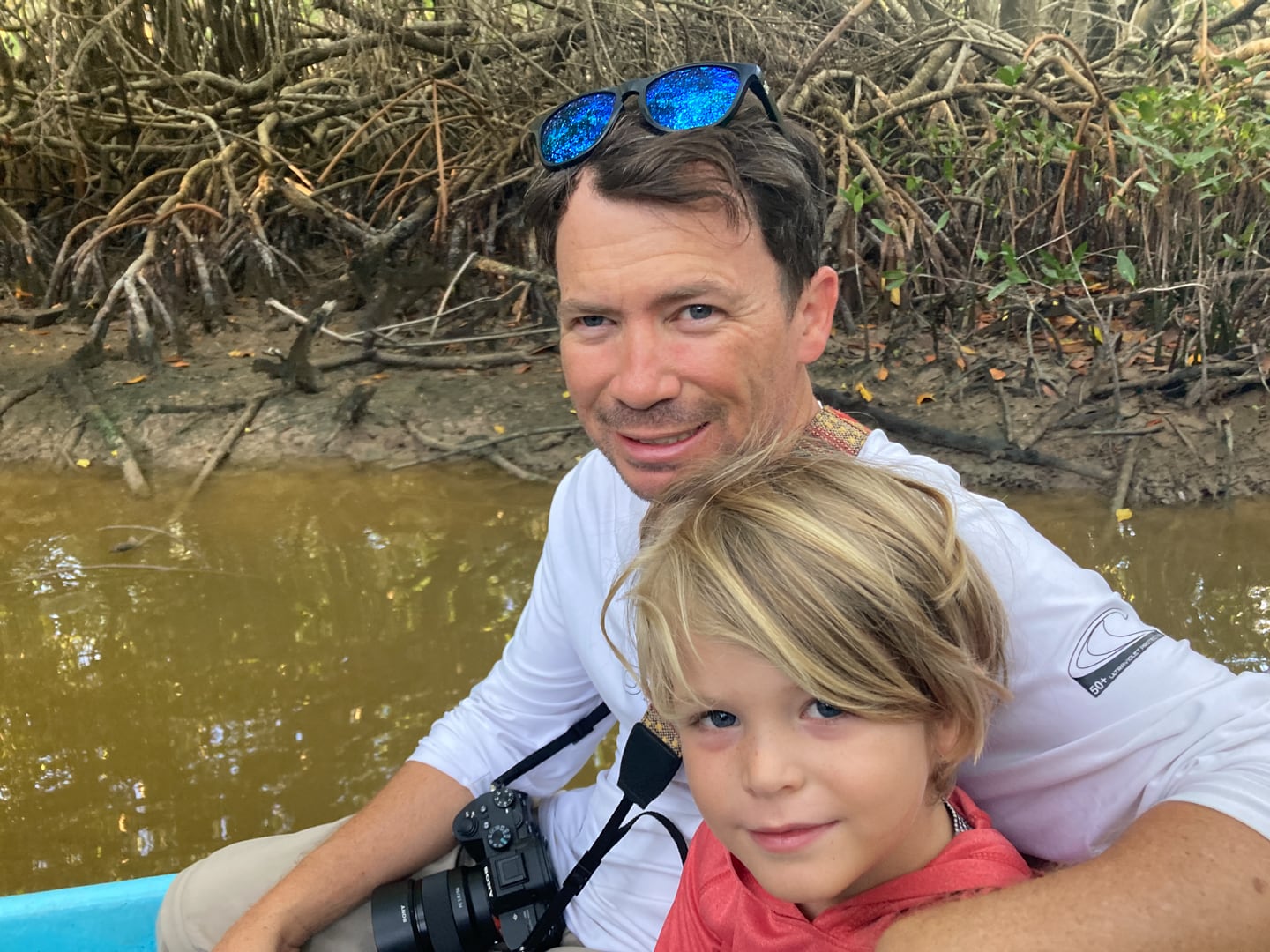
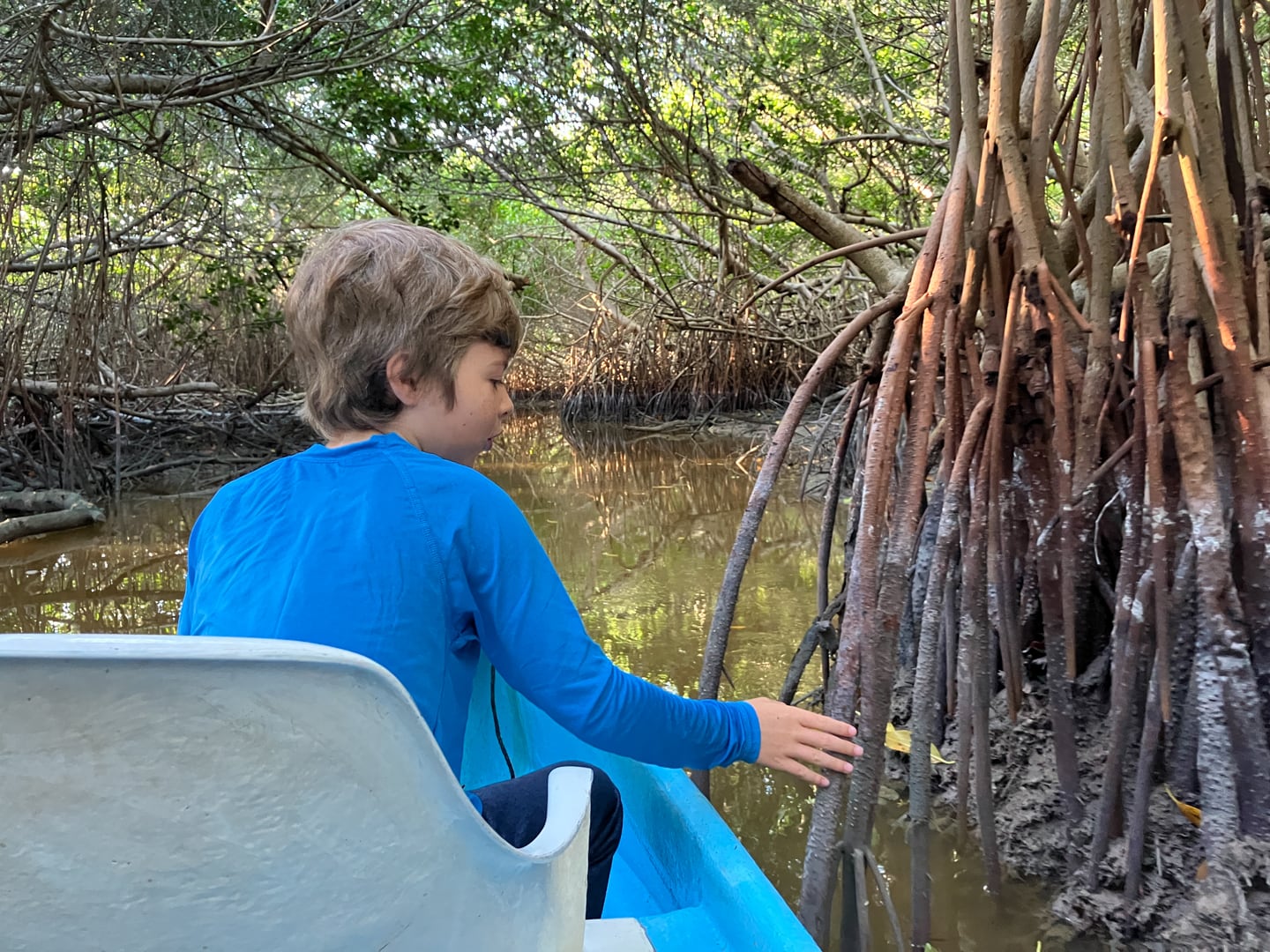
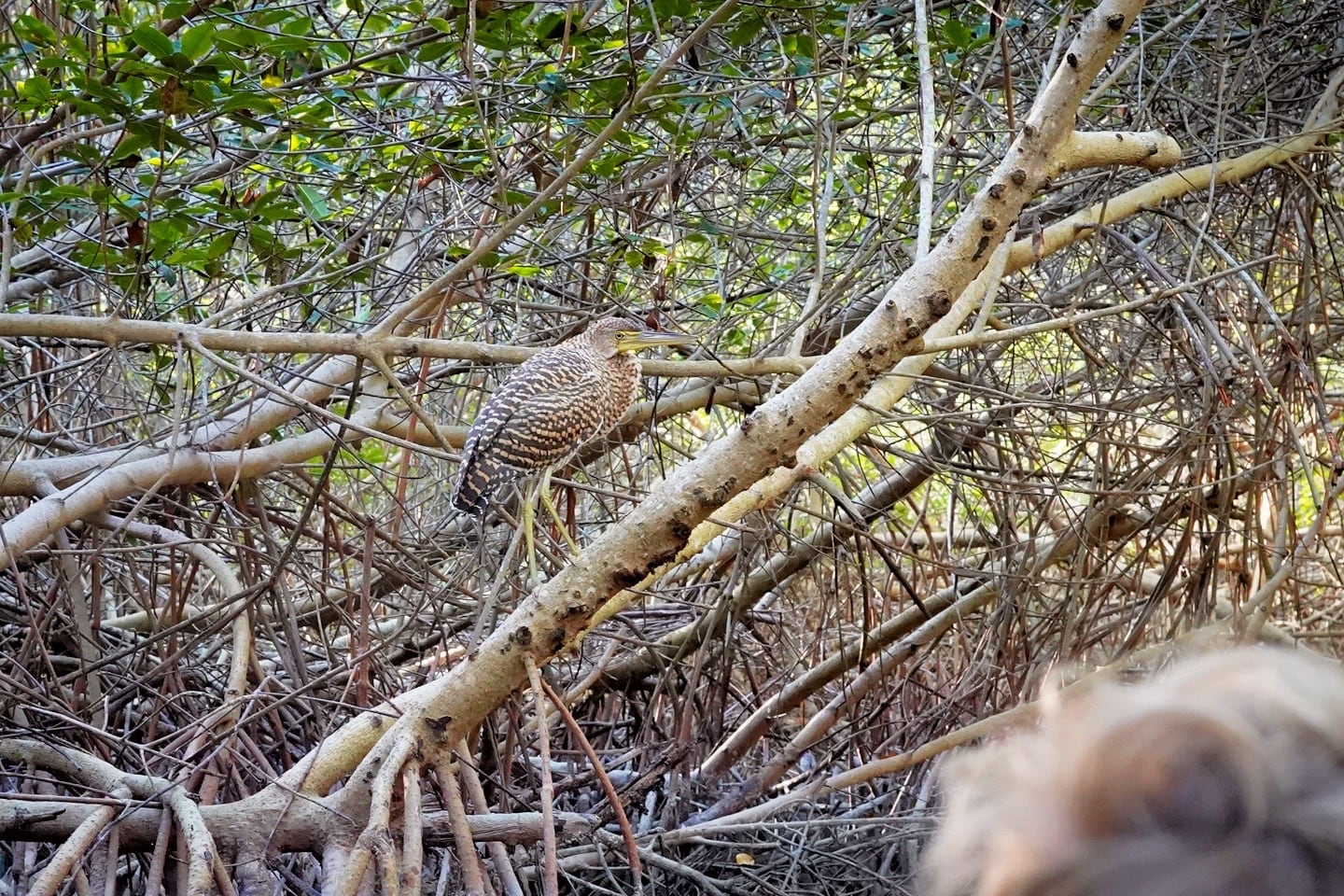
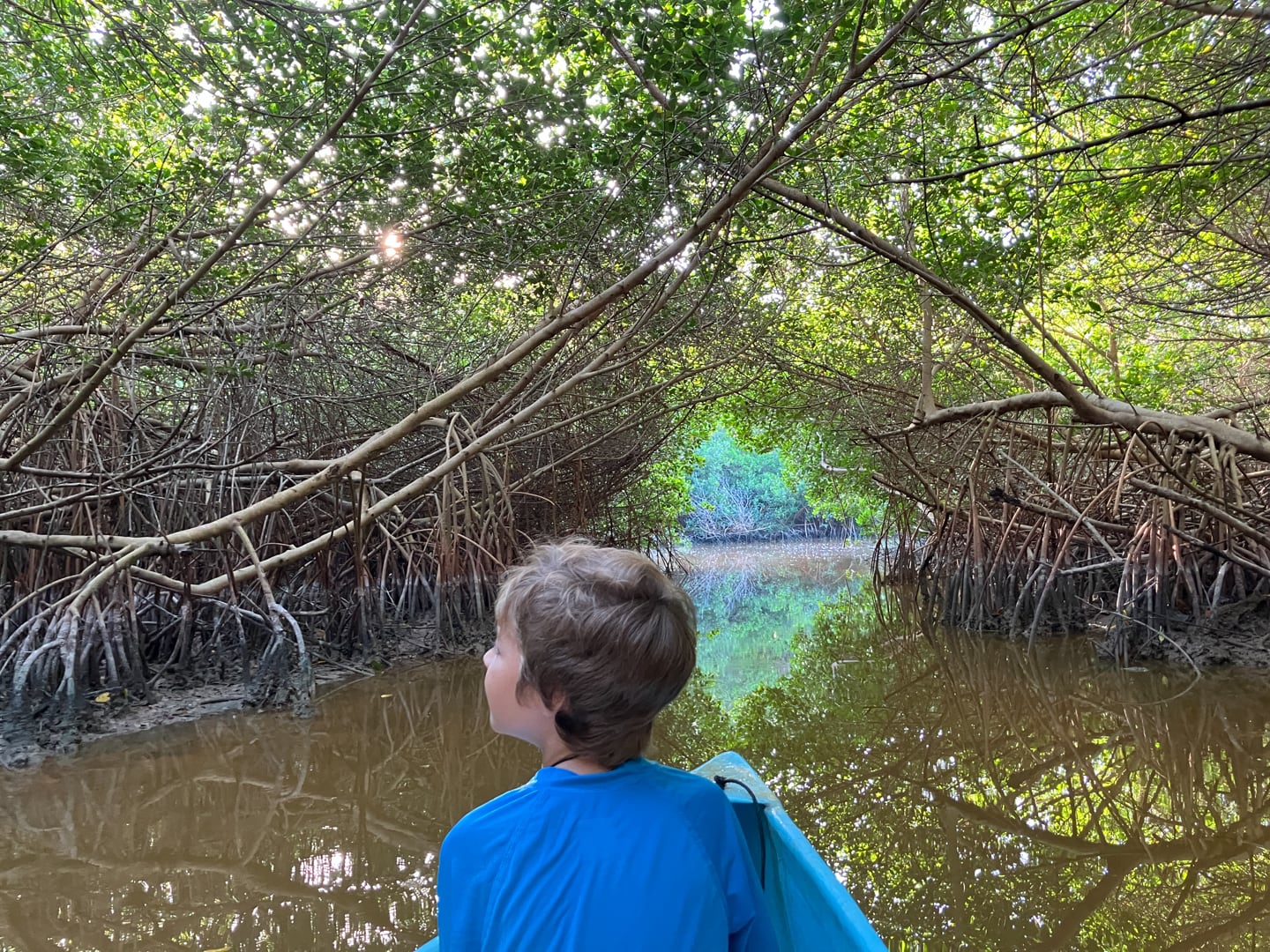
During our hour-long canoe ride through the mangroves leading to the Celestún River and flamingos, the guide pointed out a dozen different native bird species, including Green heron, Tiger heron, Boatbill heron, Red kingfisher, American Pygmy kingfisher, Black crown heron, Spotted sandpiper, Parakeet, and a rare daytime spotting of a Grey horned owl.
I no longer pack a bulky telephoto lens, so you’ll have to take my word for it. But I did get a sharp shot of this guy.
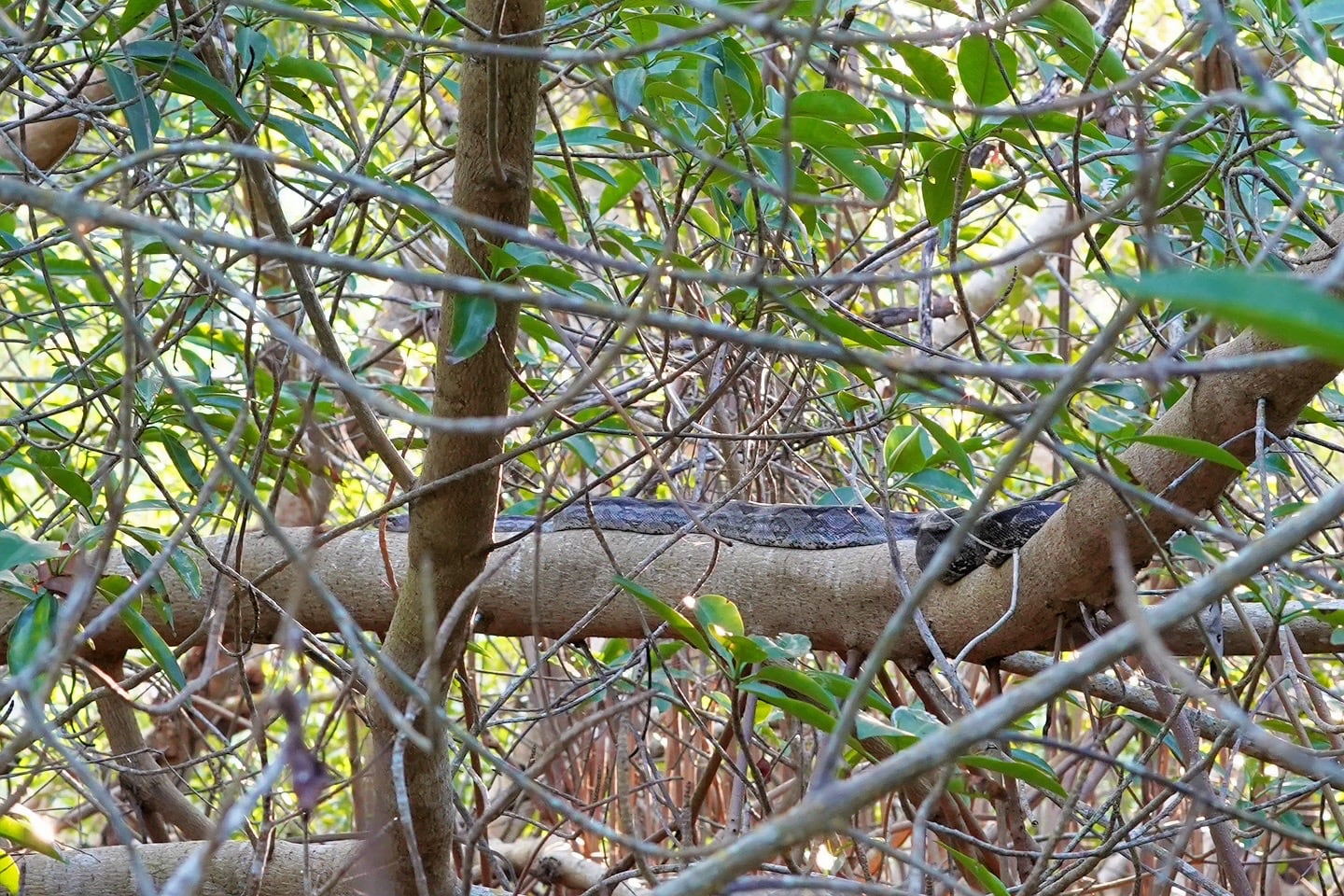
We also spotted a few other jungle critters, like this Boa Constrictor in a tree above us (it’s laying across the big branch in the middle):
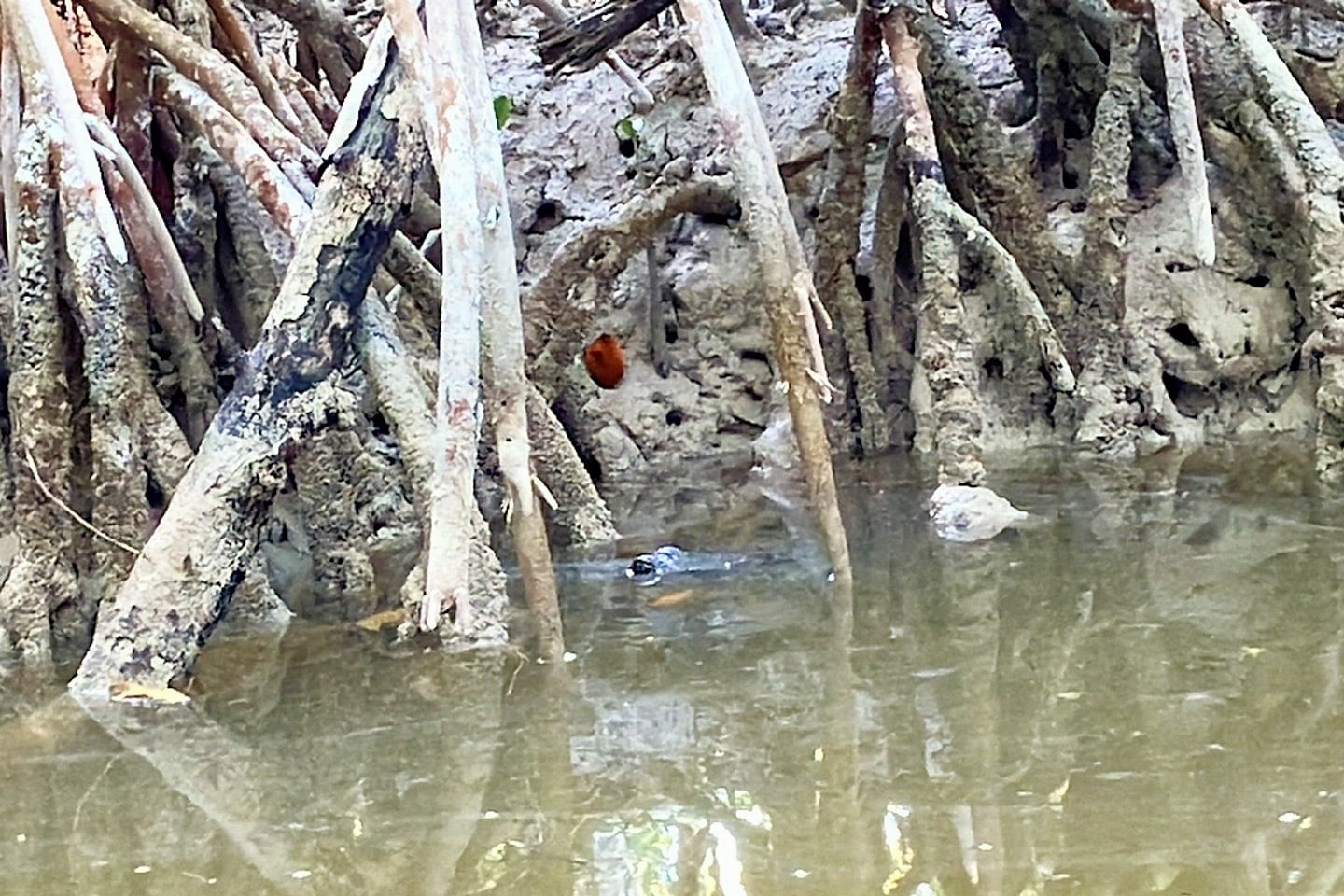
We also spotted a couple of Crocs (you can see the eyes of one poking out left of center, below):
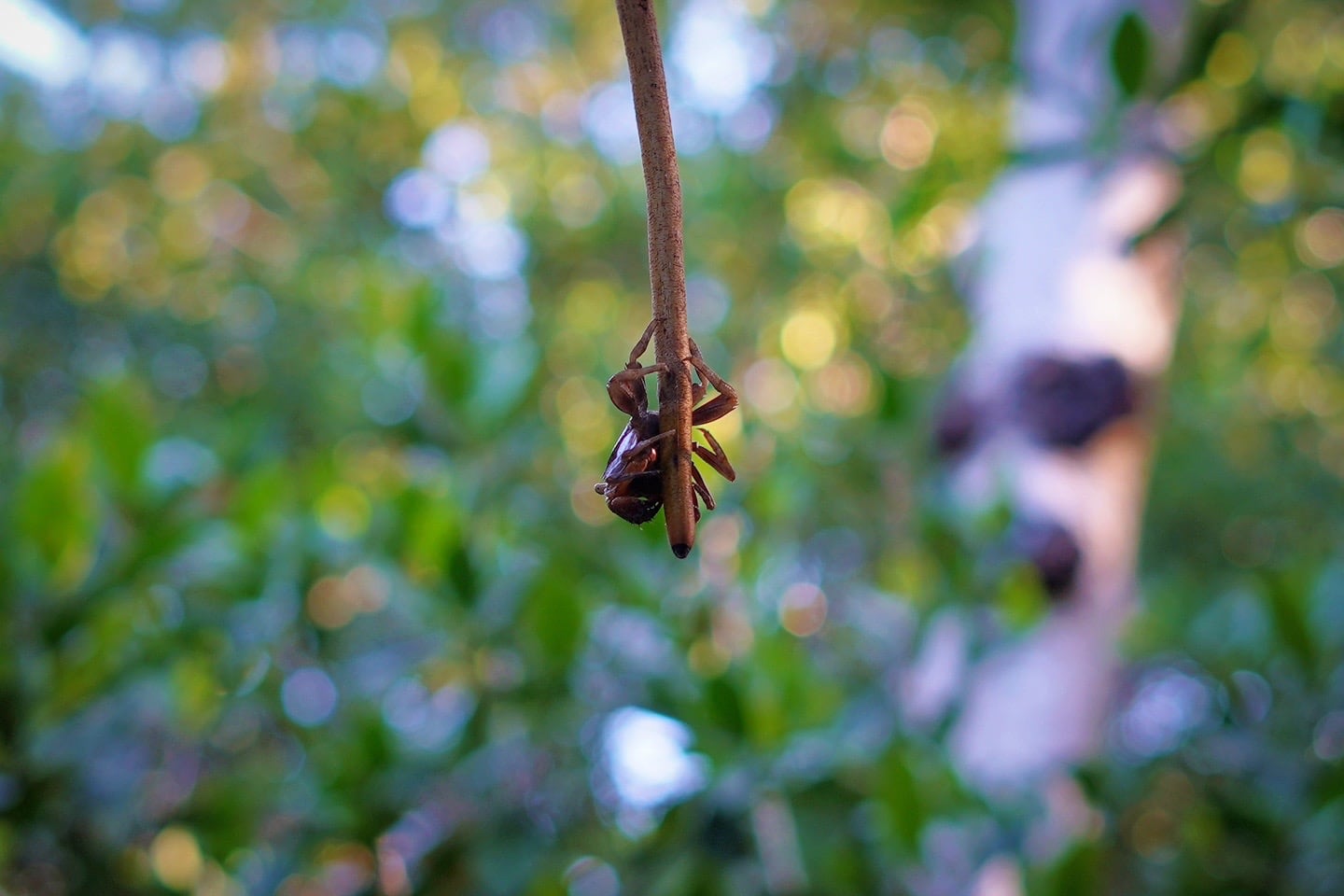
At first, I thought this was a giant spider. Turns out, it’s a Spider Crab.
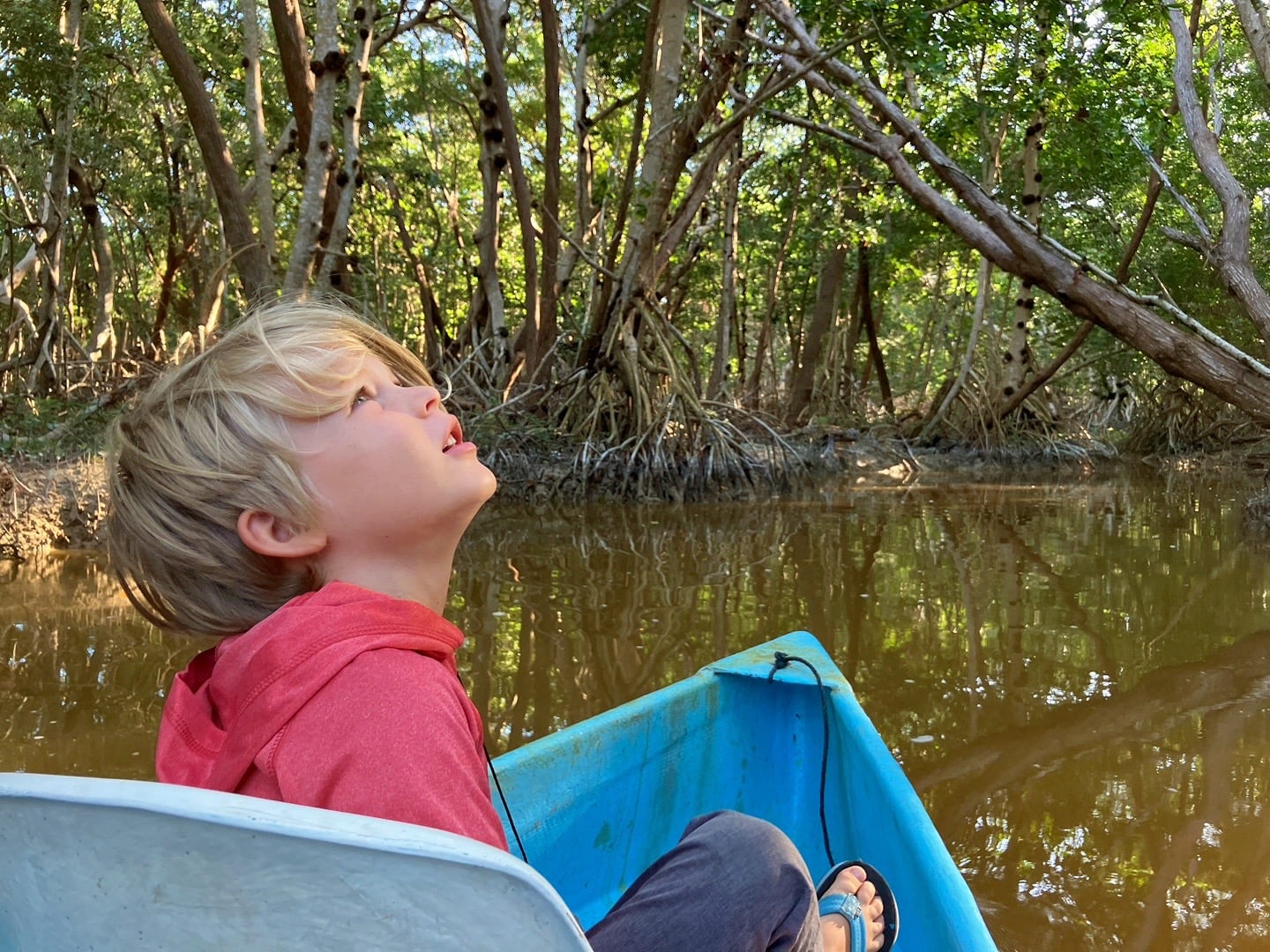
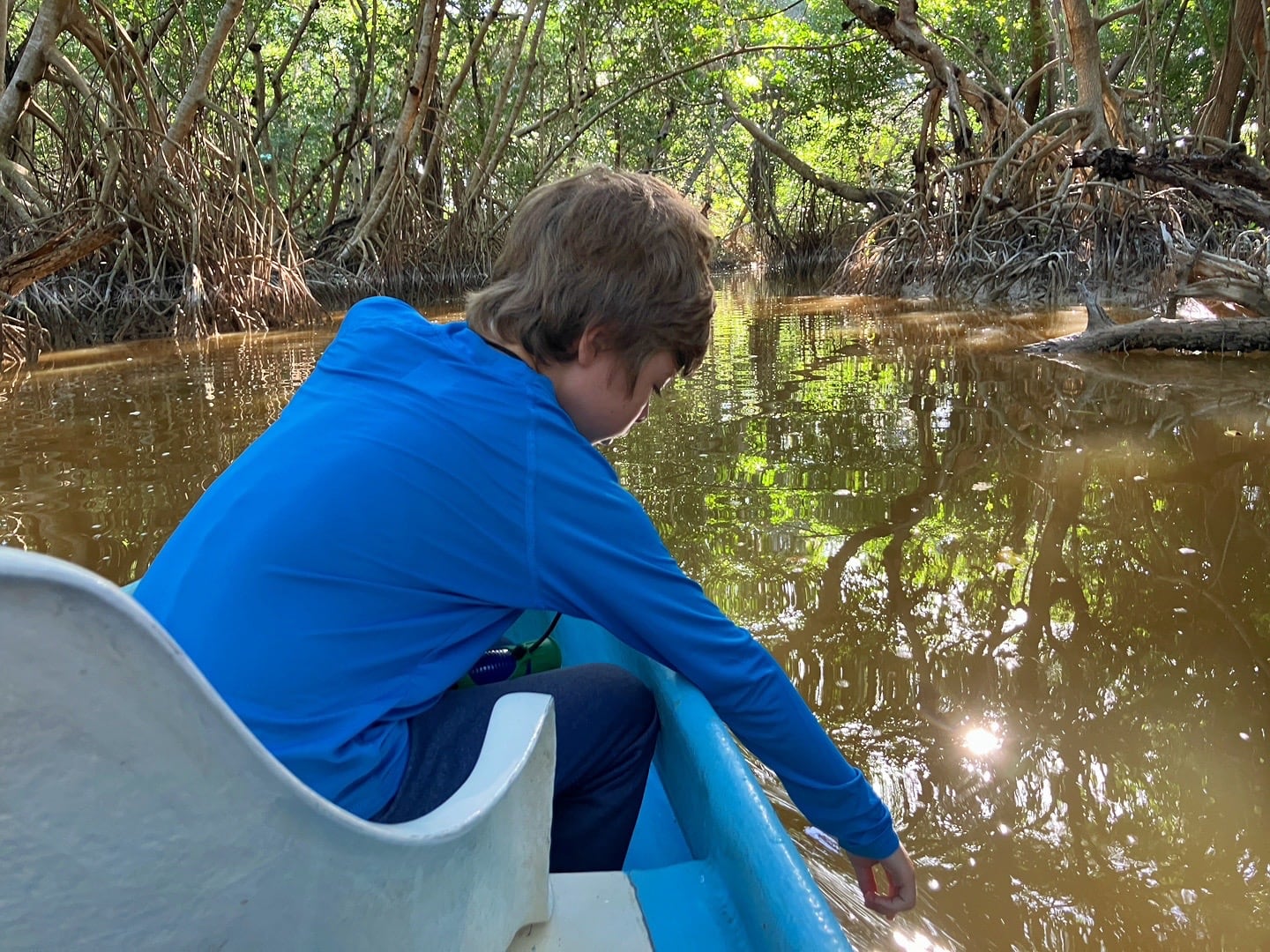
The highlight, of course, was getting to see the pink flamingos in their natural habitat, which turned out to be pinker and more plentiful than I imagined.
Our route through the mangrove emptied out into the wide Ría Celestún, and there they were off in the distance.
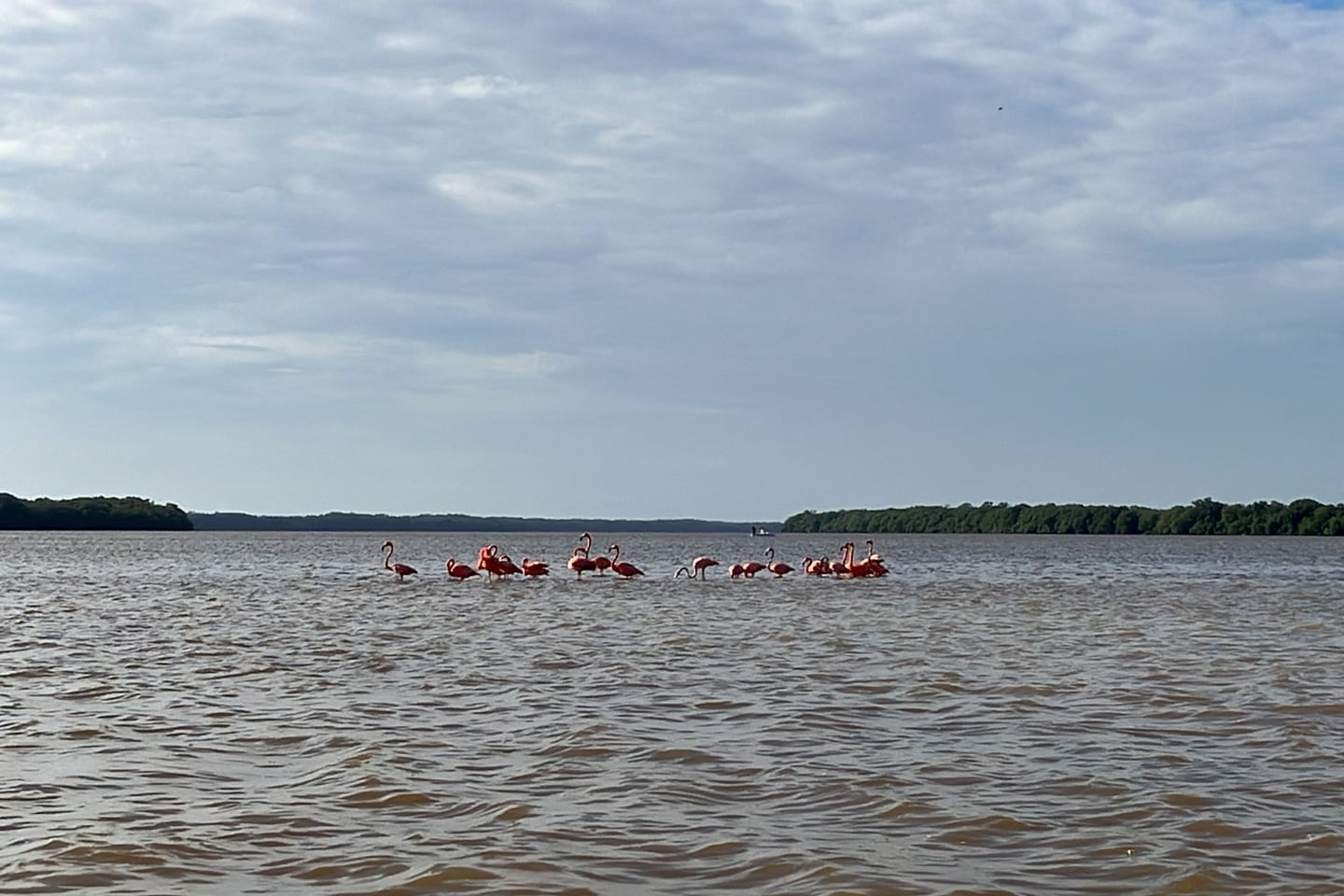
There’s just one time during daylight hours that you can catch them feeding here. There’s a small window when tide is coming in and the water is just high enough for the brine shrimp to swim but low enough for the flamingos to stand.
When it gets too high, they fly off en masse.
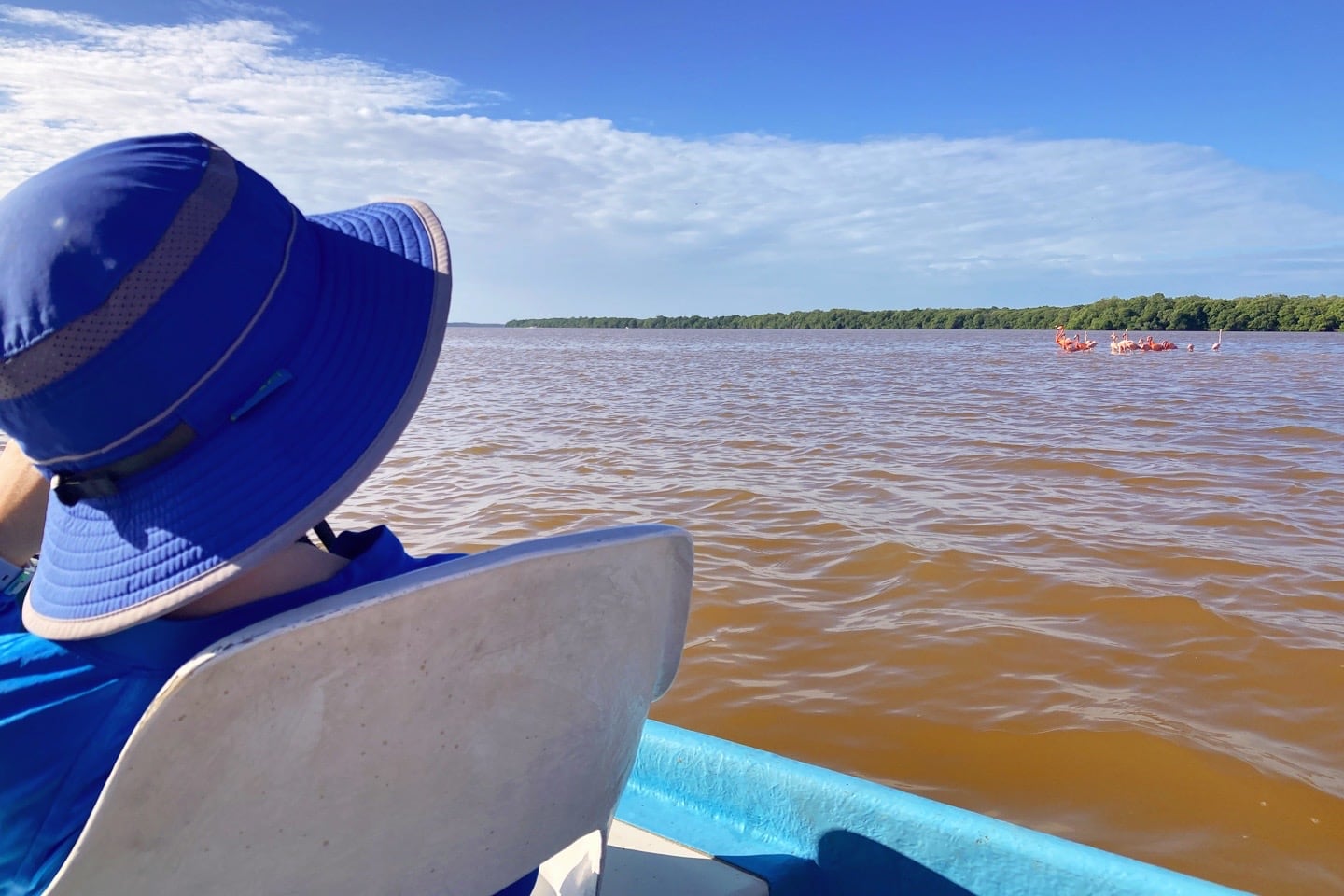
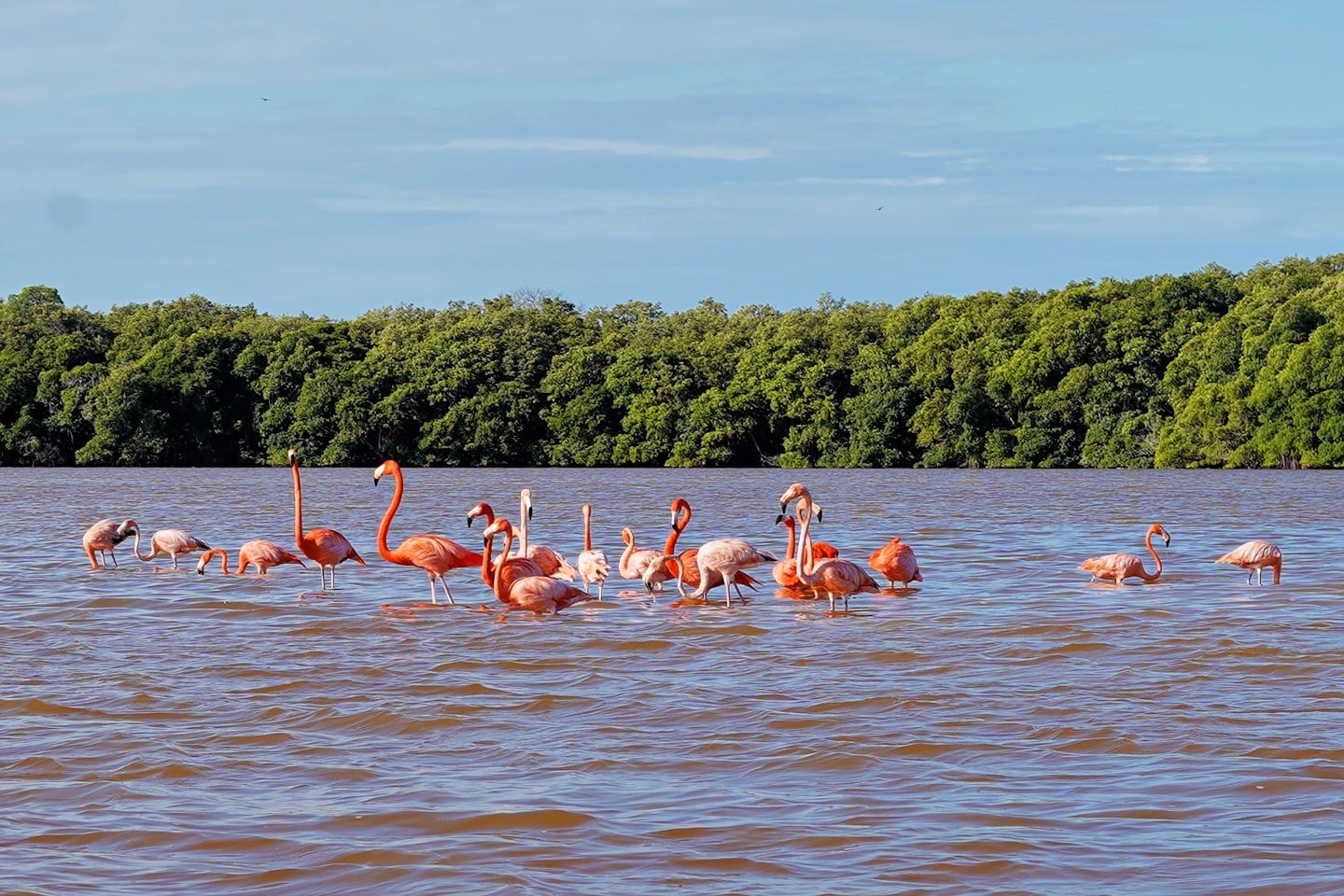
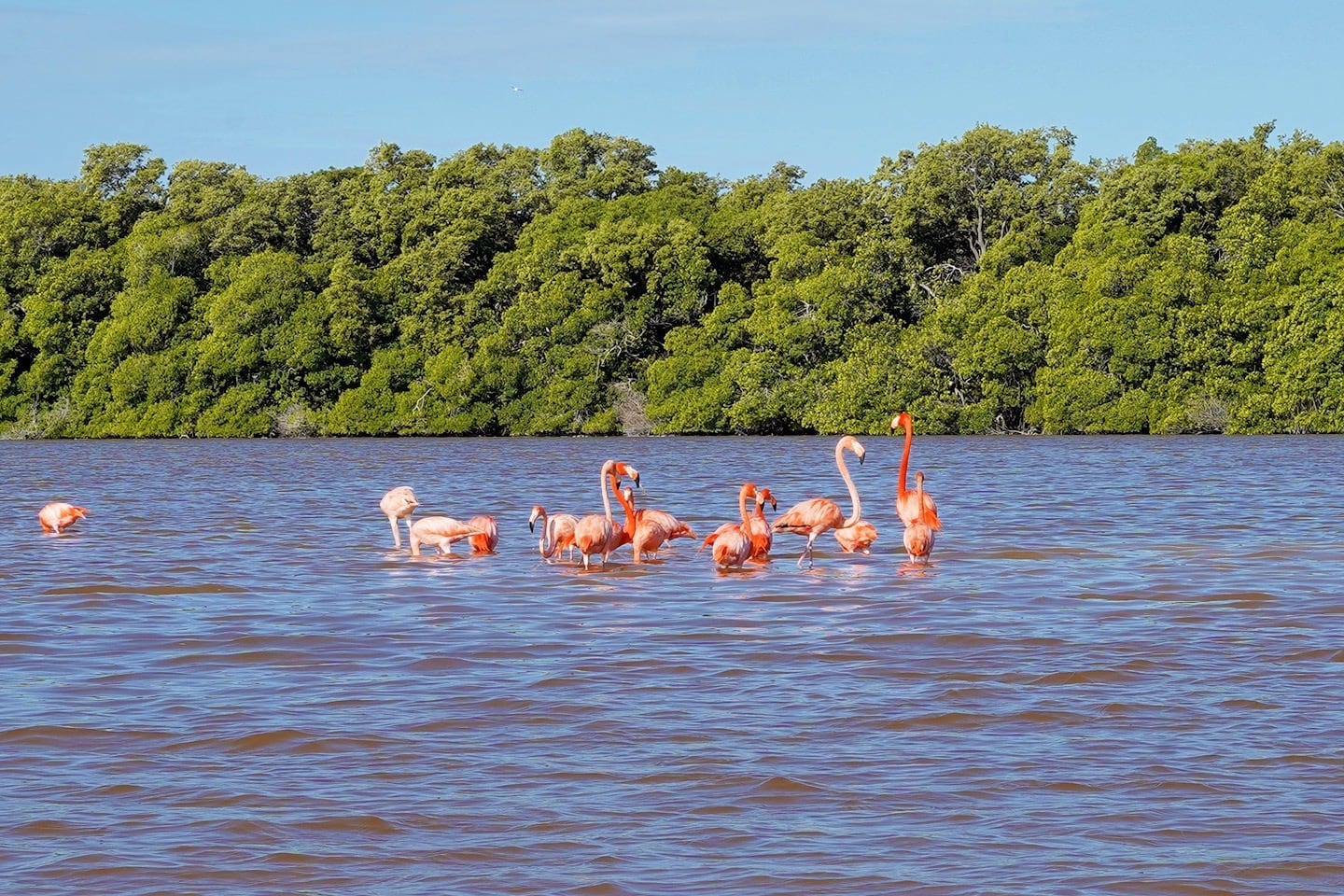
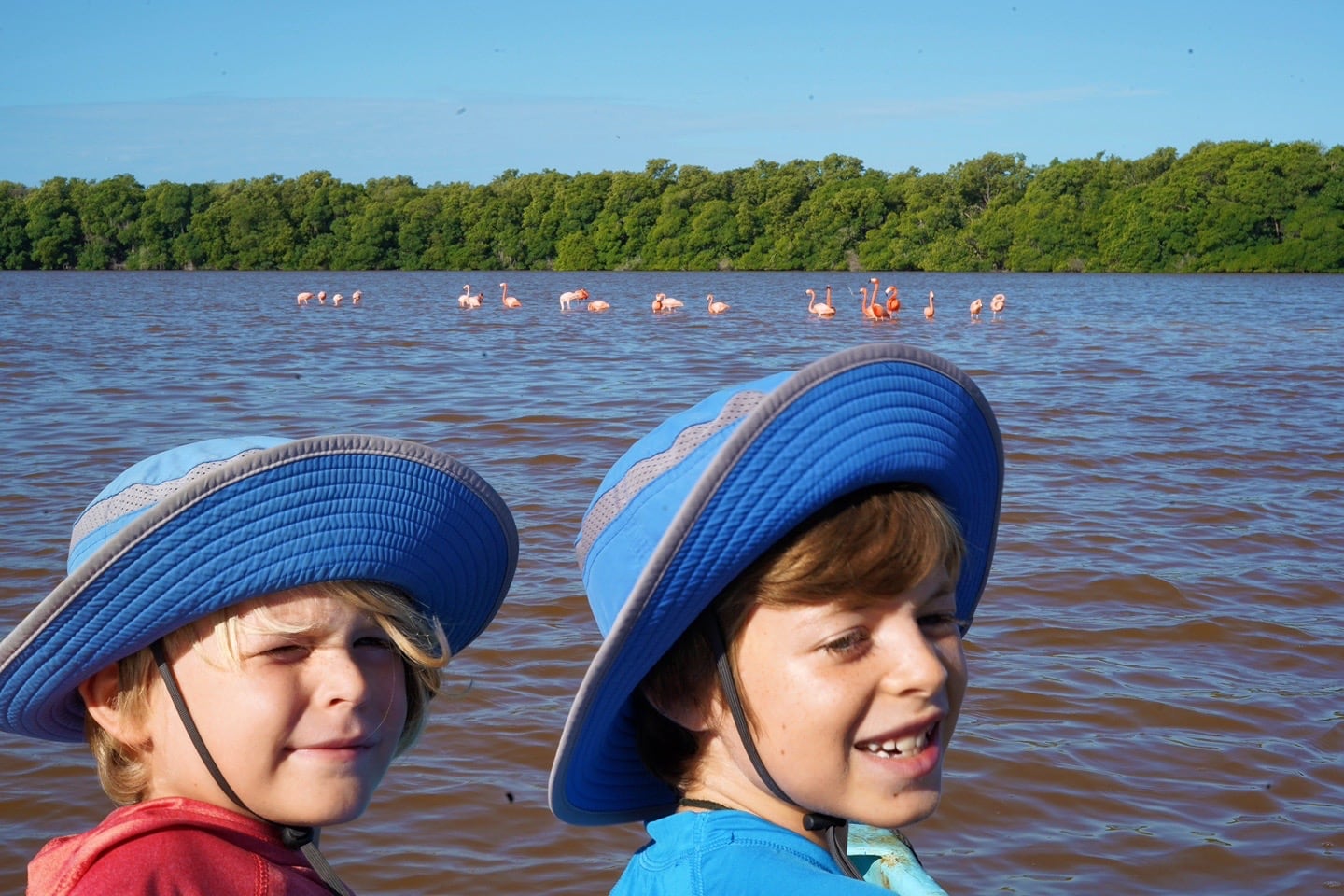
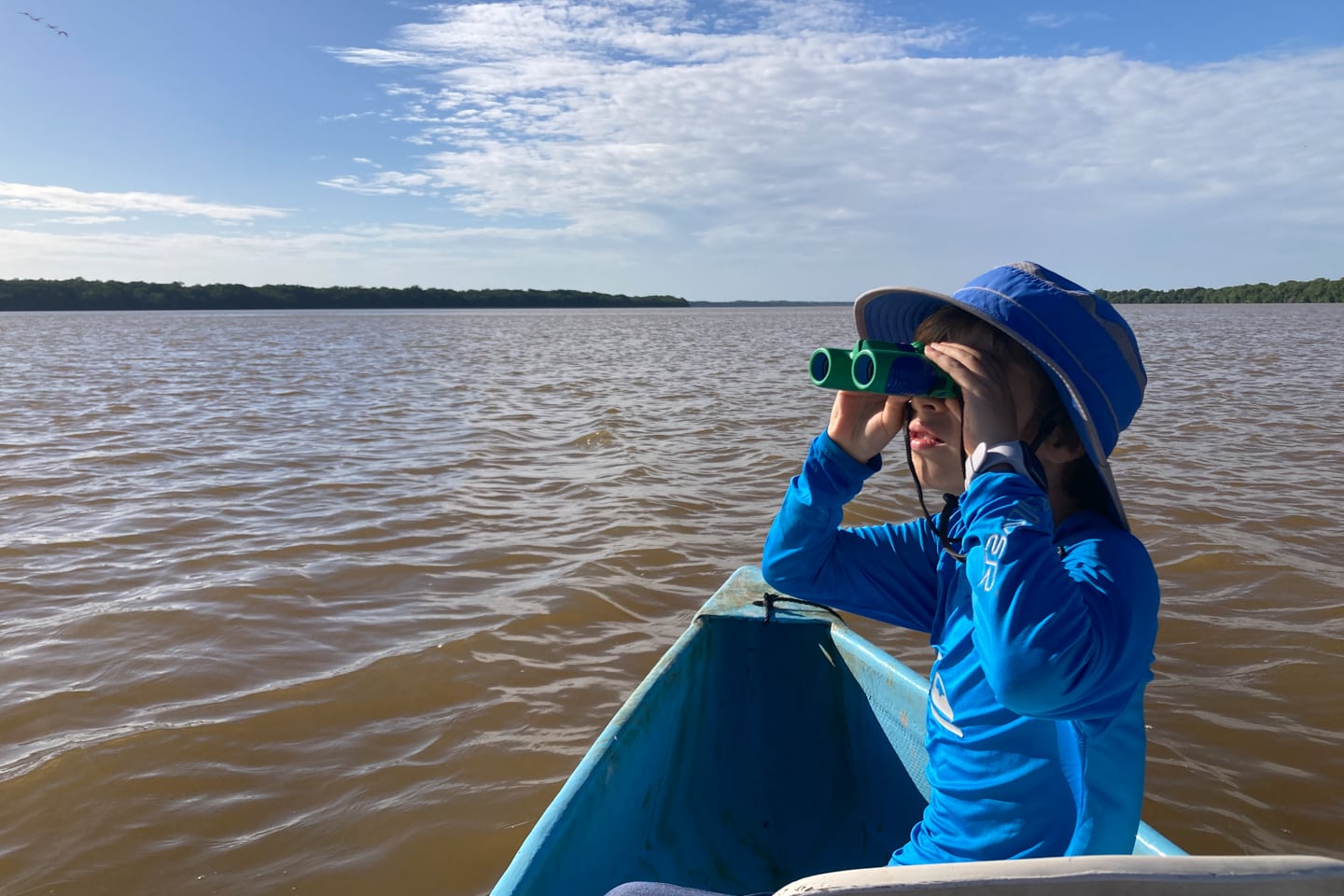
We stayed until most of the flamingos had flown the coop, then made our way to another part of the mangroves. It’s worth noting that the mouth of the river here is so shallow, our guide was able to propel us the entire way with a long bamboo pole. No oars needed.
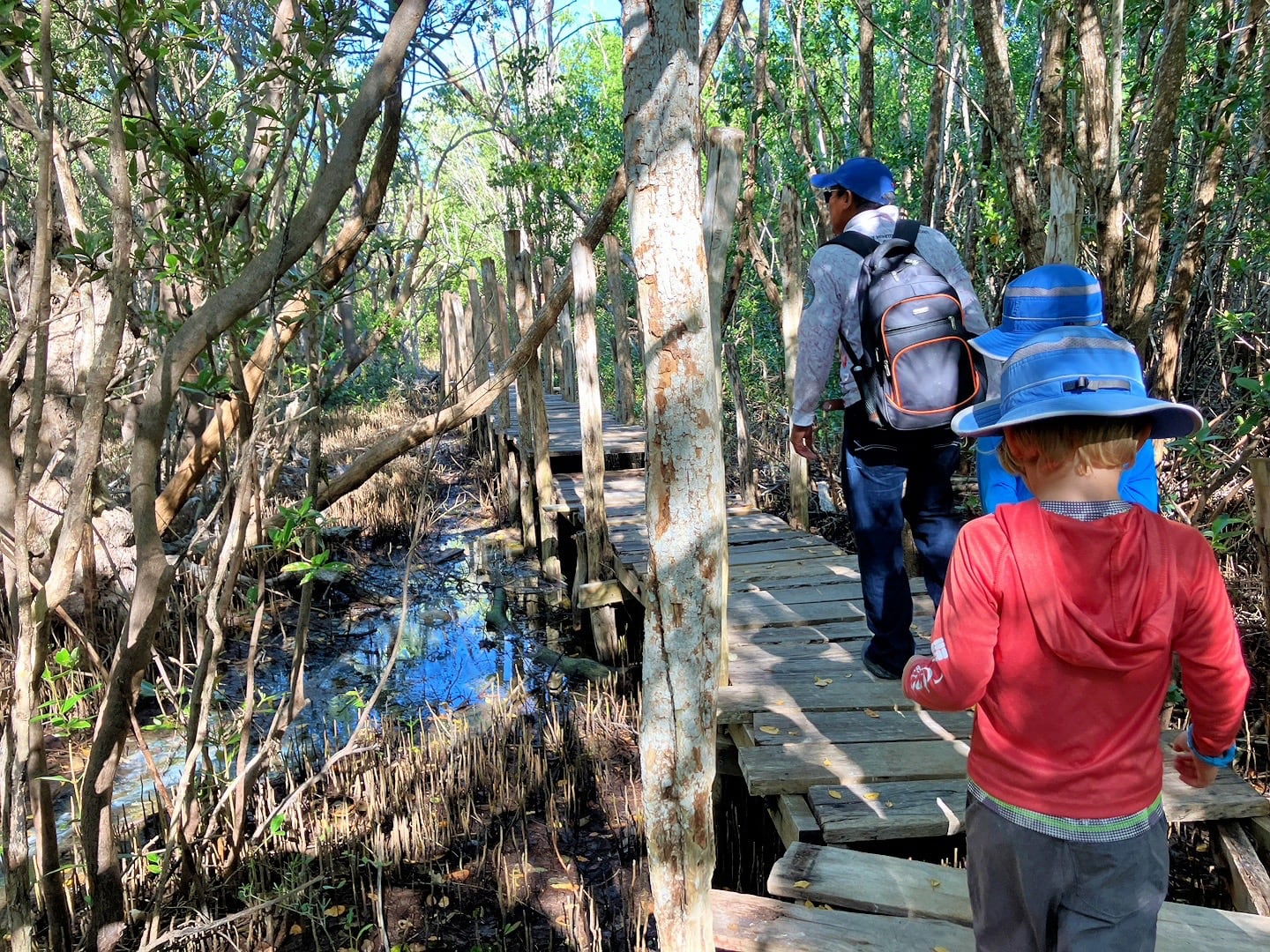
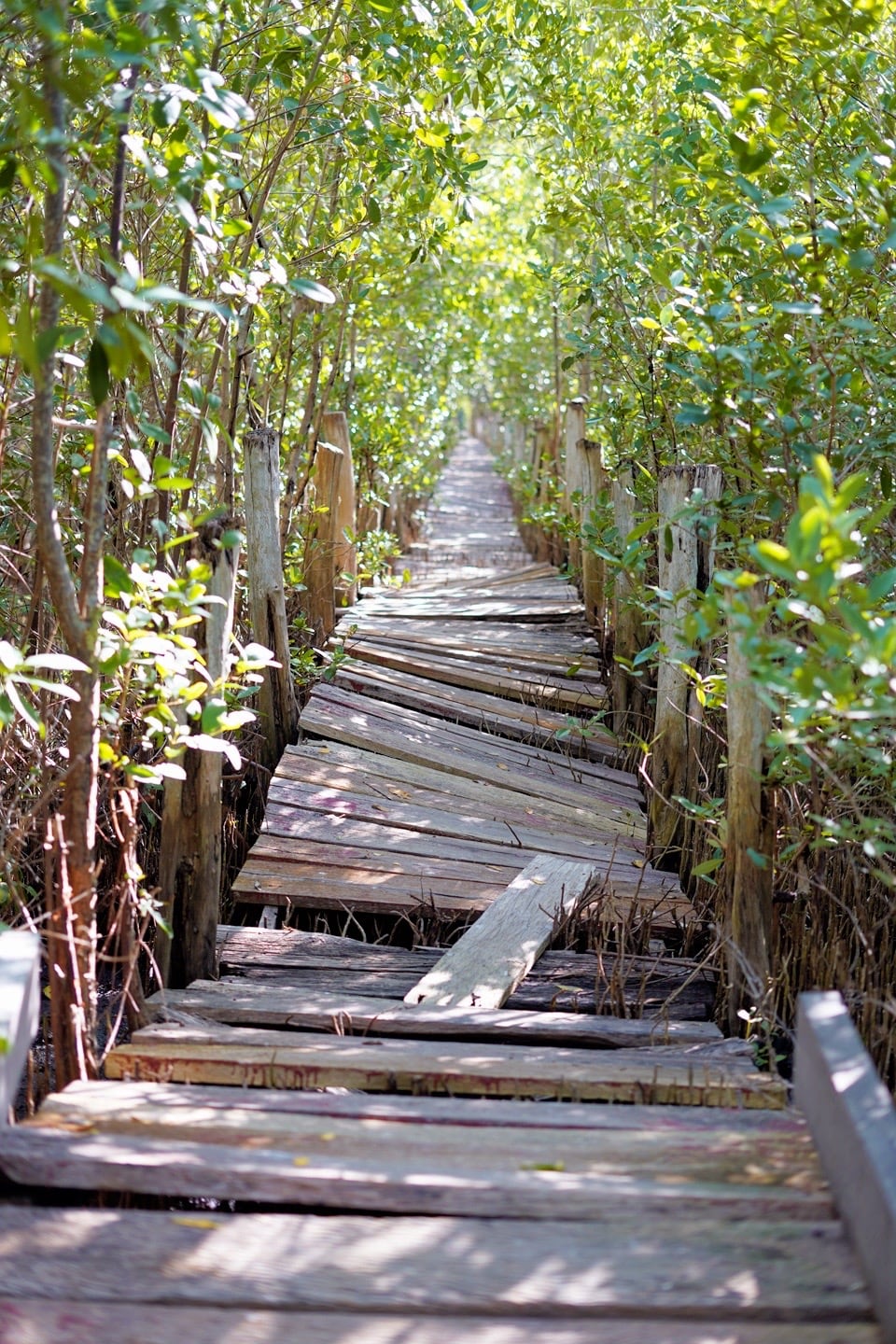
Hurricane Milton last October wreaked havoc on the Yucatan. Widespread flooding caused noticeable damage, which we’ve observed four months on in places like Holbox, Progresso, and here.
The elevated boardwalk connects the river to the Petrified Forest, an area devastated by an earlier hurricane a few decades back. This part of the tour actually crosses into neighboring Campeche state and also happens to be a prime place to see the flamingos.
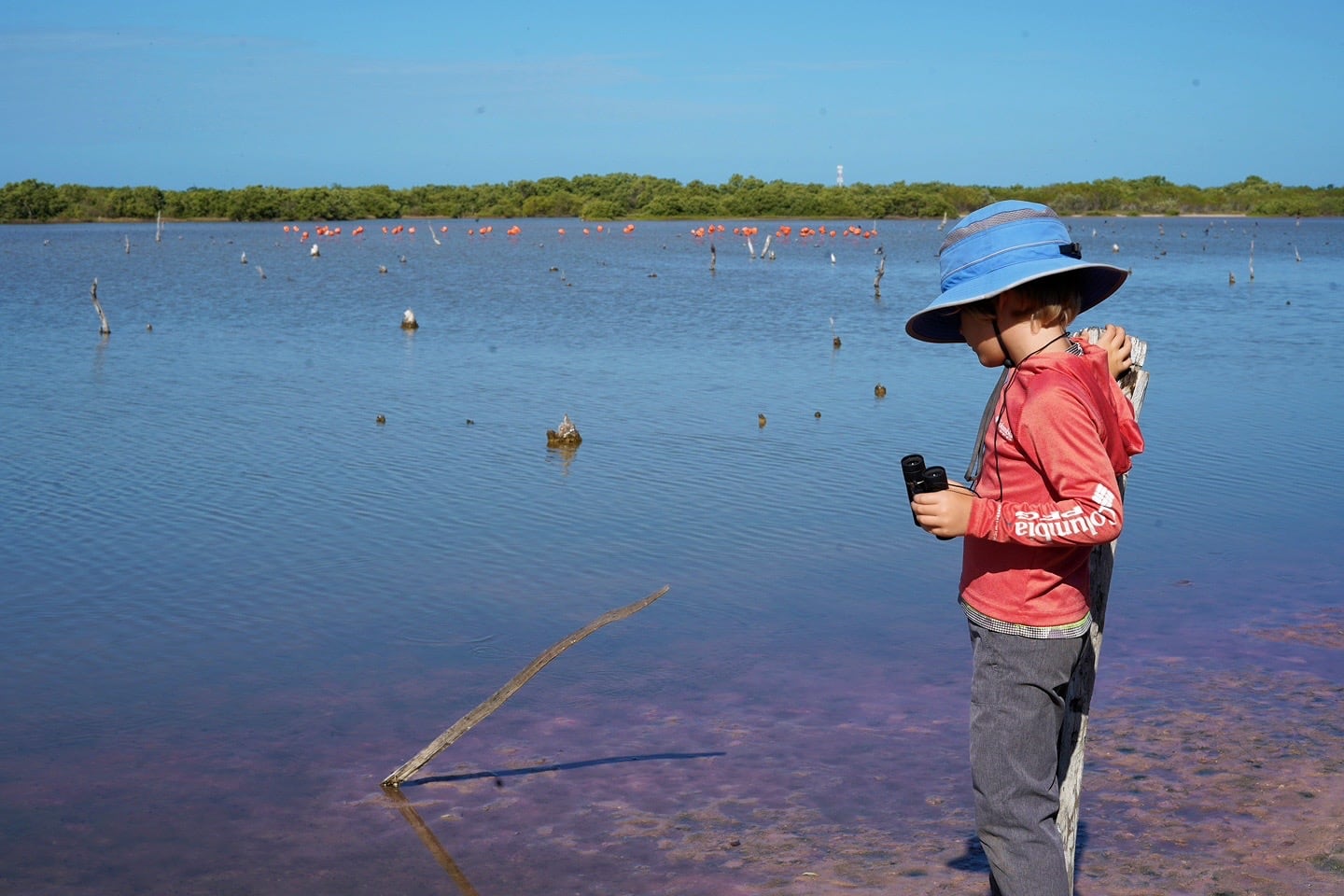
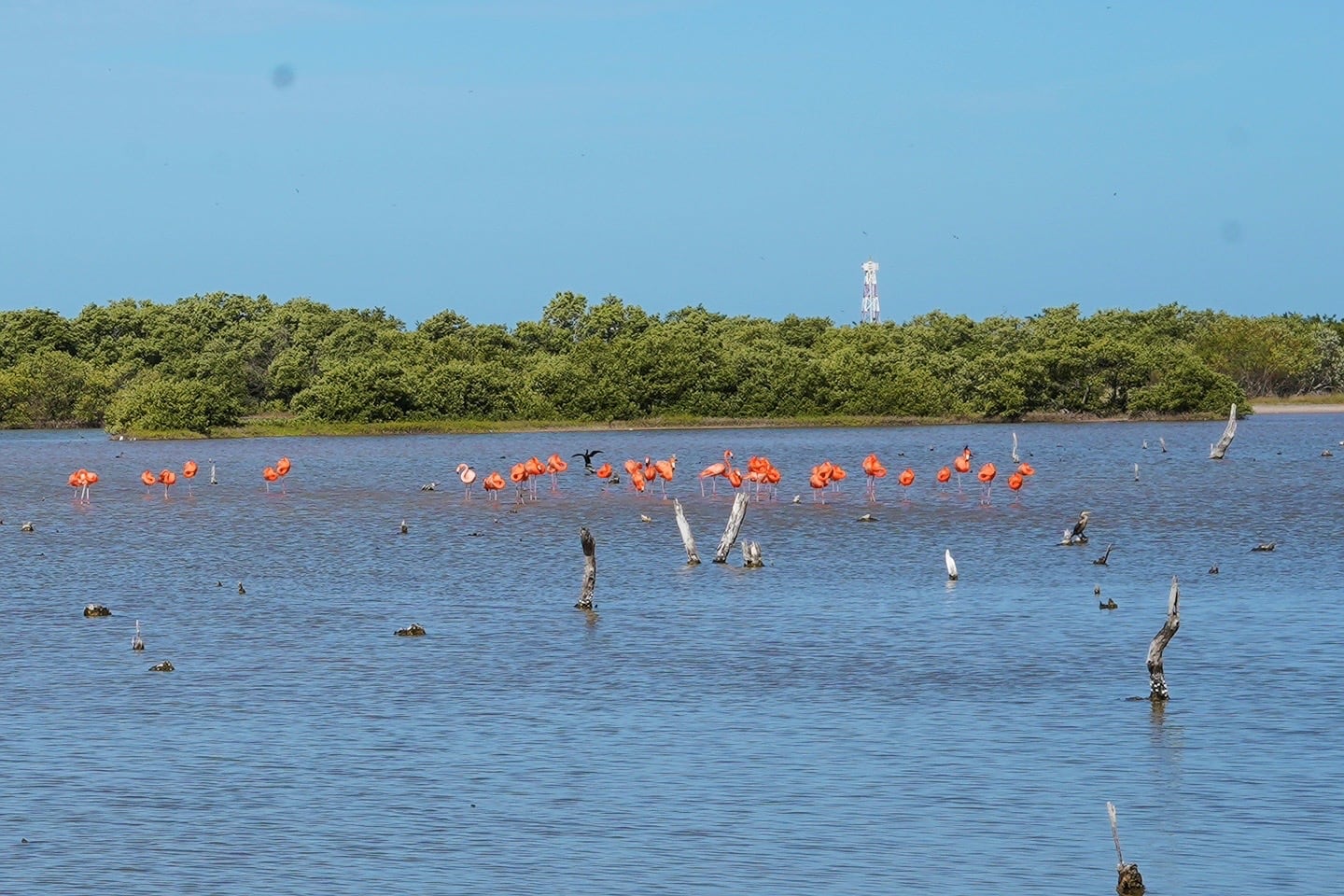
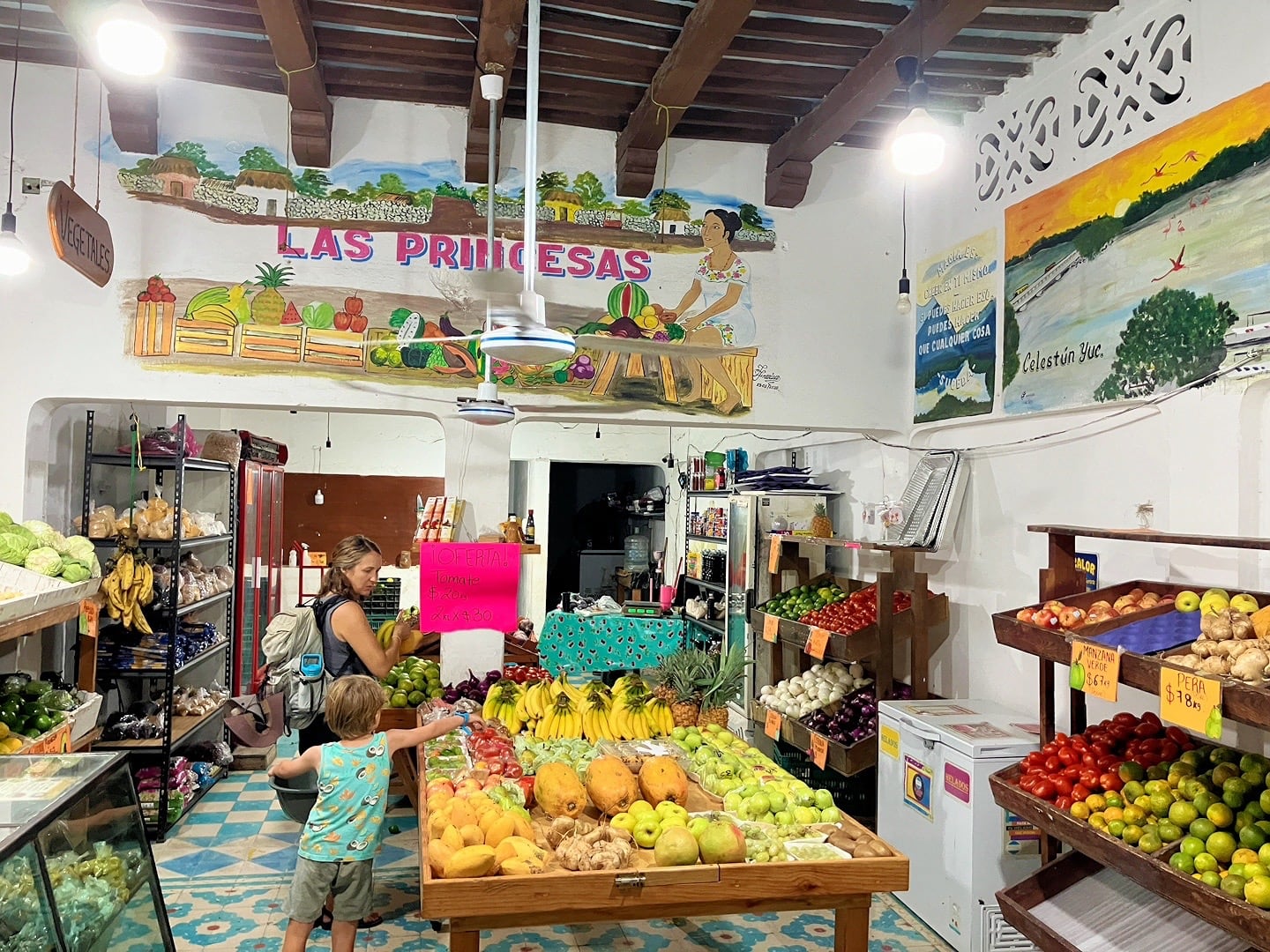
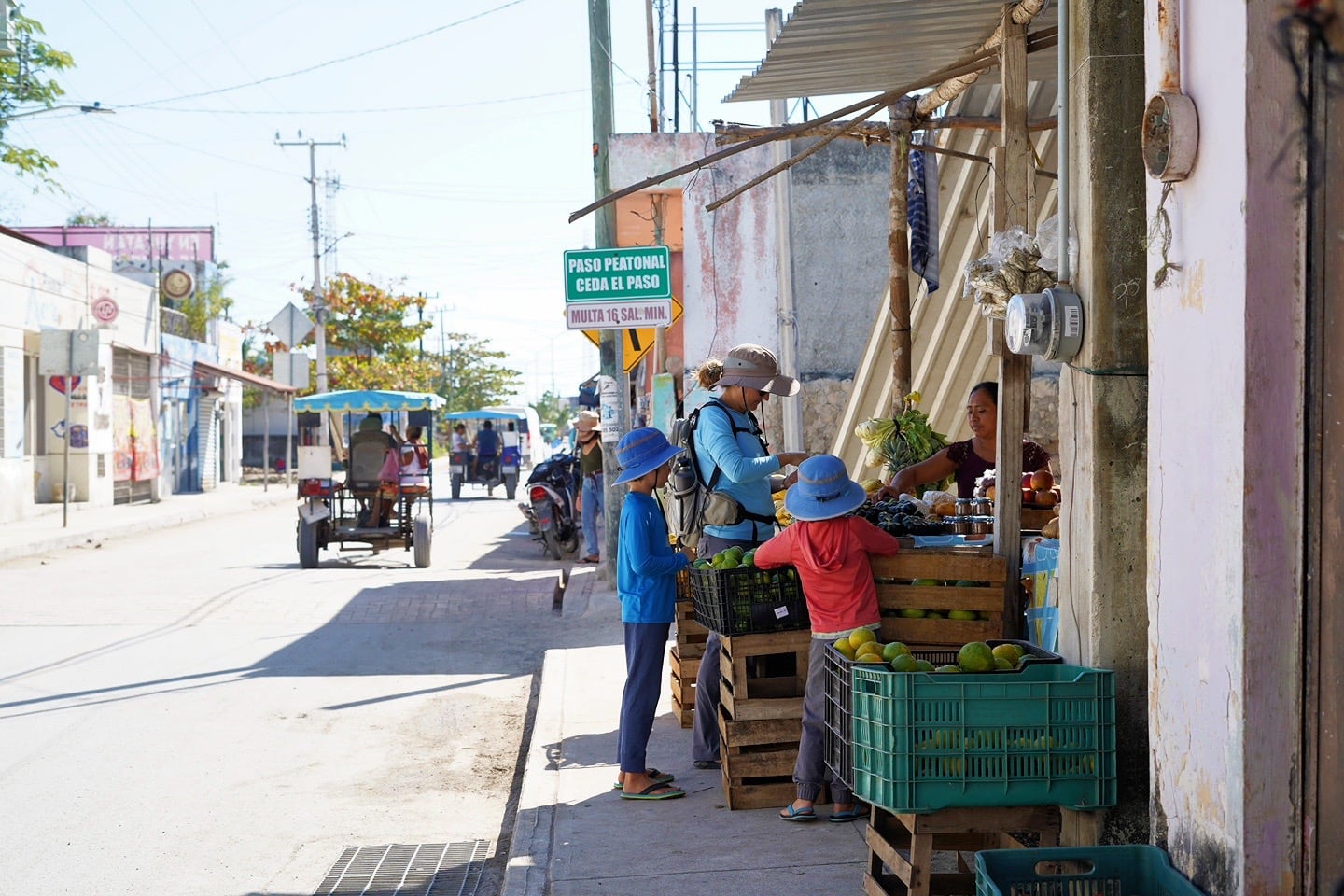
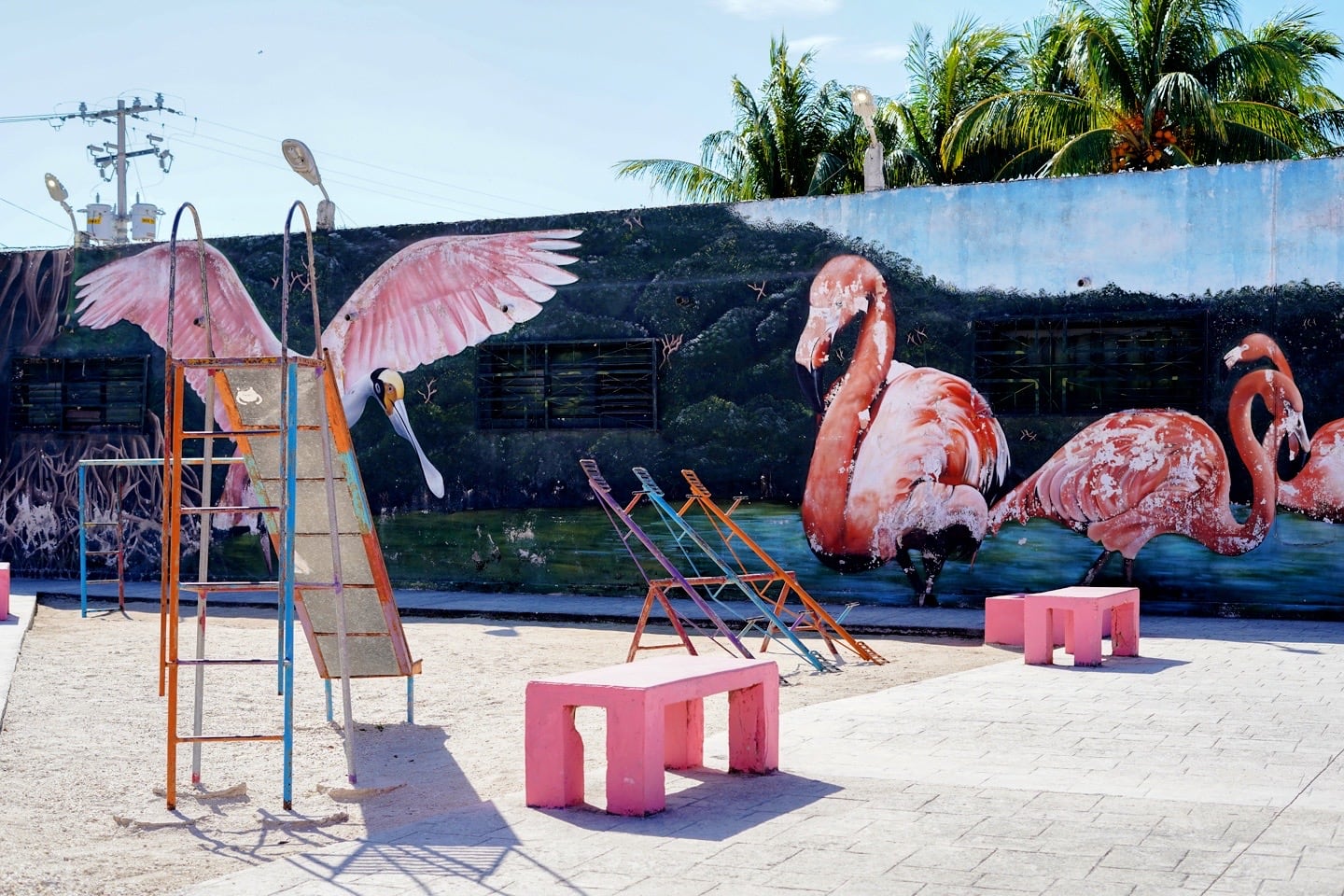
We ended an eventful morning chasing flamingos back in town for a meal and some grocery shopping.
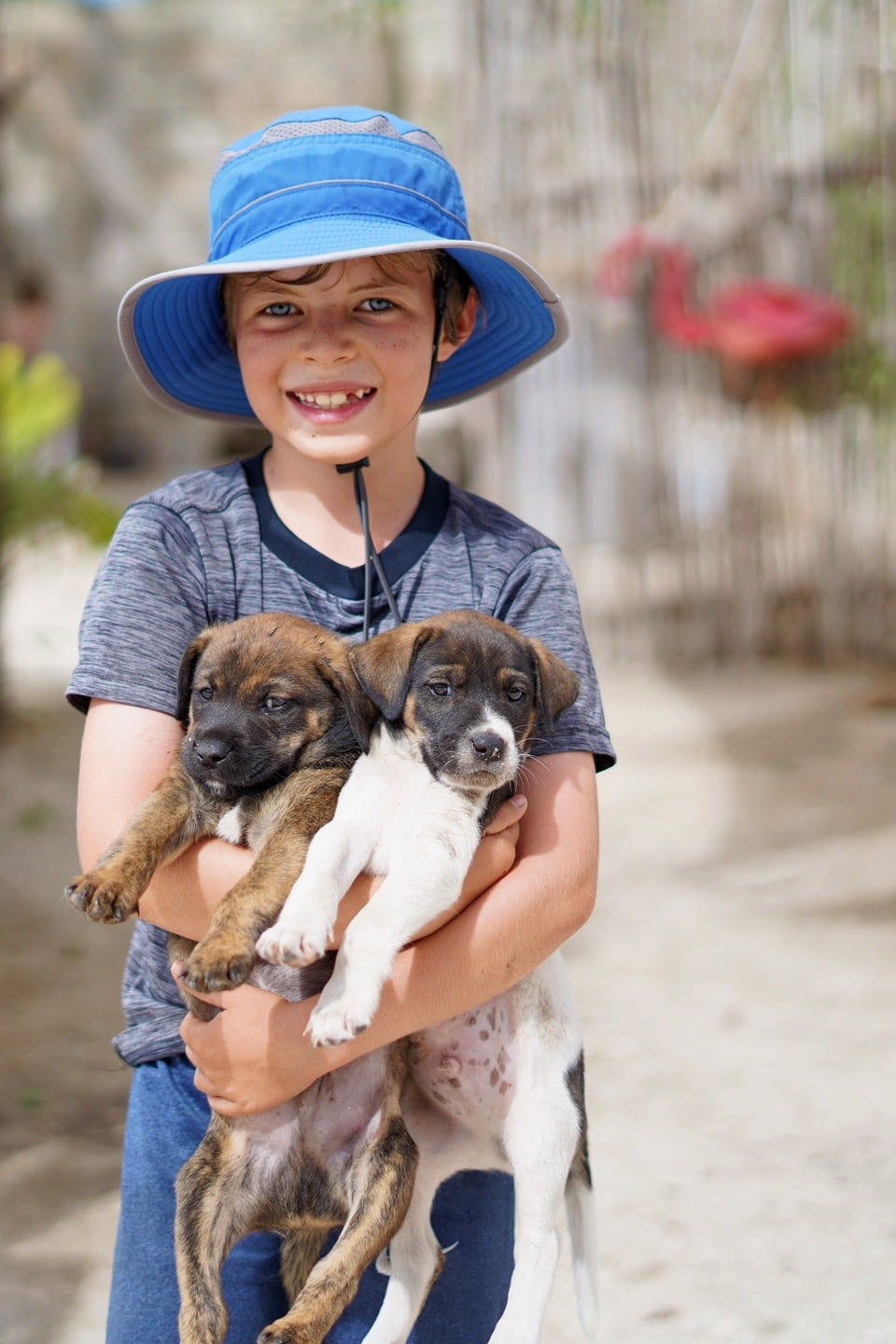
We may be leaving with a couple additional passengers. As cute as these little guys are, our two boys provide enough chaos in the RV for now.
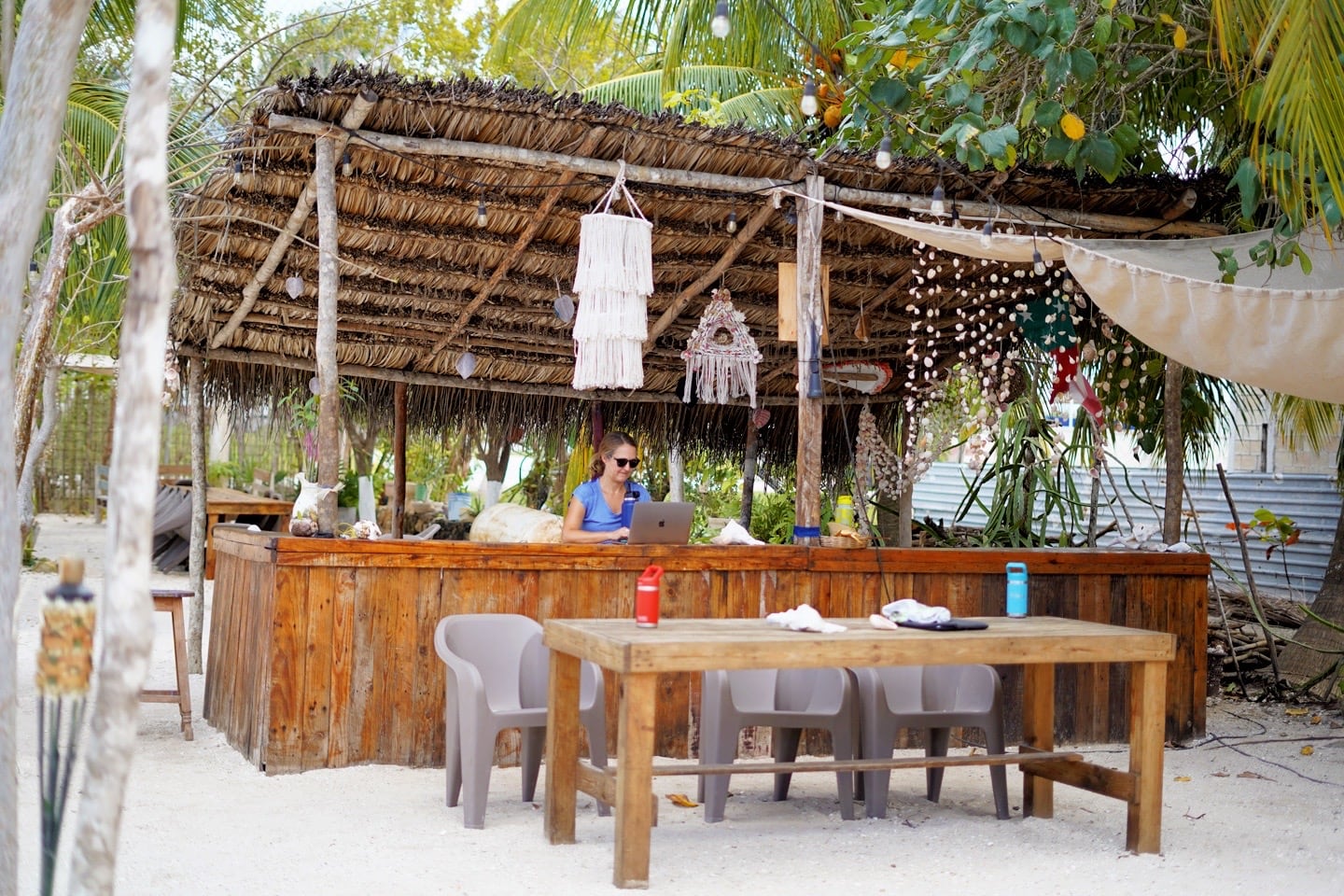
Lori’s early morning work spot at Dos Lunas. It took a great deal of restraint not to ask her to whip me up a margarita.
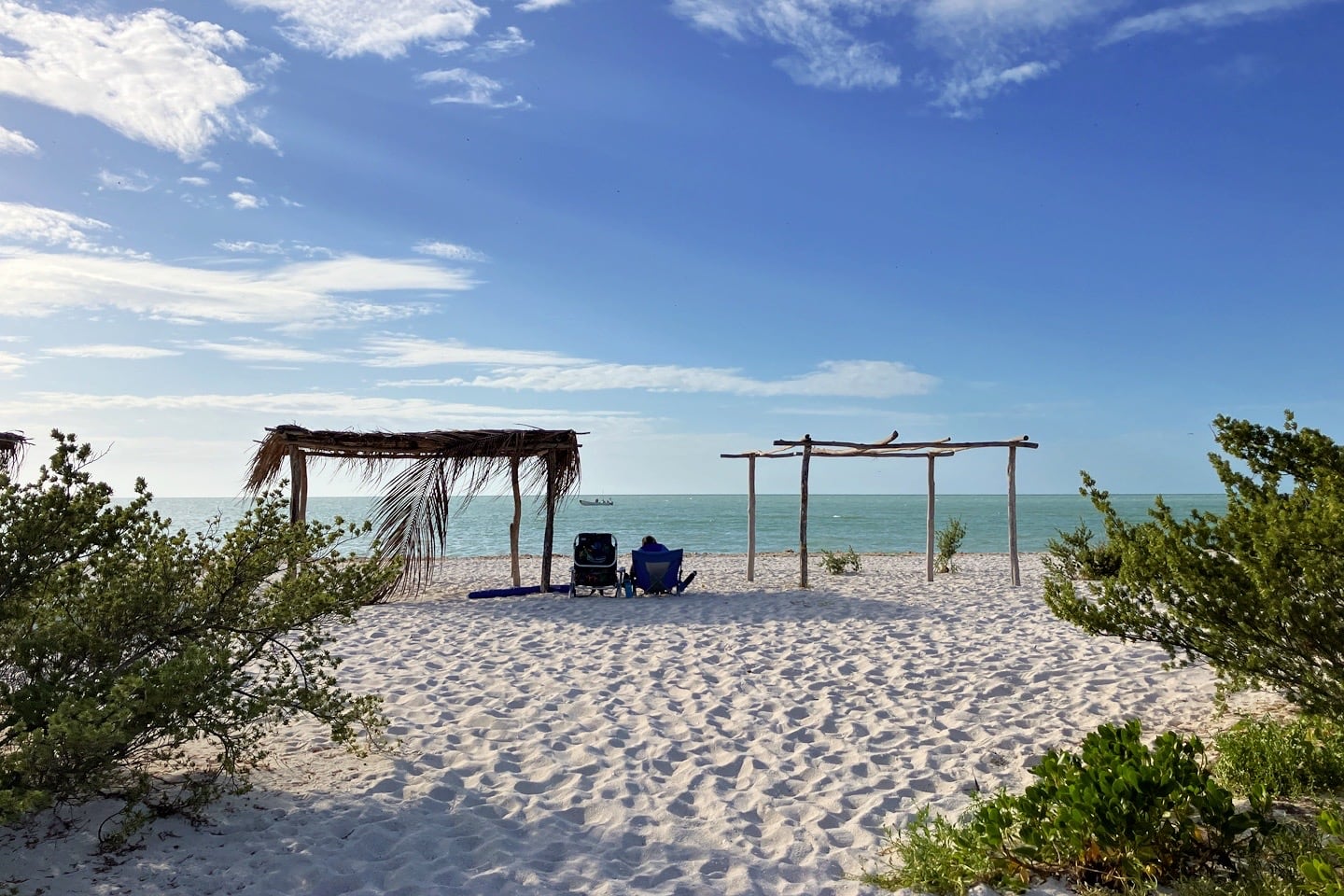
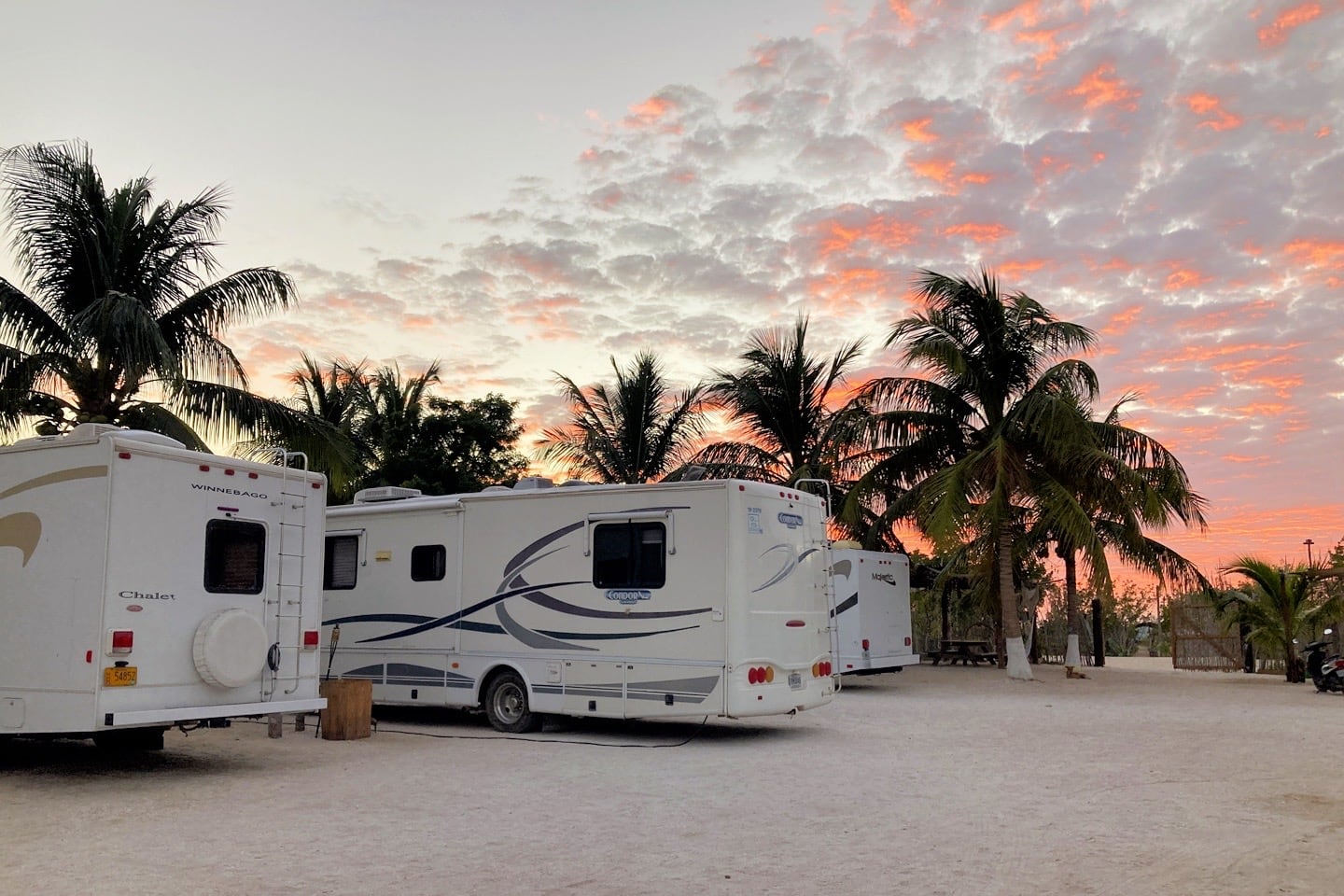
Yep, they pack ’em in. You can’t see them but there’s also four tents squeezed in to the area as well. Nice sunset, though.
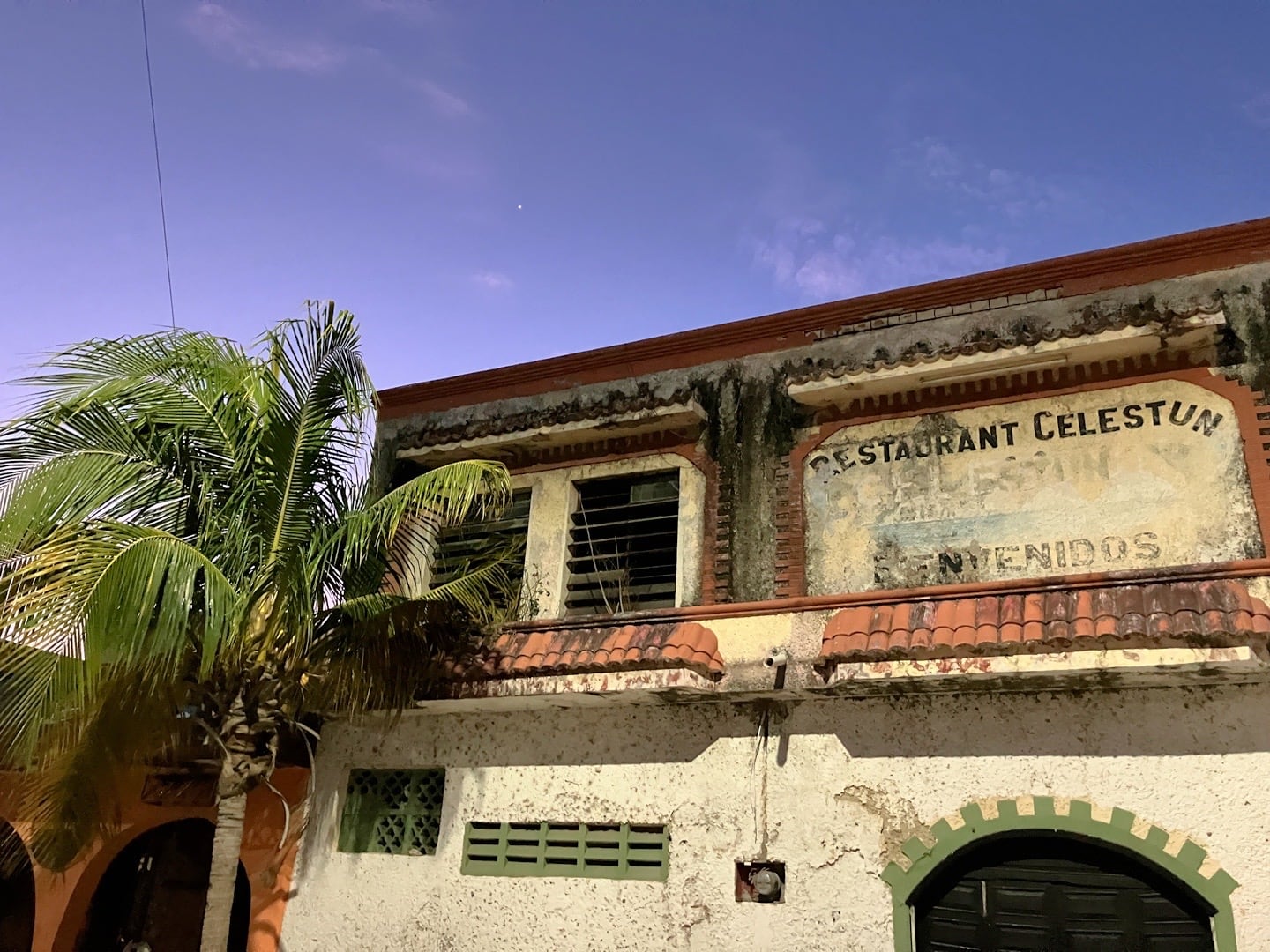
We would have liked to have stayed longer in Celestún, but we must be moving on.
Tomorrow, we head down the coast a bit. We’d really like to spend some time in Campeche, but the RV Park there sounds a bit tight for our rig.
So, we’ll probably keep heading south to Champoton, where there’s rumored to be a rustic beach-side campground worth a night or two.