We finally leave the Yucatán Peninsula behind for the state of Tabasco. There’s a 700 km gap in established RV parks between Isla Aguada and Veracruz City, with the one exception of a waterpark in Villahermosa that may have some hookups. That’s where we’re headed today.
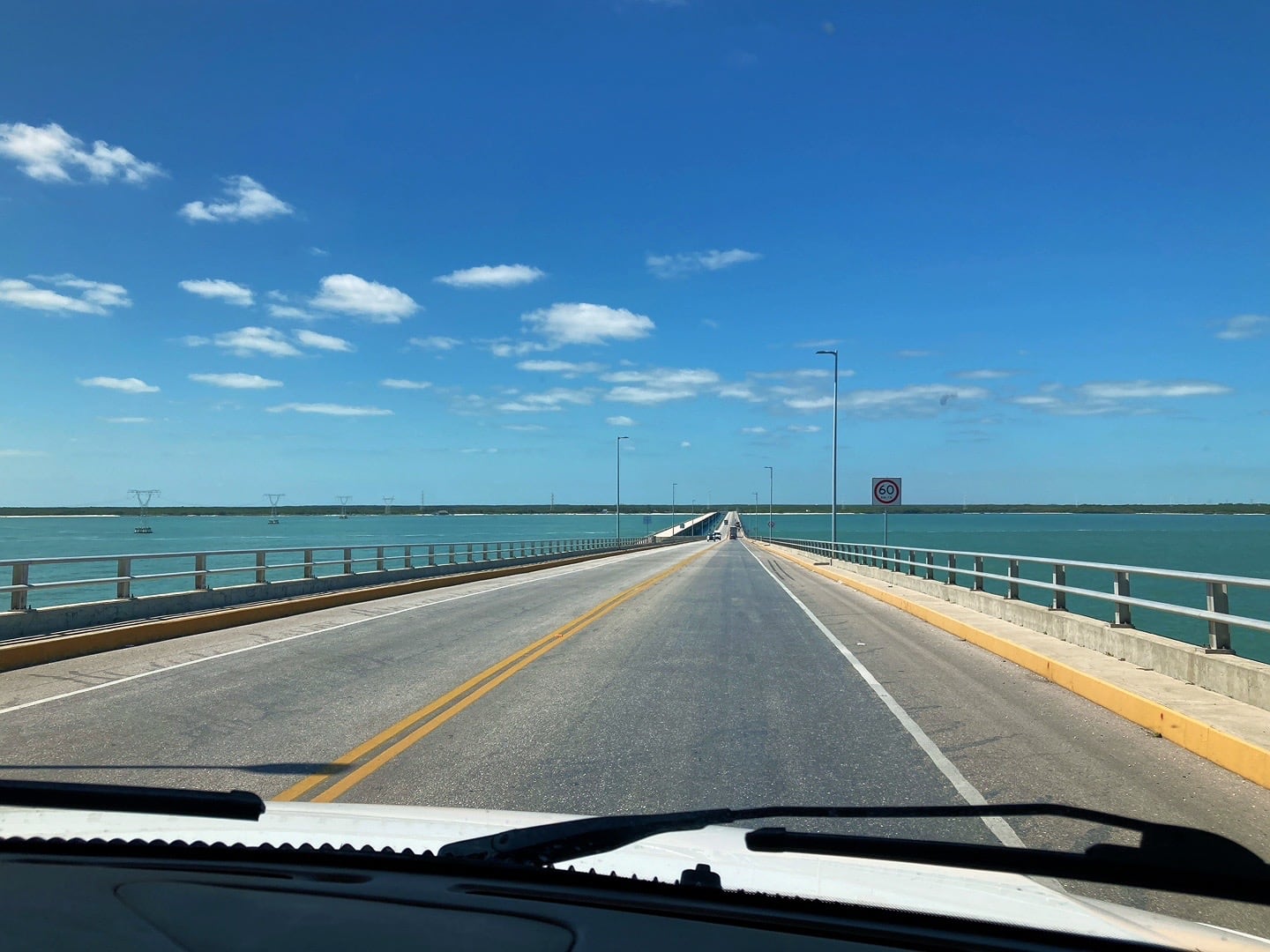
We’ve been staring at this bridge off and on for two months from the RV park in Isla Aguada, so it was a bit surreal to finally cross it and be heading for a part of Mexico we’ve yet to explore: The Tabasco and Veracruz coastline.
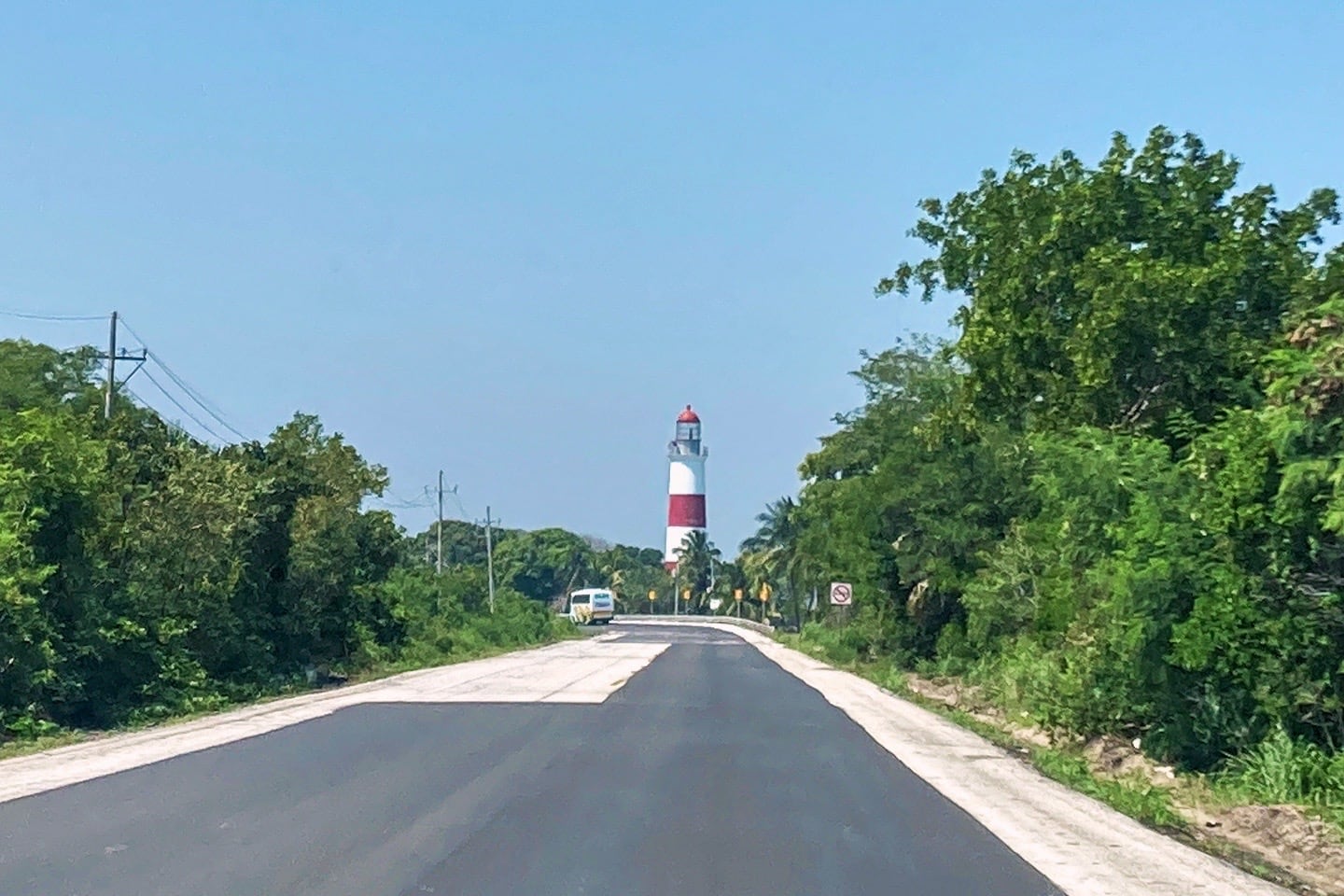
Mexico’s Gulf Coast is dotted with lighthouses old and new.
Our Mexico-USA RV Journey 2024-25
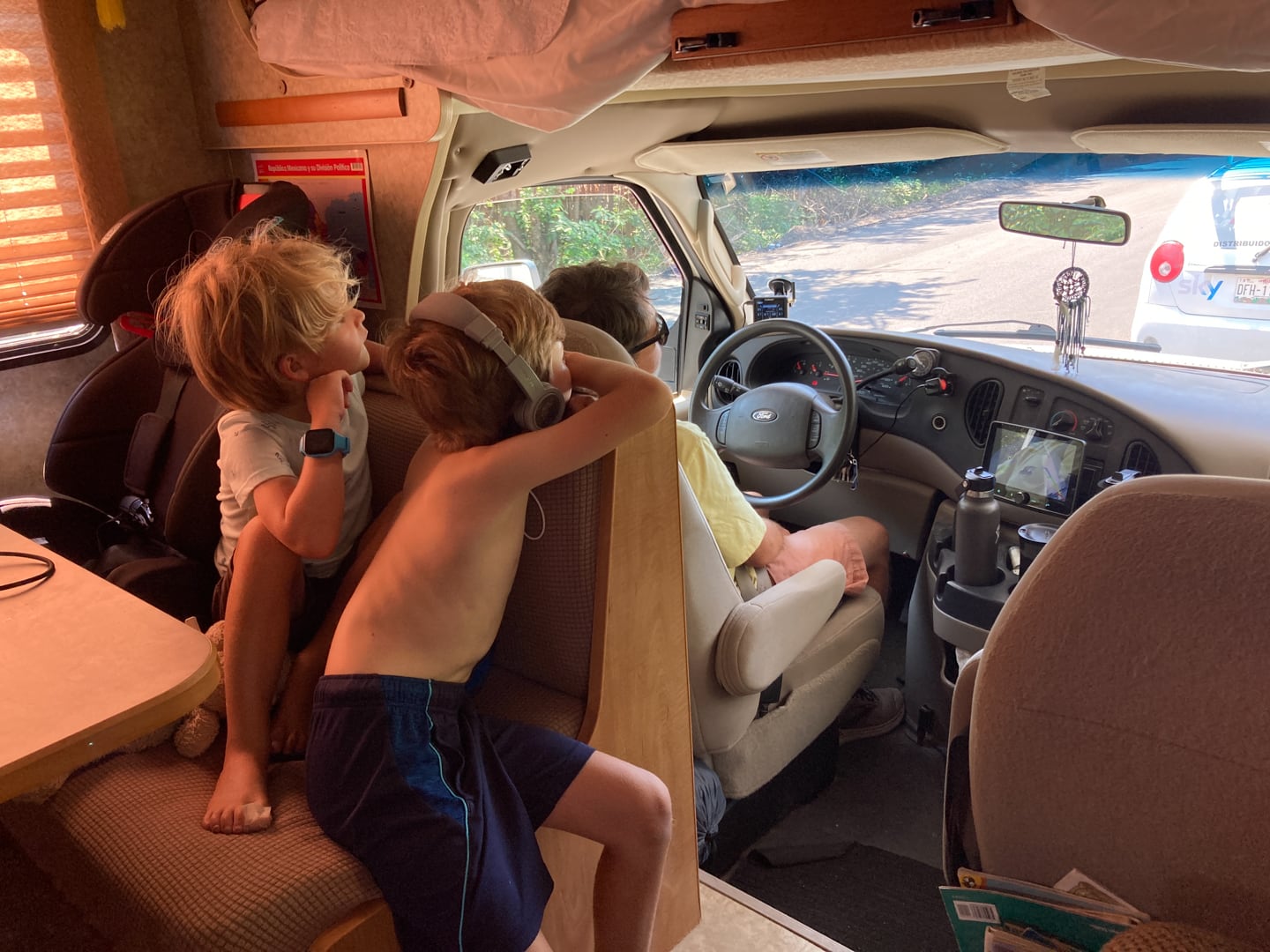
We were warned to expect road work along this route, but this driving day was just ridiculous. Out of the 3-4 long waits for single-lane traffic, this one was the longest (40 minutes?).
The upside was that we all got to stretch our legs a bit, use the bathroom, and get a snack (one of the perks of traveling by RV).
After four years of driving in Mexico, we know that if Google says a trip should take 3 hours, it’s not surprising if it ends up taking closer to 5 or even 6. We try to plan accordingly.
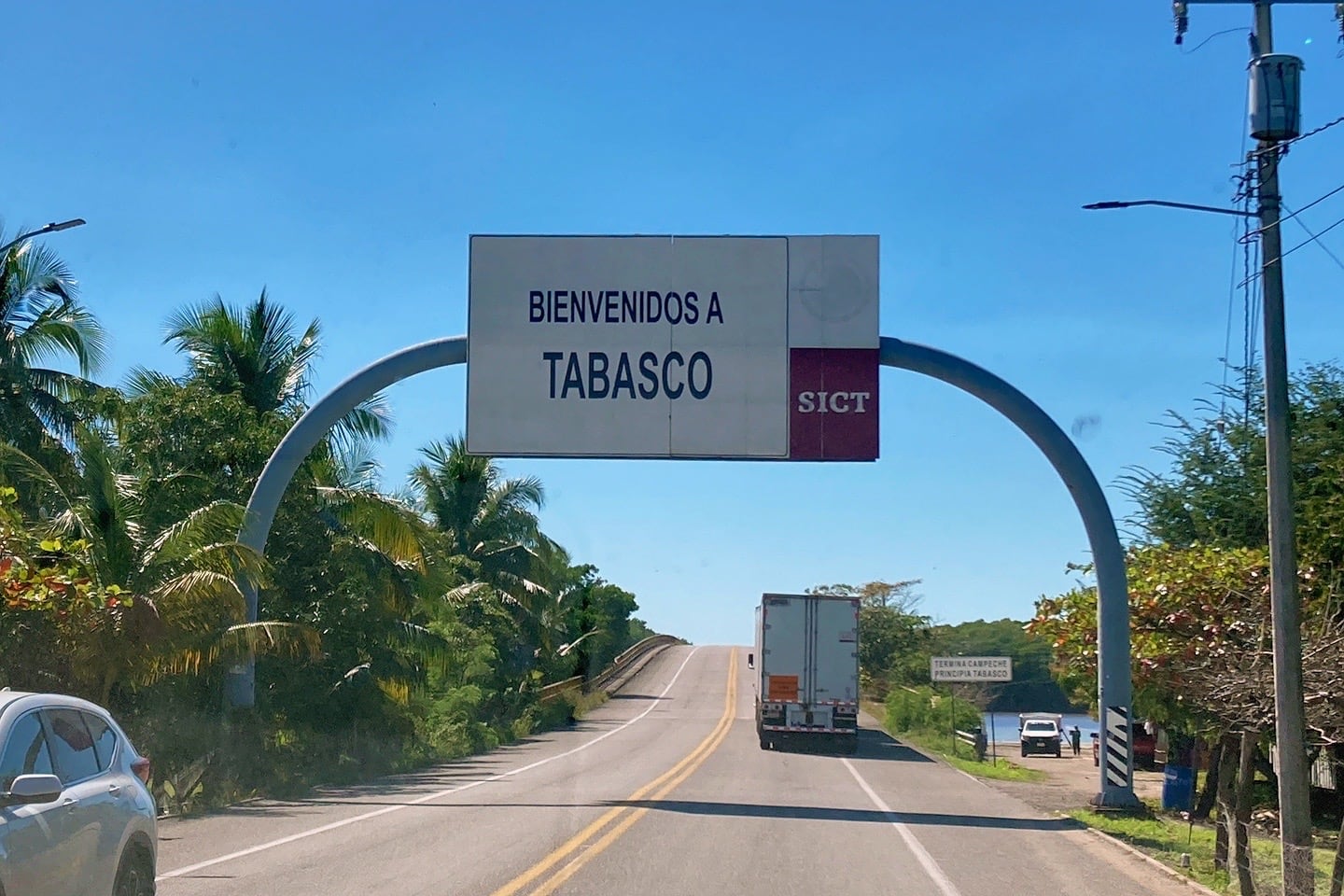
Welcome to Tabasco!
Tabasco was a surprise to us. We didn’t know what to expect but it’s not quite like any other state we’ve visited–a weird mix of stunning green tropical landscape that reminds us of parts of Laos and Belize, and endless numbers of oil trucks and flame-topped refineries (it’s Mexico’s biggest oil producing state).
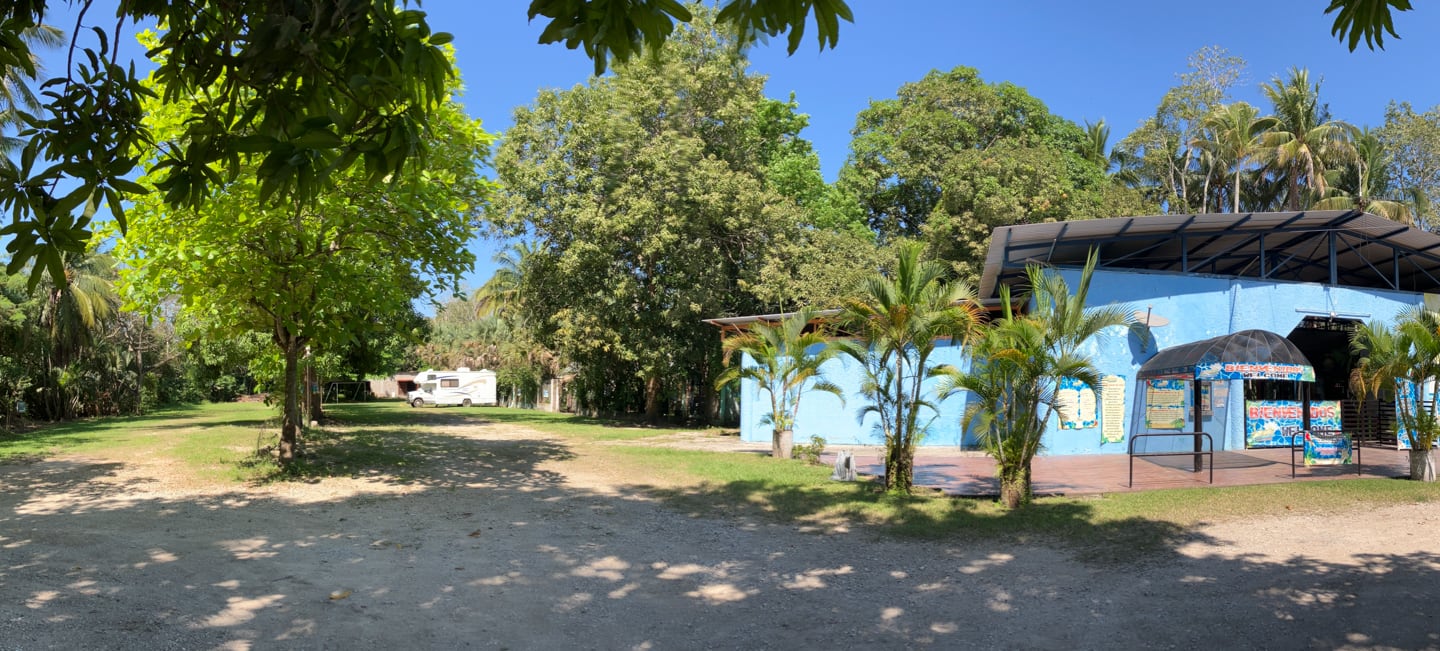
Villahermosa is the somewhat unassuming capital of Tabasco. We stayed just outside of the city for a lot longer than planned.
We thought we’d stay at this waterpark (Balneario) for one night and carry on, but it ended up actually being a pretty nice place to spend a few days (and the boys, of course, loved it).
Just before we headed out, we got word that the wife of the owner of the Cacao Farm we planned to hit for our next stop had just died. So, we ended up skipping the Cacao Farm and stayed here almost a week.
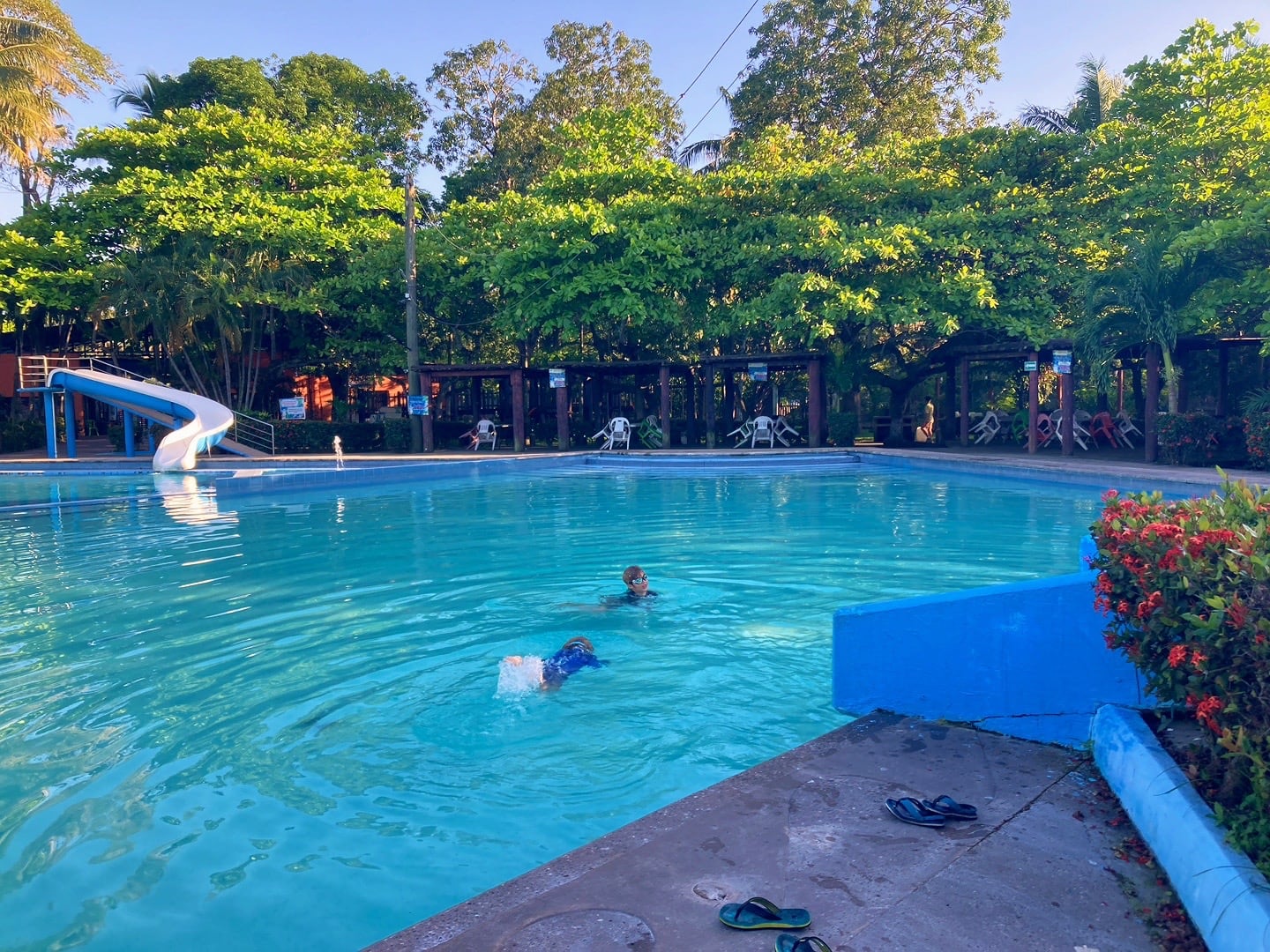
Our US$18/night got us electricity, water, a communal dumping station, and unlimited access to the entire waterpark. The boys took full advantage of that last perk.
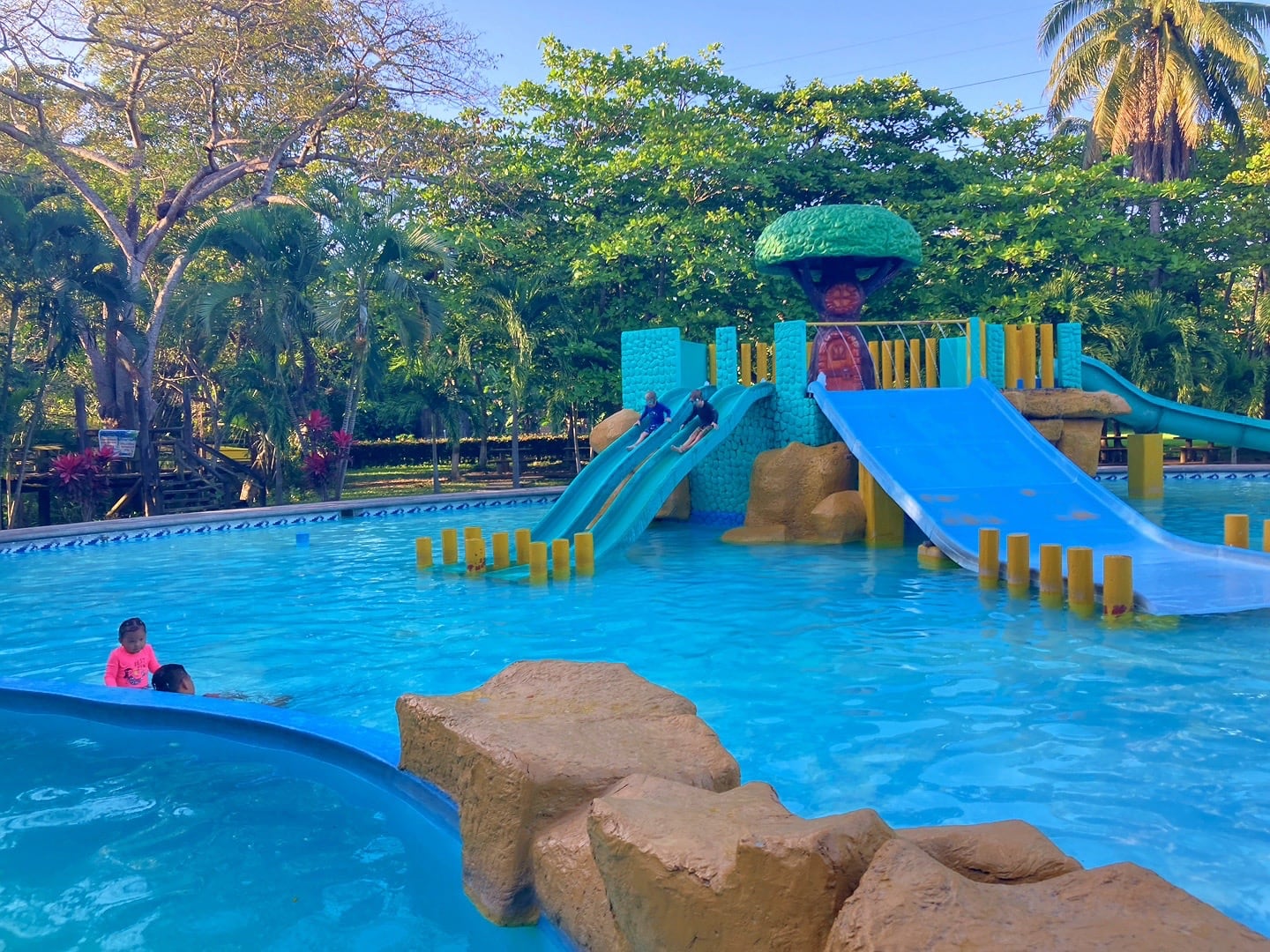
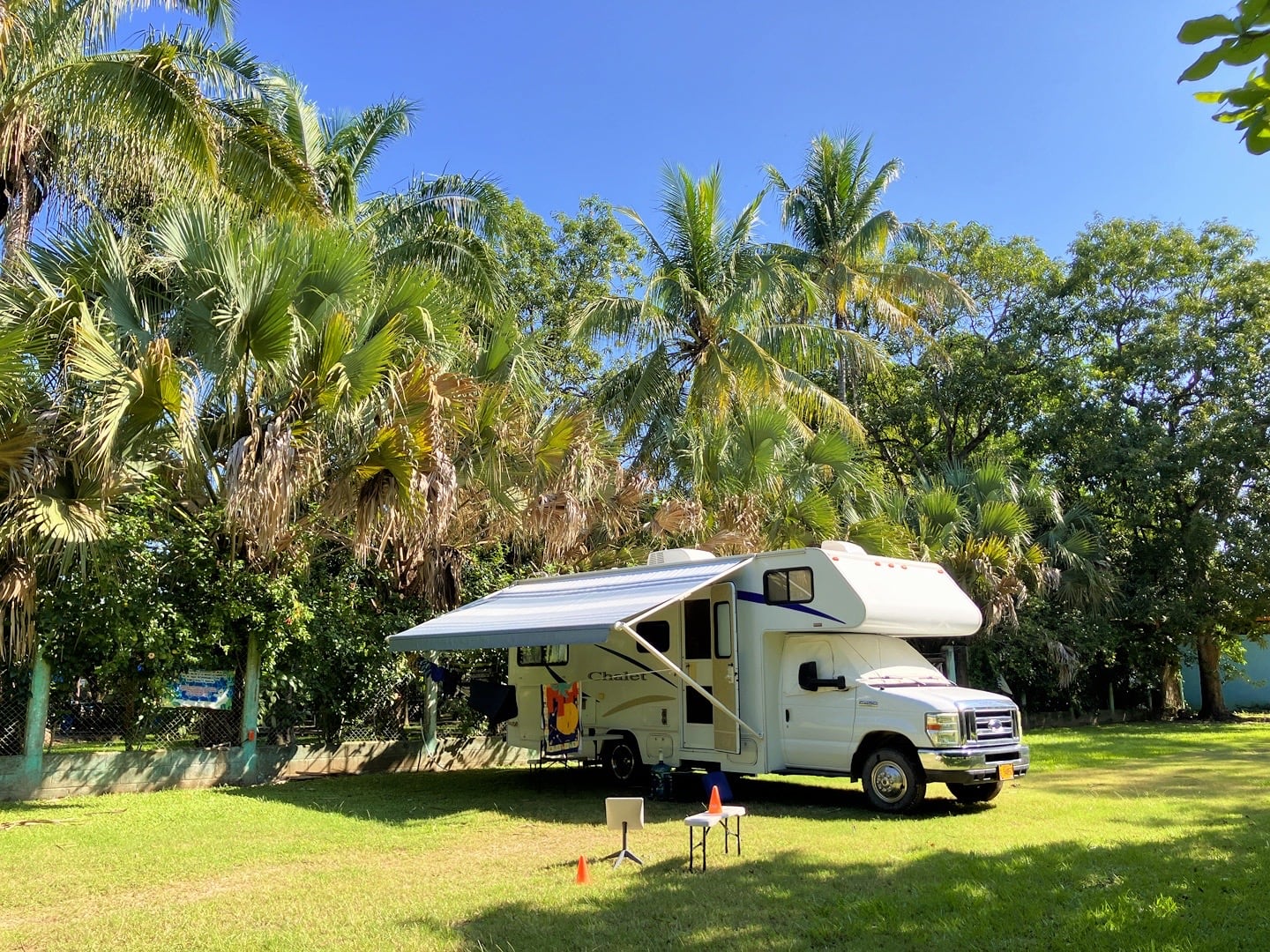
For nearly a week, we were the only ones in the RV area, while visitors to the waterpark came and went.
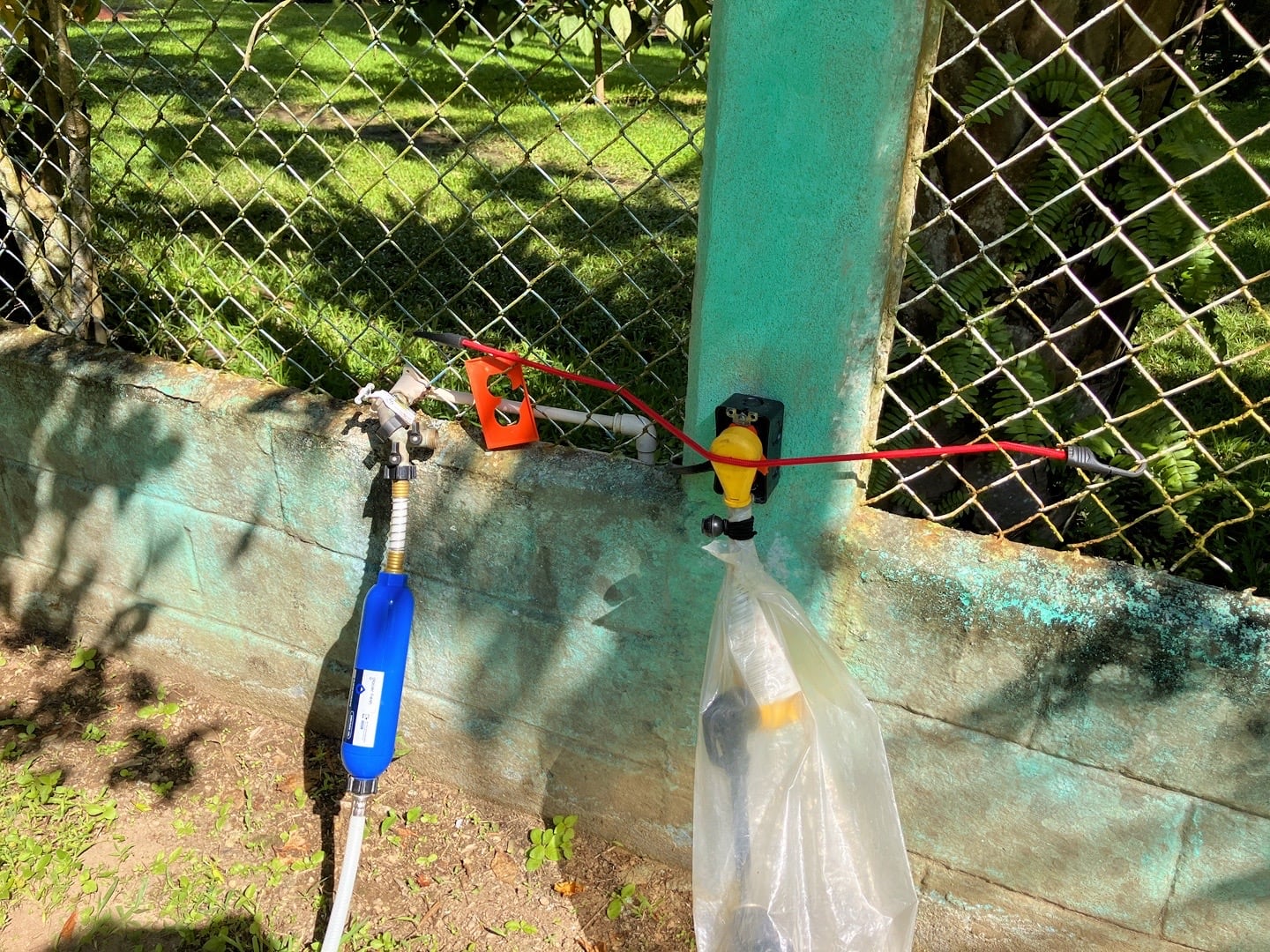
Each RV park in Mexico is a unique puzzle to be solved on arrival.
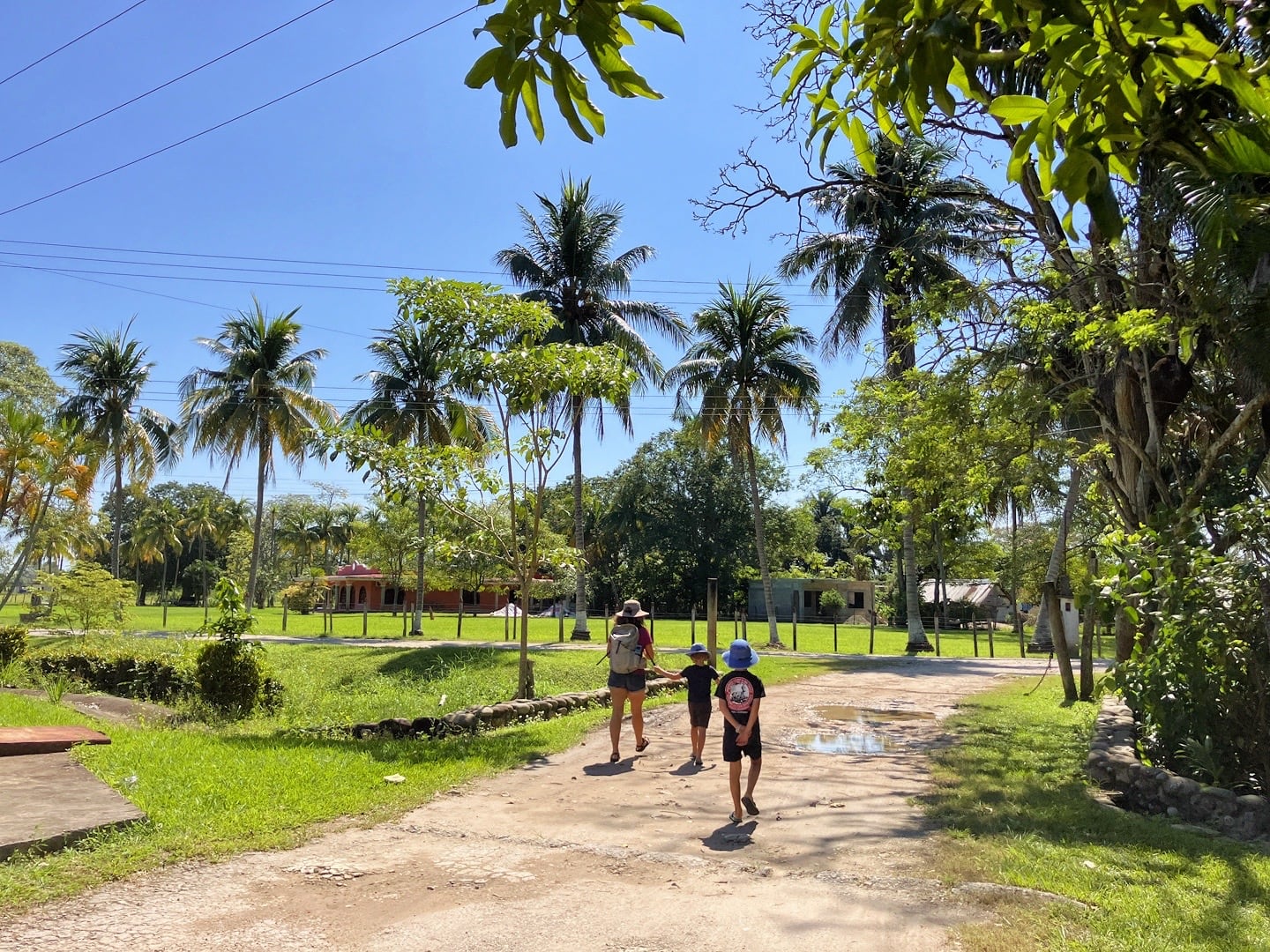
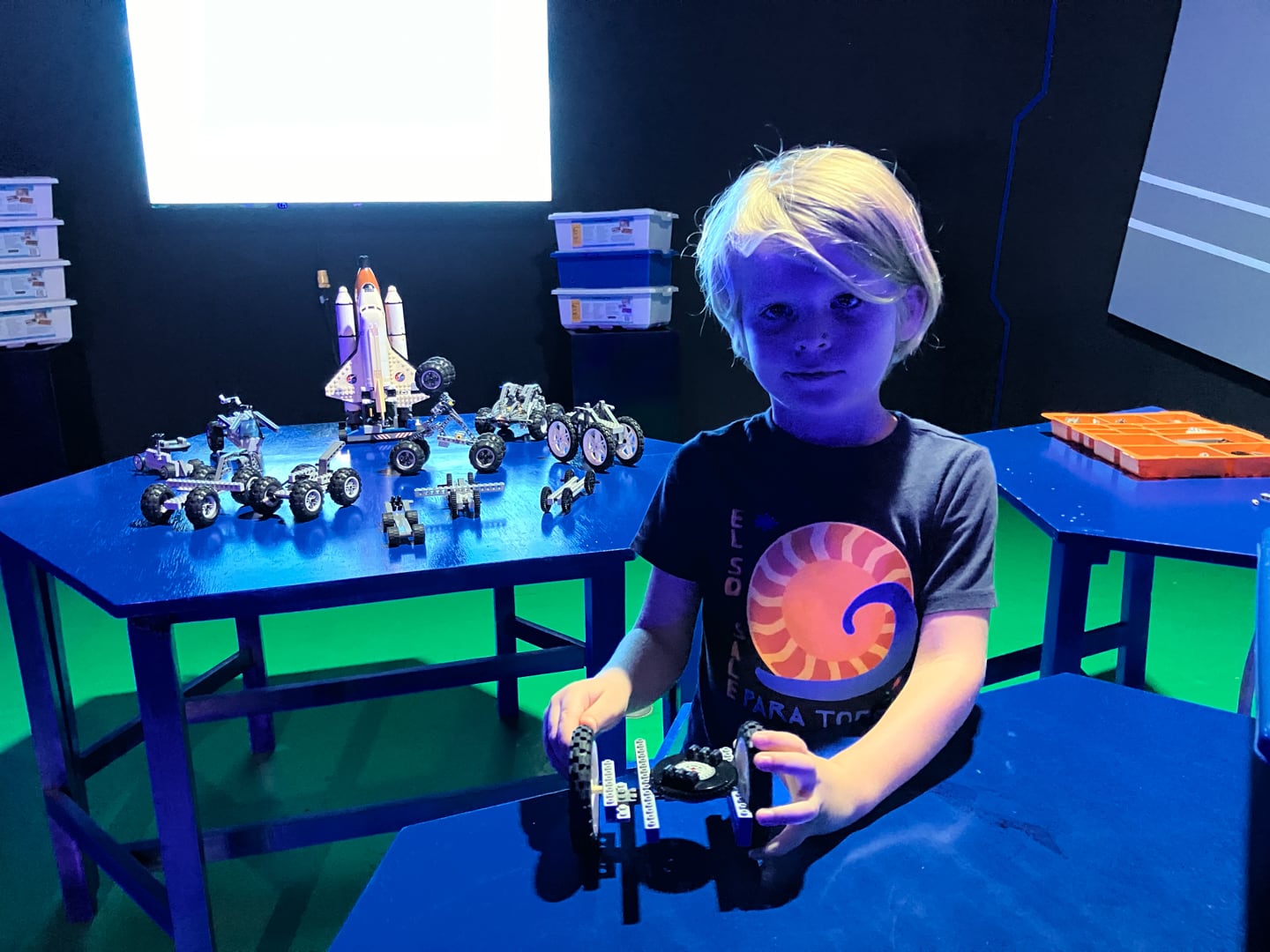
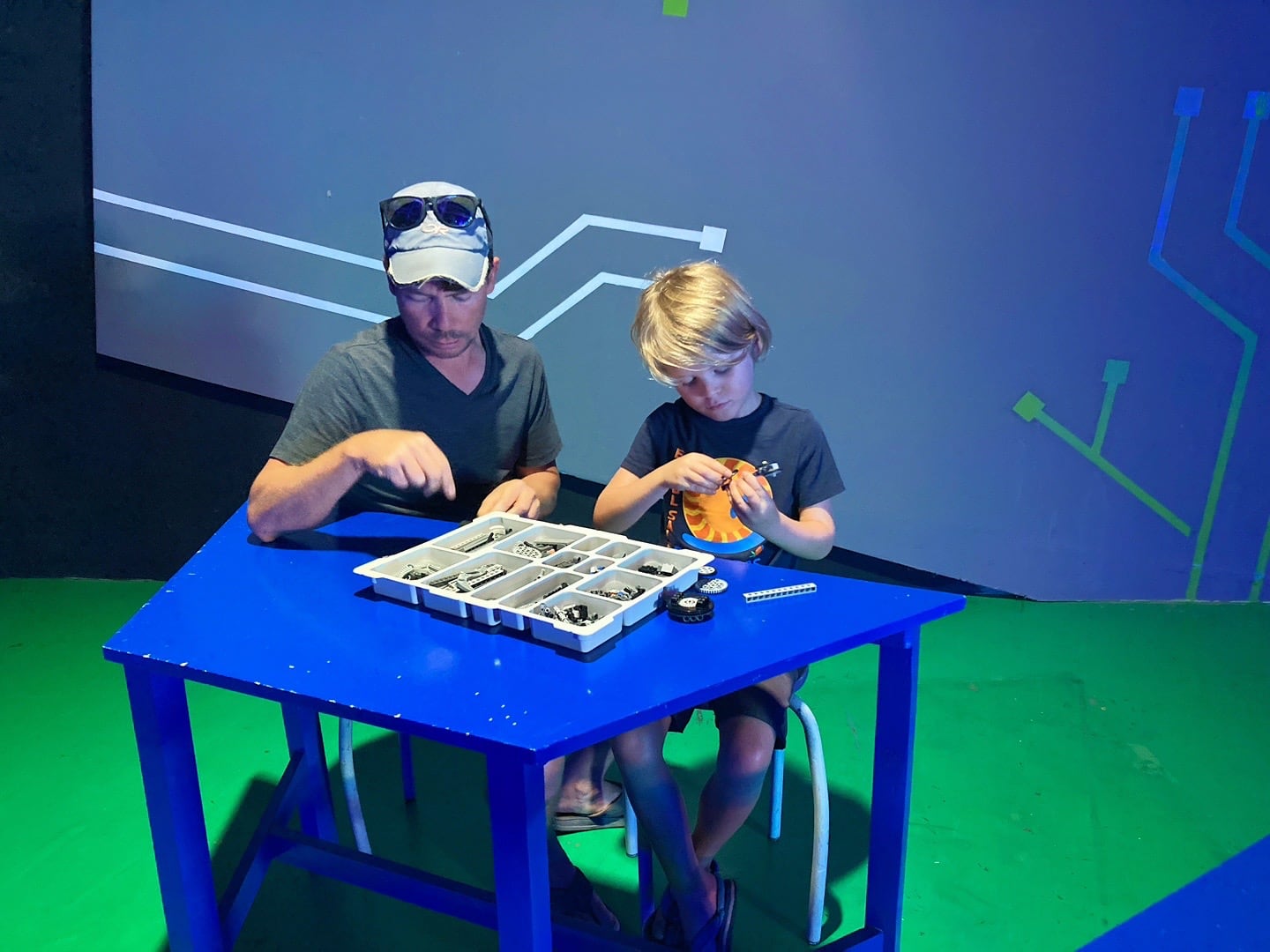
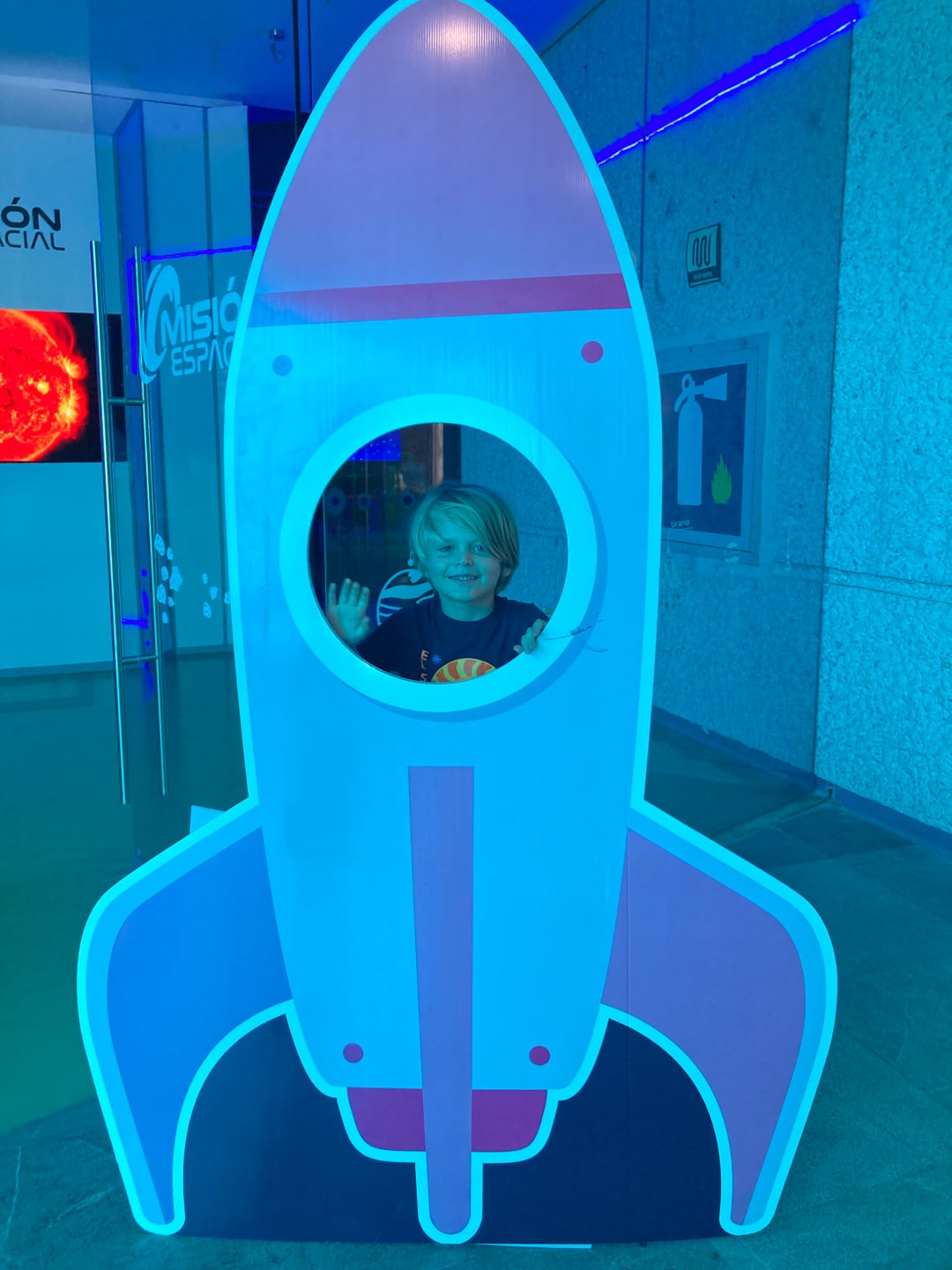
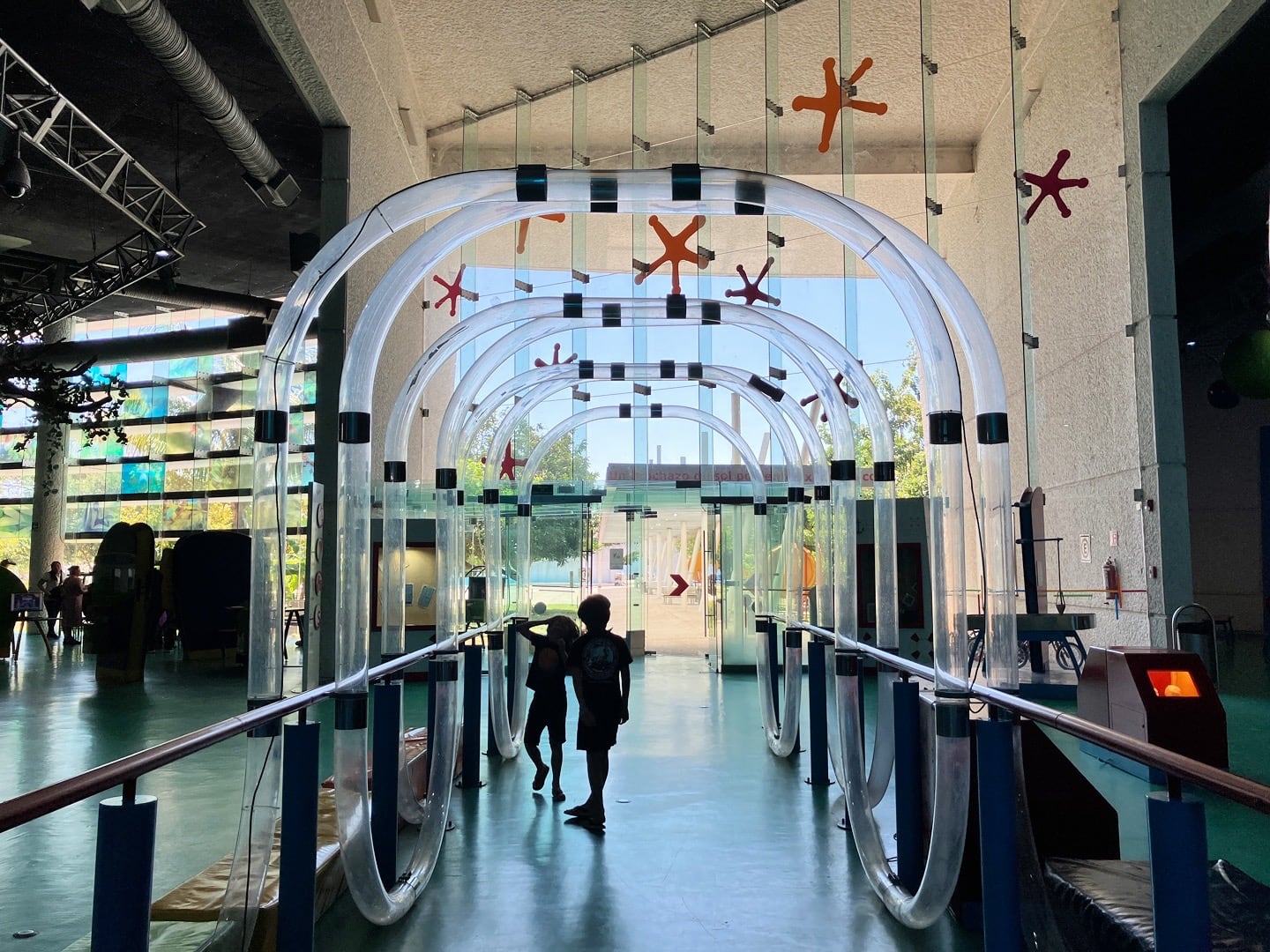
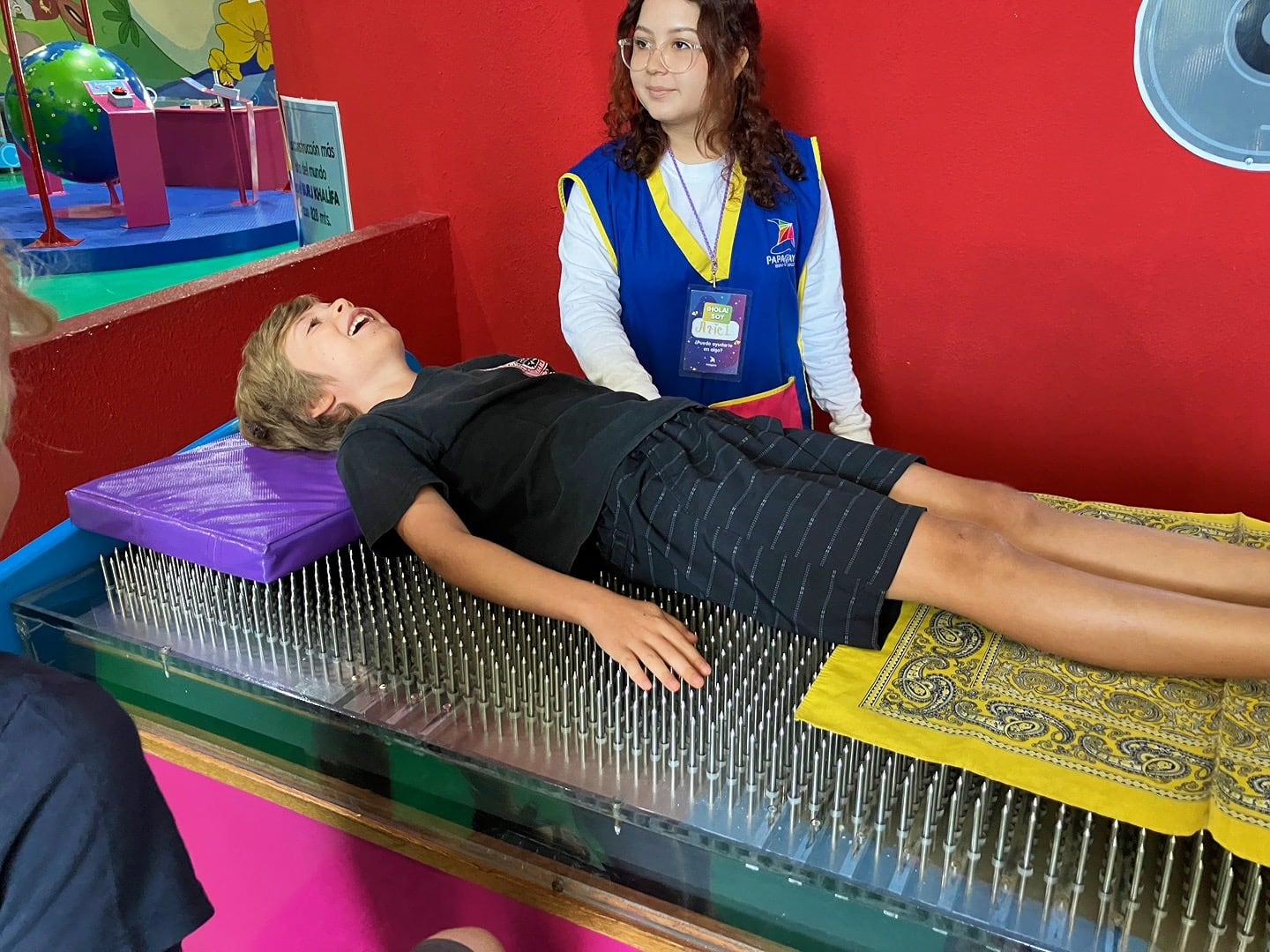
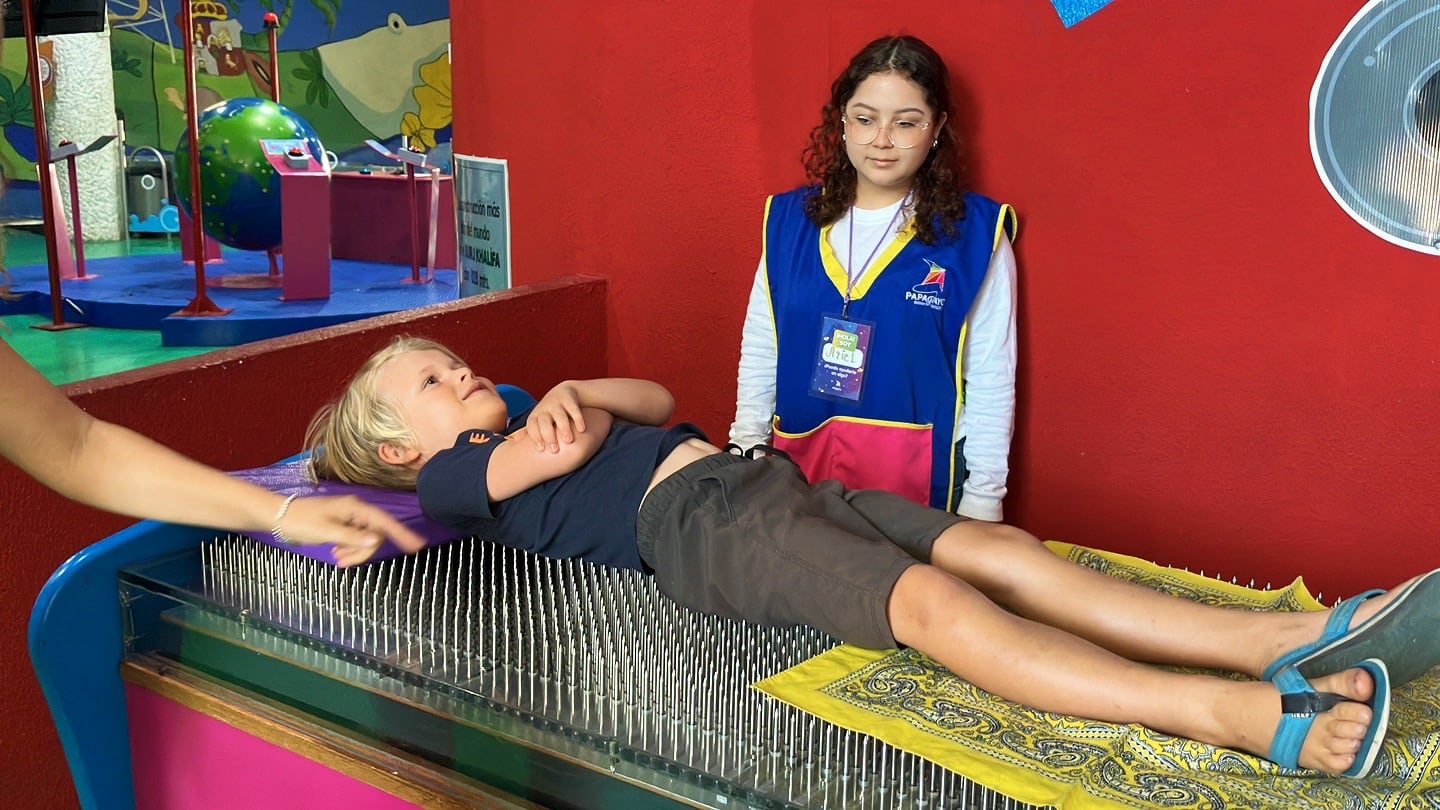
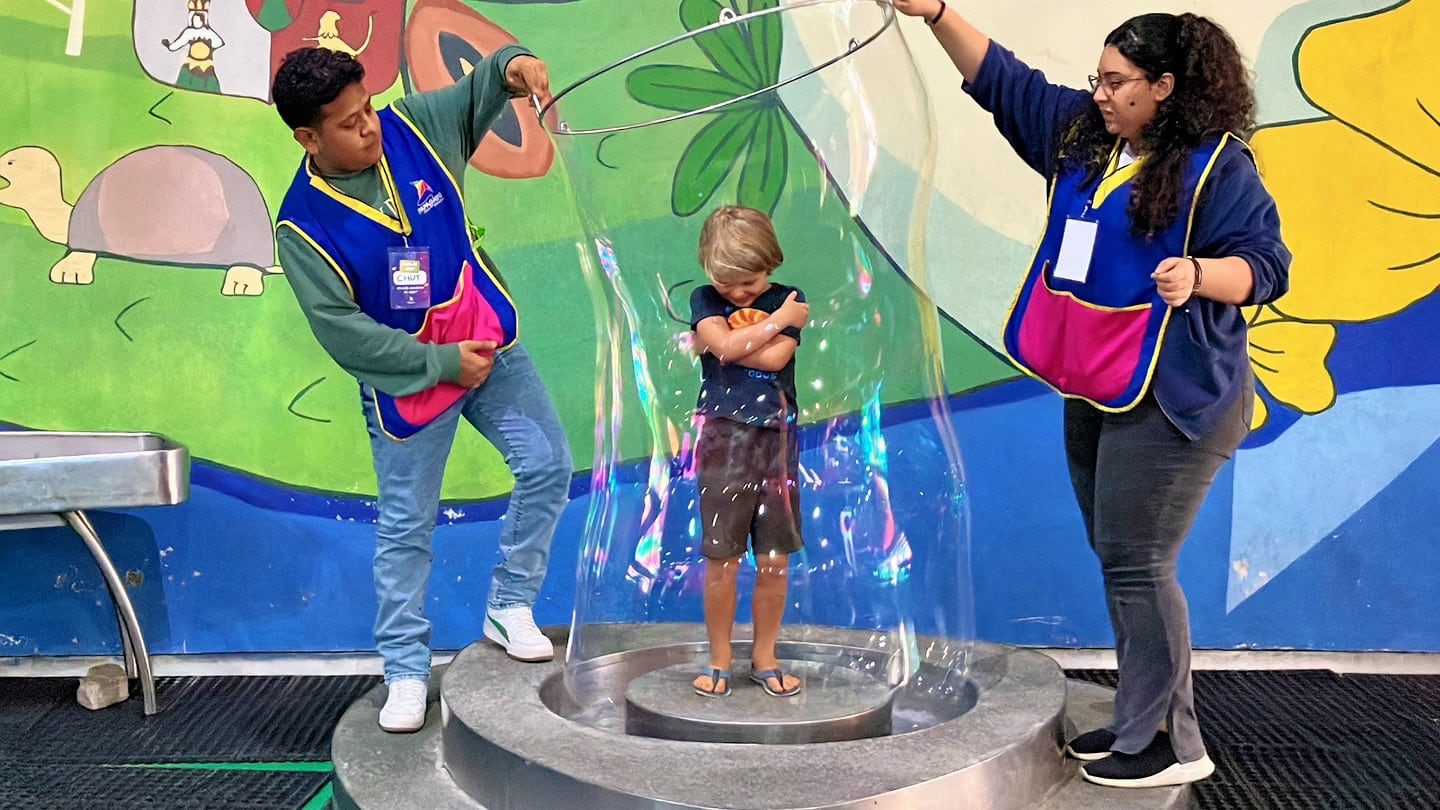
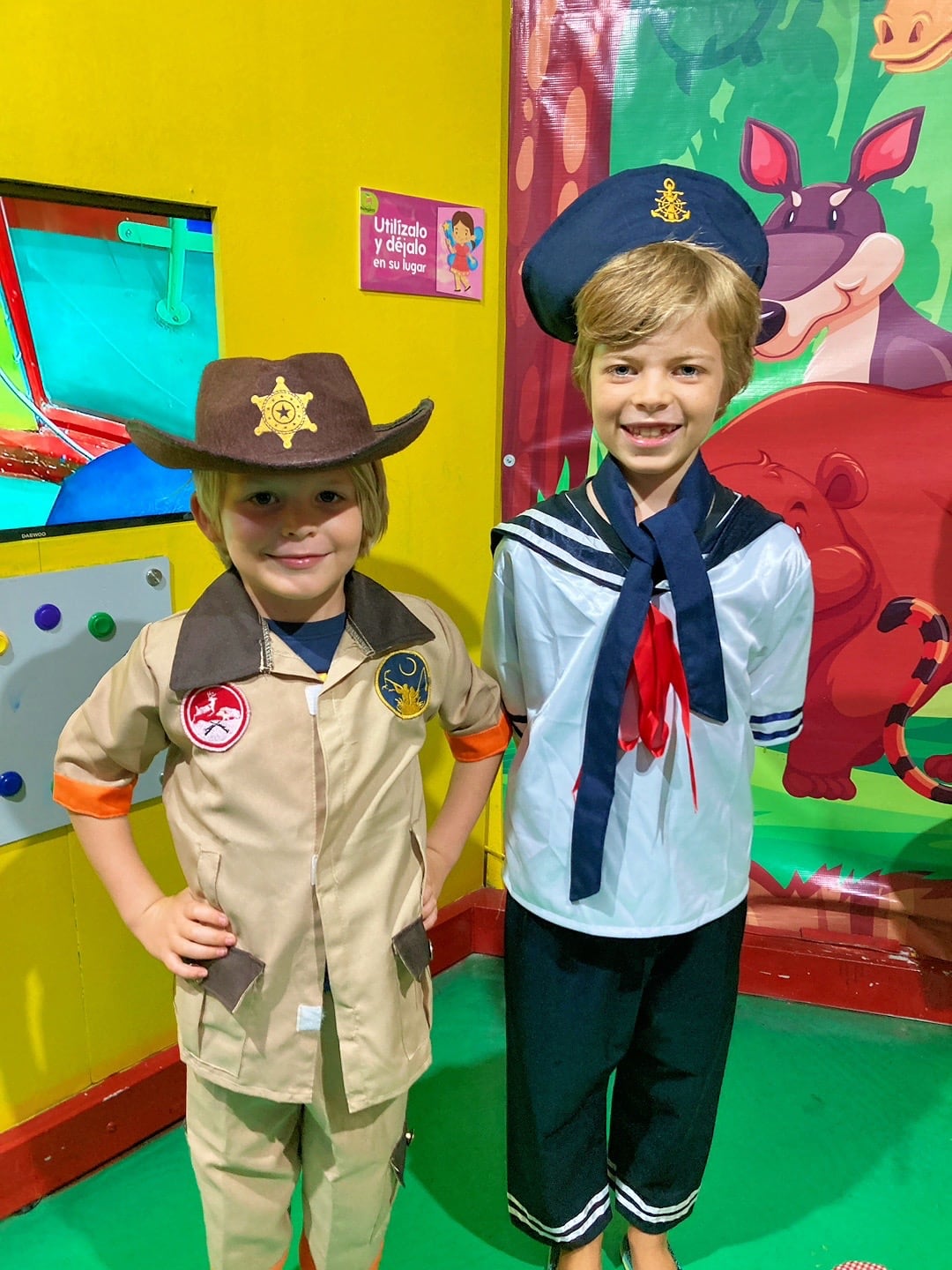
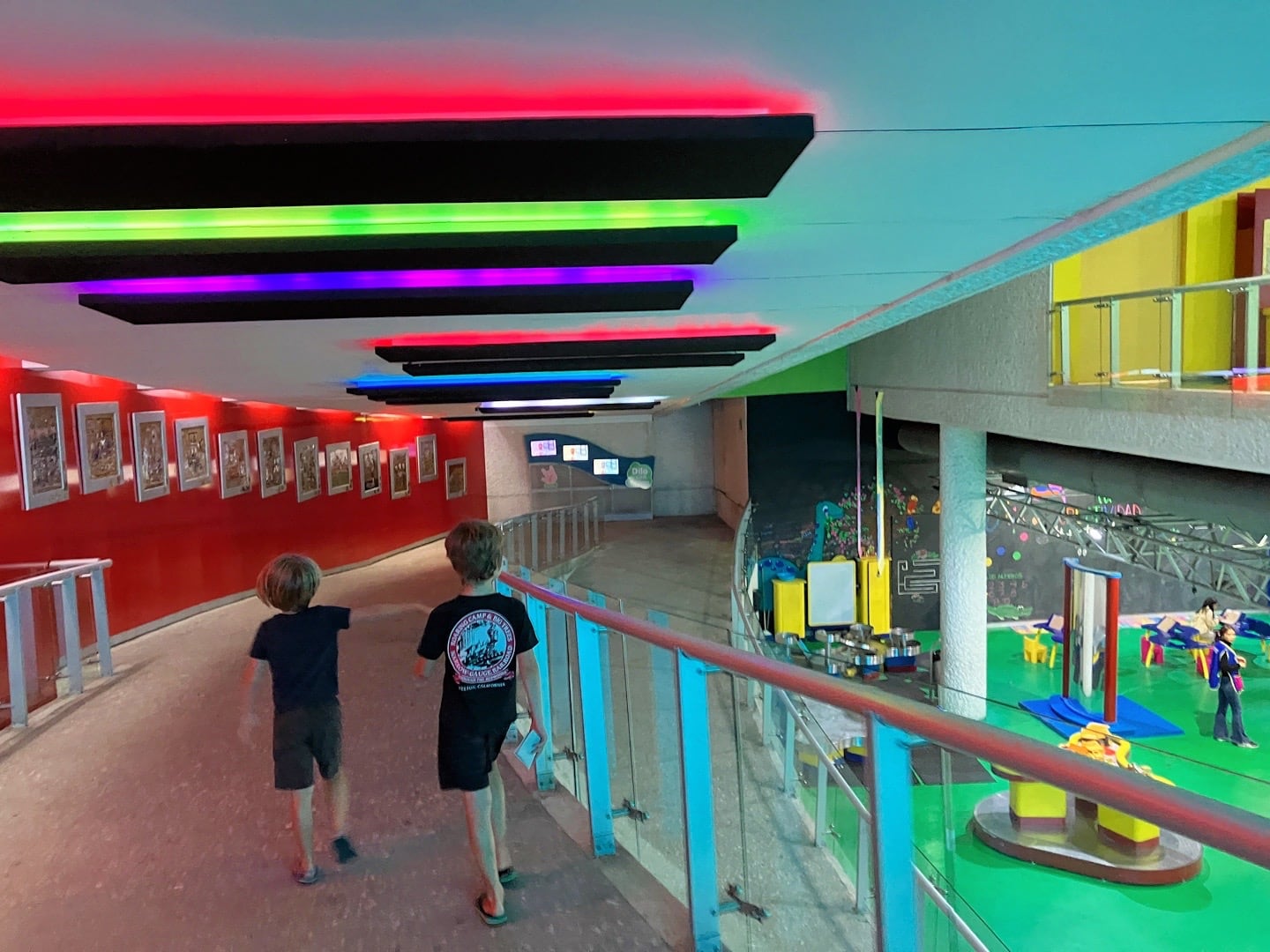
We made it into the city of Villahermosa a few times. On our first trip, we visited a children’s museum/ science center called Papagayo. It is related to the one we went to in CDMX (Papalote) but costs a fraction of the price.
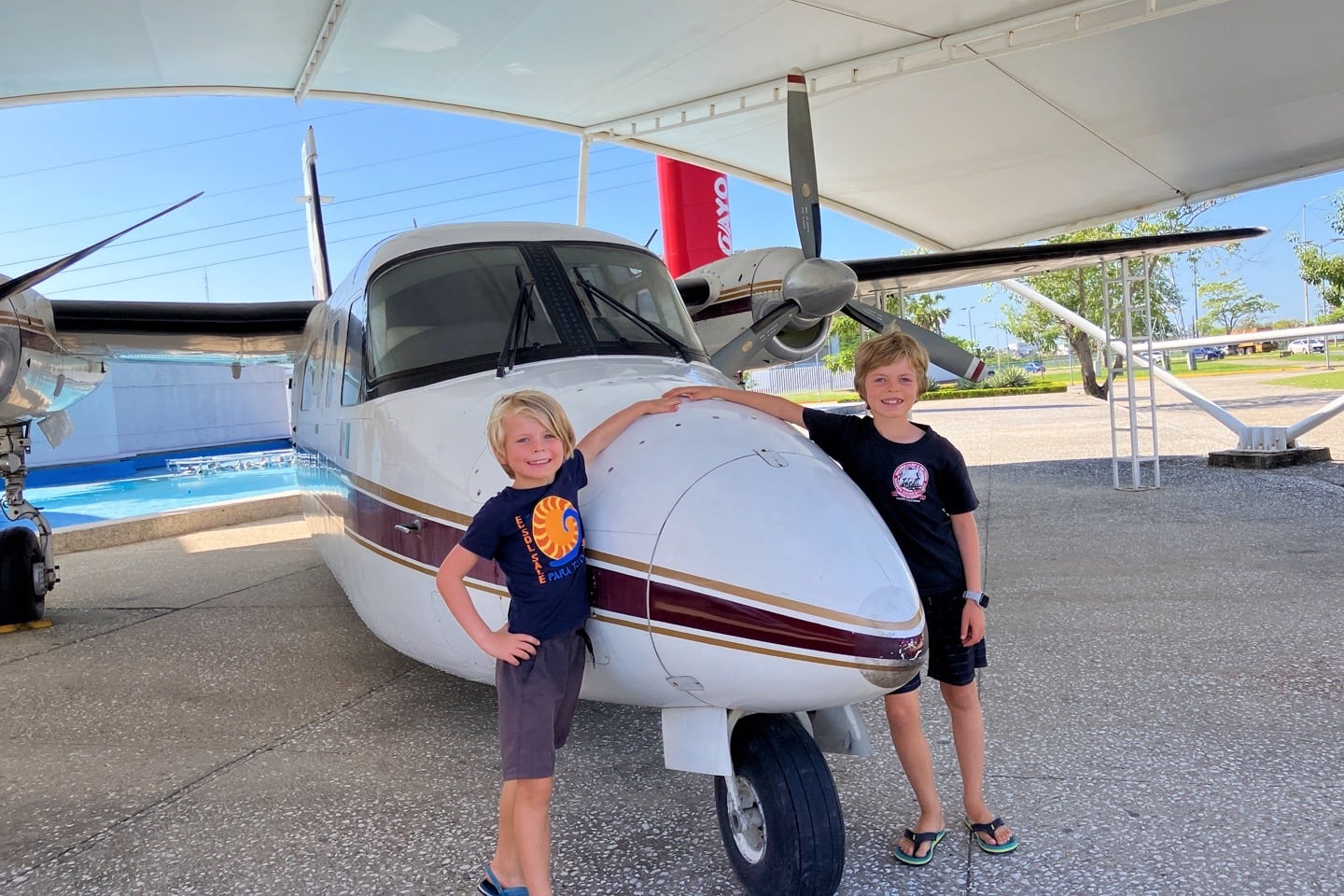
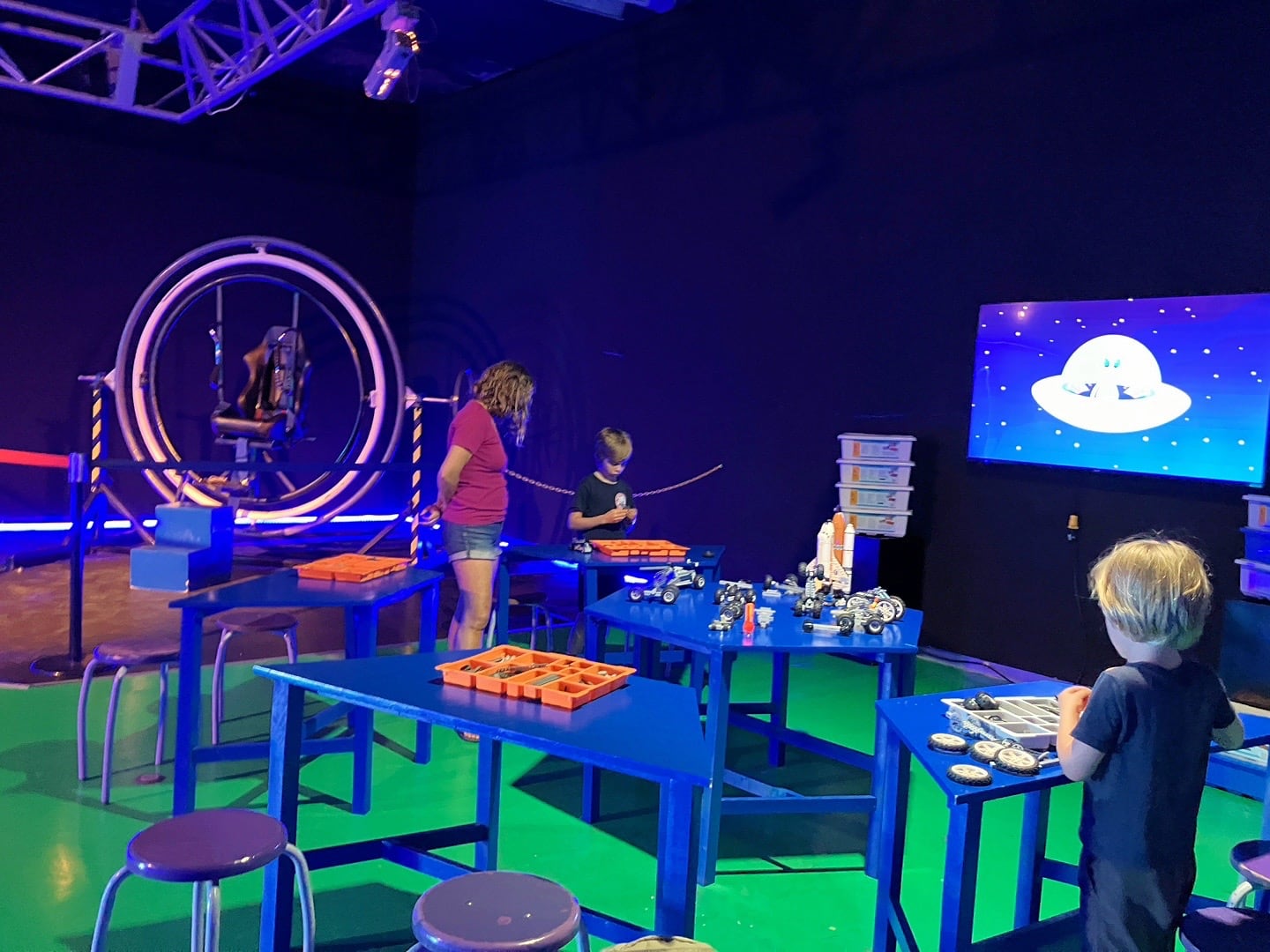
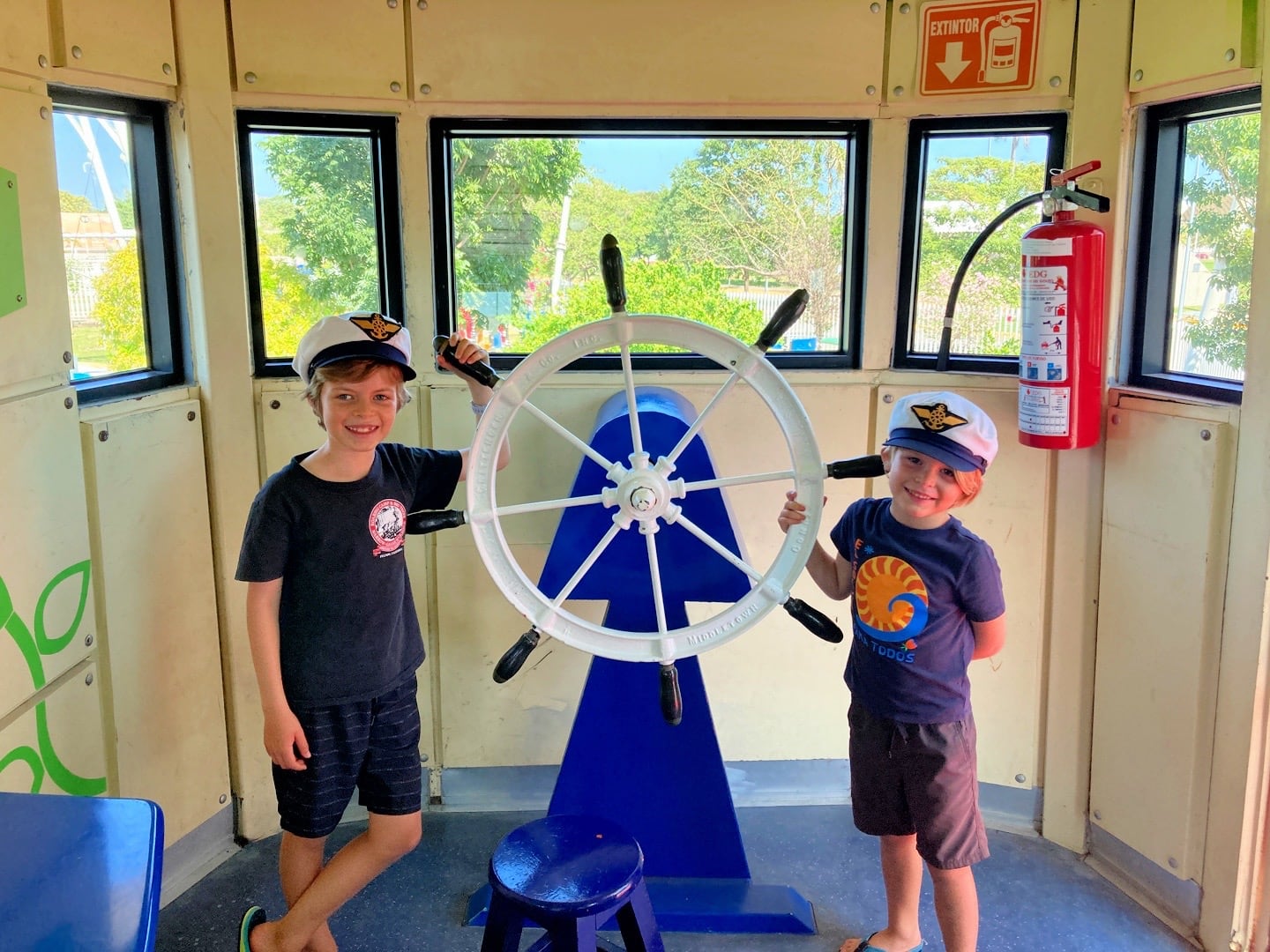
The boys were the only ones when we were there and got the run of the place (and the full attention of all the attendants). Lots of fun exhibits and areas to explore.
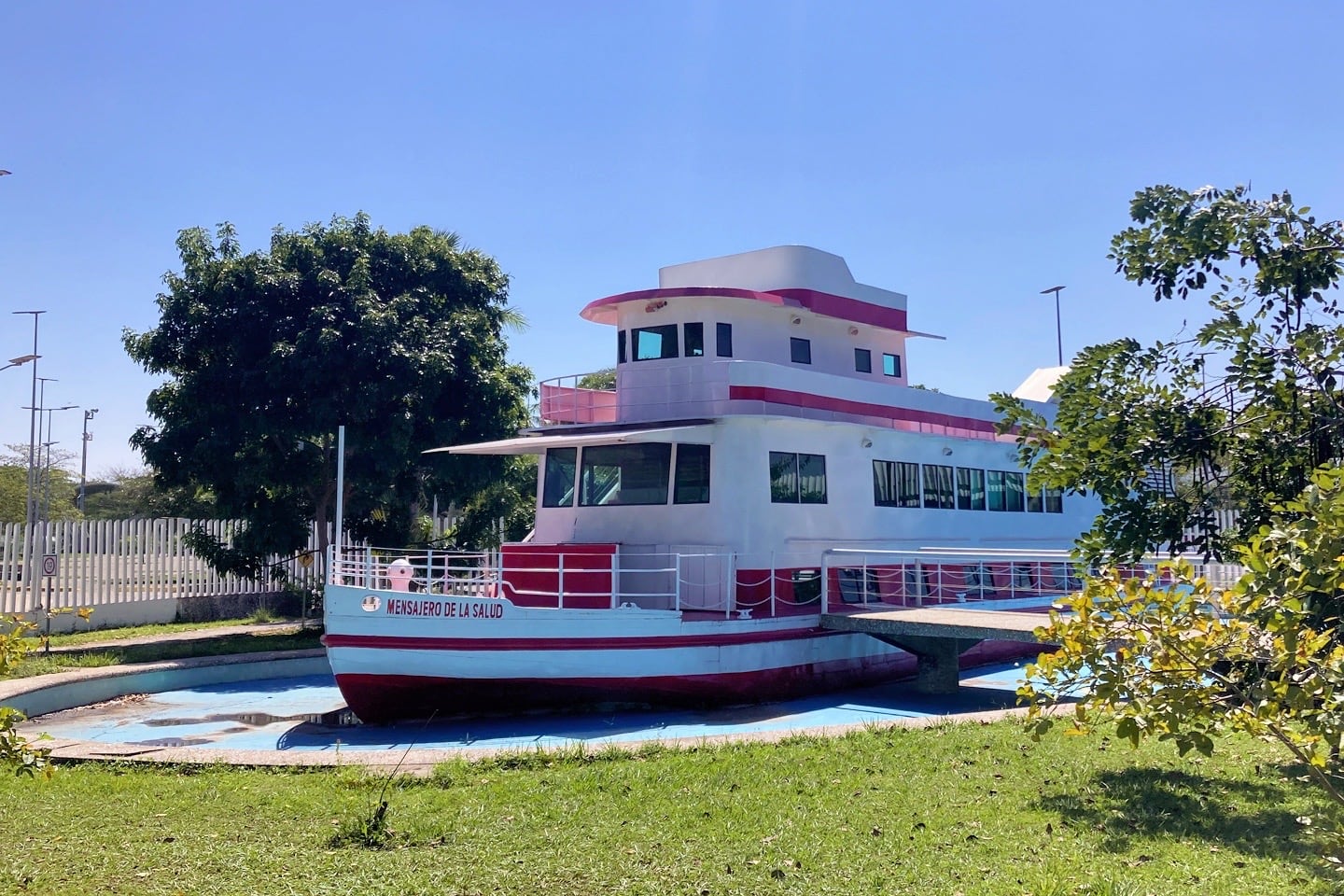
We’re not used to seeing a ton of freshwater in cities in Mexico or river boats for that matter. So, this old river boat was a bit striking, even if it was no longer technically in the water.
Villahermosa is probably the city with the most freshwater bodies we’ve visited in Mexico (lakes and rivers), which has been an interesting change.
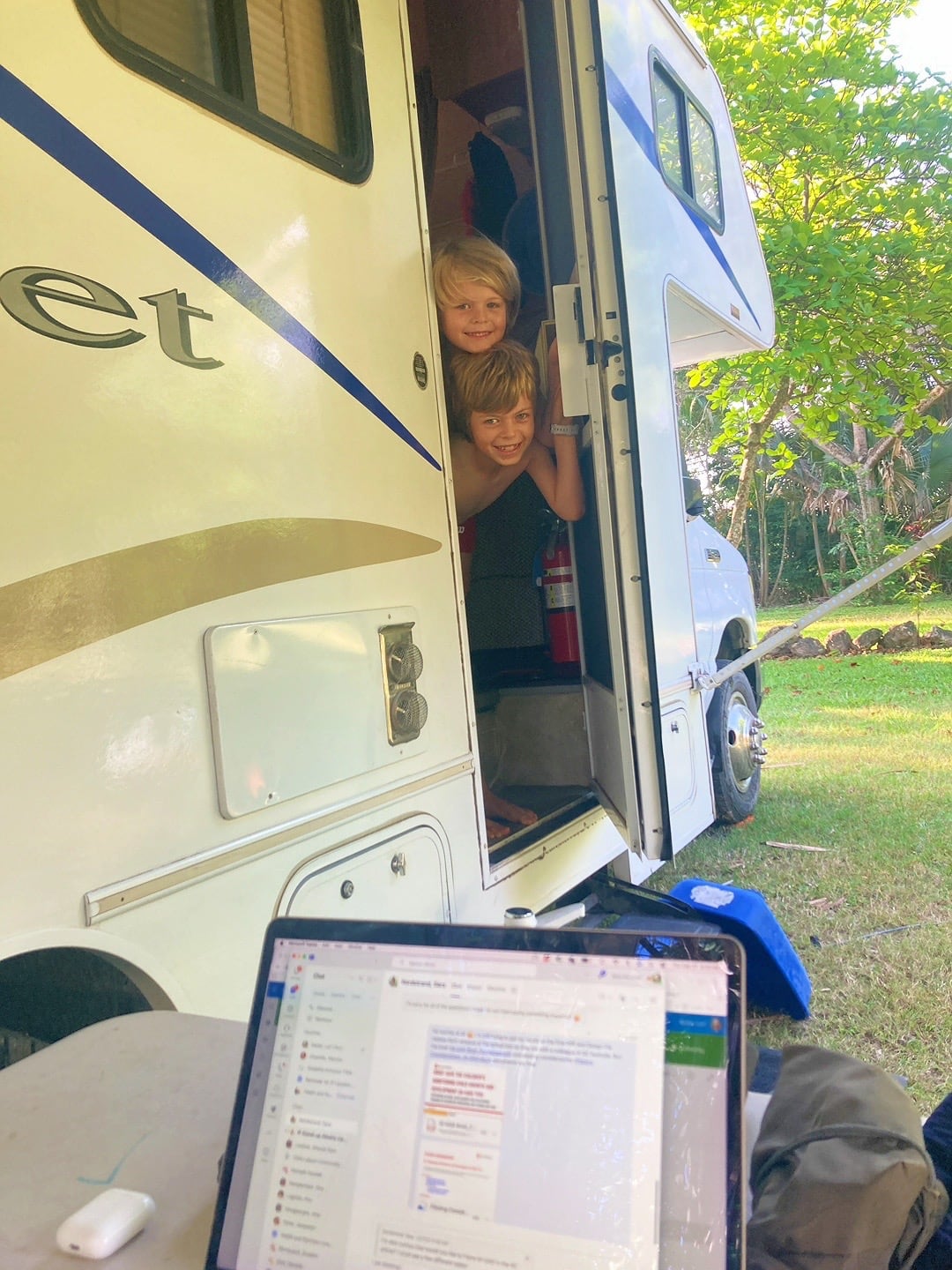
Work’s over, mommy!
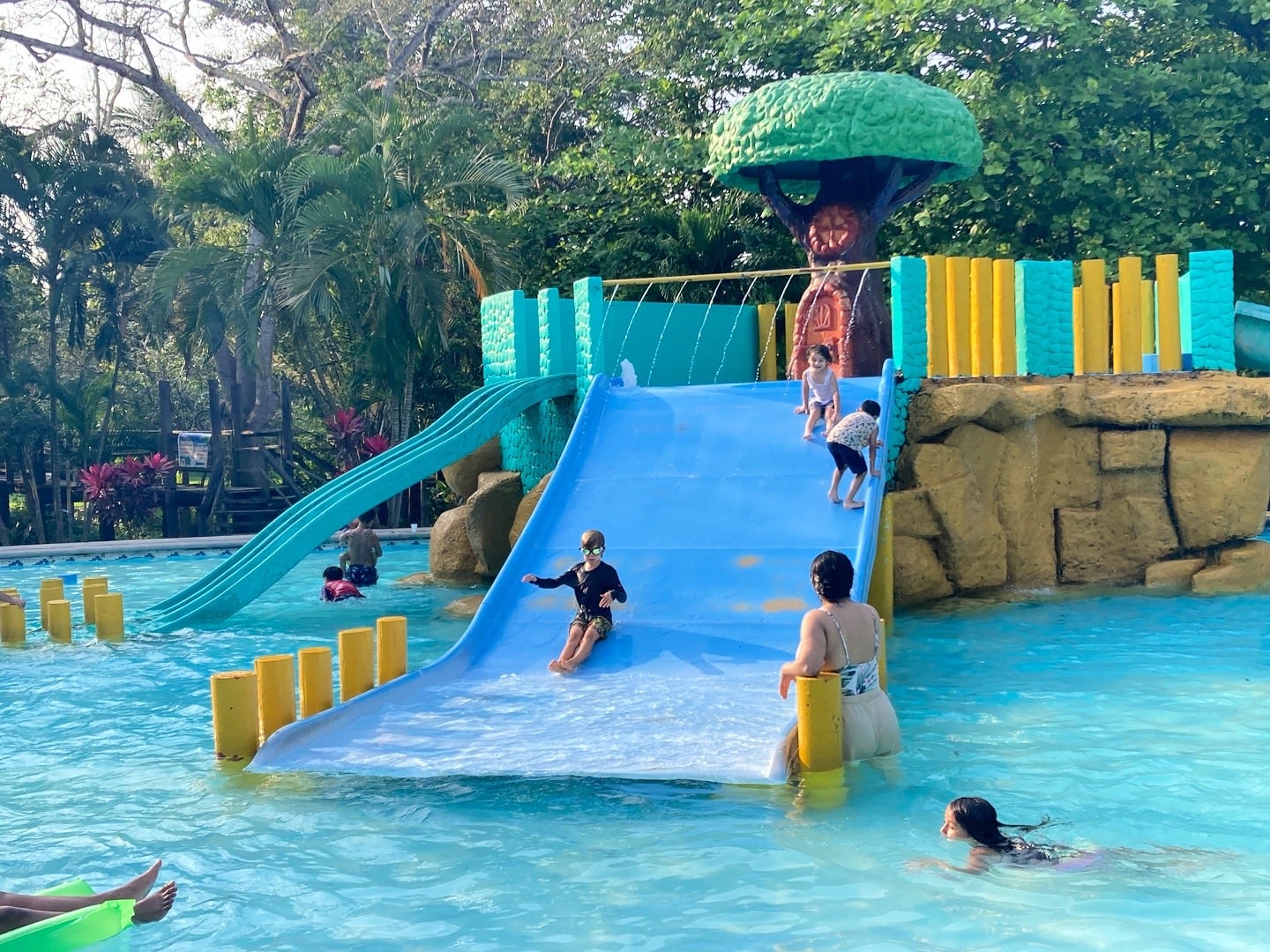
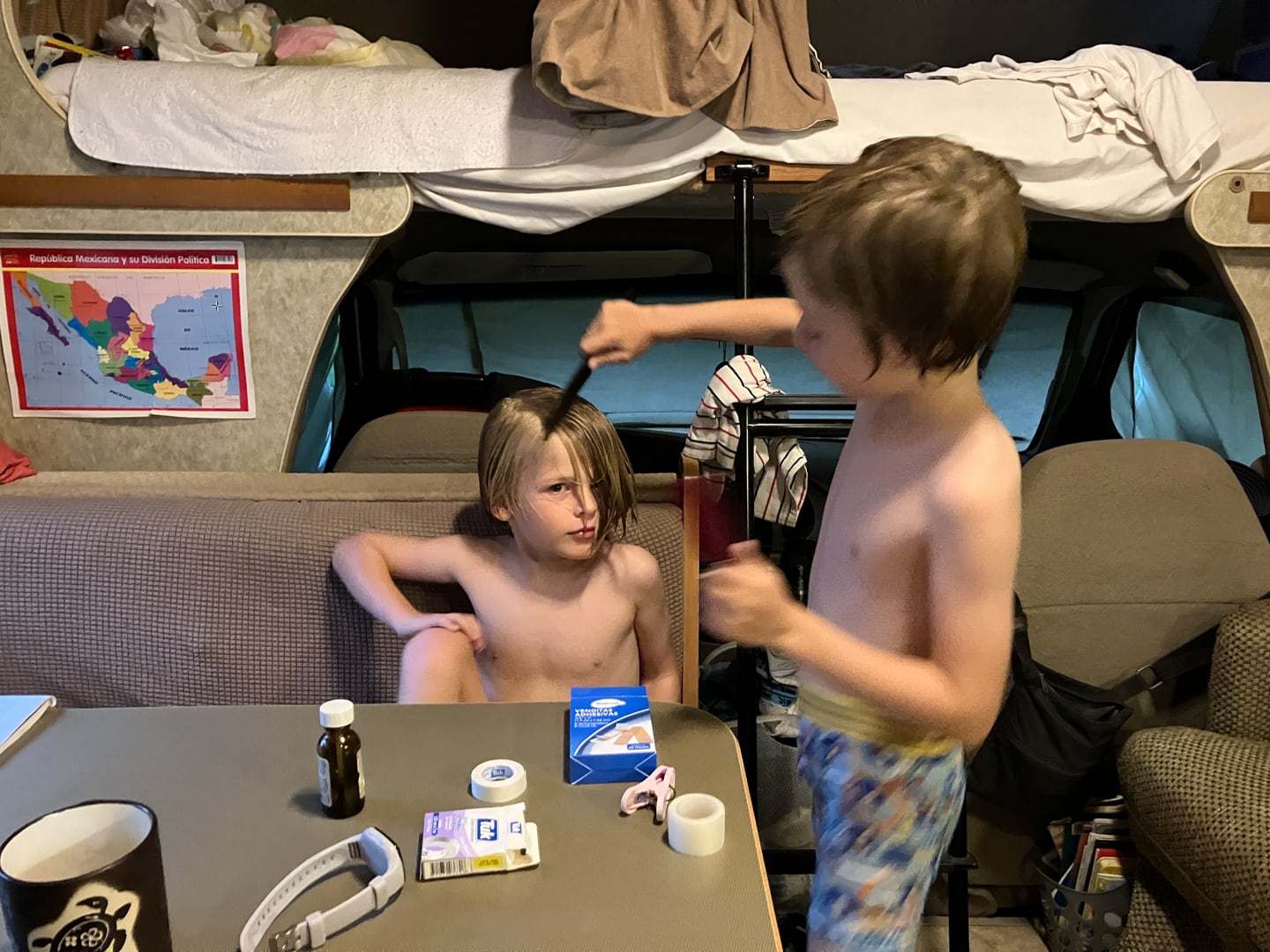
Lots of showers these days, and always a few owies. Old concrete waterslides usually have that effect.
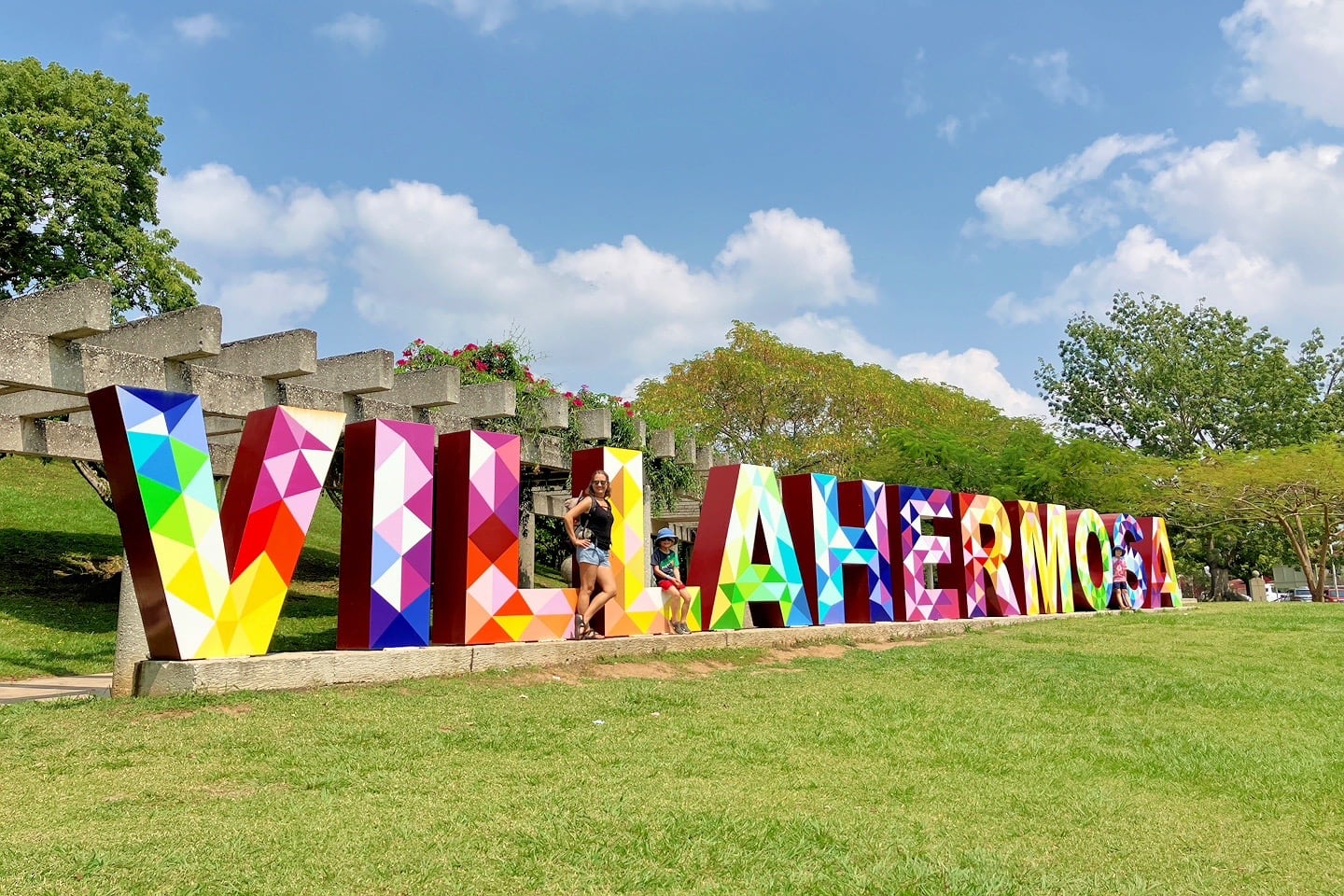
On Saturday, we took a trip downtown to explore the sprawling lakefront park.
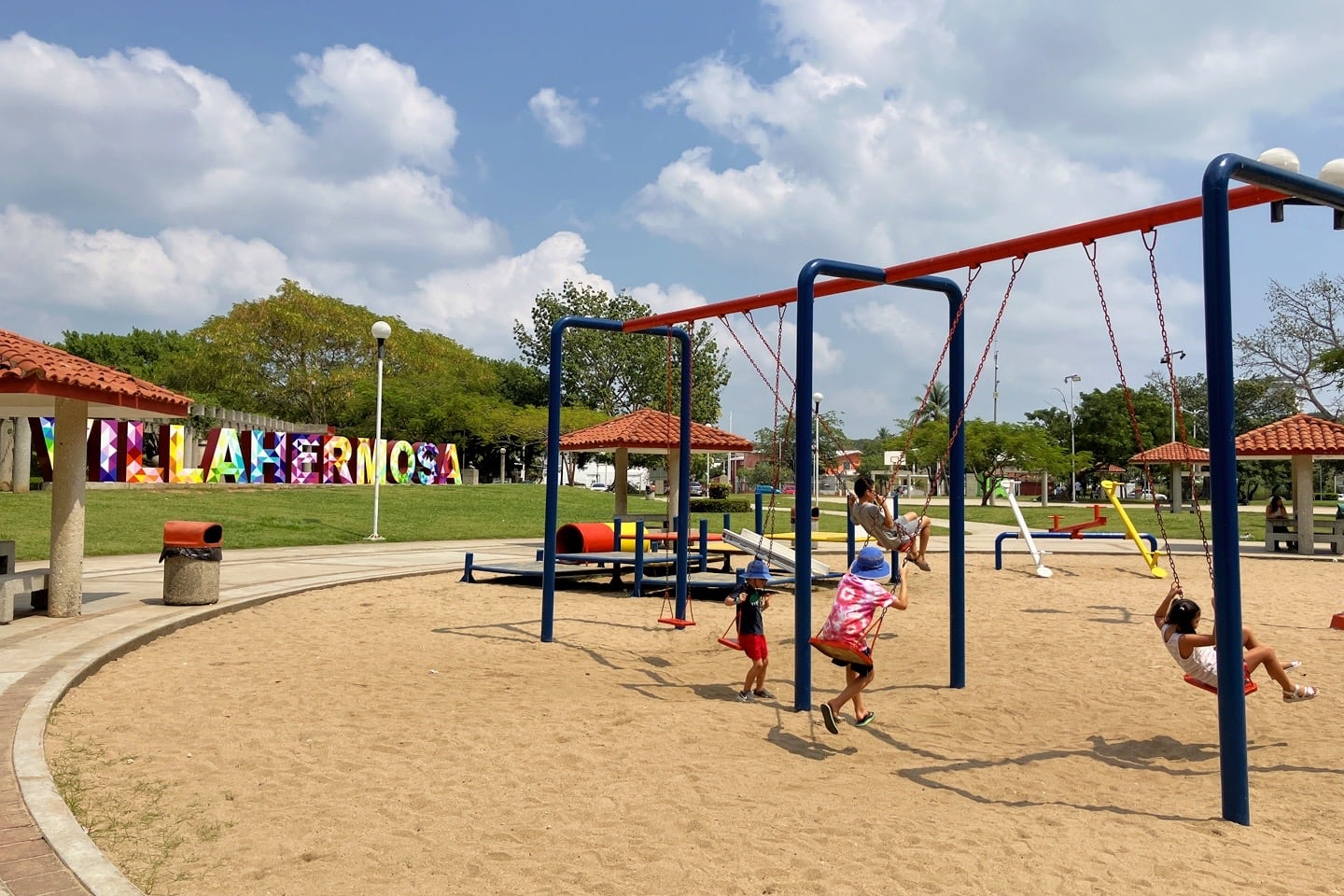
Villahermosa seems to get a bad rap from visitors, especially ones who are accustomed to beach and historic UNESCO destinations. Villahermosa is neither, but the attractions it does have surprised us.
Its park system is also one of the tidiest we’ve seen in a state capital that’s not a major tourist draw.
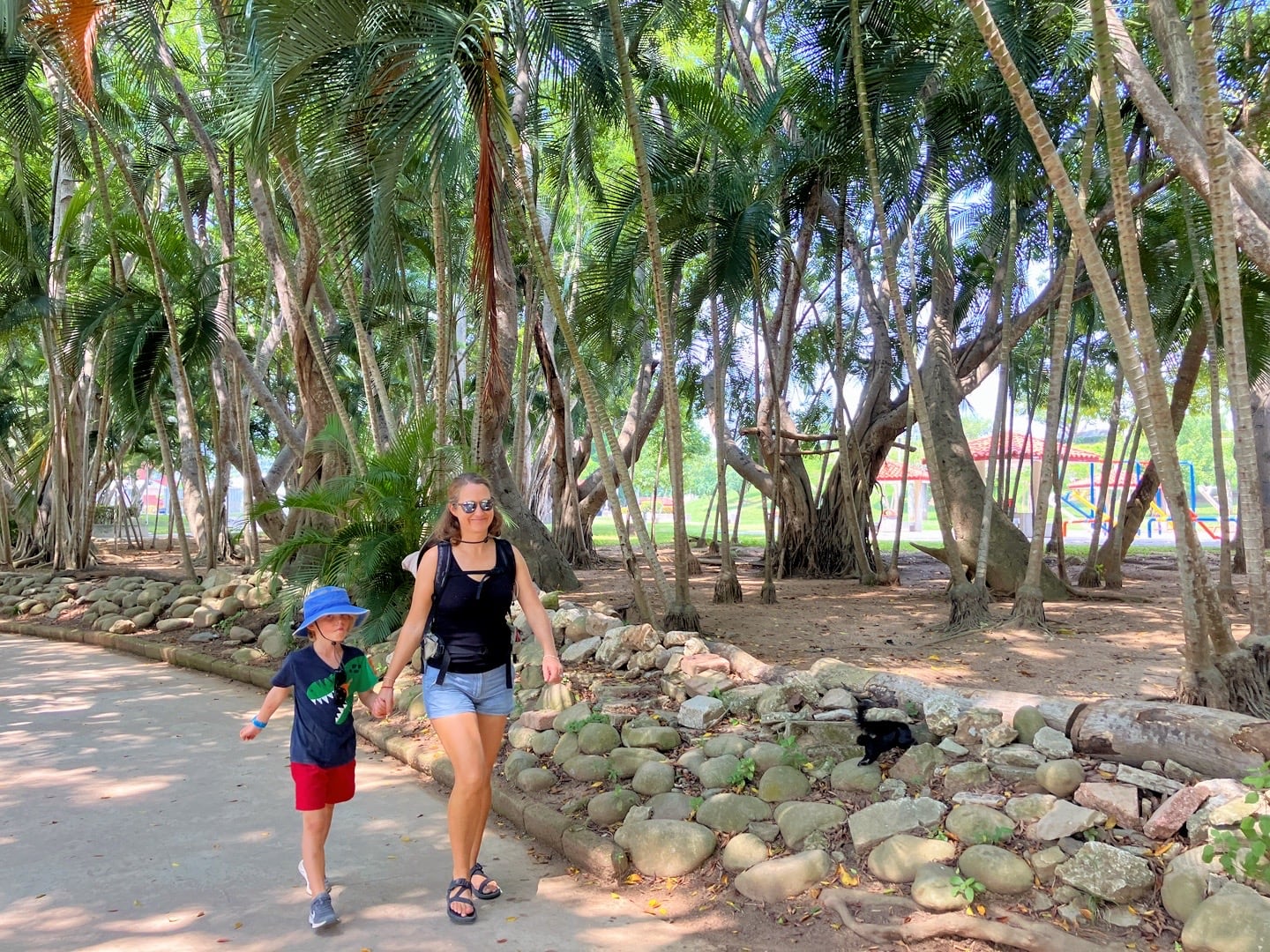
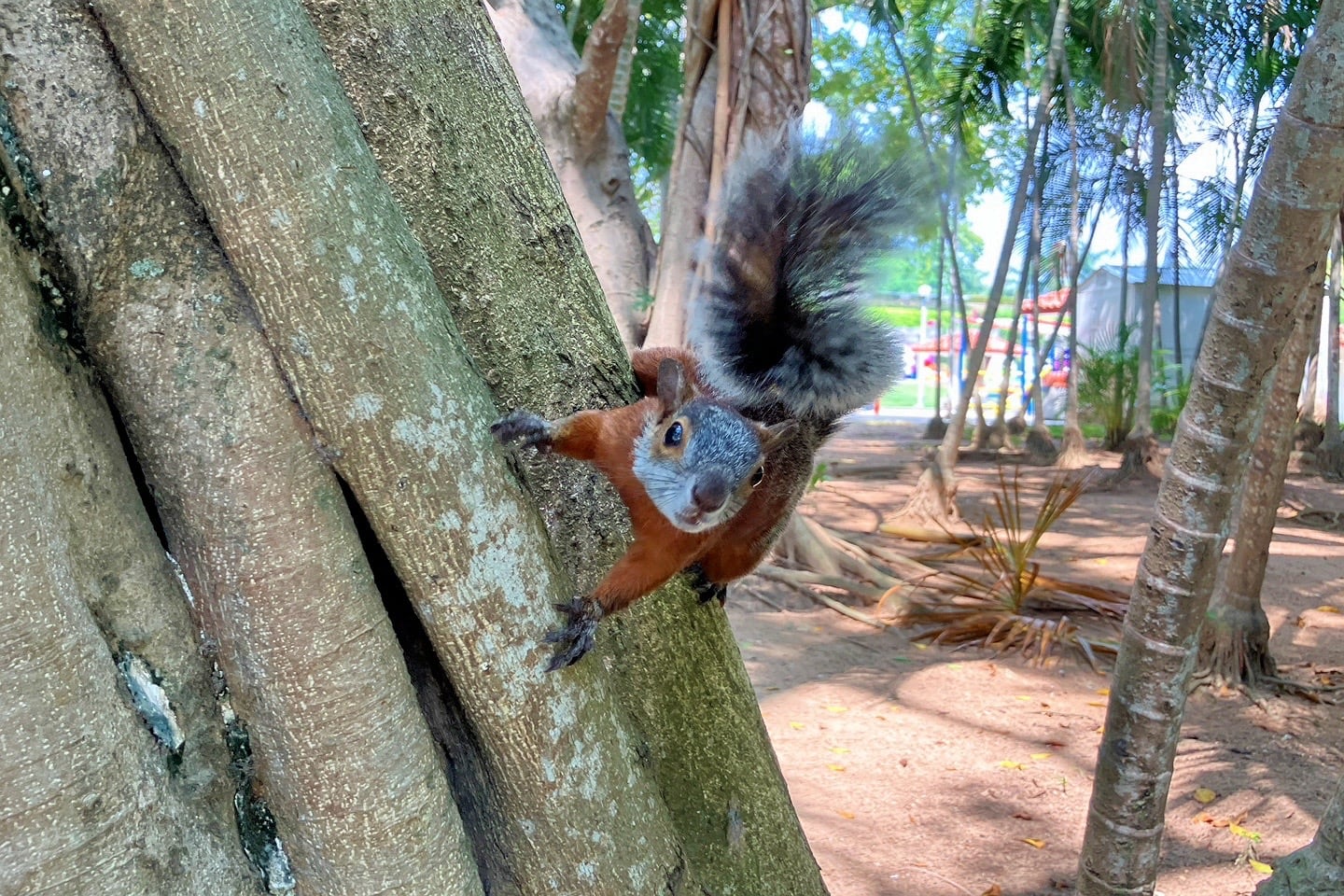
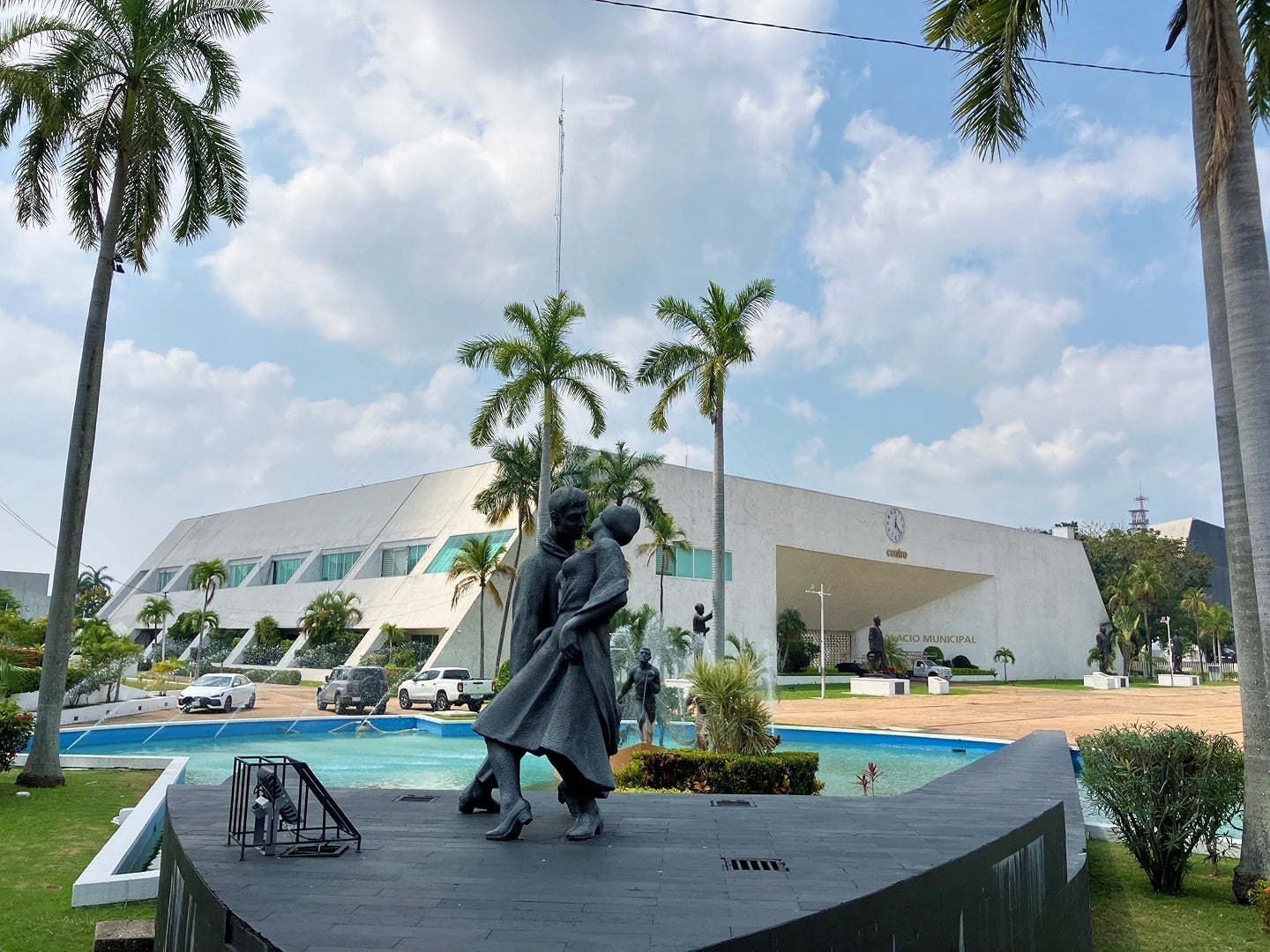
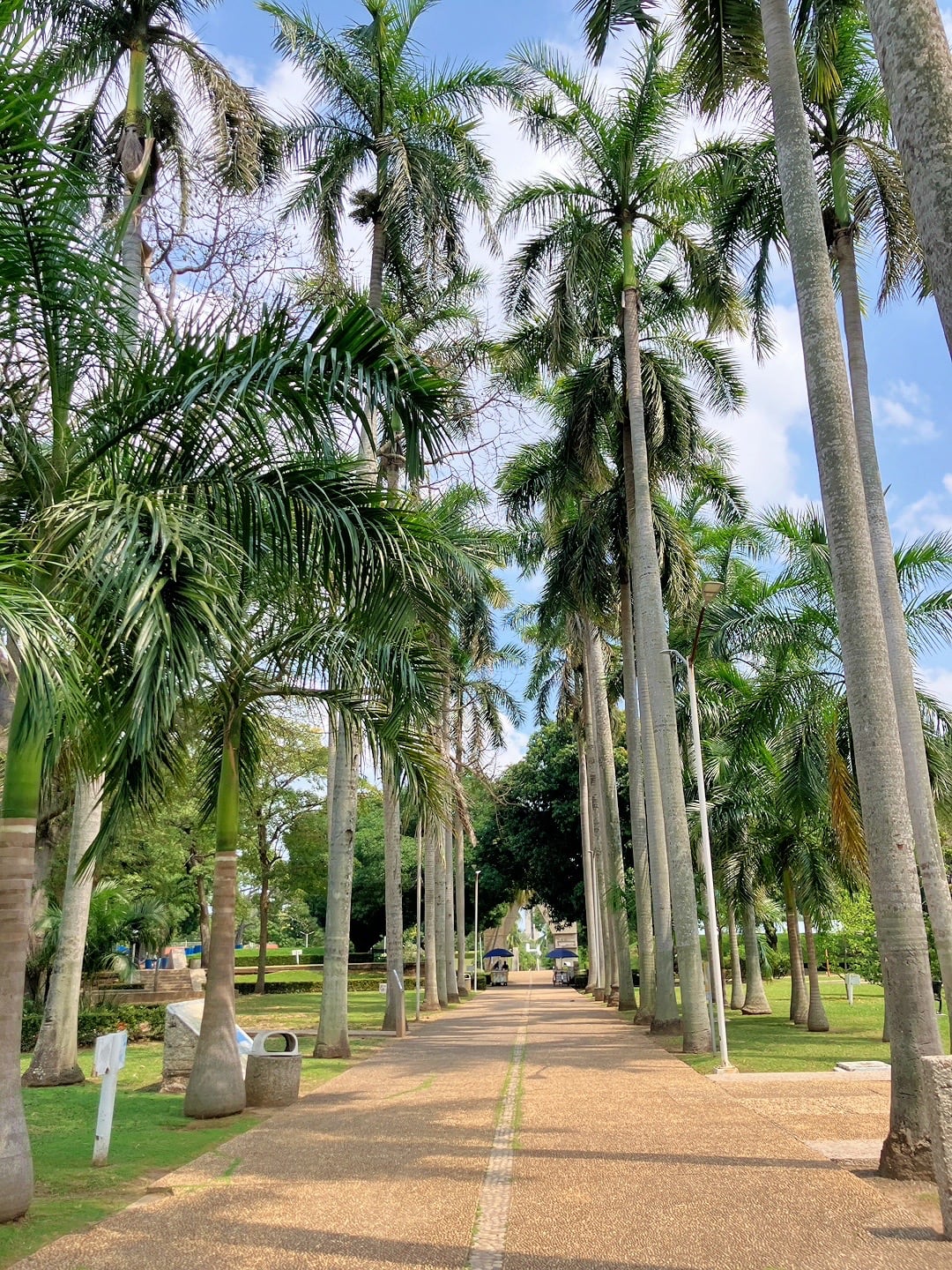
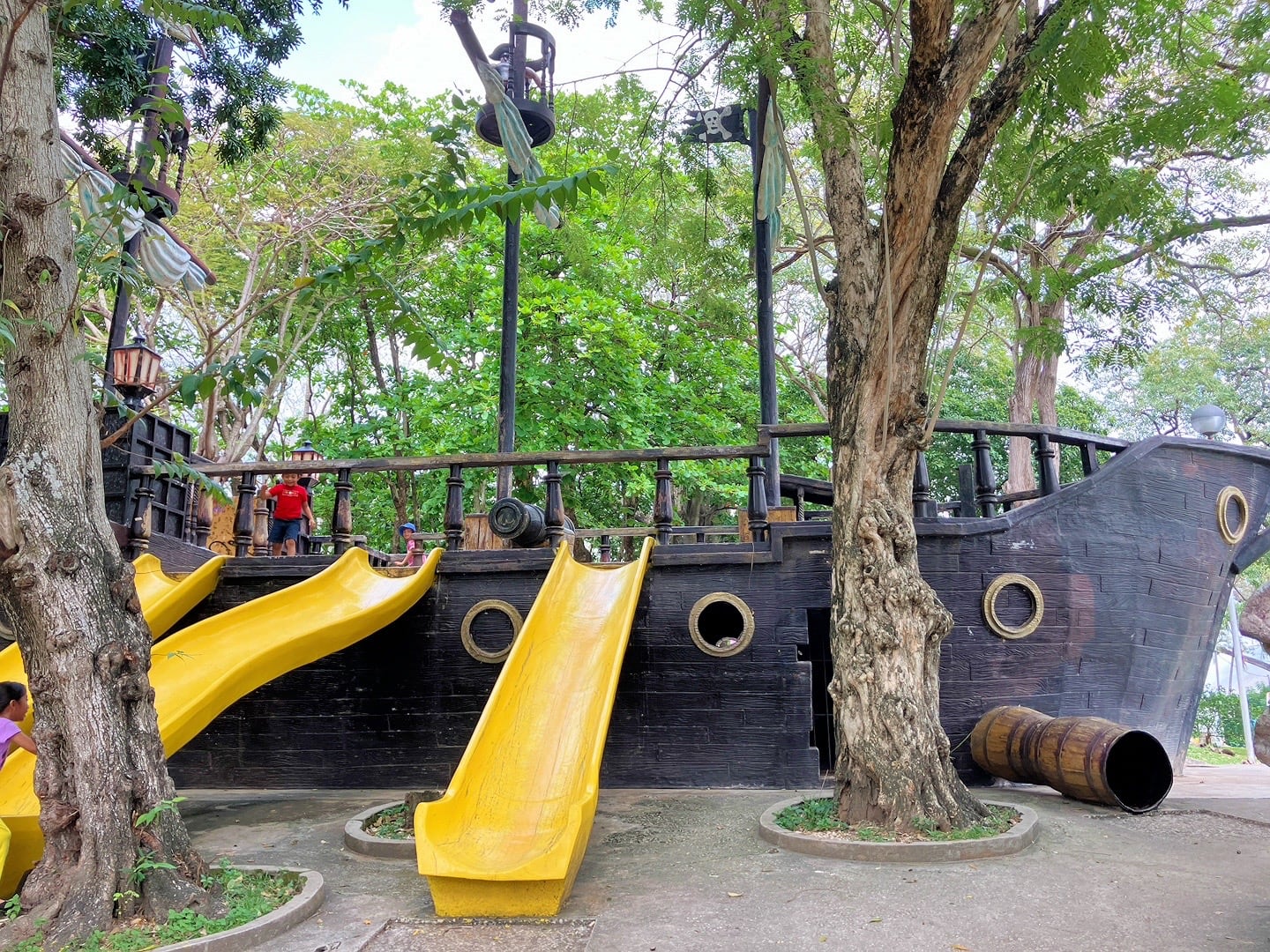
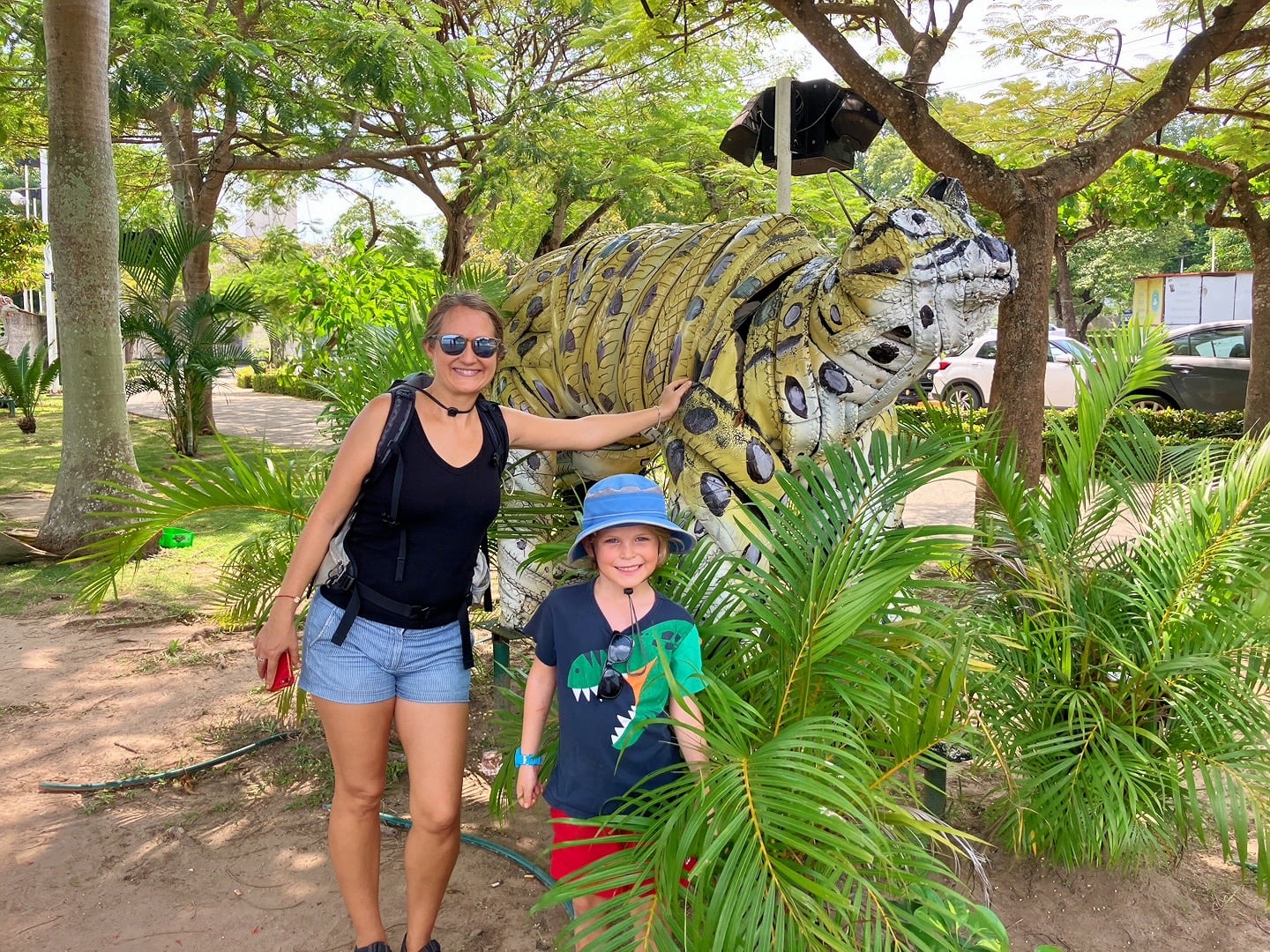
The city’s main attractions center around Laguna de las Illusiones (Lagoon of Illusions), which is the city’s sprawling central lake.
There’s a very nice malecon (walking path) that meanders along the lake for nearly a kilometer.
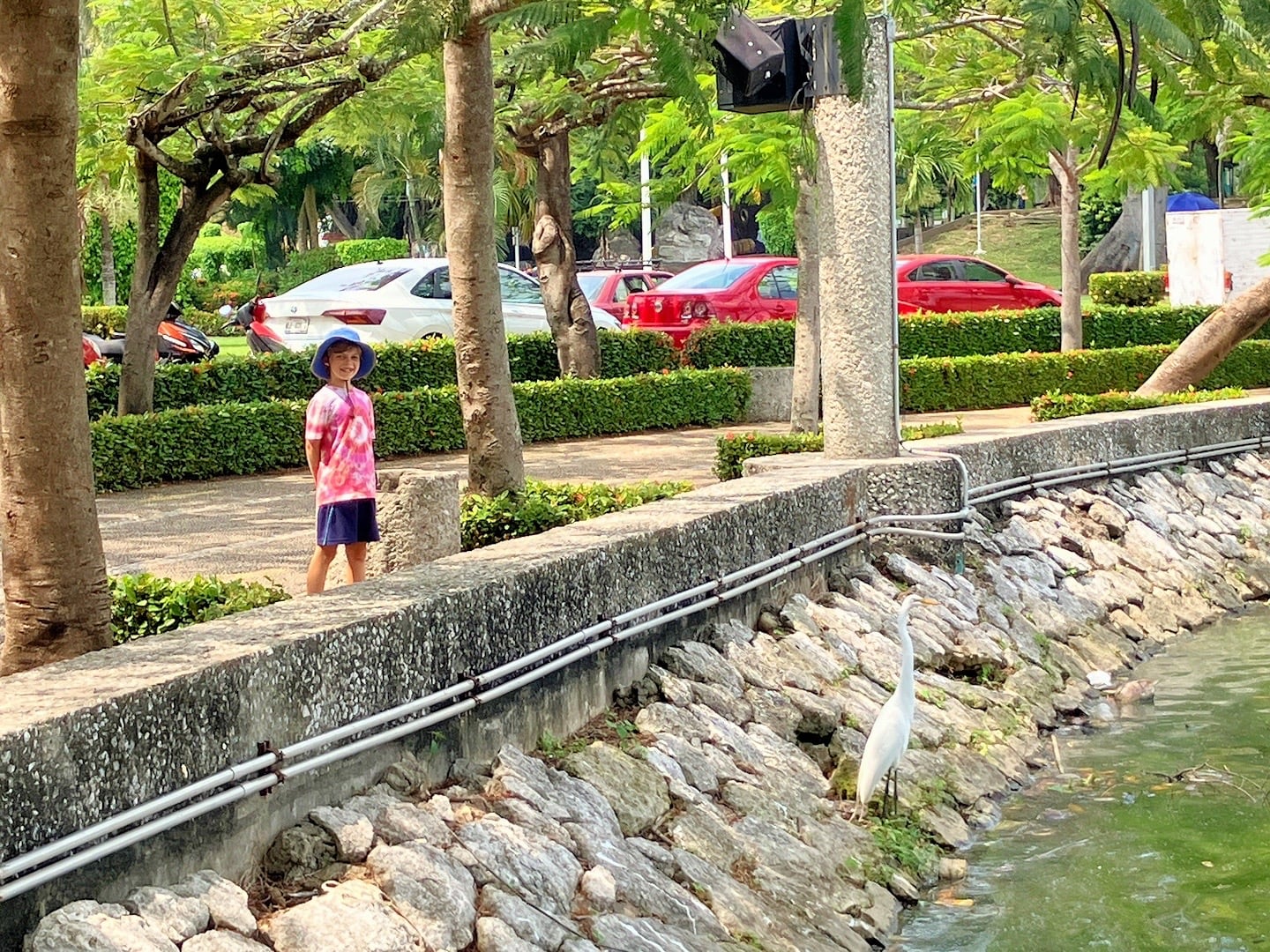
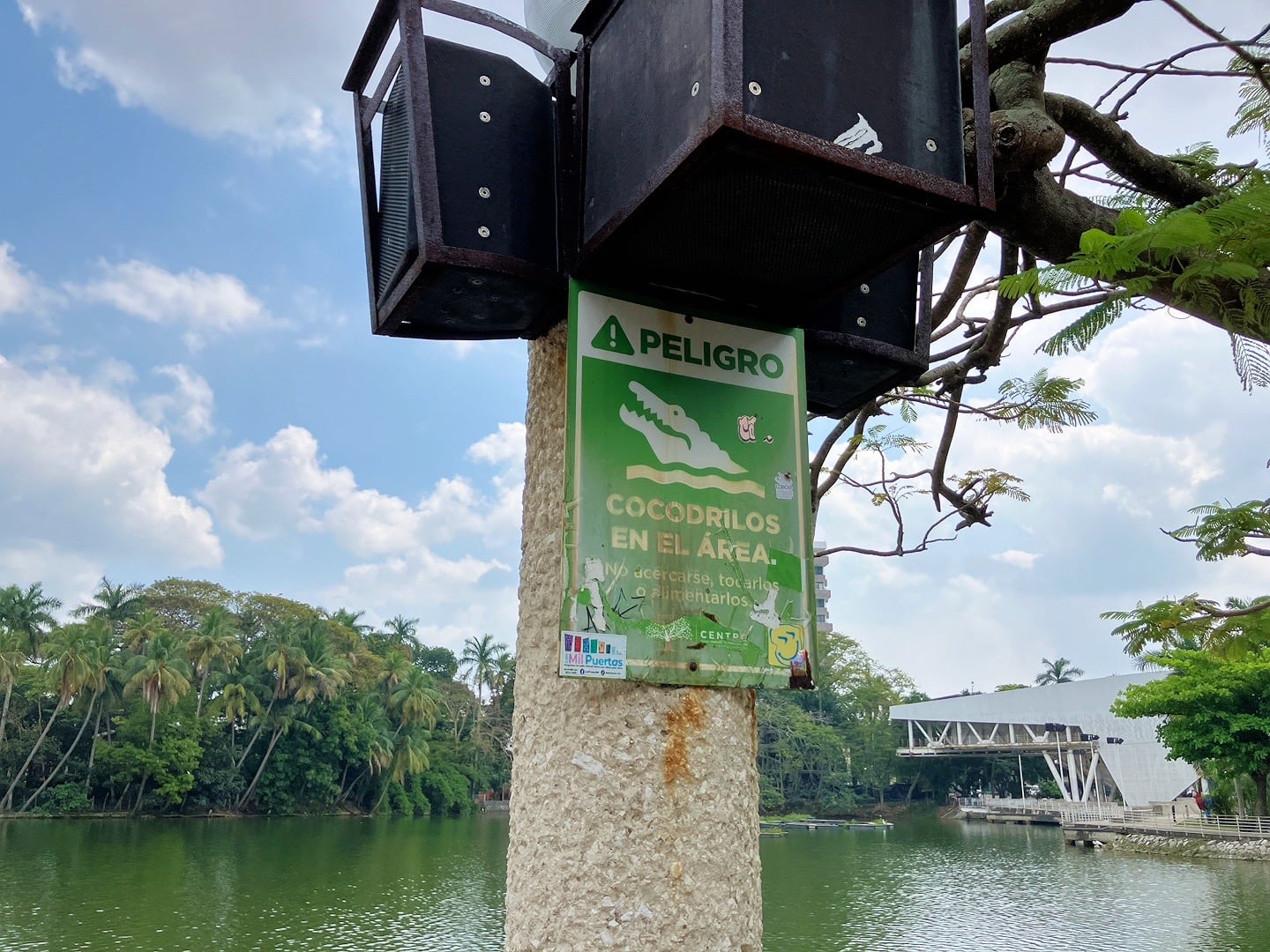
There’s a surprising number of wild critters roaming about the lake path. We didn’t know ahead of time that that included crocodiles as well. I saw this sign and thought, okay, but we’ll never seen one. Within seconds, we spotted our first.
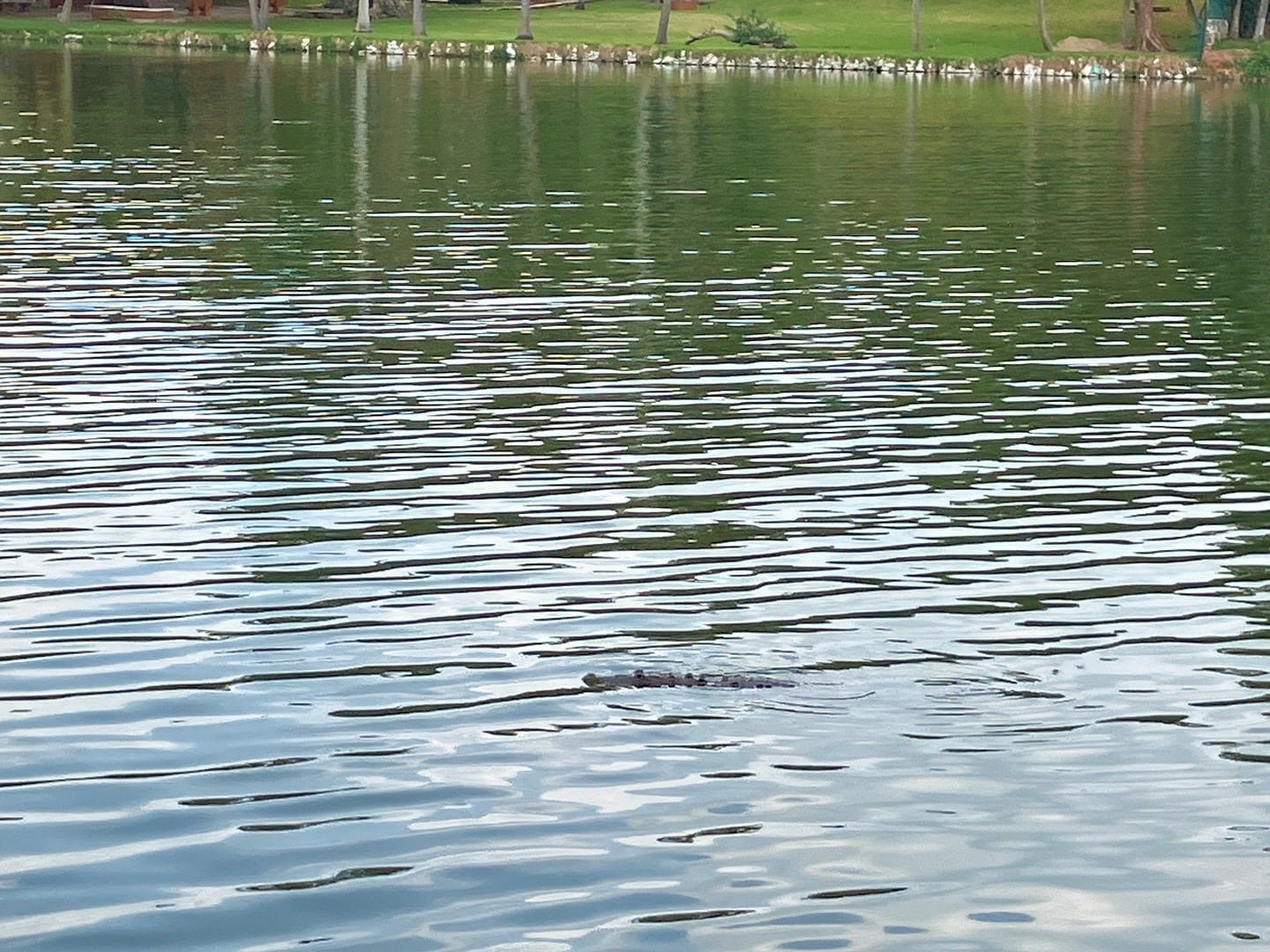
Some stayed offshore, while others hung out a bit too close for comfort.
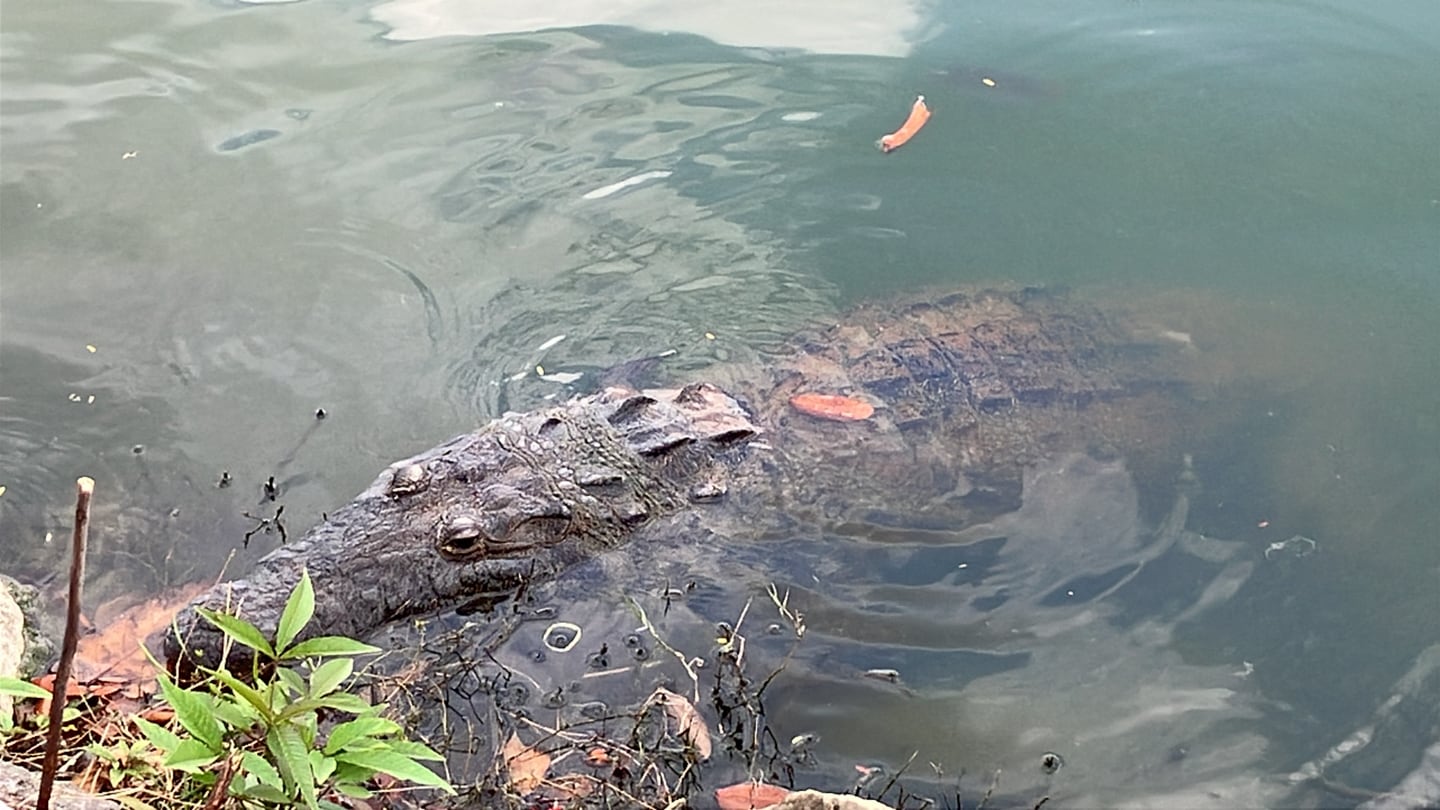
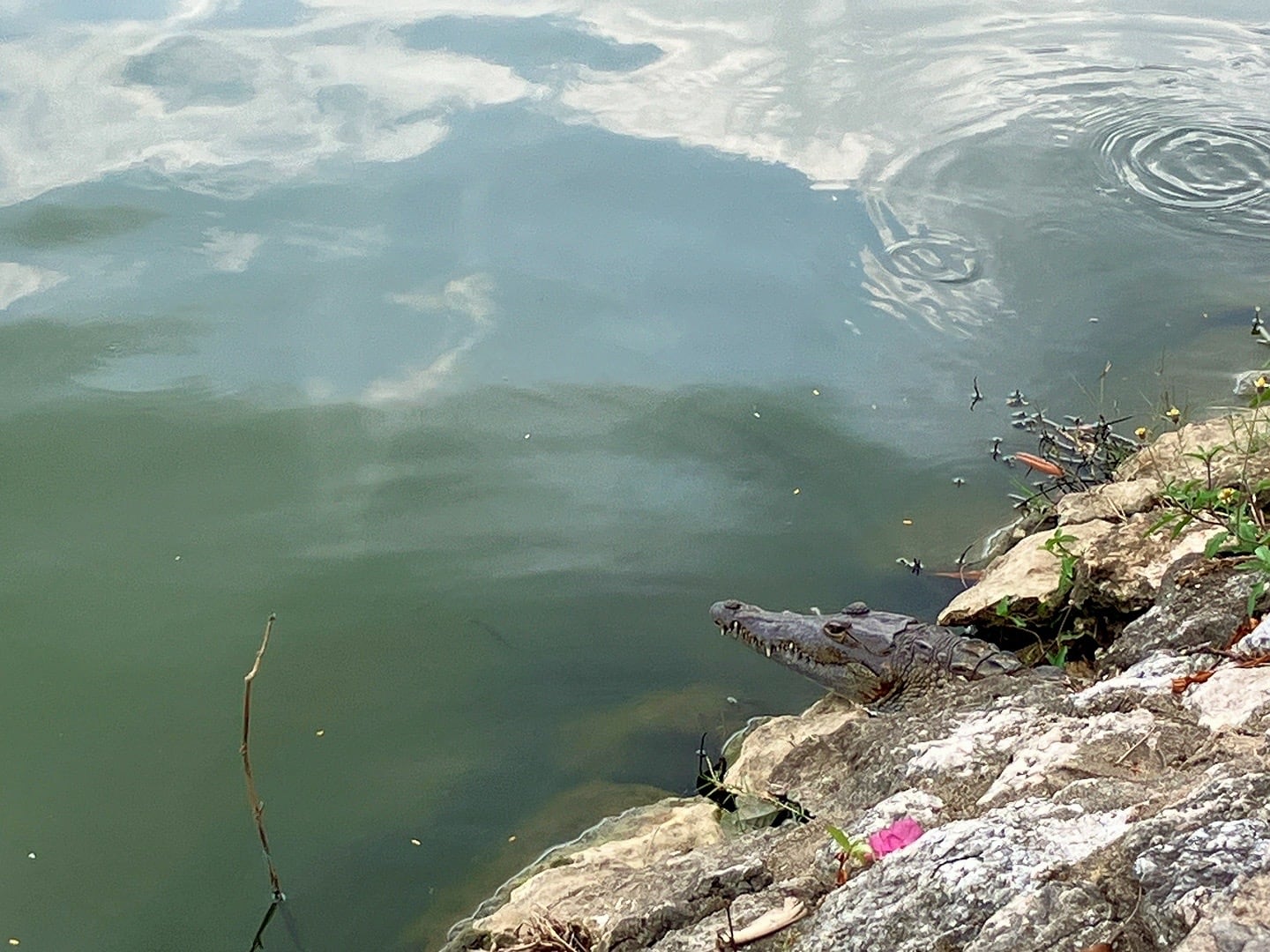
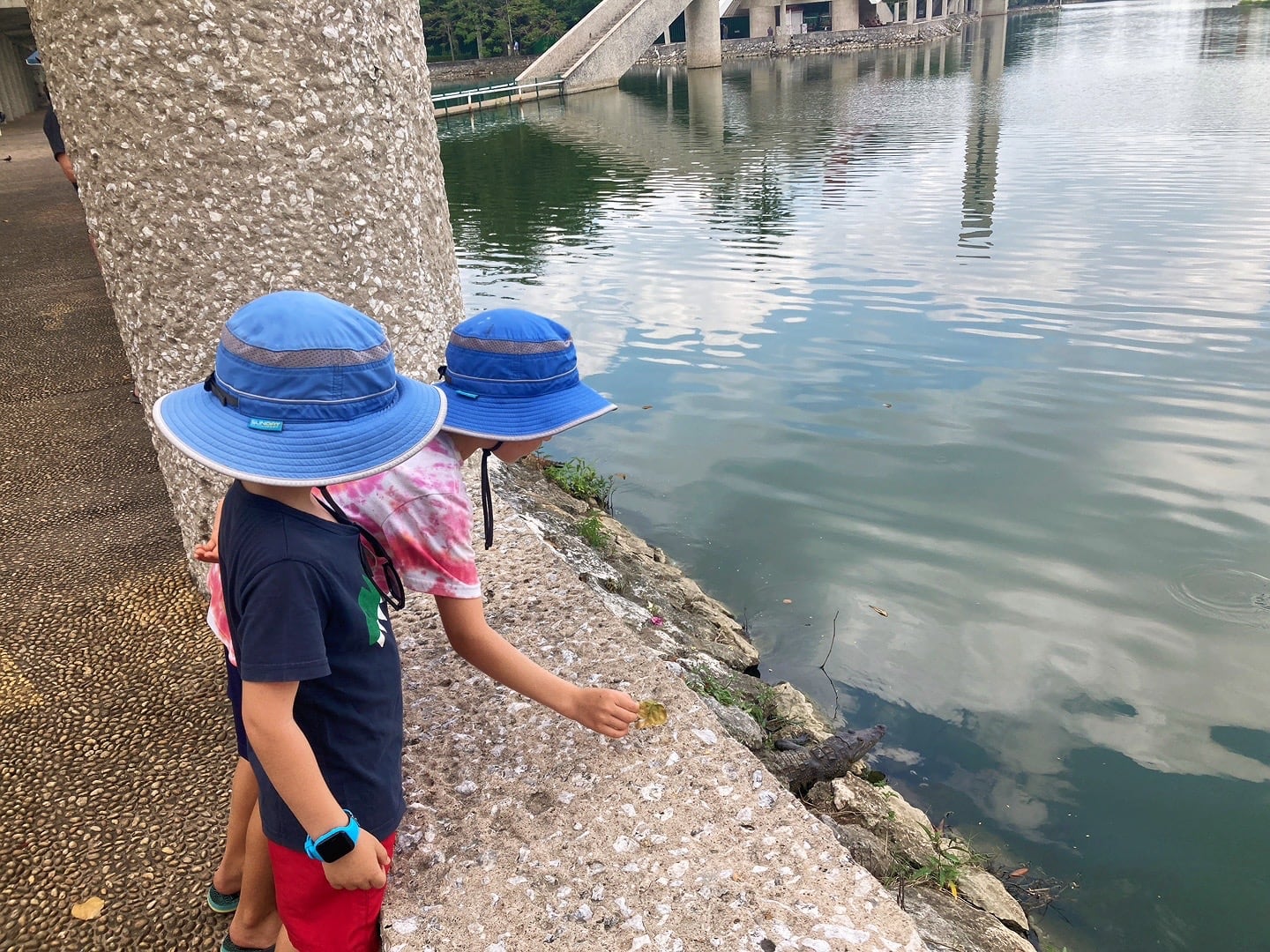
Riley counted nine crocs in all.
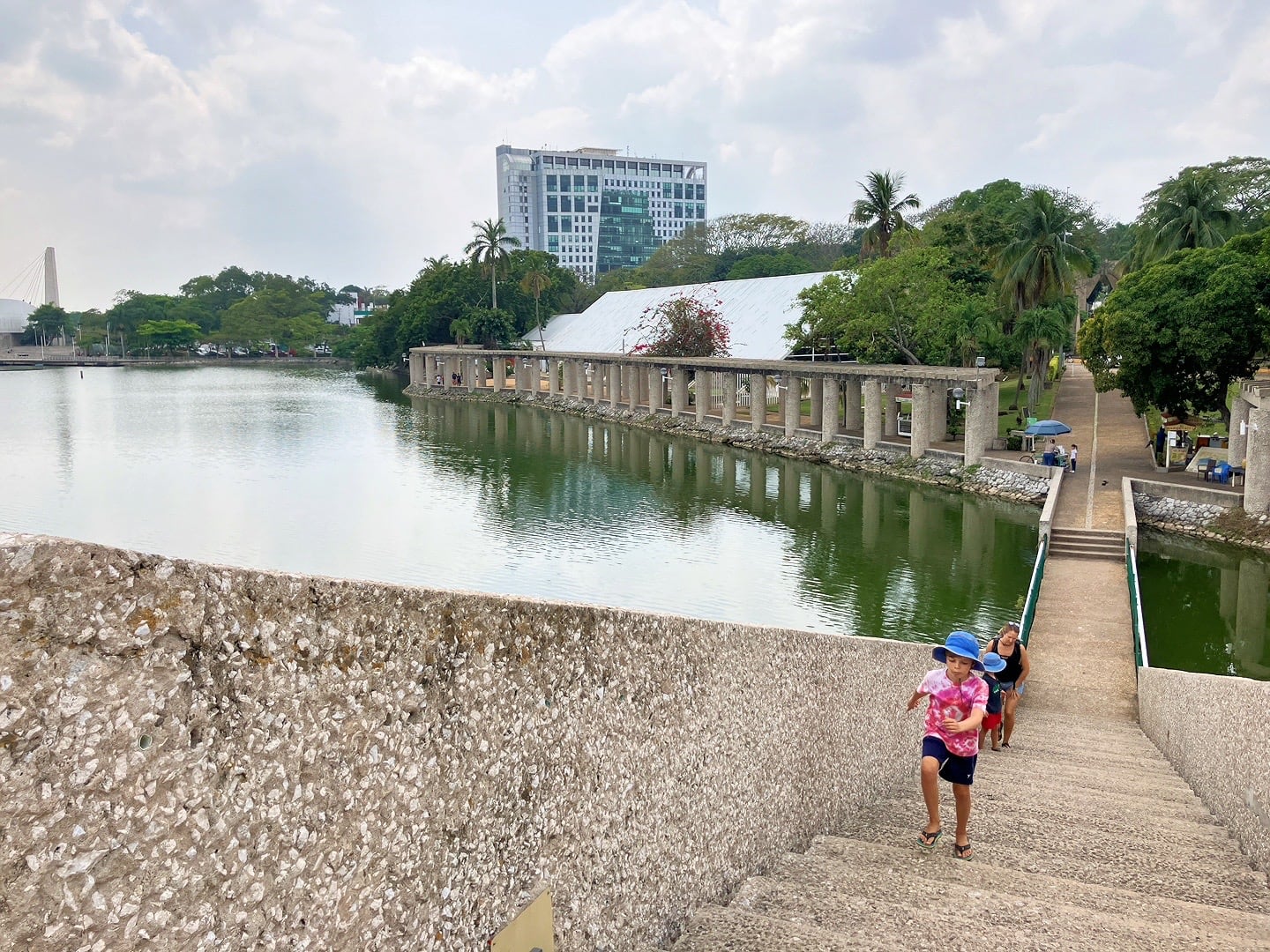
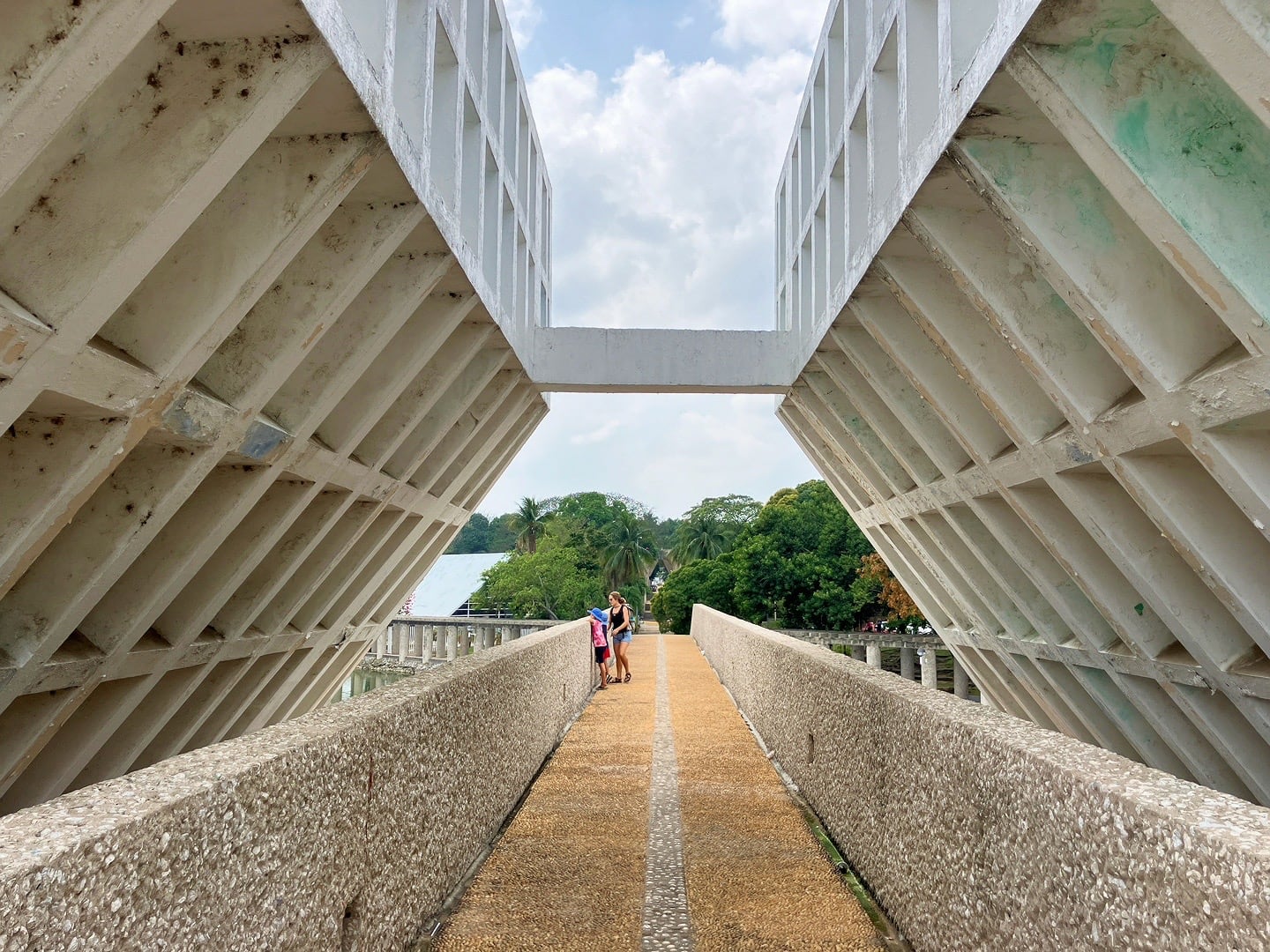
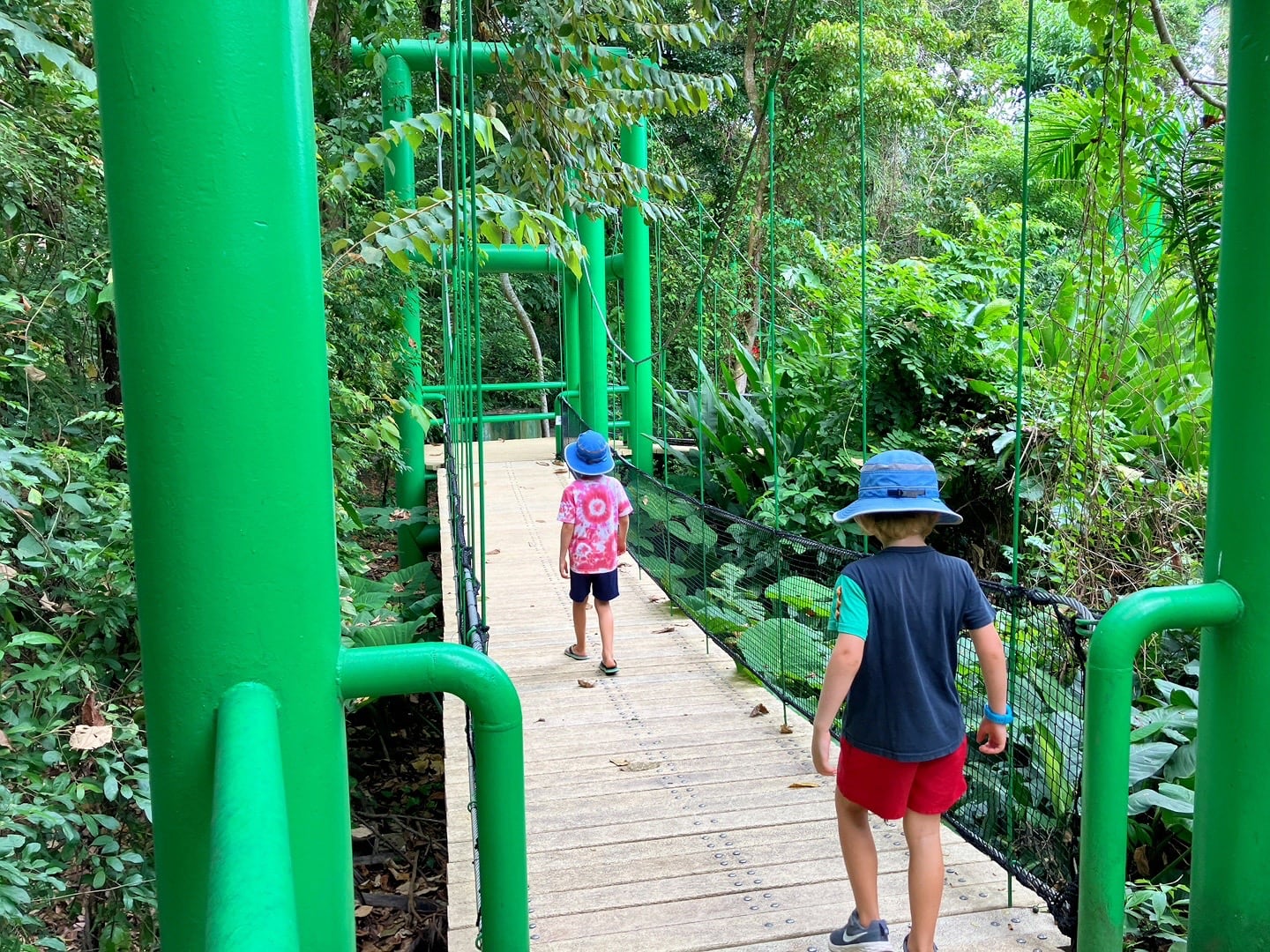
This bridge leads to the towering Mirador de las Aguilas, one of the lake’s top attractions that appears to have been closed for some time. I always can’t help but wonder why.
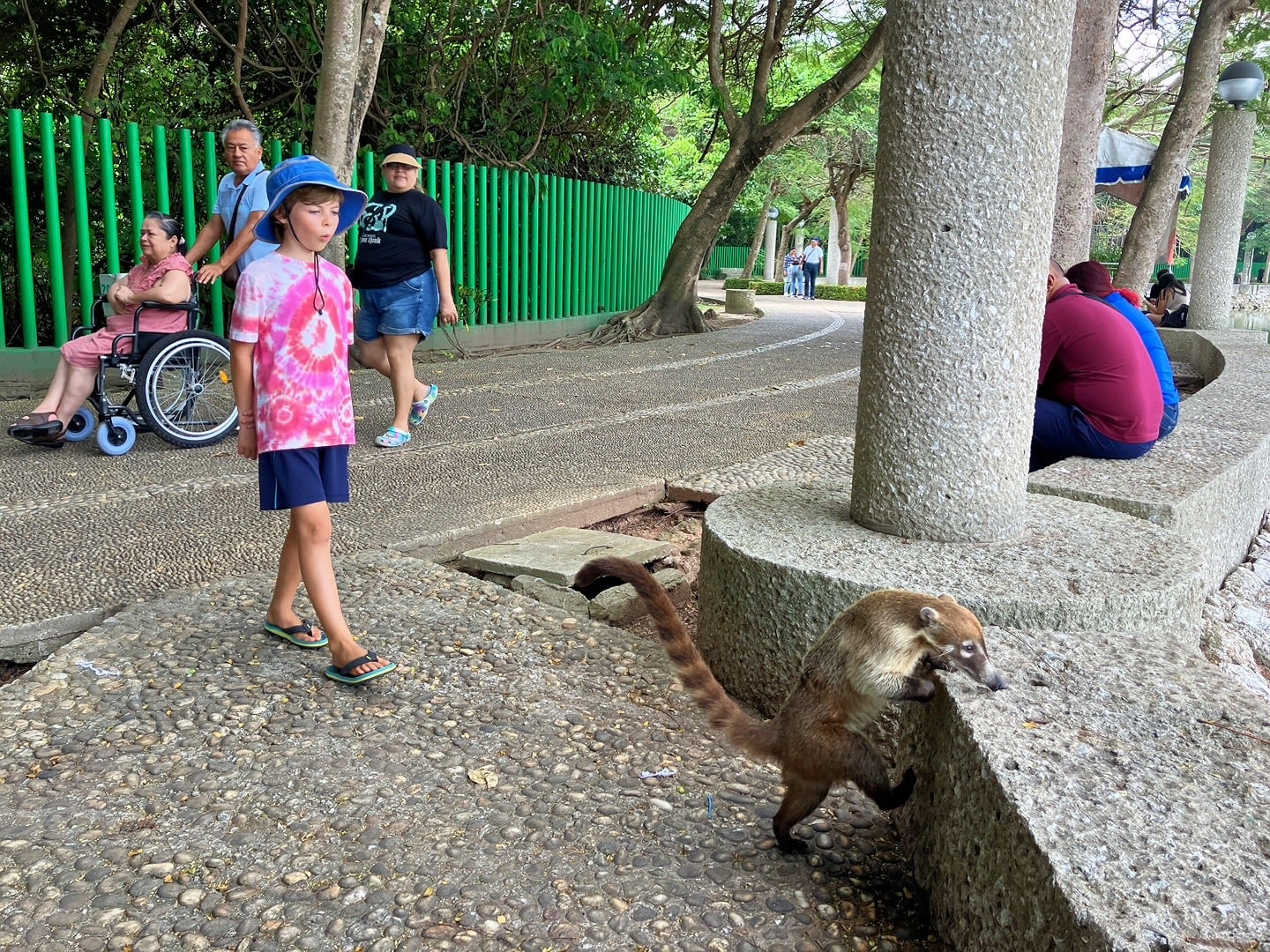
There were also a number of Coati running around trying to weasel food out of people. The crocs never showed much interest in us, but the Coati were downright relentless.
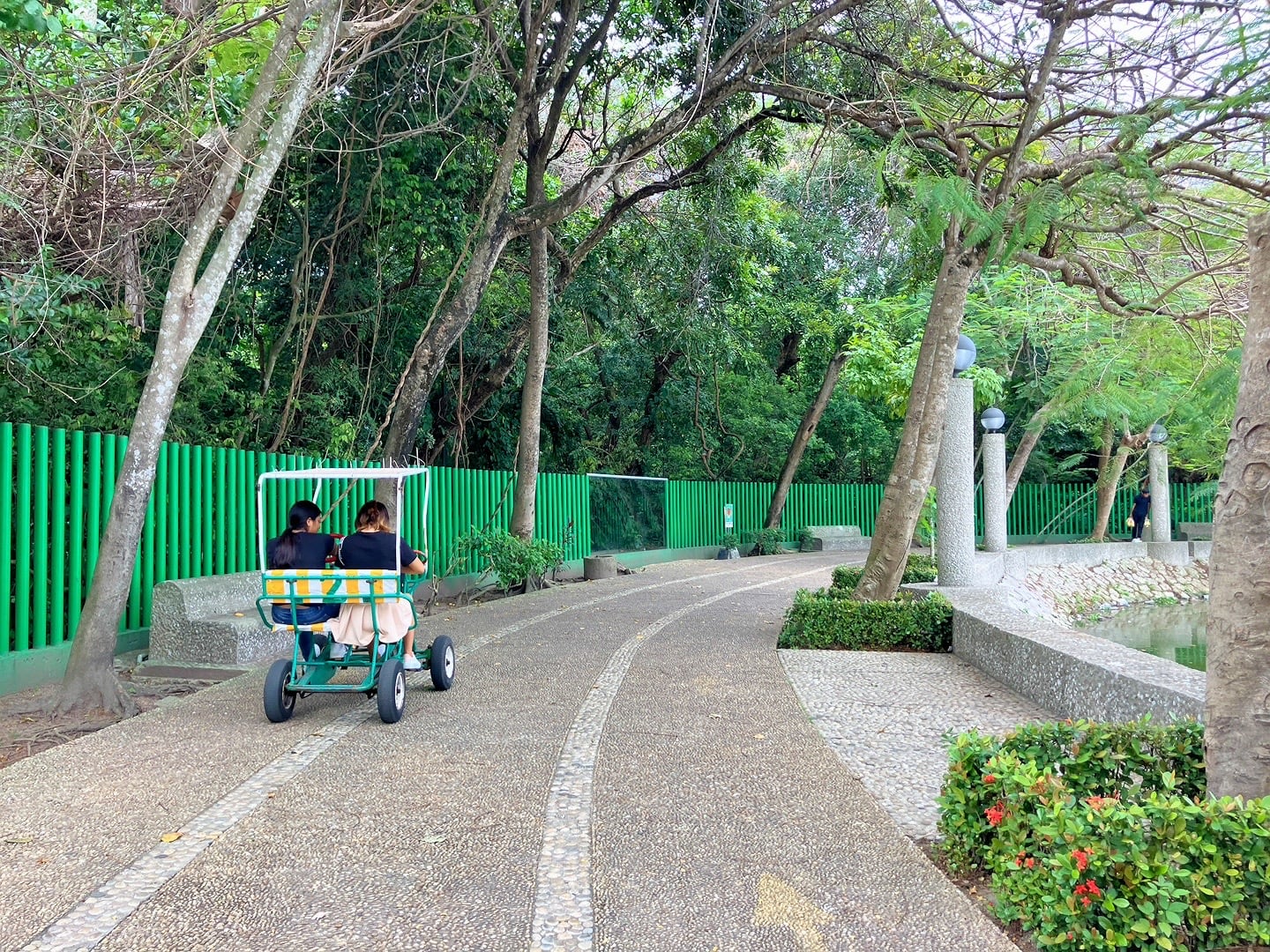
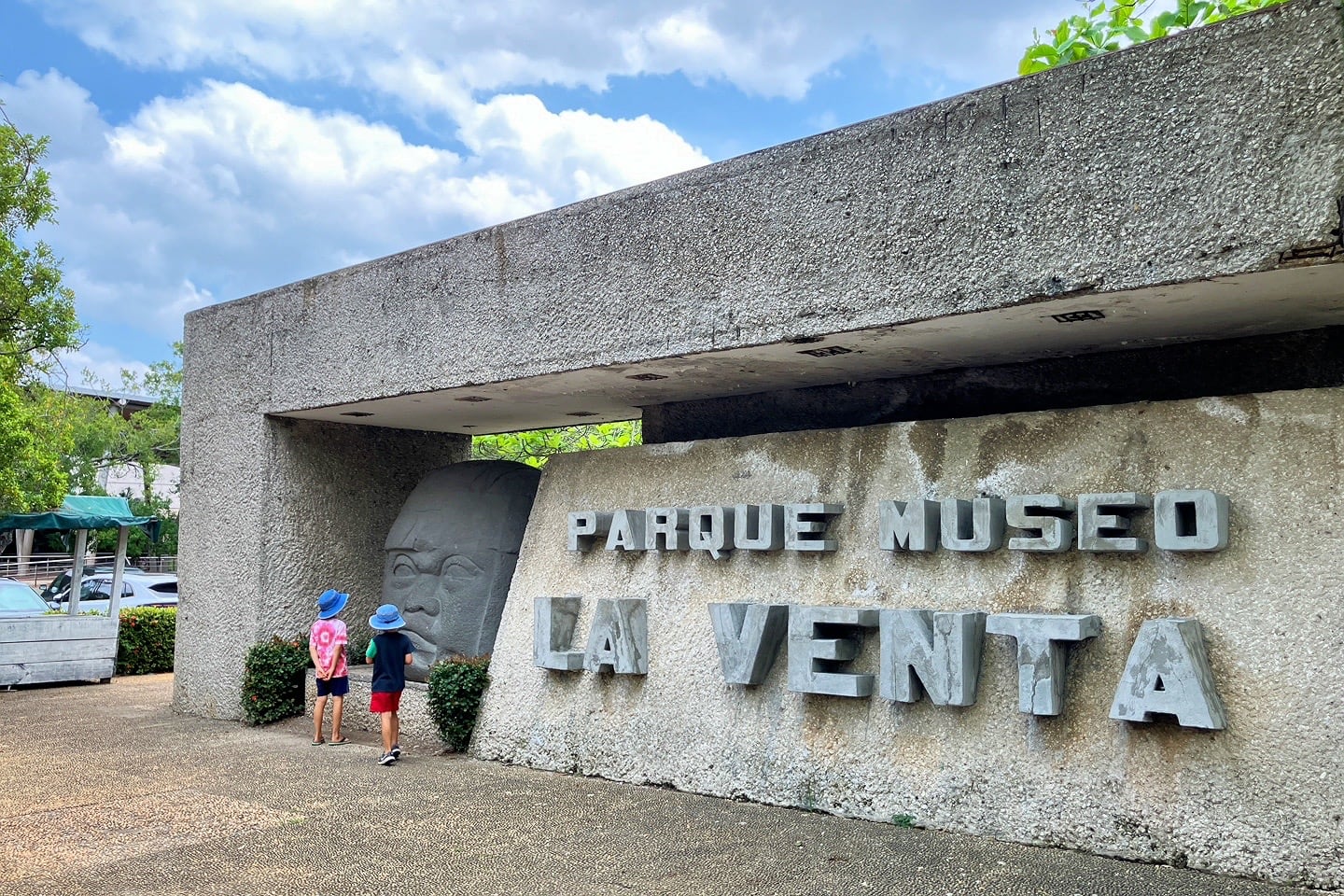
At the end of the park is arguably Villahermosa’s most popular attraction: Parque Museo La Venta—an archeological complex and zoo with dozens of giant, pre-colonial carved heads and artifacts.
The massive stone creations were moved here from a nearby site when they discovered oil there in the mid-20th century.
The park is divided into two parts: Zoo and archeological park.
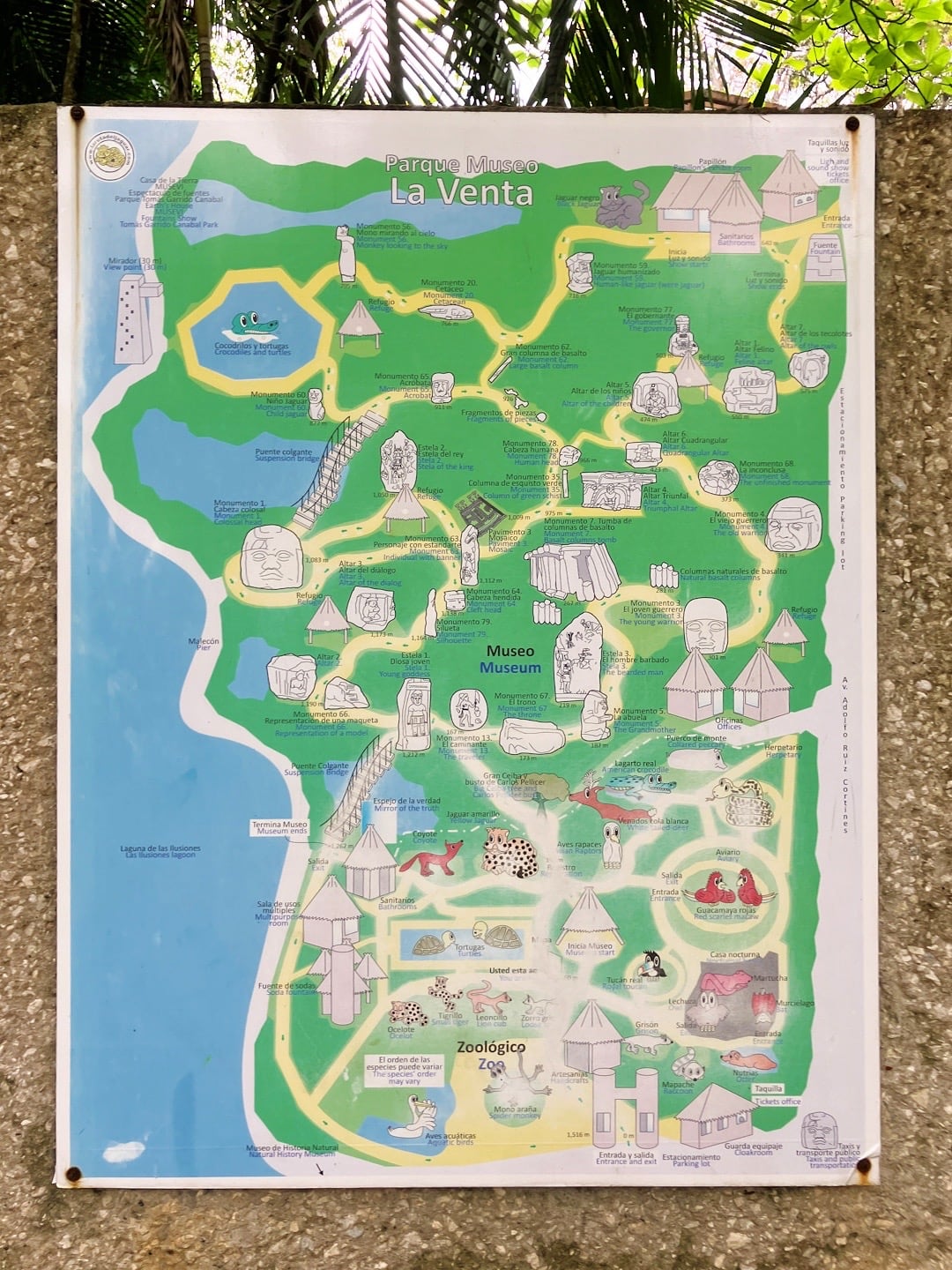
The zoo was a bit on the depressing side, but the archeological park was peaceful and interesting enough to keep the boys attention for an hour or so.
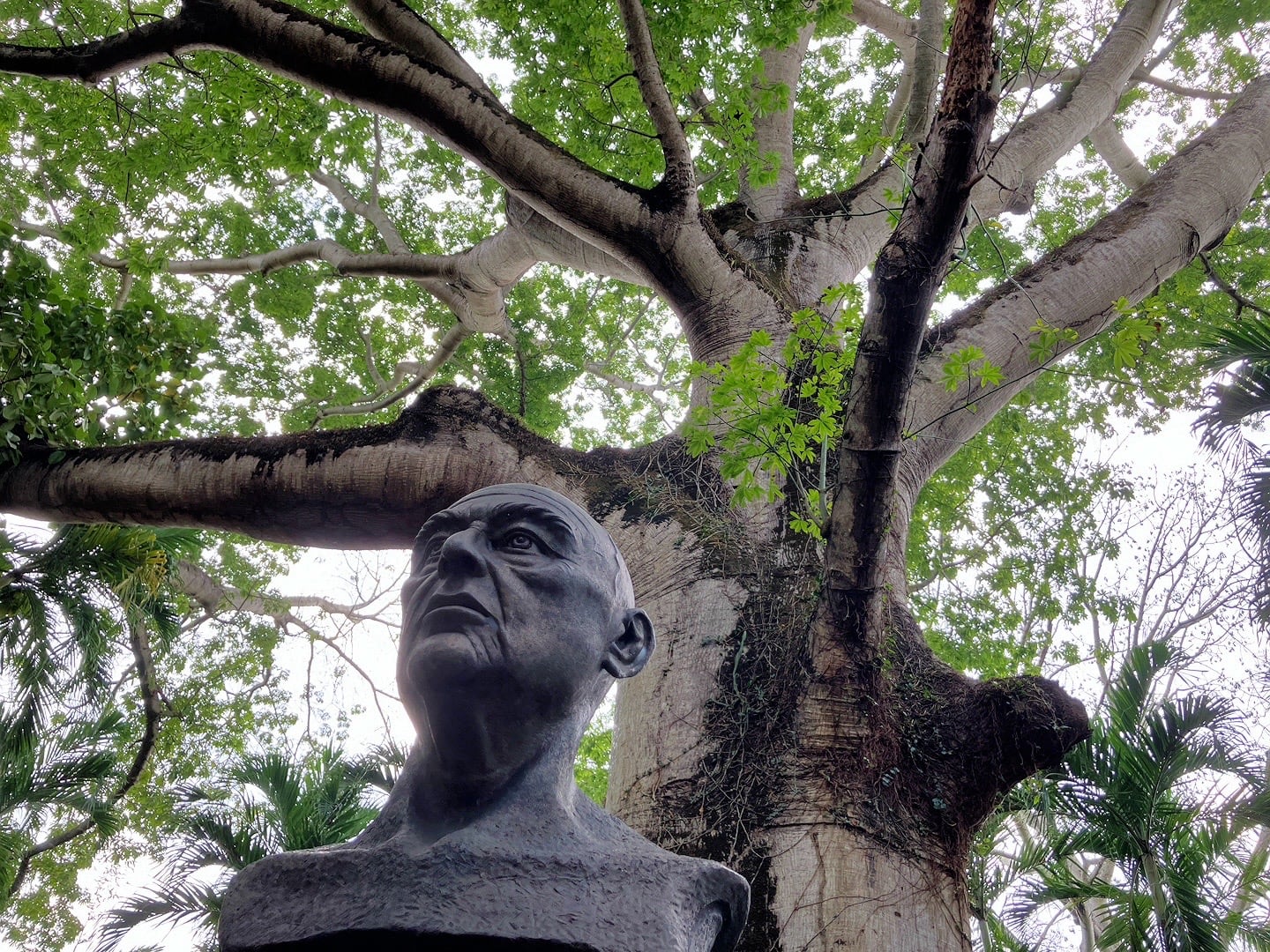
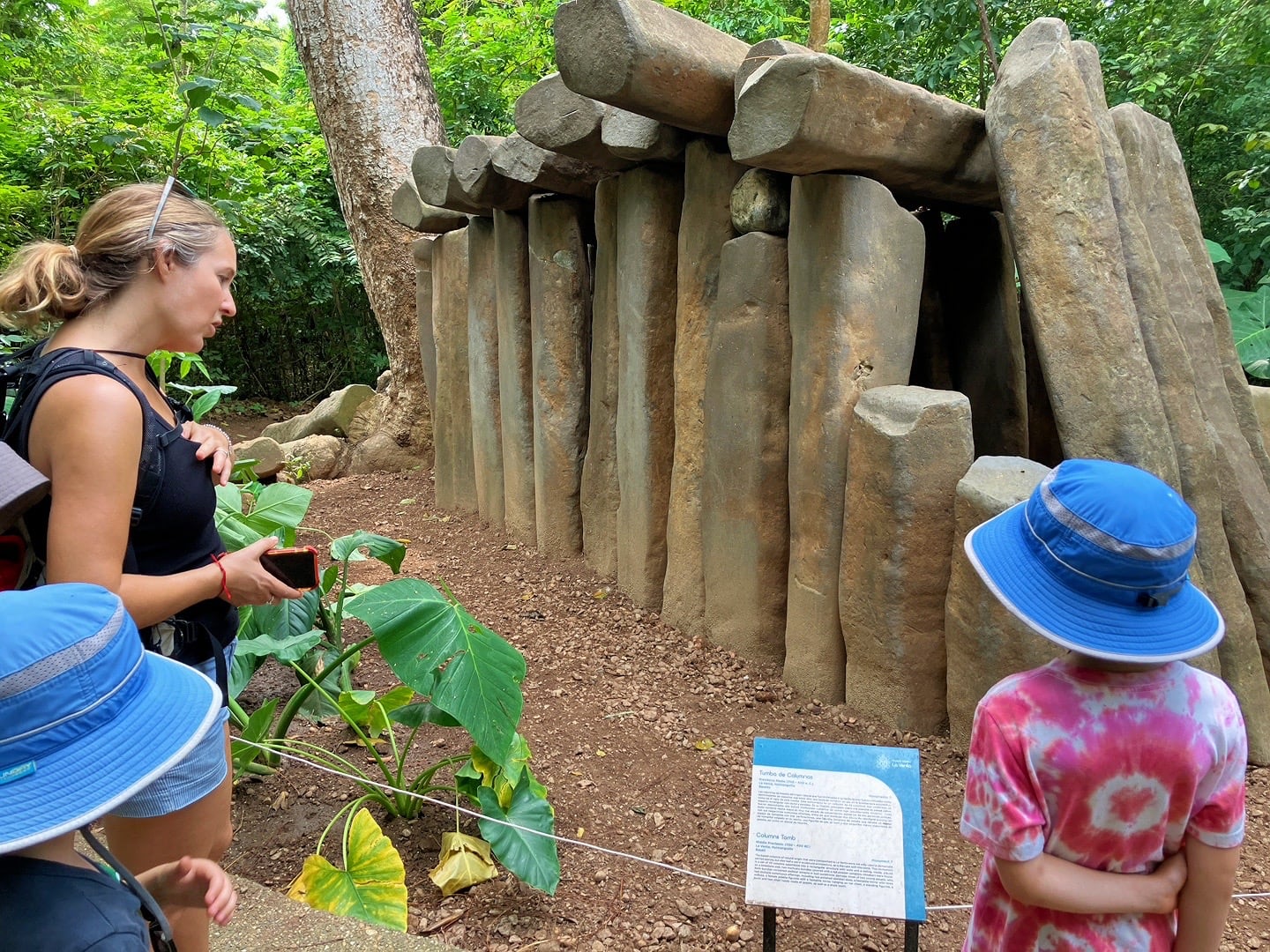
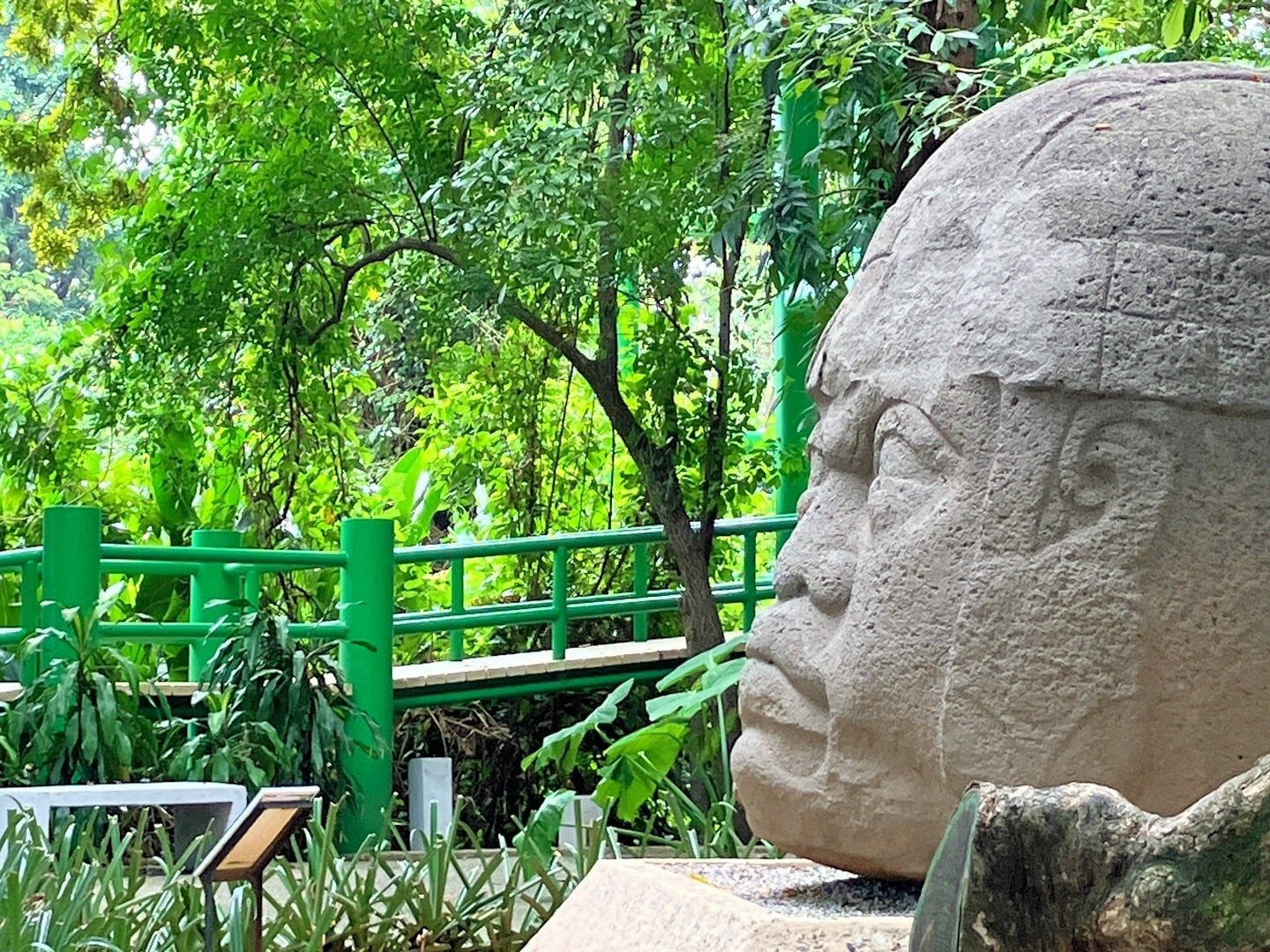
The heads are very old. Some, like the one below, are believed to be around 3,000 years old.
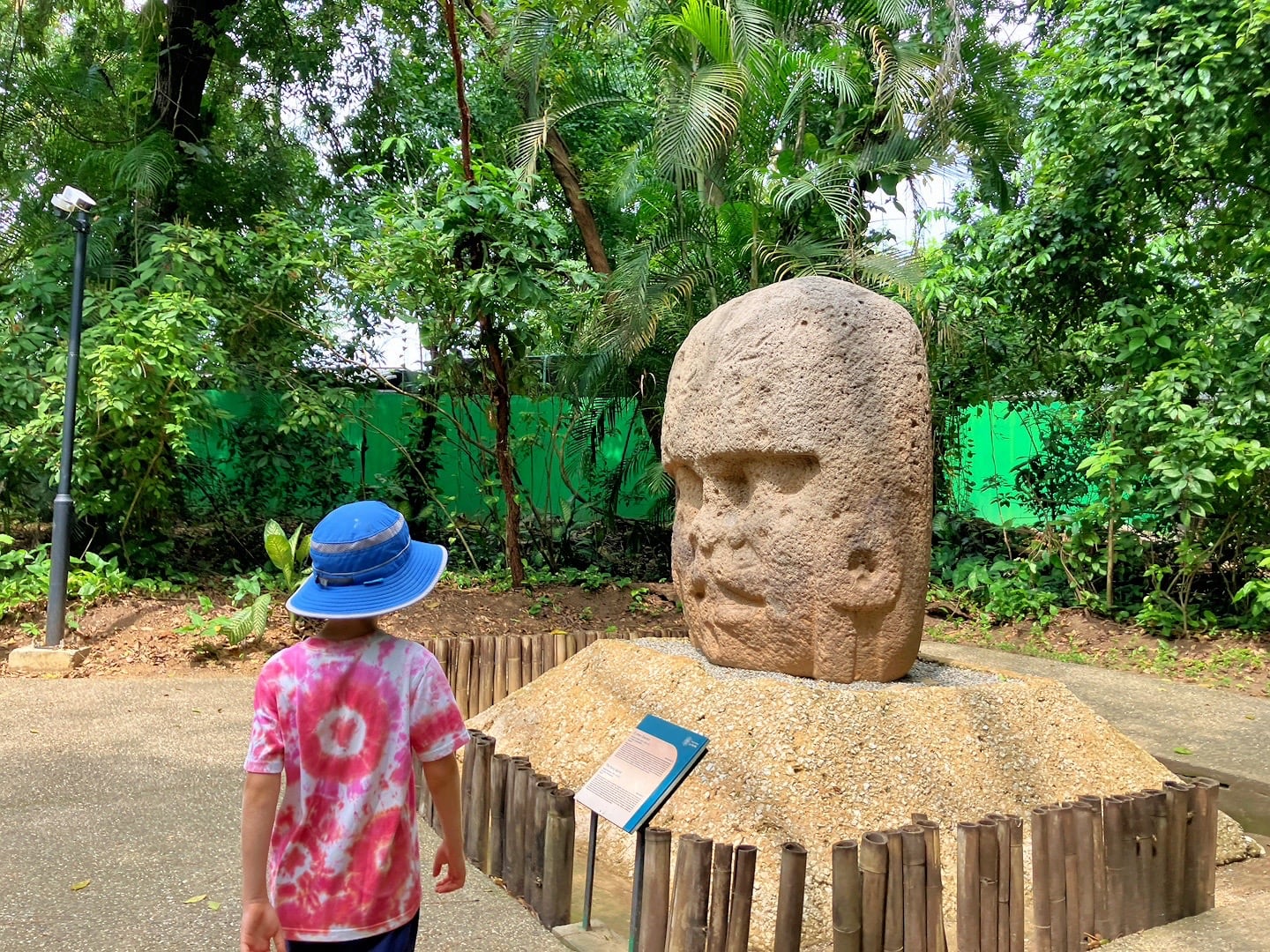
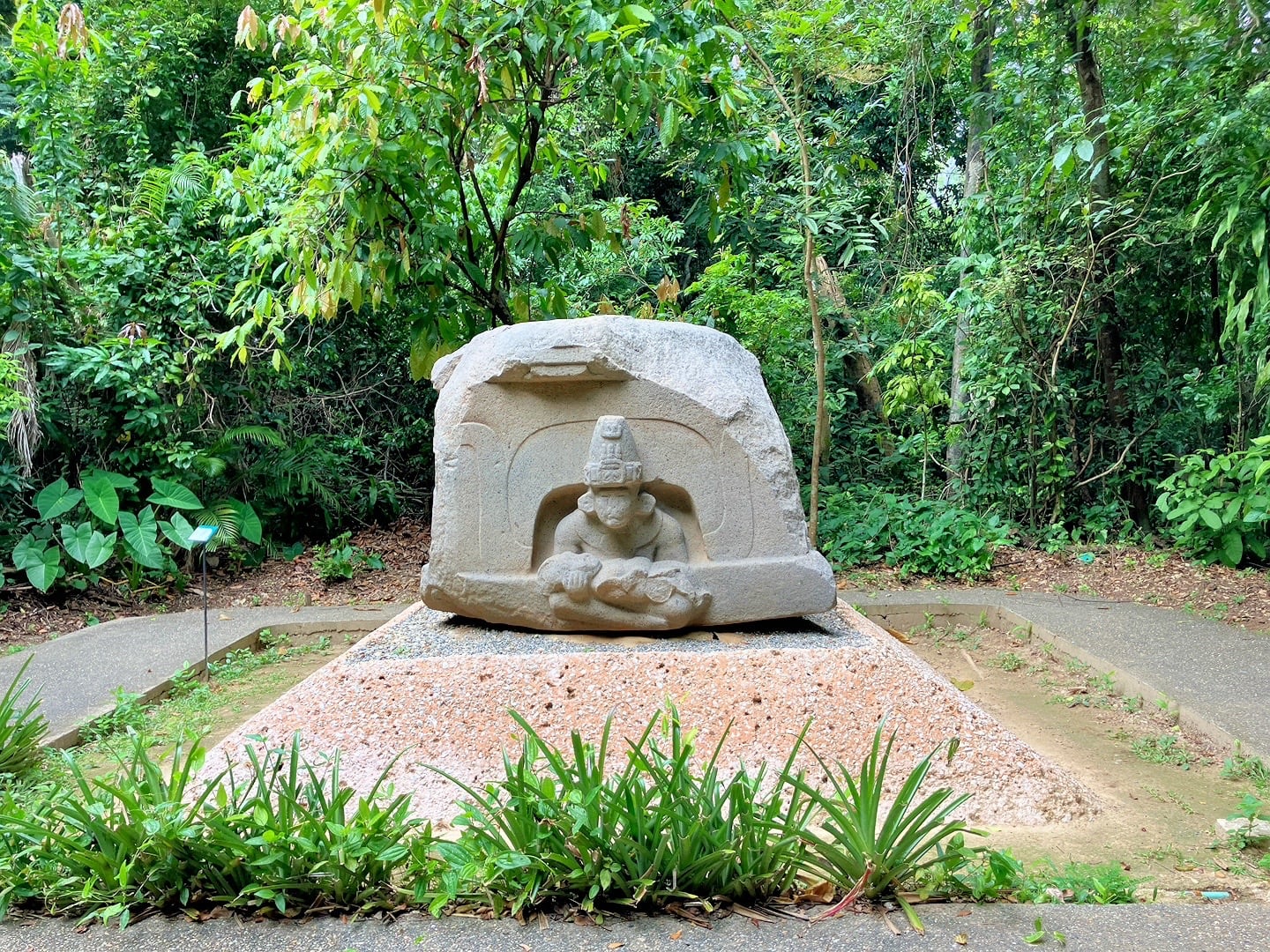
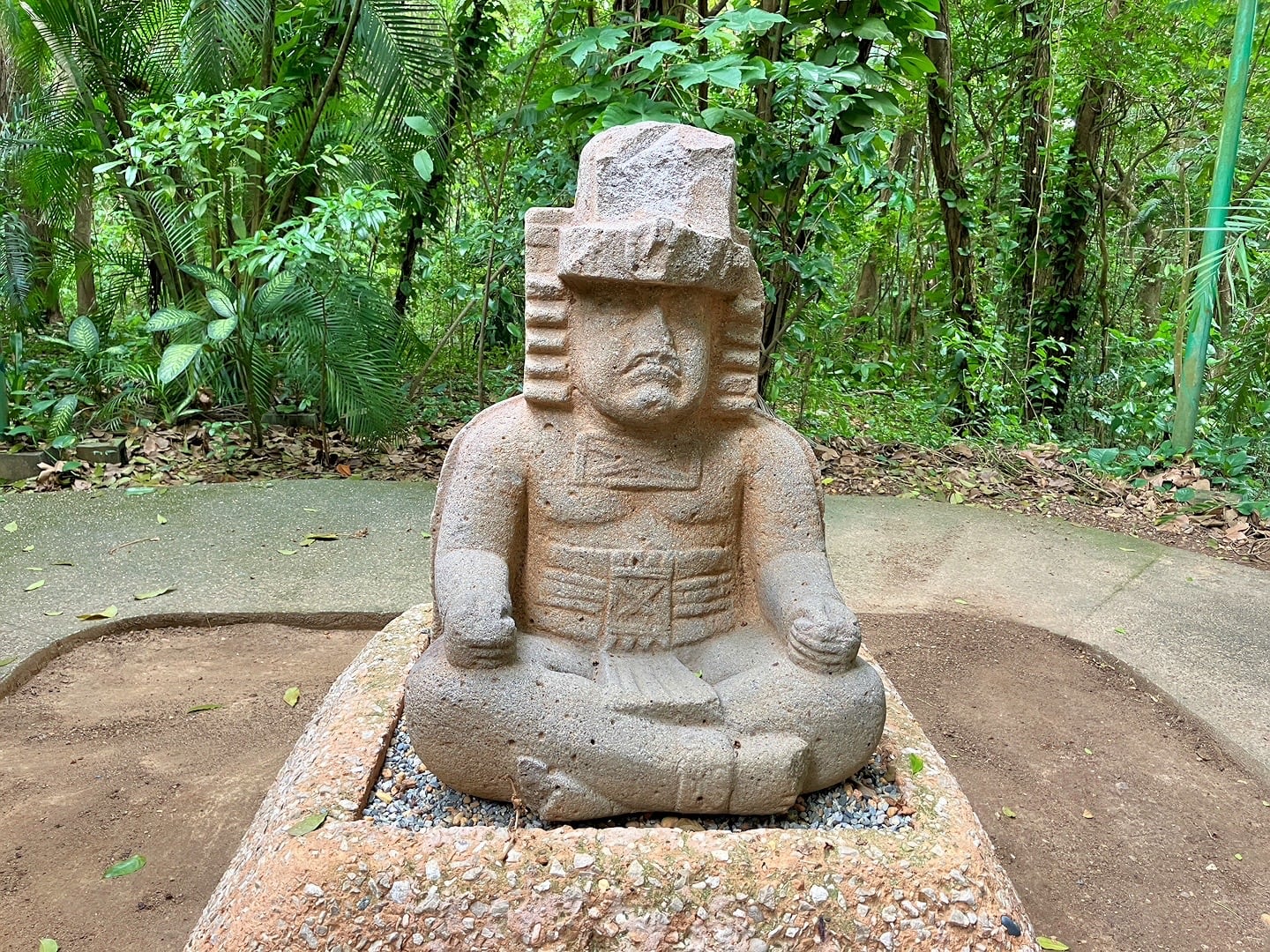
This guy appeared to be less than thrilled to be here.
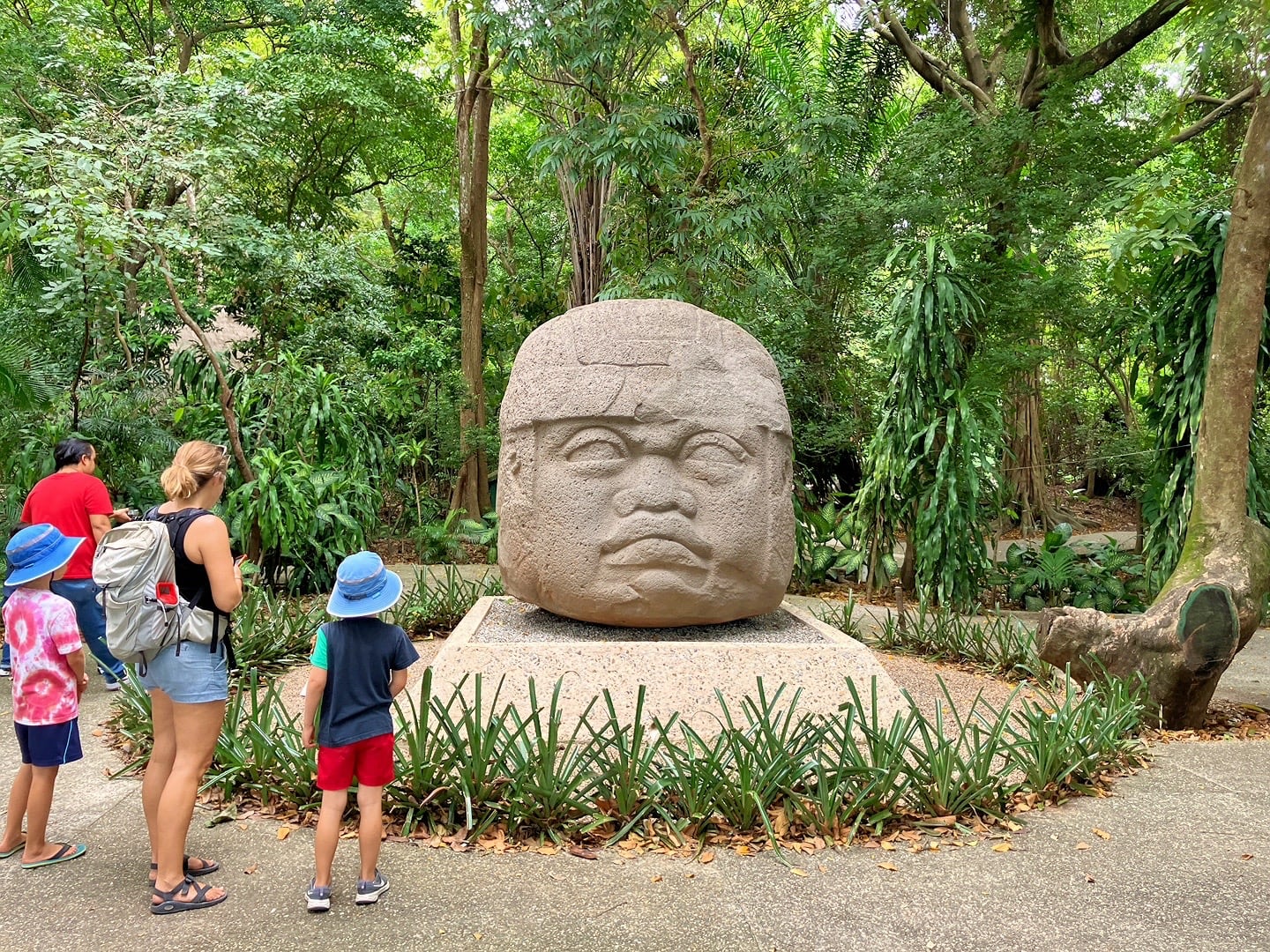
Yep, lots of big heads.
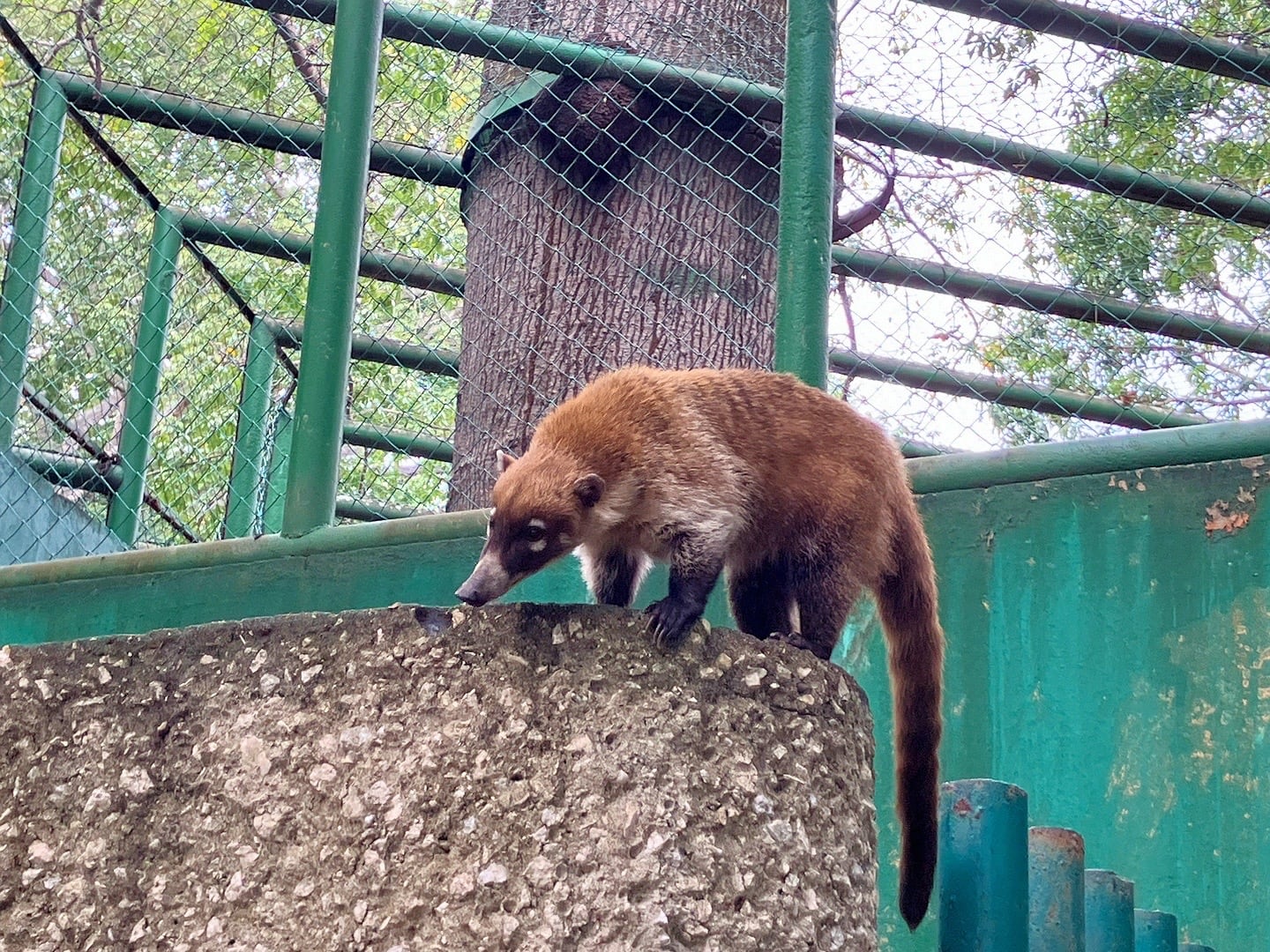
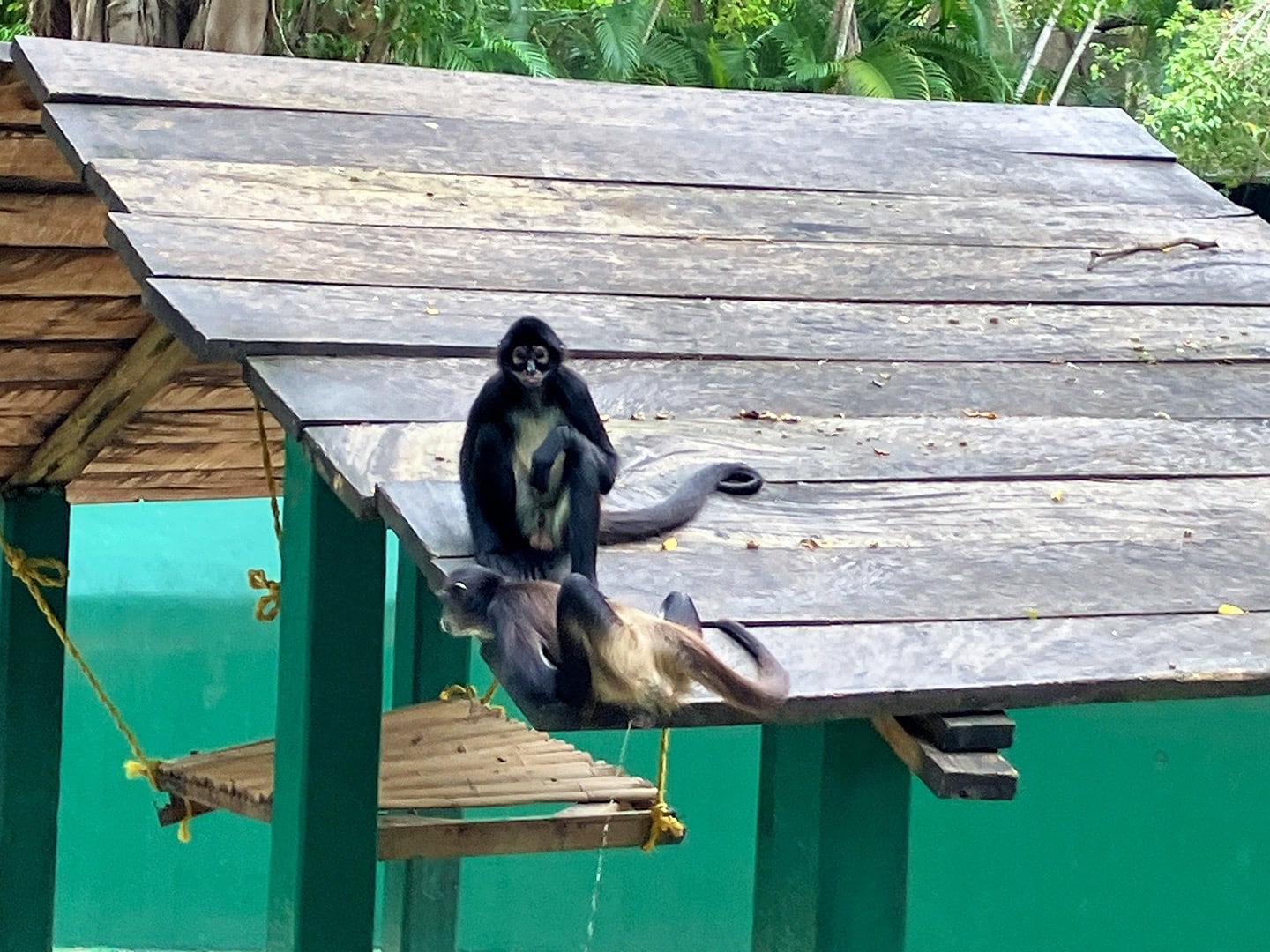
Back at the zoo…
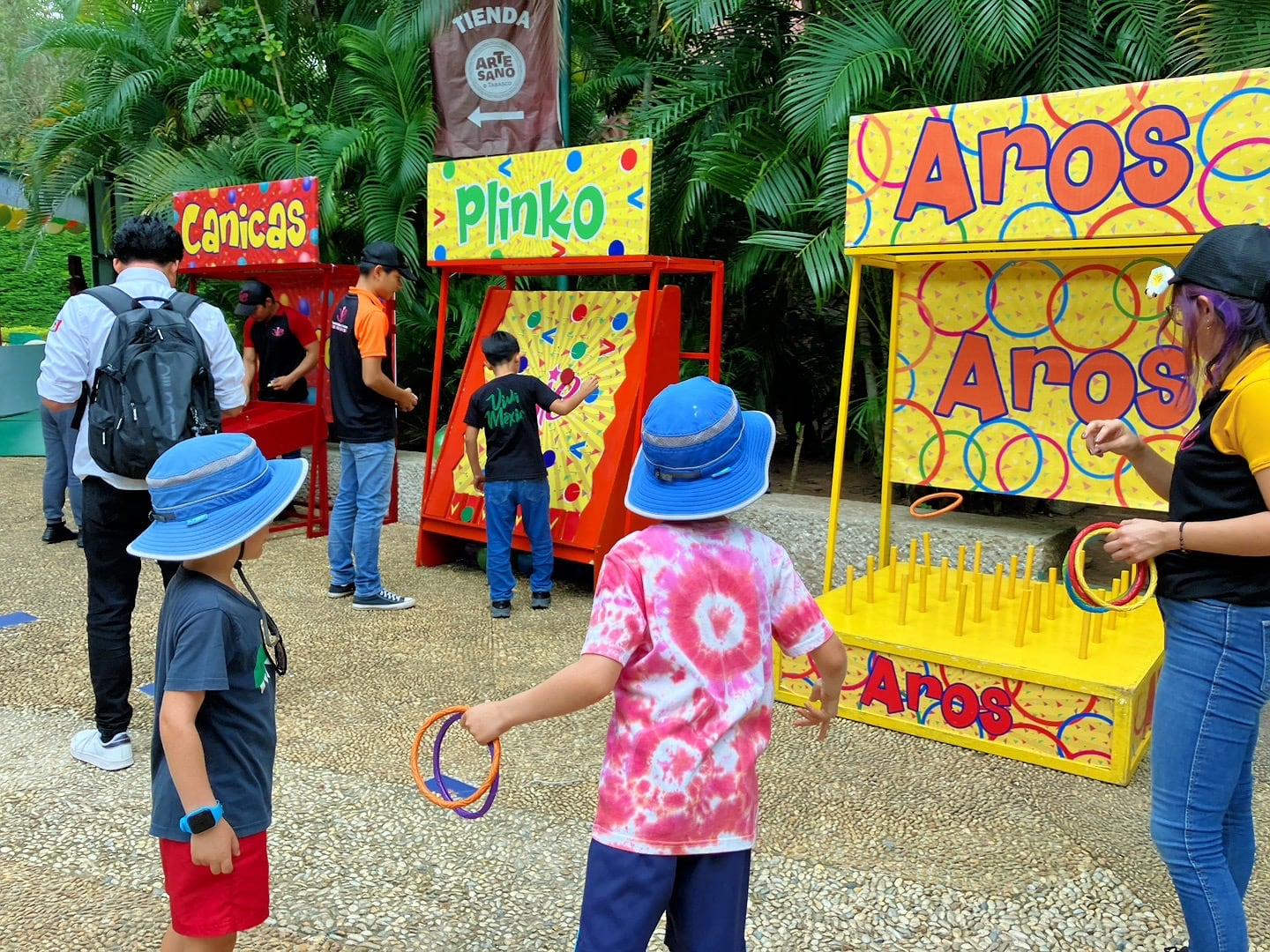
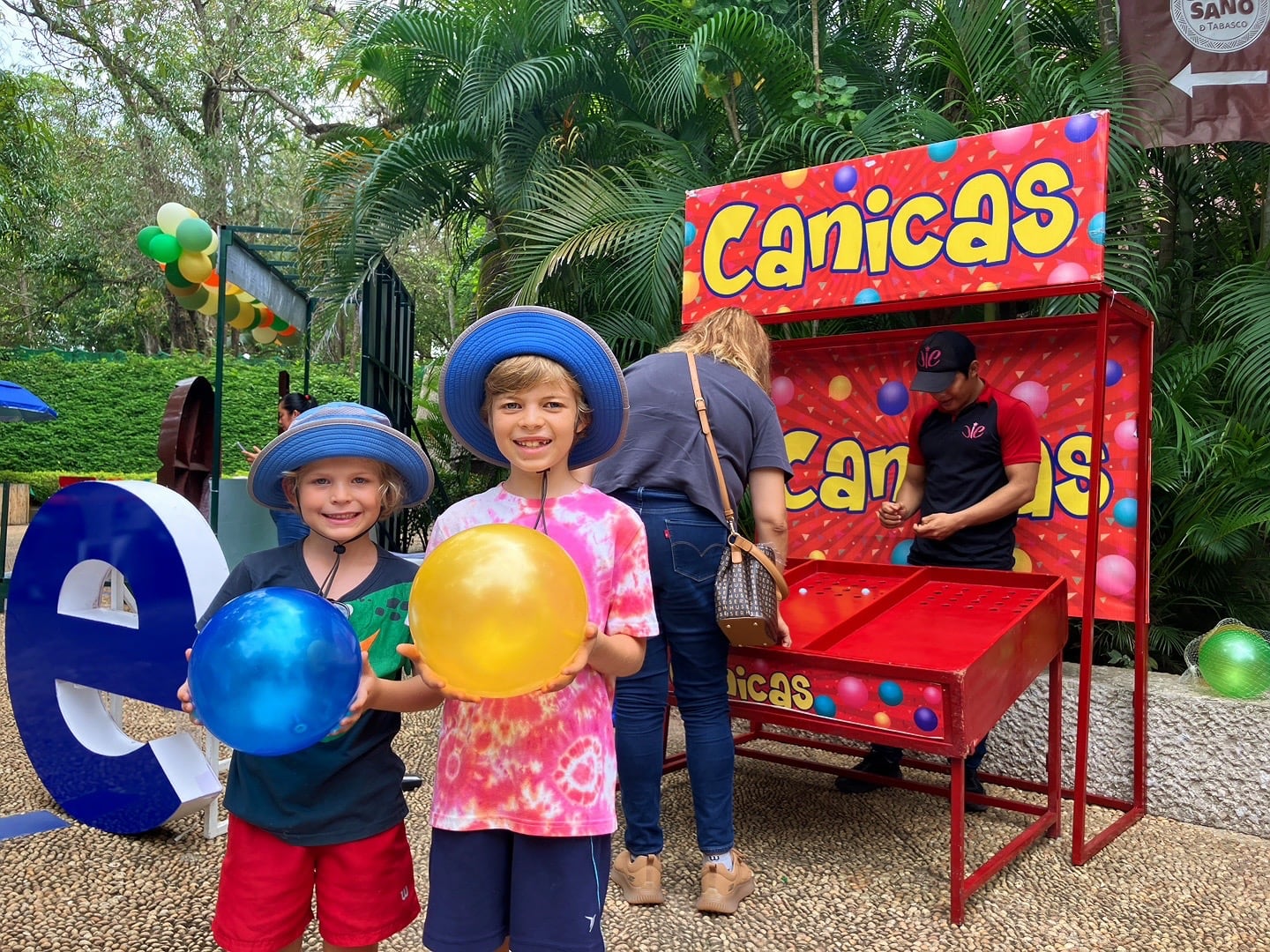
One company had these free carnival games set up for kids.
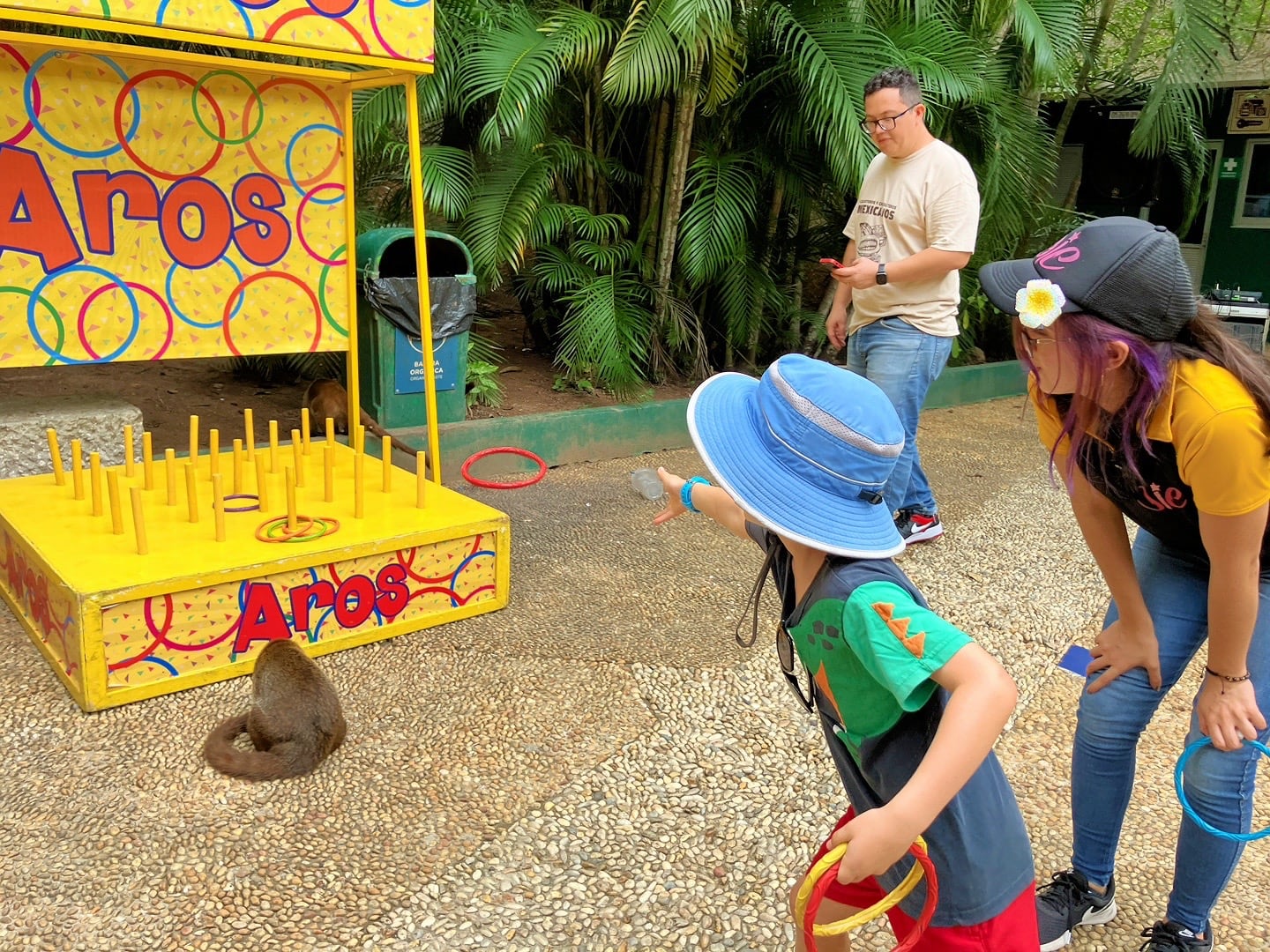
Noe and Riley both won a prize for their ring toss and Plinko skills (despite this Coati’s best efforts to keep them from doing so).
We returned from our day out only to discover we’ve been surrounded.
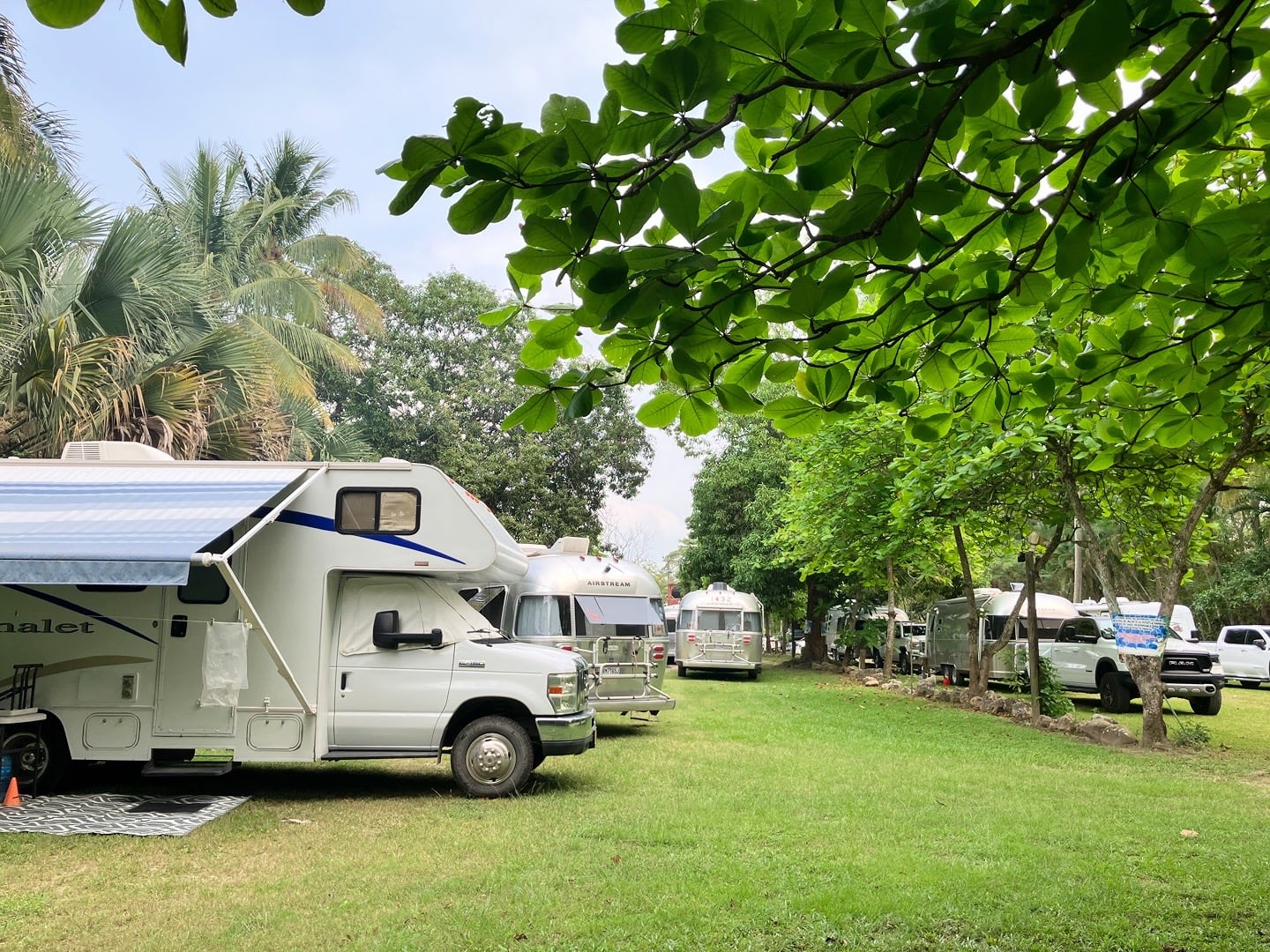
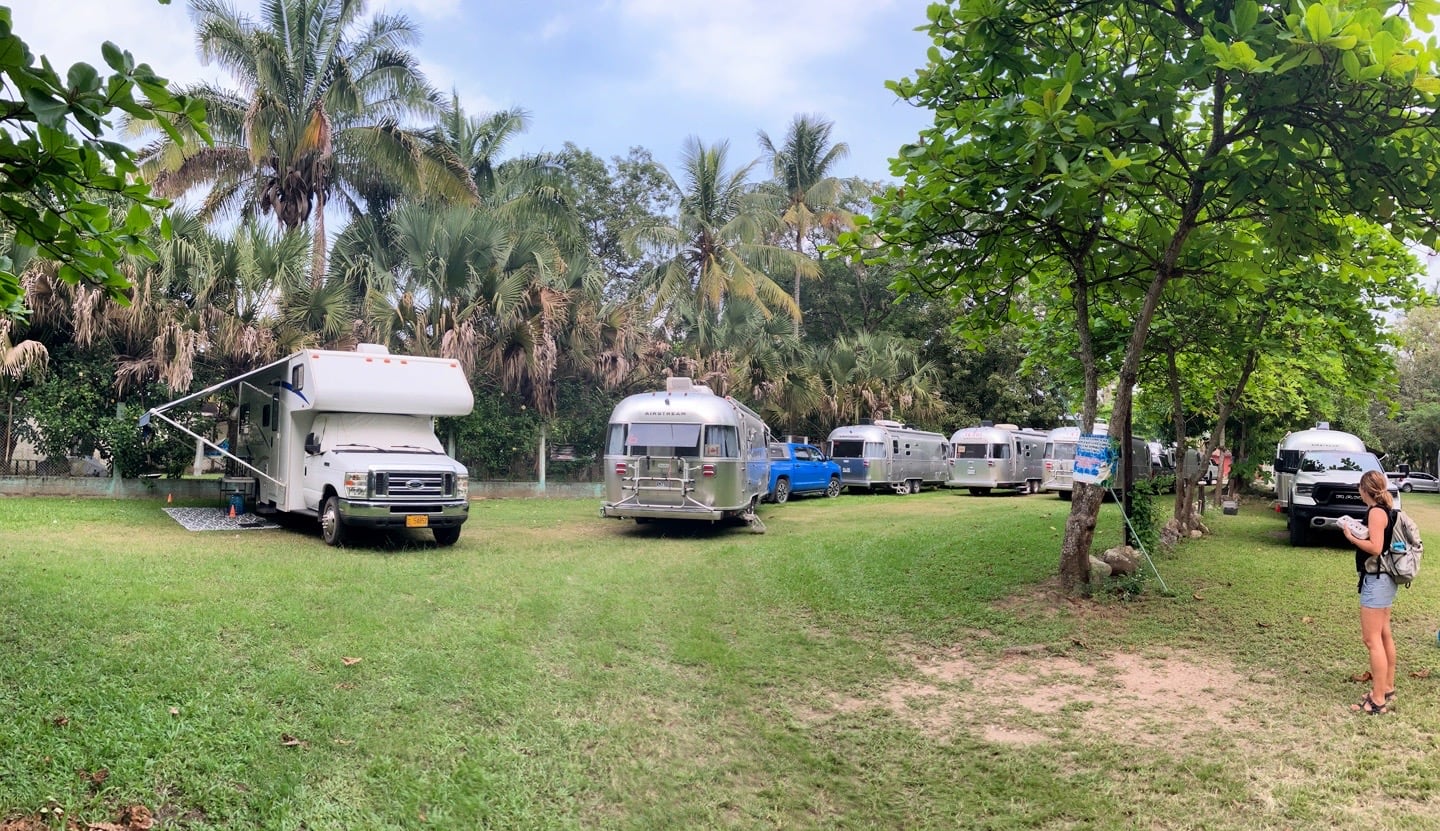
A caravan of 12 Airstreams from Quebec rolled in while we were gone. We had heard through the grapevine that there was an Airstream caravan making their way around these parts, but we thought for sure we’d miss them.
Thankfully, no crazy Québécois parties at this stop. Everything stayed pretty subdued and they all somehow rolled out early the next morning without us even knowing it.