Between doctors’ appointments and high-wind days, we did manage to fit a bit of sightseeing in.
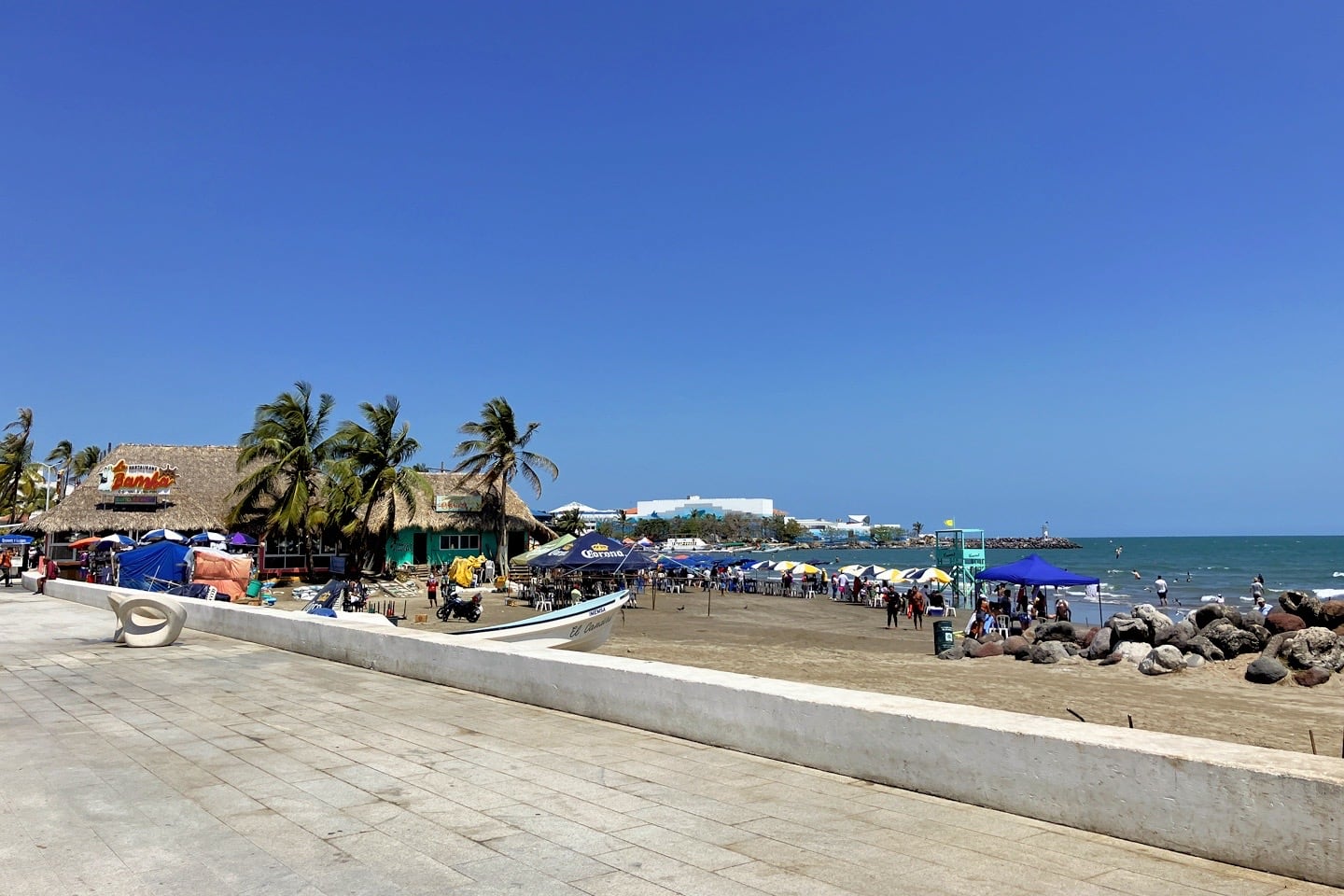
Veracruz isn’t exactly the most amazing Mexican beach city we’ve been to, but it does have a few notable historic attractions worth a look if you find yourself here.
Chief among them is the old Fort of San Juan de Ulúa in the city’s port district. But we’ll get to that.
Our Mexico-USA RV Journey 2024-25
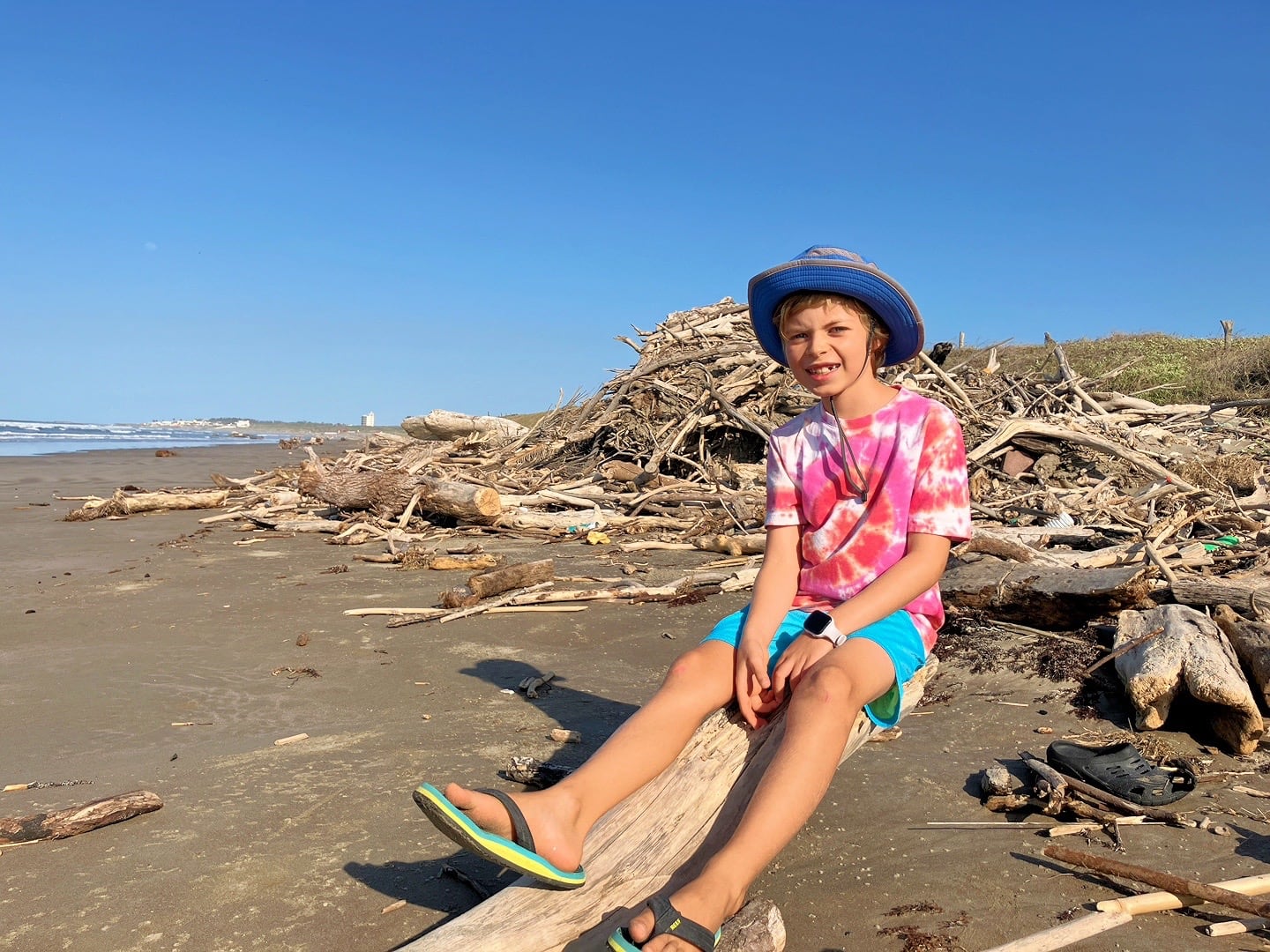
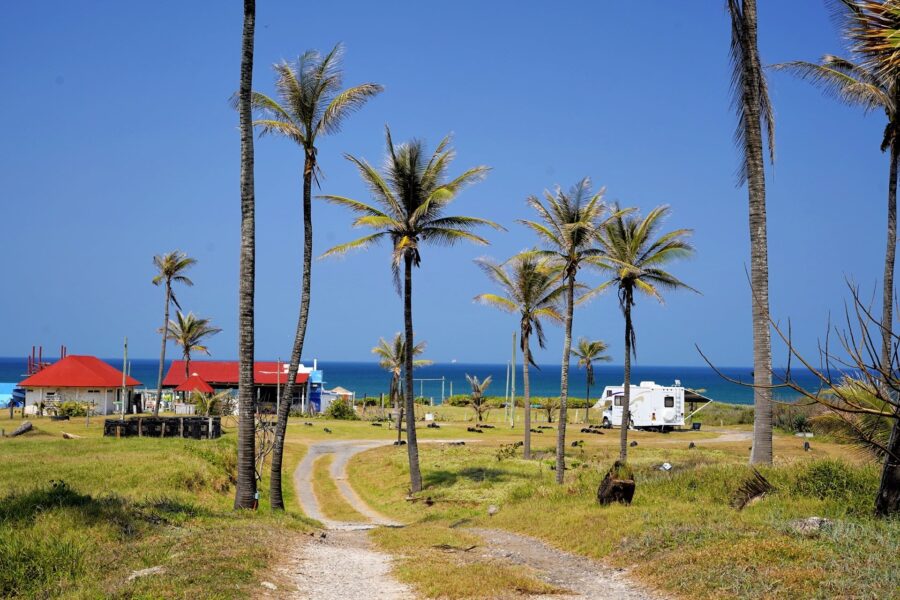
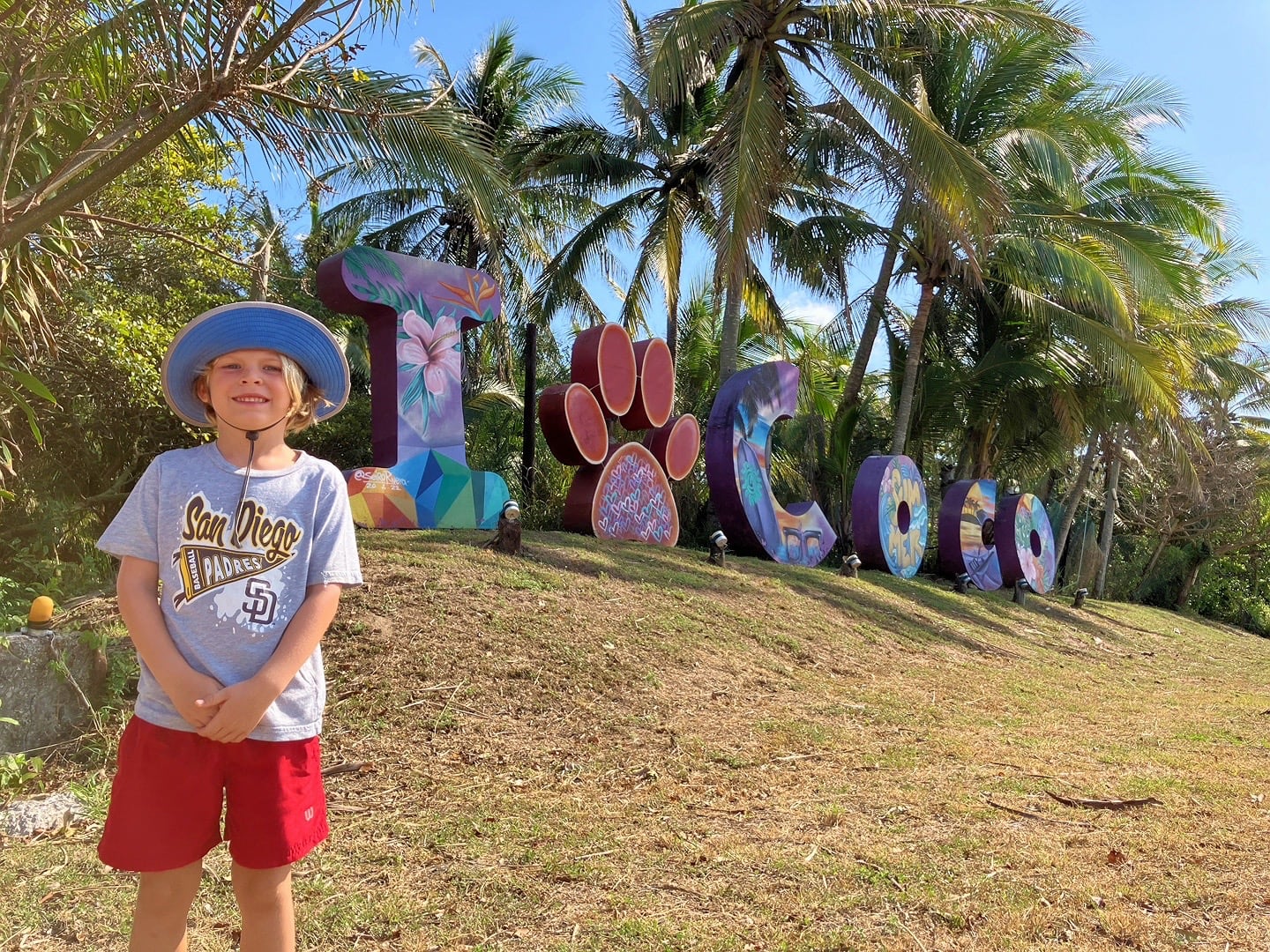
Sunny days at the beach lately at CocoAventura. You stay anywhere in Mexico long enough and you’re bound to have a few in any season.

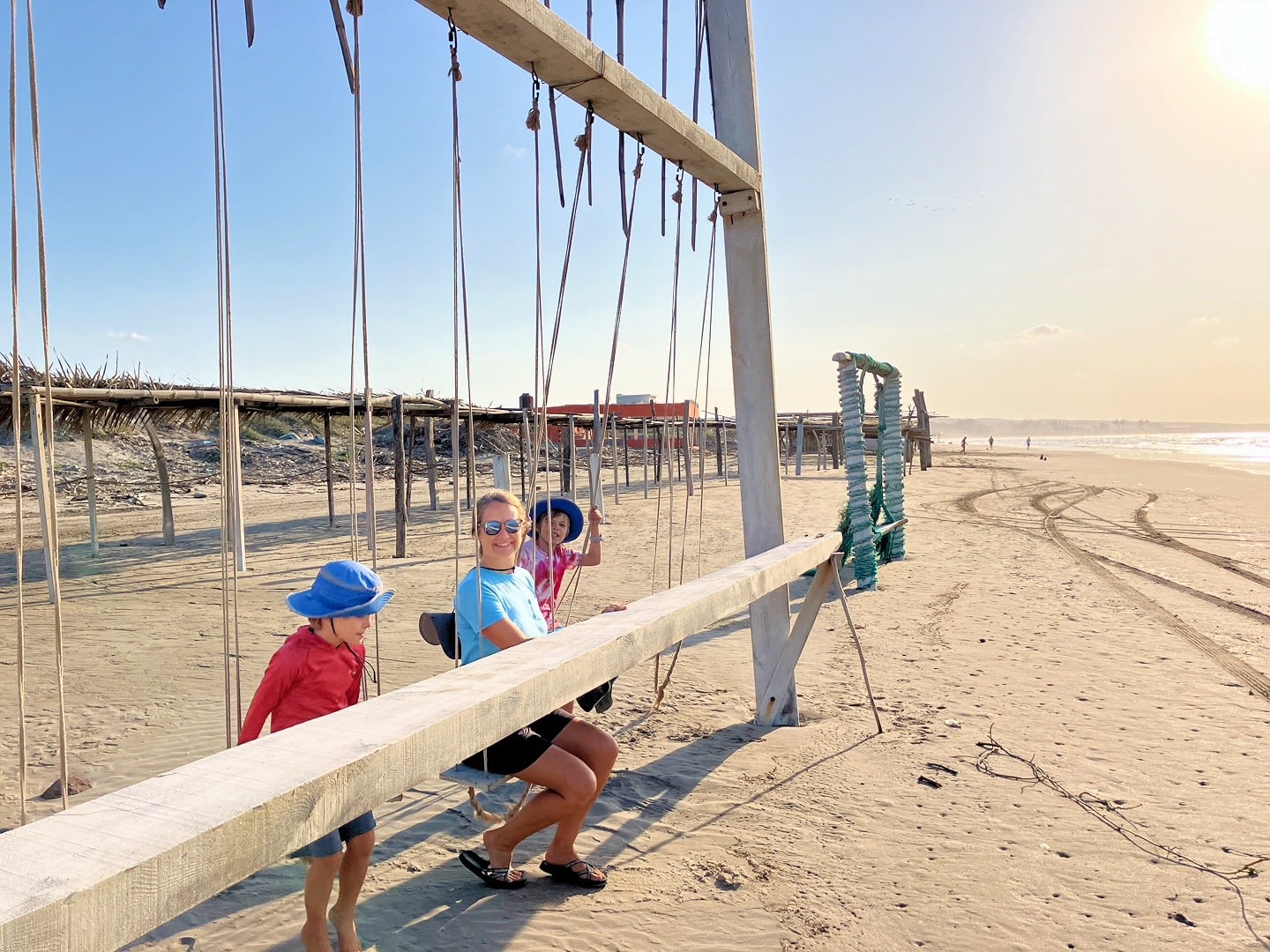
One afternoon, we thought we’d take a stroll down the beach to Anton Lizardo, the closest thing passing for a “town” near CocoAventura. The word “town” is very generous.
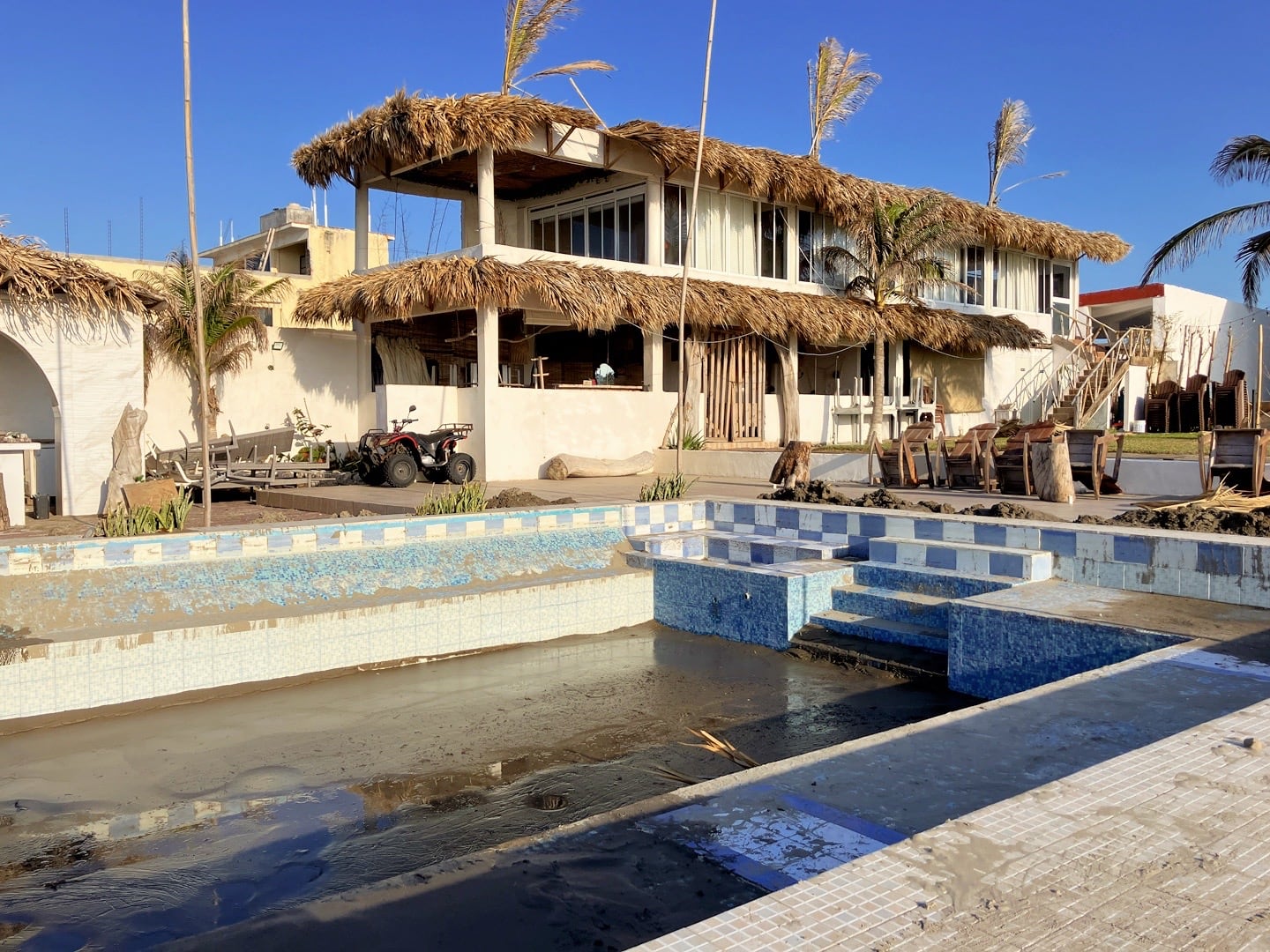
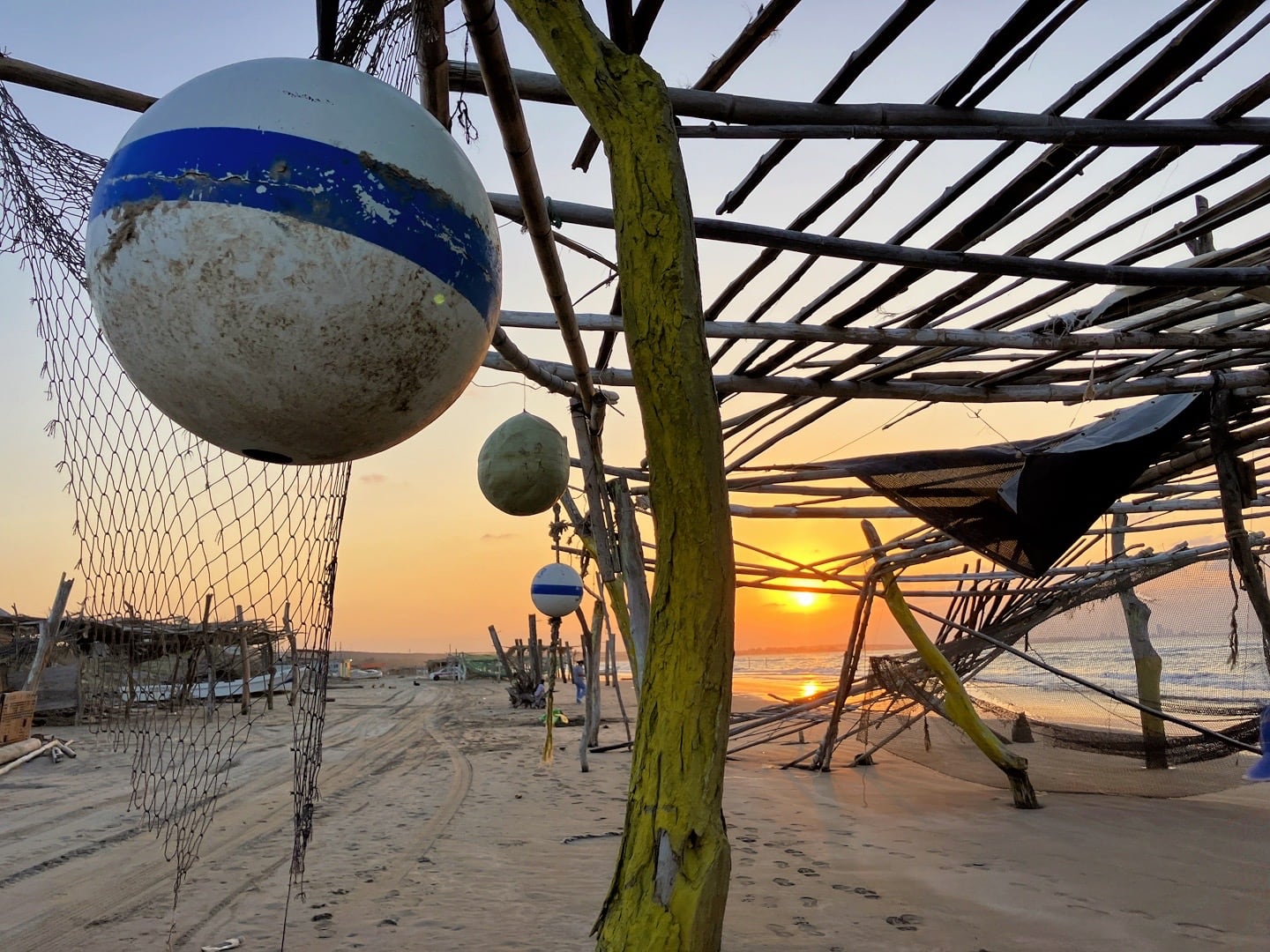
It’s clear they’ve had some fairly intense tropical systems pass through here in the last year. Things are looking a bit shabby.
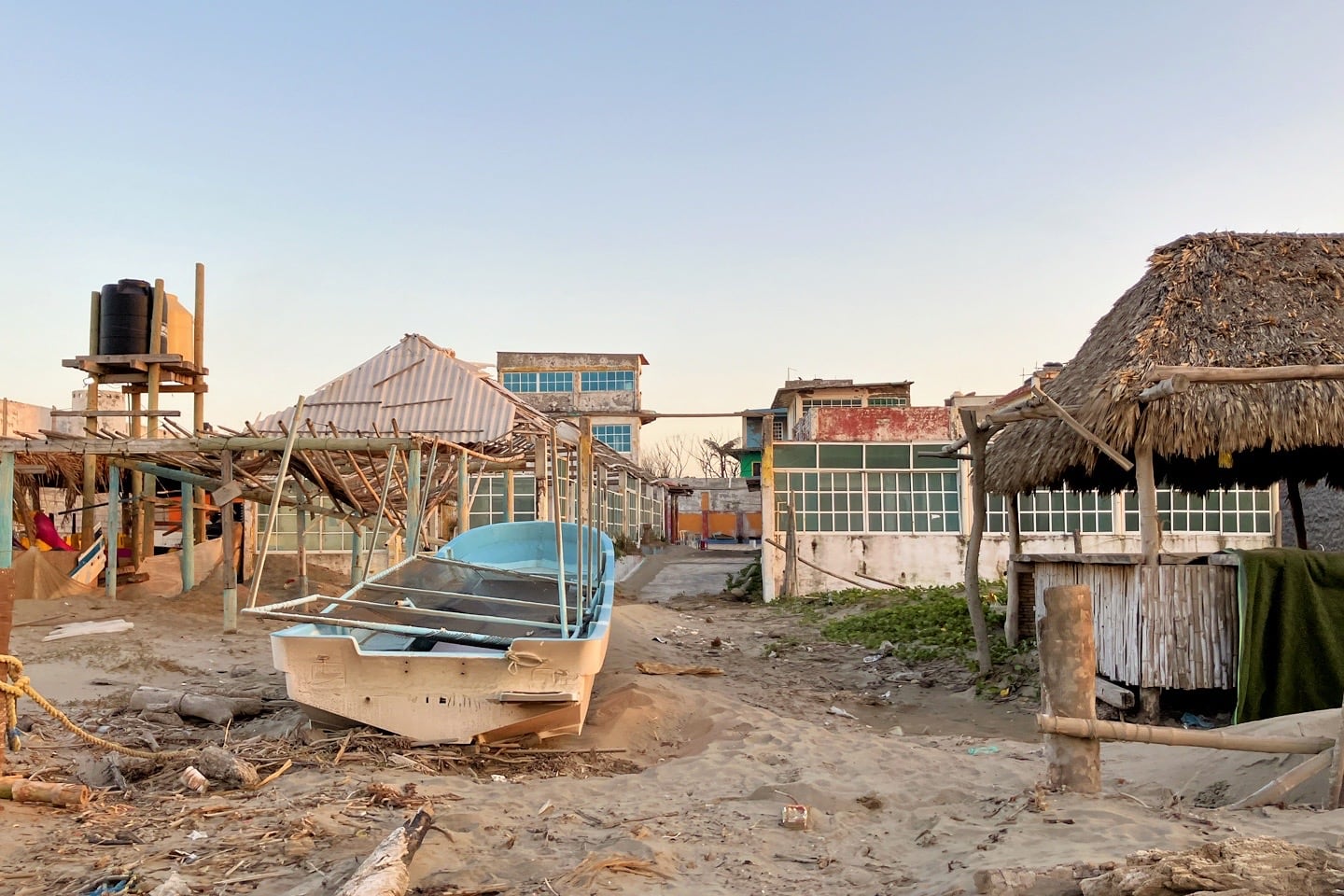
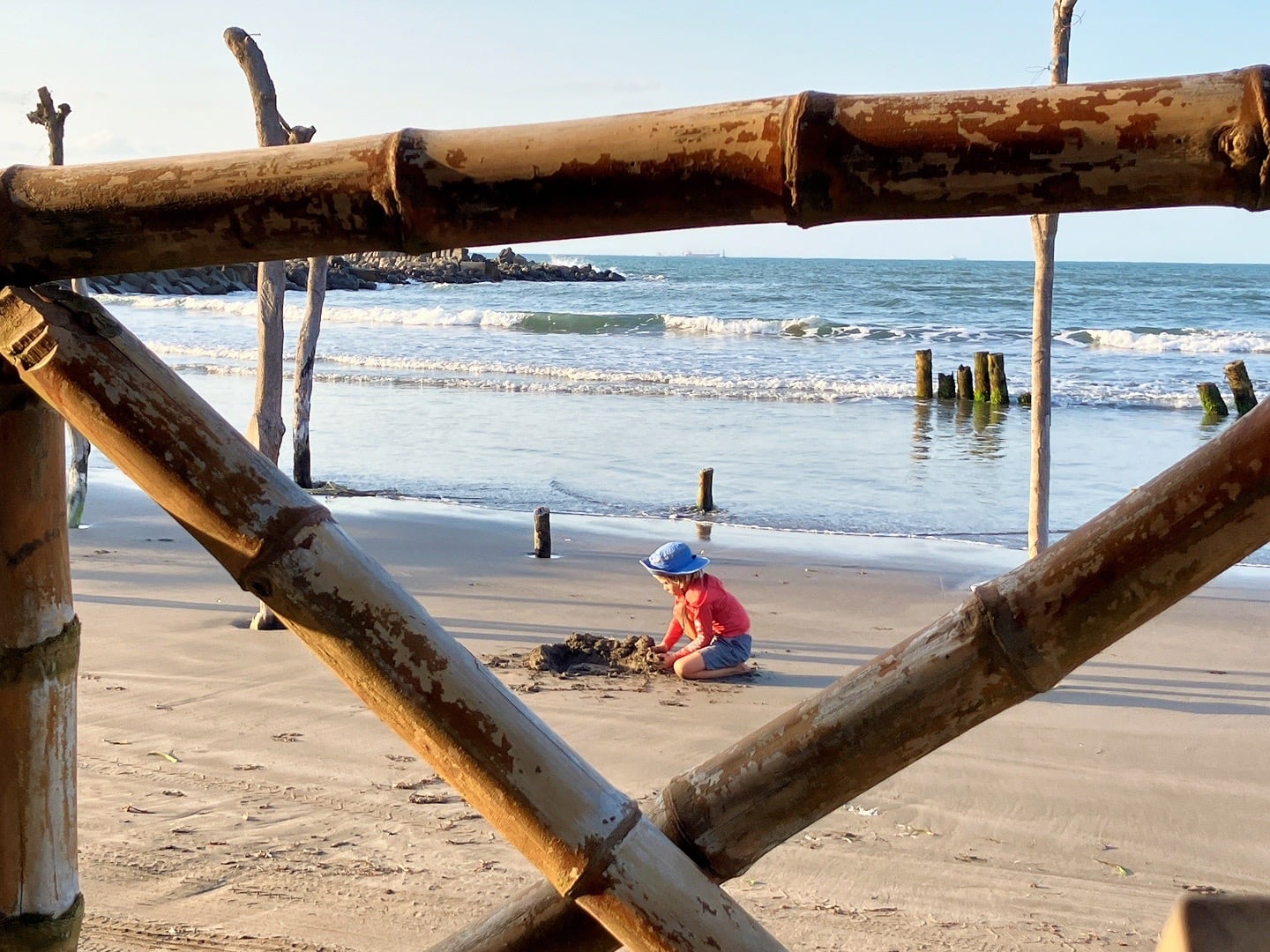
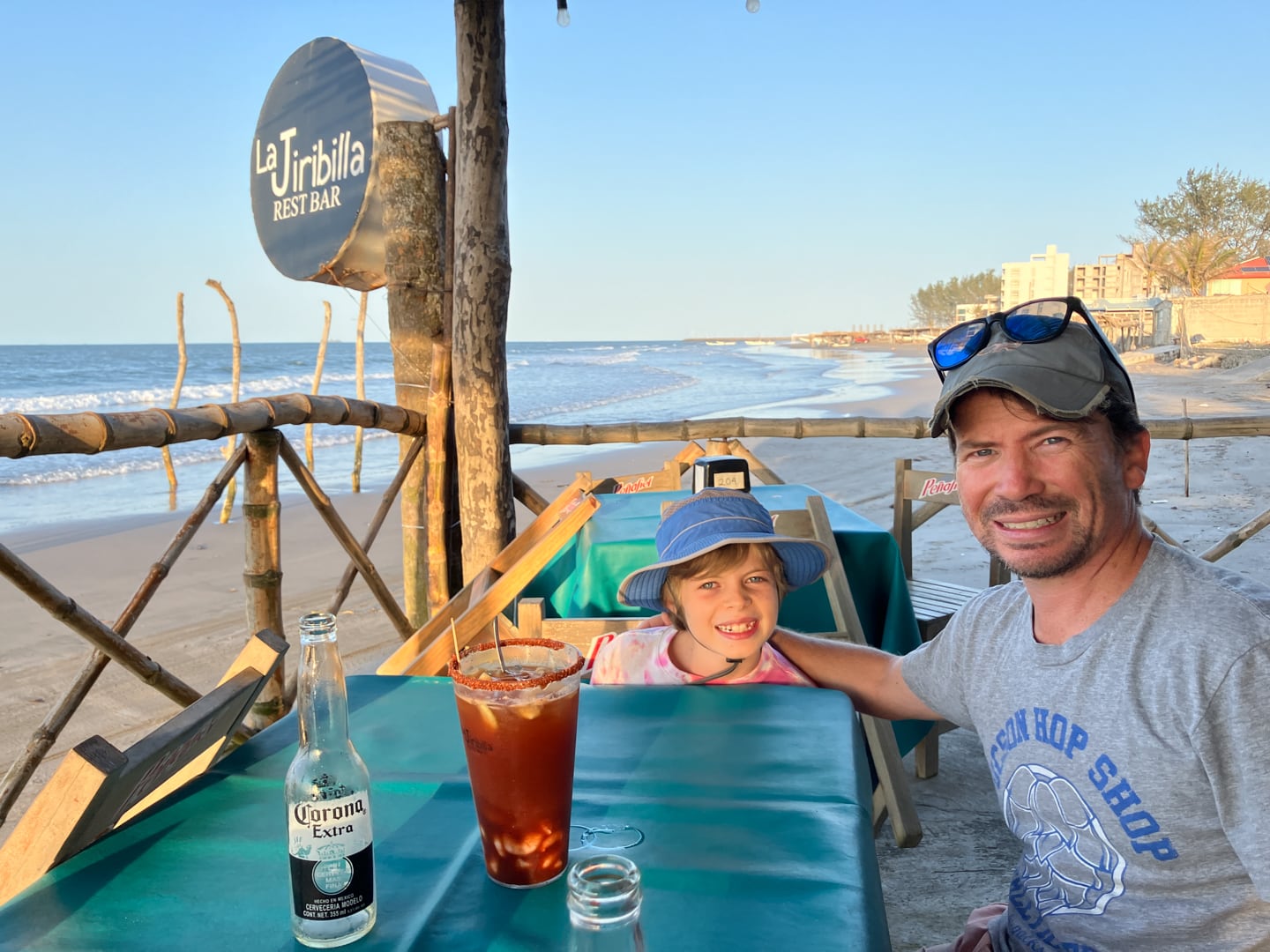
We found the one restaurant open on this particular day and enjoyed a sundowner at sunset. That’s a Mexican shrimp cocktail (Michelada and shrimp). I’ve been craving one of these since our day trip to Cuastecomates last May.
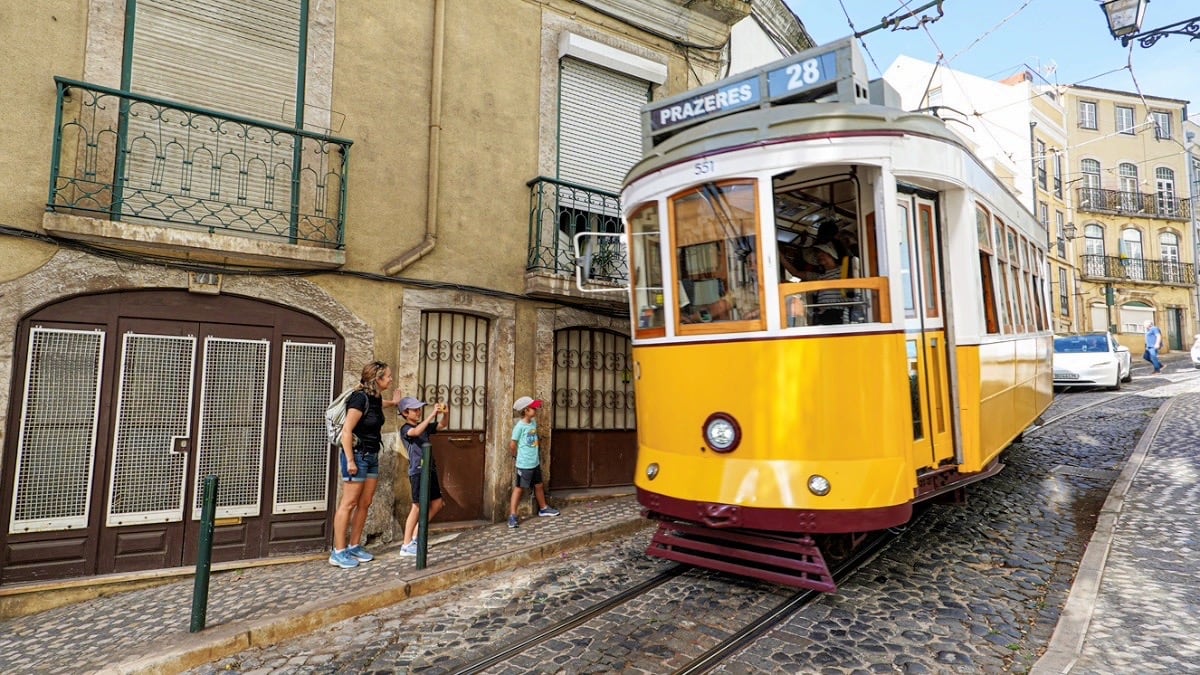
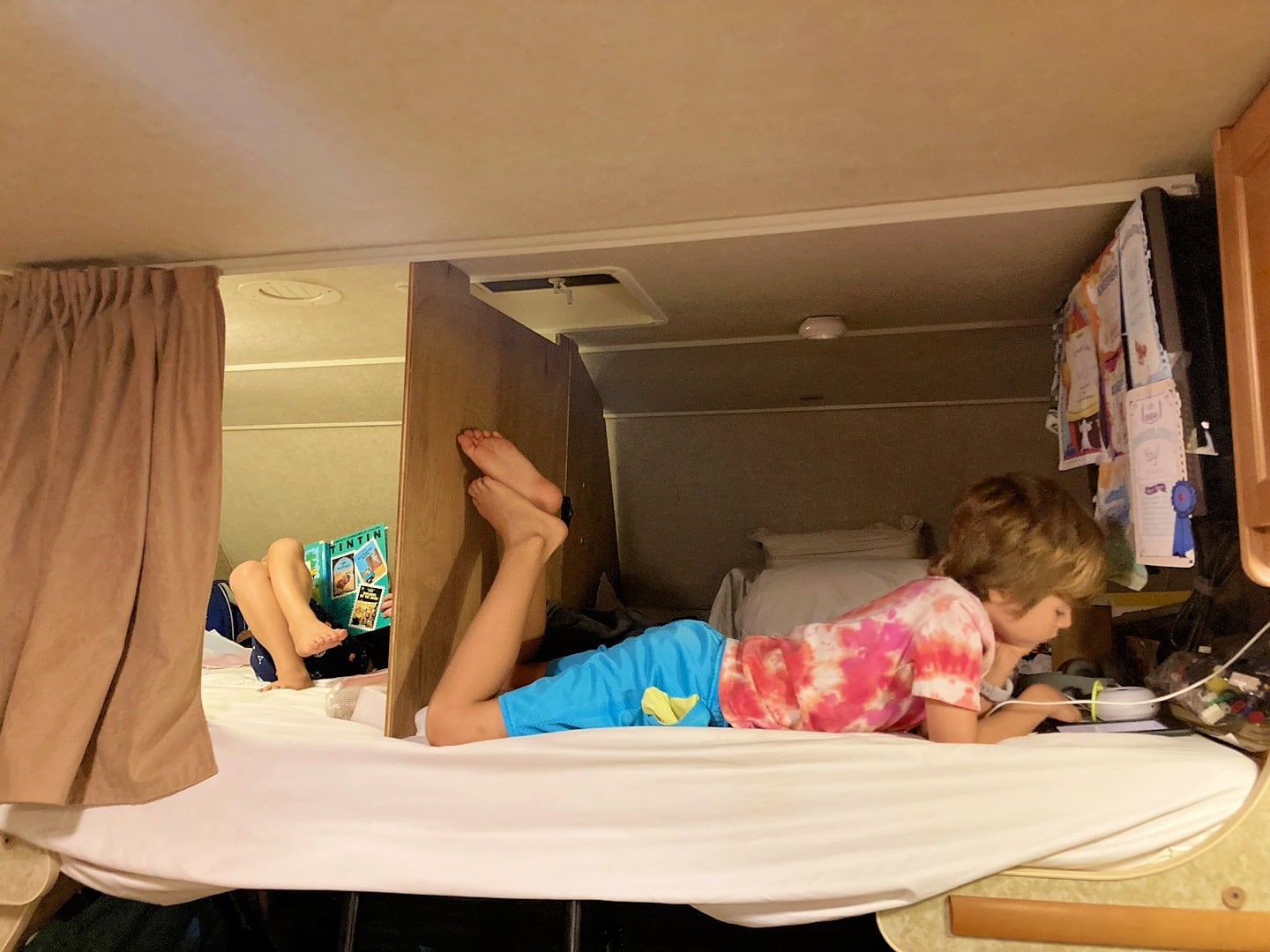
Both boys have really been enjoying their reading lately, which is definitely a good thing on the high-wind days when it’s not exactly practical (or safe) to venture out.
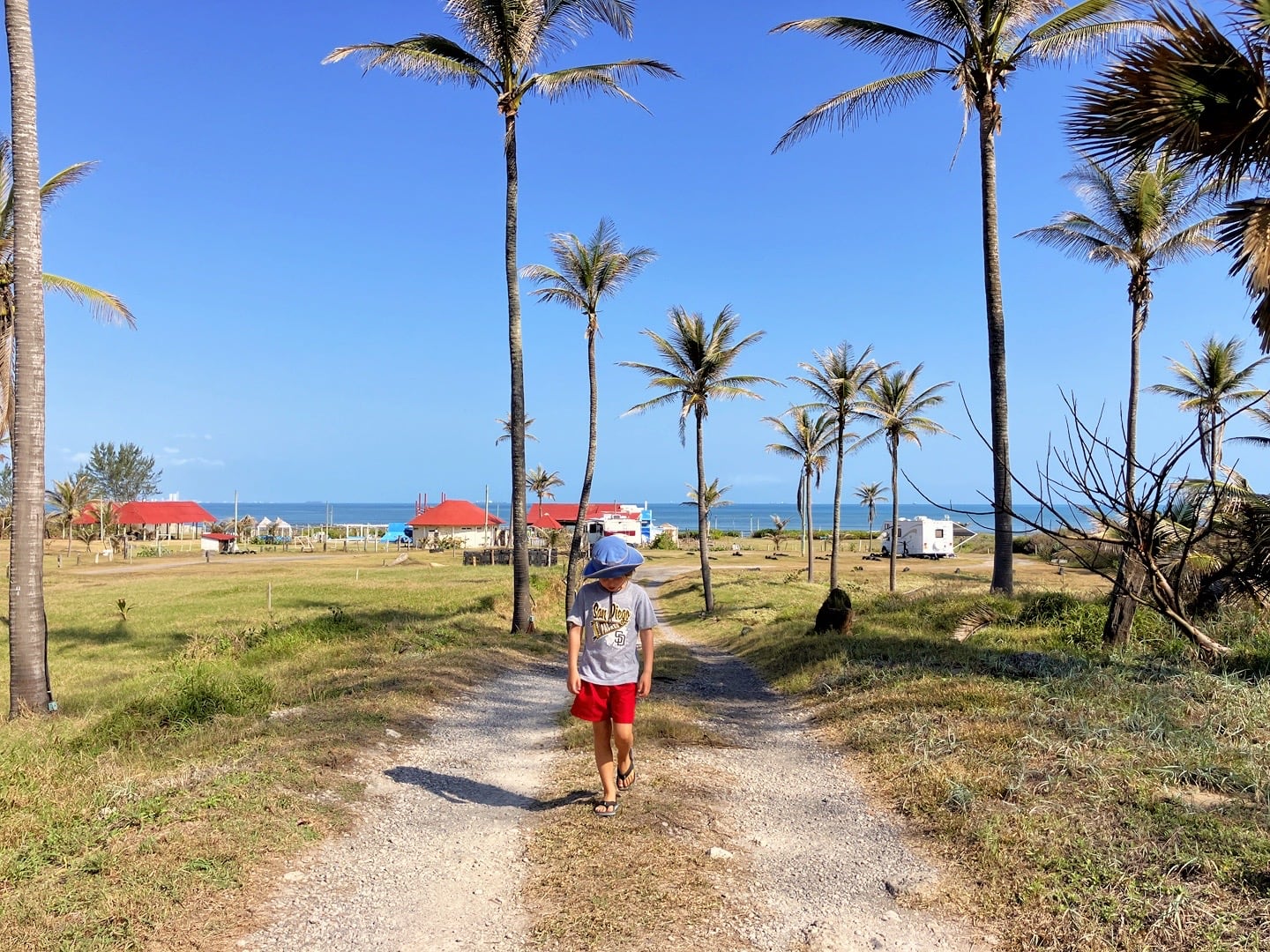
But they live for exploration days like today.
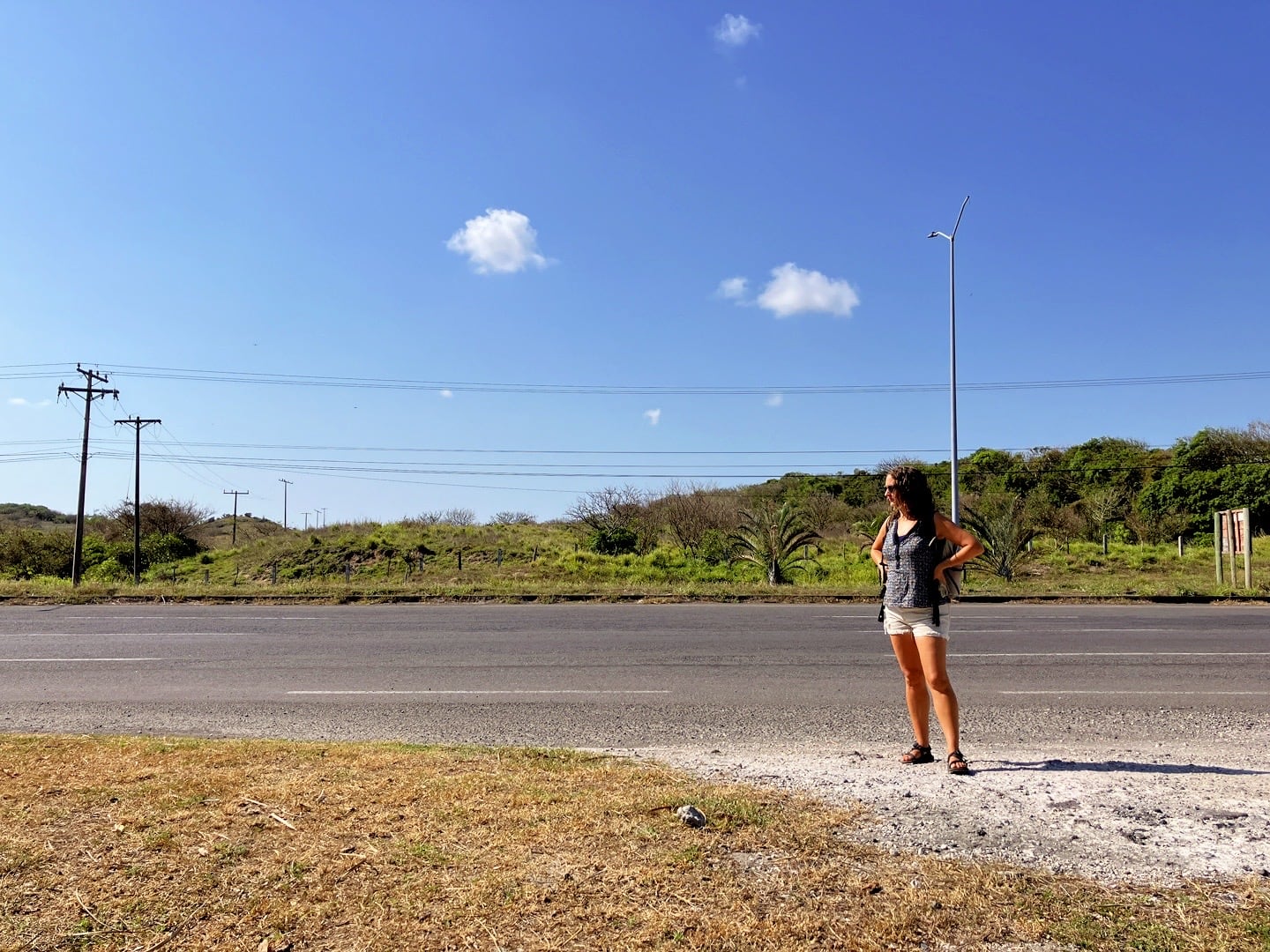
CocoAventura is located a whopping 15 miles from the central plaza of Veracruz, but only about 9 miles from the edge of town. Veracruz is a long and slender town that hugs the coast.
Thankfully, the bus system here makes it easy to get around (but it still takes a good 45 minutes to reach the main plaza).
The bus that runs between Anton Lizardo and Veracruz comes about every 10-15 minutes.
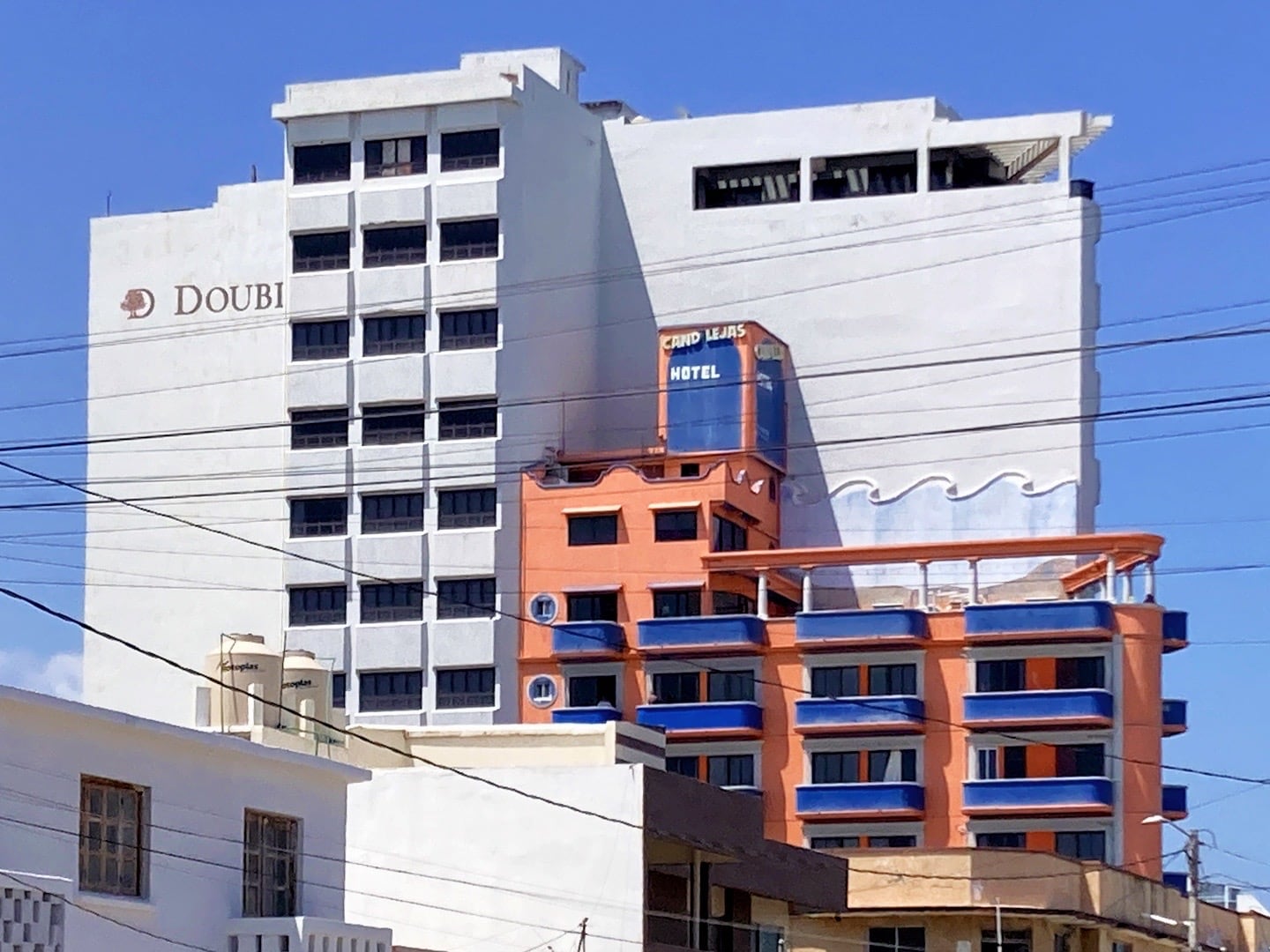
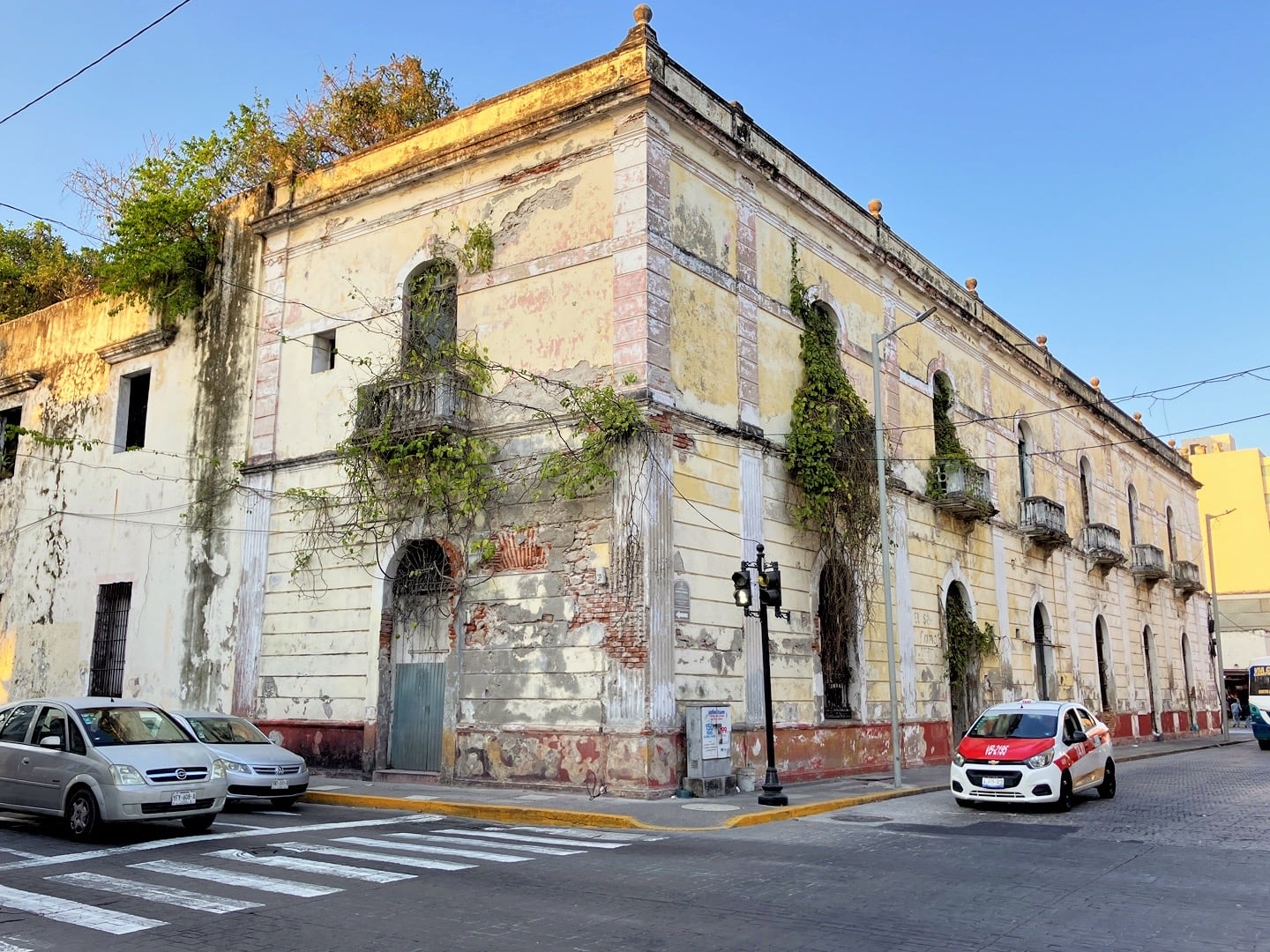
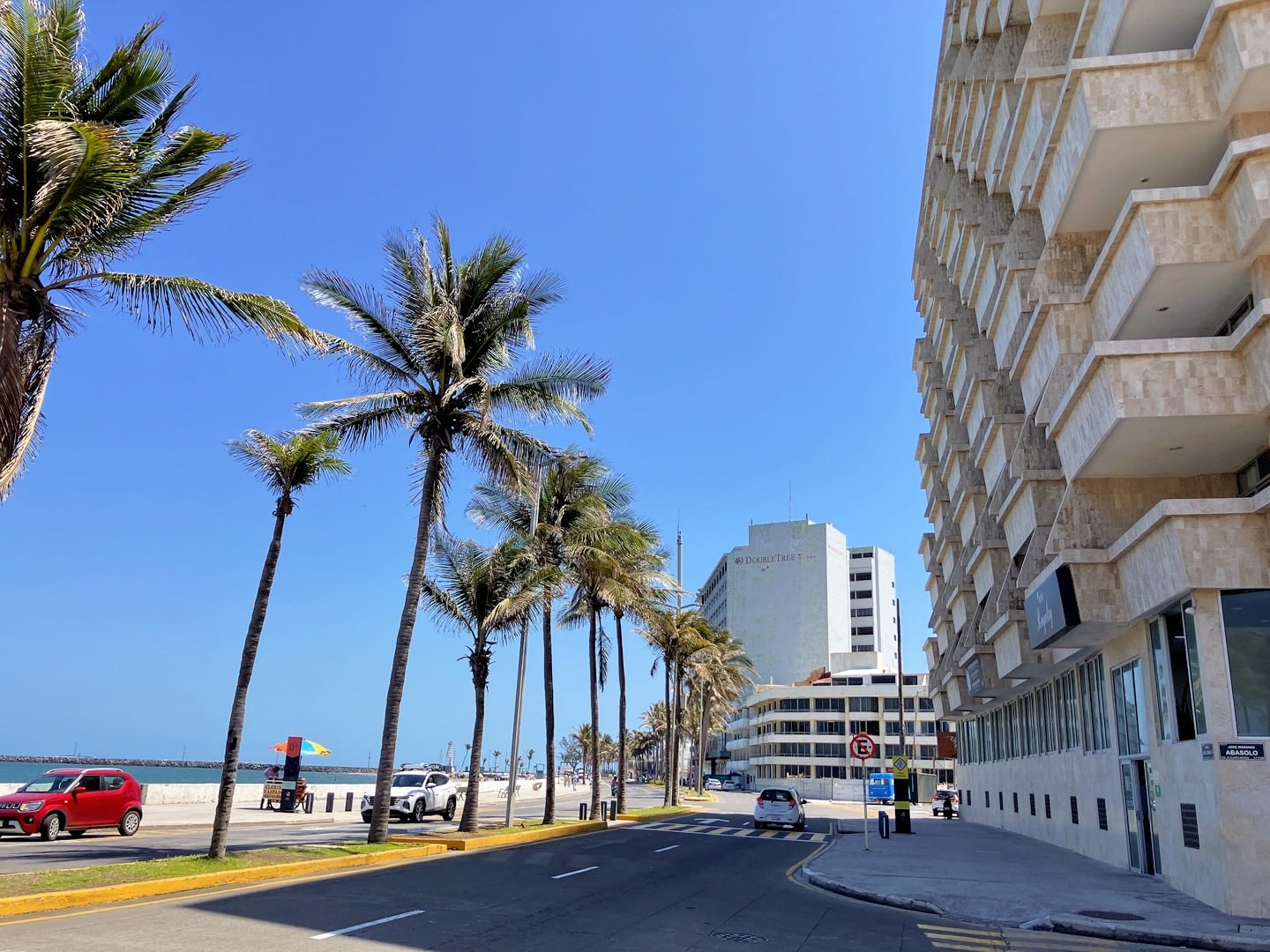
Half of this historic coral-tinged hotel was literally gobbled up by the Double Tree.
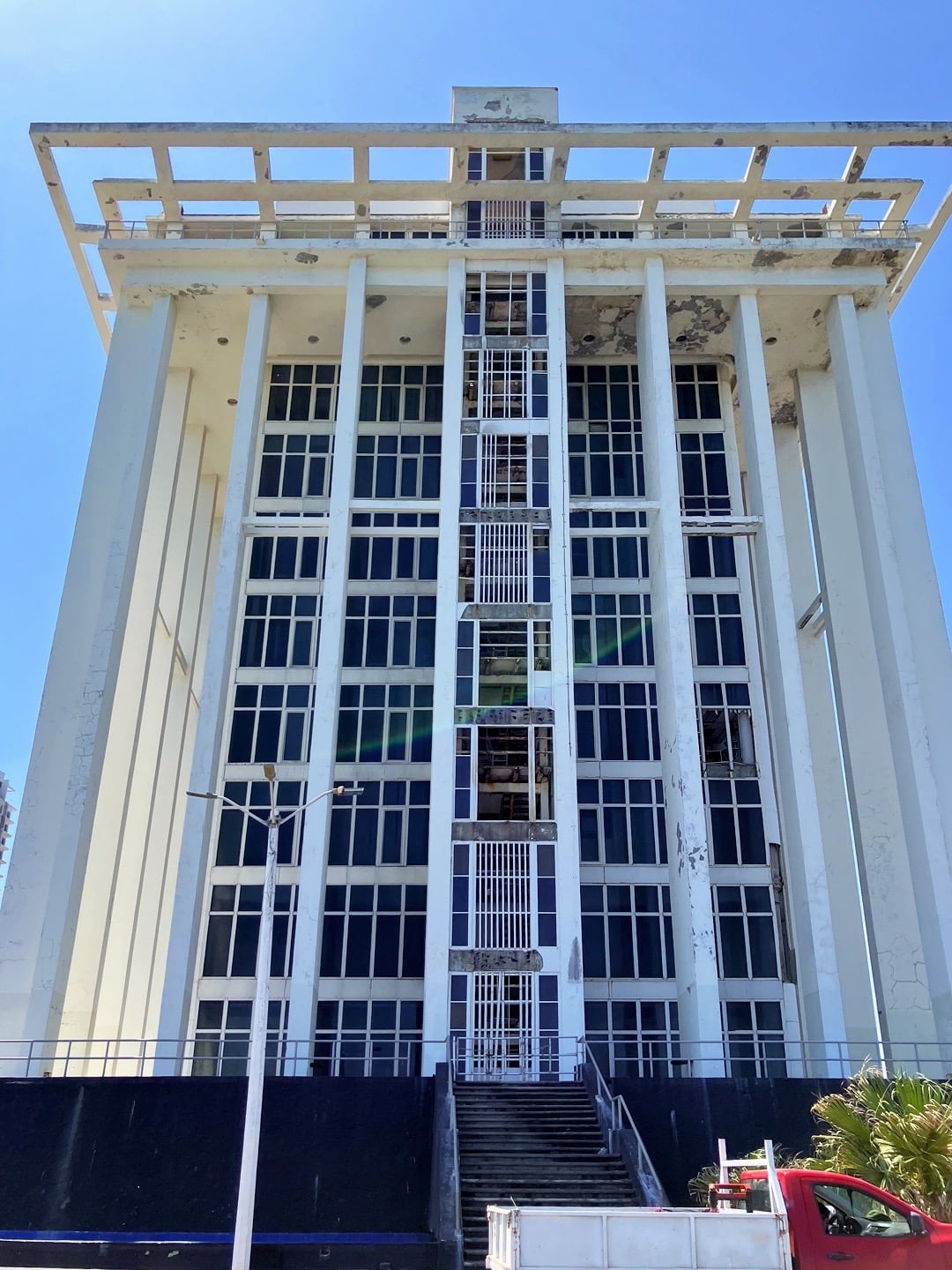
This is the famous Pemex Tower that overlooks the harbor. It would be great if they actually fixed it up as a museum, but like so many places like this in Mexico that aren’t in UNESCO cities, it’ll probably fall to the ground before that happens.
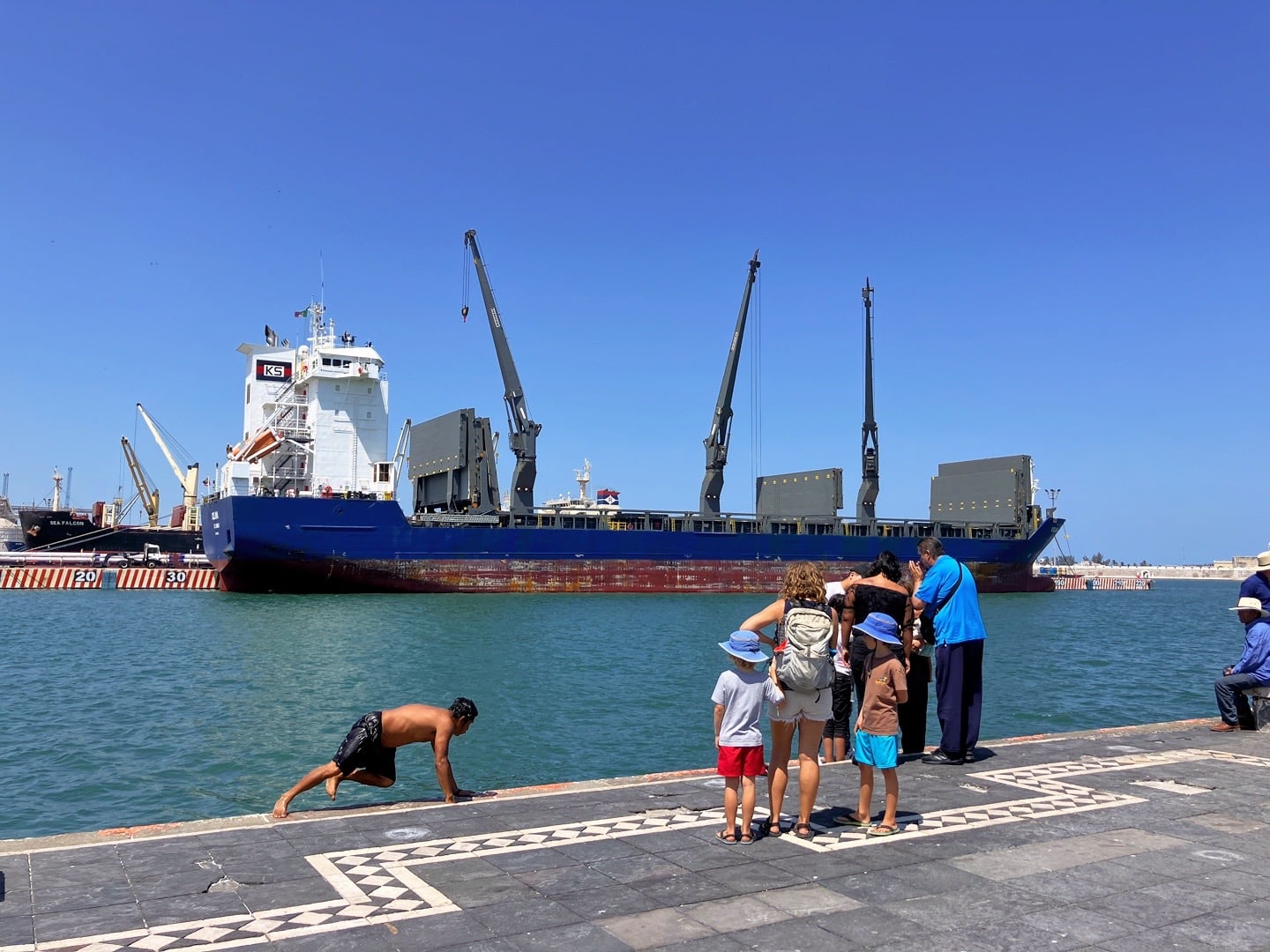
Veracruz is famous for a few random things, one of which being these divers who tourists pay to jump in after a 20 peso coin and retrieve it.
We never felt compelled to send these guys to the depths of the harbor looking for our spare change, but plenty of local tourists did.
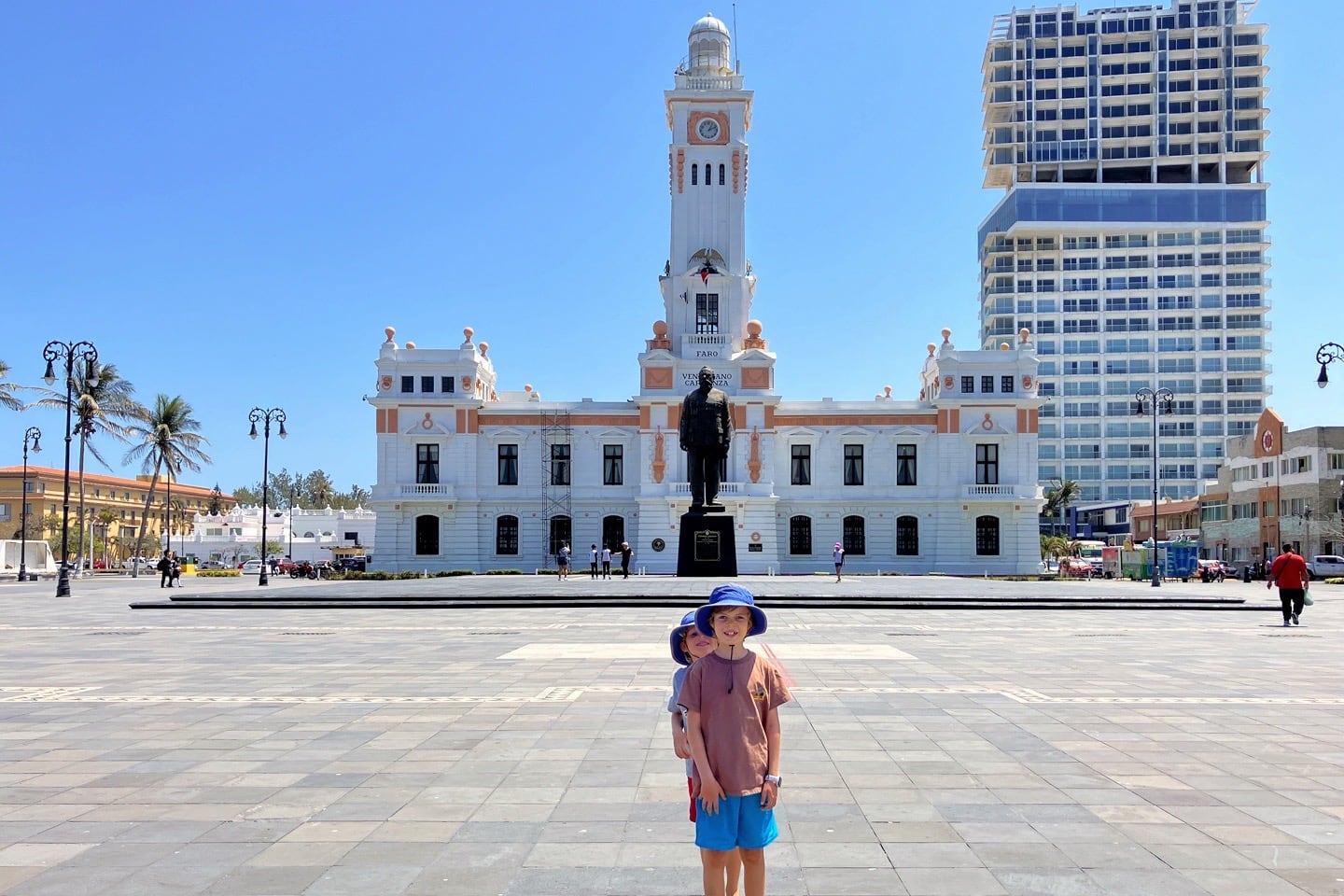
Next to the Old Pemex Tower is the historic Venustiano Carranza Lighthouse, which appears to have been kept up a bit better than the Pemex Tower. It seems you can’t go in it, but it makes for a good picture.
Getting to the Fort was a lot more challenging than we thought it would be. The site is located just across the harbor and there are boats that take you there. Okay, easy enough.
Lori read that the ticket office for the boats was near the Pemex Tower, but we couldn’t locate it. Eventually, we saw a boat make its way across the harbor and traced its path to a ticket office 300 meters farther south.
We assumed these boats were multiple skiffs that you hop onto, but it turned out to be much more organized and complicated. When we finally reached the ticket office, we learned that the next departure wasn’t for another 45 minutes. So, we hailed a taxi instead.
Given that the Fort is located about a half kilometer from where we were gave me the impression that the ride might not take so long. But the taxi has to drive completely around the port, which is about 9km and took us 20 minutes (it’s a big port).
But we eventually got there with about an hour left to view the sprawling site before closing.
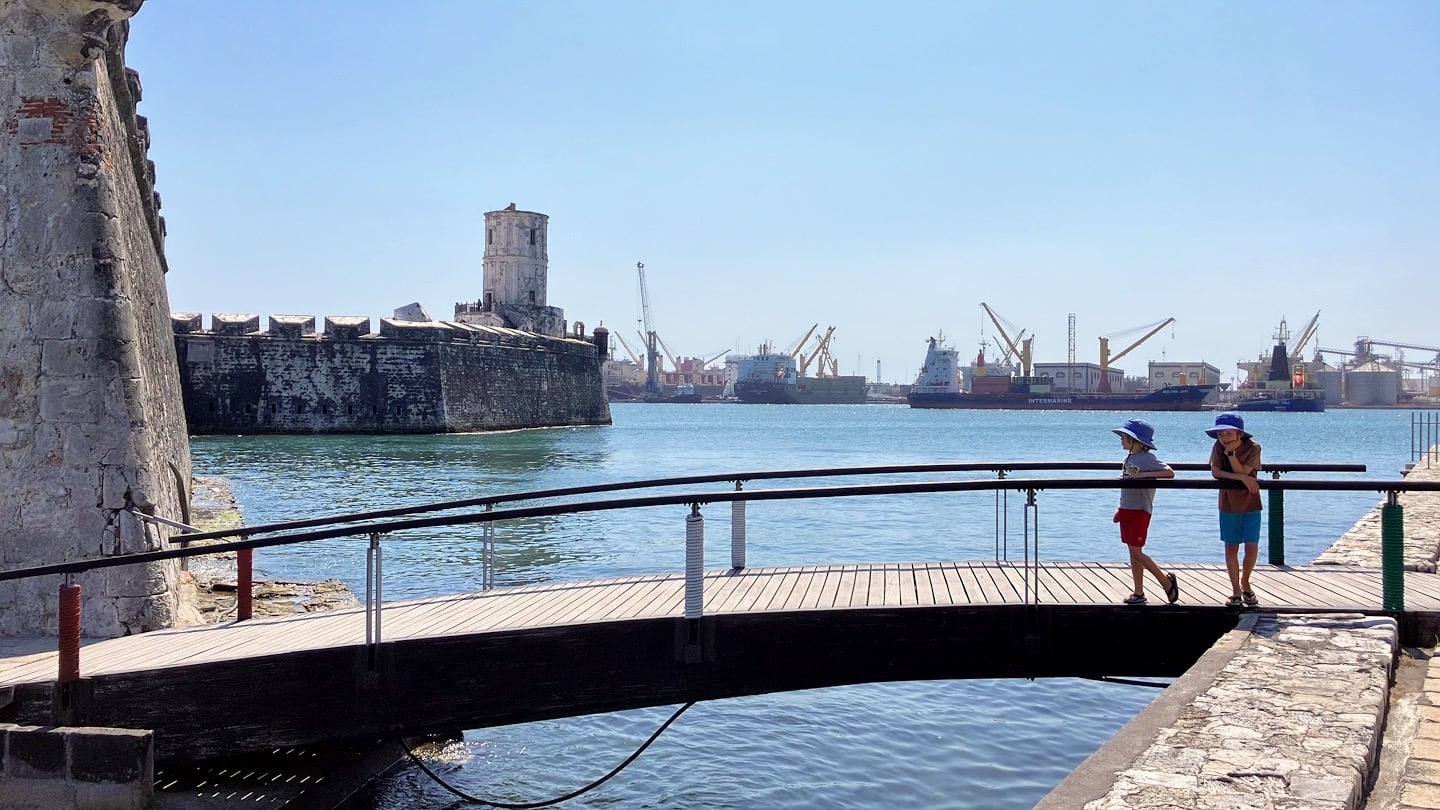
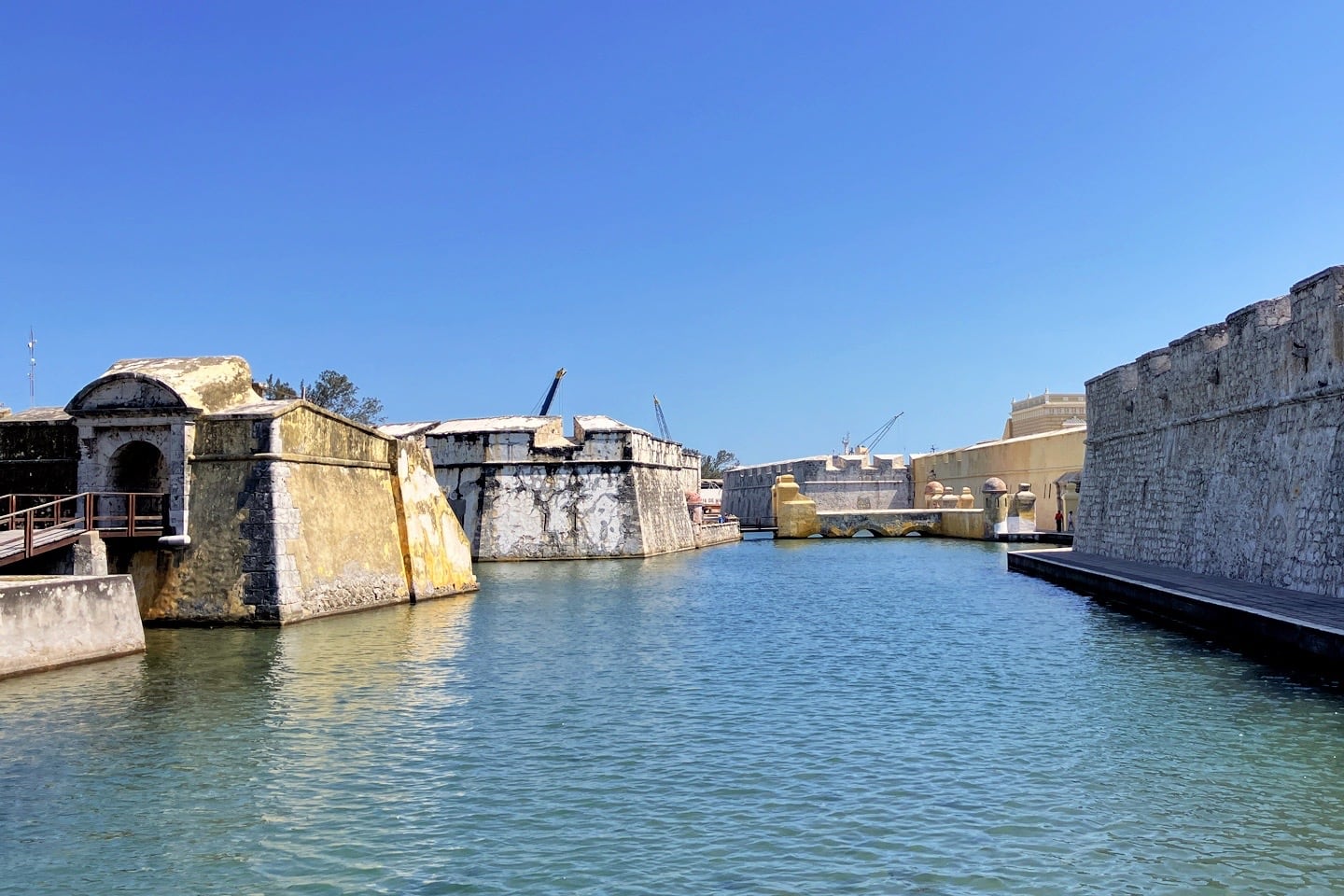
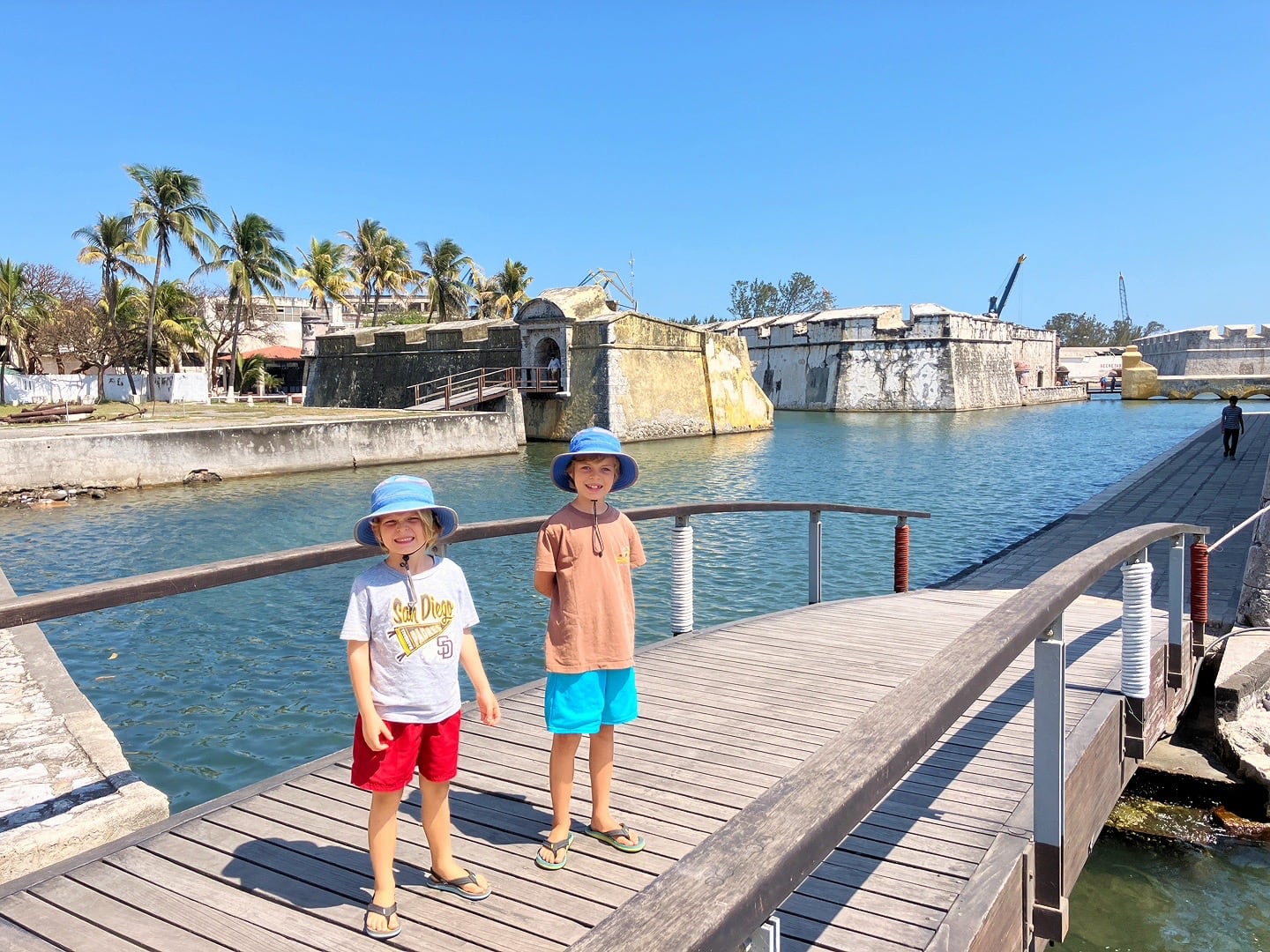
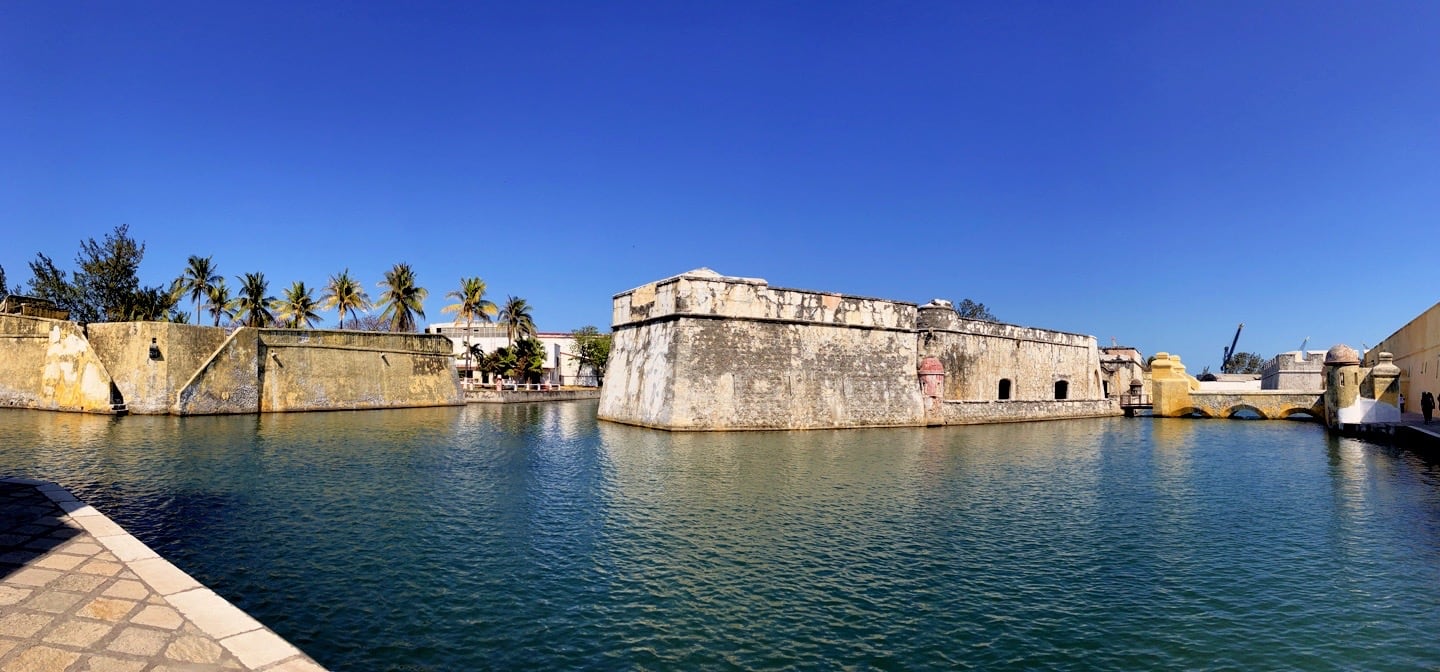
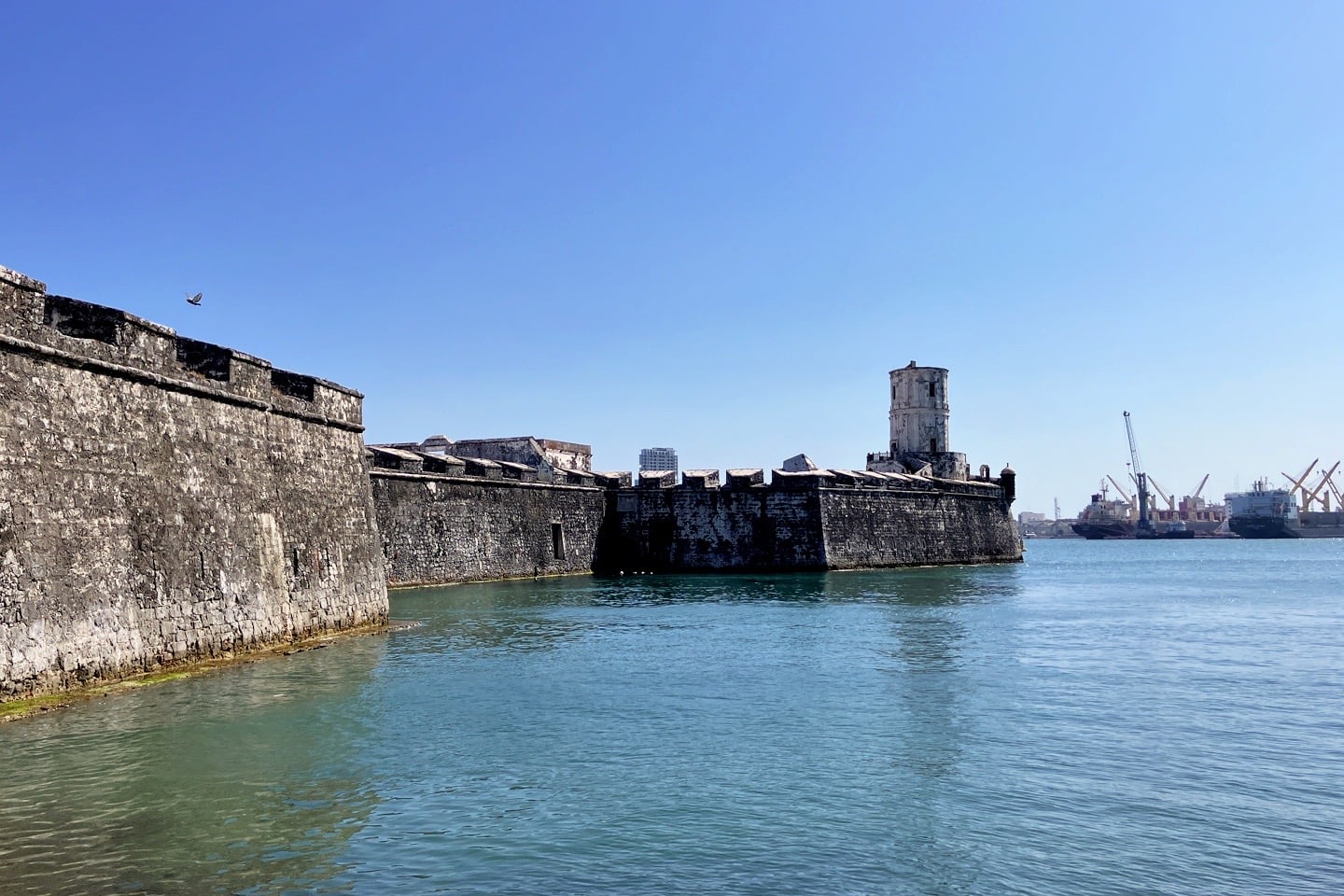
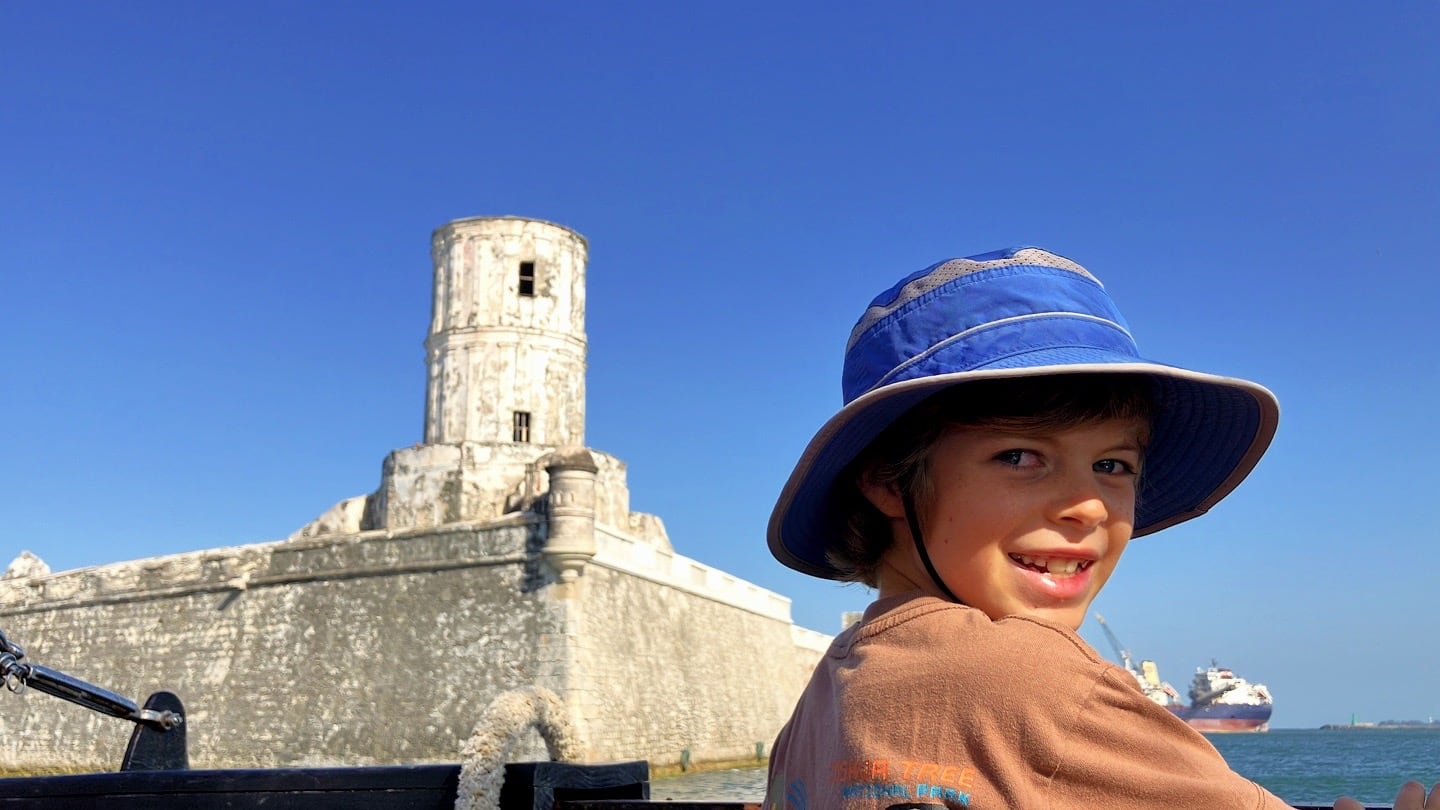
It was a bit of effort to reach, but we were very glad we figured it out. It’s certainly one of the coolest and most photogenic Spanish (and Portuguese) forts we’ve toured.
It brought a lot of memories of El Morro in San Juan, Puerto Rico and Fortaleza Ozama in Santo Domingo, DR, and even Fortaleza de Sao Sebastao on Ilha de Mocambique in Mozambique.
But this one might just be my current favorite.
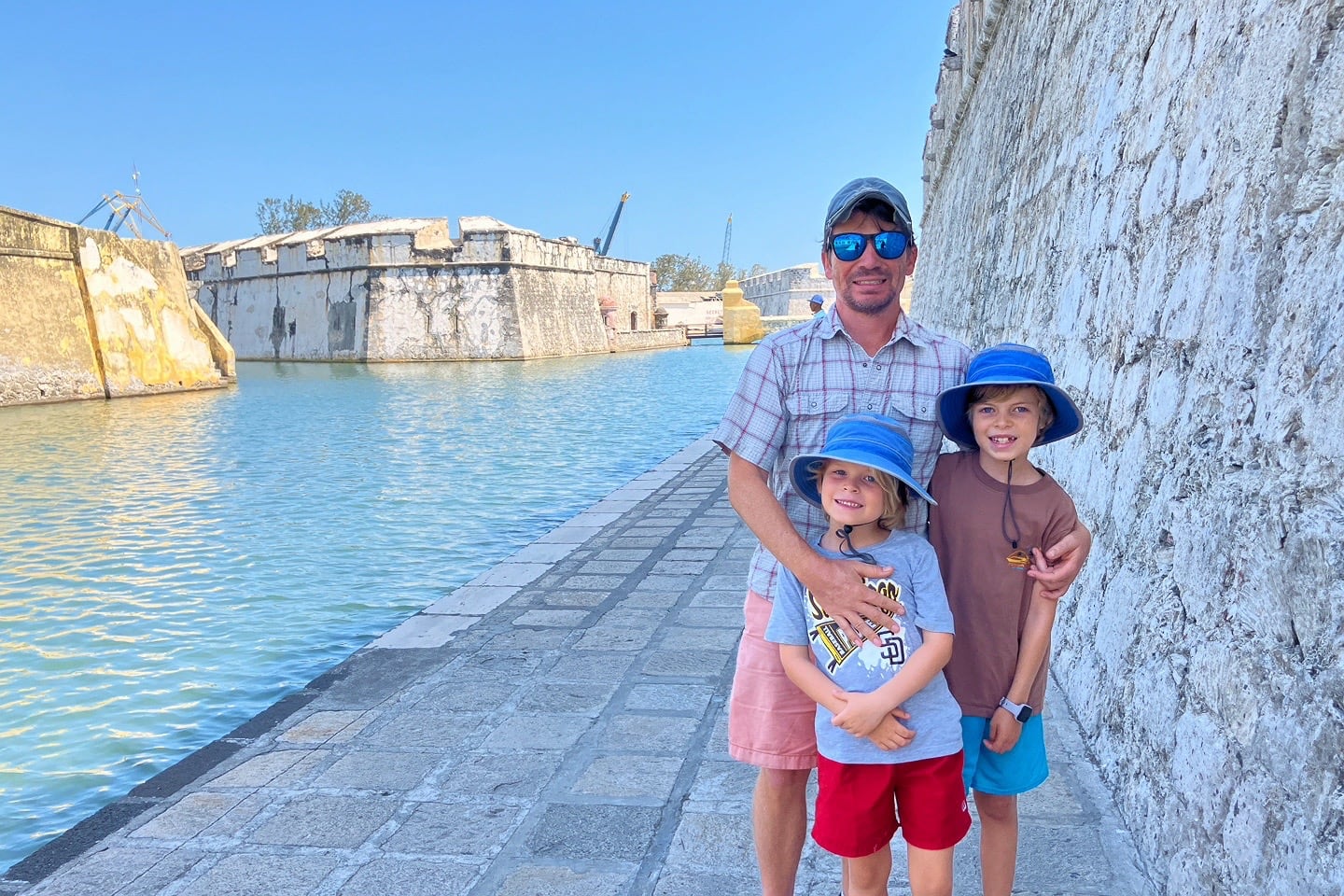
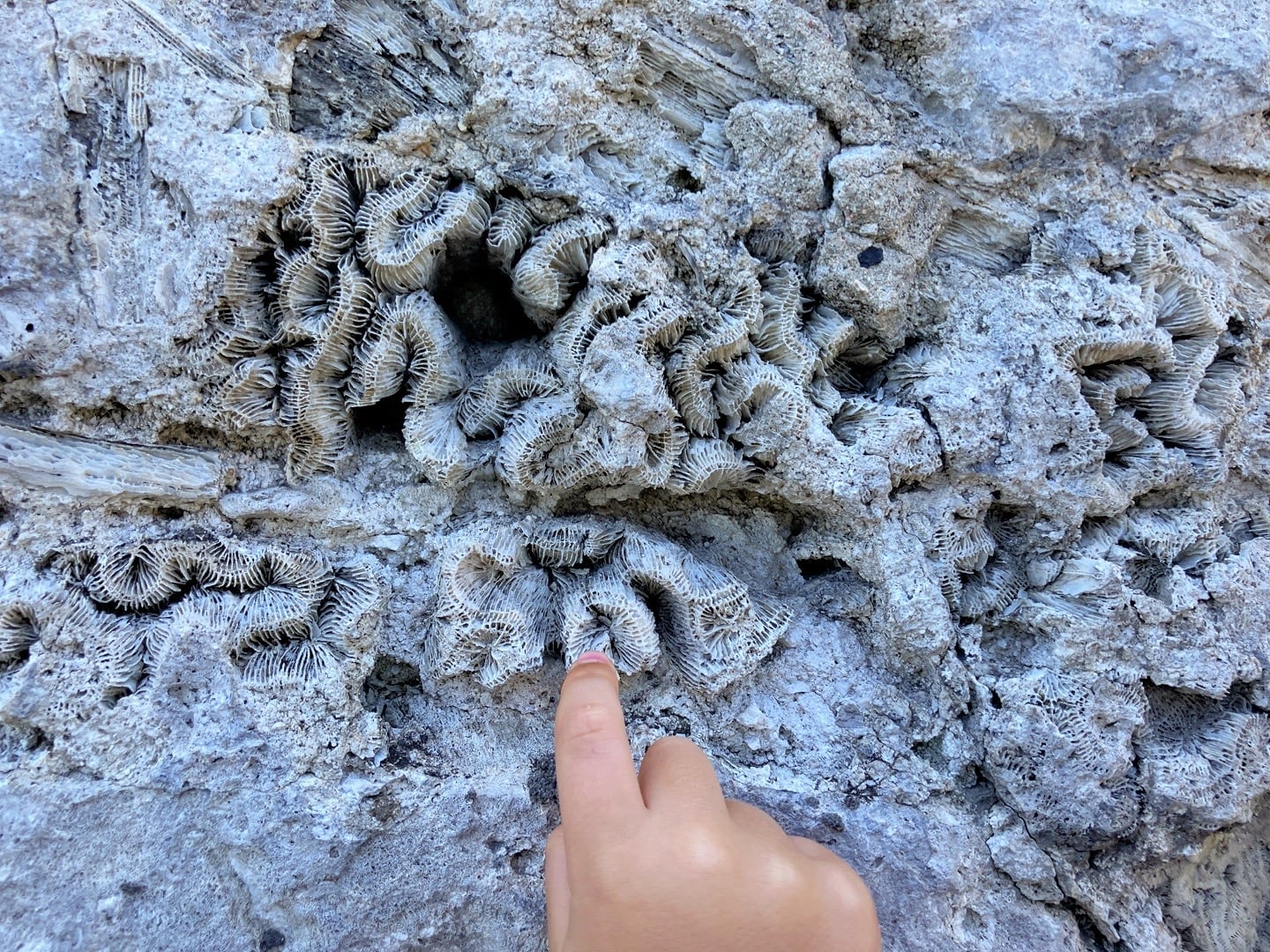
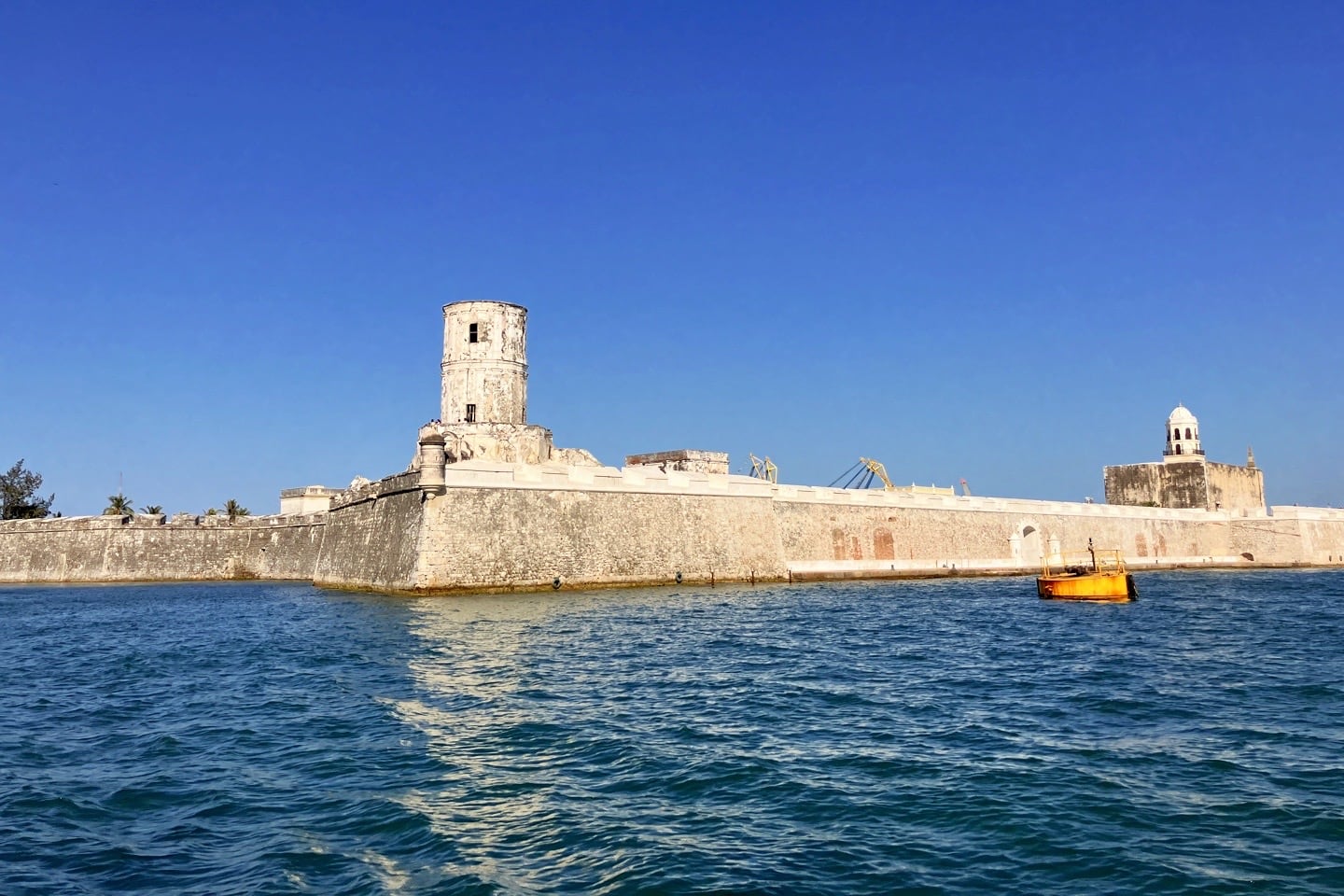
Construction began in 1535 using coral bricks. The coral can still be identified to this day.
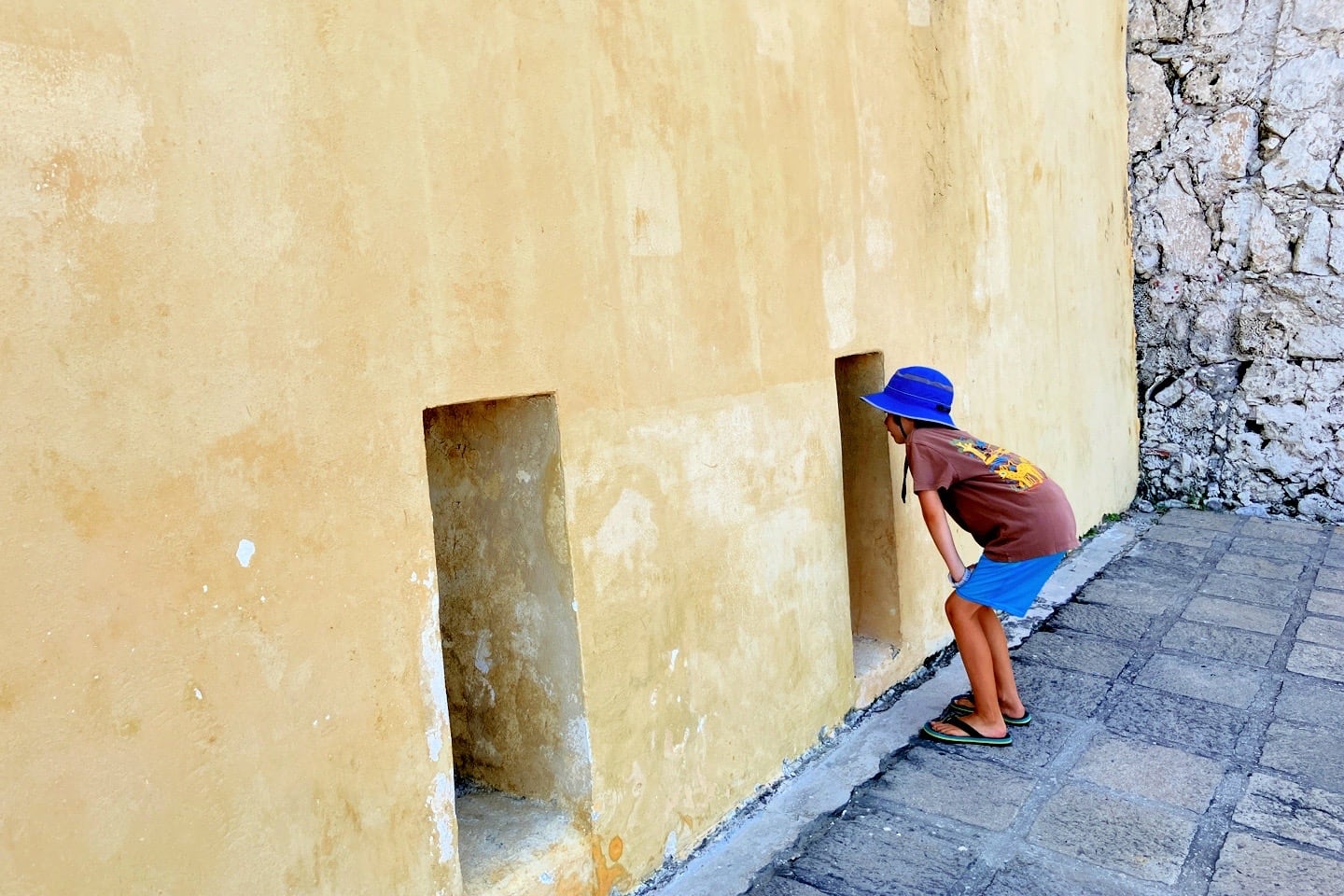
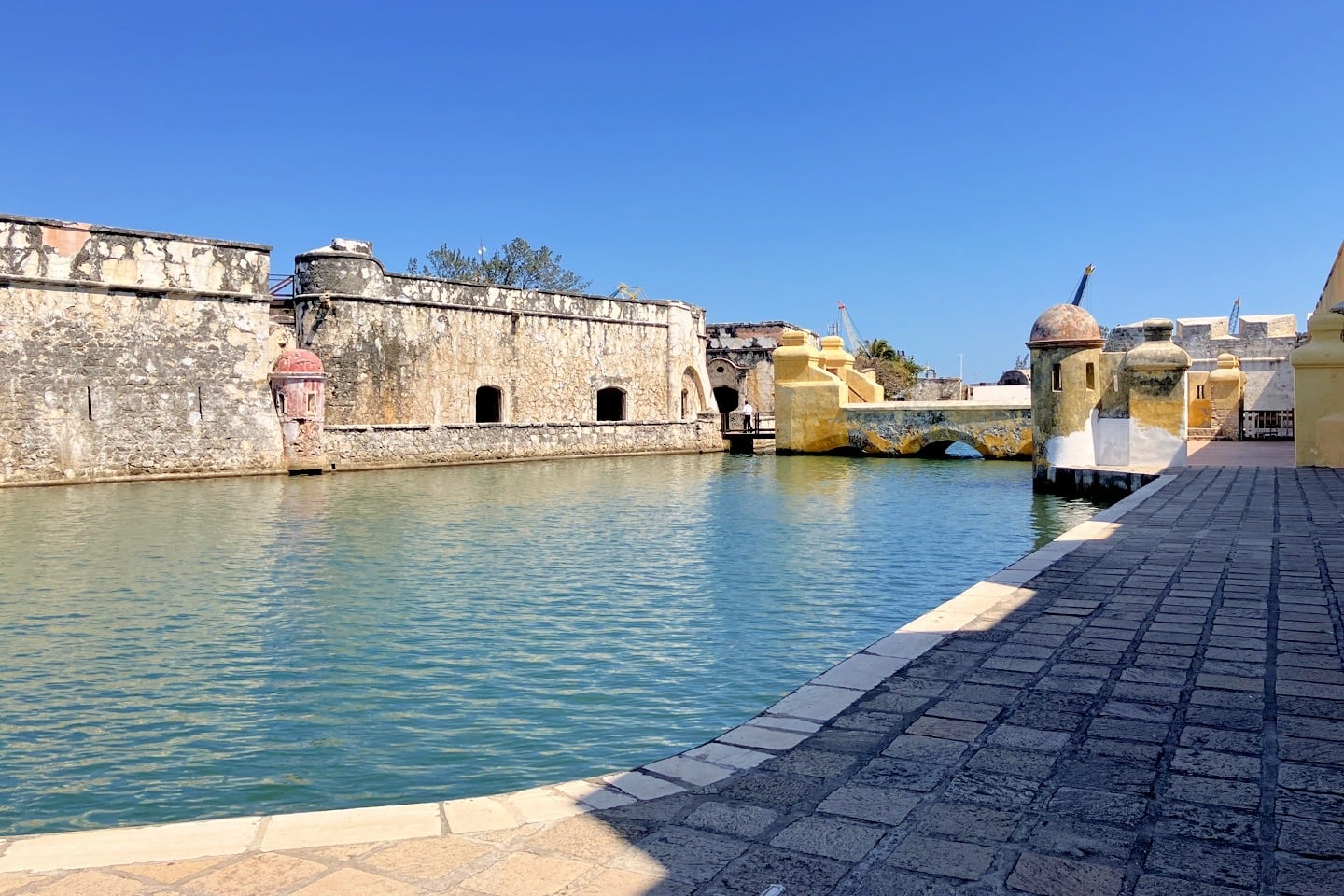
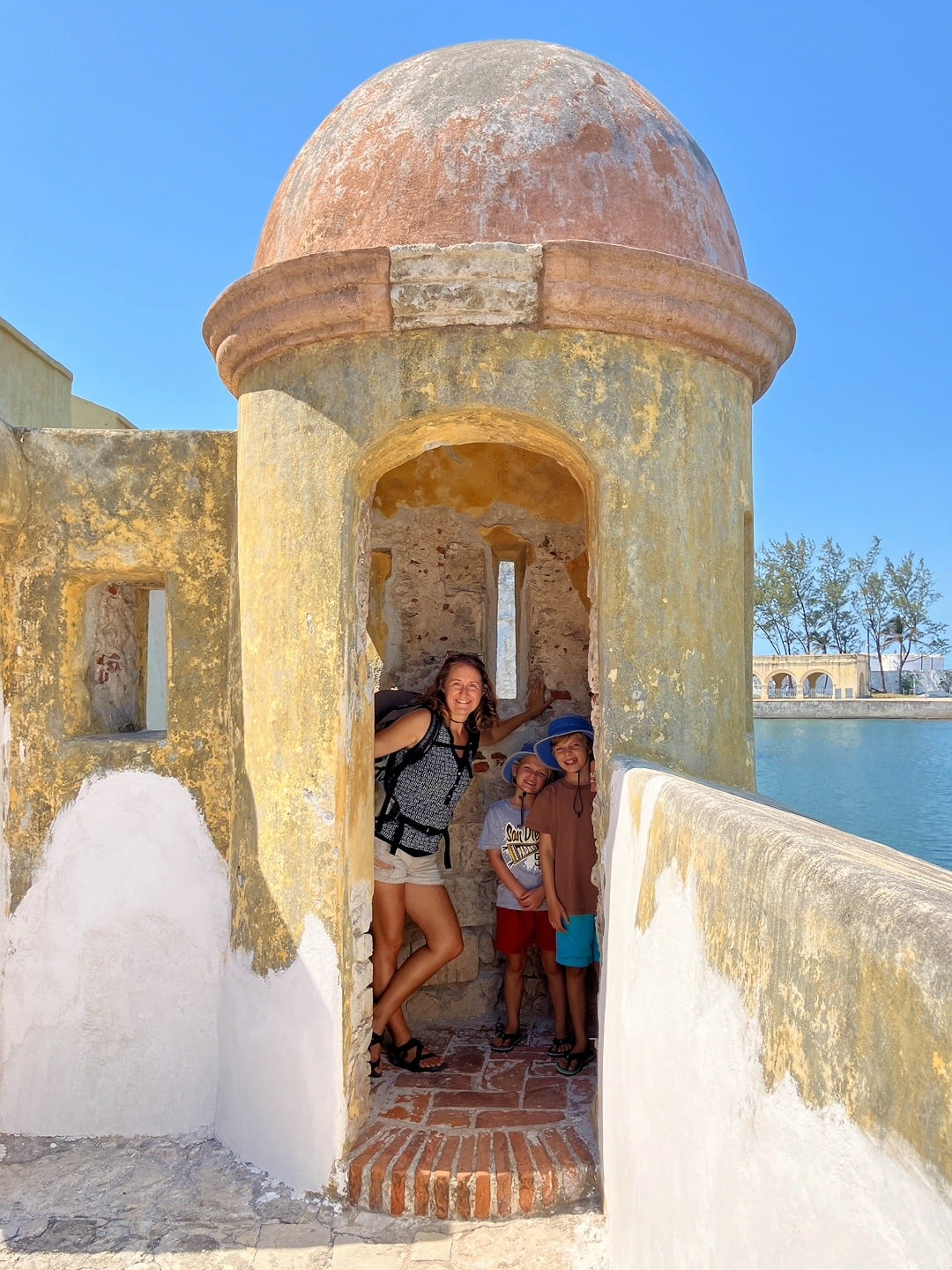
San Juan de Ulúa has a seemingly endless number of nooks and crannies to explore.
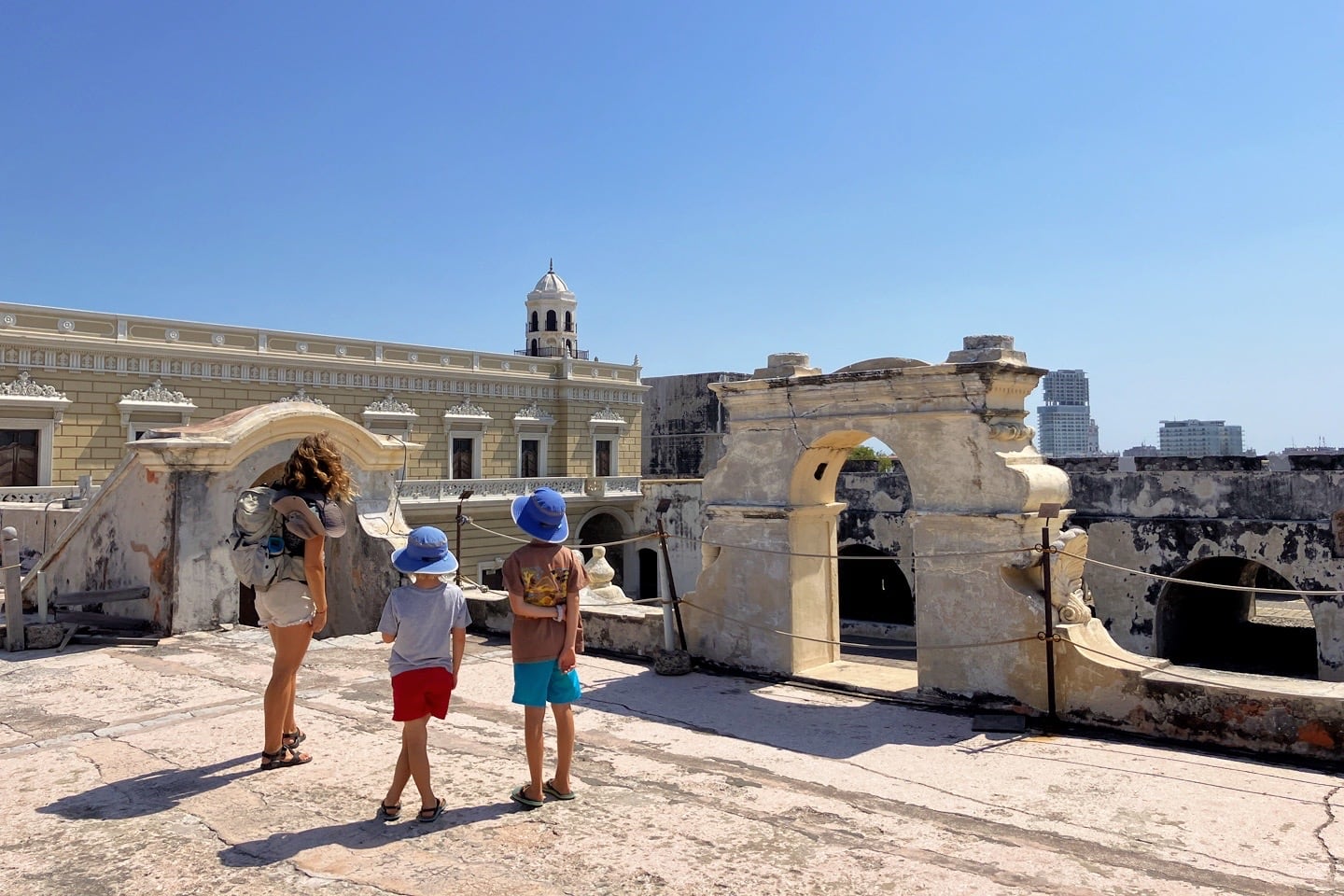
Stairs lead to the top of the structure where we were able to partially ascend the old tower and get some great views of the fort and harbor.
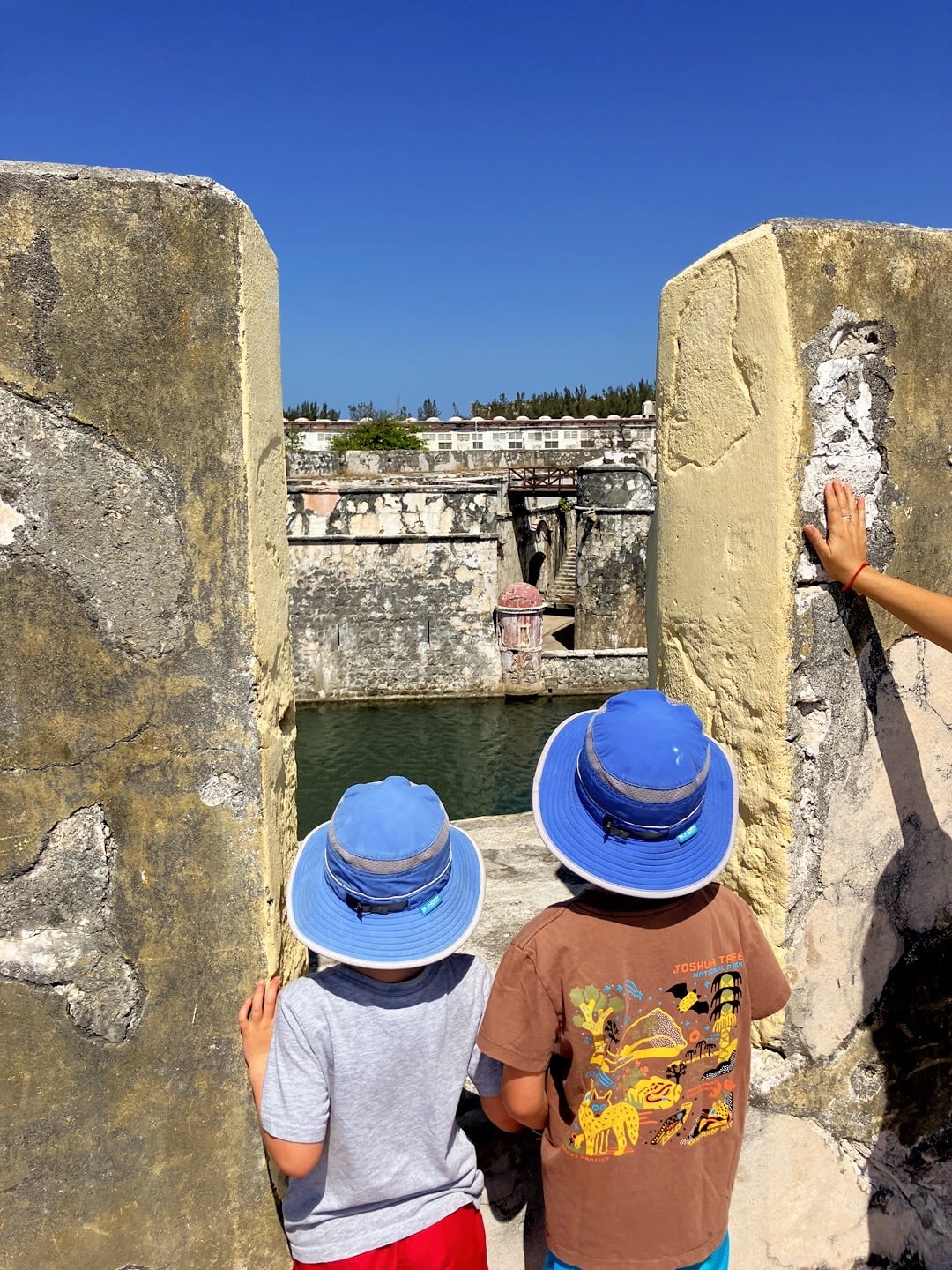
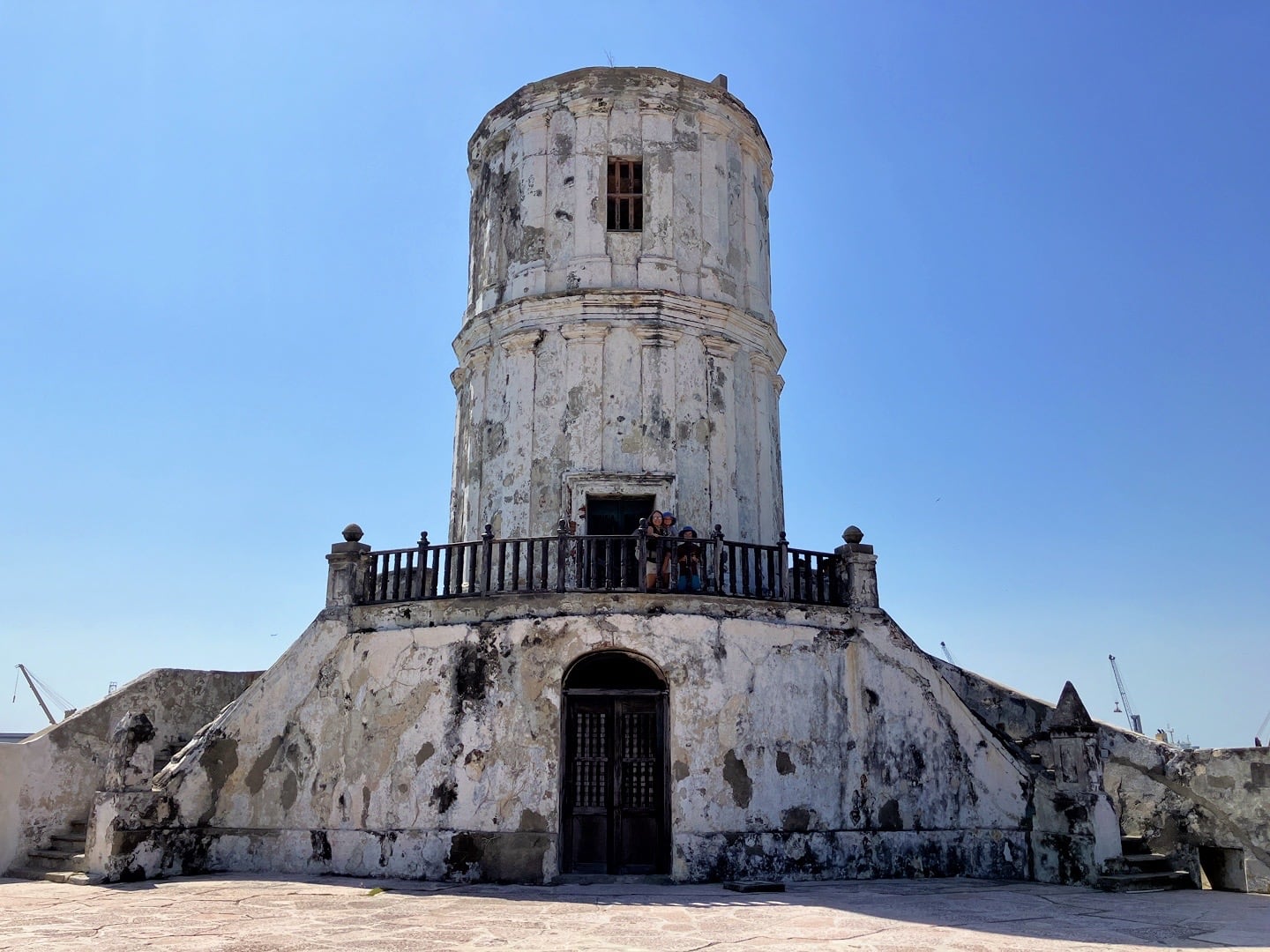
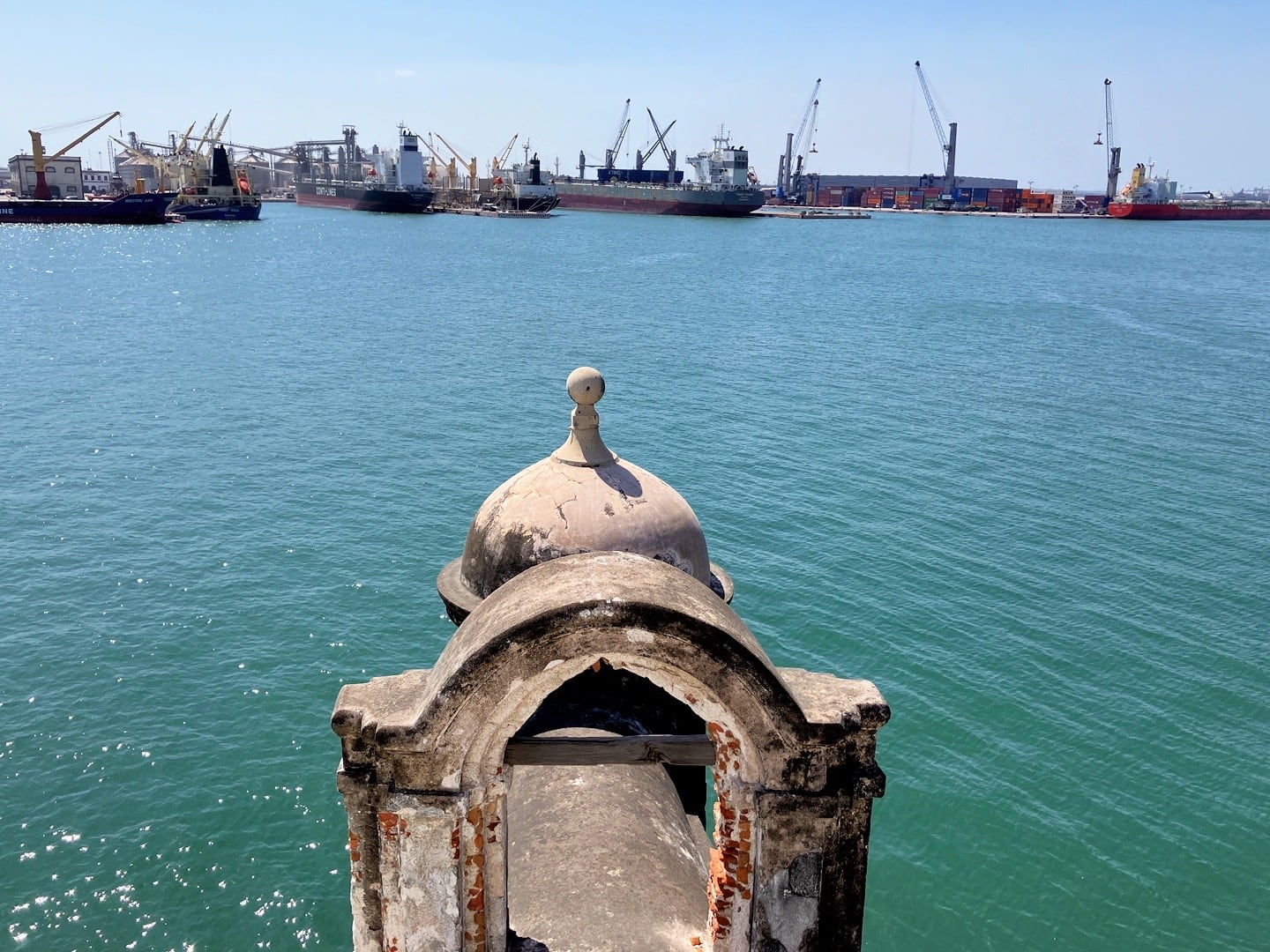
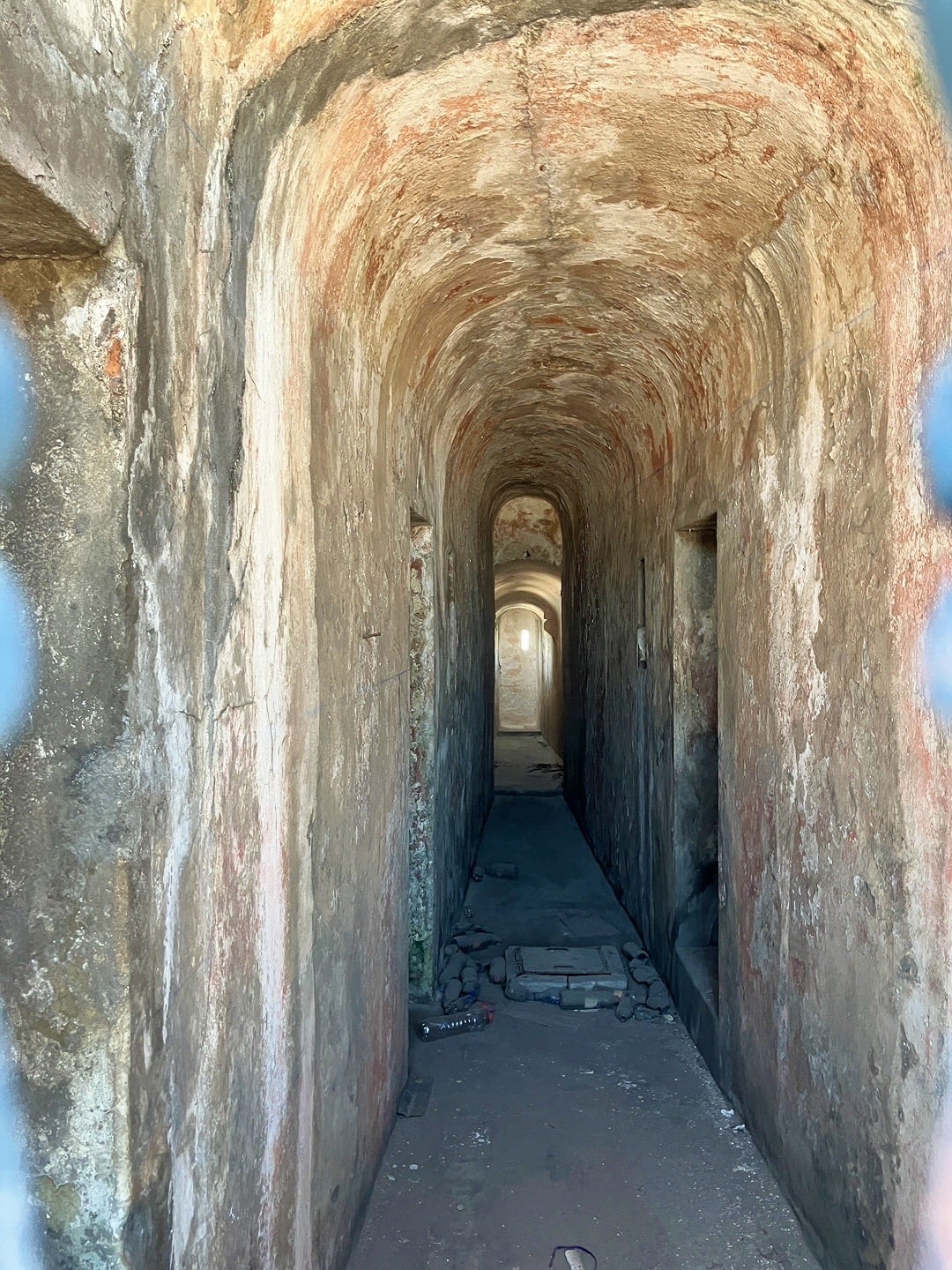
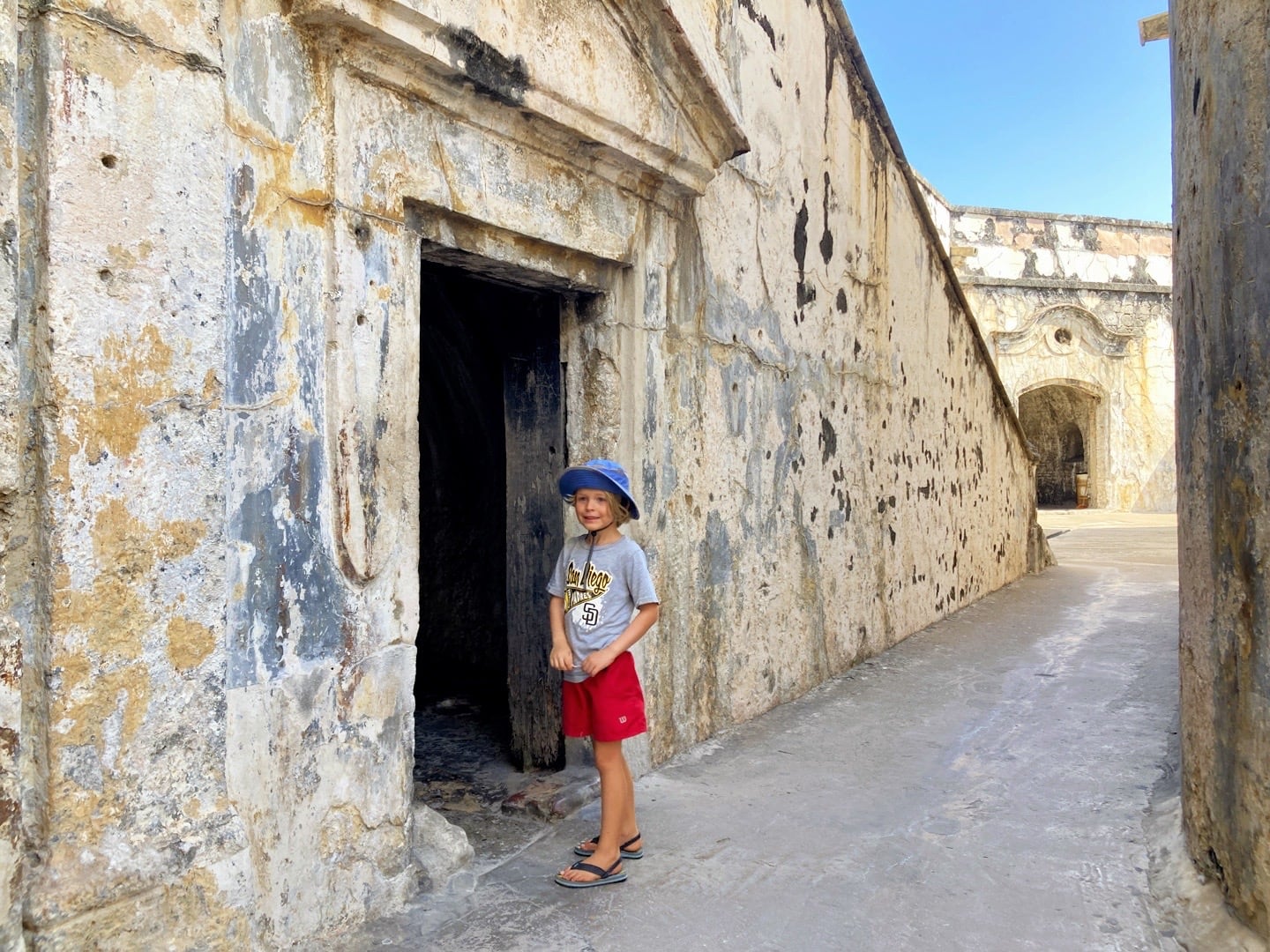
At one time, the fort was used as a prison. The prisoners were housed beneath in the dark and dank recesses of the structure, some of which can be accessed.
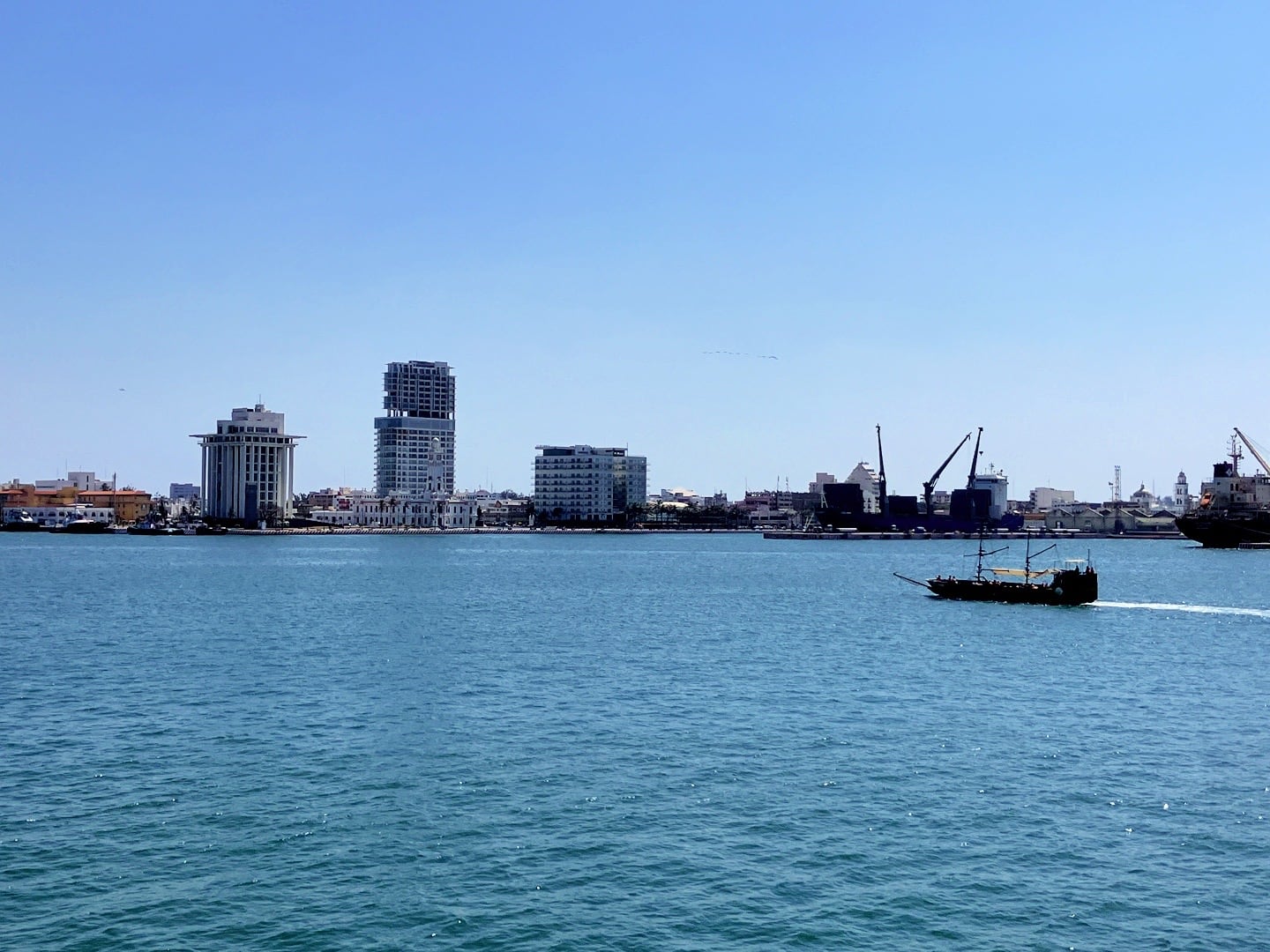
The water taxi that services the fort is an old Merchant Marines vessel repurposed to look like a Spanish Goleta (that’s it, above).
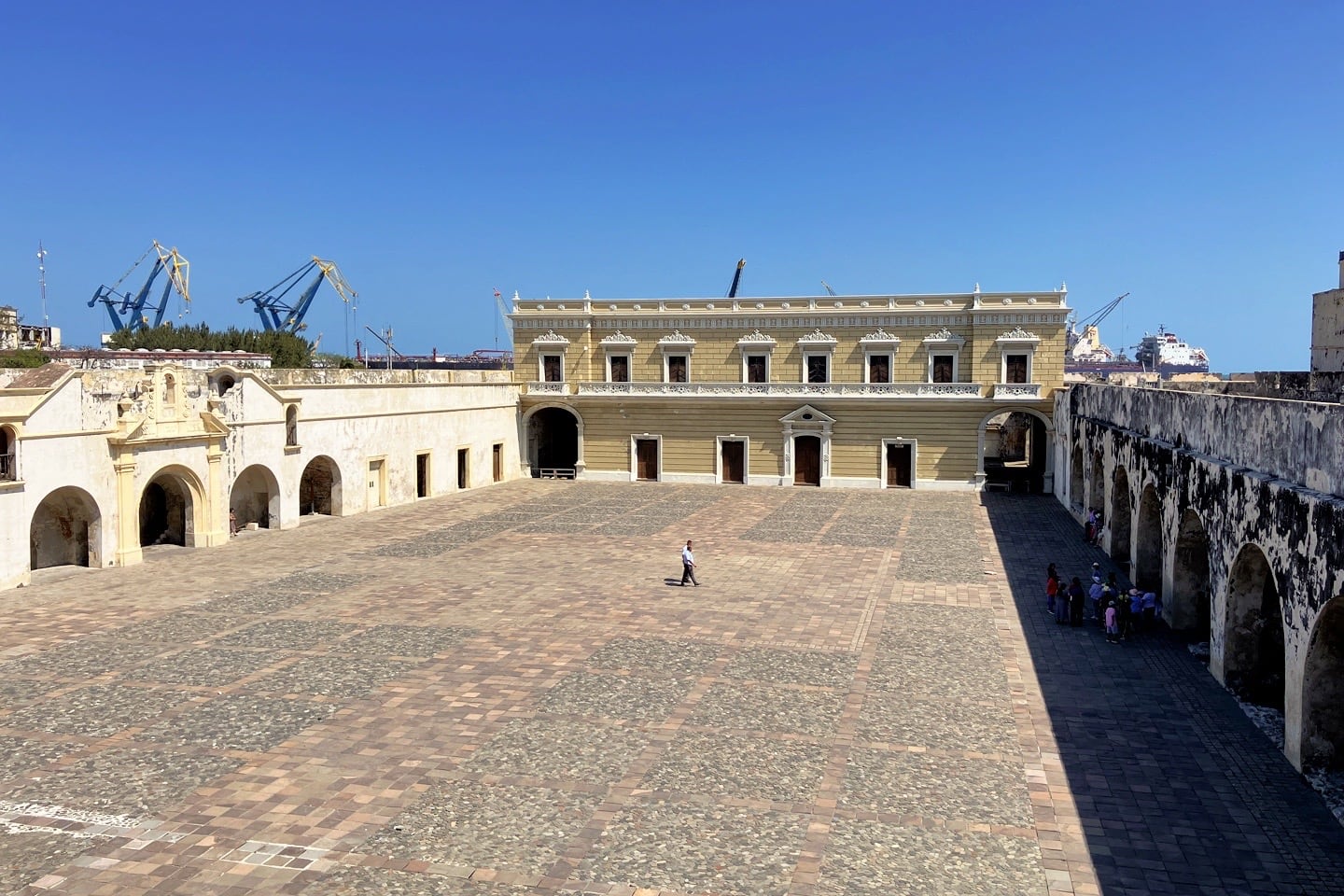
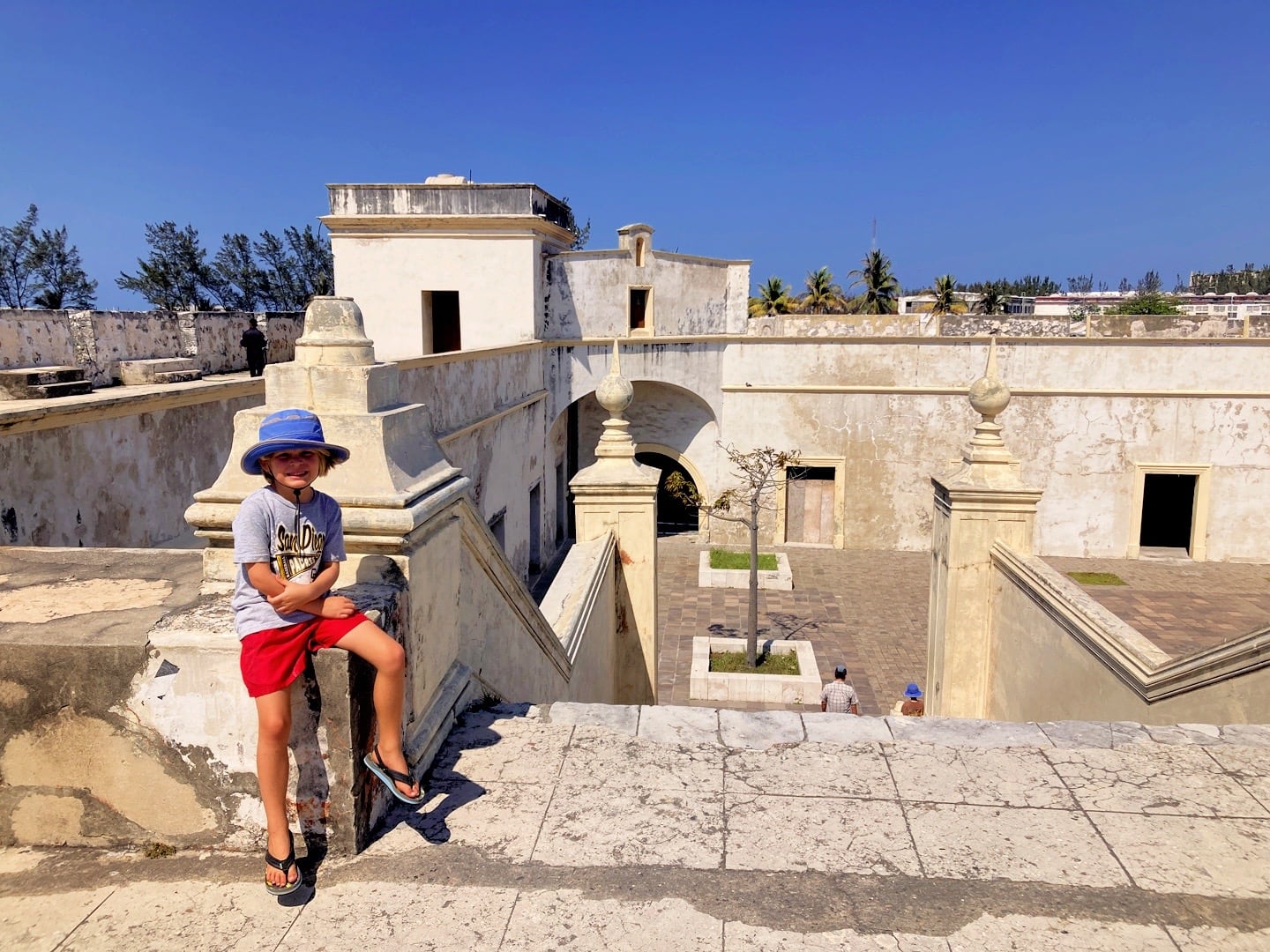
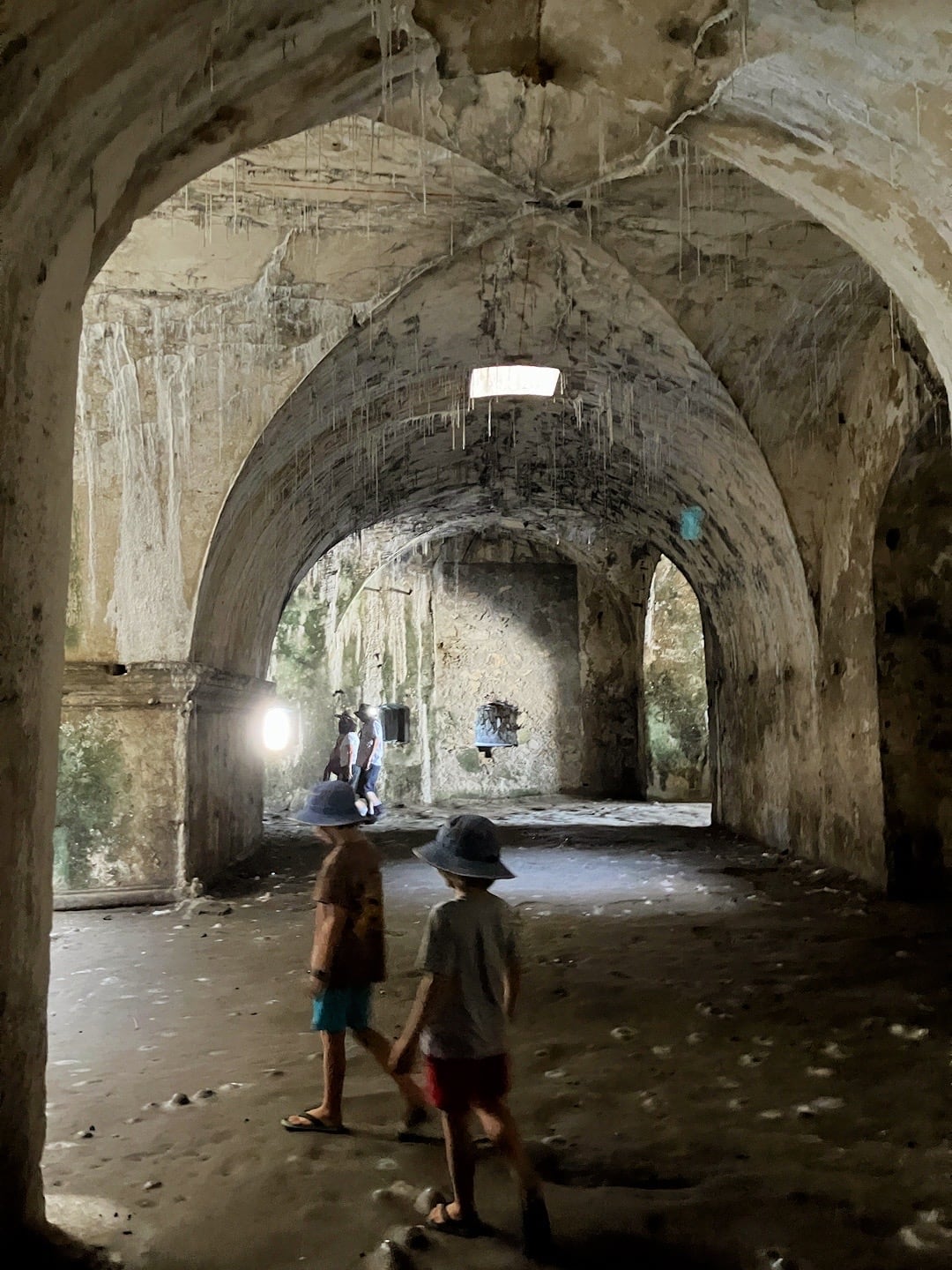
This is the oldest corner of the Fort, which has been largely left to decay.
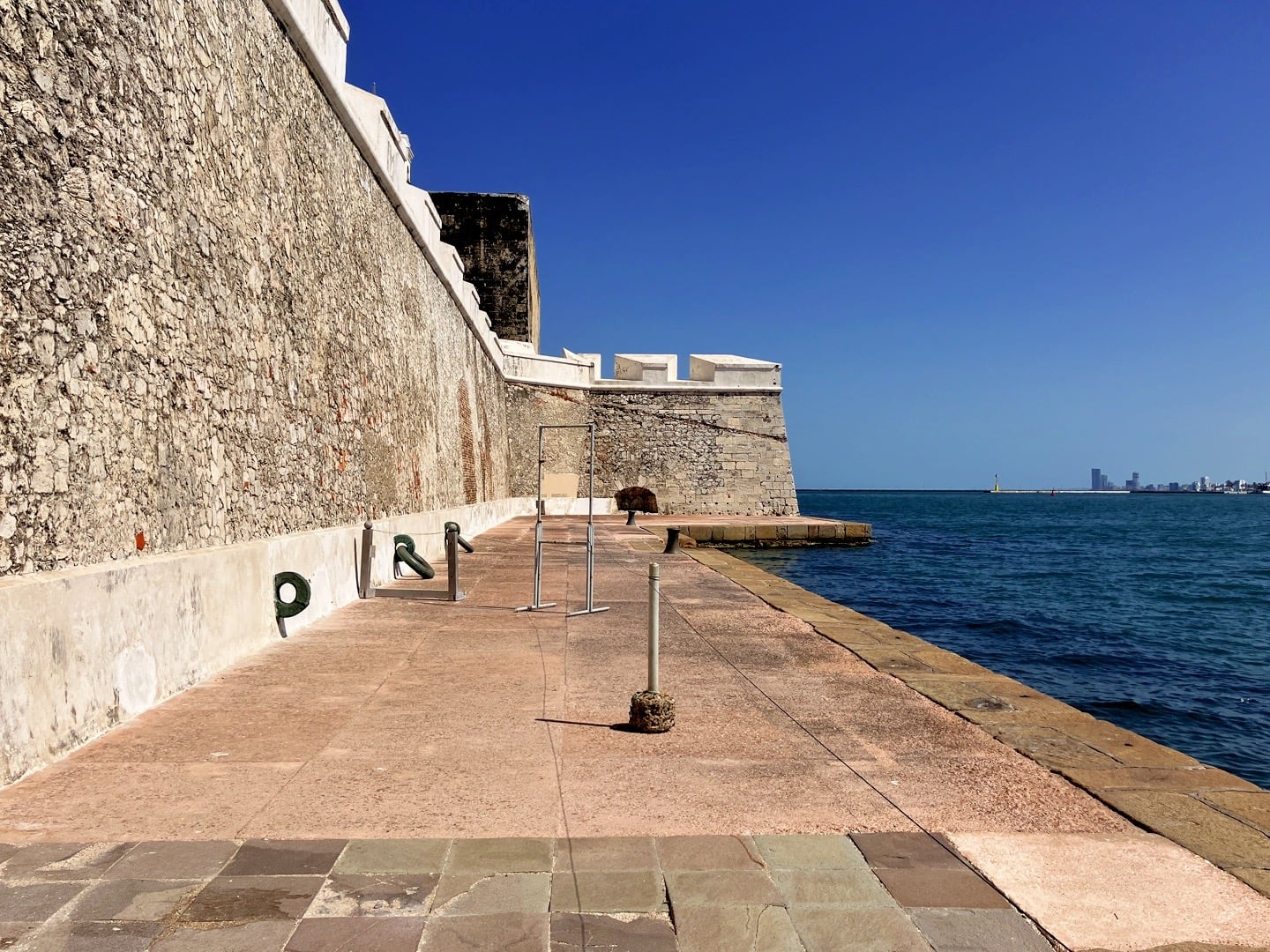
The Spanish were also participants in the Slave Trade and this is where countless individuals from Africa disembarked to get their first glimpse of the New World.
The Spanish ended the slave trade here in 1818, and the Mexican government after independence made it official in 1829.
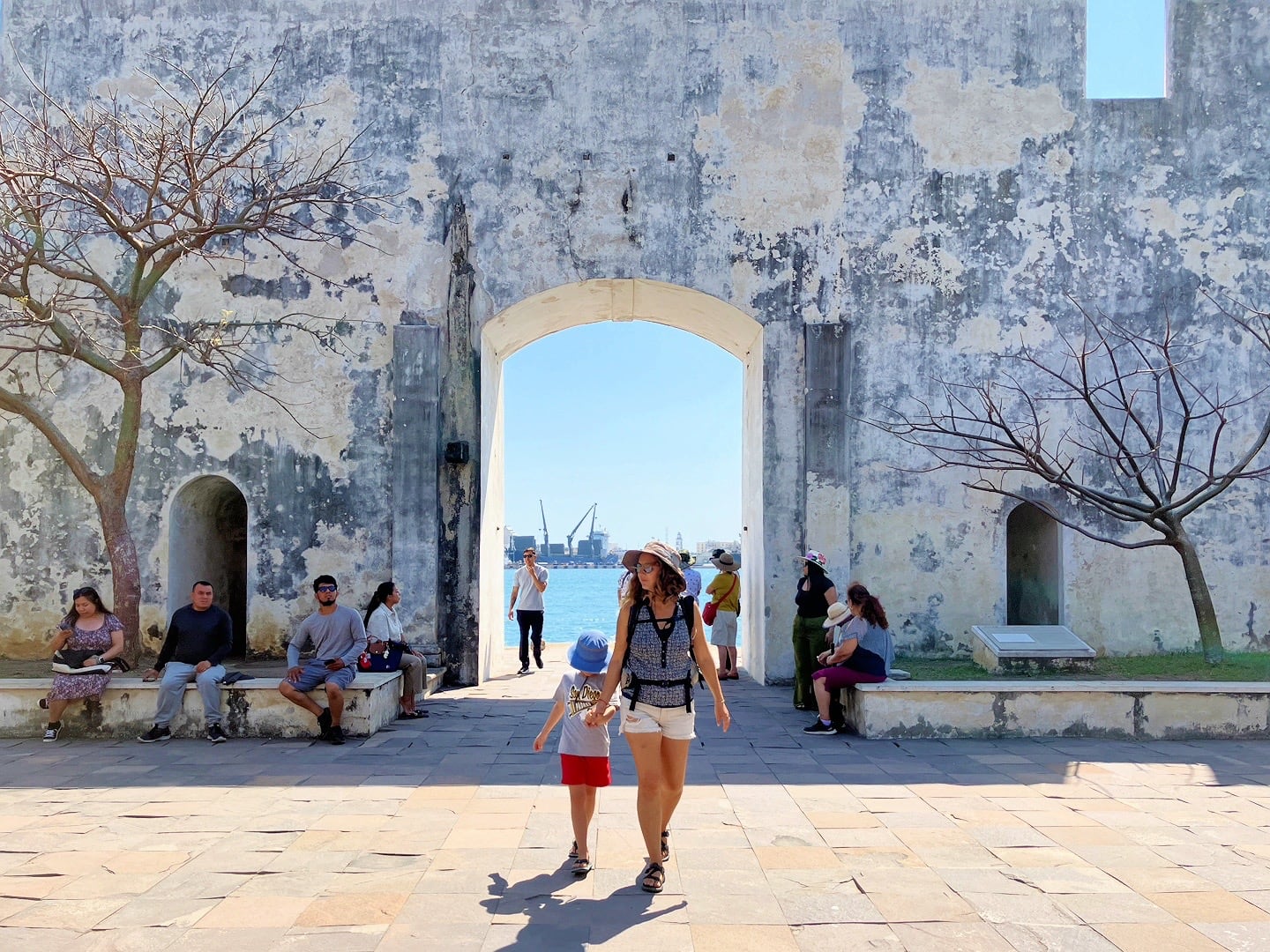
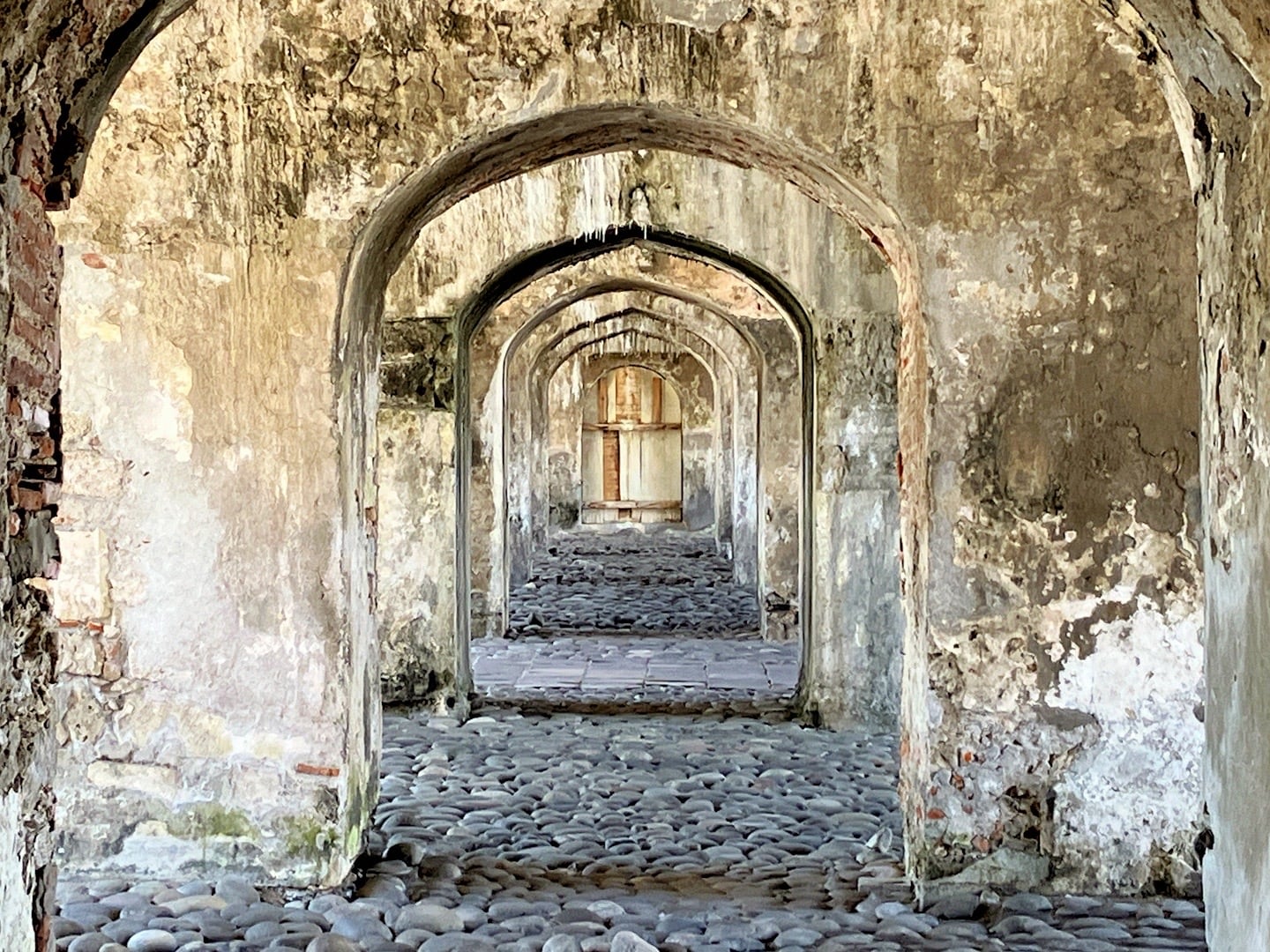
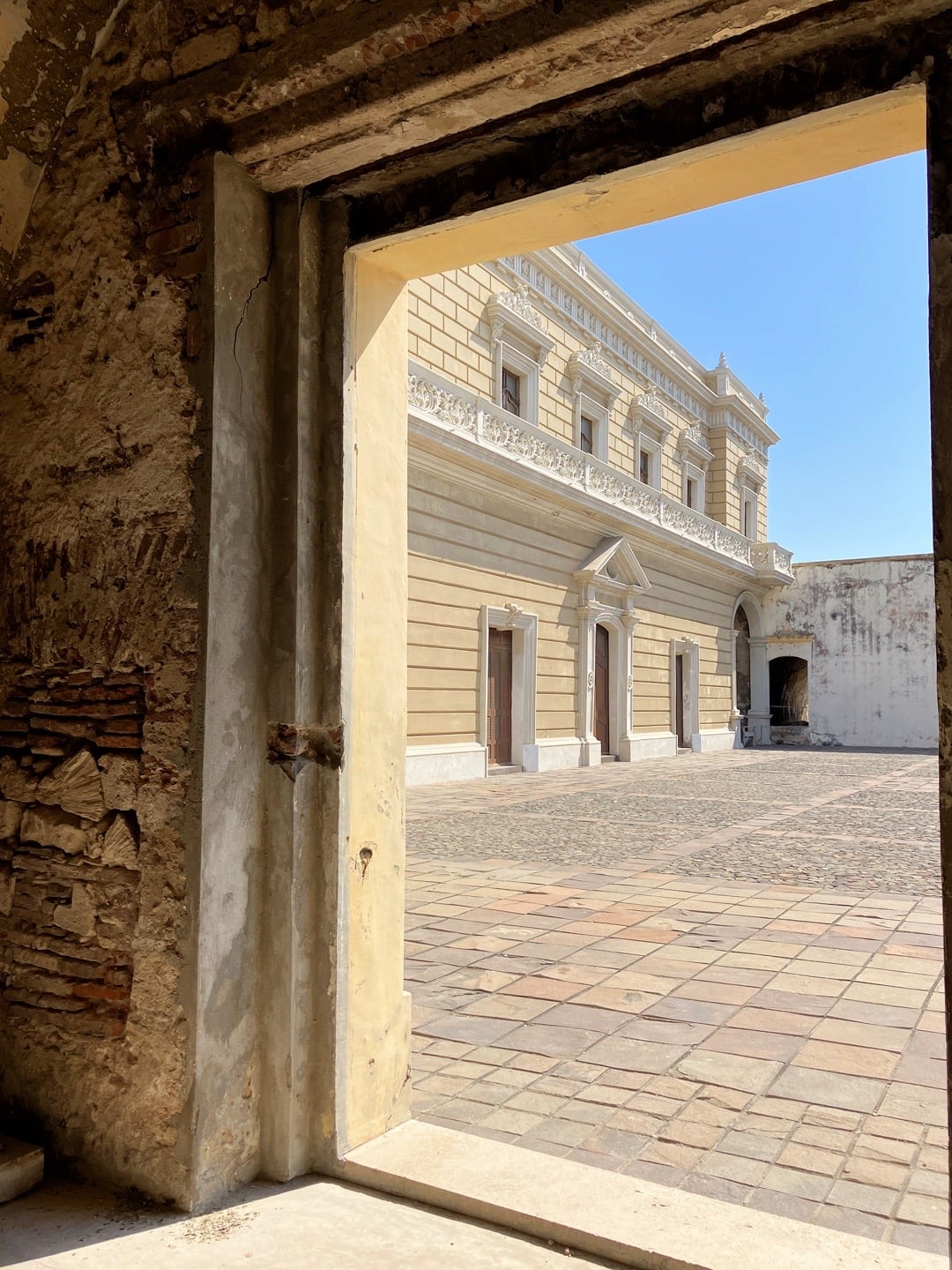
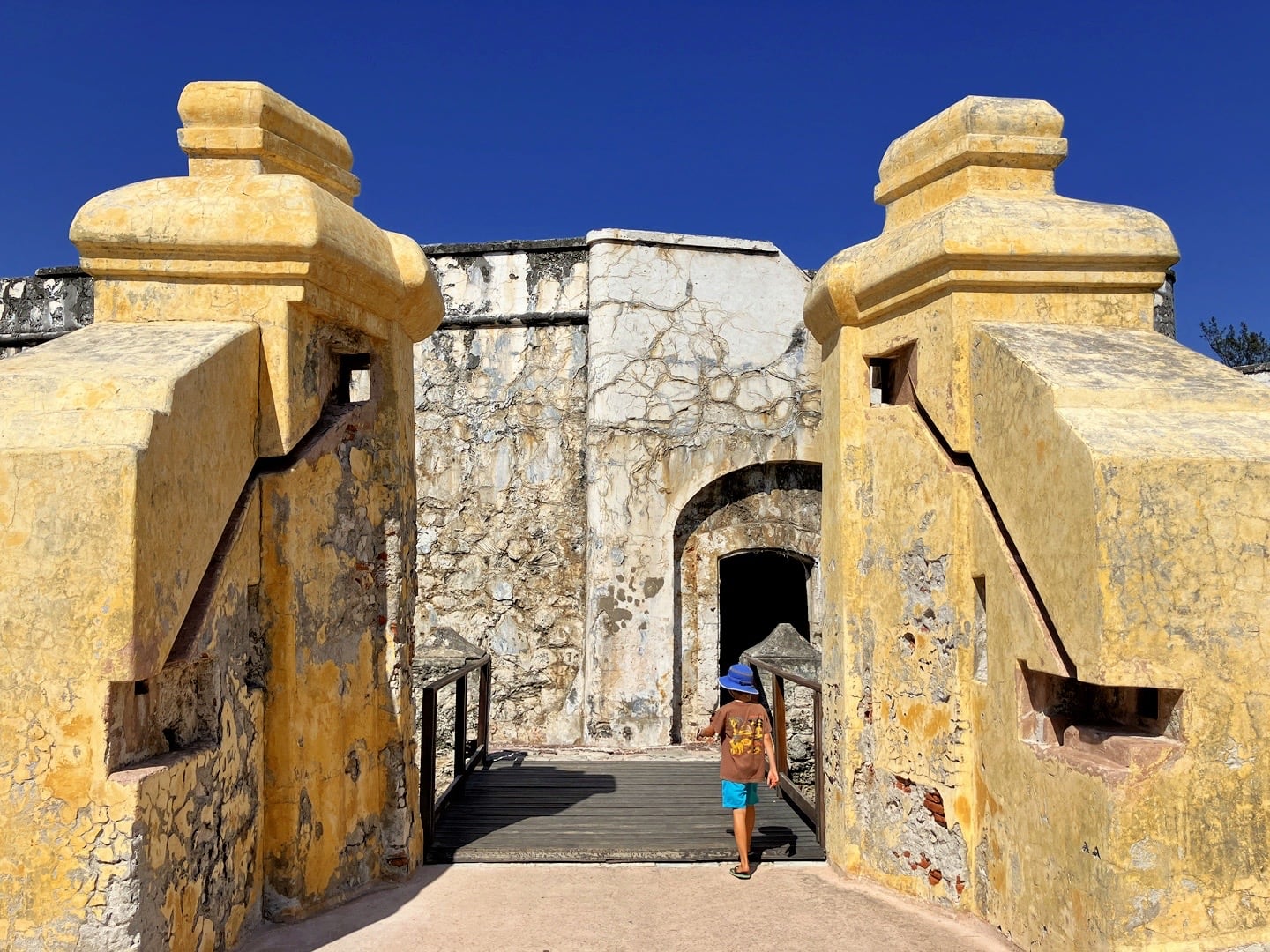
We cross a small wooden foot bridge and find ourselves in the former prison section, which became Mexico’s most notorious prison under the presidency of Porfirio Díaz in the early 20th century. It is rumored that sharks were placed in the surrounding waters to make it more difficult for prisoners to escape.
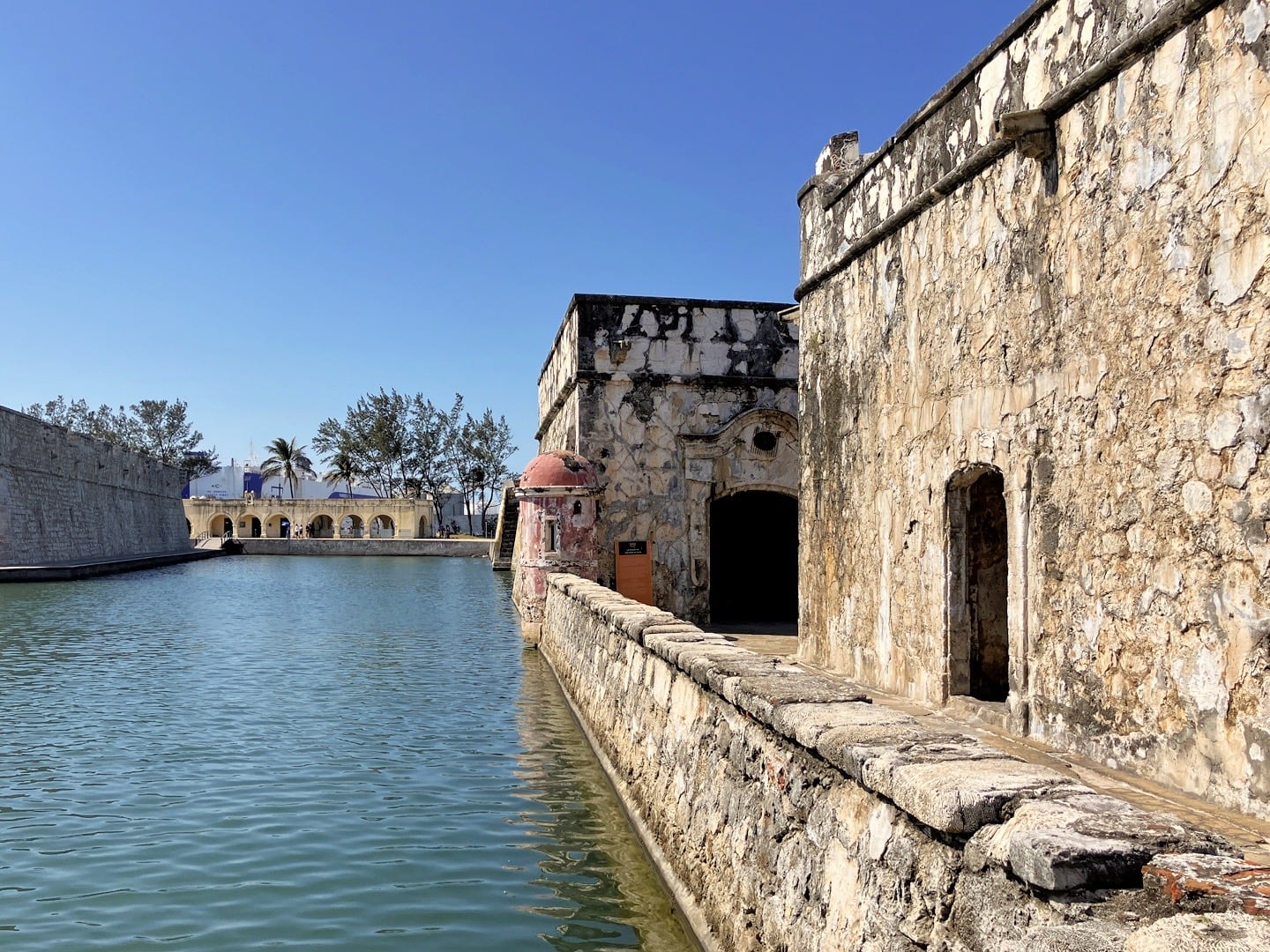
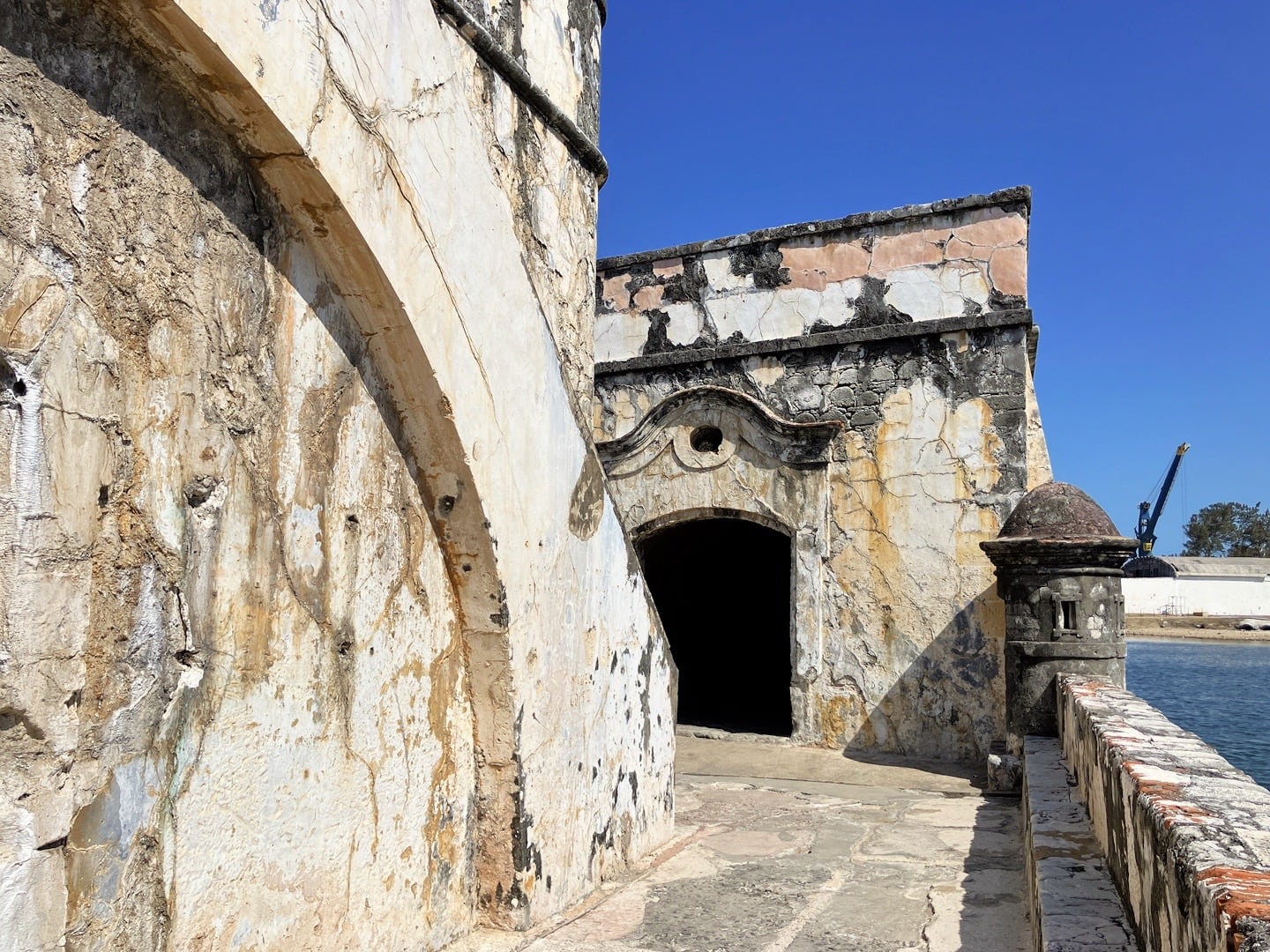
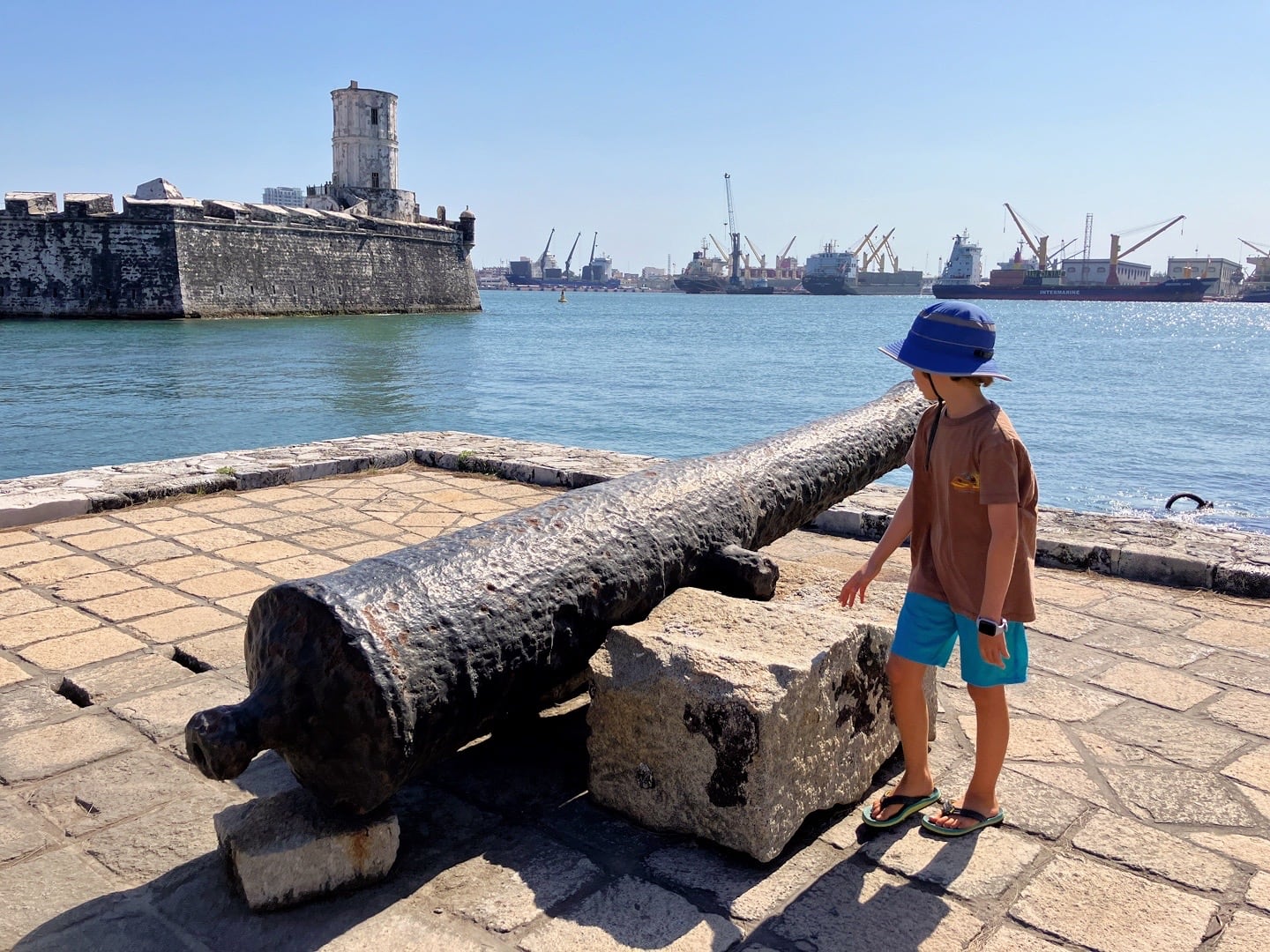
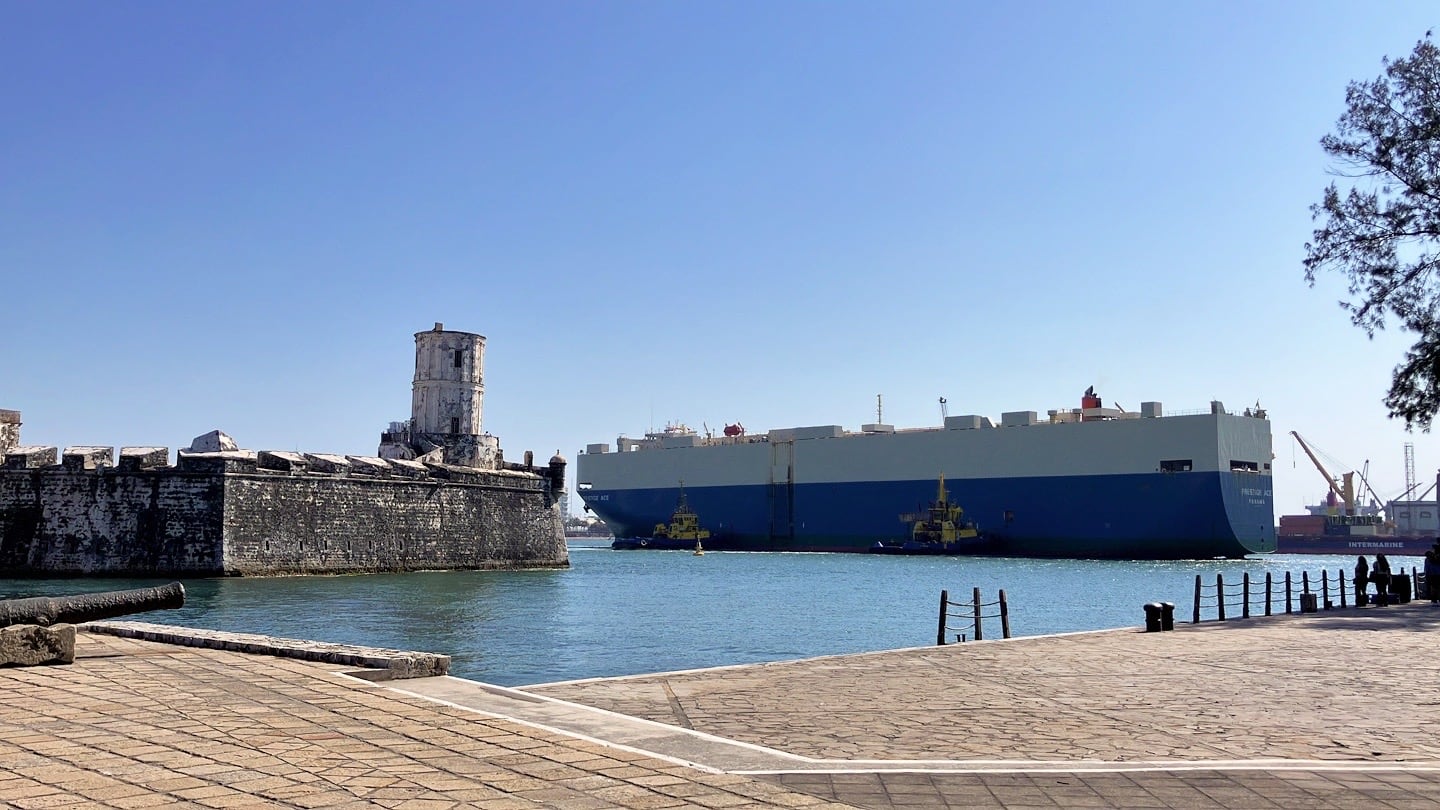
We decided to take the Pirate Ship water taxi back to the mainland. While waiting, we got to watch a number of large cargo ships be escorted through the narrow harbor by multiple tugs.
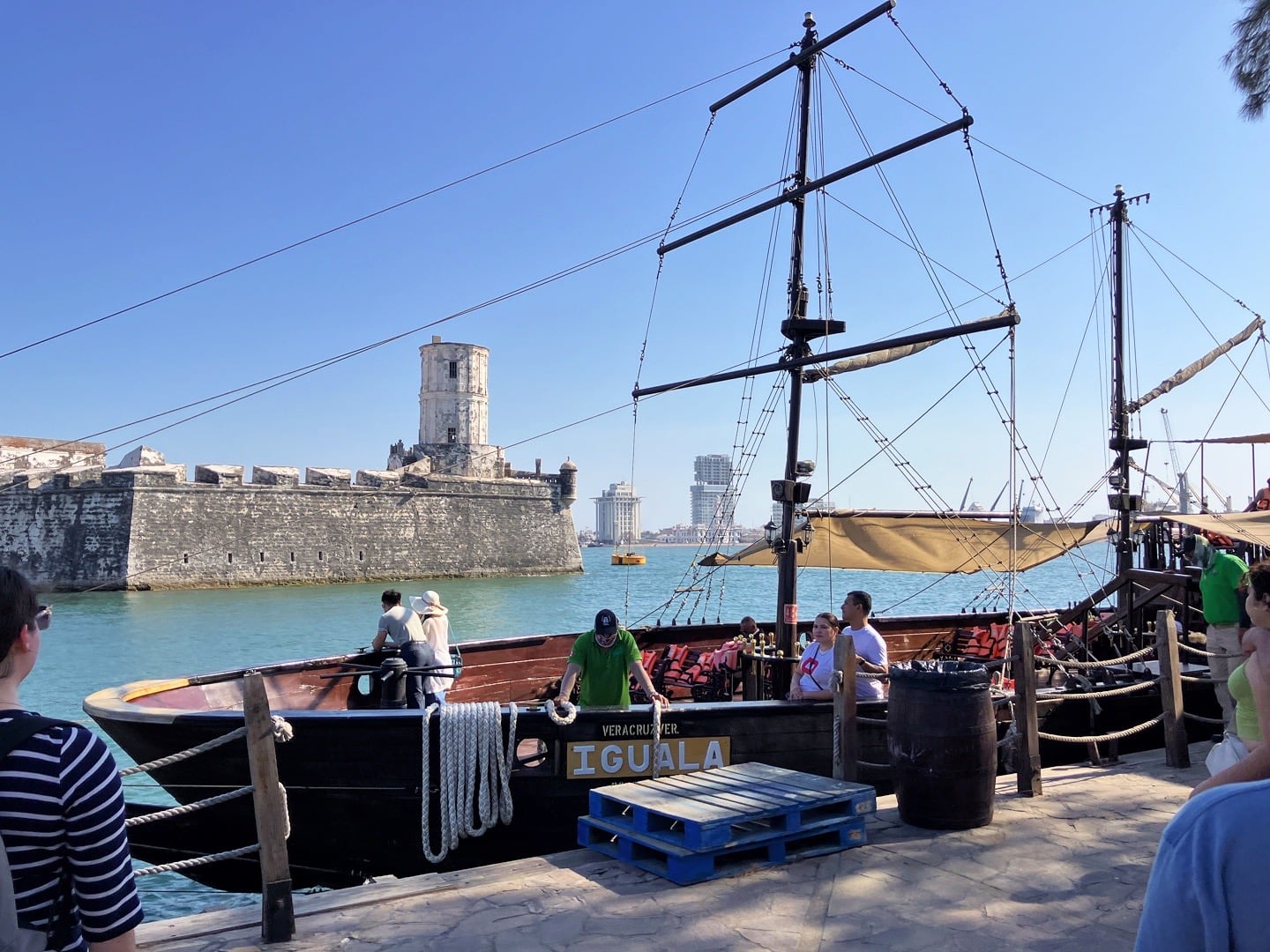
The Goleta Iguala, our return ride.
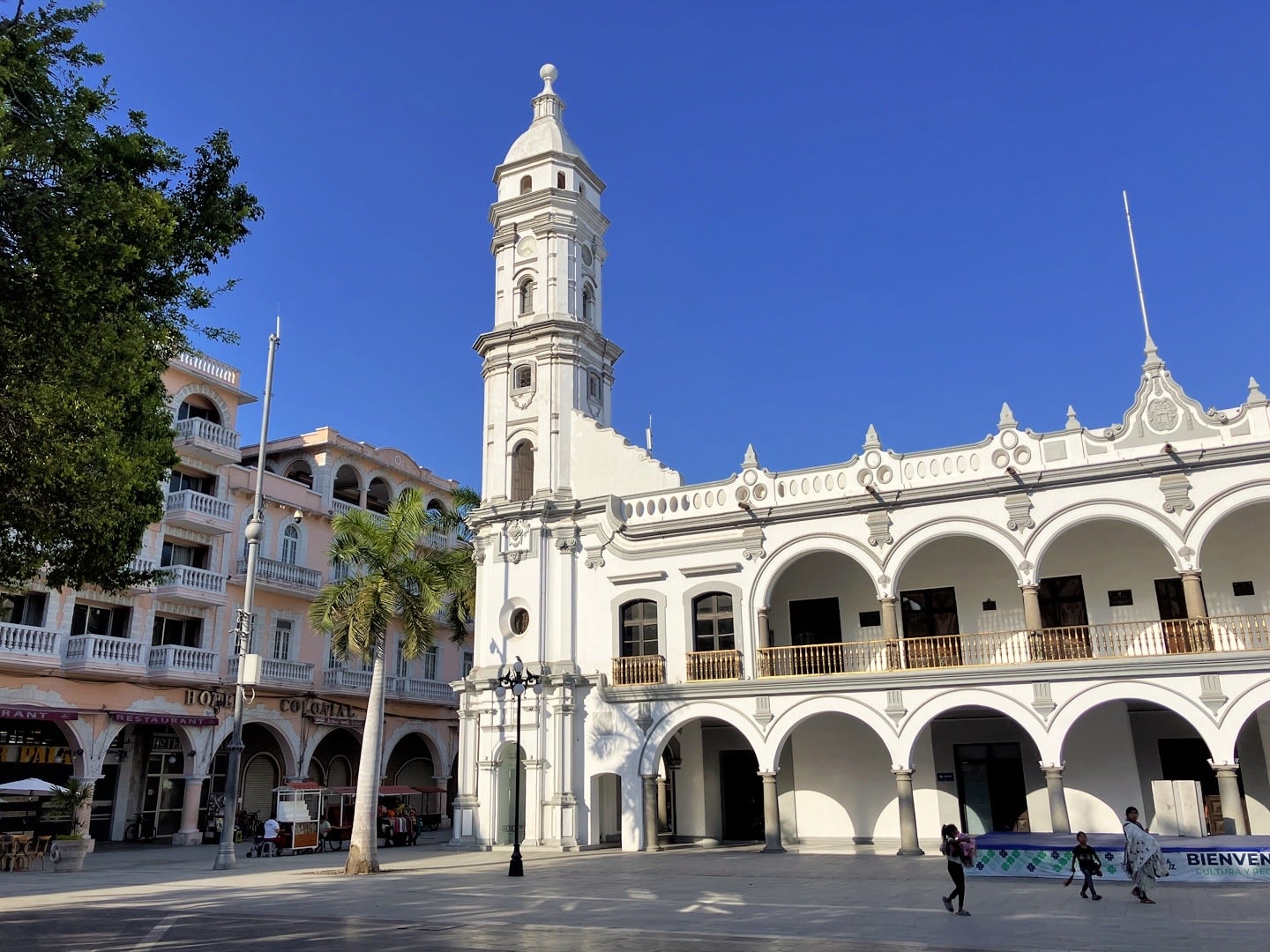
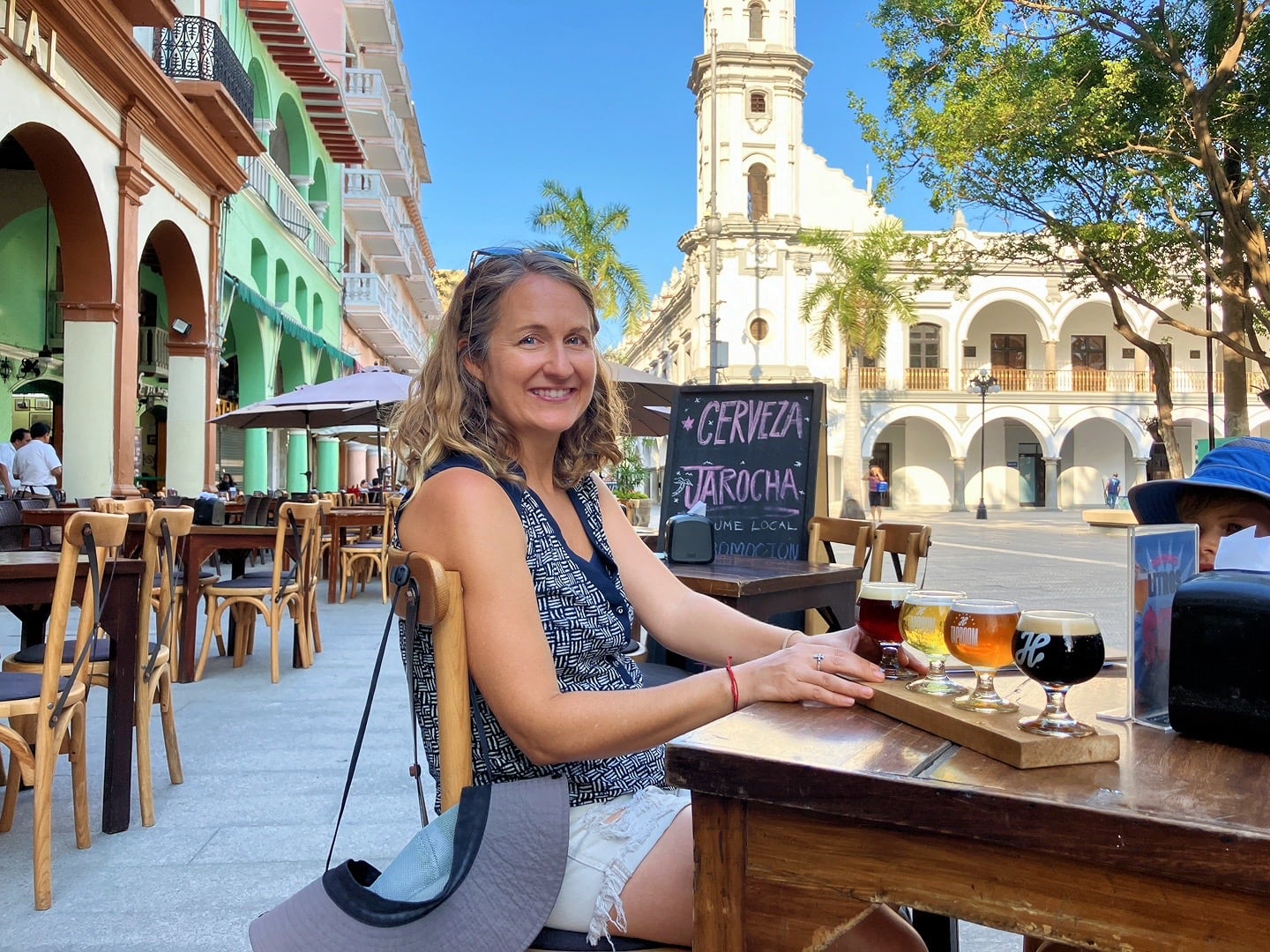
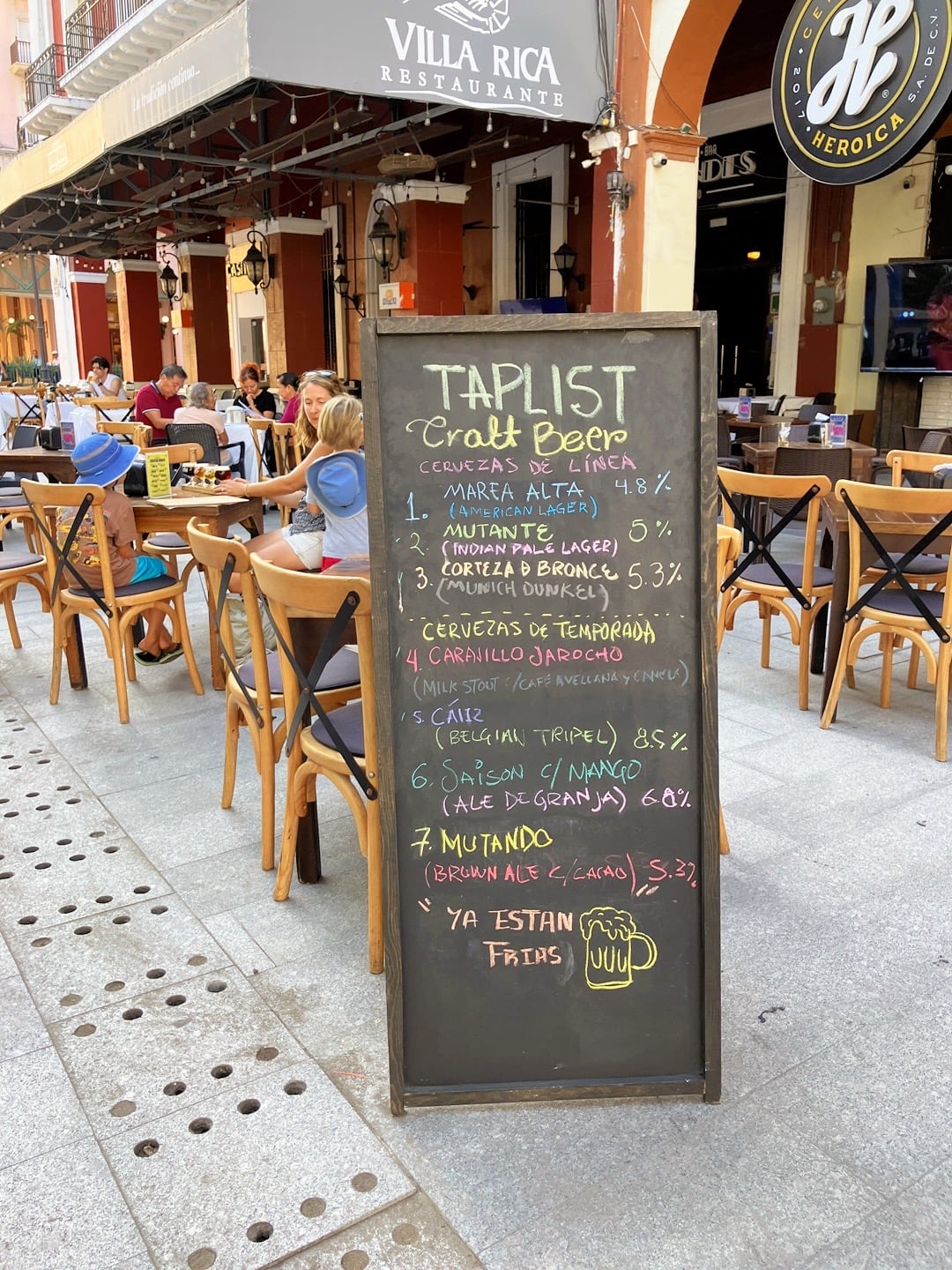
Back in the Zocalo, we headed to the brewpub there which quickly became our favorite in the city. The boys enjoyed watching soccer and music videos on the big screen behind us, while we sampled some of Veracruz’ finest.