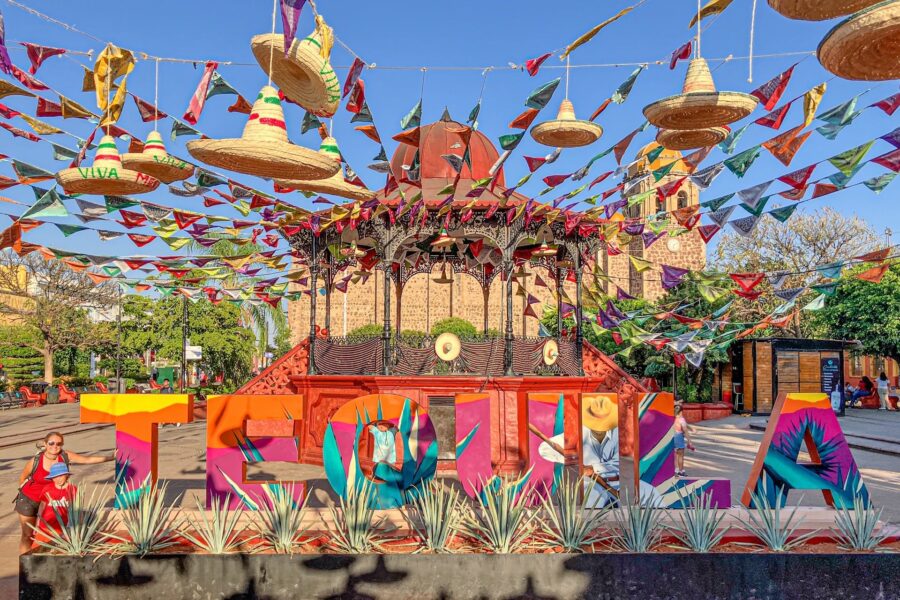
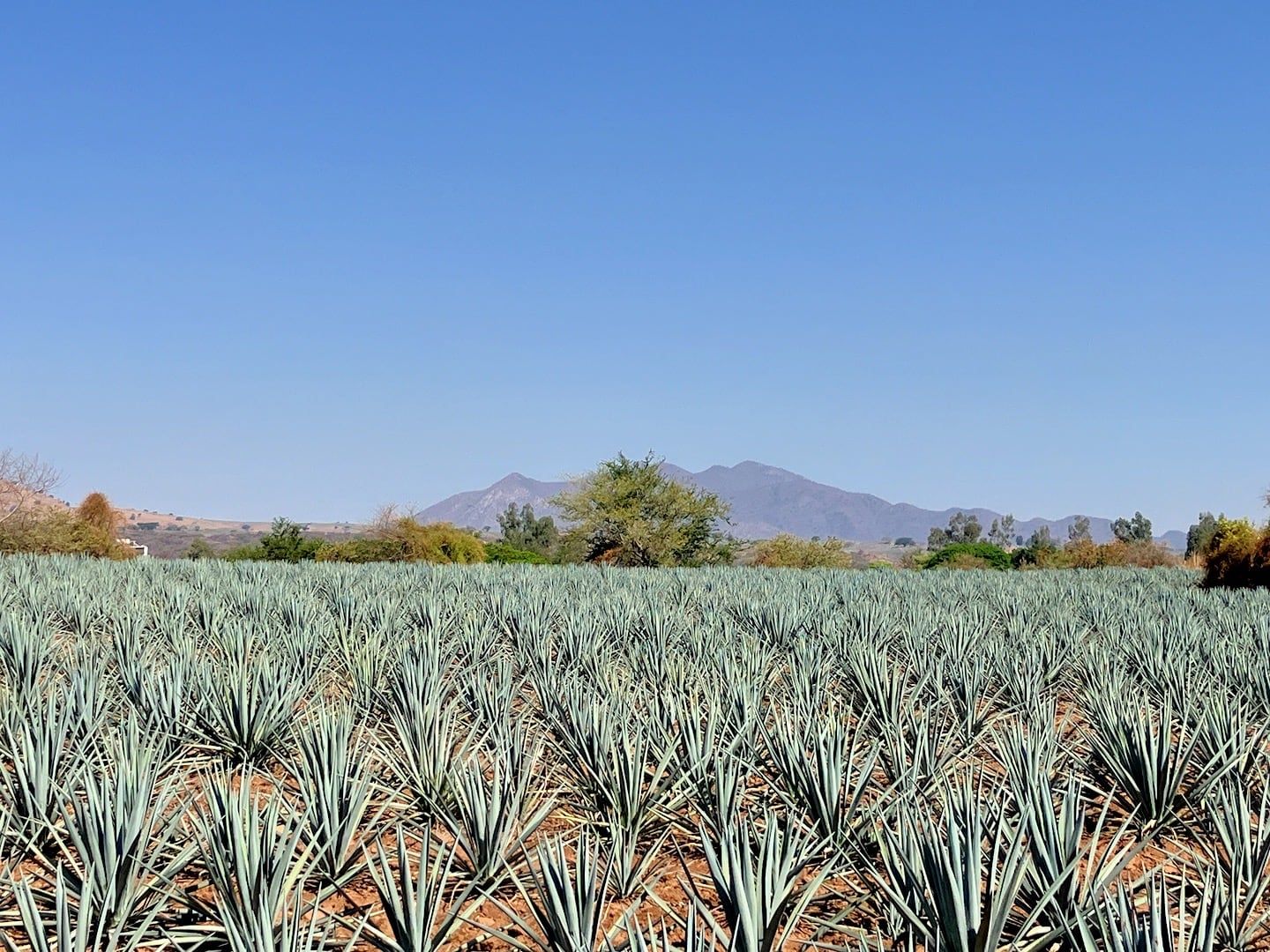
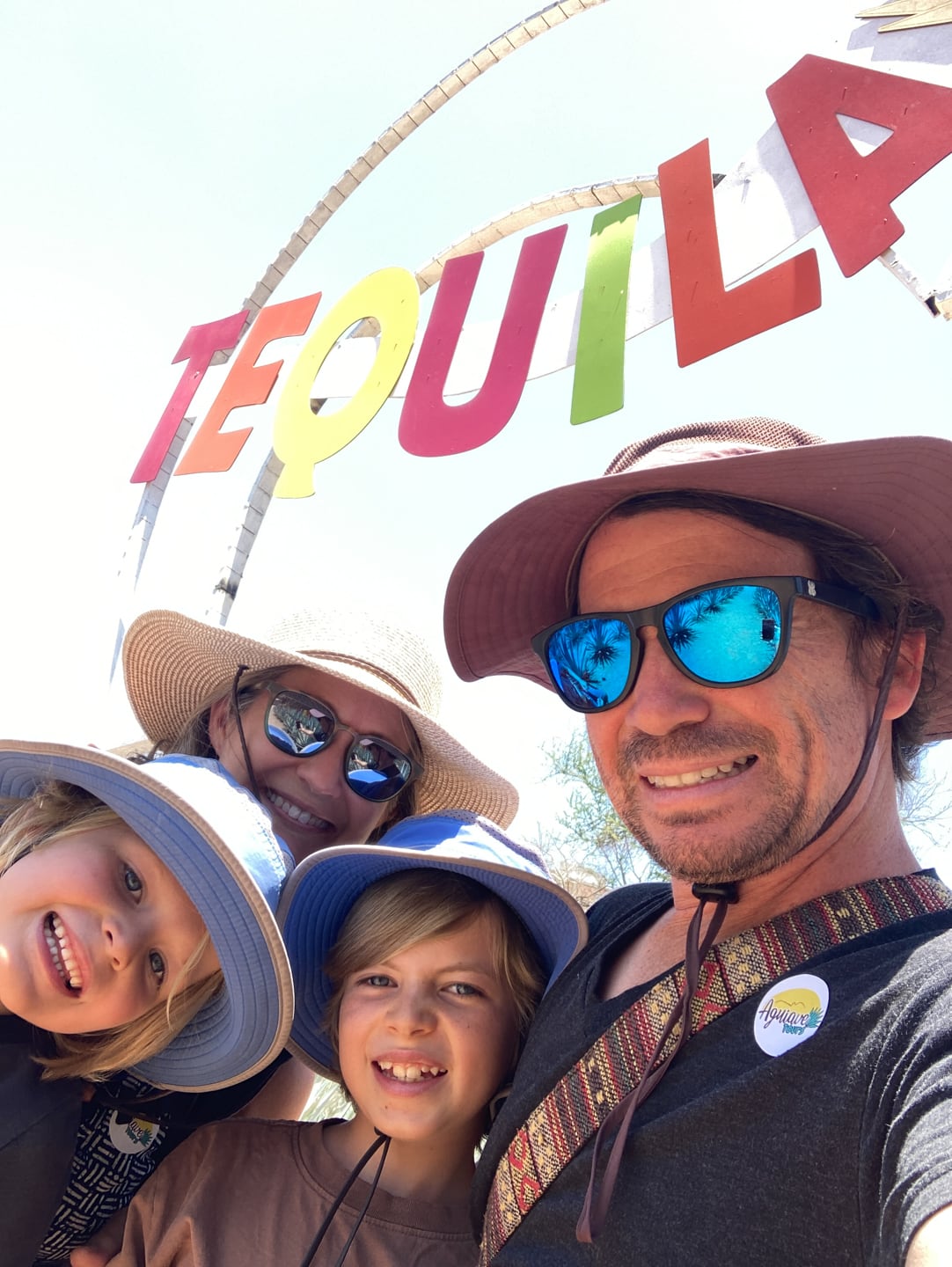
We awoke to a brilliant blue sky this morning here in Tequila, Jalisco, the birthplace of tequila. The weather’s been about as ideal as you can get lately, and we’re looking forward to a full day of exploration.
We’re parked at Casa Puntual Distillery for a couple of nights. It’s a family-run tequila producer that recently started to welcome overnight dry camping for around US$30 per night.
It’s a bit on the steep side as far as RV sites go in Mexico, but accommodation in Tequila is not cheap, and RV parks are non-existent.
Our Mexico-USA RV Journey 2024-25
But that rate also includes a tour of the farm and facilities (personally-led by Jose, the great-grandson of the founder), and the use of a large pool and facilities. More on Casa Puntual later.
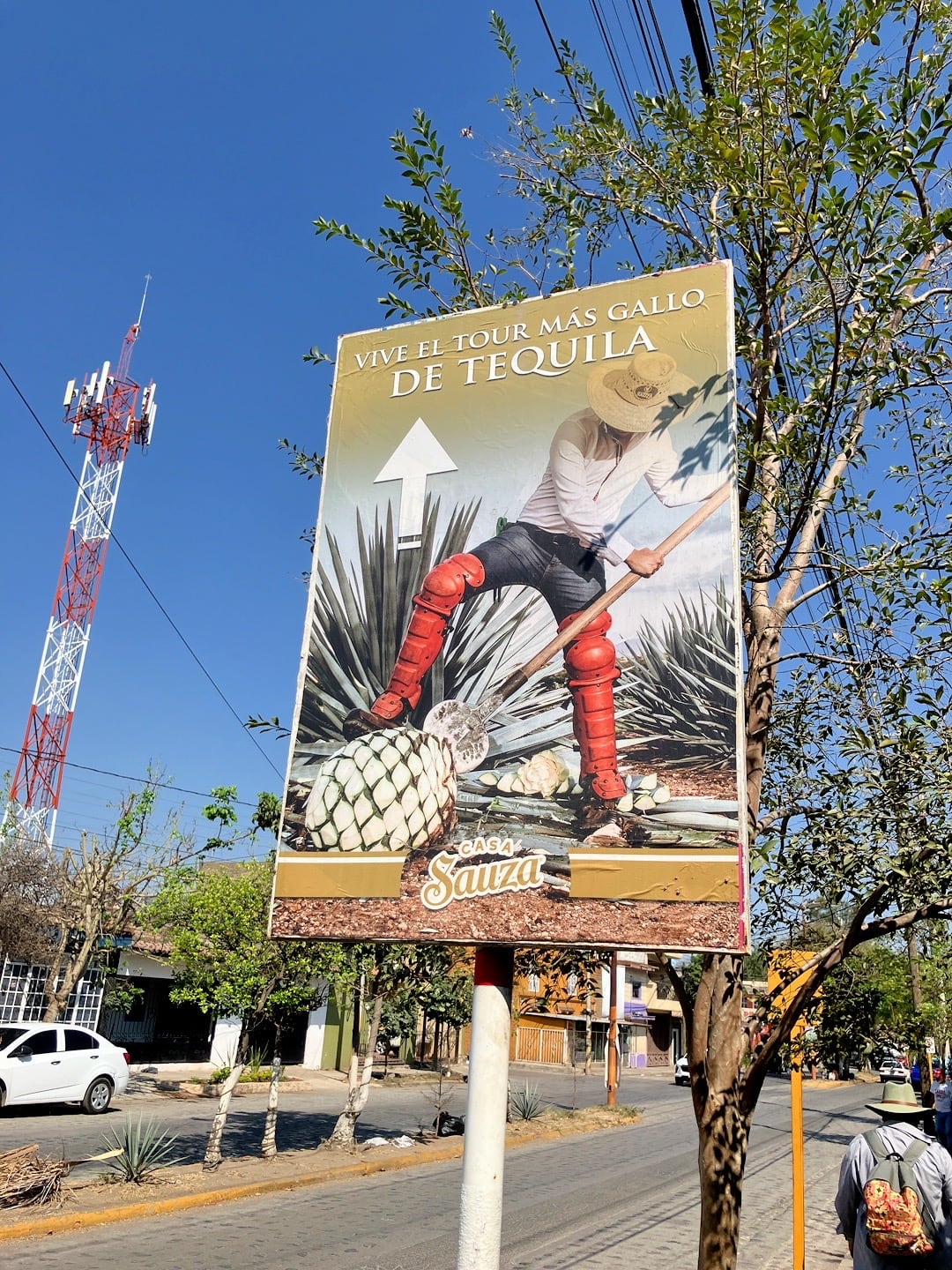
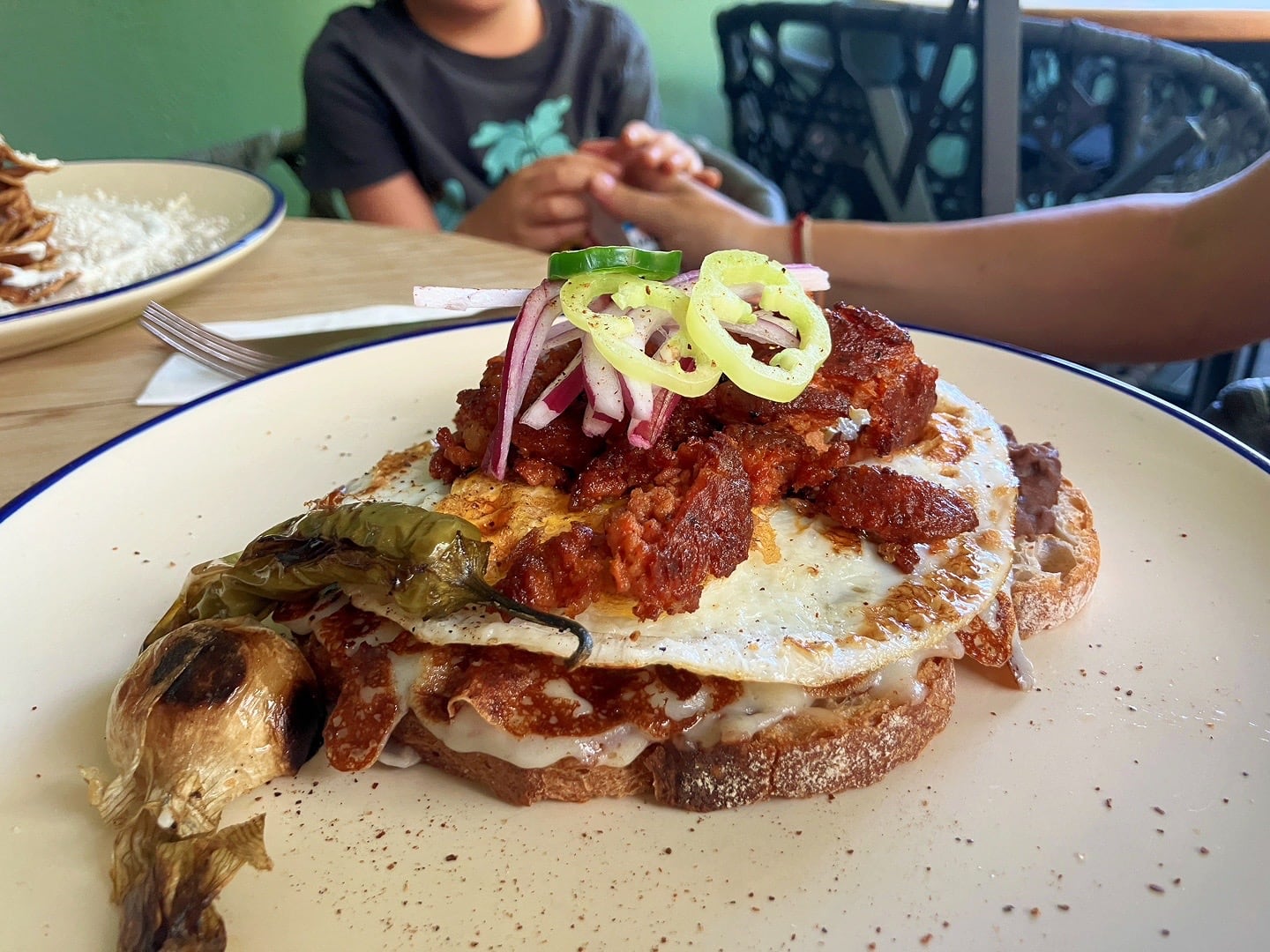
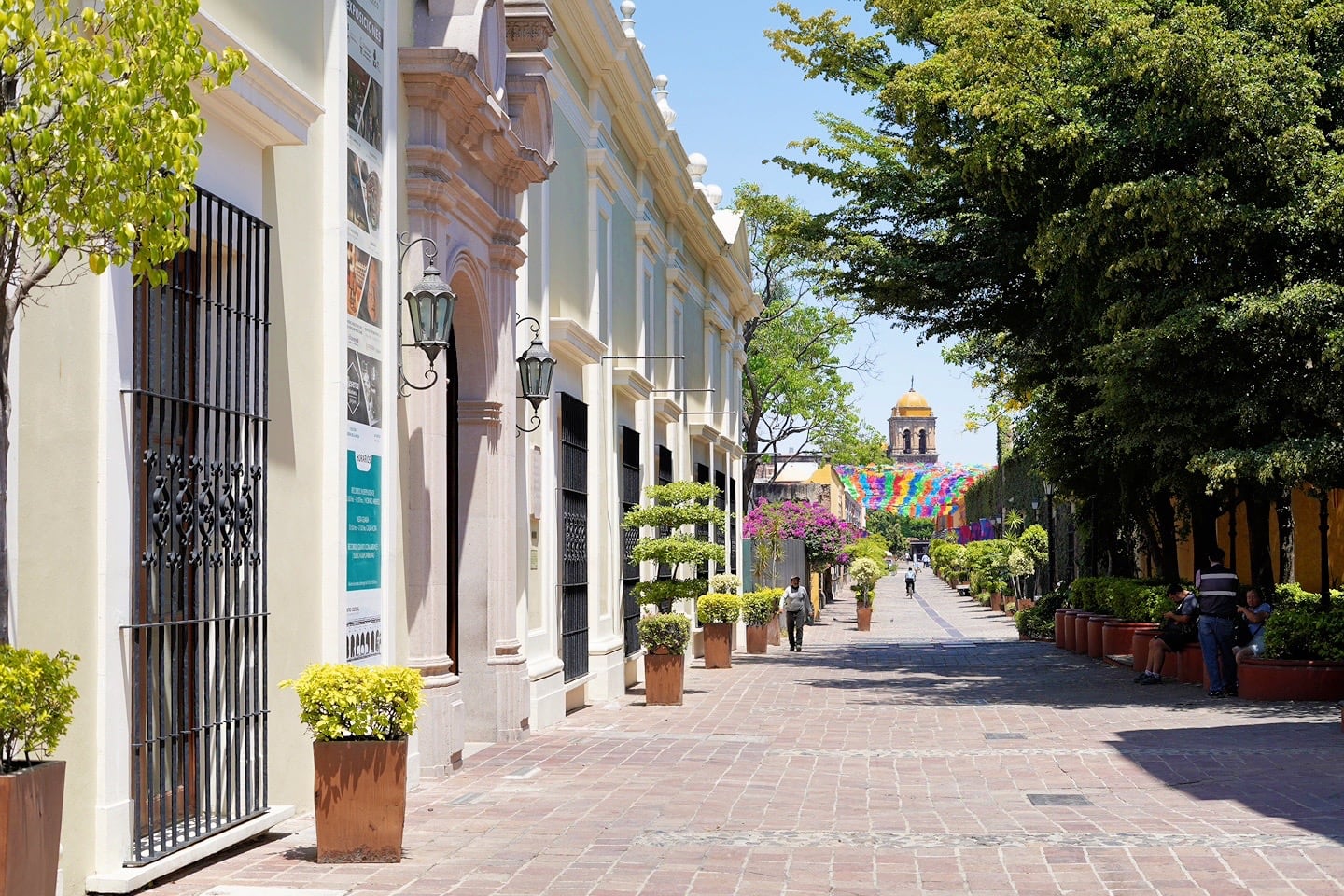
We made the long, but very pleasant walk into town, with a stop for brunch at Bienaugurio Cafe. Mains were reasonable, very filling, and very tasty.
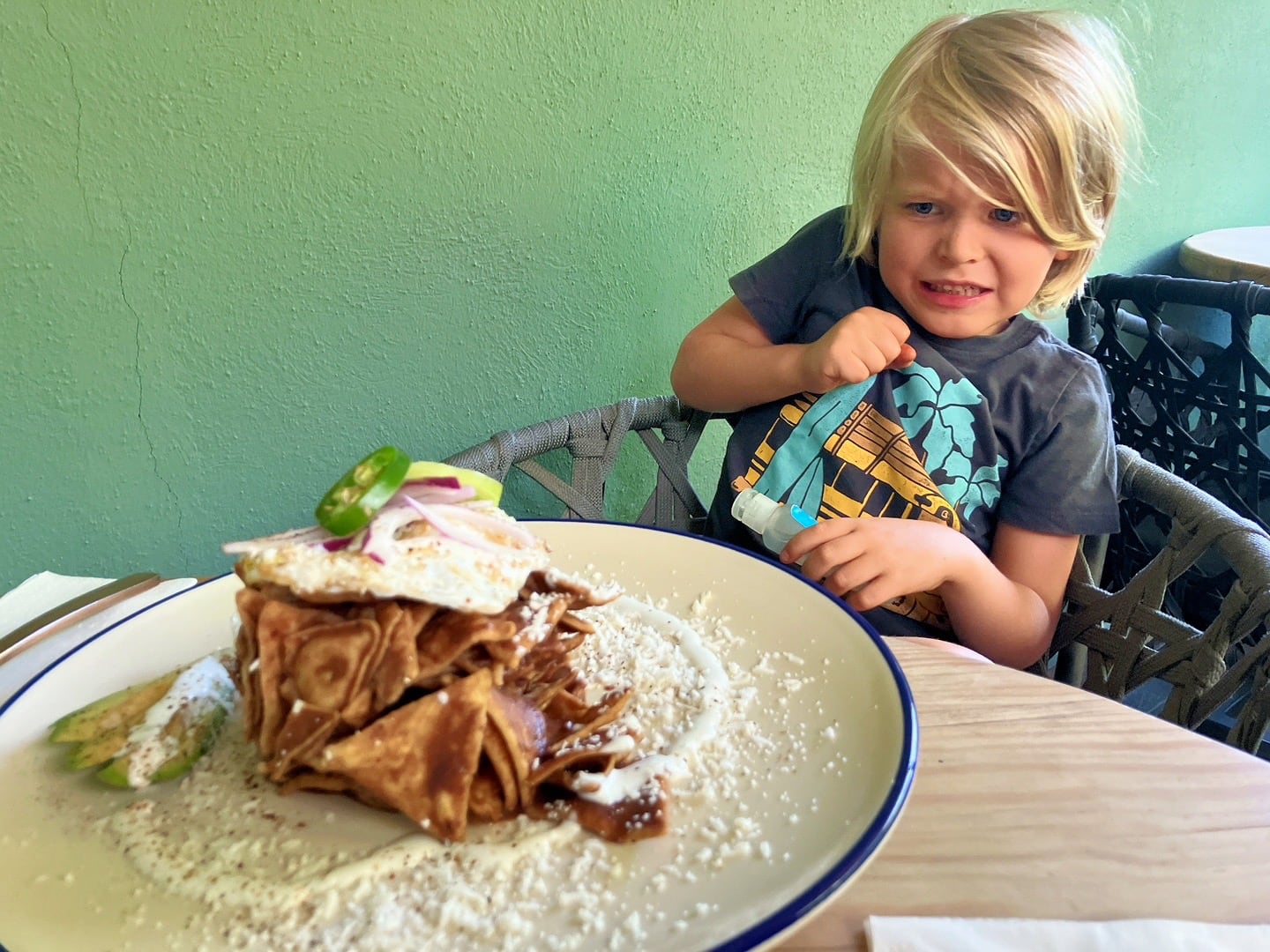
Riley generally has a healthy fear of chilaquiles. Muy picante.
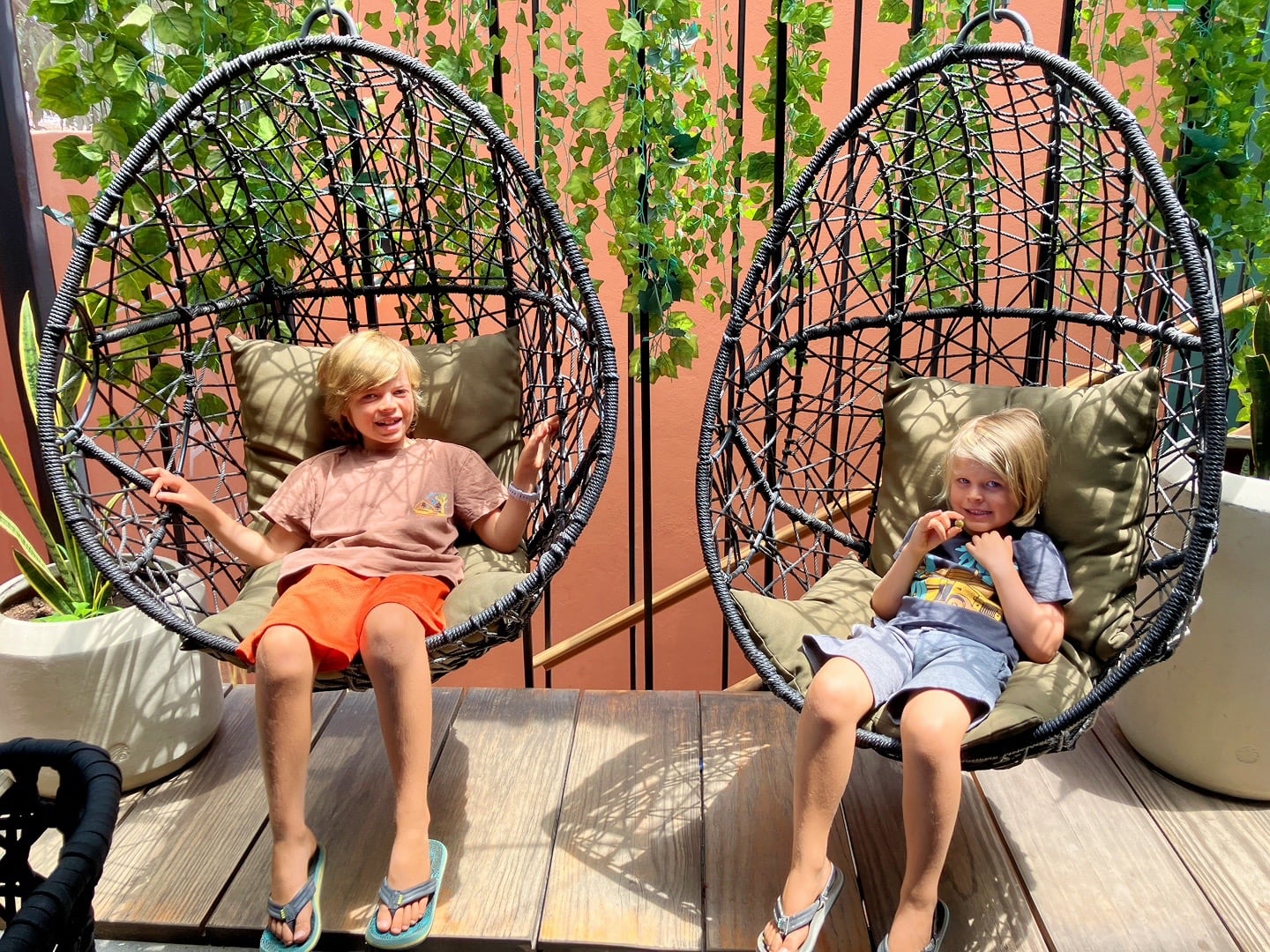
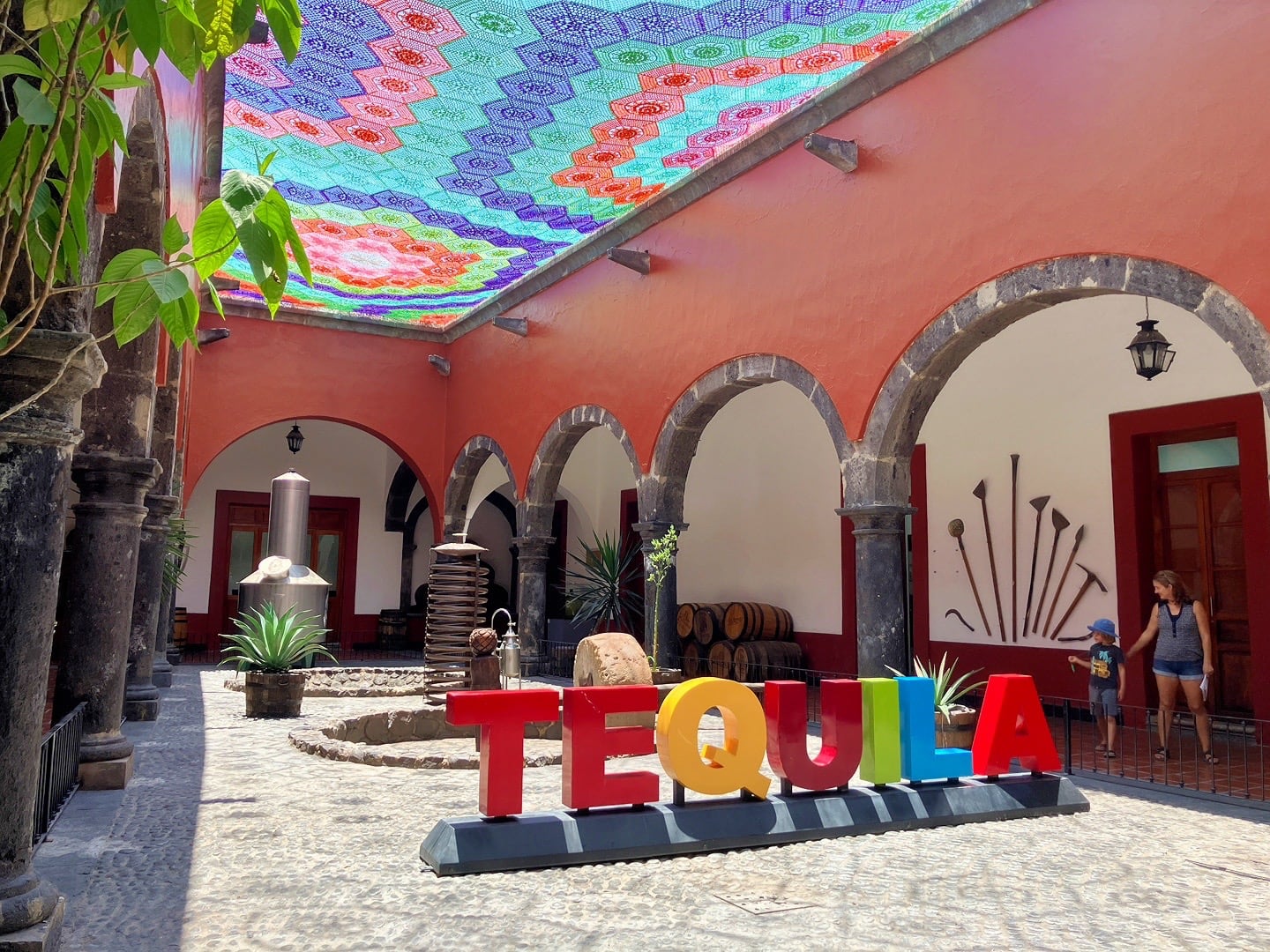
After brunch, it was into the Centro to learn all about the process of making tequila.
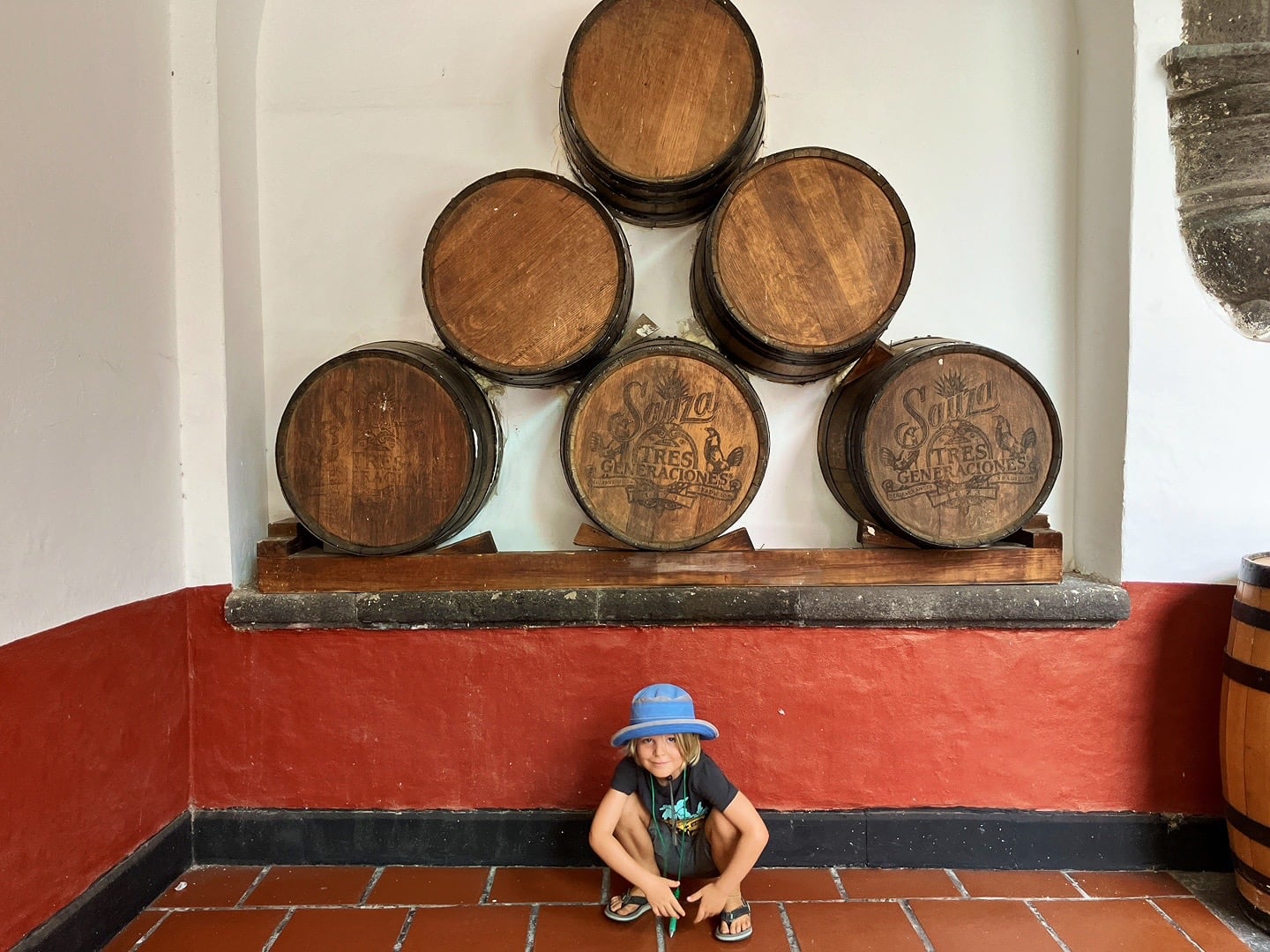
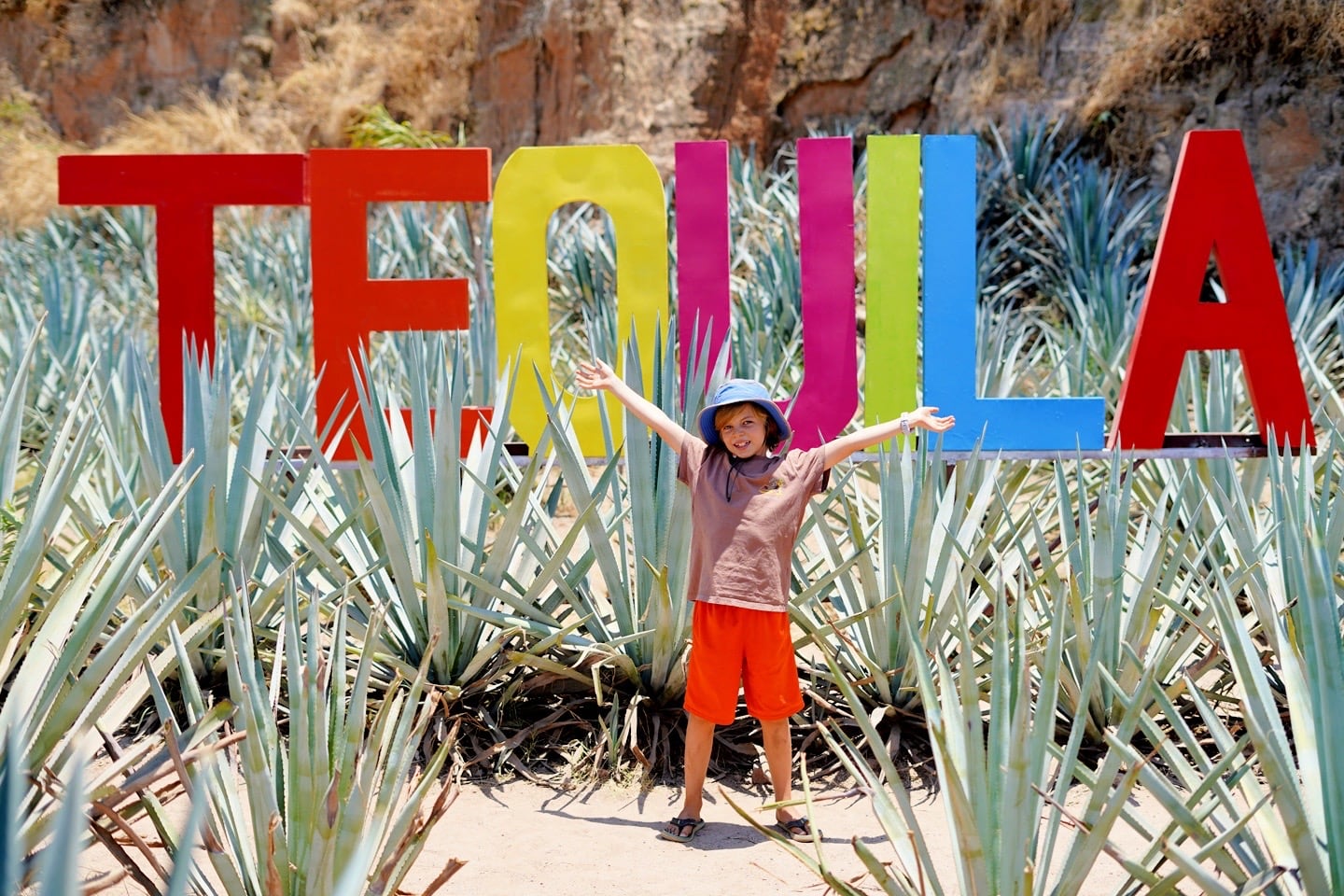
Of course, Noe and Riley aren’t old enough to sample the final product. But the process, history, and cultural significance of tequila all made for a fun and interesting road school day.
The boys had lots to journal about.
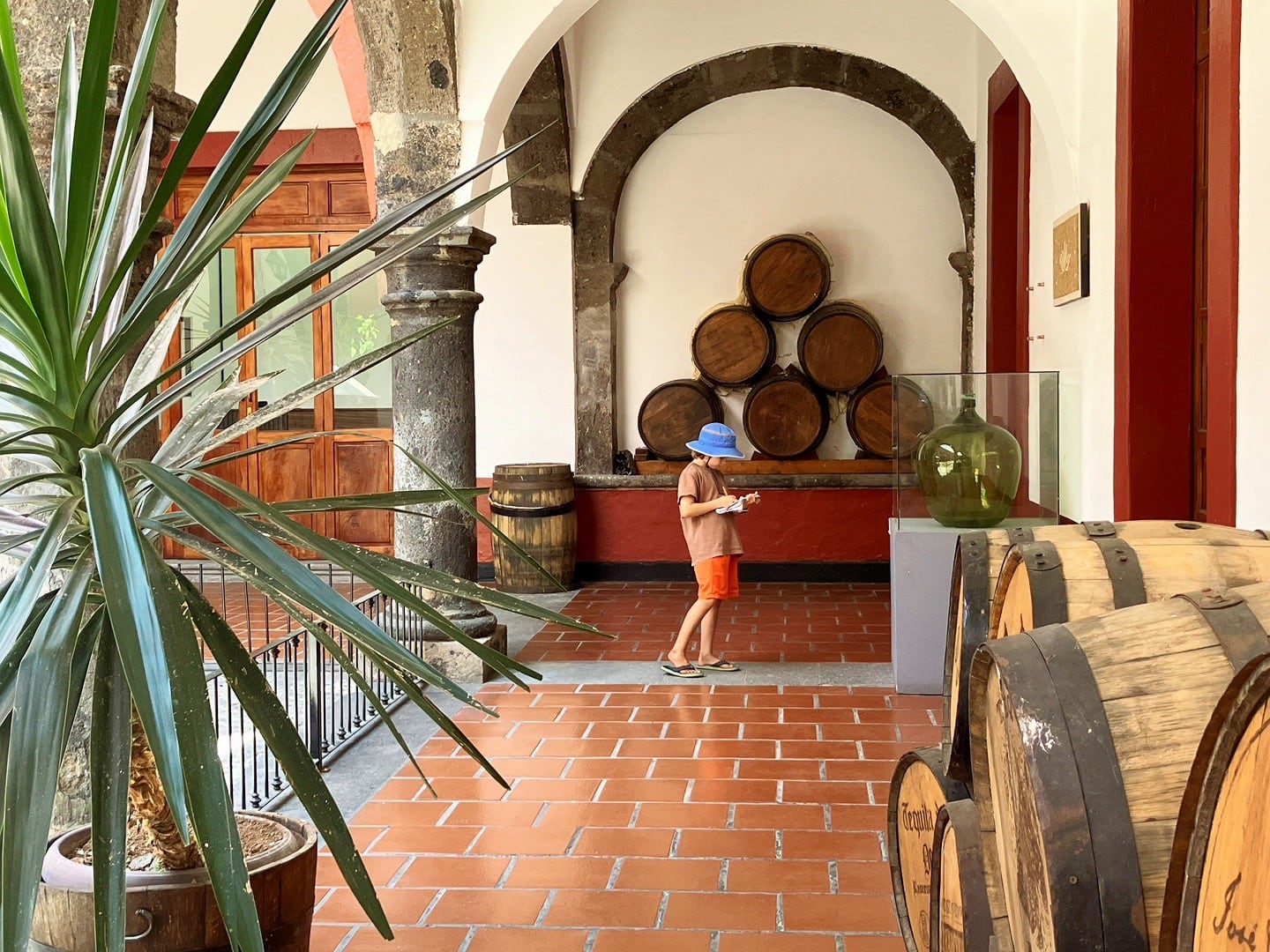
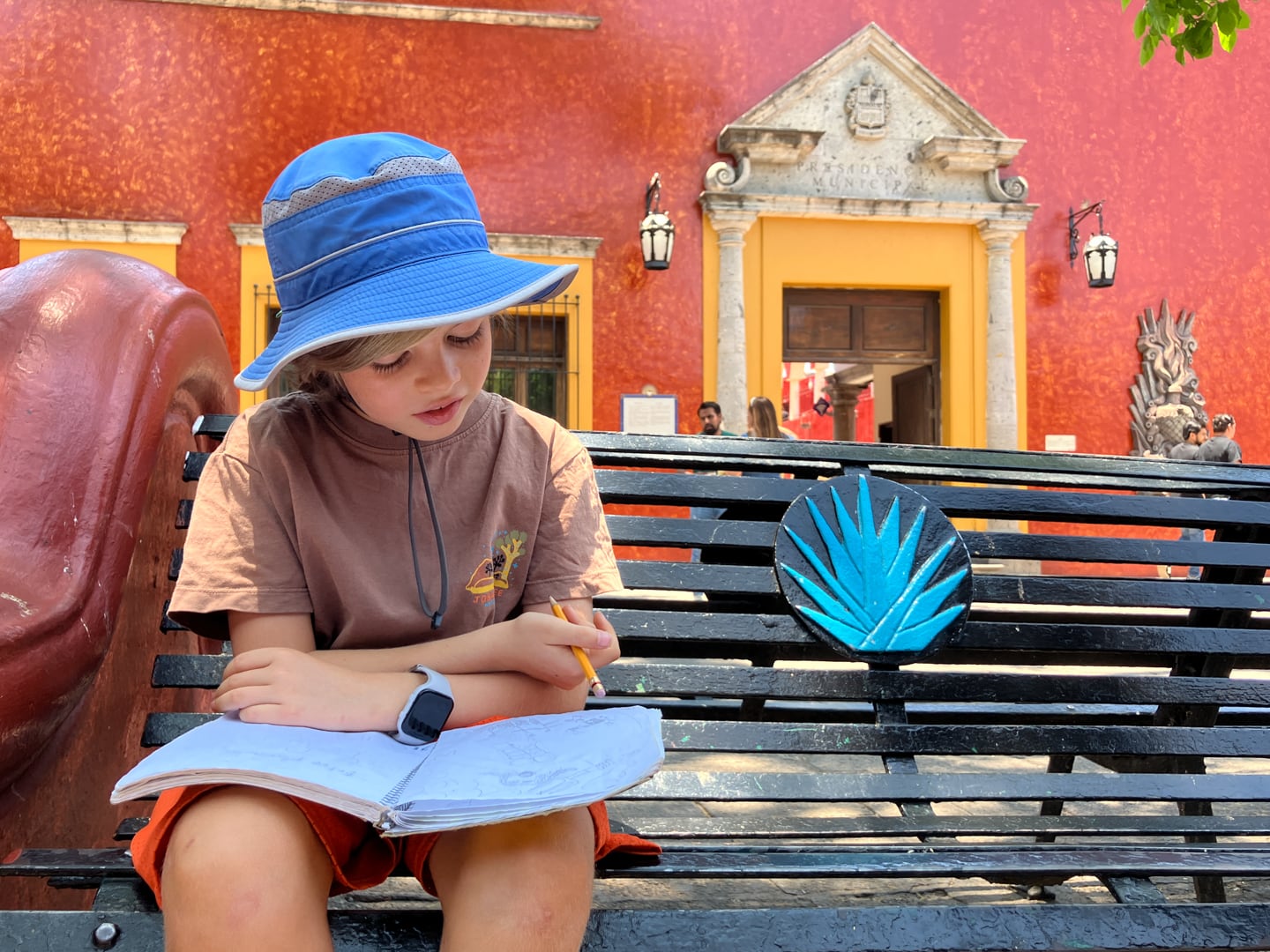
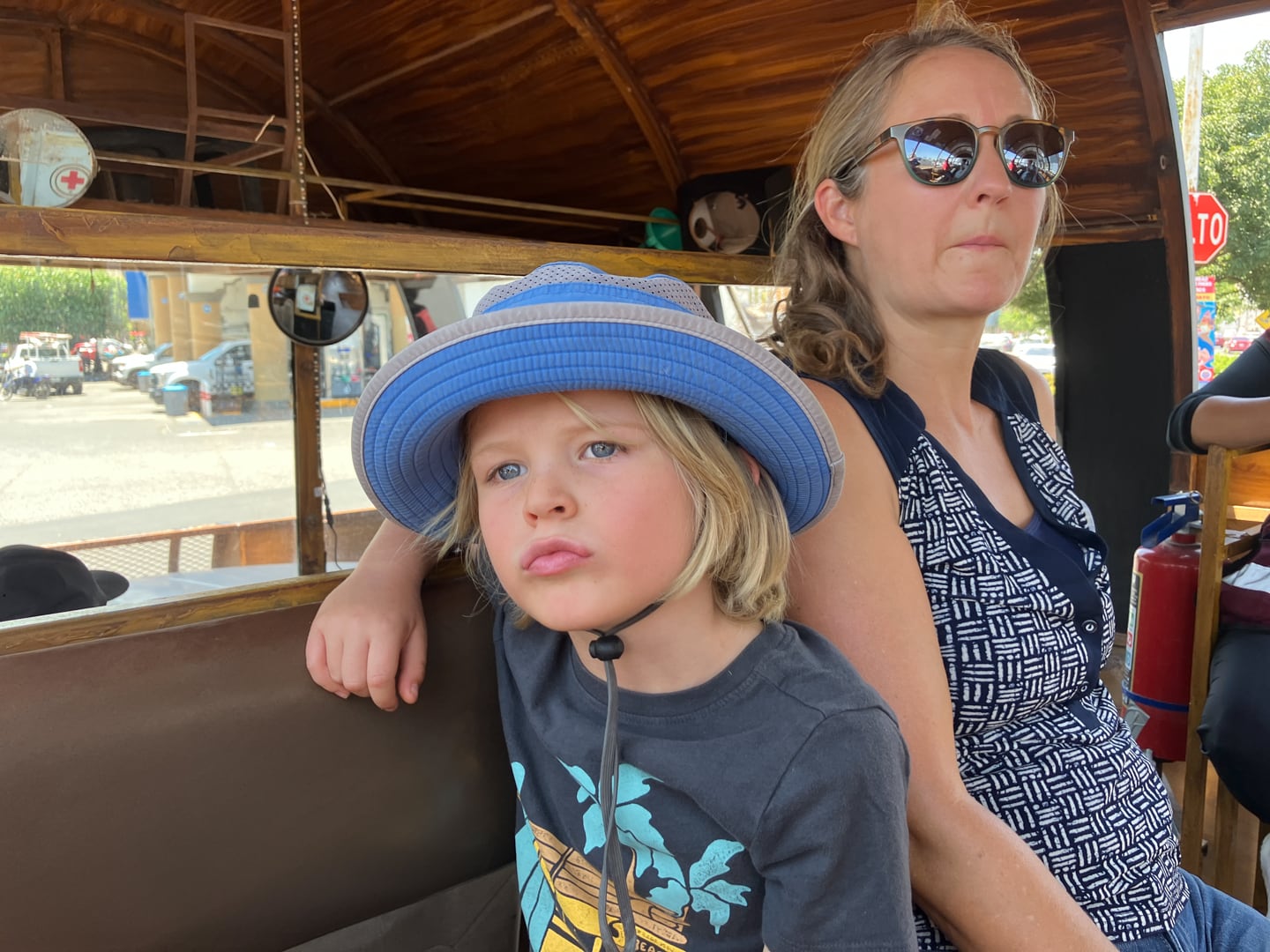
To get the full experience, we hopped on one of the town’s distinctive tequila barrel bus tours for a lap around one of Mexico’s most famous Pueblos Magicos.

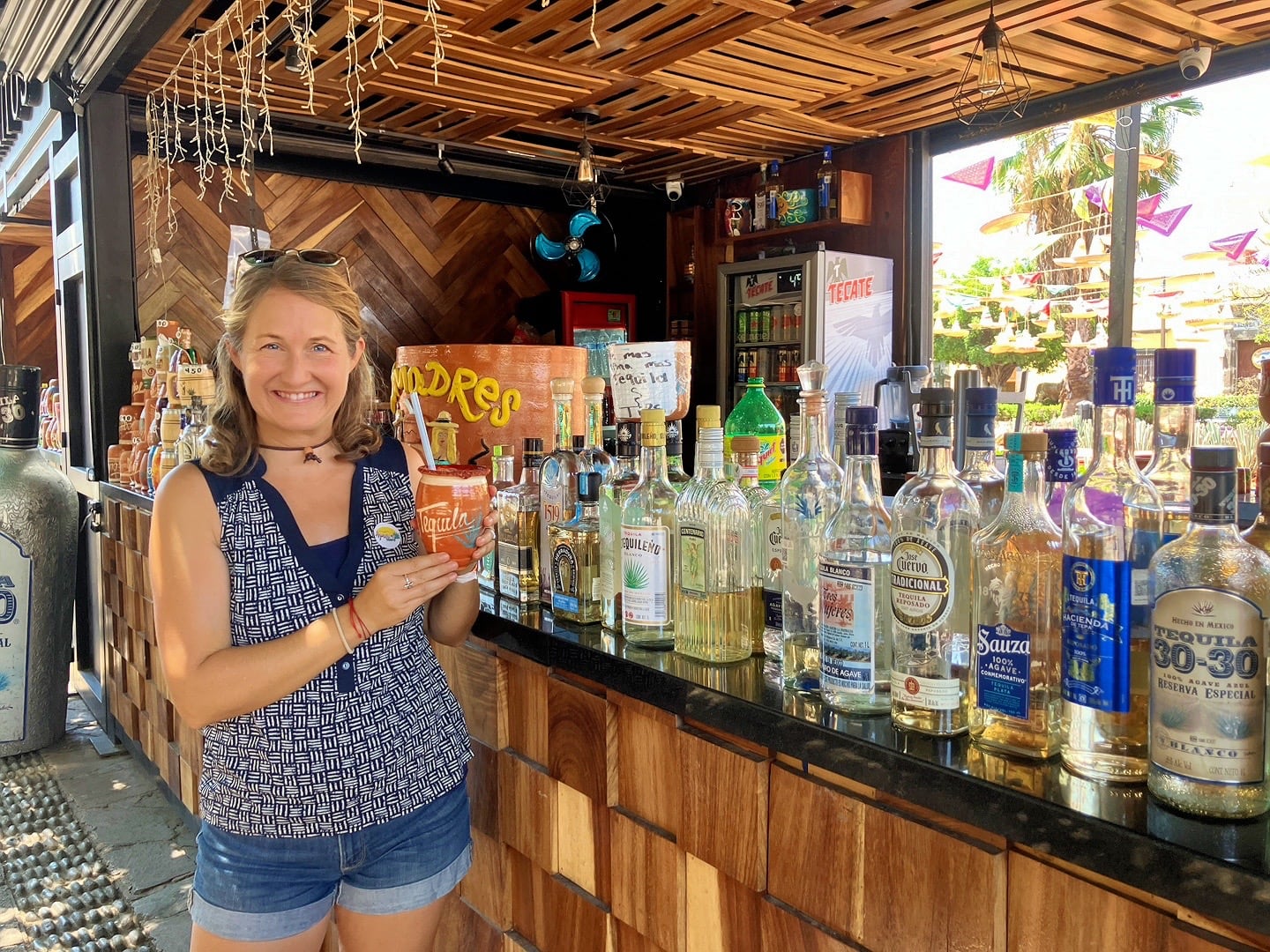
A visit to tequila wouldn’t be complete without trying a Cantarito (a traditional Mexican tequila cocktail in a clay cup that you usually get to keep).
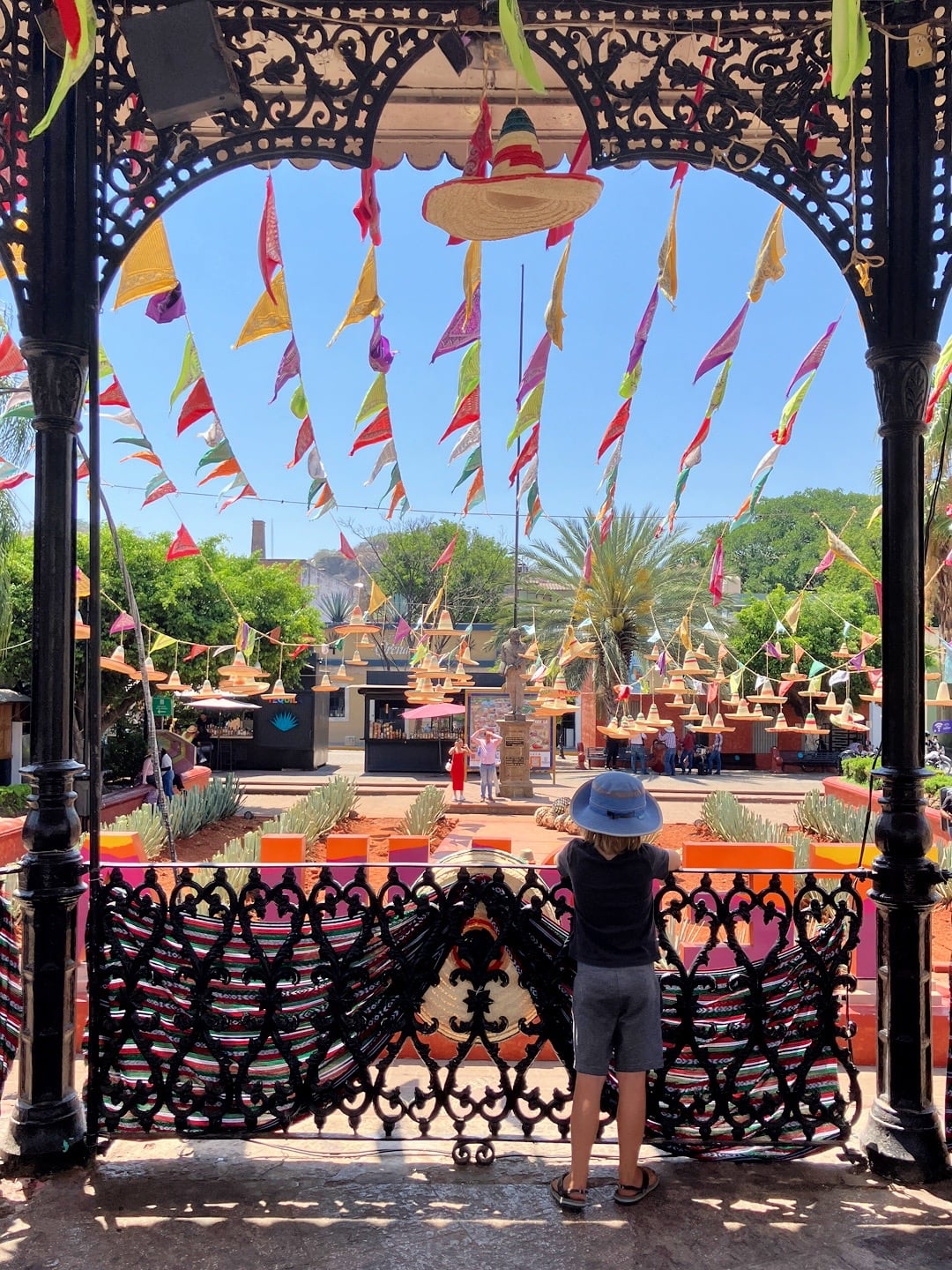
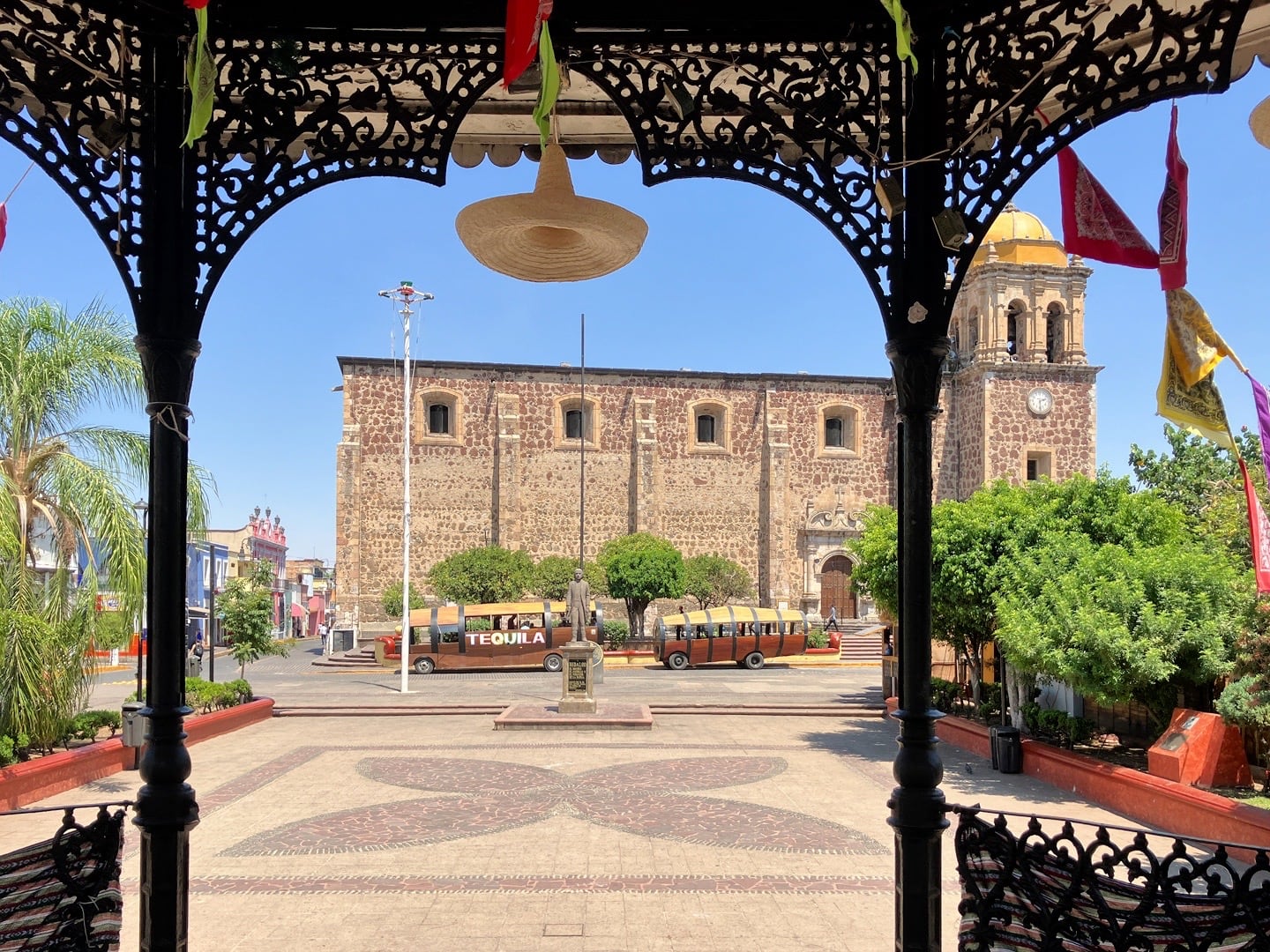
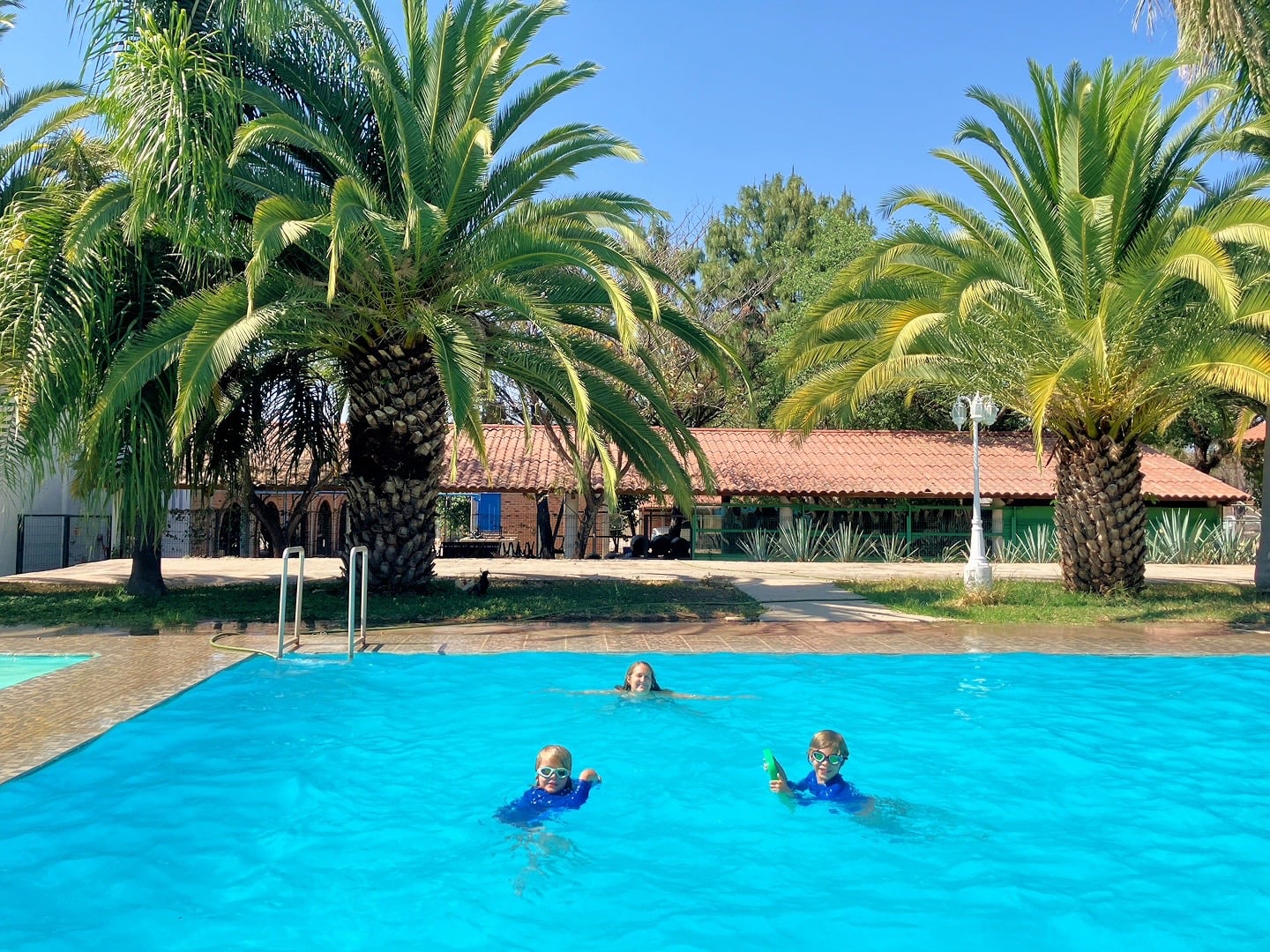
After a big morning of exploration around town, we spent the afternoon cooling off and splashing around in the pool back at Casa Puntual.
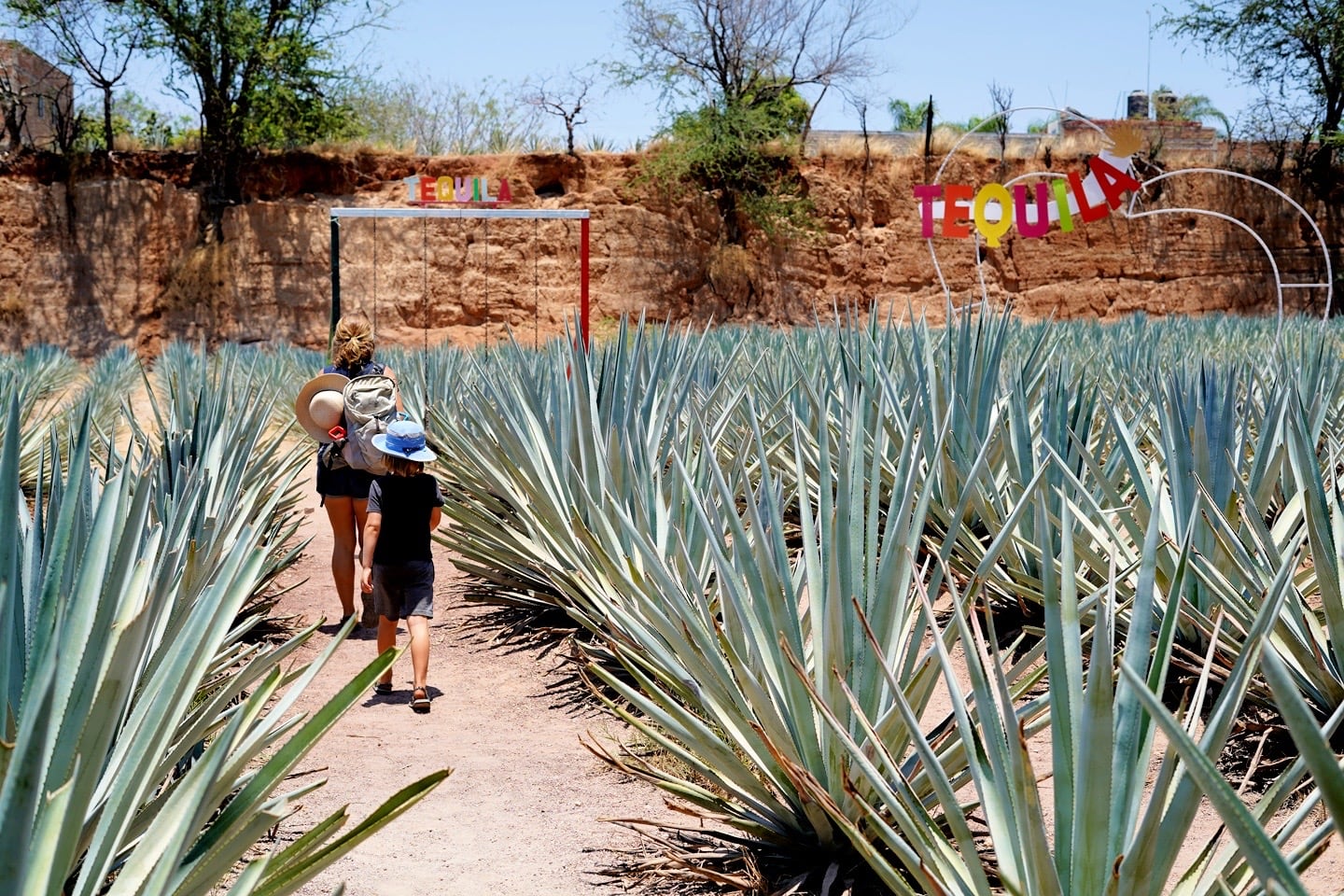
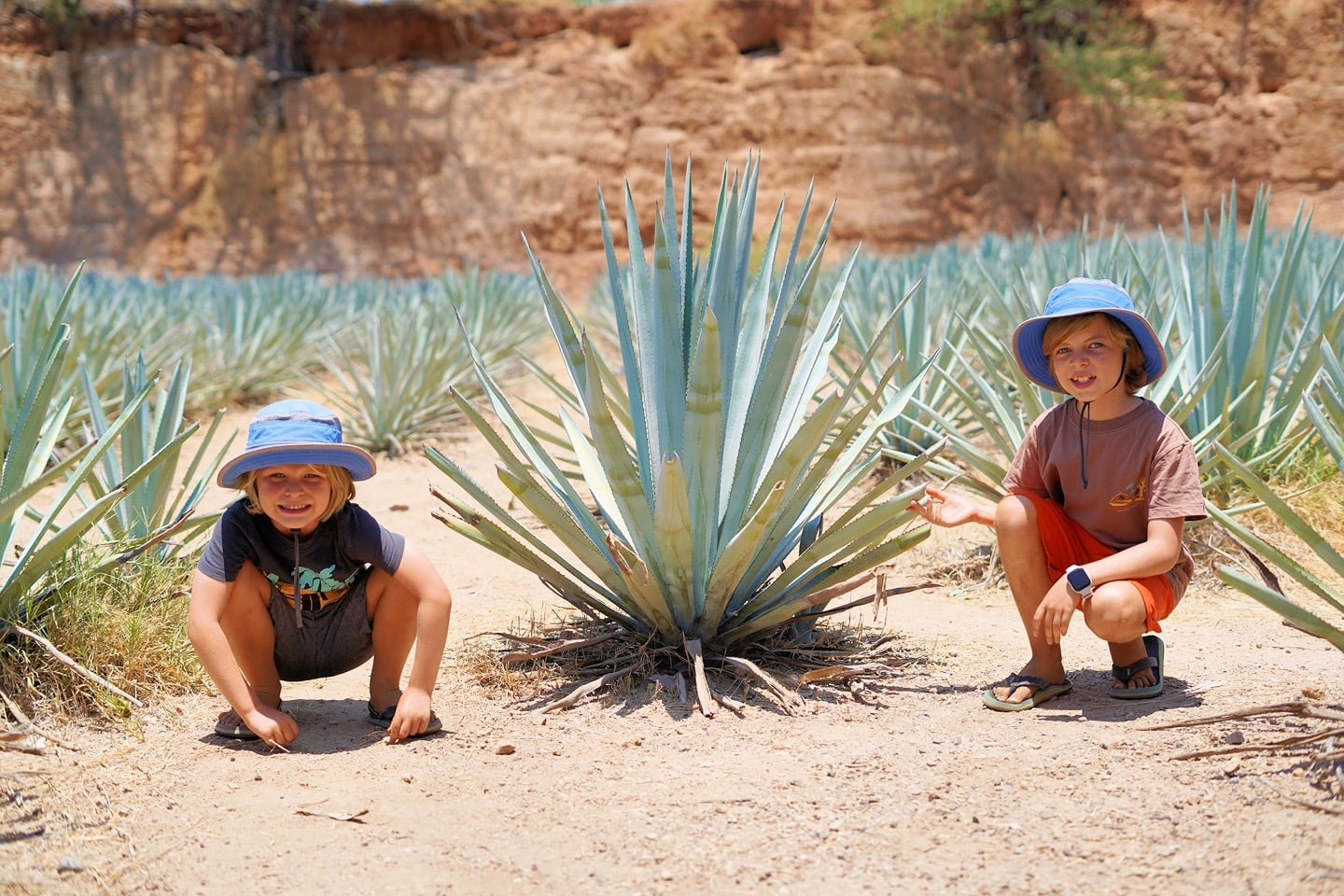
After the heat of the day, we joined Jose on the grand tour of the grounds. First, a walk through the blue agave fields that his family has been growing for over 105 years.
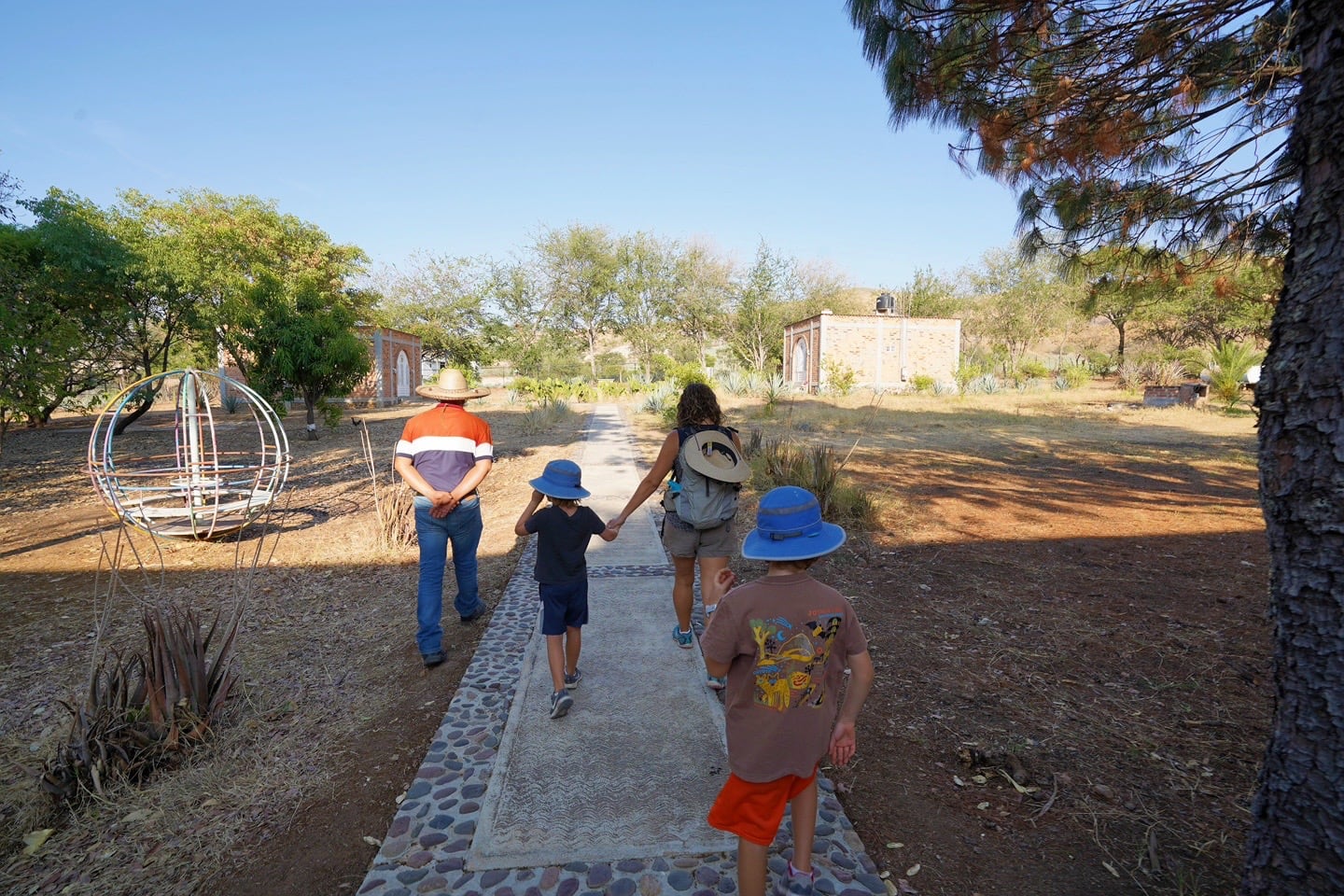
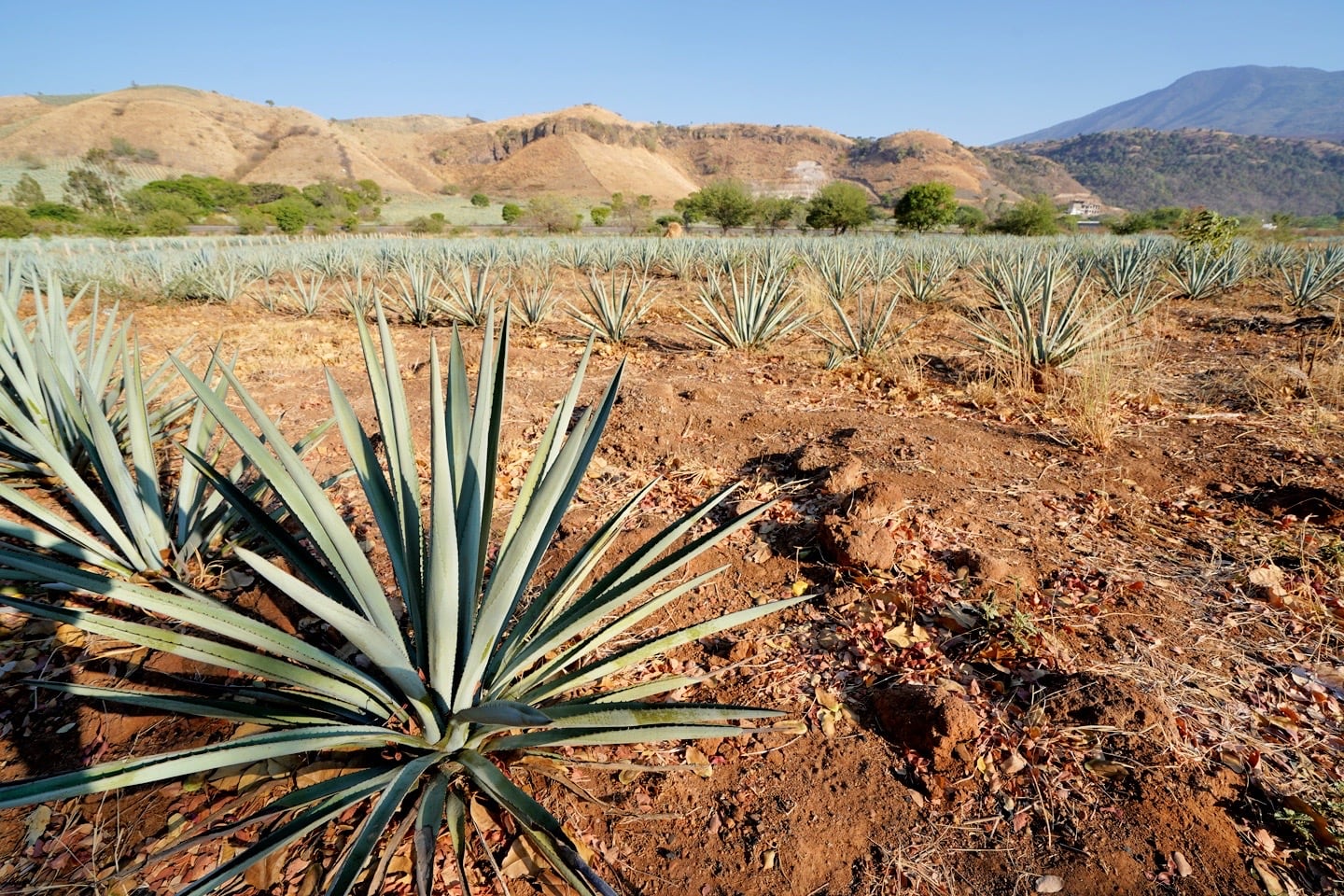
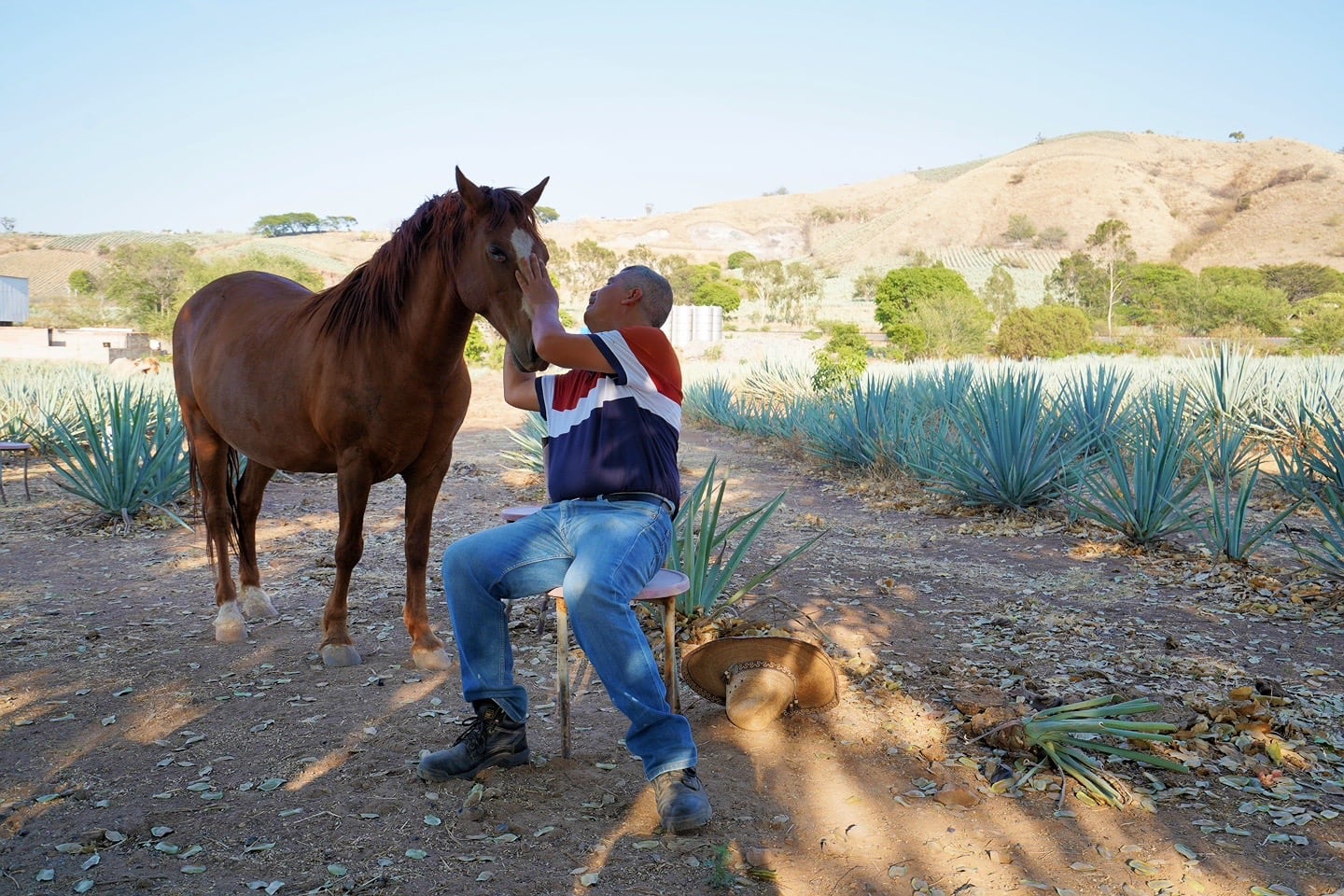
While most farms in the area are turning to mechanization and chemical fertilizers, Jose’s family prides themselves on continuing to use traditional methods. The fields double as horse and livestock pasture, and the resulting manure is the only source of fertilizer used here.
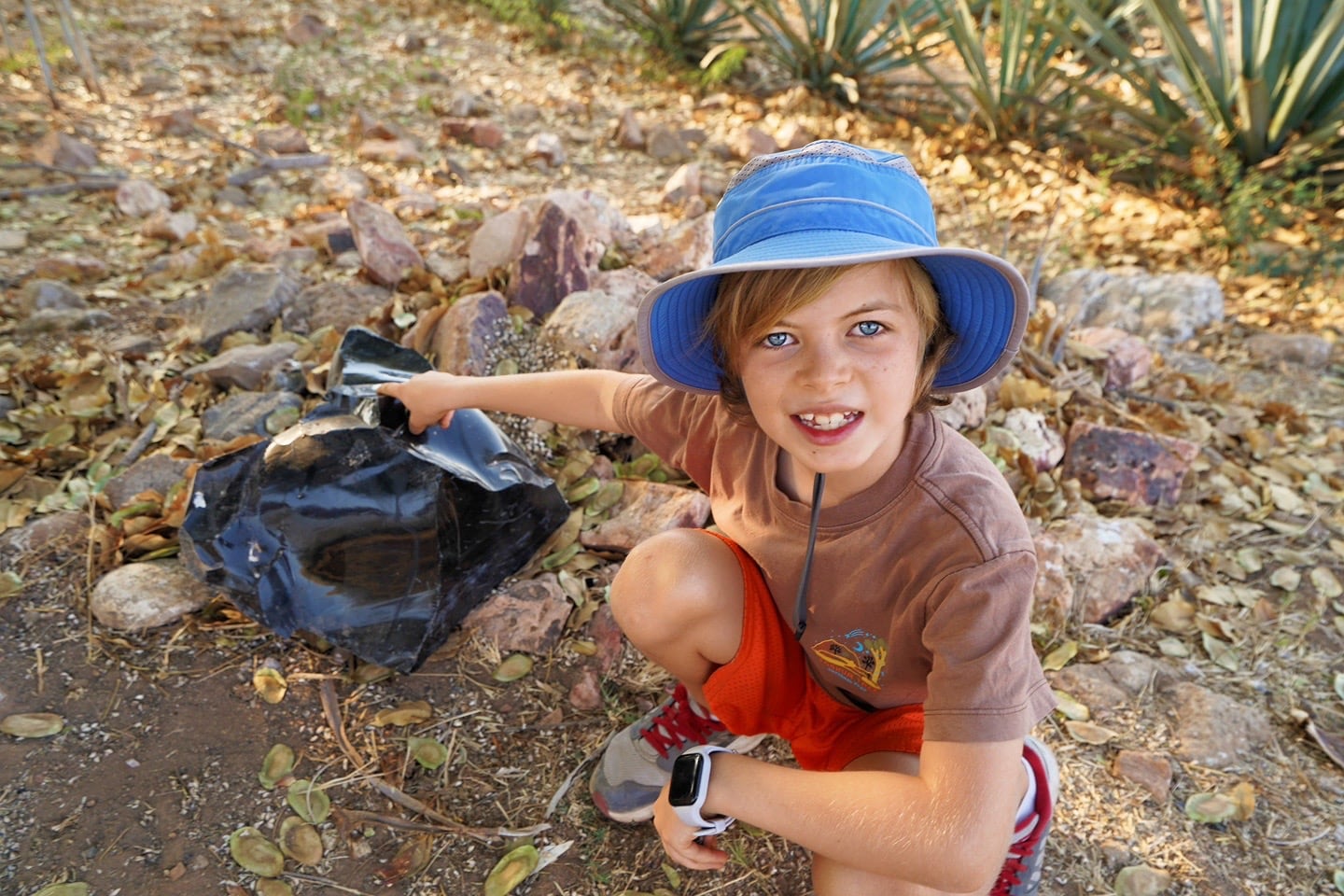
The word “tequila” comes from the indigenous word for obsidian. It’s everywhere here, and huge chunks like this are not uncommon.
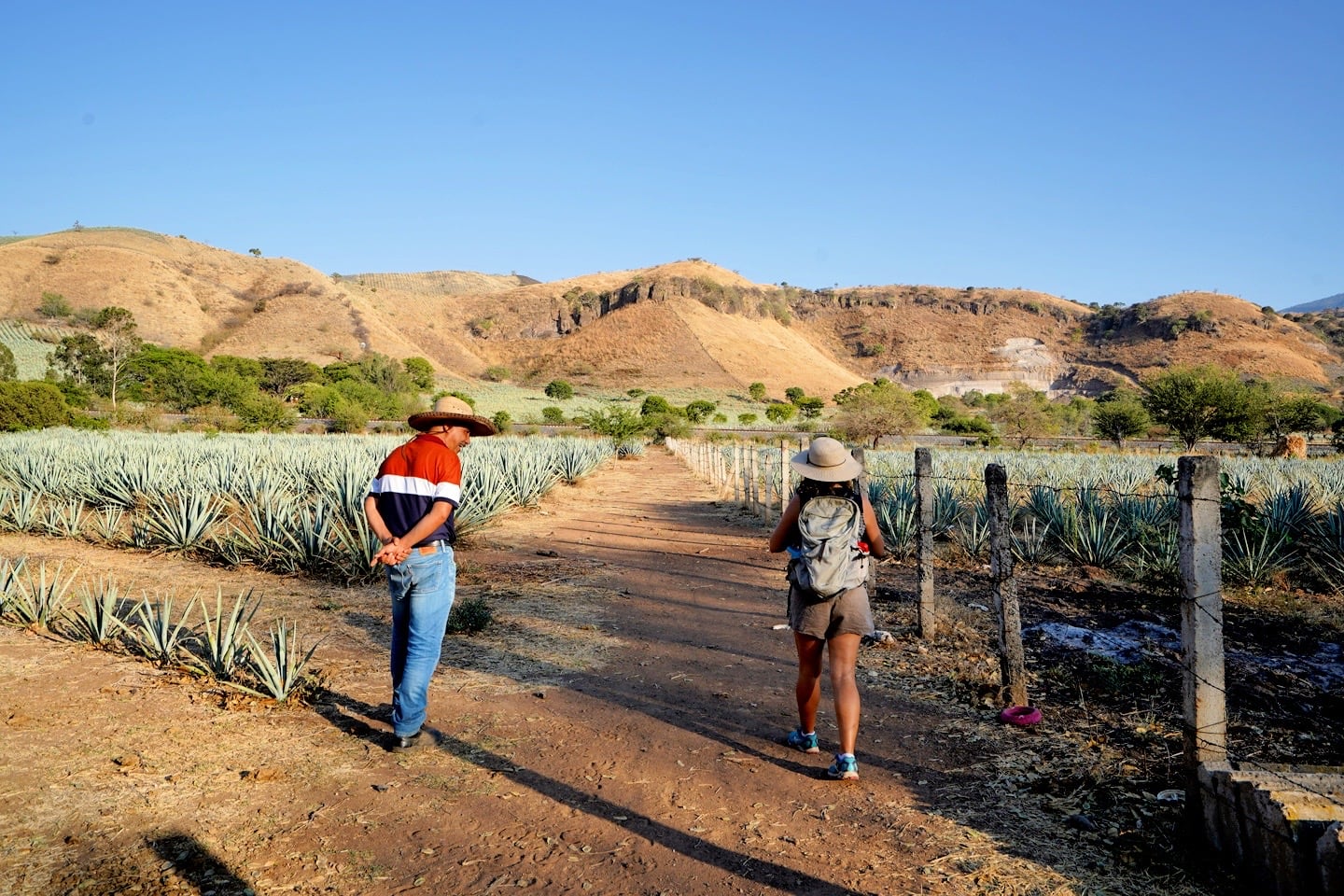
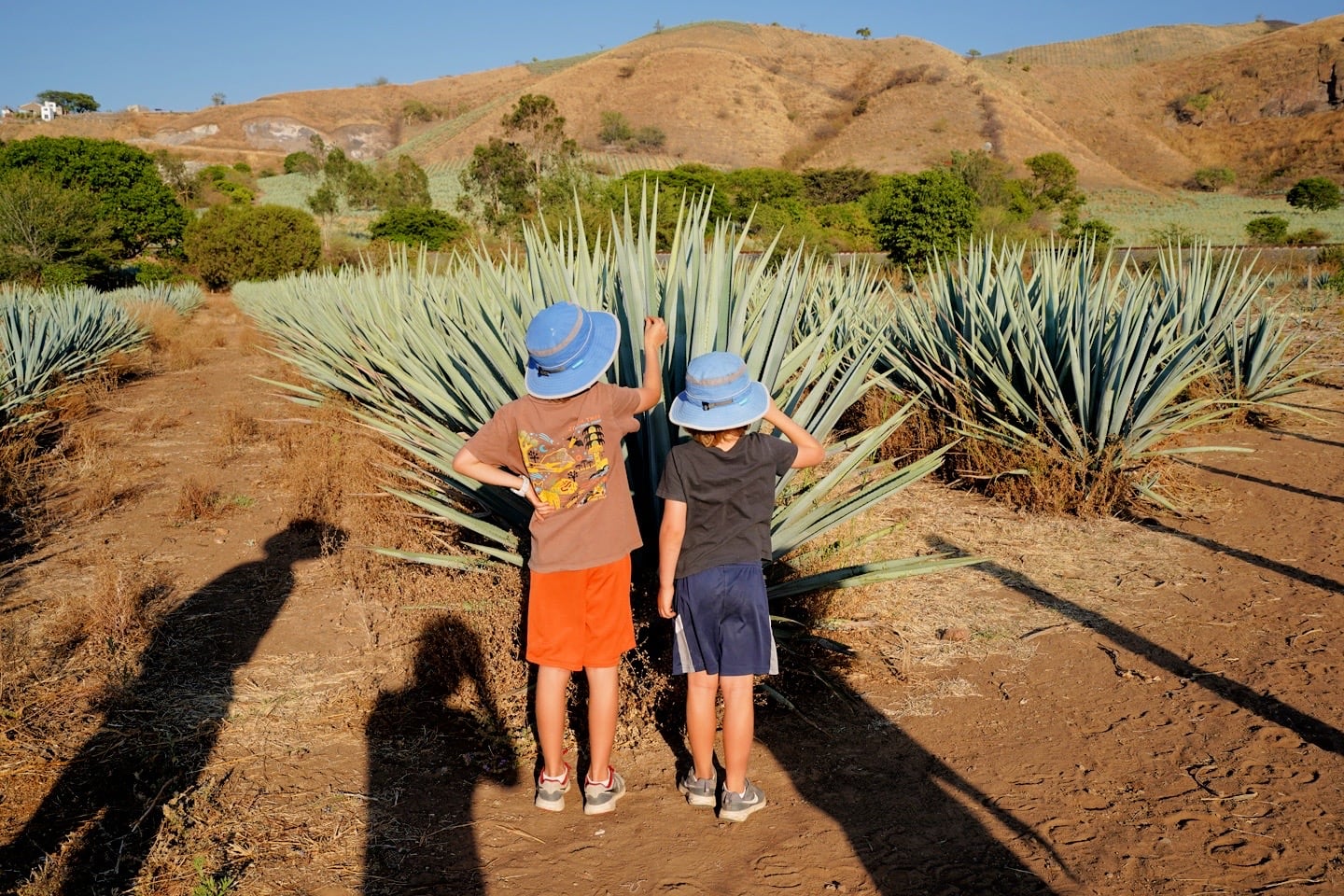
The blue agave on this farm typically takes nine years to reach maturation. On other farms using artificial pesticides and fertilizers it takes seven. Mature plants tower over Noe and Riley.
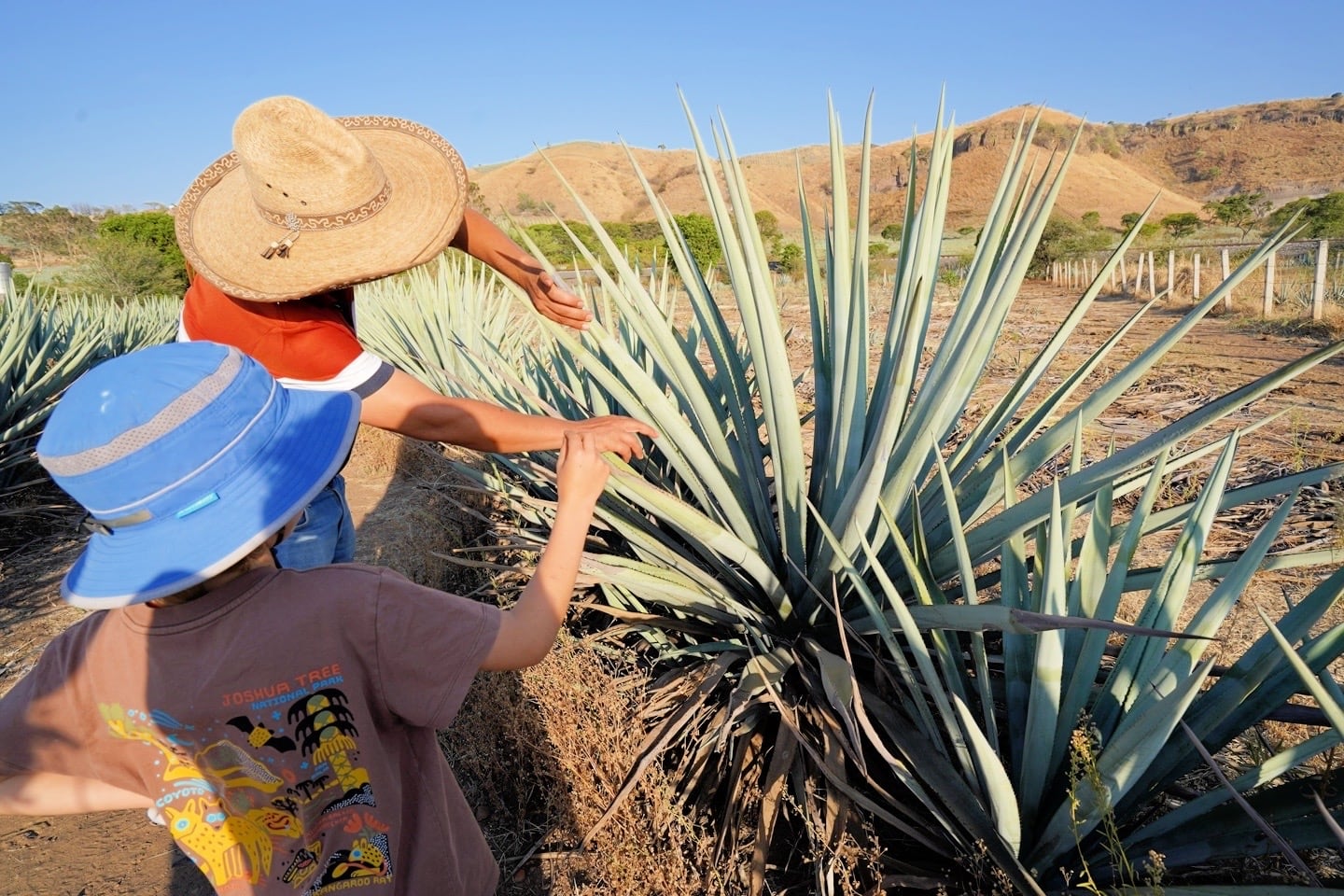
The plants may take nine years to mature, but the workers here can harvest a plant down to the heart (piña) in just over one minute. They have just 12 people to harvest all the fields when the times comes.
Furthermore, the fields can’t be replanted with blue agave right away. They have to be rotated with corn or other crops first.
The piñas are then cooked in this large contraption to convert the starches into sugars.
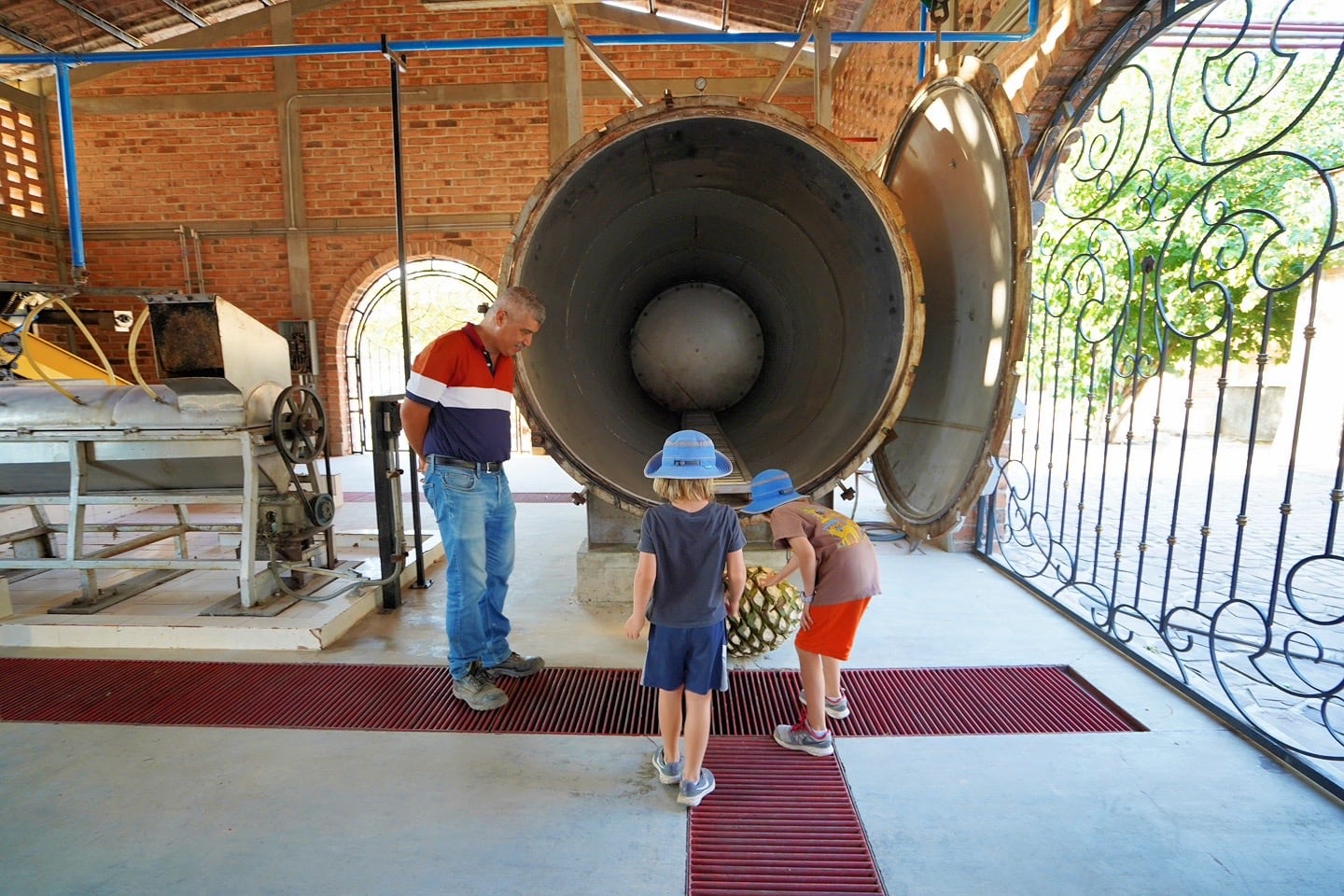
The cooked piña is then crushed to extract the sugary juice, which is then fermented with yeast to create alcohol.
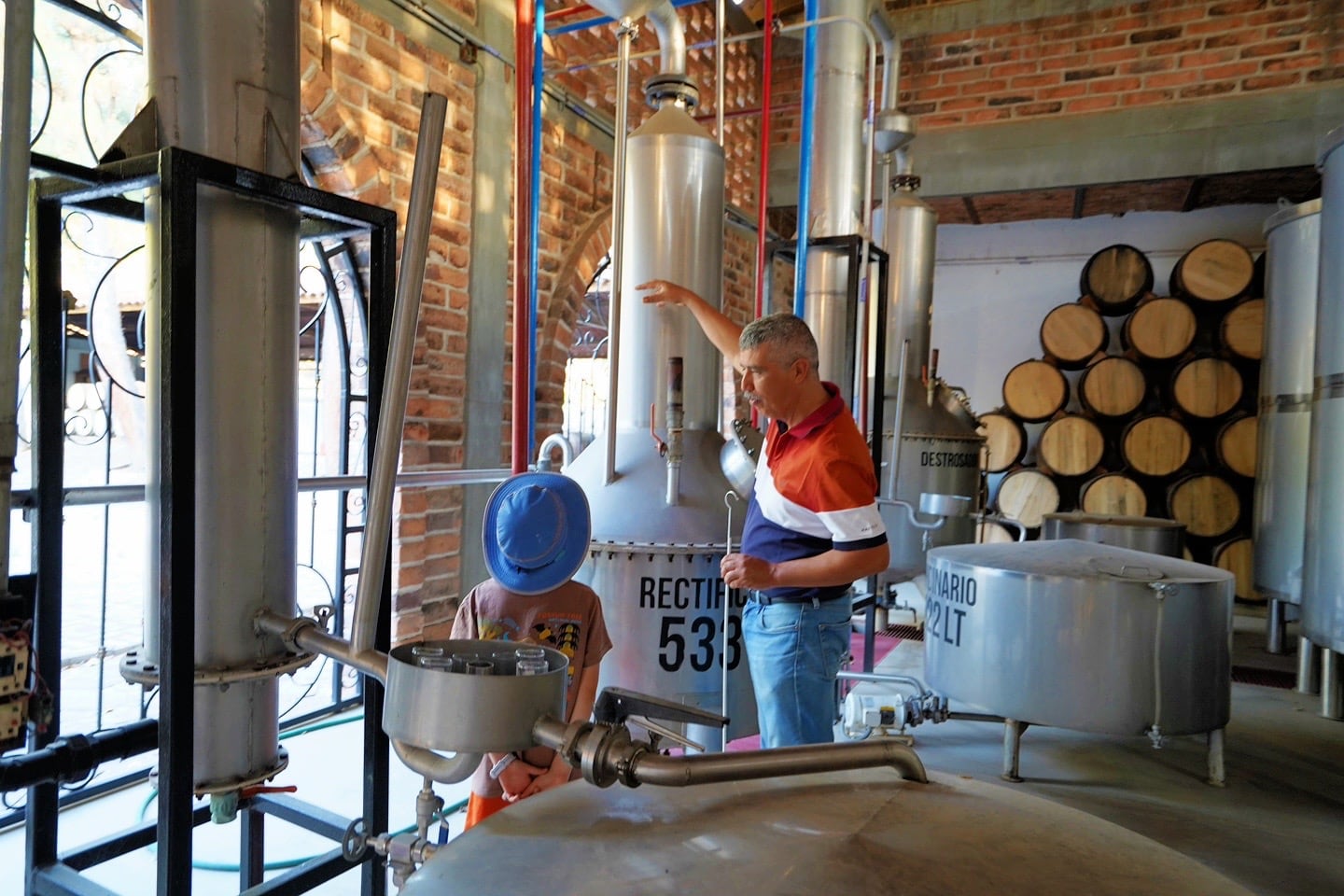
After fermentation, the liquid is distilled at least twice to refine and concentrate the spirit before it is either bottled as blanco (joven) or aged in oak barrels for different varieties like reposado or añejo.
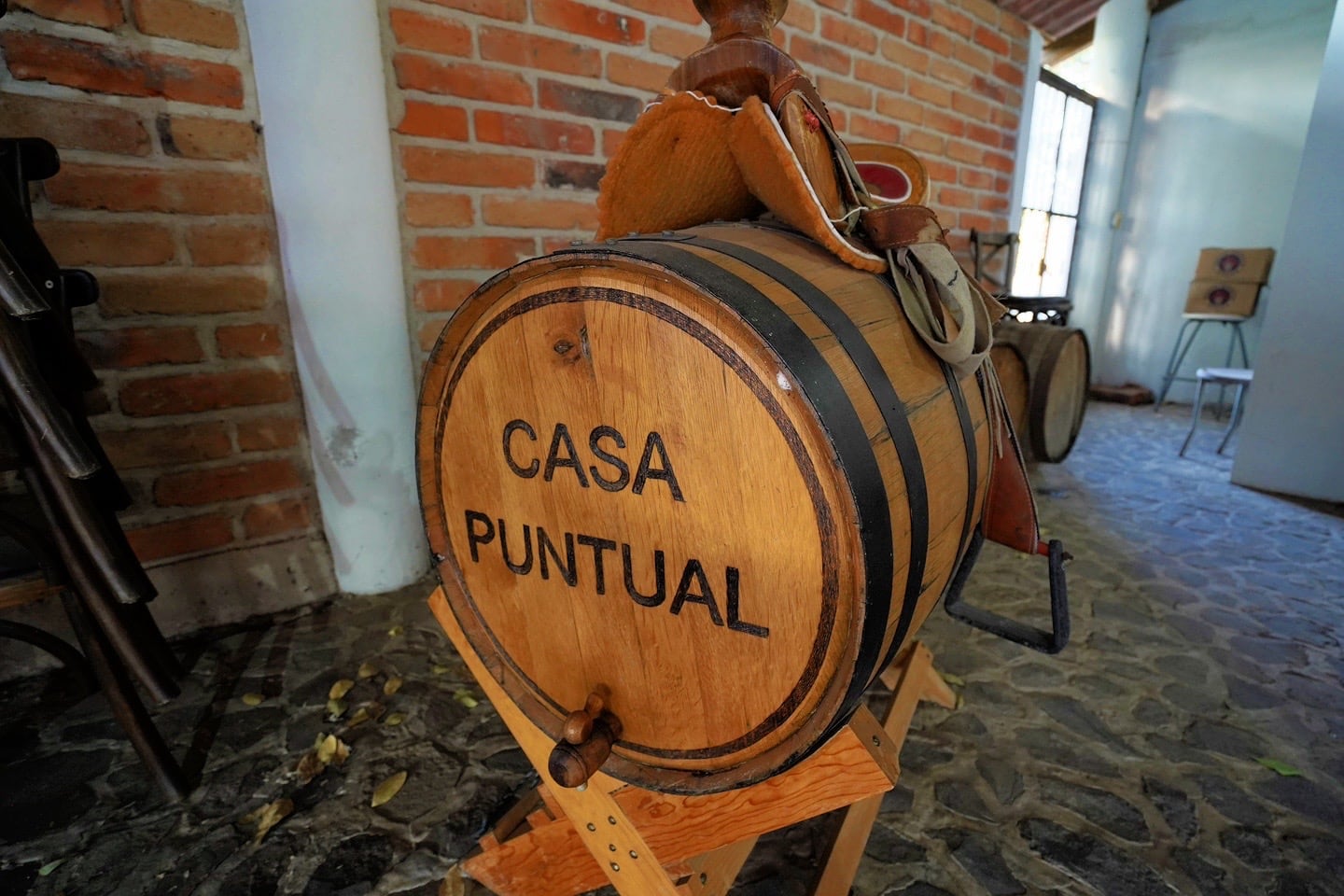
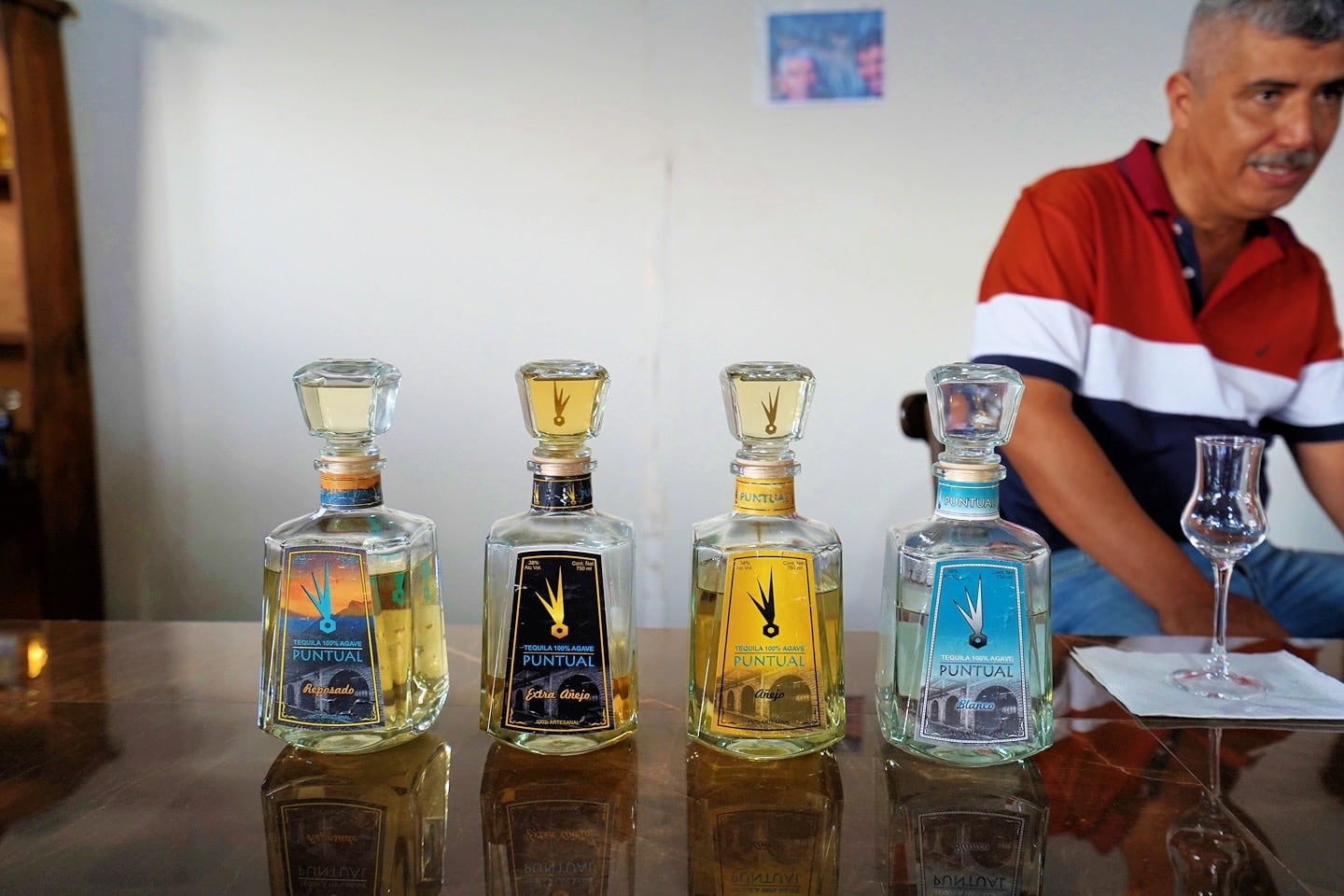
At the end of the tour, came the most fun part: sampling. And Jose did not hold back. After leading us through how to properly taste tequila and determine its quality, he offered up his entire line of tequilas, including his rare and most favorite ones.
Jose shared the entire history of his family business and is just an all around wonderful dude to spend an evening chatting with.
The next morning, it was time to leave Jalisco and head on to Nayarit.
It was a steep climb out of Tequila on the 15D, and was much harder driving than I hoped it would be for the RV—ascending 1,000 feet, then down 1,000 (repeating four or five times)—but she did fine.
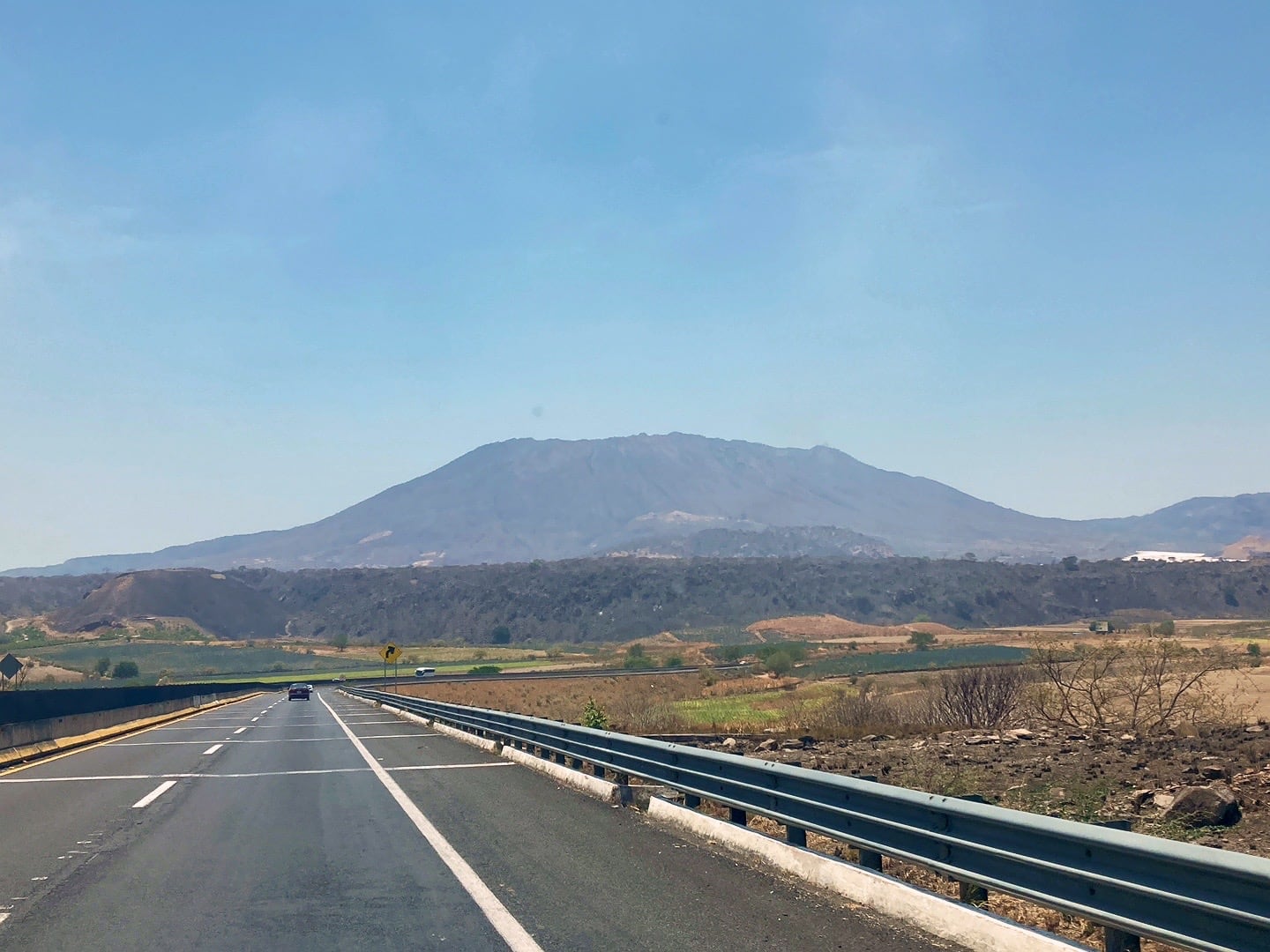
After Itlan del Rio, we got a nice view of Volcan Ceboruco, rising some 4,000 feet above the valley floor to an elevation of 7,480.
It’s hard for me to believe sometimes that in 2021, I drove the Montero to the top of that thing on a harrowing single-track path. The RV and I were both happy to keep to the autopista this time around.
From here, it was smooth coasting down to sea level for the last 90 minutes.
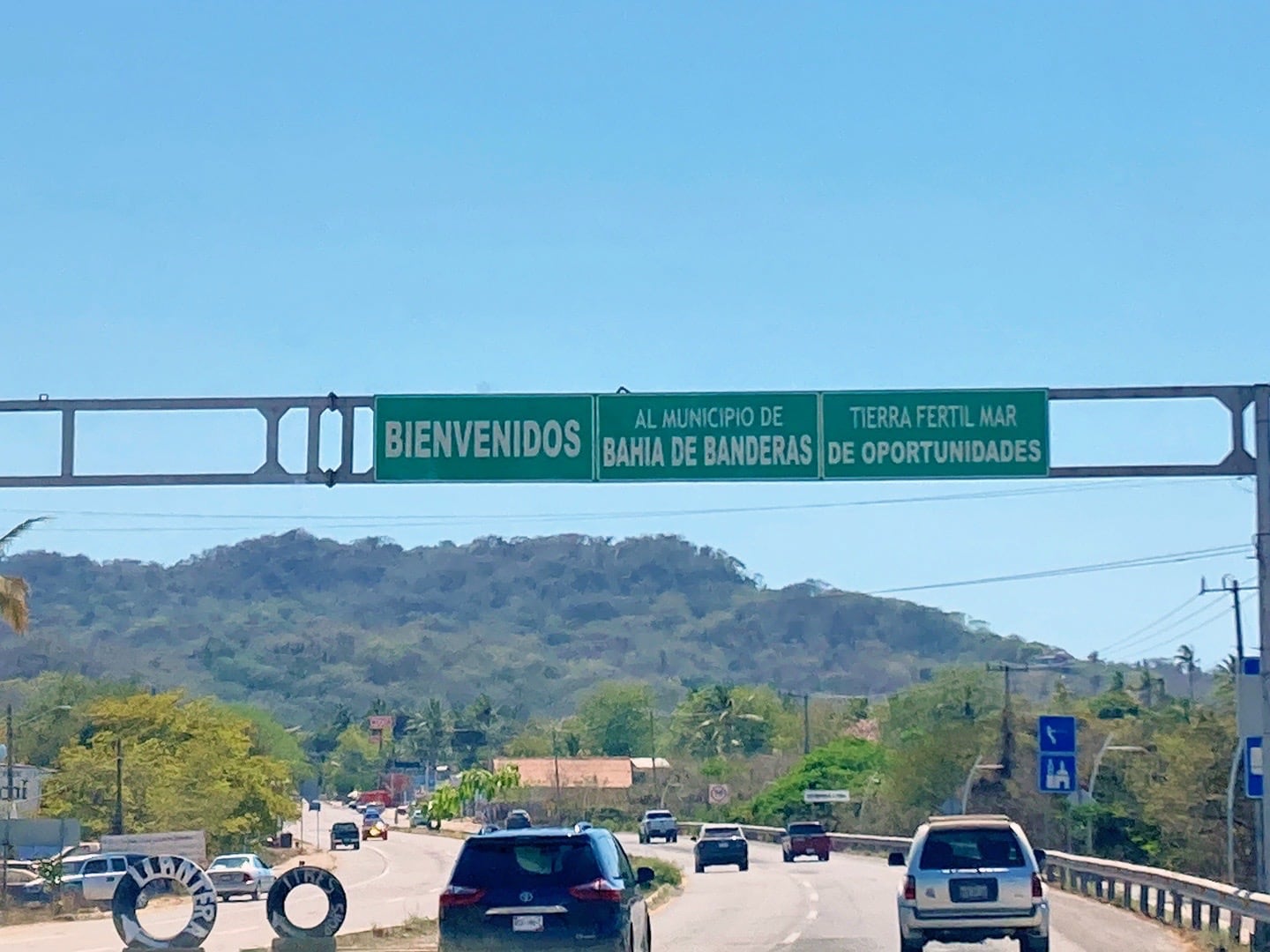
Back in Bahia de Banderas and Lo de Marcos!
We rolled into town on a sleepy Wednesday afternoon, arrived back at Savage RV Park, and even snagged our old spot from last year. It’s good to be back!