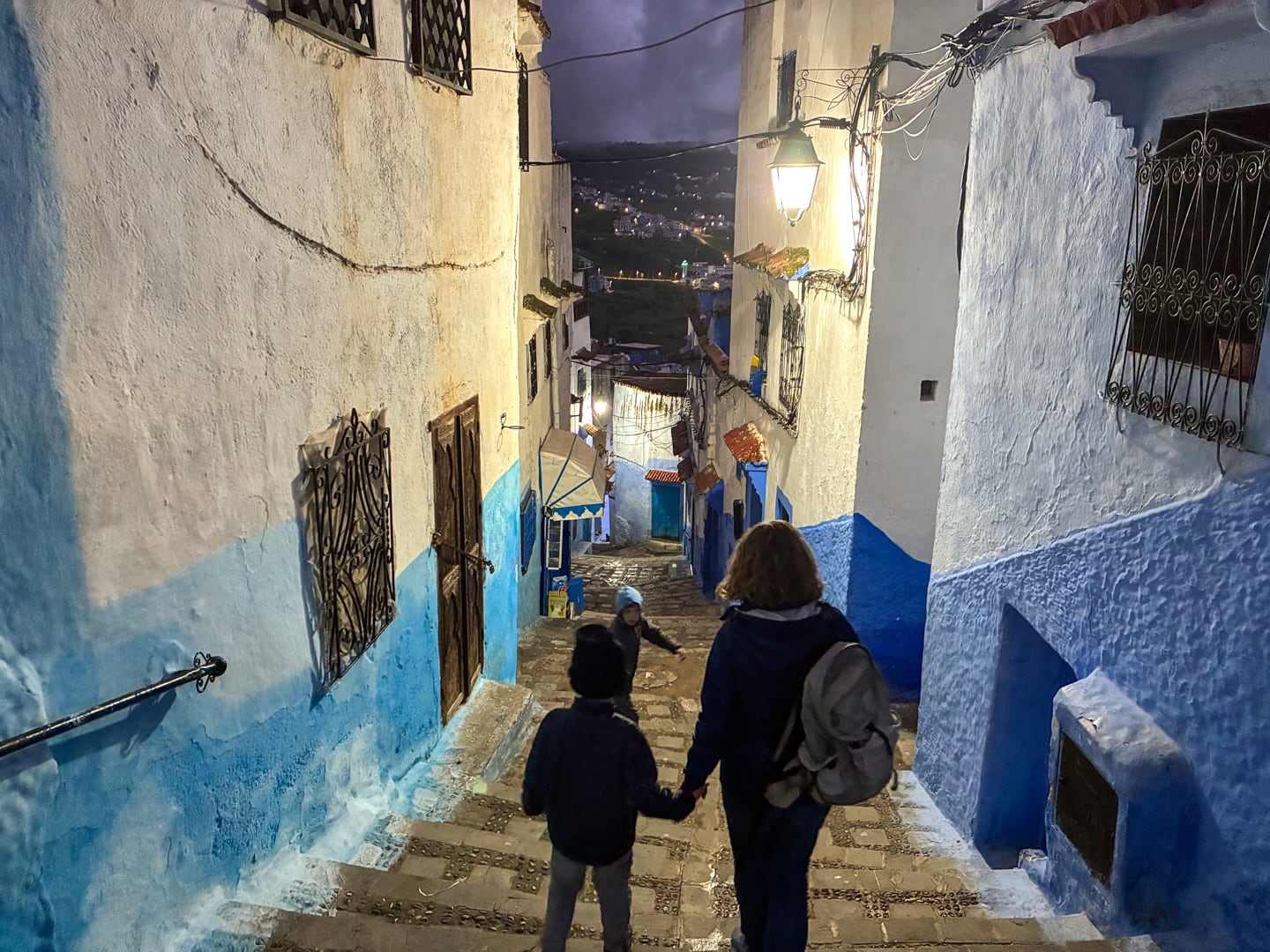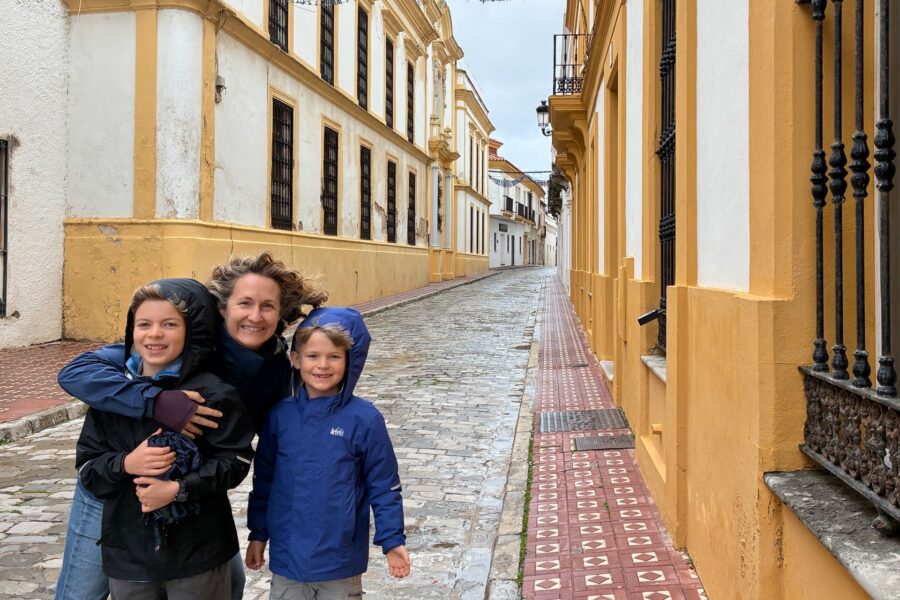
It’s been bitterly cold at night up here in the Rif Mountains lately. The past couple of days we’ve even had some rain.
So, when we awoke this morning and realized the sun was shining (which is not easy to figure out in our little Moroccan dungeon of an apartment), we immediately knew we needed to migrate ourselves and our breakfast the four floors up to the roof terrace.
Our Euro-African Journey (So Far...)
It was a good choice.
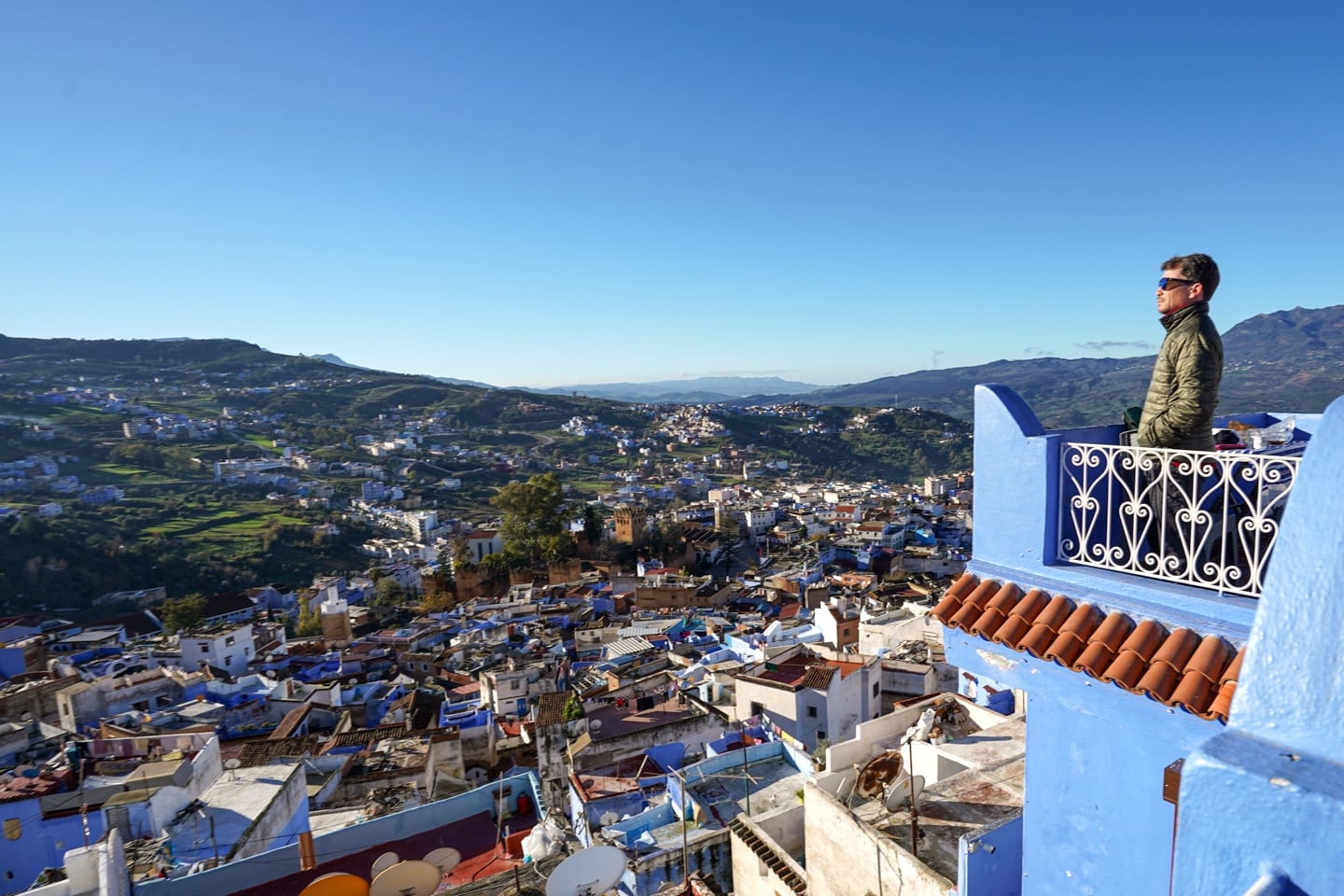
Thirty minutes earlier, I was up here (just after sunrise) and it was still freezing (temps in the 30s F). The sun hadn’t yet made it over the far peak. But once it did, everything in the sun immediately warmed up 15 degrees.
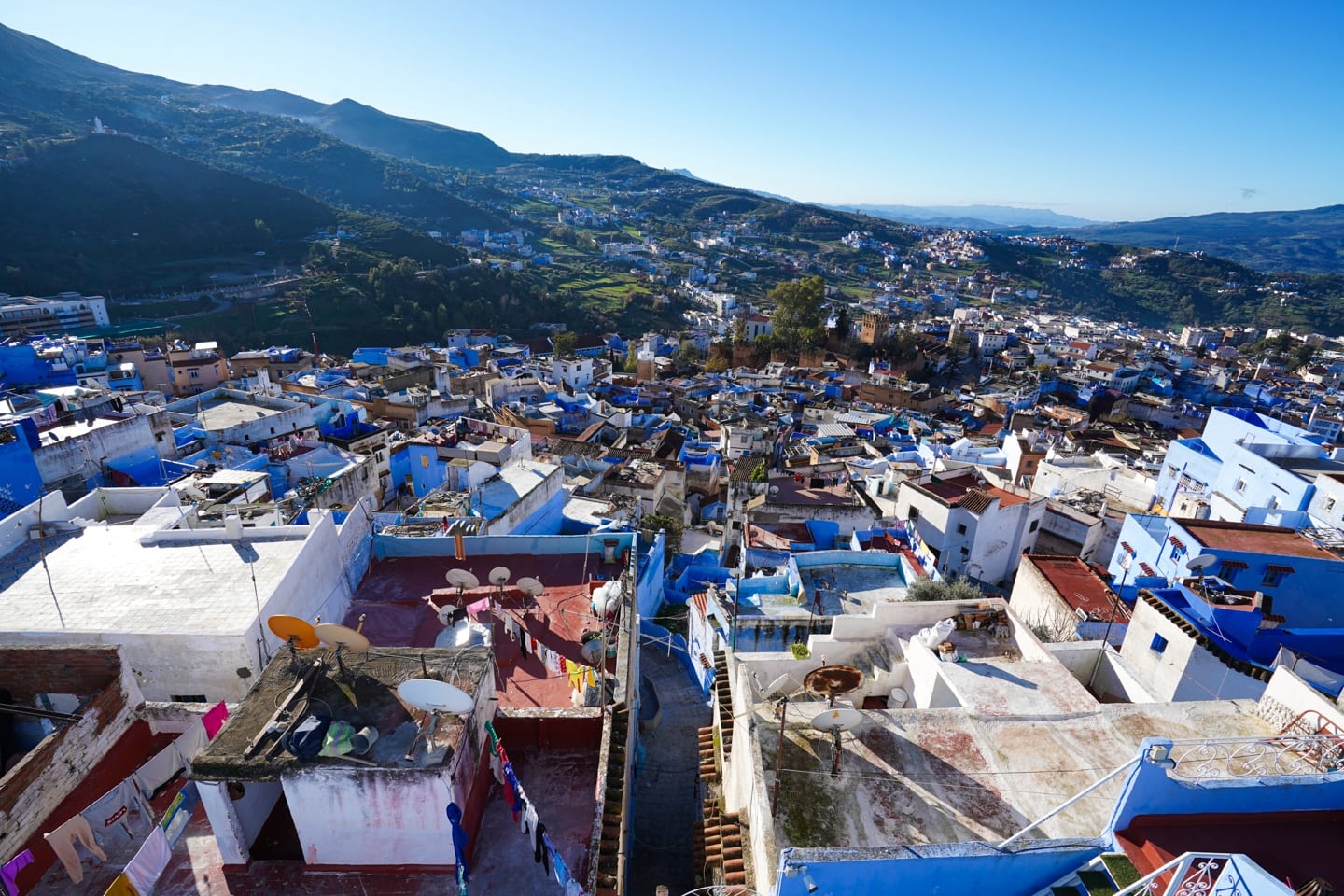
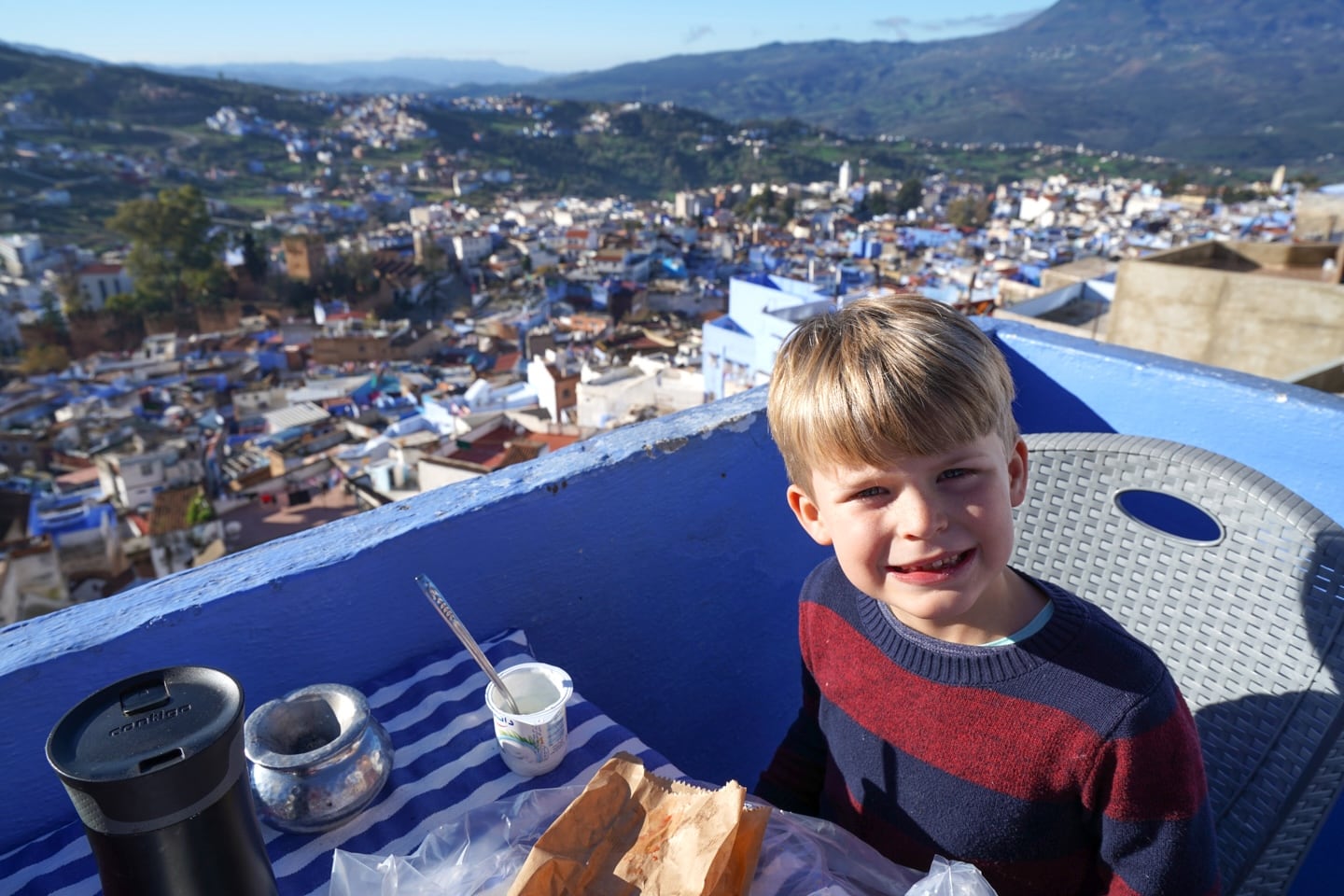
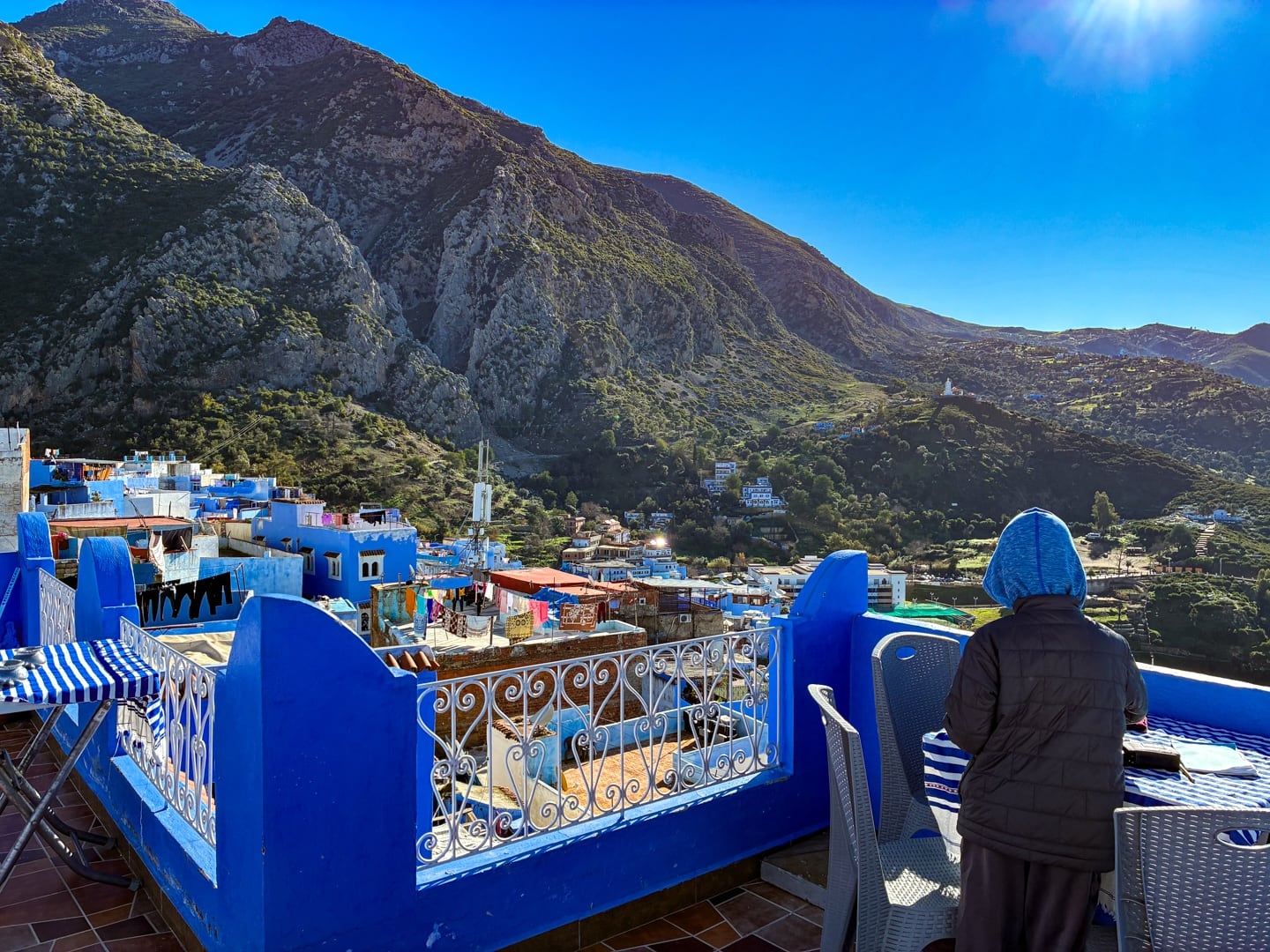
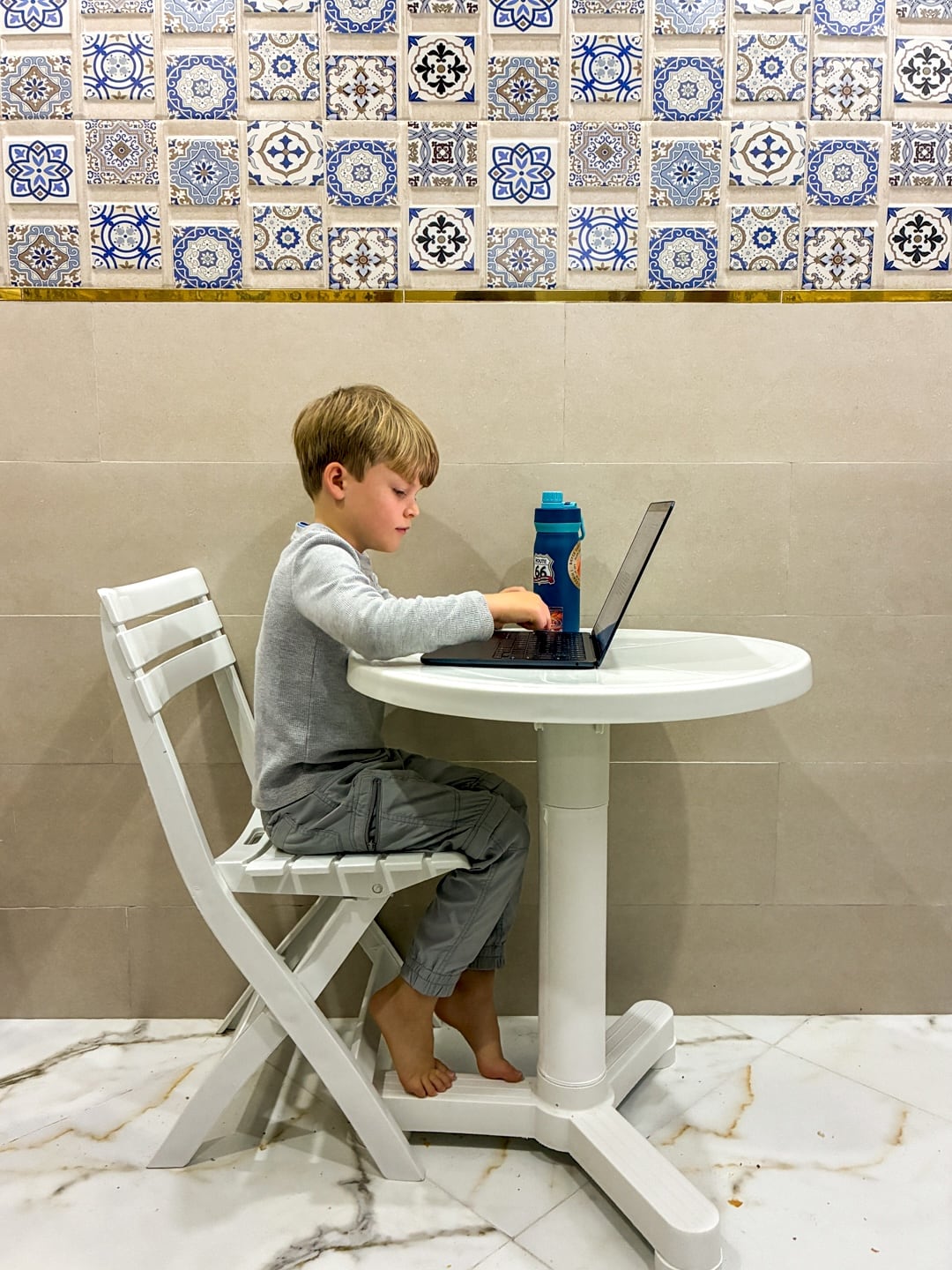
We decided to let it ride on the terrace and came back up for the boys school.
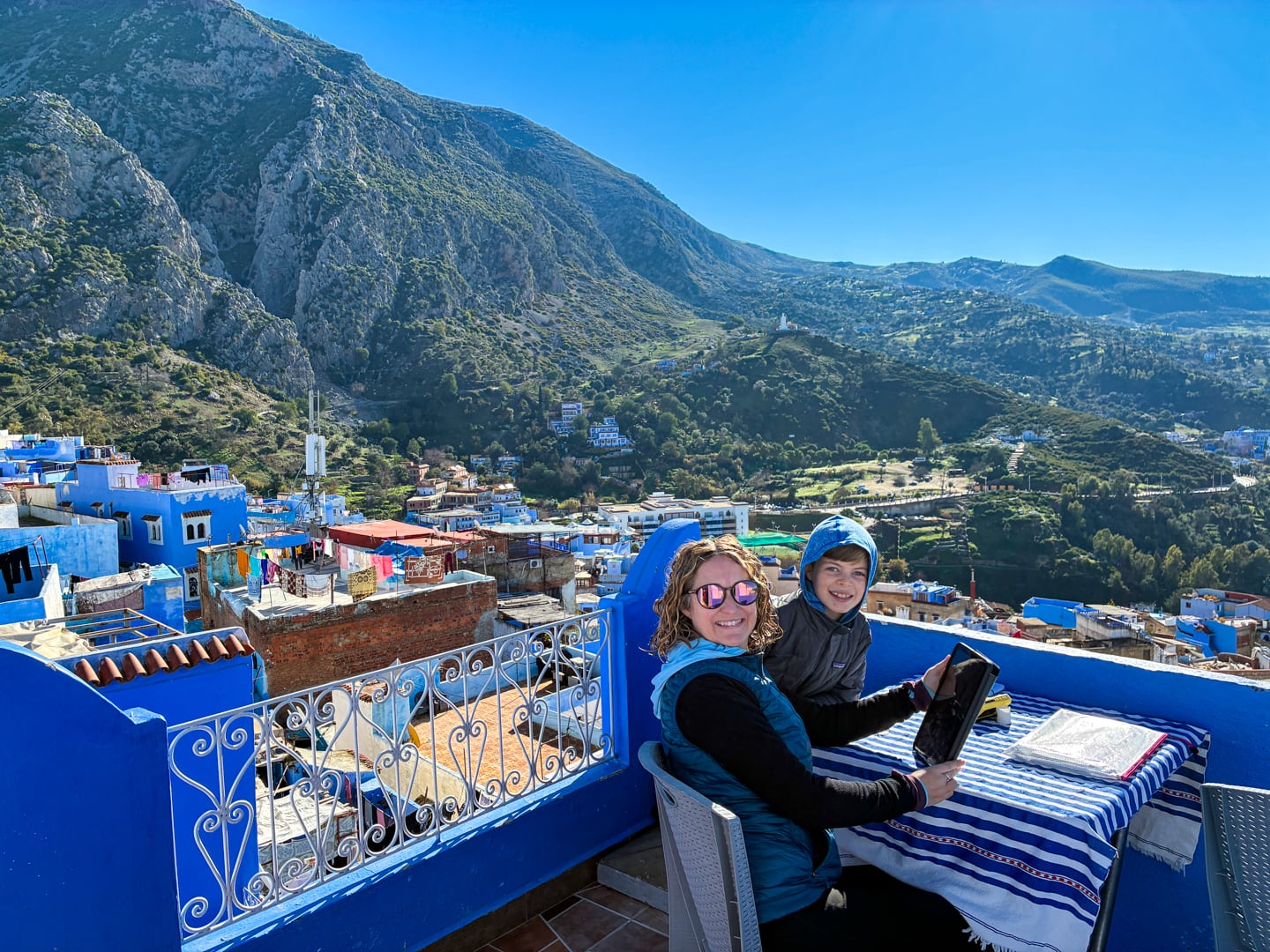
As noon quickly approached, we all decided it would be a nice day to tackle the one little hike in town to the Spanish Mosque.
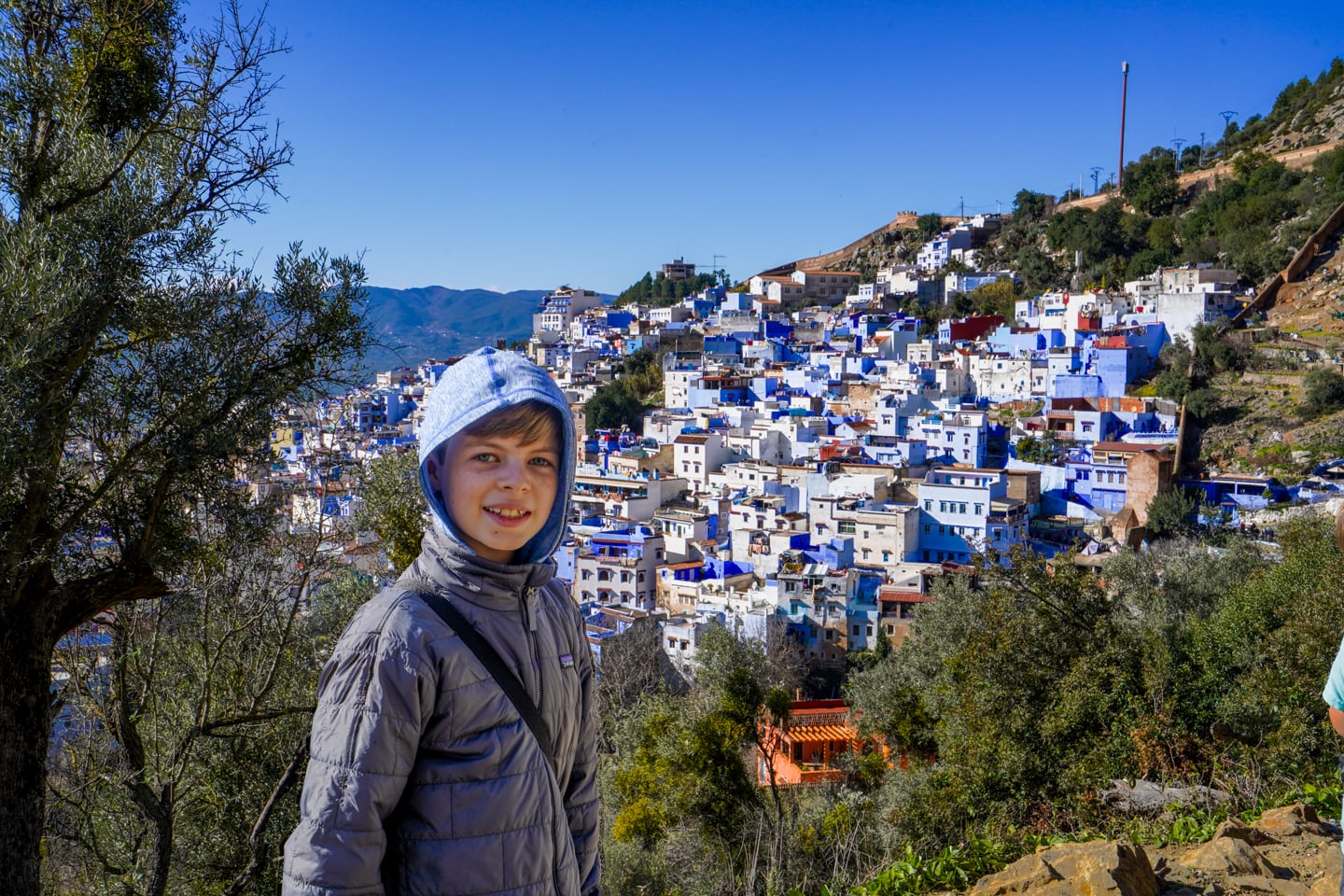
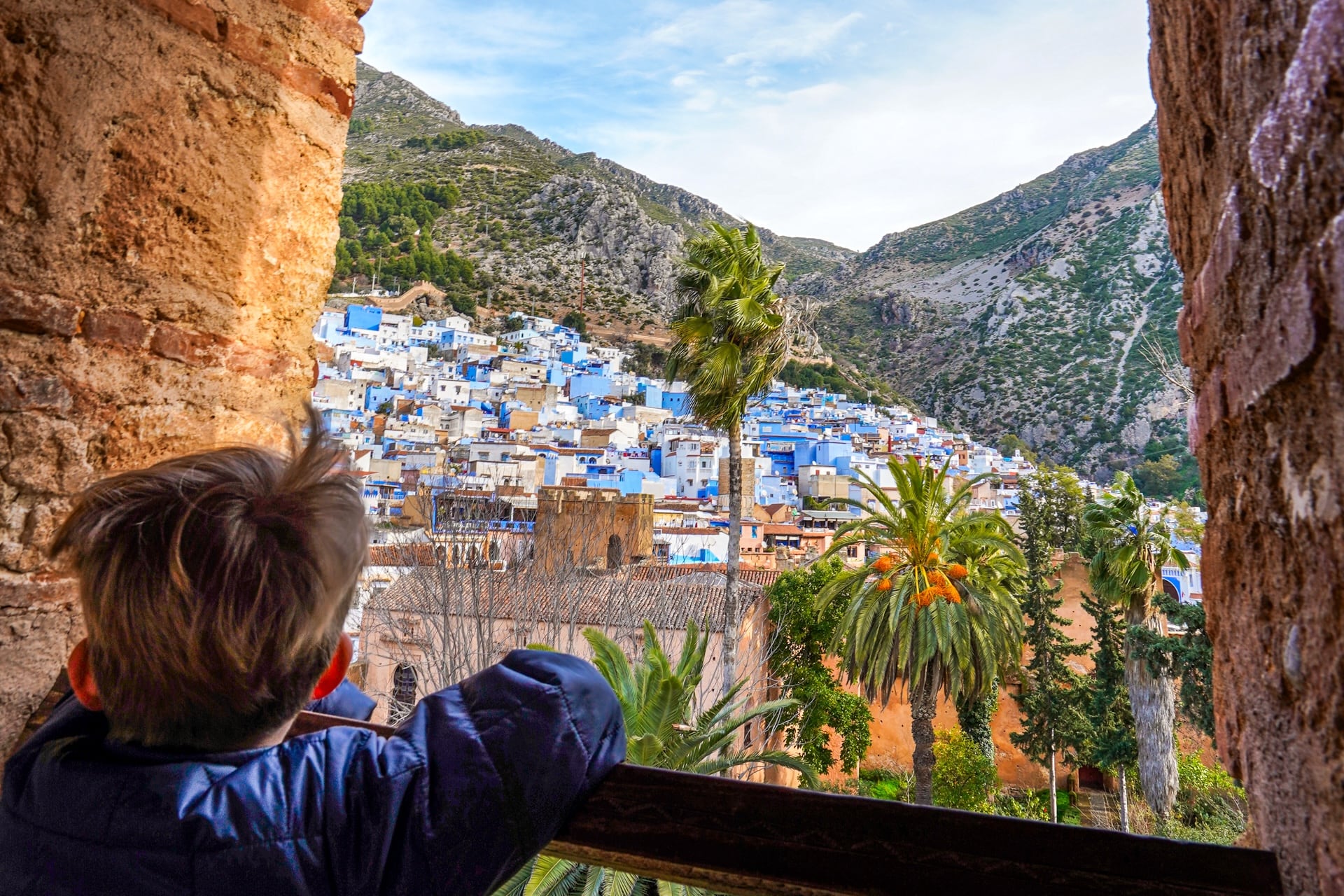
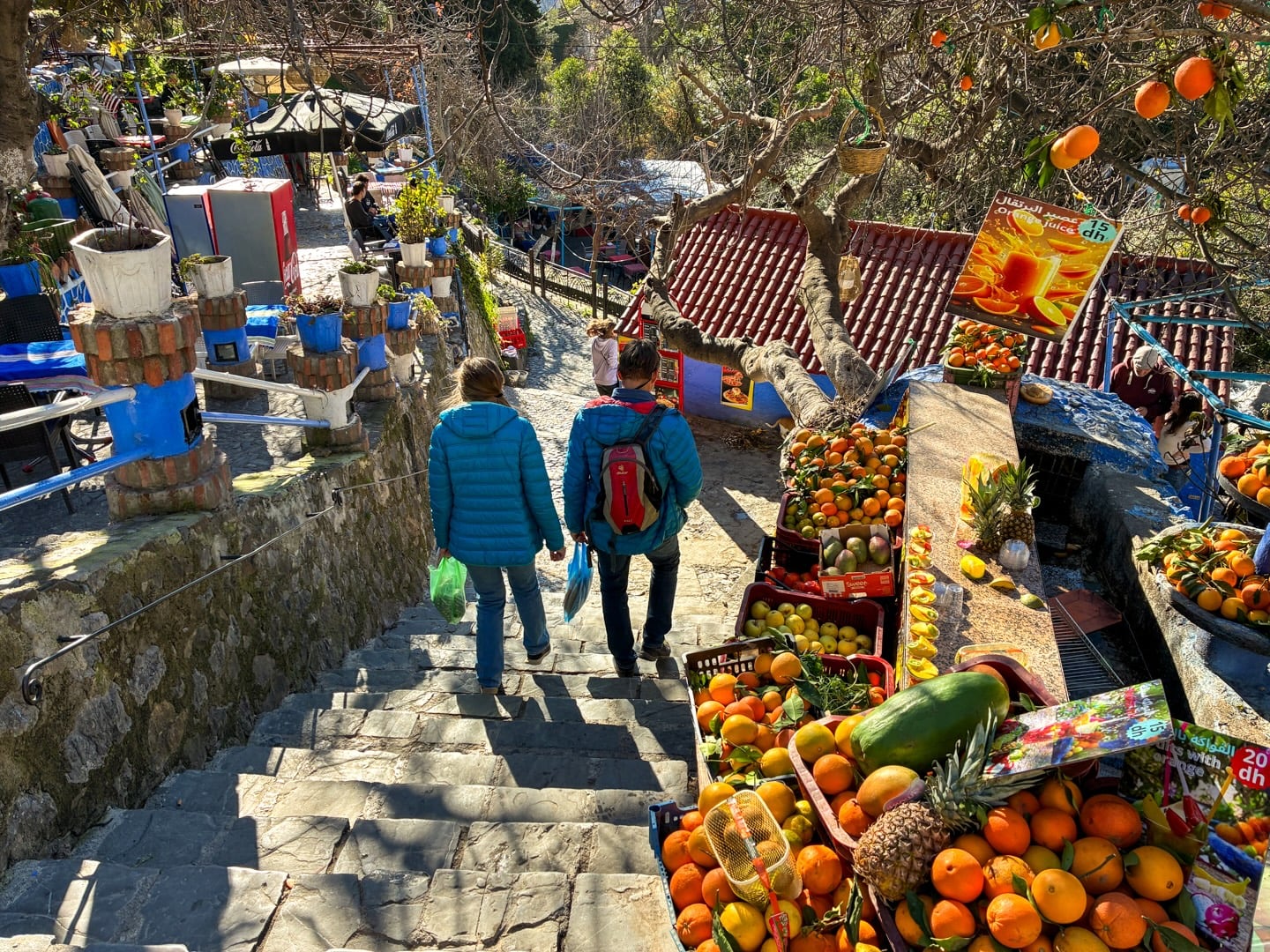
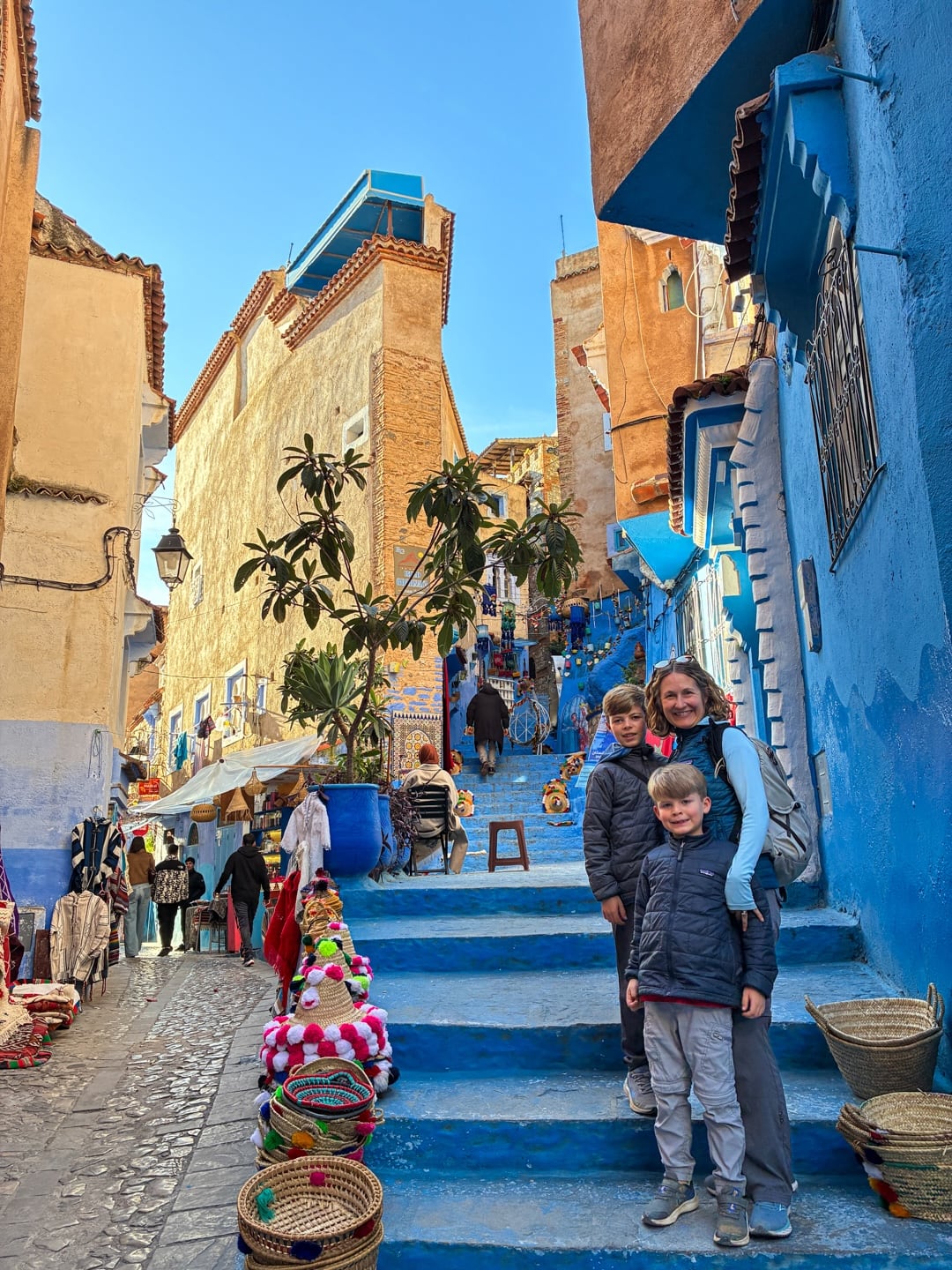
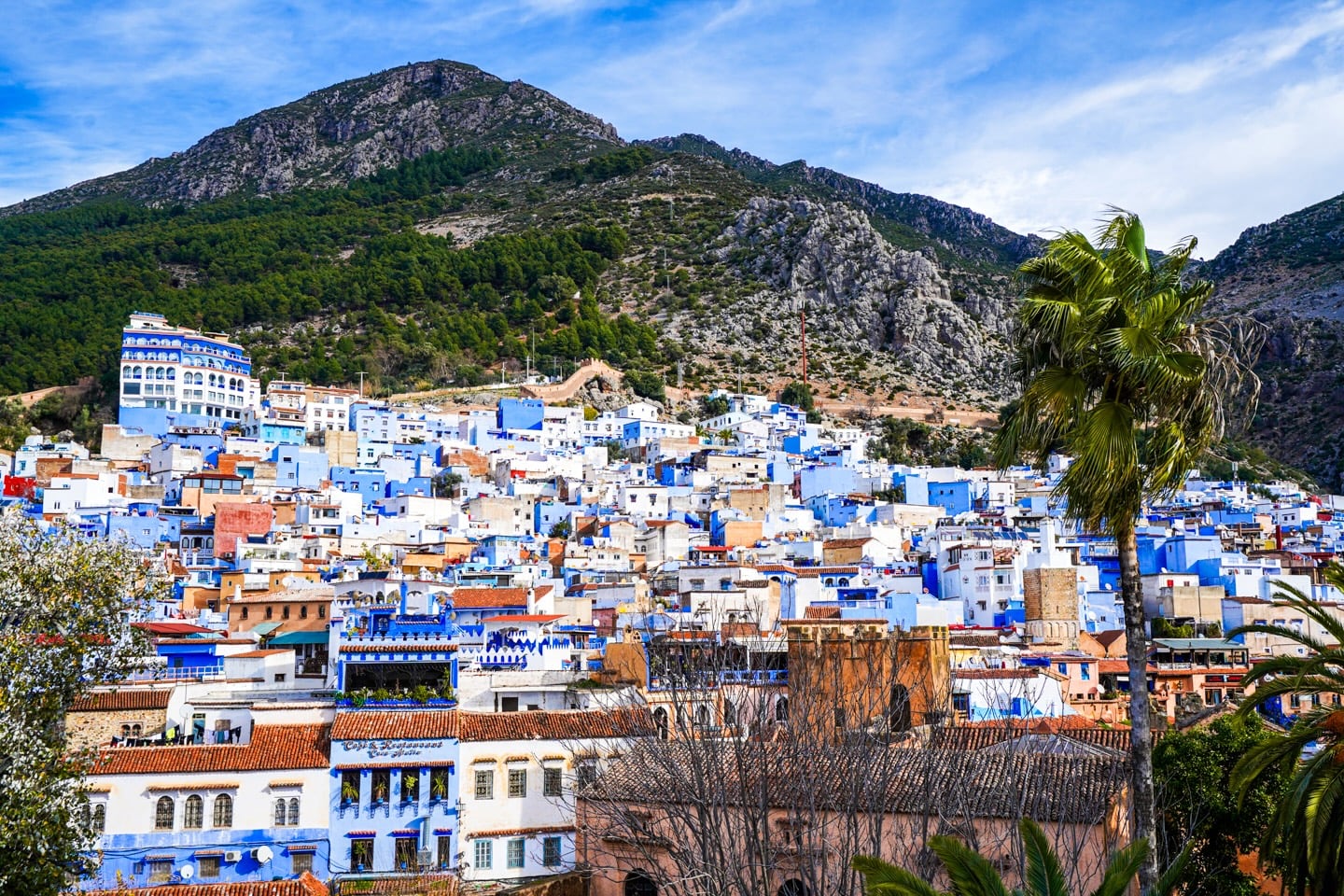
Sunday was a busy day down in town, but the path to the Spanish Mosque afforded some peaceful moments (and nice views of the Blue City).
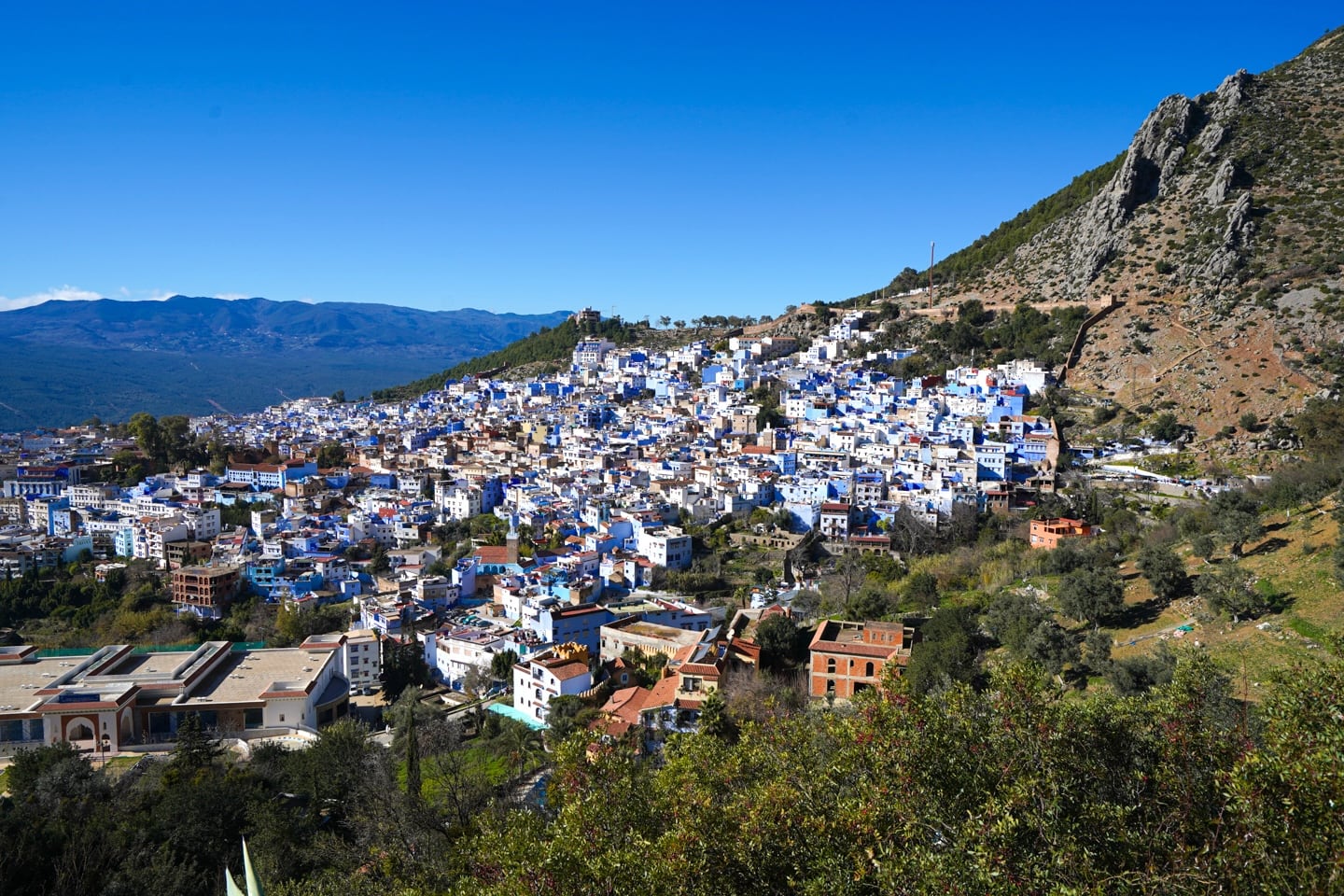
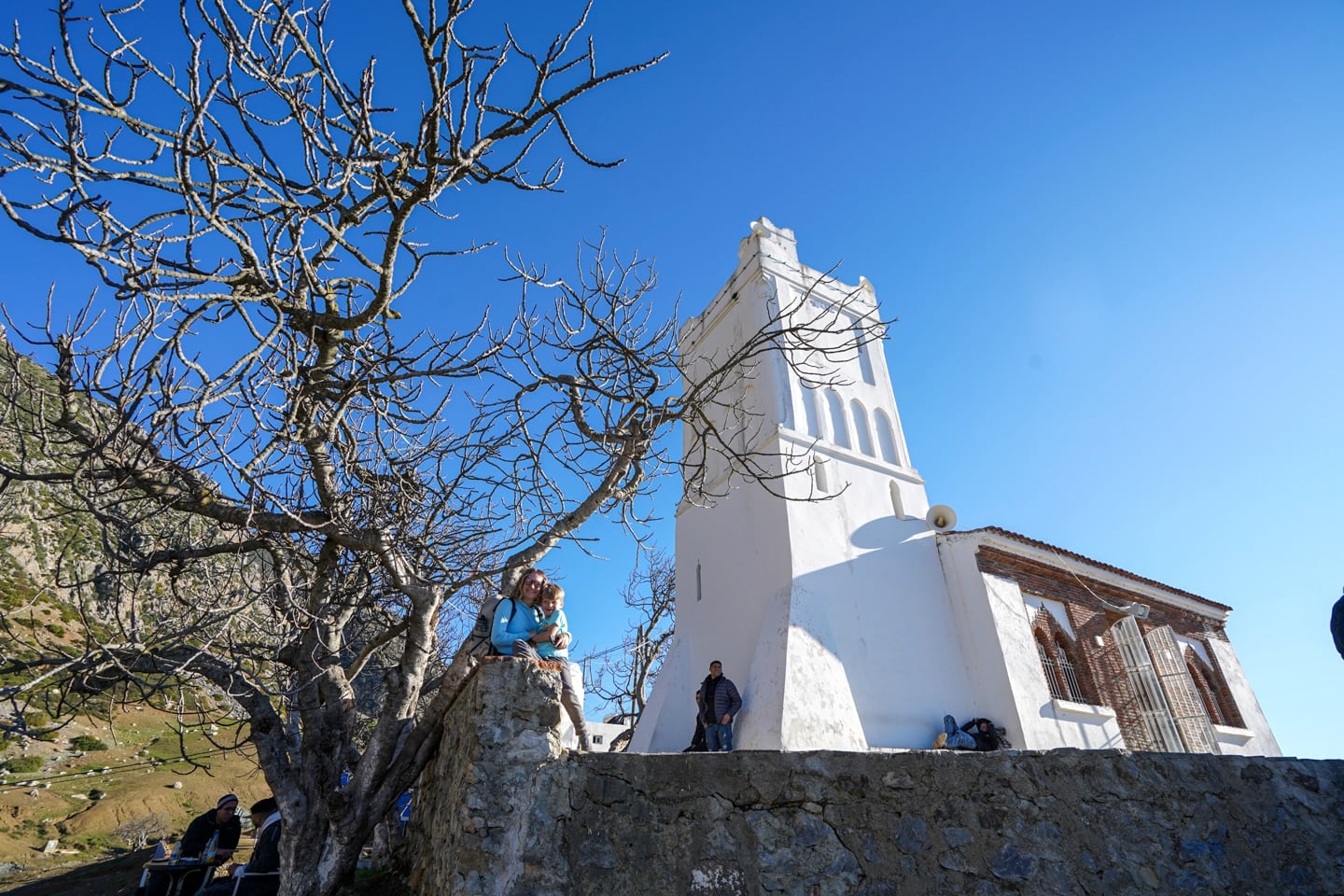
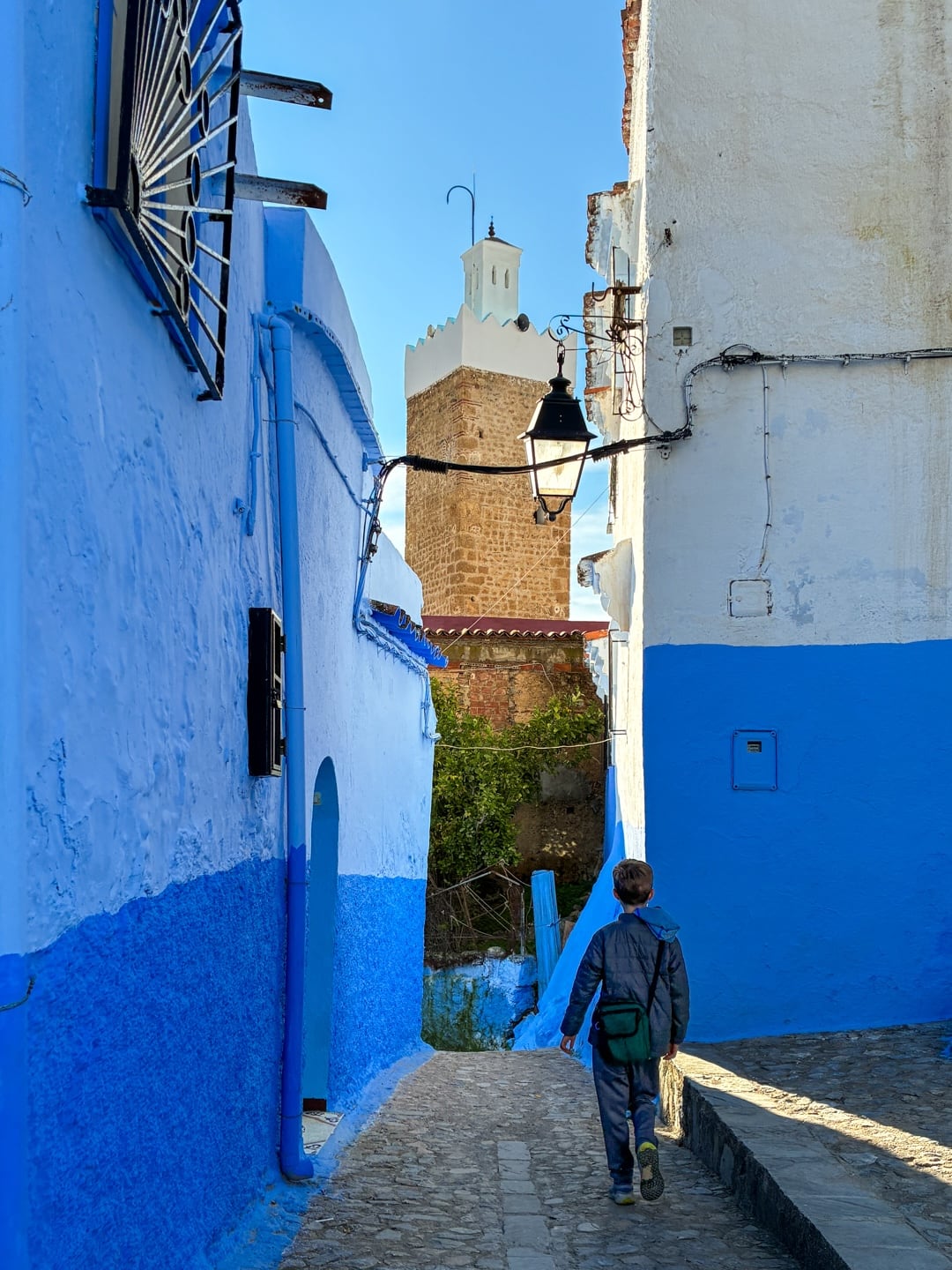
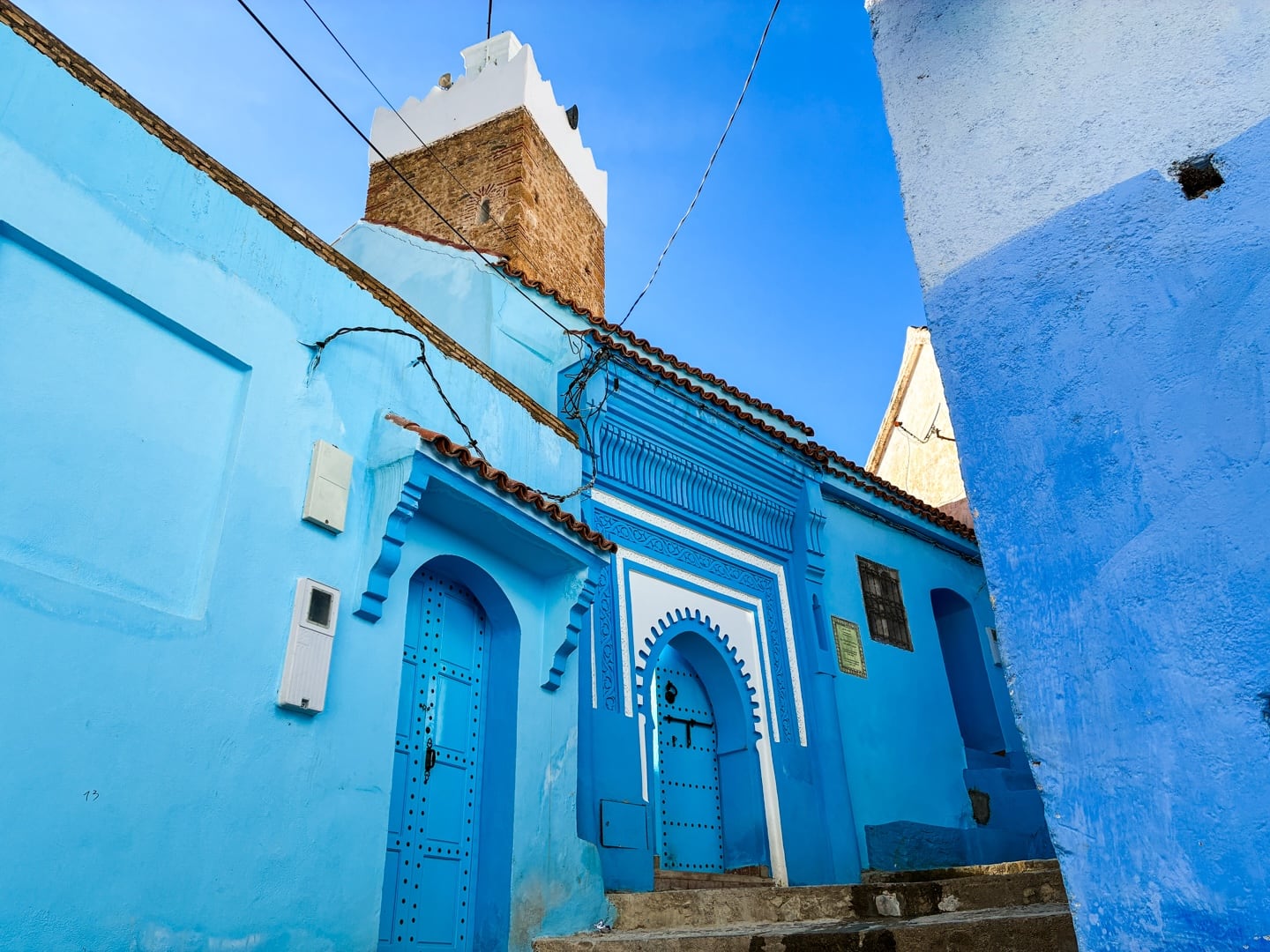
The iconic Spanish Mosque sits high on a hill overlooking Chefchaouen, and is visible from pretty much everywhere in town.
As the name suggests, it was built by the Spanish in the 1920s. I’ve read that it was immediately abandoned and never used, but it appeared to be in use today, complete with an attached washing area to prepare for prayers.
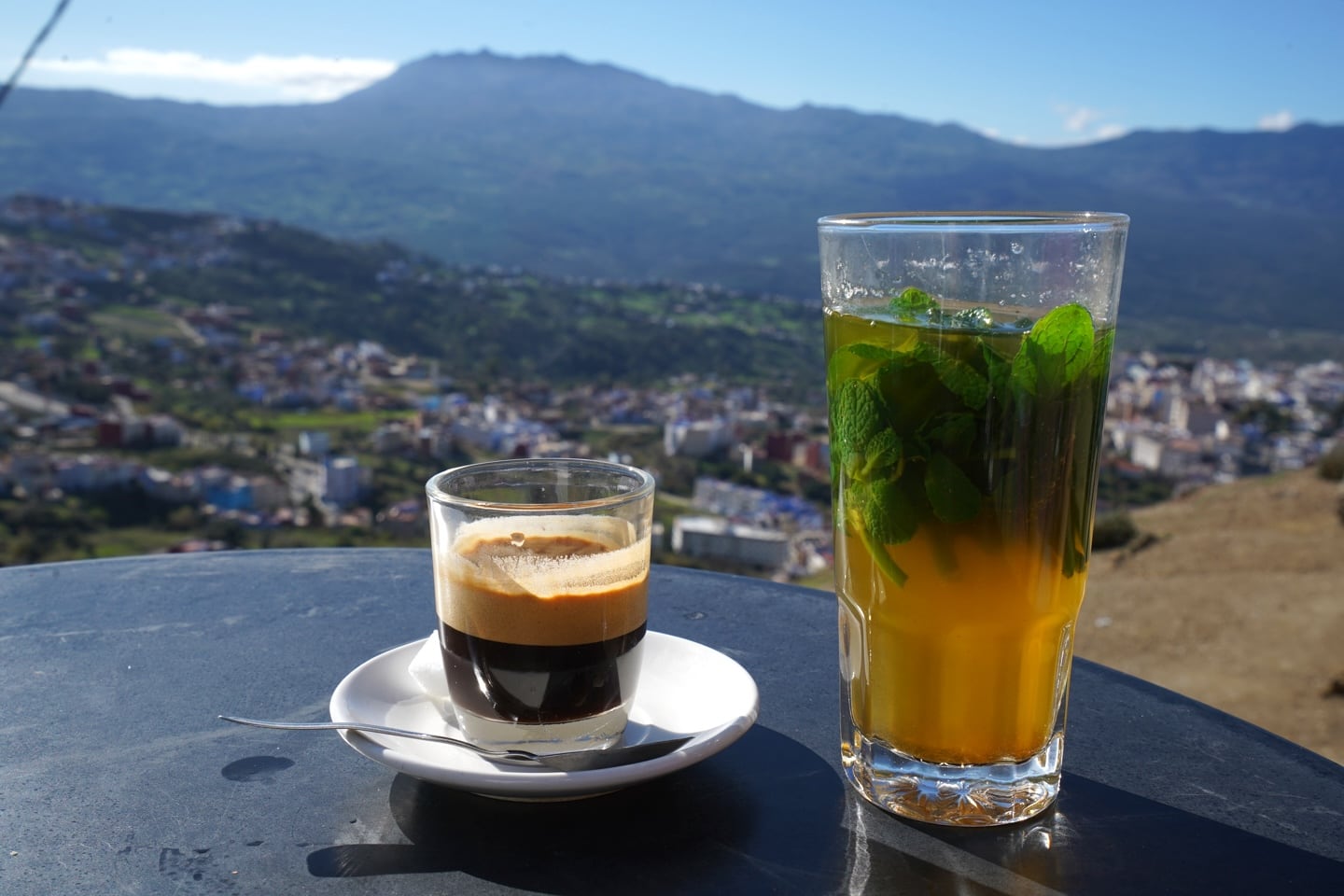
We didn’t know what we would find at the top of the hill. We had a few guesses, but a cafe was not among them. Nothing is more accessible or pervasive in Morocco than perhaps mint tea or espresso.
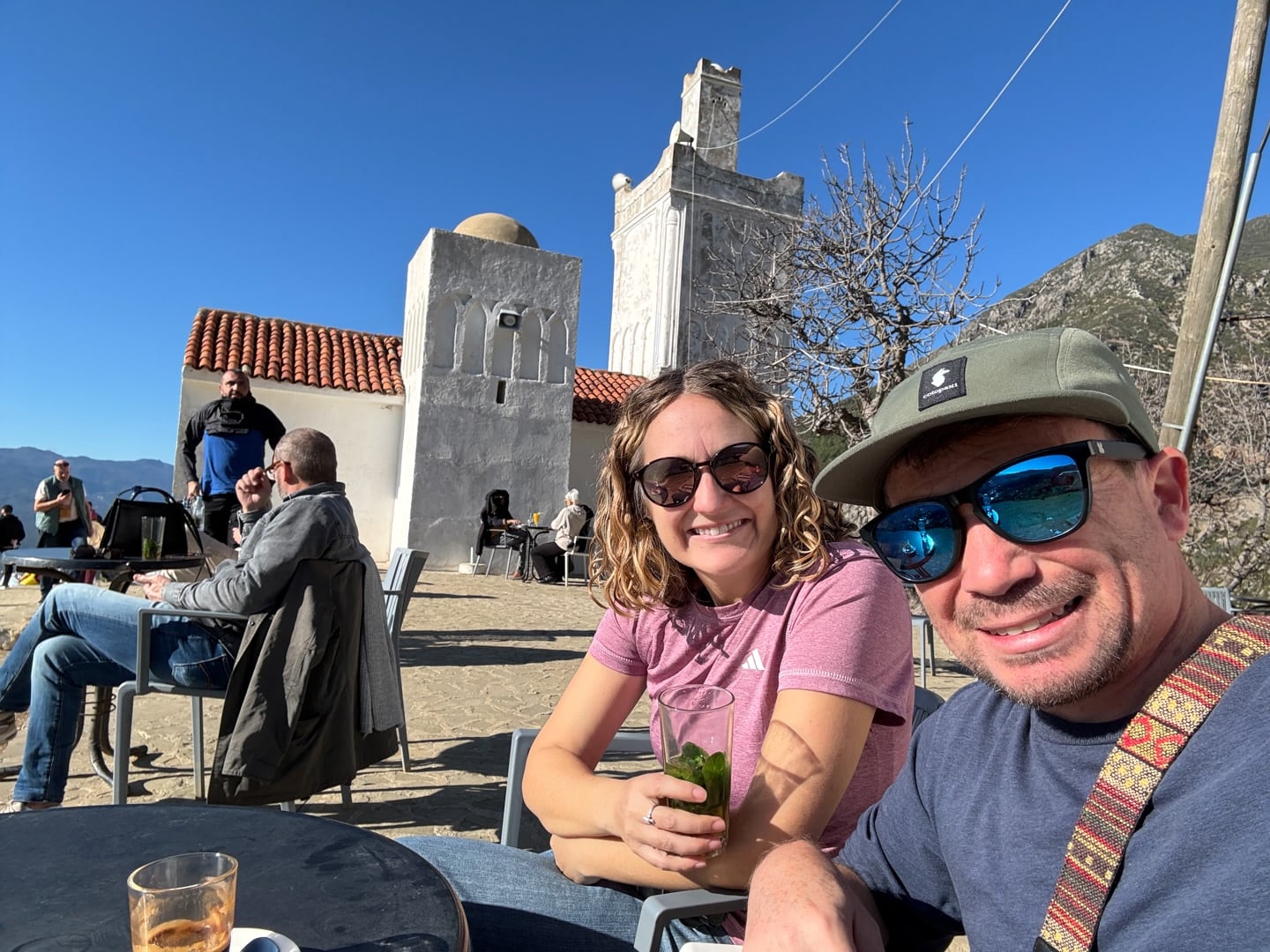
There are a half-dozen mosques in the Old Town, but this one might be the town’s most iconic.
Throughout the Muslim world, the Call to Prayer happens five times a day and it gets loud when all the mosques are doing it at once in a compact area. This vantage point is a great place to be when that happens.
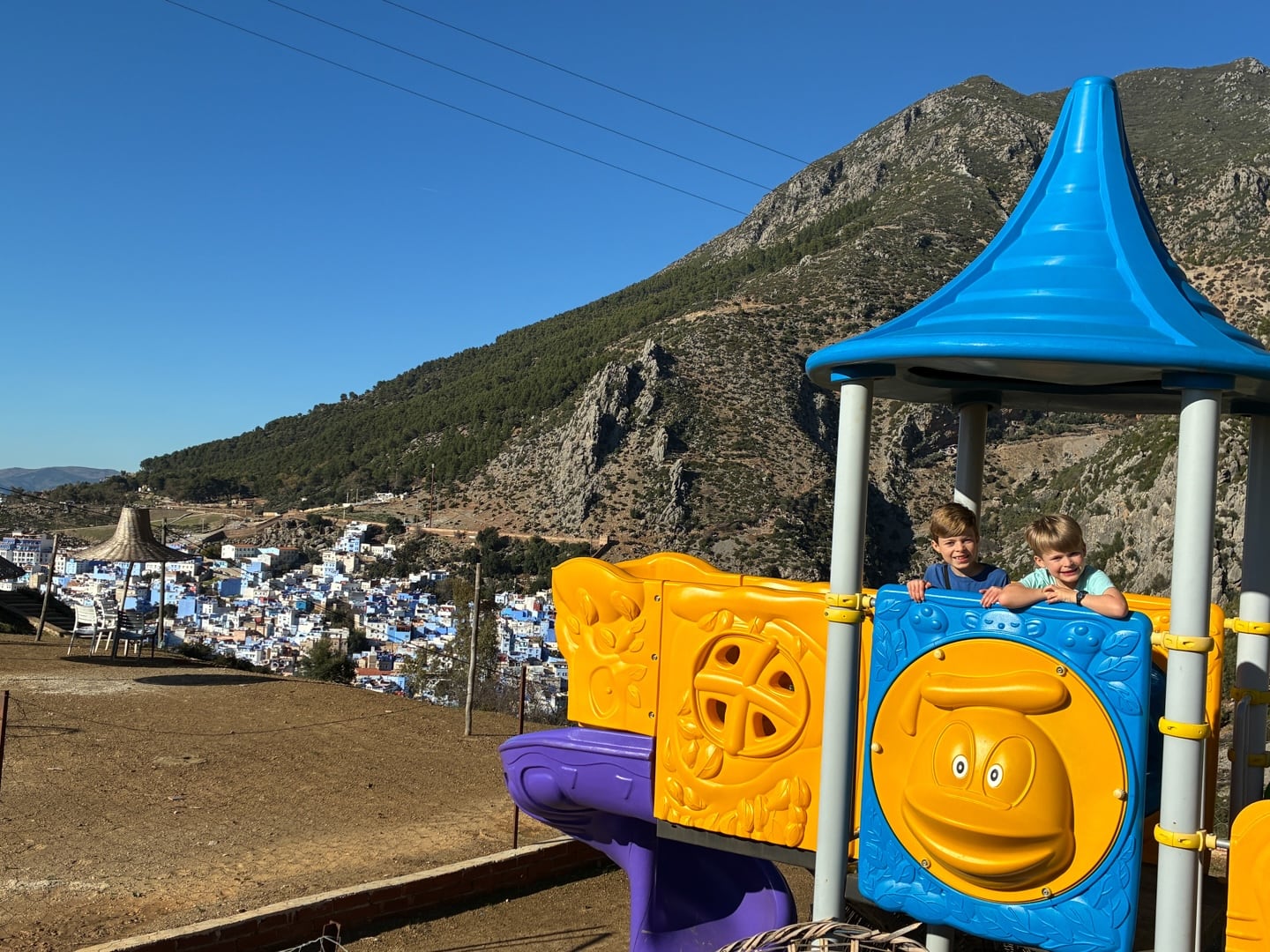
The boys thought they found another playground, but quickly discovered there was a fence around it. That didn’t stop a couple of local kids who made their way through a hole, and our boys soon followed .
Our boys have mastered the art of assessing a play structure for broken bits and bobs and dangerous parts from five years of playground-hopping in Mexico. They gave it the thumbs up, and it all looked good to me. My guess is they close it when there is no playground attendant on duty, which are a common fixture of parks here in Morocco.
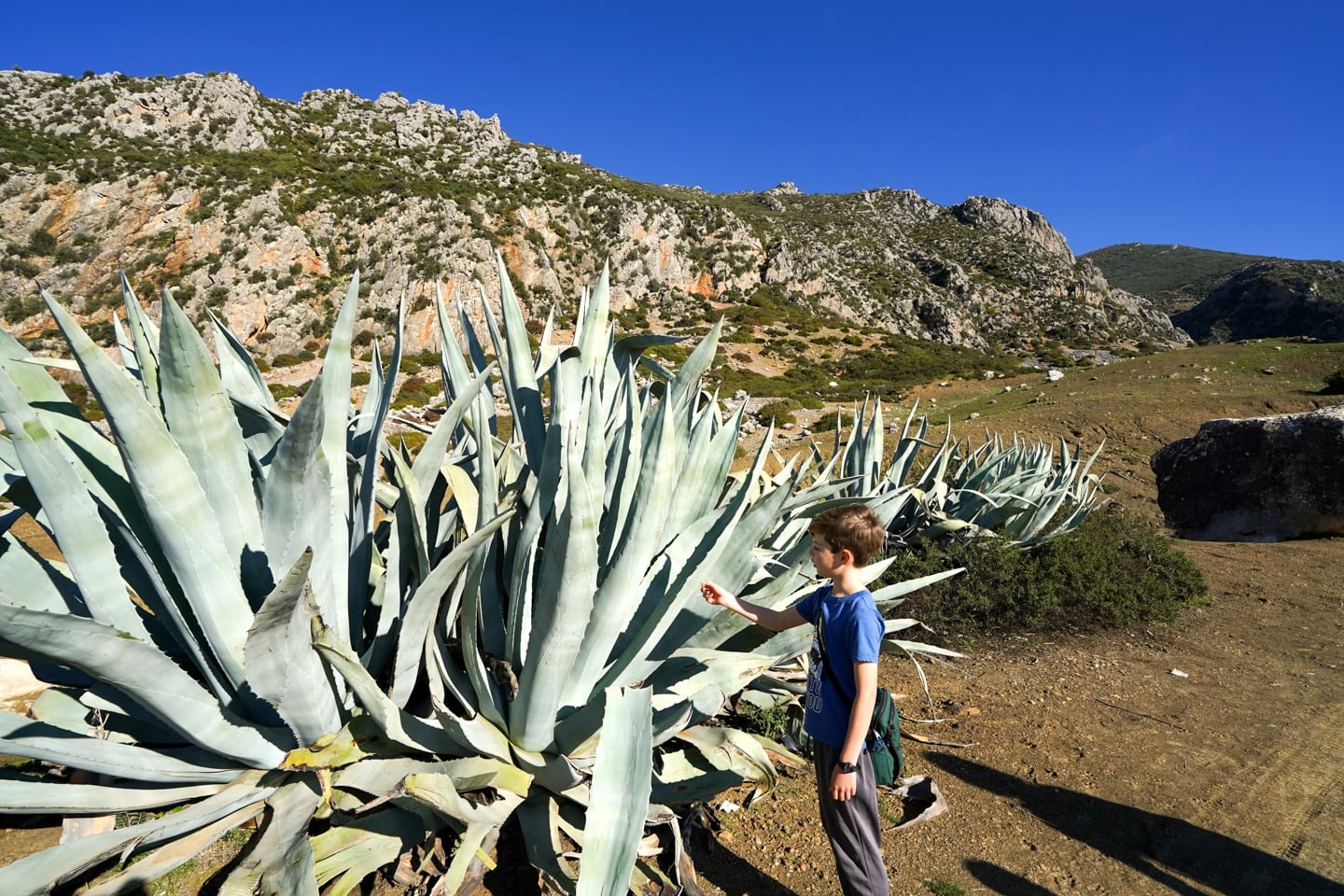
Many giant green agave dot these hills. Morocco’s dry culture makes this land a safe space for these plants, which will undoubtedly grow to old age without fear of the blade of the Jimador (Mexican mezcal harvester).
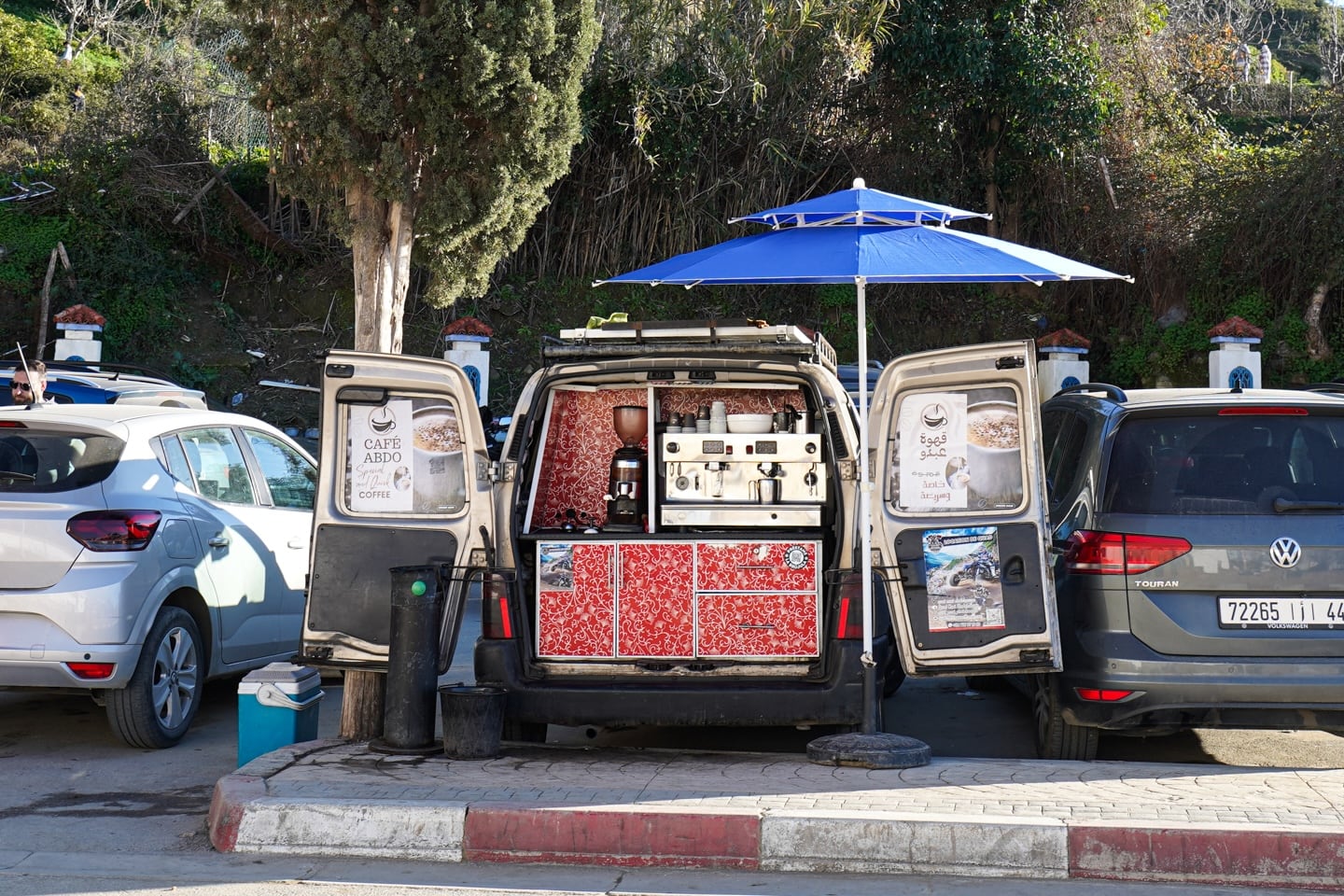
Yes, coffee in Morocco is all-pervasive. Mobile espresso vans like this one are a common sight along highways and in parking lots, particularly on the weekends.
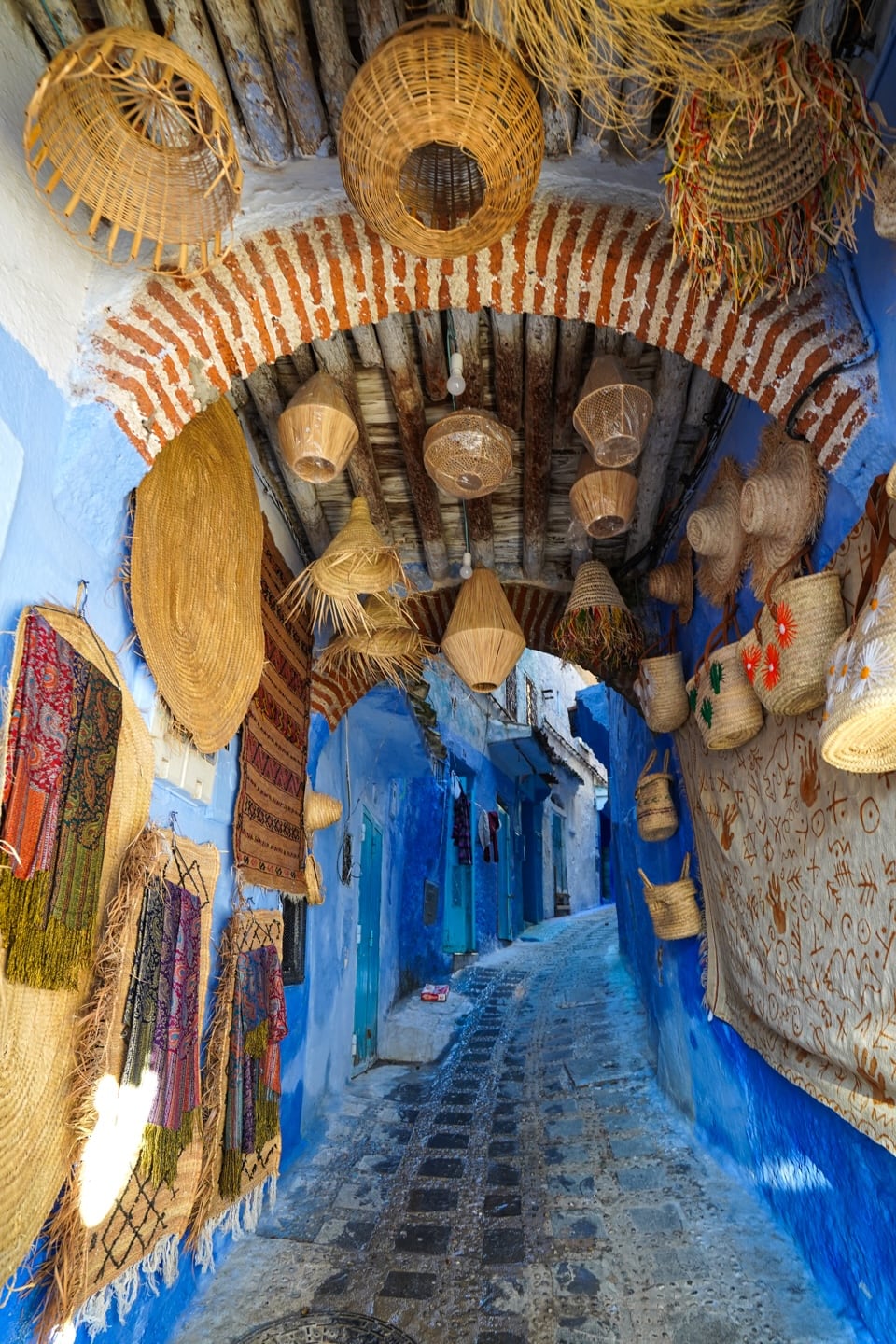
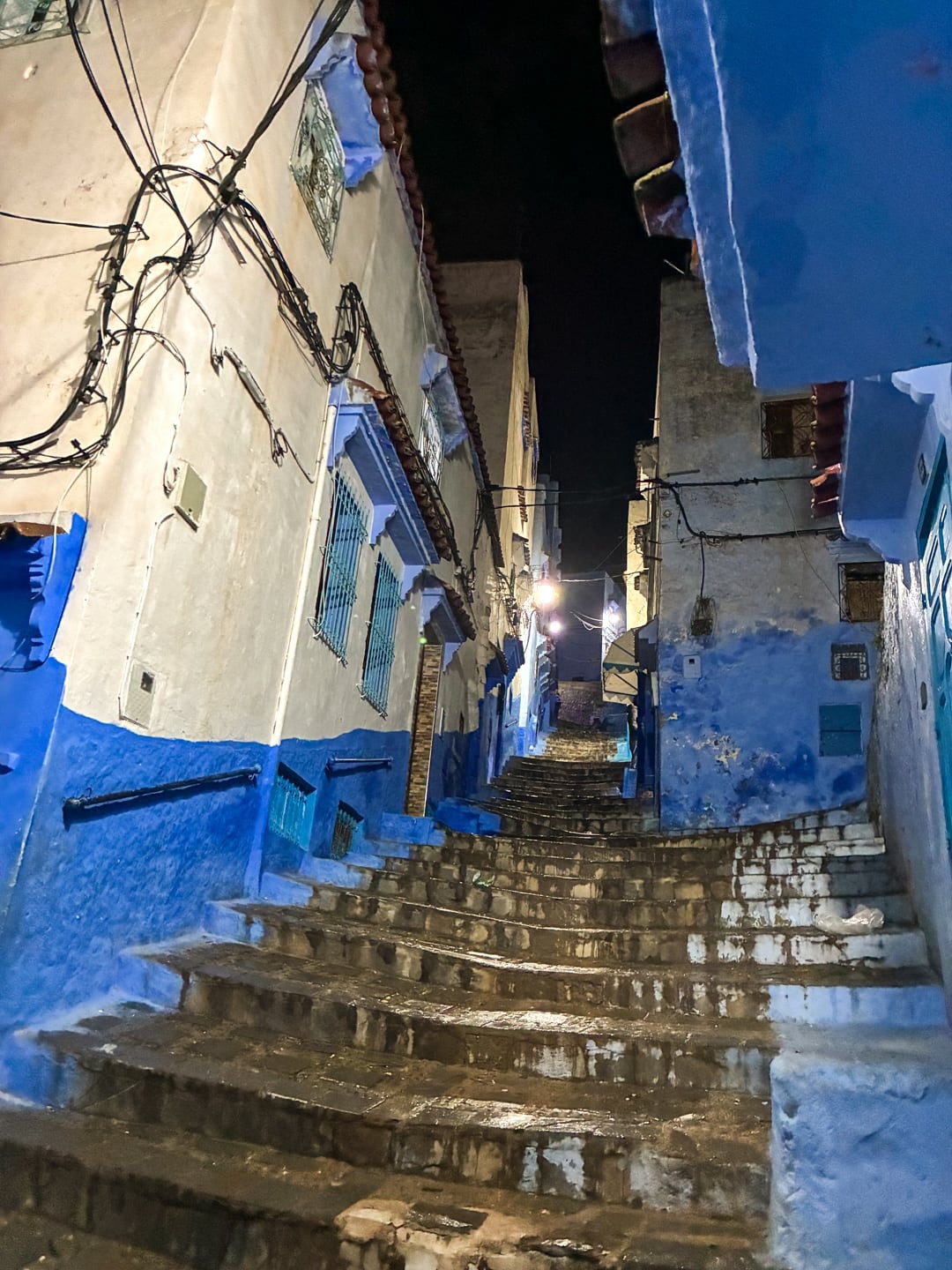
Back into the blue.
Low on cash this particularly evening, we were faced with a difficult decision: spend an hour searching for the one place in town that accepts credit cards or…make the steep trek back up the hill to our apartment to reload.
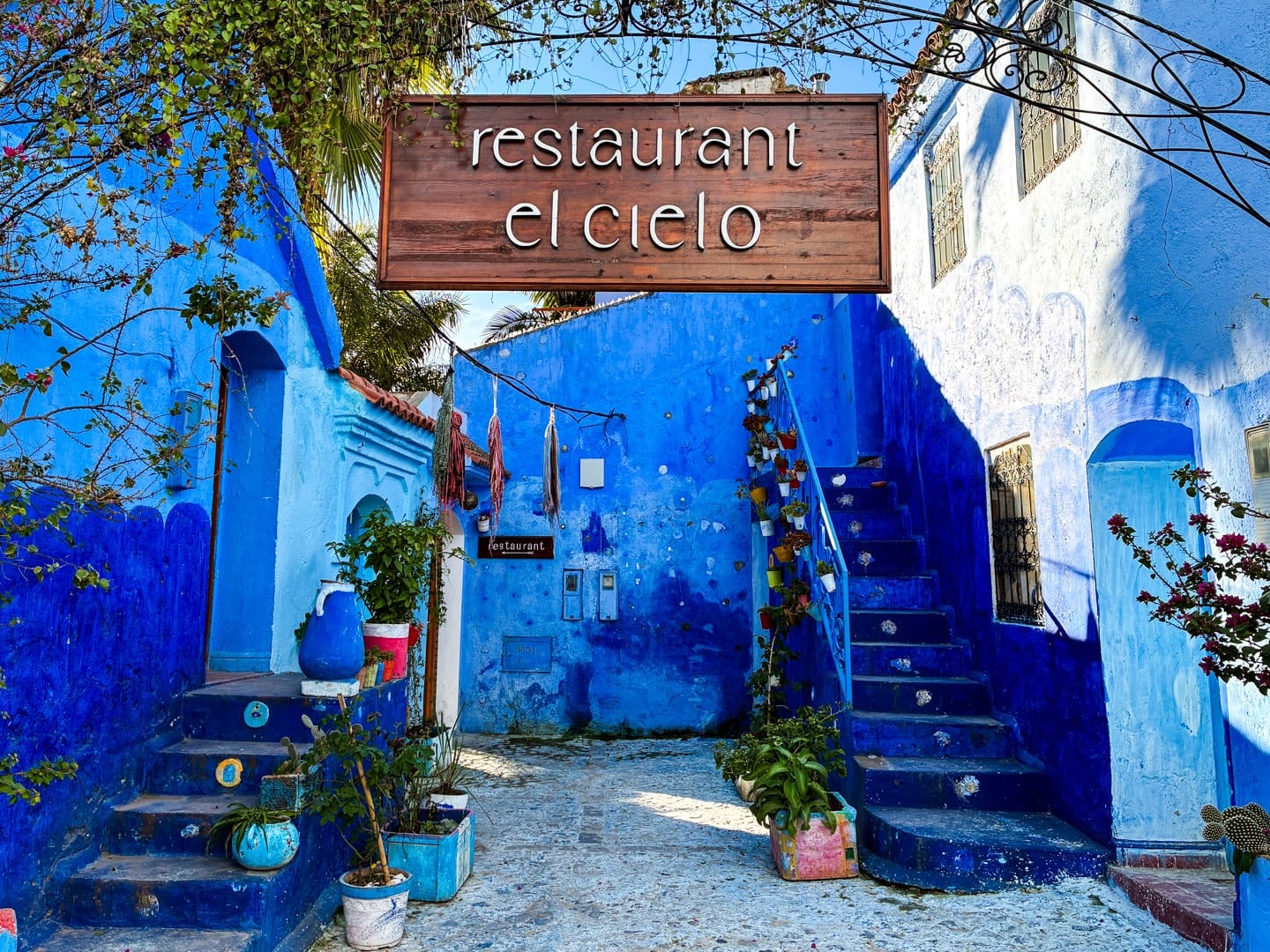
We chose the former, which ended up being Restaurant Morisco overlooking the Kasbah. Ended up being one of our best meals in town (and the prices were very reasonable).
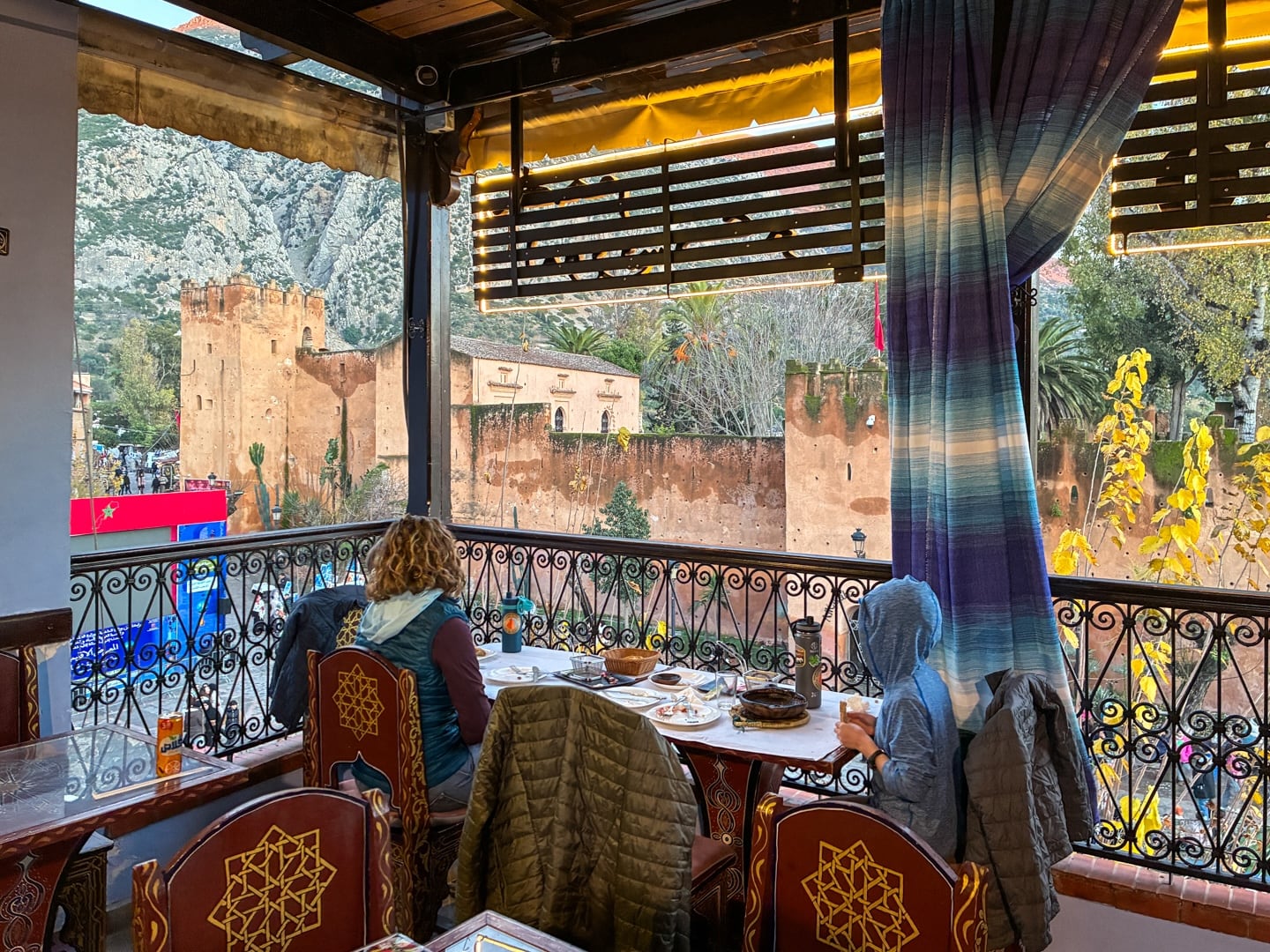
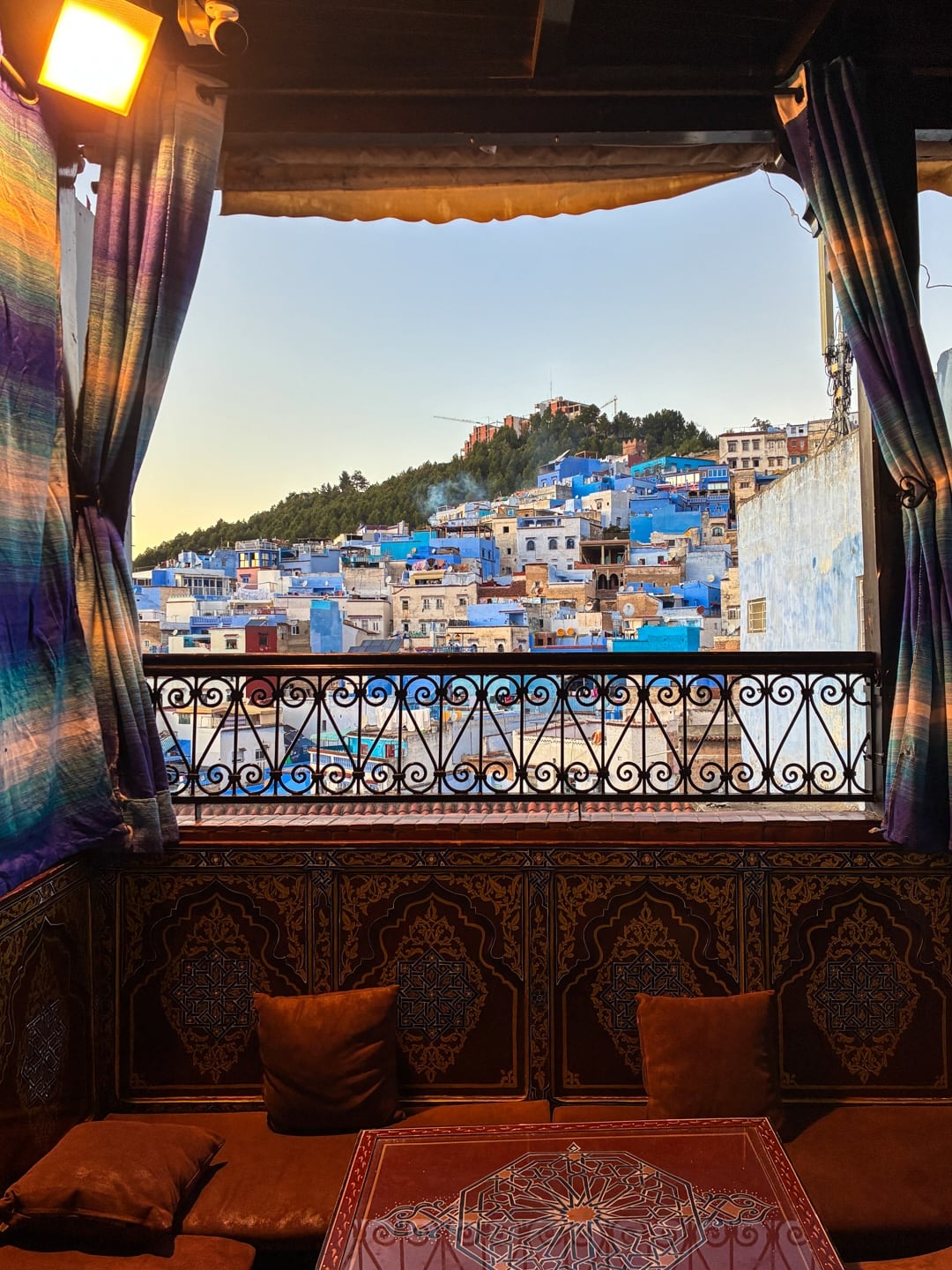
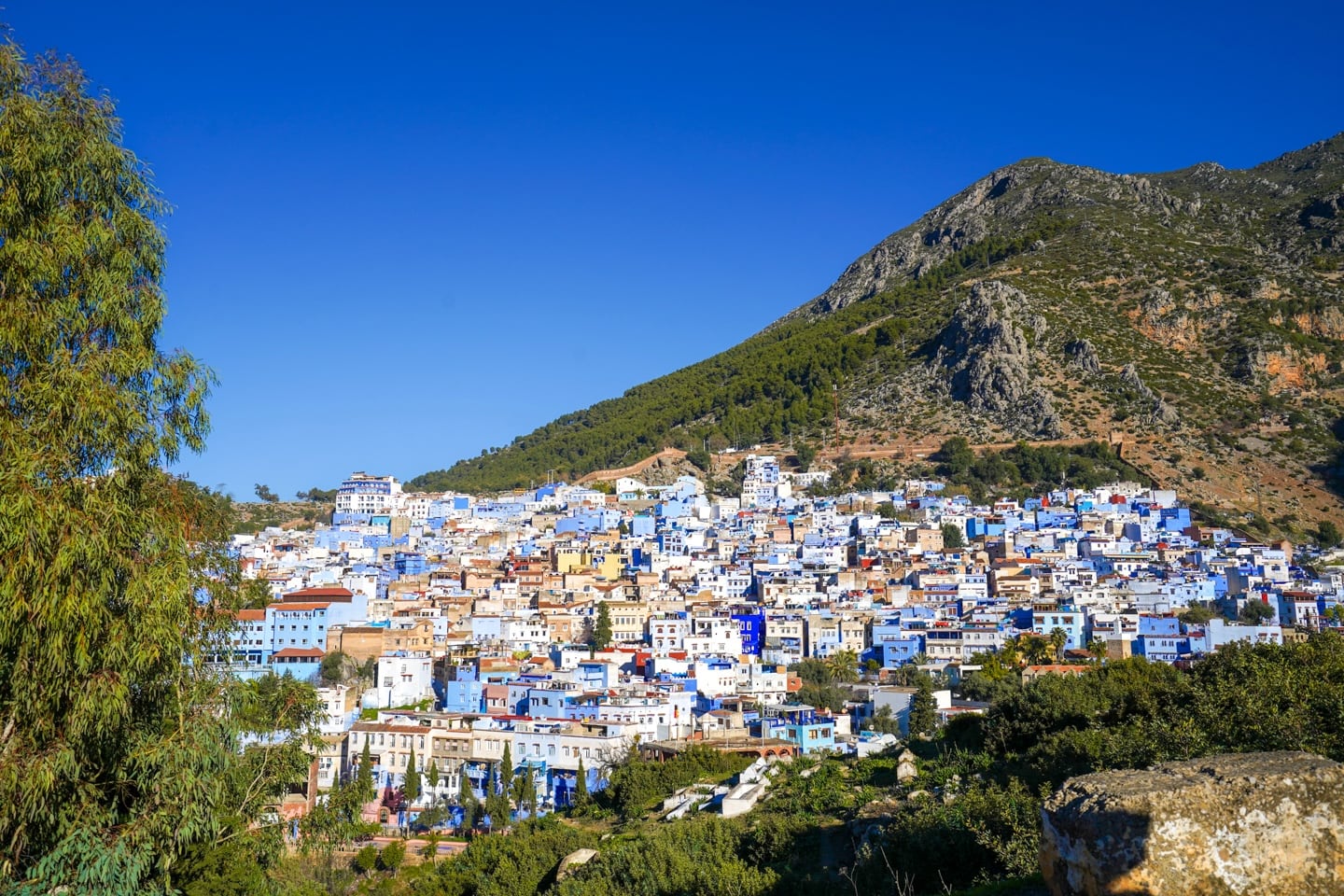
The next morning, I headed down the hill just after sunrise to snap a few pictures of town in its best light.
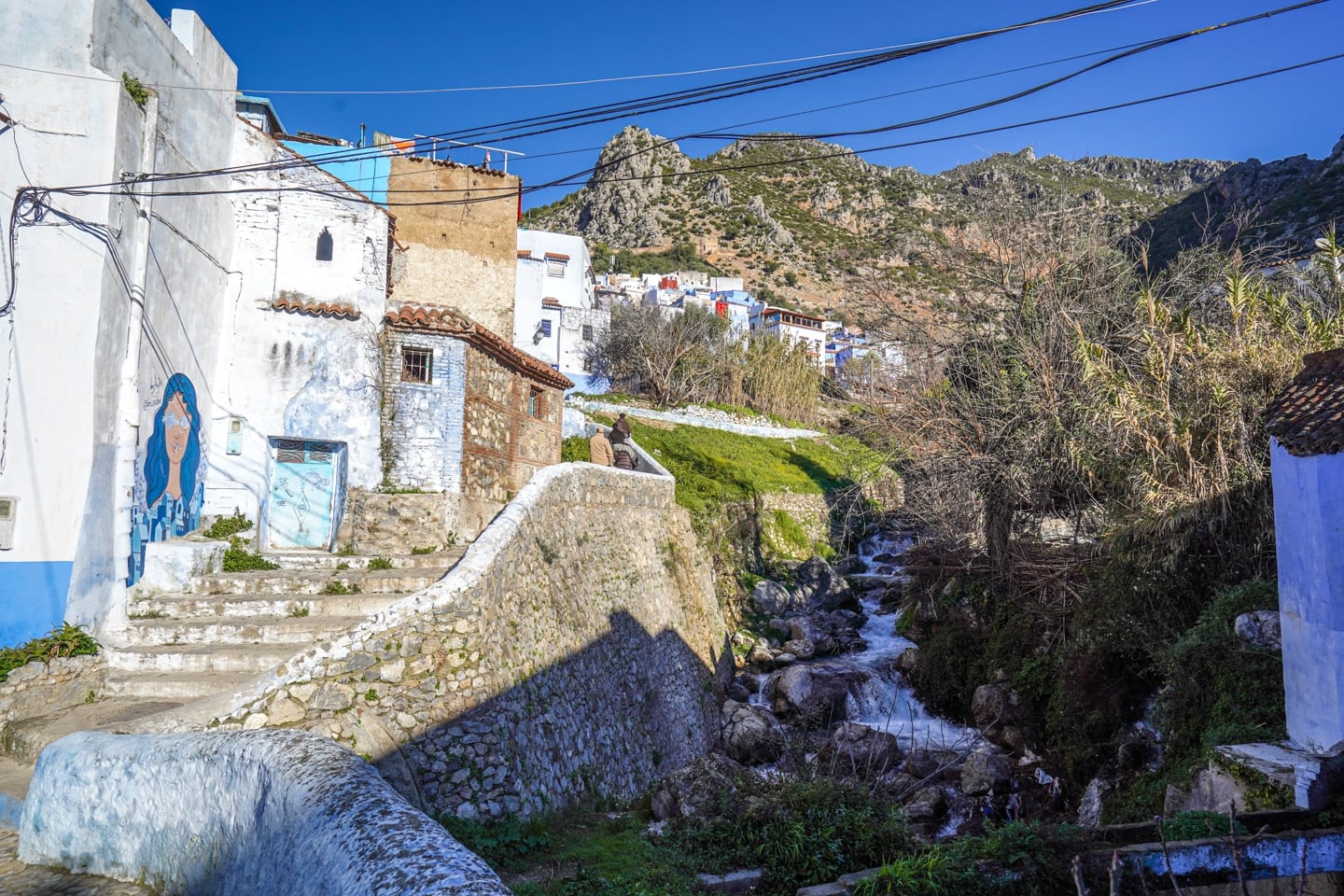
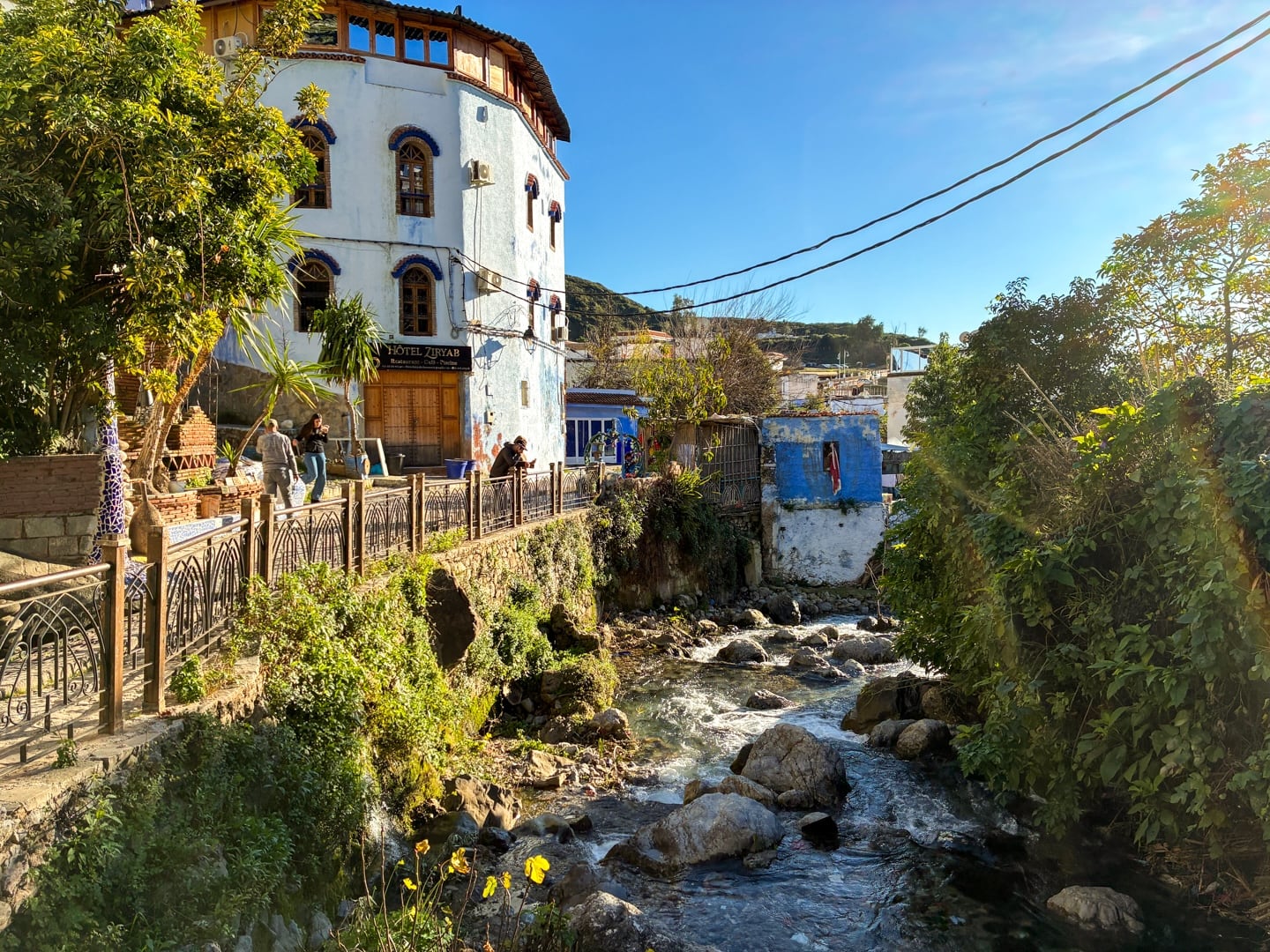
There is a small river that cuts through the center of town, along with a number of small waterfalls.
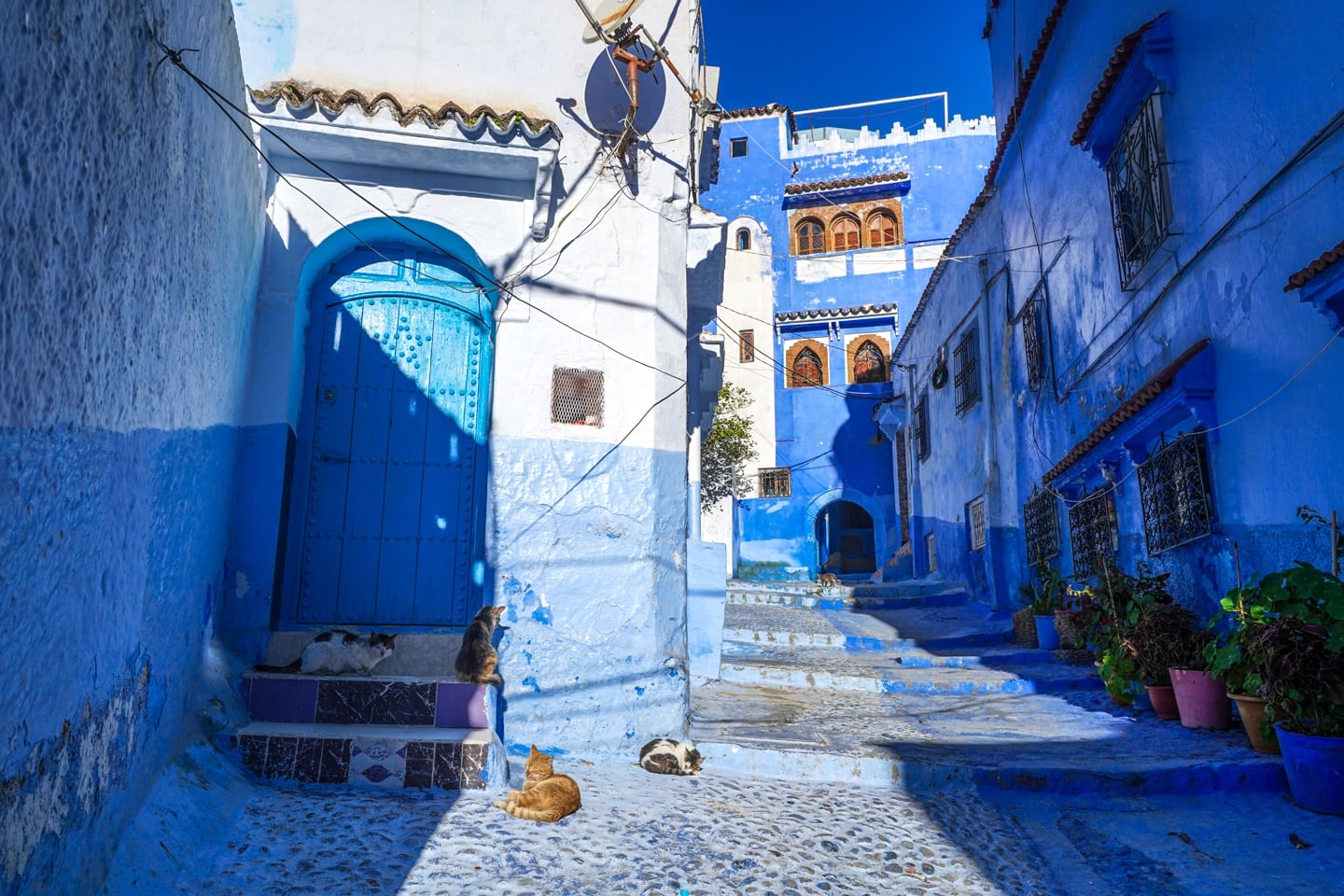
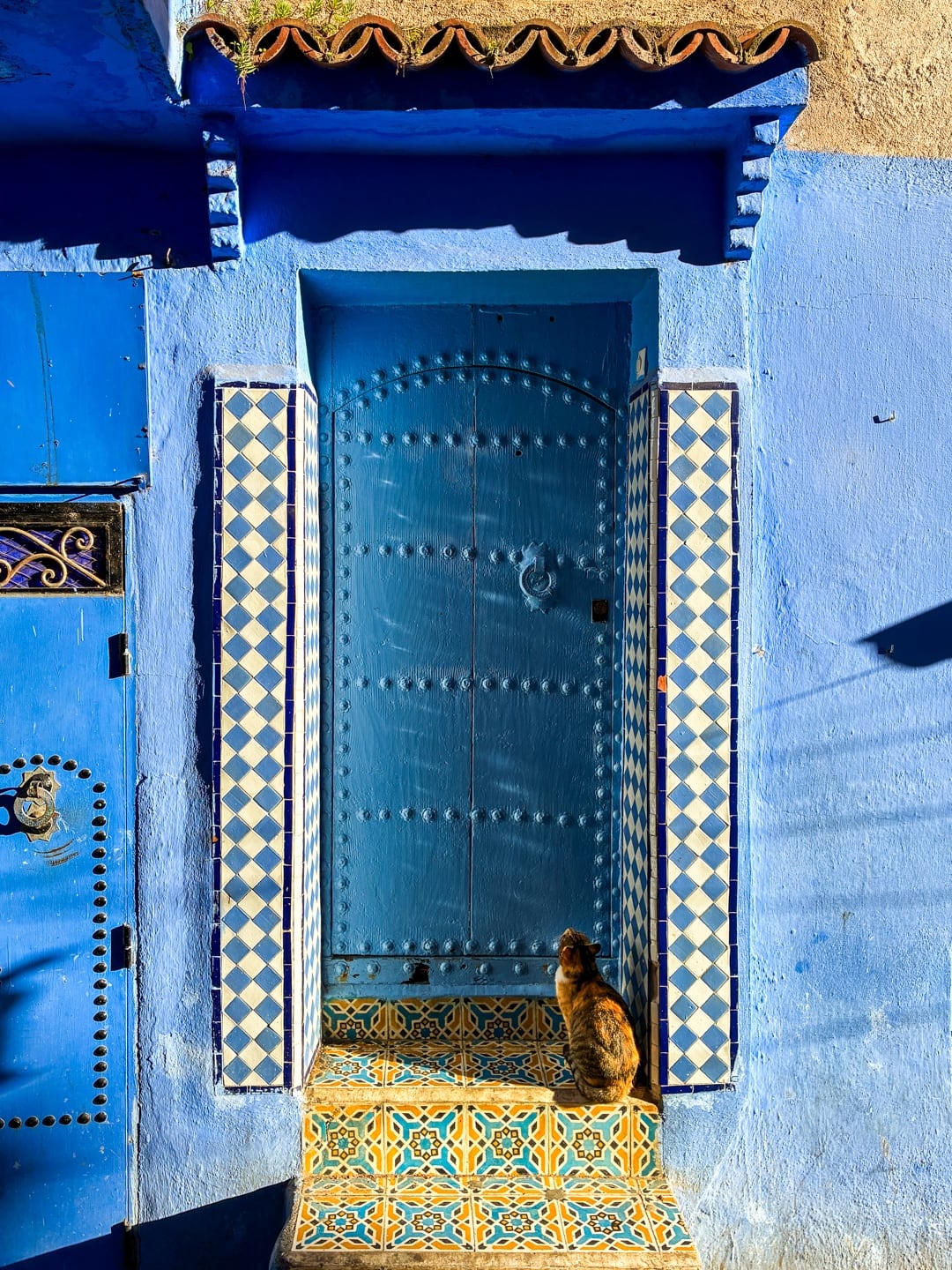
When the sun’s out, the cats come out in droves to sun themselves. We haven’t seen this many cats since Istanbul, also a hallmark feature of the Muslim world.
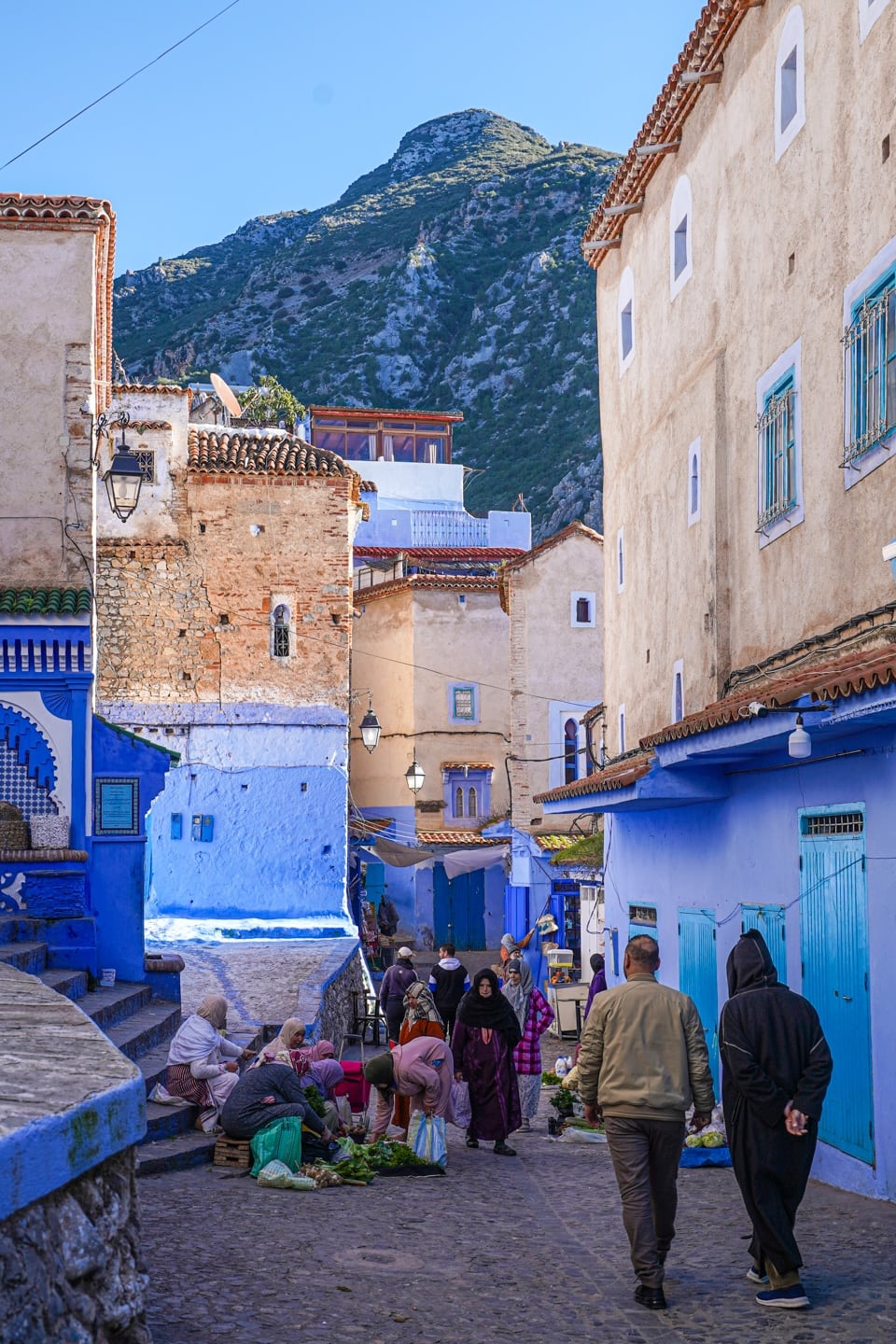
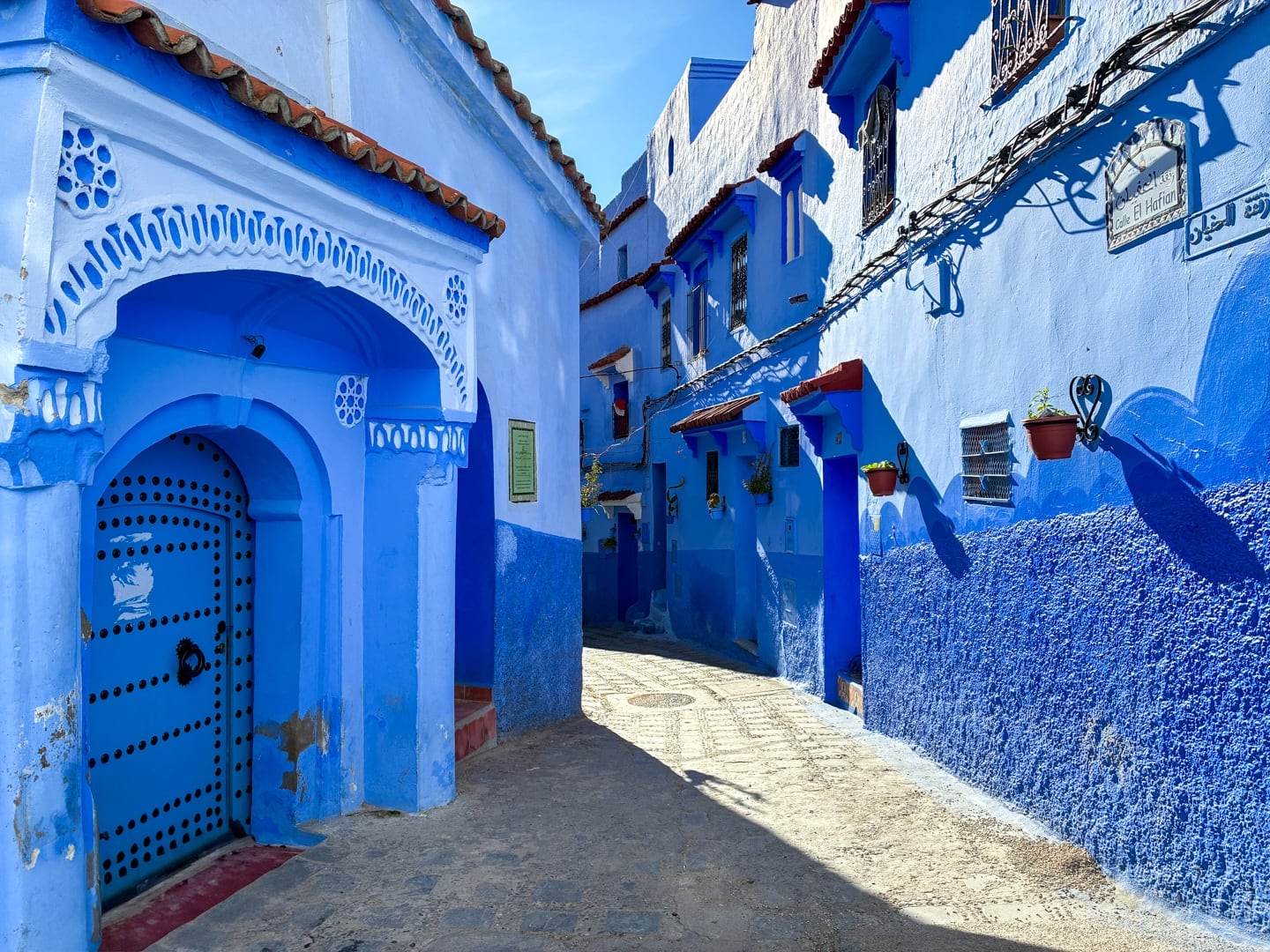
When I returned to the apartment, I convinced the rest of the family to return with me for a more in-depth look at some of the falls farther up the hill.
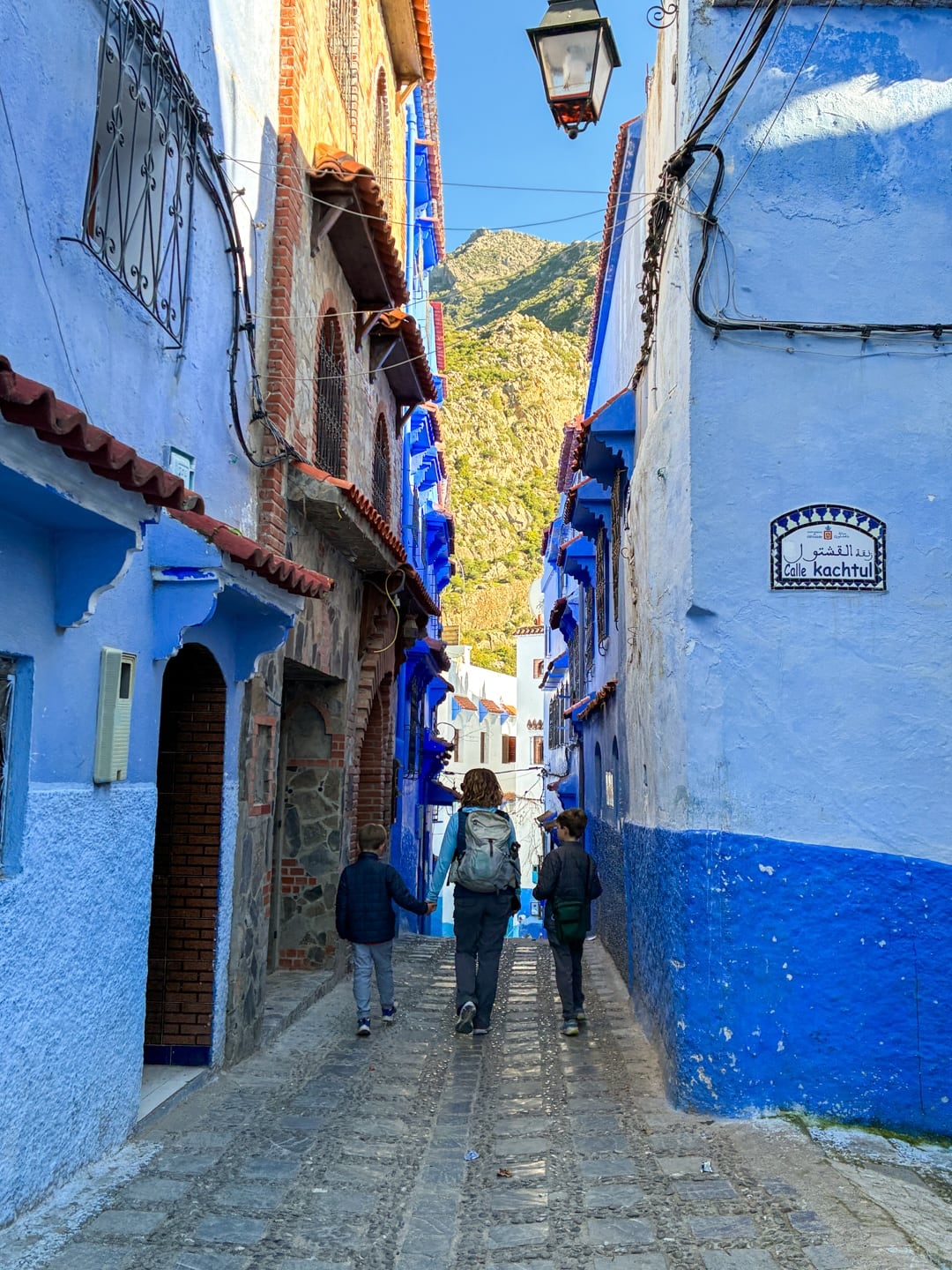
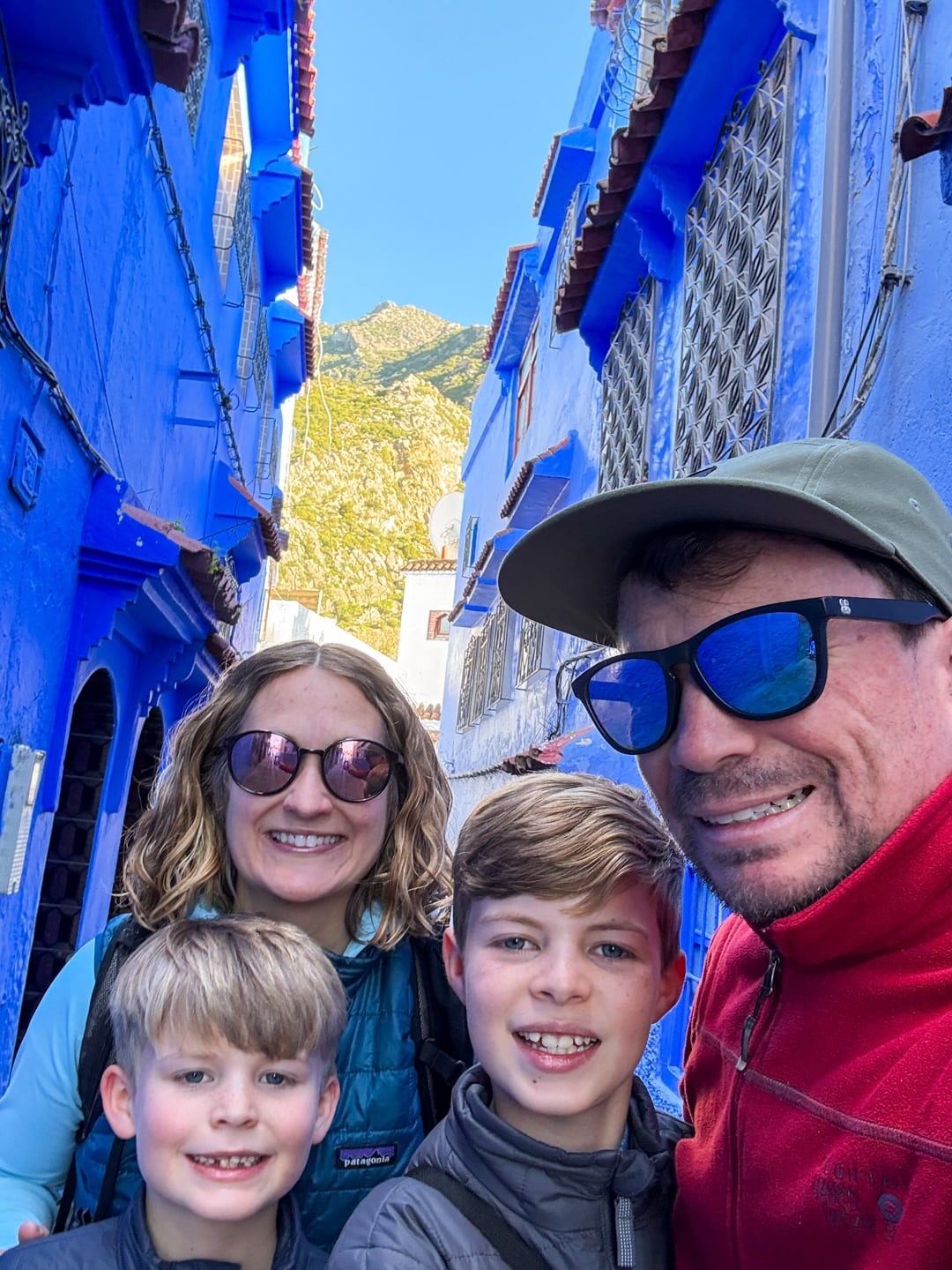
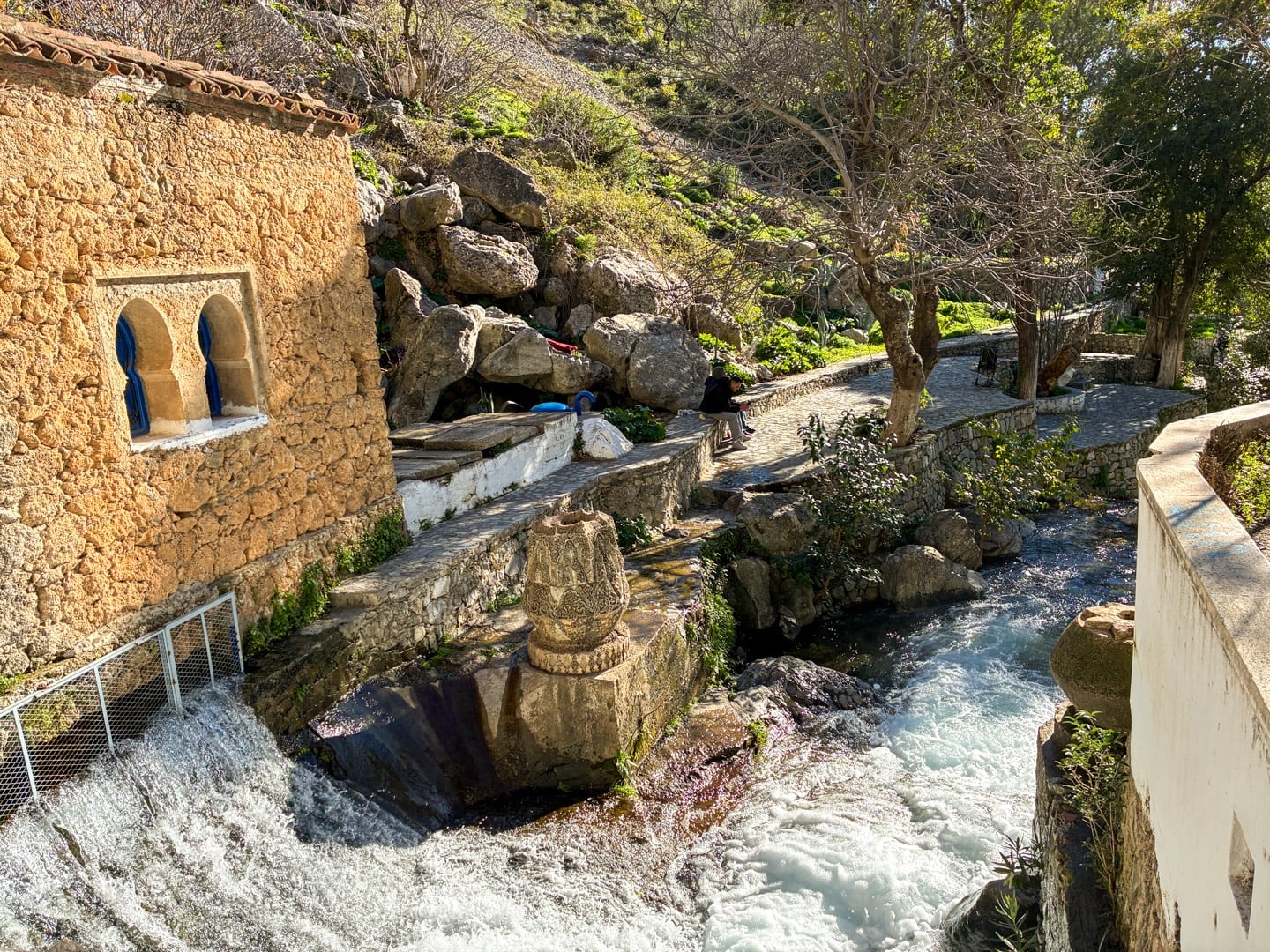
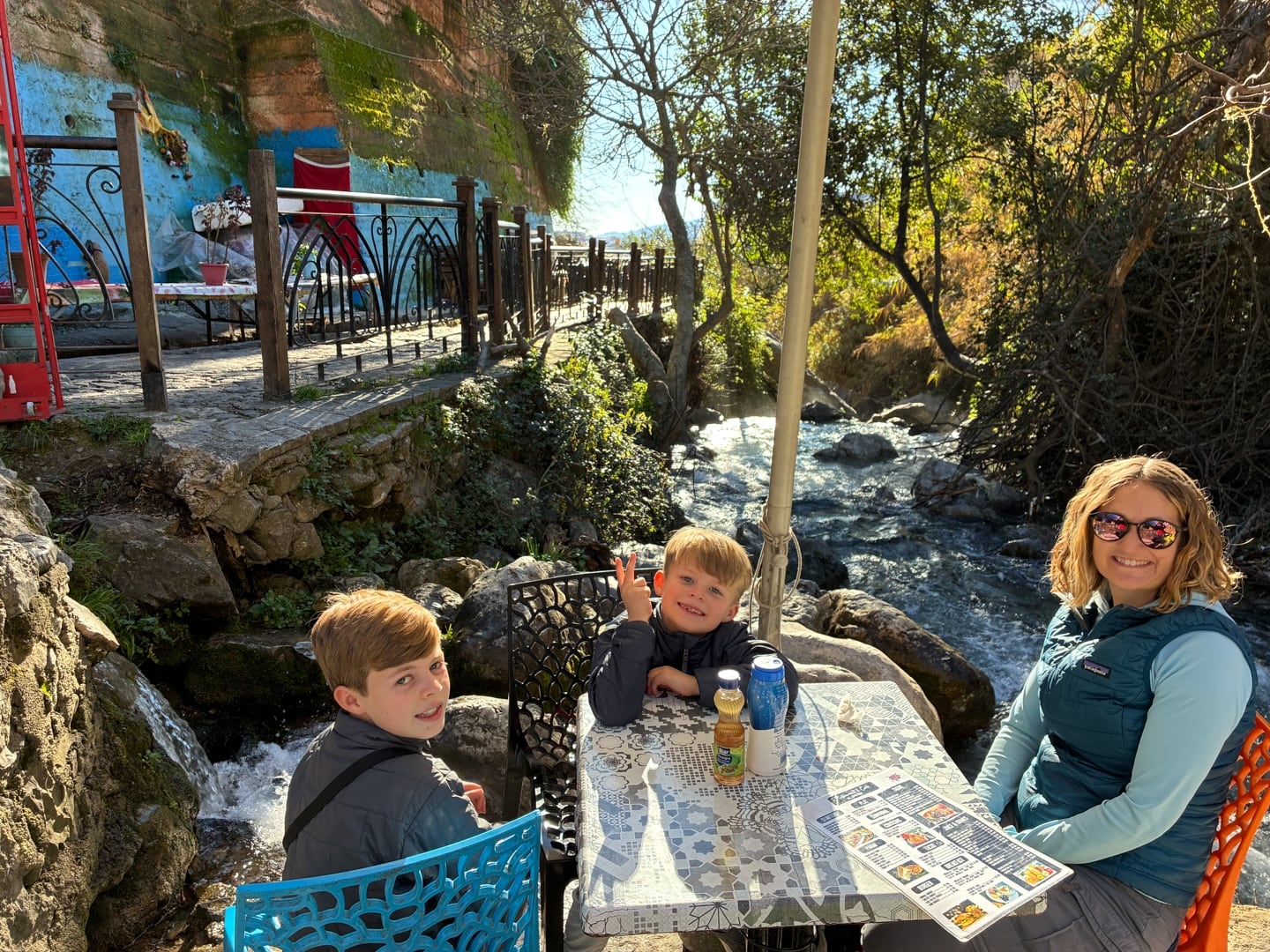
Following the river back into town, we stumbled upon this little cafe perched inches away from the rushing water. Yet, another great place to have—you guessed it—espresso and mint tea.
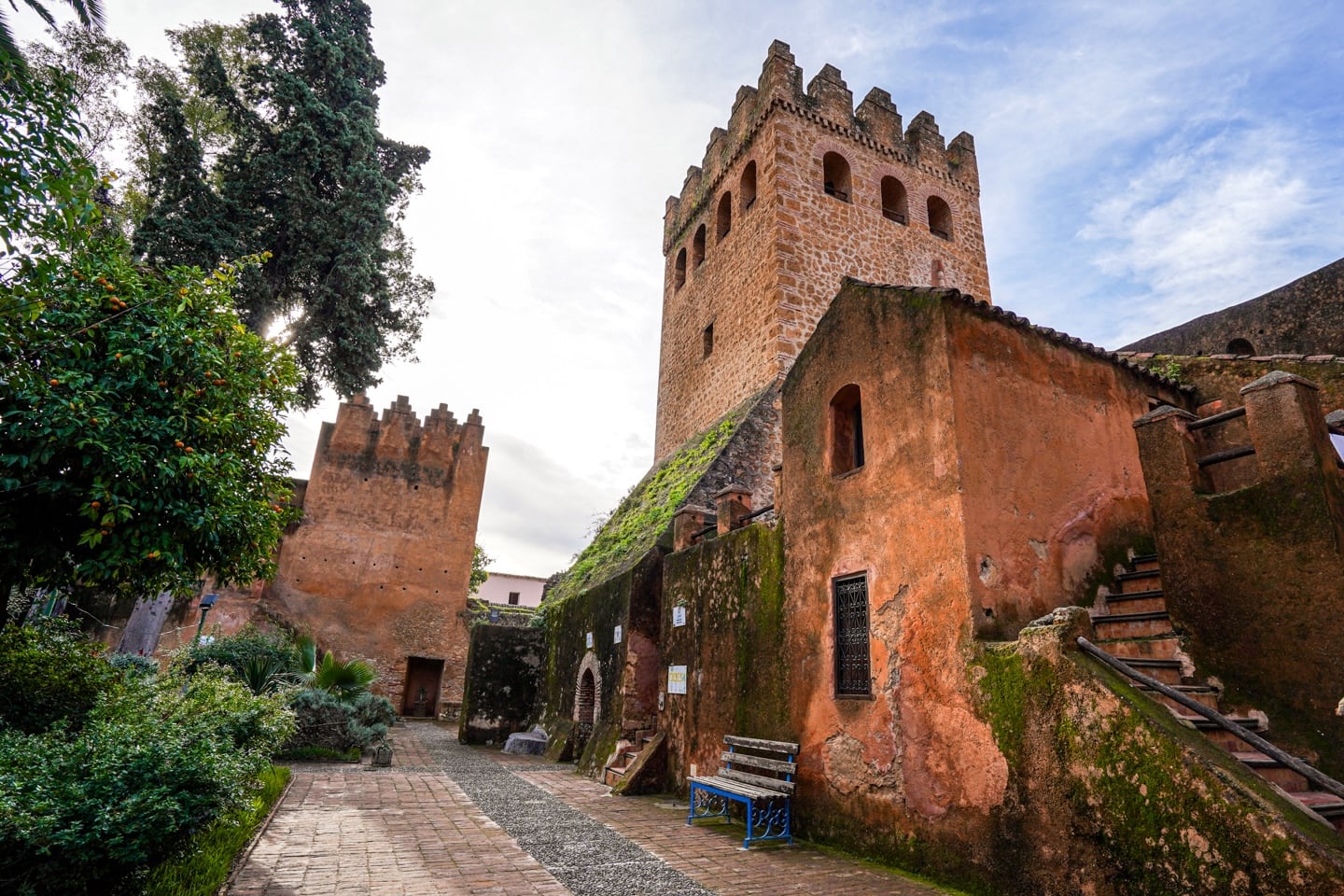
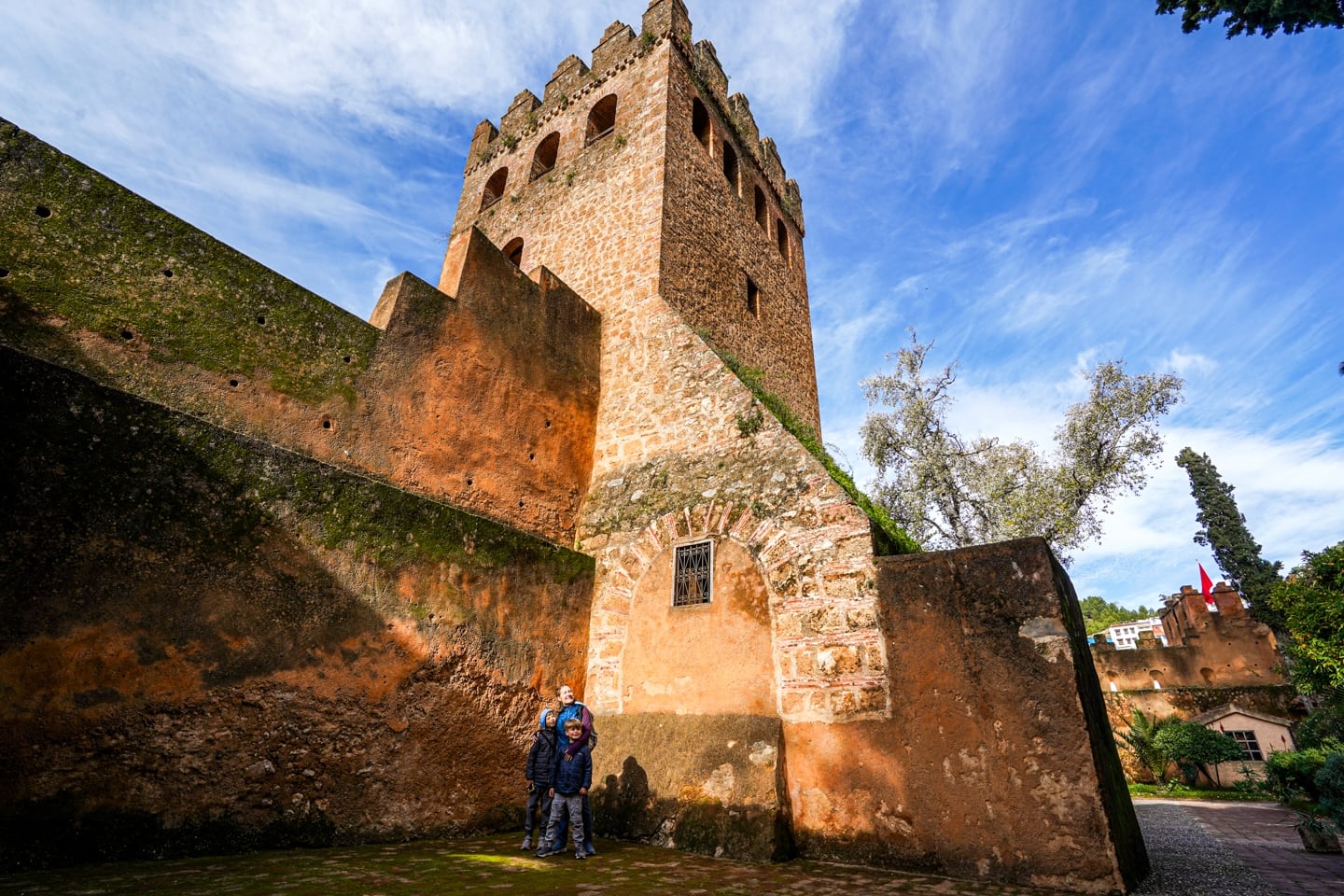
We couldn’t leave Chefchaouen without visiting the town’s historic Kasbah, a fortified complex historically used for defense and governing.
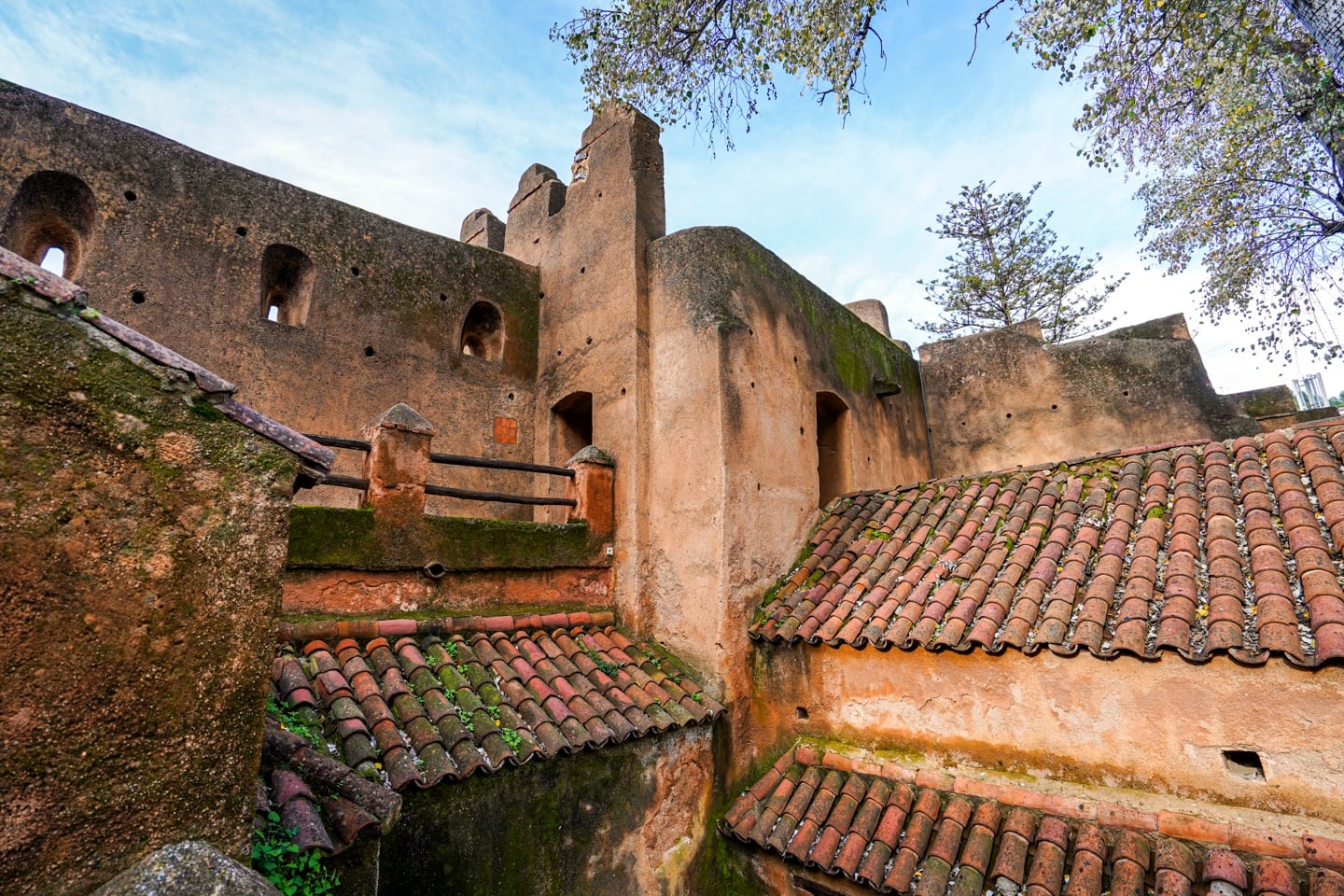
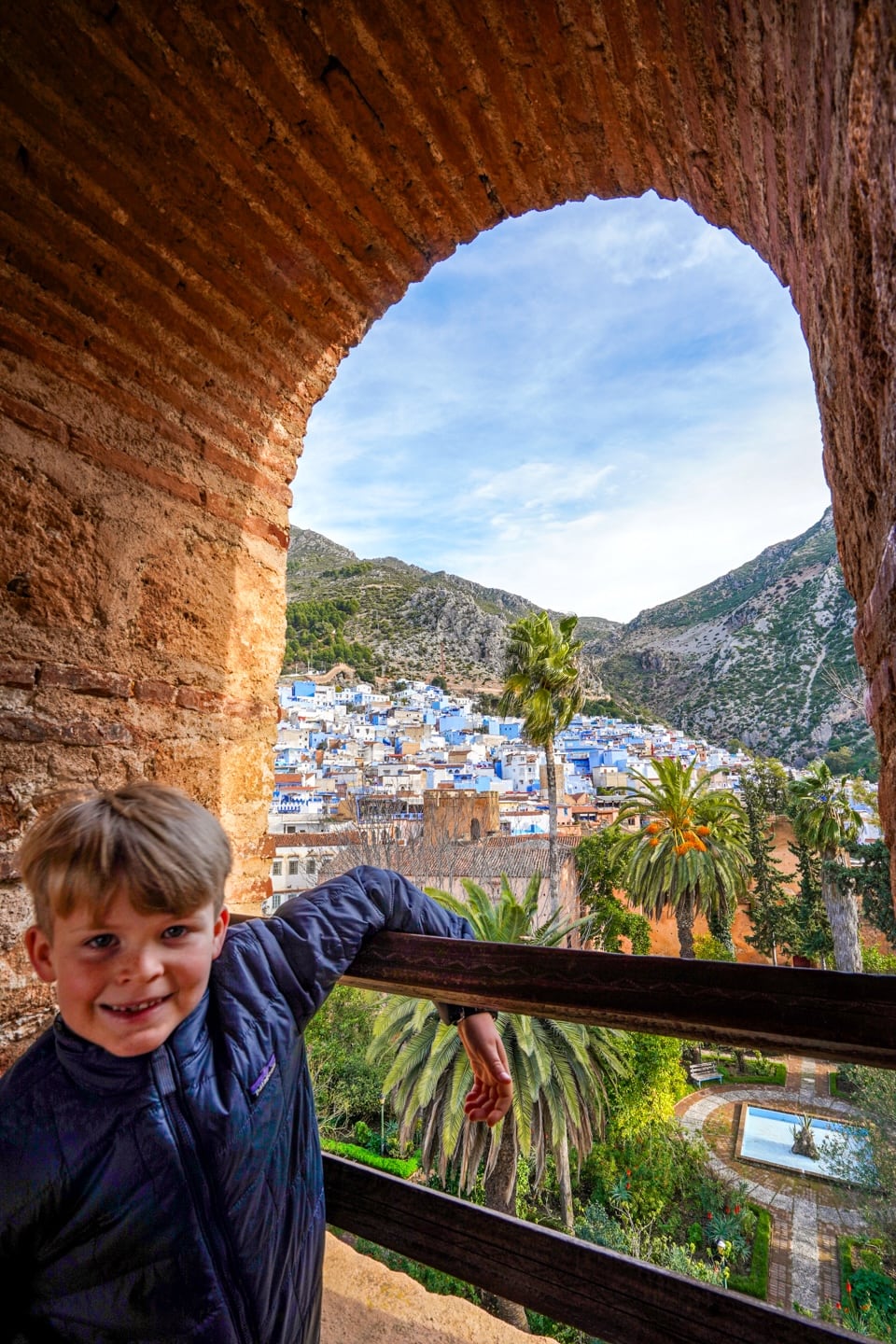
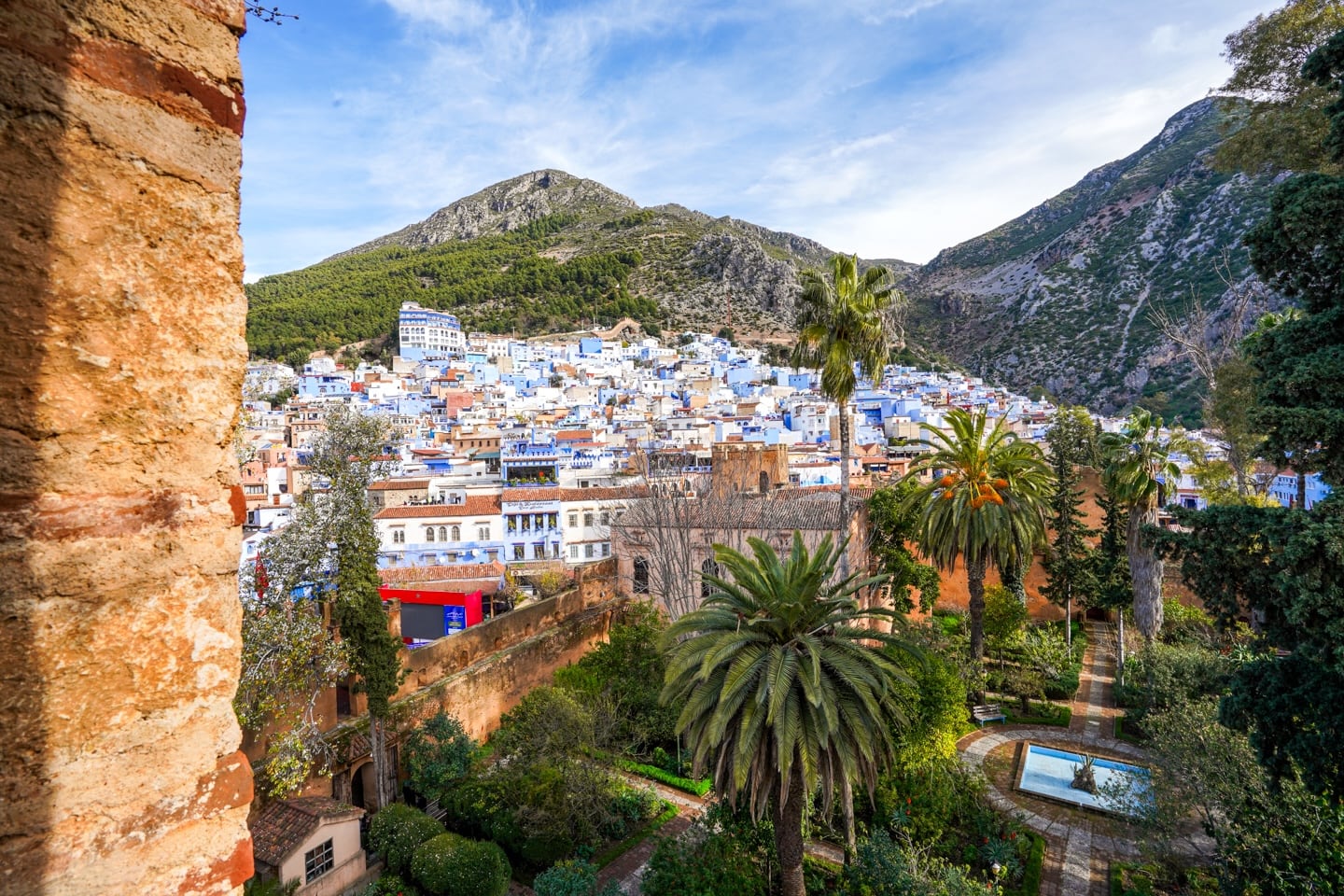
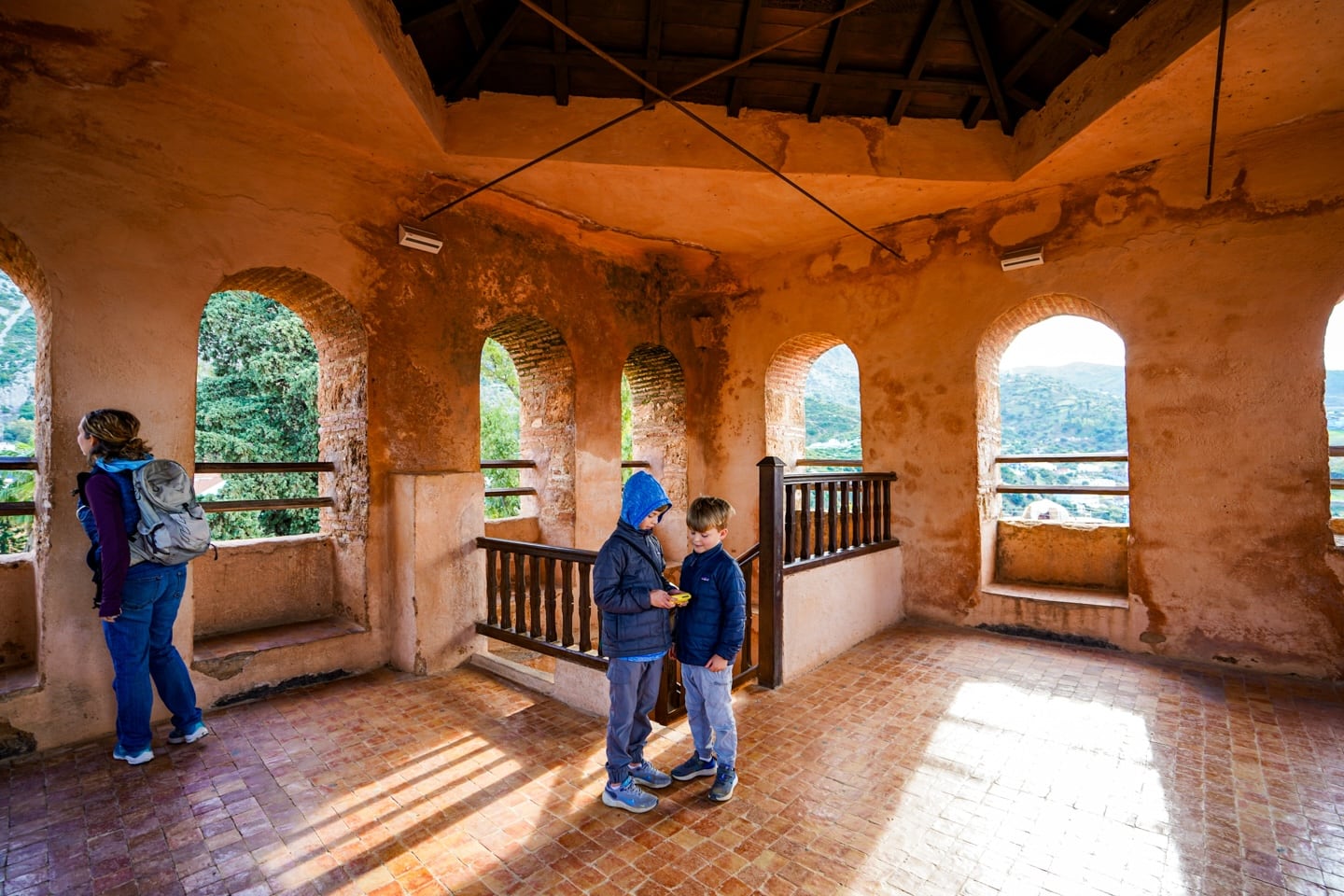
The Kasbah of Chefchaouen dates to the 15th-century. It was built by Ali ibn Rashid to protect against Portuguese invaders. Today, it’s a museum surrounding an Andalusian-style garden.
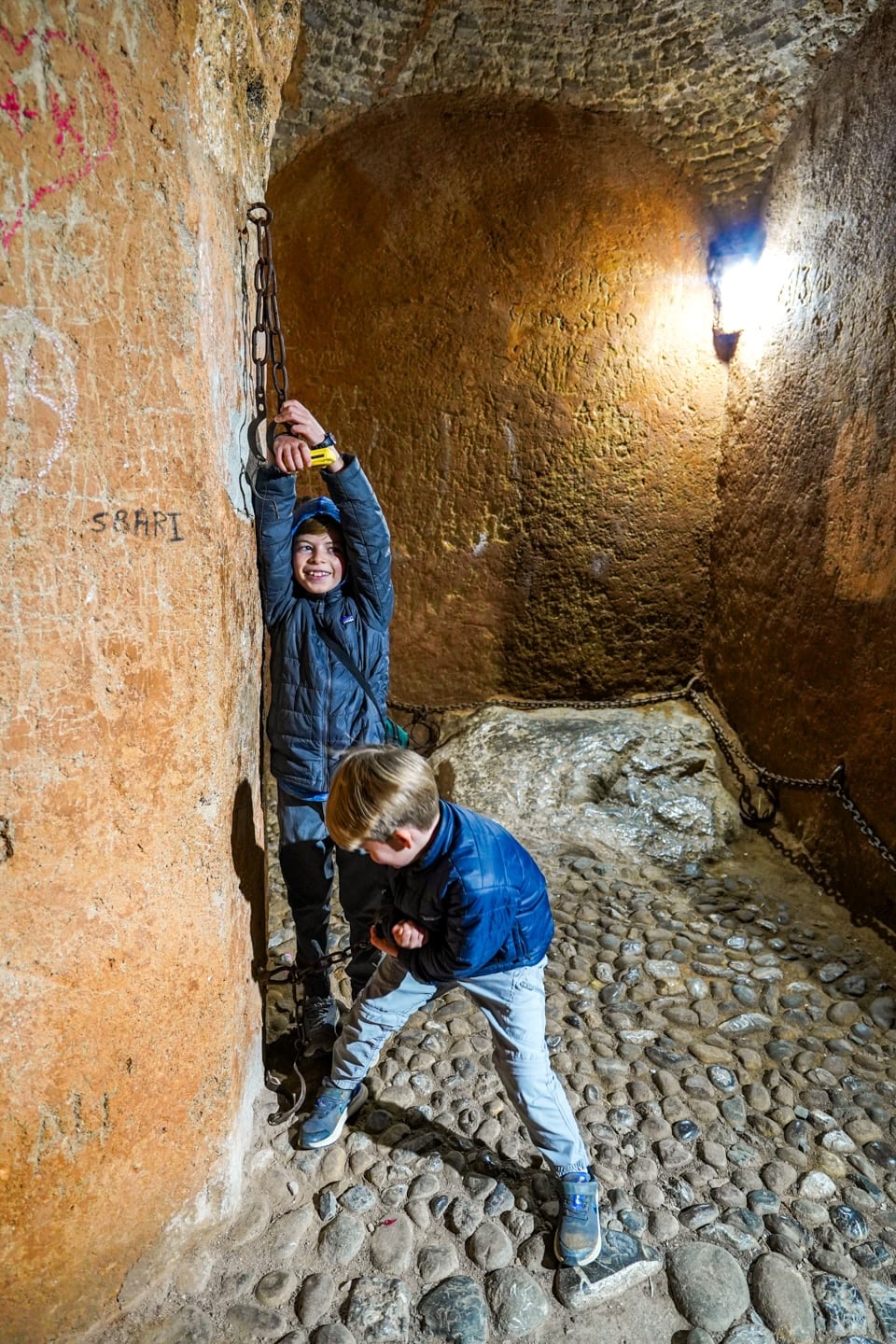
The dungeon. Every Kasbah seems to have one.