
Perched above the village of Mirleft are two prominent 20th-century military structures. On the top of the hill is ruined Fort Tidli, which is believed to have been constructed in the 1930s by the French Foreign Legion.
A bit lower on the hill is Les 3 Chameaux, which has been restored and repurposed as a boutique hotel.
Our Euro-African Journey (So Far...)
While Les 3 Chameaux is closed to the public, anyone can climb up to and wonder around Fort Tidli, which is what we did this particular Saturday morning.
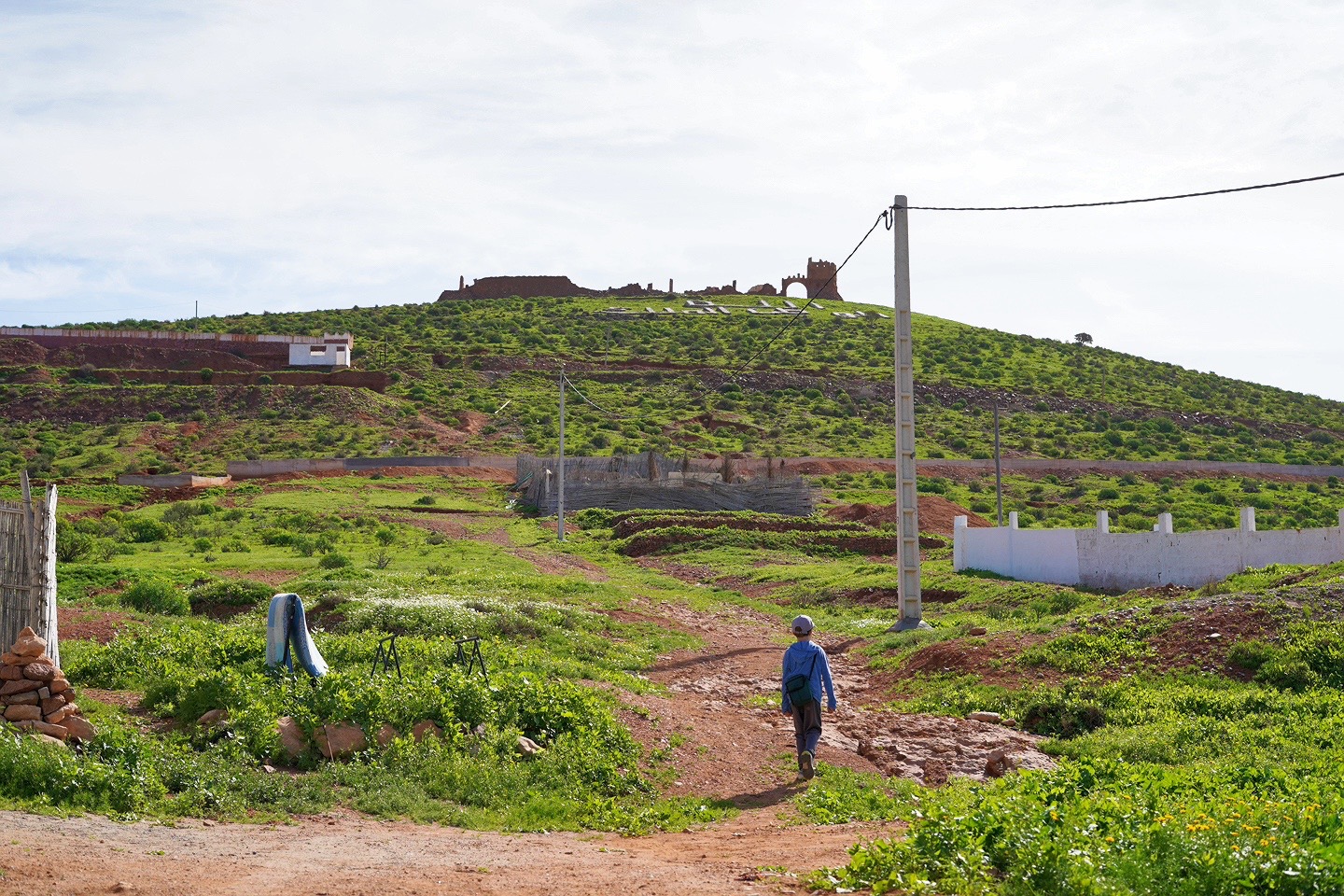


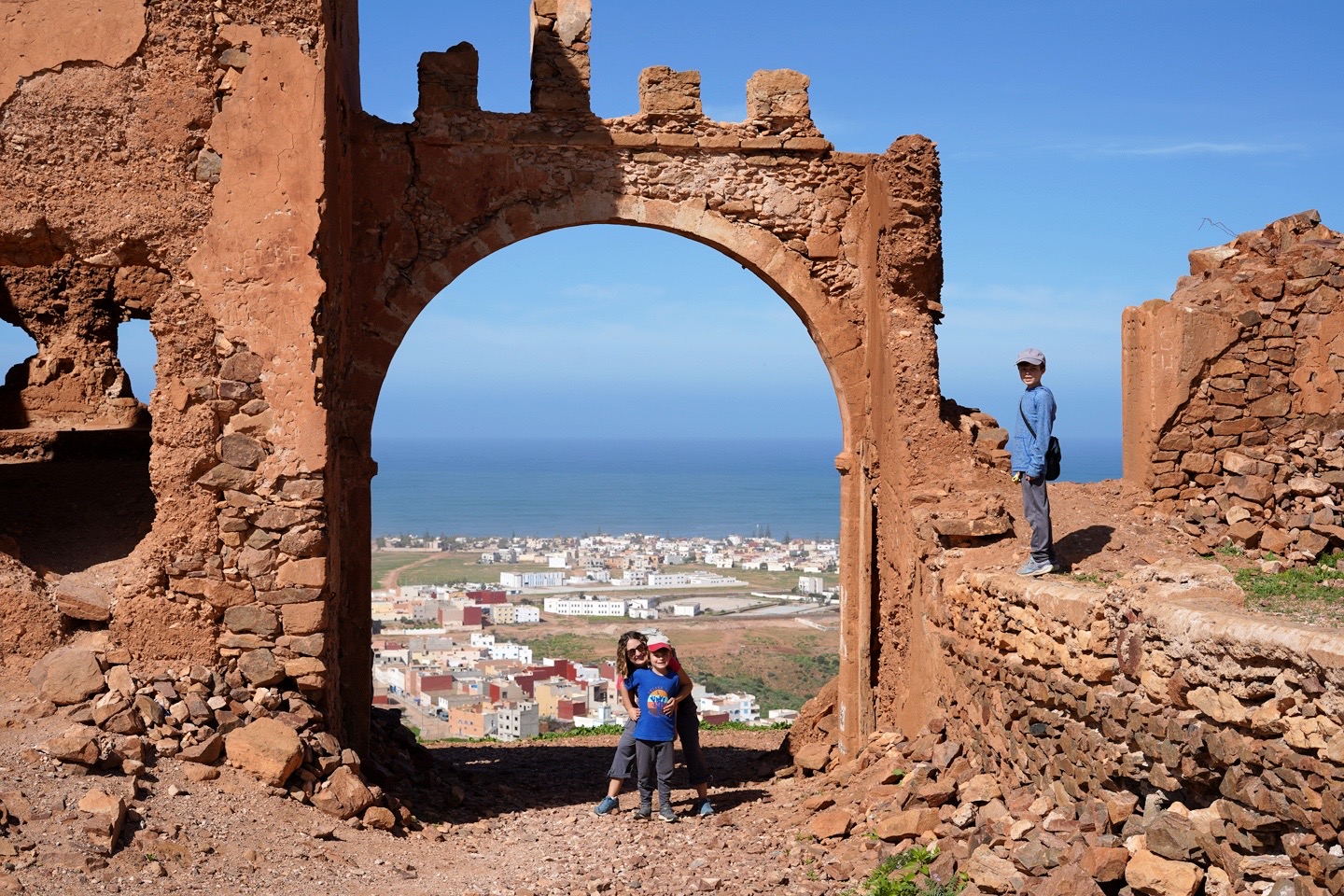
Along the way, we were treated to views of the ocean and a handful of baby goats relaxing in the sun.

Approaching what appeared to be the main gate of the former complex. The kids had a blast exploring the nooks and crannies of this old military installment.

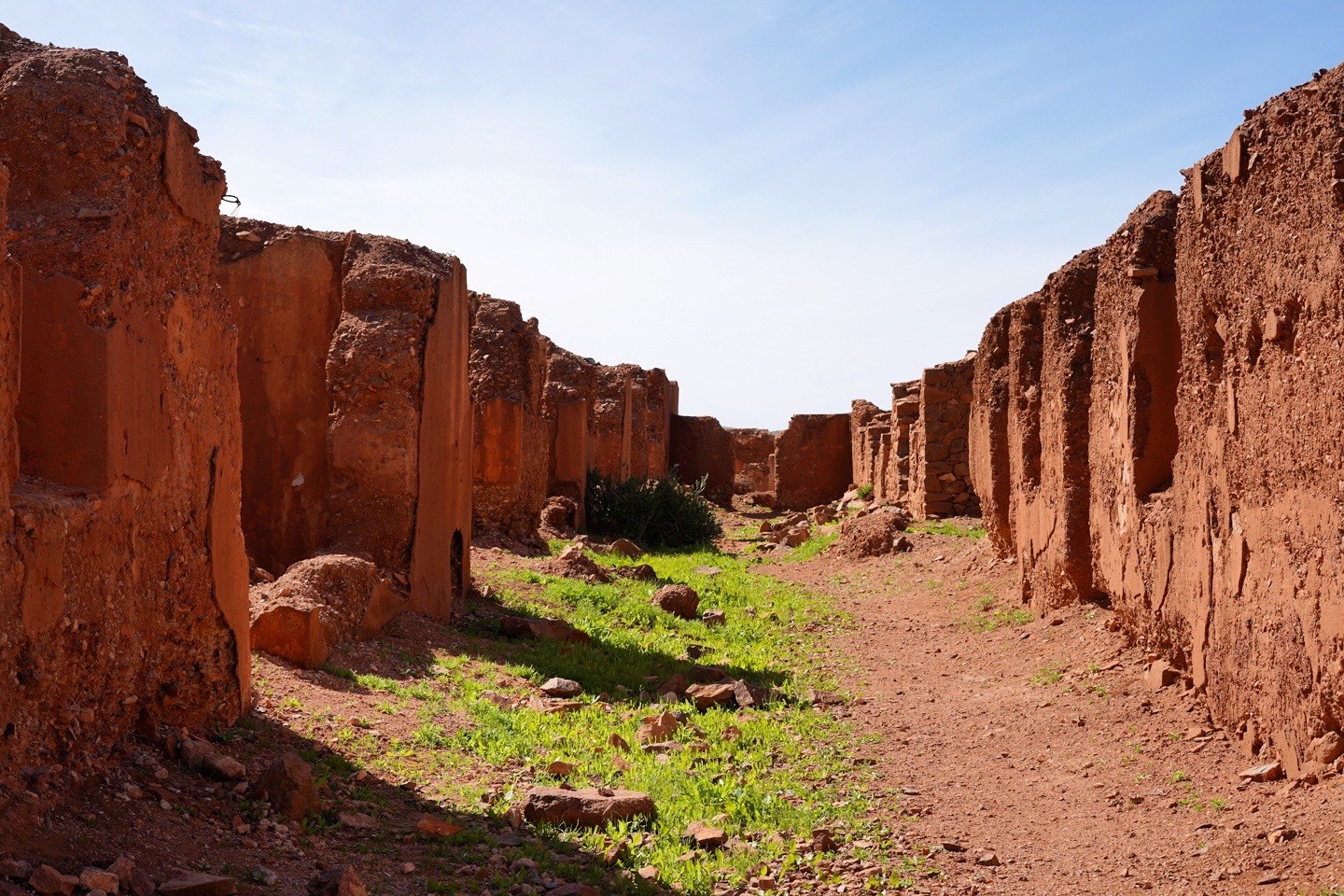


Afterwards, we followed the trail downhill and back to the main highway. Then, we headed south to another part of town we hadn’t yet explored. Mirleft’s population is small, but it’s spread out over four or five main enclaves.

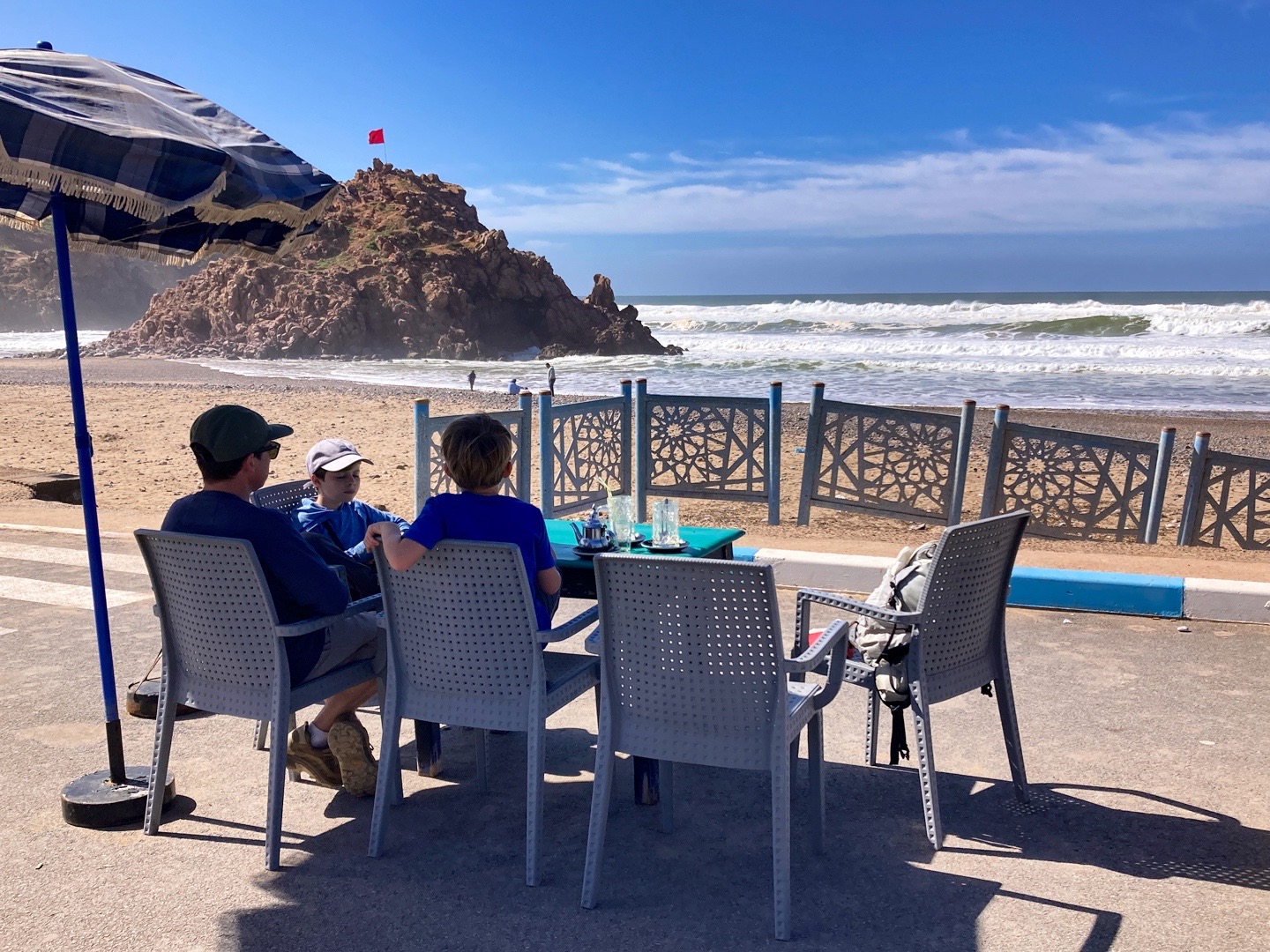
Walk thirty minutes south from the center of town and you’ll wind up here at Sidi Mohammed Ben Abdellah Beach.
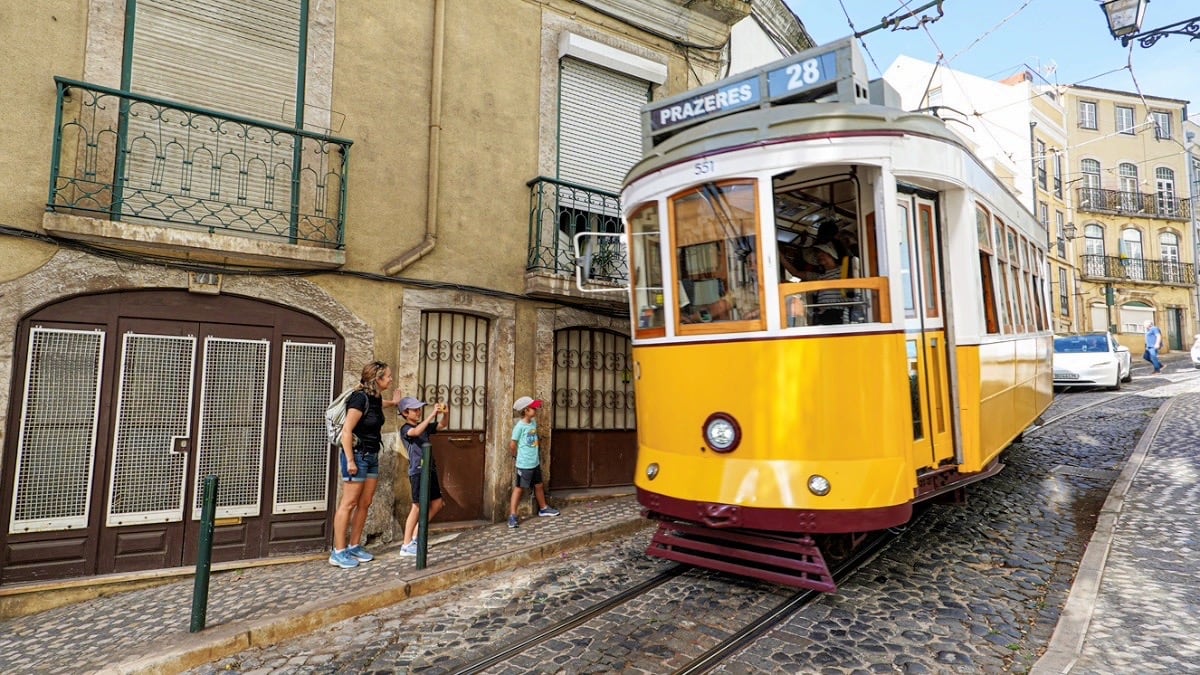
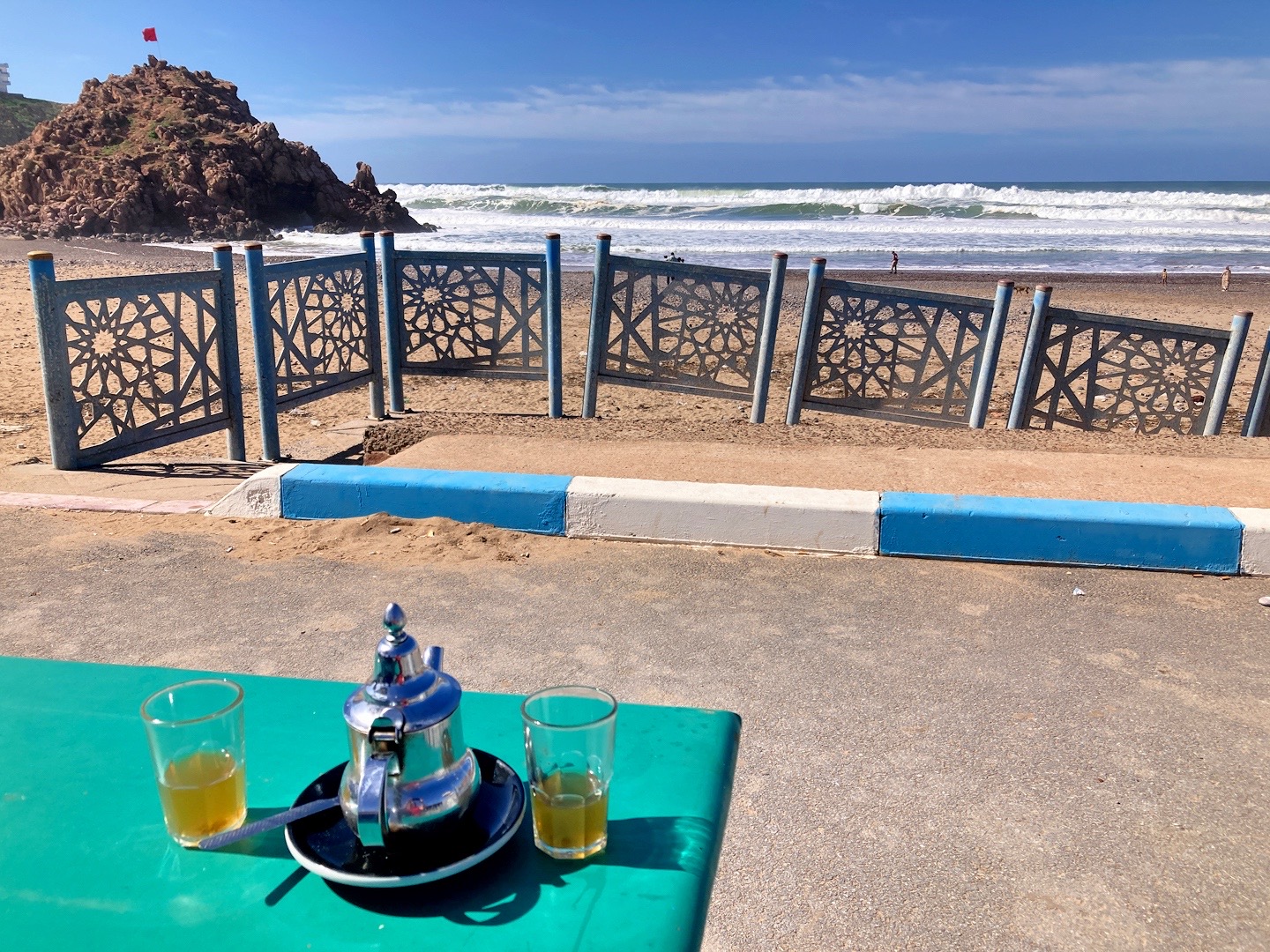
Yet, another beachside mint tea. I’ll admit, it’s been an adjustment going from beer on the beach in Mexico to tea on the beach in Morocco, but there could be worse things.

We also thought we’d try something new this time and ordered the Pomme Juice. Unfortunately, my French is still very much a work in progress, as I thought this might be pomegranate juice. Nope, turns out we ordered some sort of pulpy white apple juice.
I was just relieved it didn’t end up being fry juice (French fries in French are pomme frites). I later learned that fries are named as such because potato in French is pomme de terre (“apple of the earth”). Ugh, French.
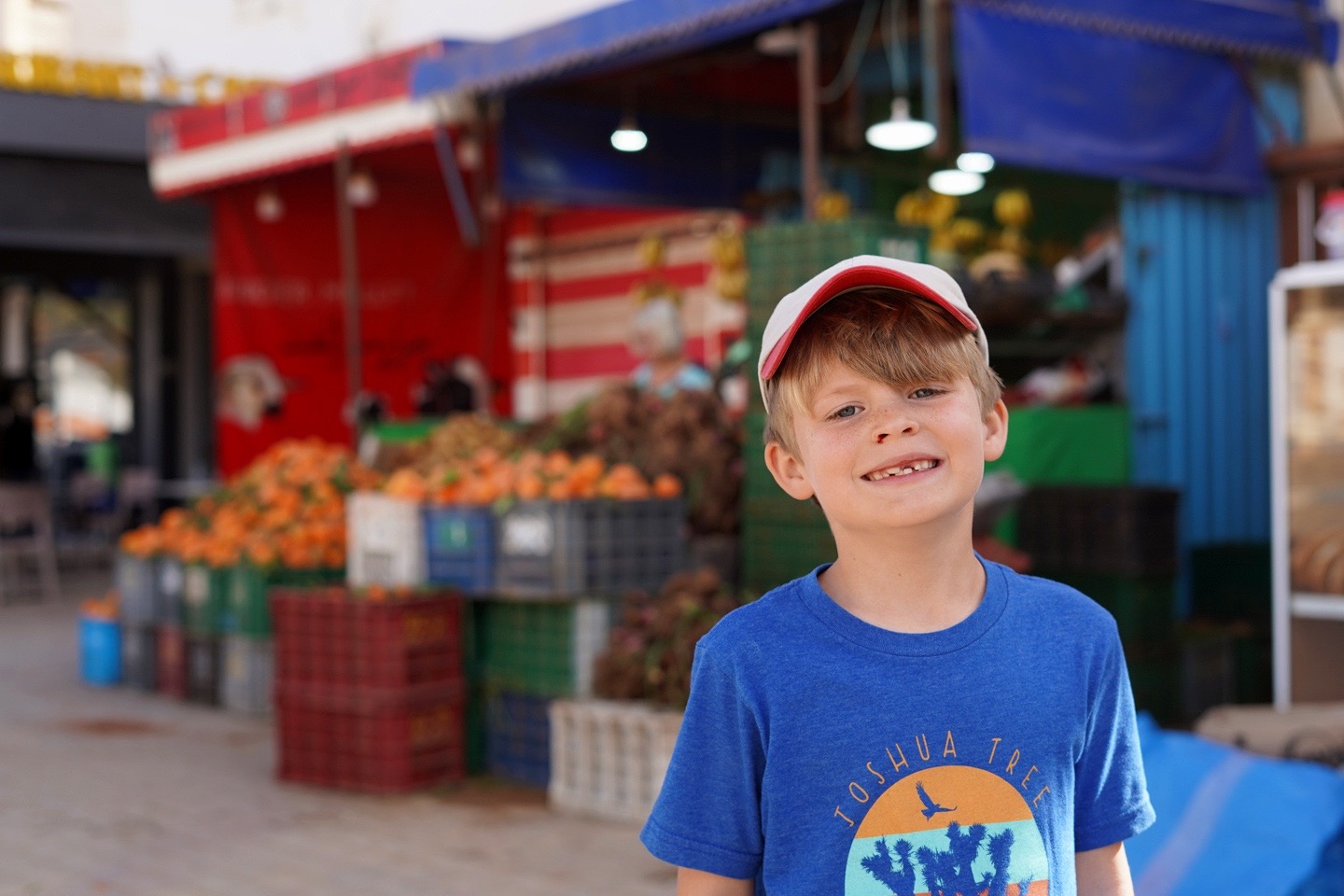


Monday morning and a new week at the Hub.
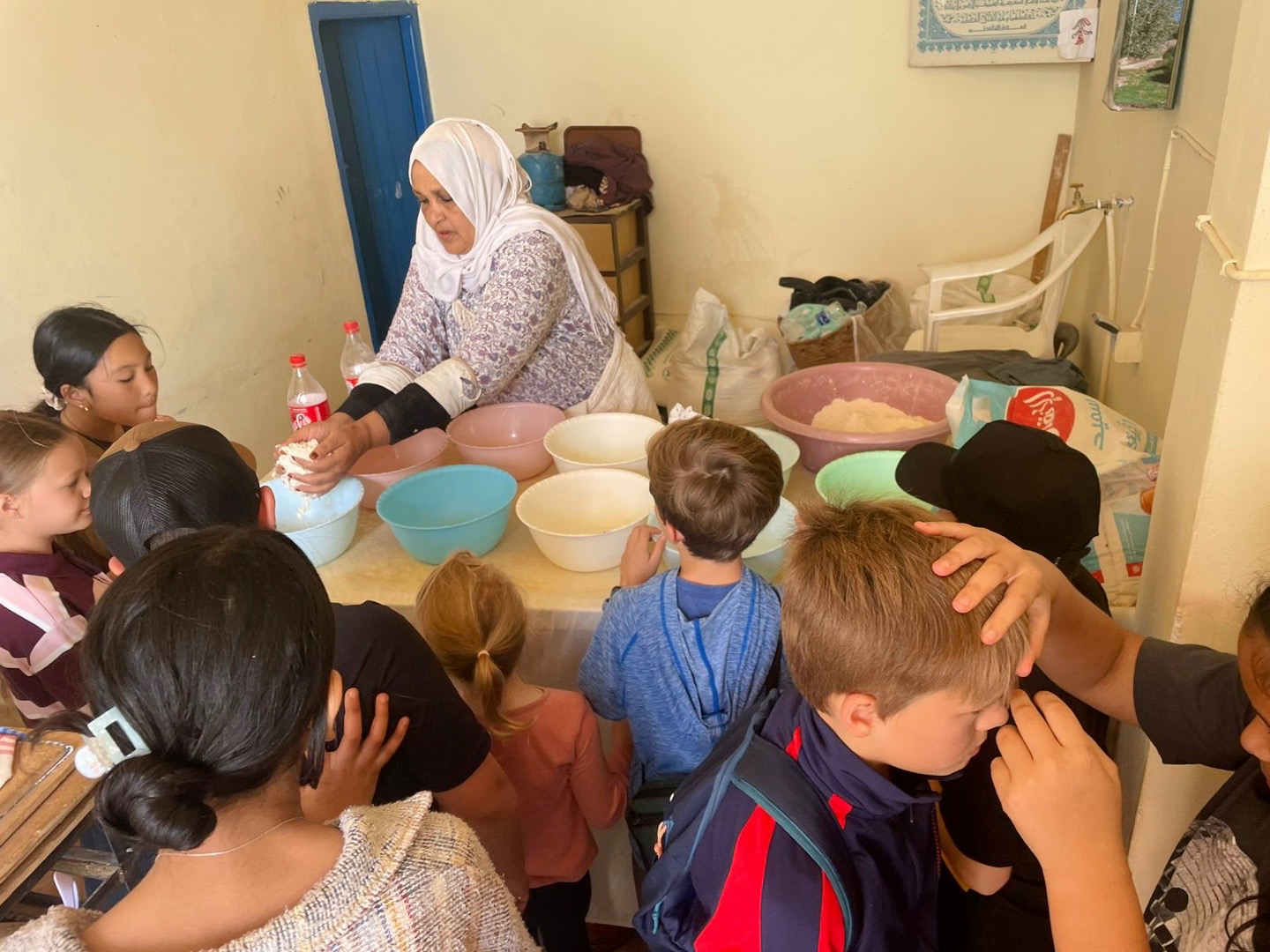
After another visit to the Monday Souk (this time the kids did a navigation challenge), it was off to make bread with Ms. Fatima at one of the local bakeries.


Tuesday was learning how to make Moroccan jewelry the old fashioned way.
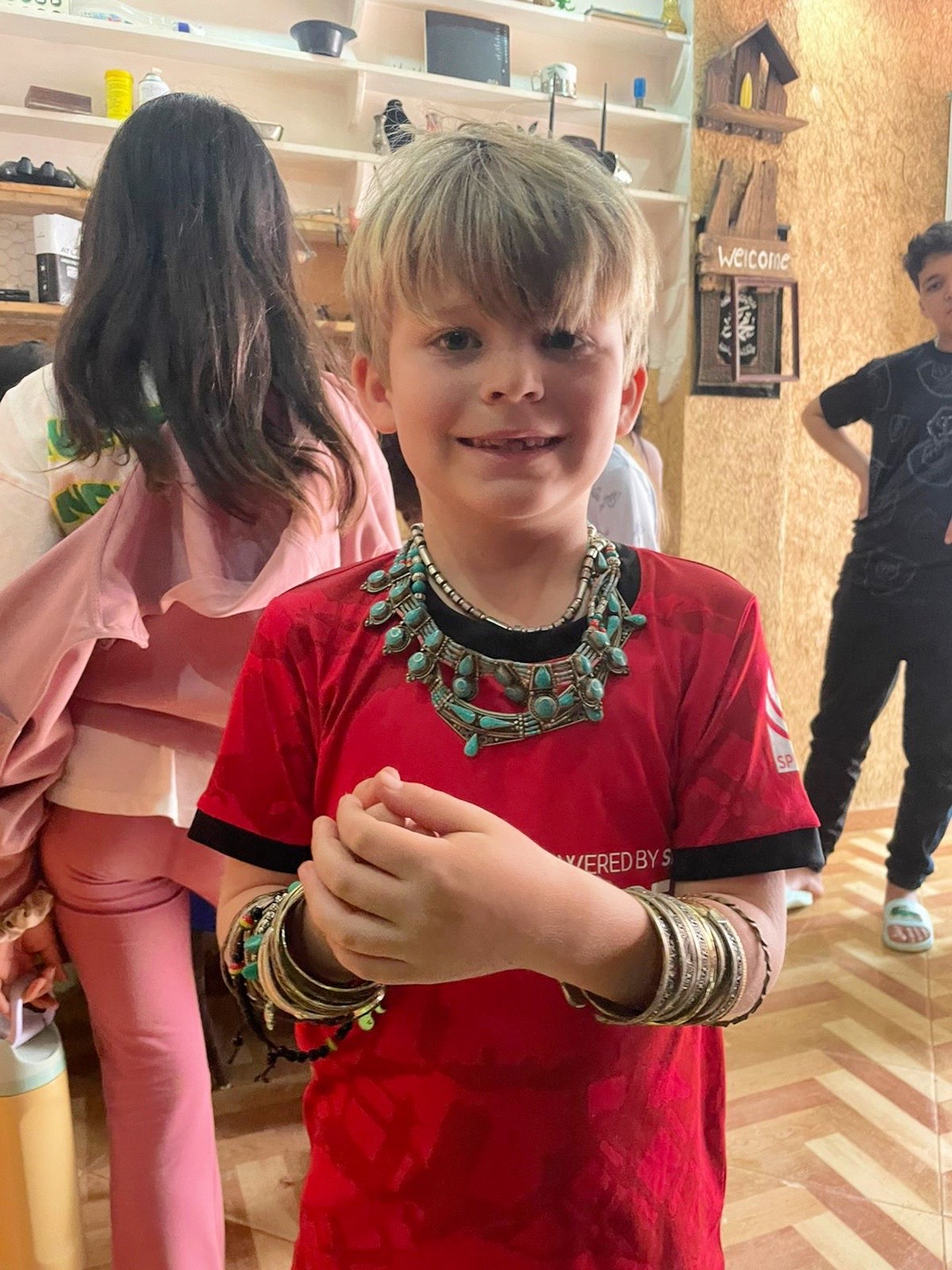

Long before Mirleft was discovered by surfers and snowbirds, it was a Berber fishing village populated by Shilhu Amazigh people. A lot has changed here in the past few decades, but many around town still practice the old ways.
Ever since the teens went earlier in the week, the boys have been awaiting their turn to learn some kickboxing with Ms. Aicha. Fortunately, what they learned didn’t find its way home. No brawls to speak of (yet).


The next morning, some of the facilitators led the kids out to the main field in town to teach them how to make mud ovens, which will harden in the sun and eventually be used to bake bread.


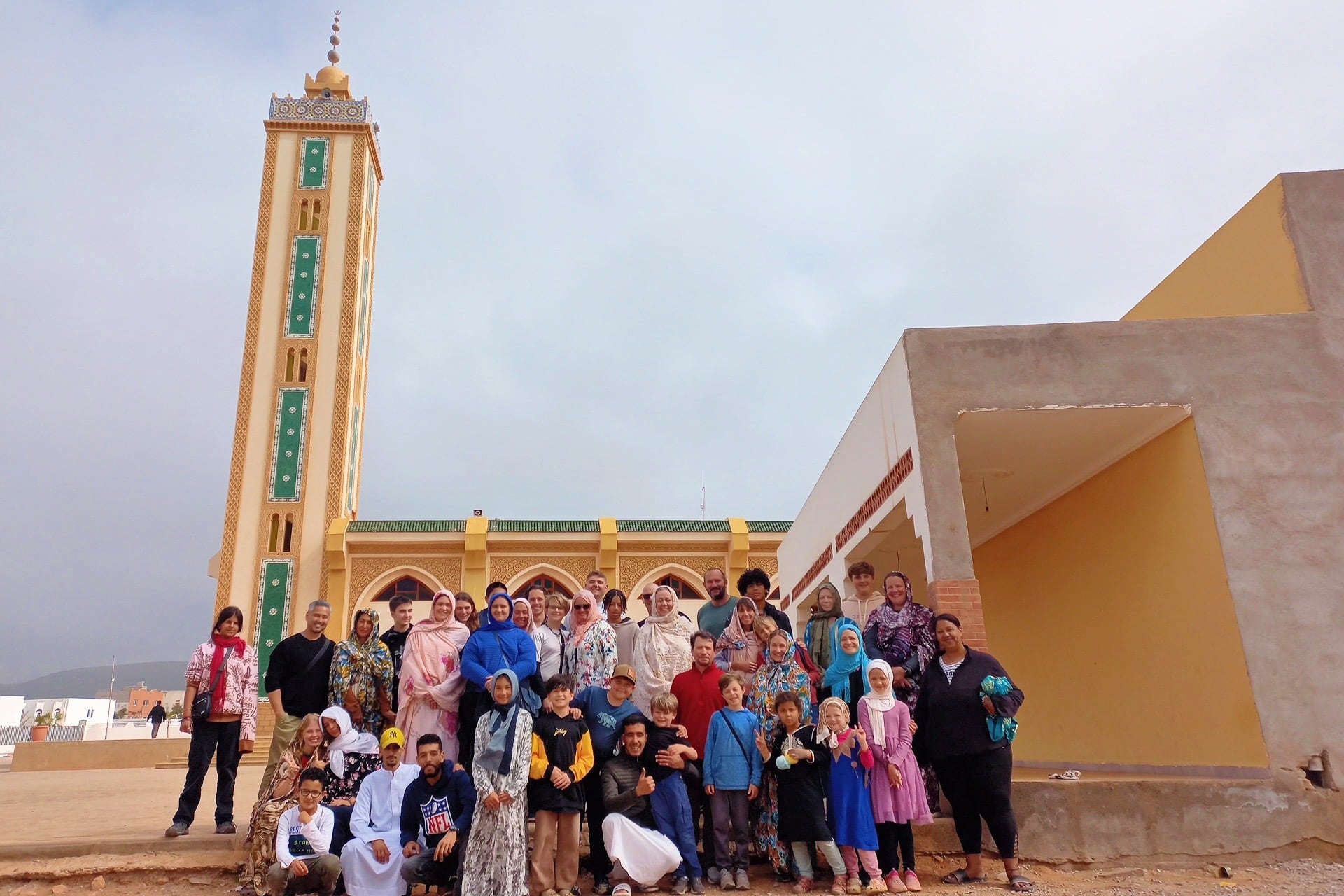
Thursday afternoon was one of the highlights of our time in Mirleft. The staff made arrangements with the local mosque for all the families at the hub to visit.
I thought we were basically going to be led into the mosque and observe from afar, which alone would have been a new experience. Lori and I have been inside mosques over the years, but they’ve always been historic mosques open to the public—like Istanbul’s Suleymaniye or the Gaddafi Mosque in Kampala—and never during an actual service.
But our visit turned out to be much more than that, requiring the families to submit passports to the city for approval beforehand.
In the hour leading up to Dhuhr (noontime service), males and females split up. Lori joined the ladies for their own education and donning of proper attire. Noe, Riley, and I headed outside with the rest of the men.

Here, we received a quick lesson in properly performing the cleaning ritual, which must be completed before we may enter the mosque (it’s more involved than any of us first-timers thought).
Head, ears, face, nose, and mouth (the advanced maneuver is to bring the water in through your mouth and out your nose). Each body part is done twice before moving on to the next.
Then, it’s hands and forearms, and finally feet (don’t forget in between the toes!). I may have missed something or got the order a bit off.

Then, we waited for the call to prayer.
A short while later, the call rang out from the minaret, and we set off on the 10-minute walk to the mosque (yellow building in the center of the pic, below).

When we arrived at the mosque, we removed our shoes and entered the washing area (a separate building outside of the mosque) to perform our washing rituals. We followed along as the seasoned locals showed us again what we needed to do.
Then we were ushered into the lower [main] hall of the mosque. Lori told us later that the women arrived afterwards and were cloistered in the upstairs hall behind a lattice divider.
On the main floor, our group stood in two long lines facing the front wall, joined by two or three dozen members of the community.
The Imam announced something out in Arabic and we bowed, then something else, and we knelt, followed by something else, which compelled the men to bow and touch their foreheads to the ground for a moment before sitting up again.
The service proceeded as such for the next 15 minutes. Up, down, forehead to ground, up, forehead to ground, etc.
Before we knew it, the service ended and everyone filed out.
It was a privilege to have been able to take part in the experience, and we felt honored that the community would welcome us into their sacred space in this way. I could tell it also left an impression on the boys as well. Certainly, an experience we’ll remember for a very long time.


