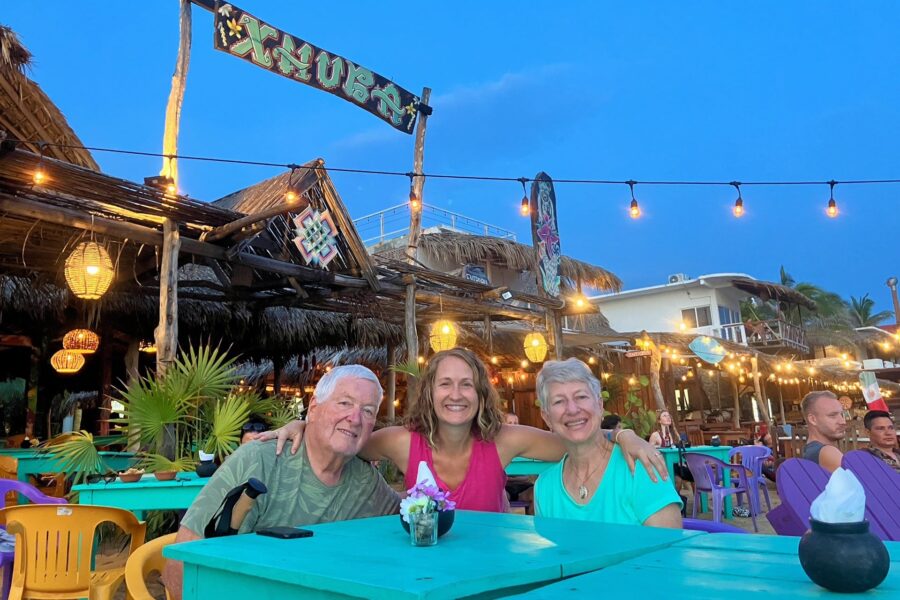
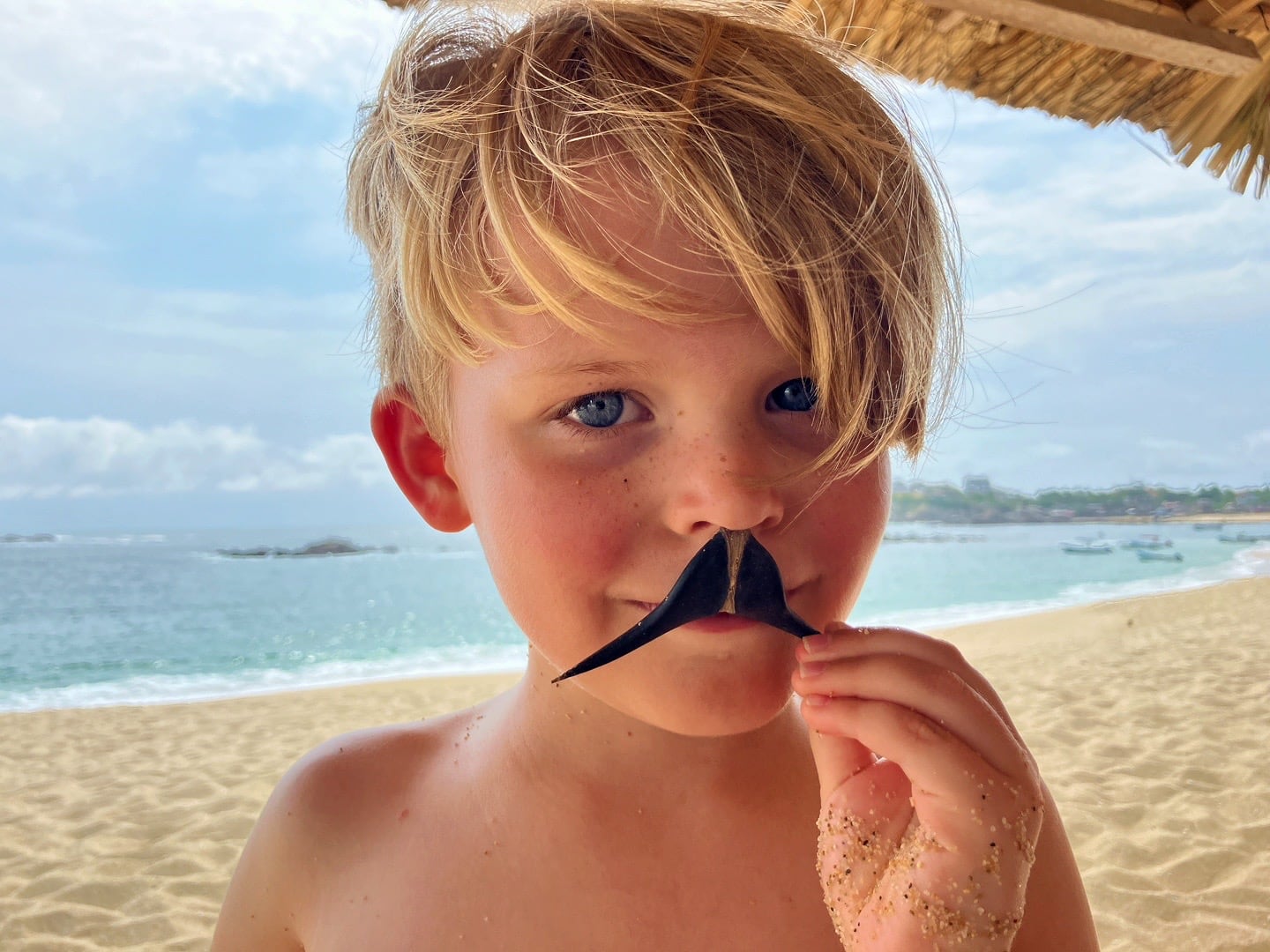
On our second to last day with Lori’s parents in Huatulco, we did a day trip to the beach town of San Agustin.
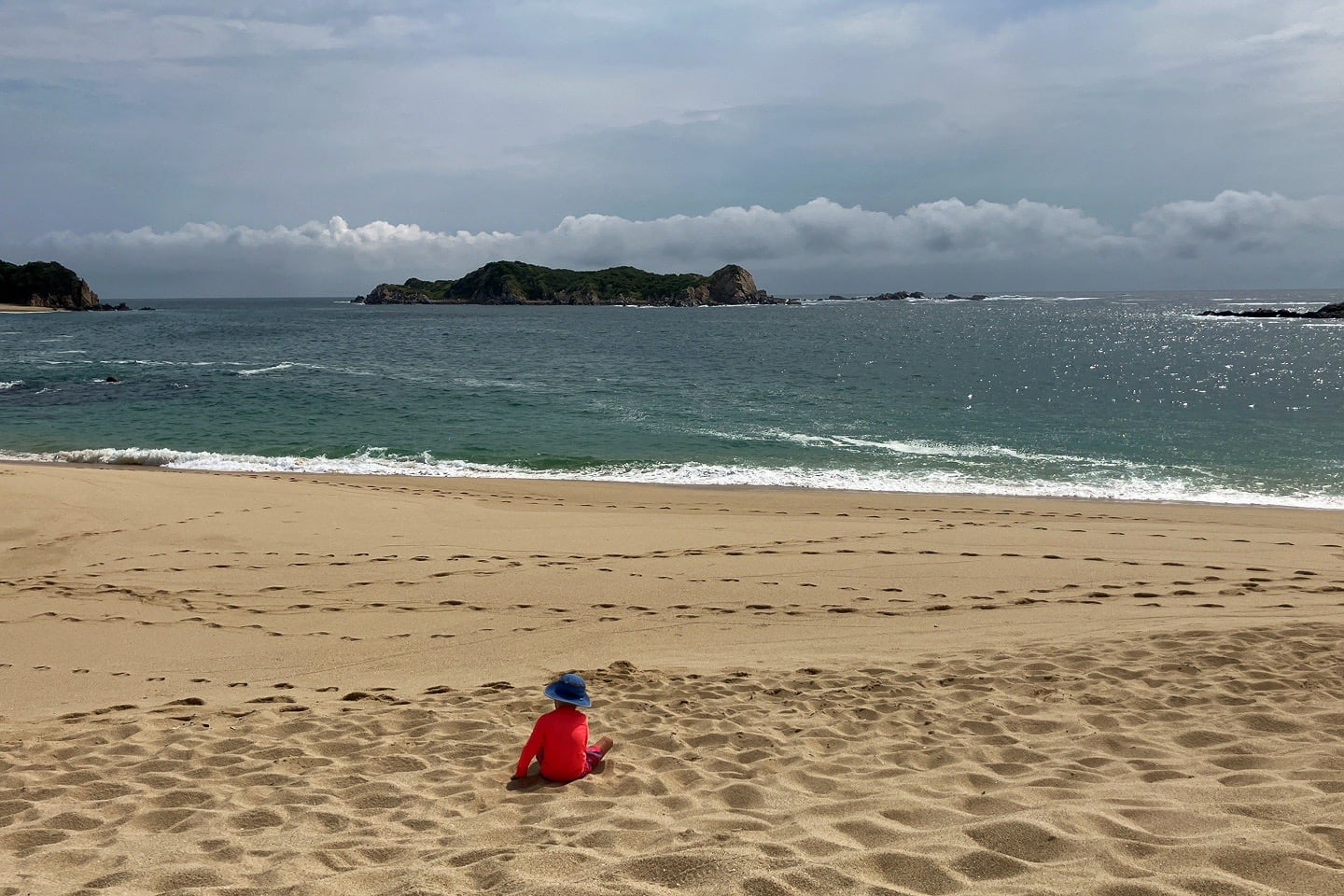
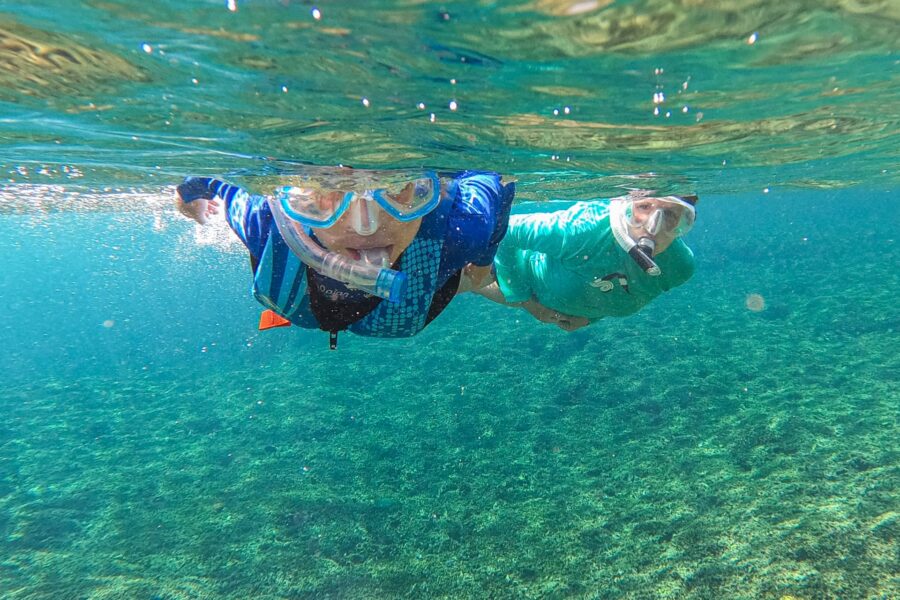
We’d heard it was a great place to swim and snorkel, but the conditions were a bit stormy on this day, so we did a lot of sitting back and relaxing while the boys ran around the beach.
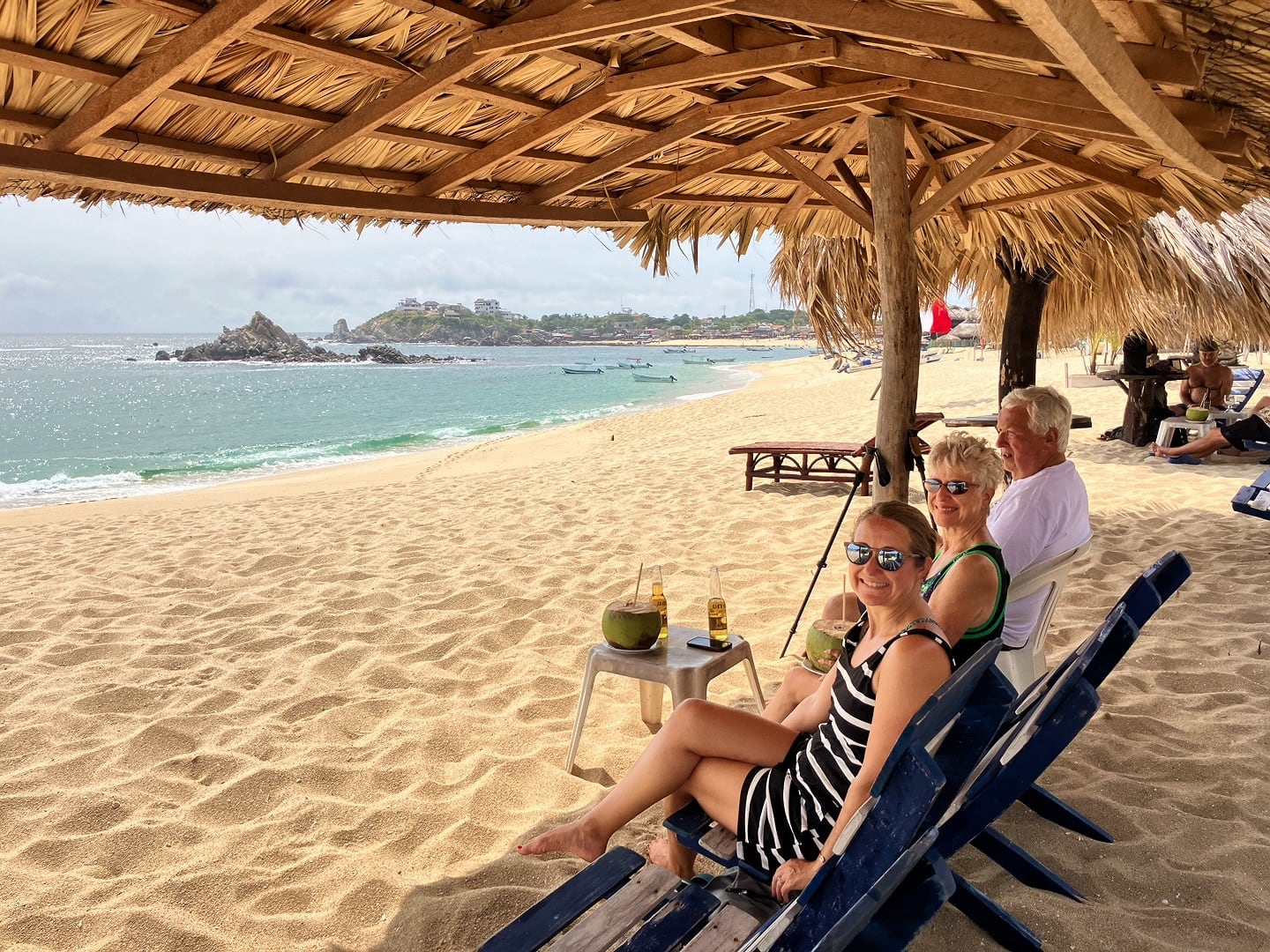
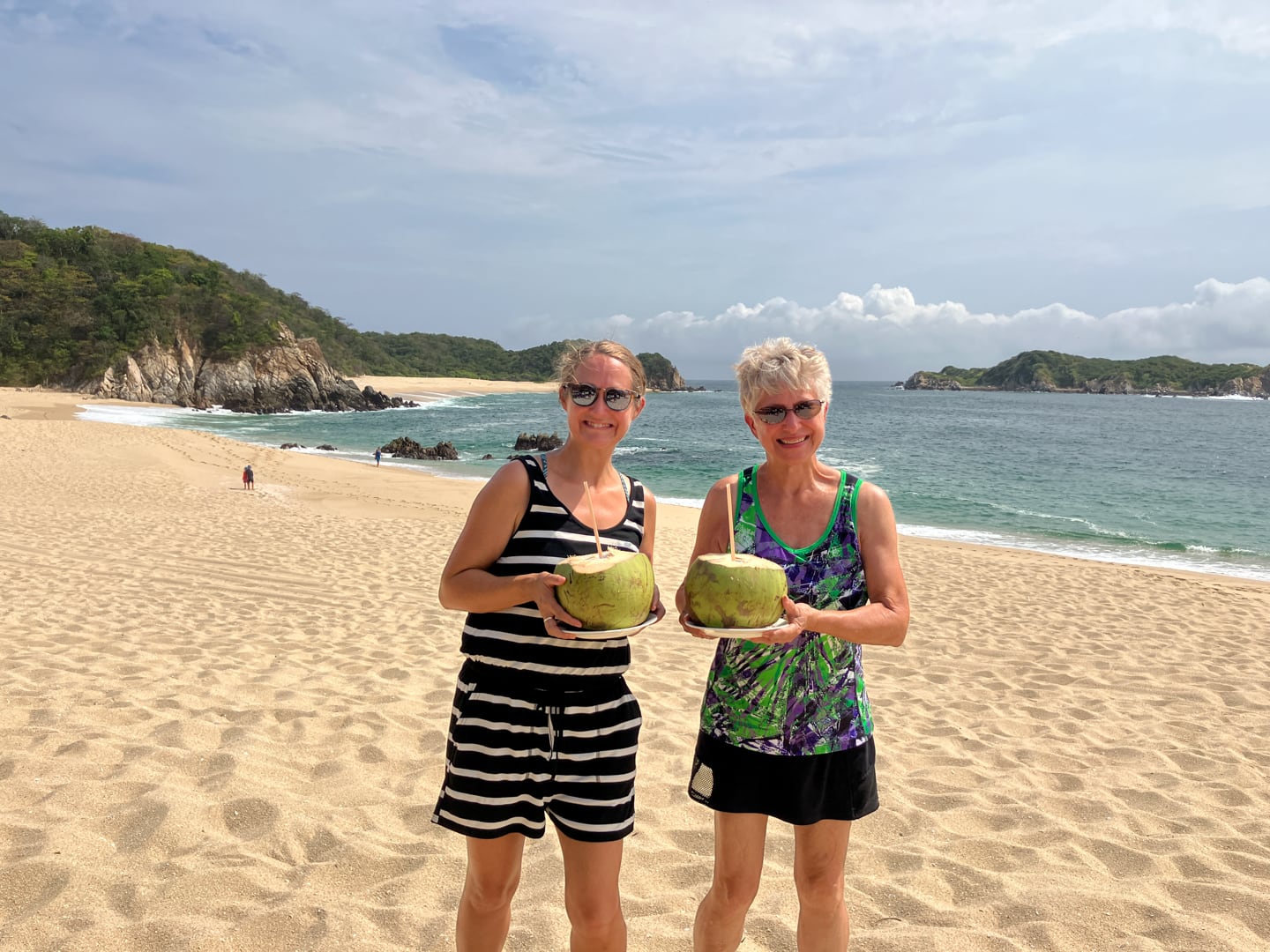
Our original plan included a return to San Agustin with the RV once Lori’s parents headed back to the States. Ultimately, we opted to continue east instead, which turned out to be a good decision.
Our Mexico-USA RV Journey 2024-25
There’s not a lot going on in town, the sea state isn’t great right now, and the main RV park in town is a sandy parking lot with no hookups and RVs crammed just far enough away from each other to get your side door open.
A few hours here were just enough to get the gist before heading back to Huatulco.
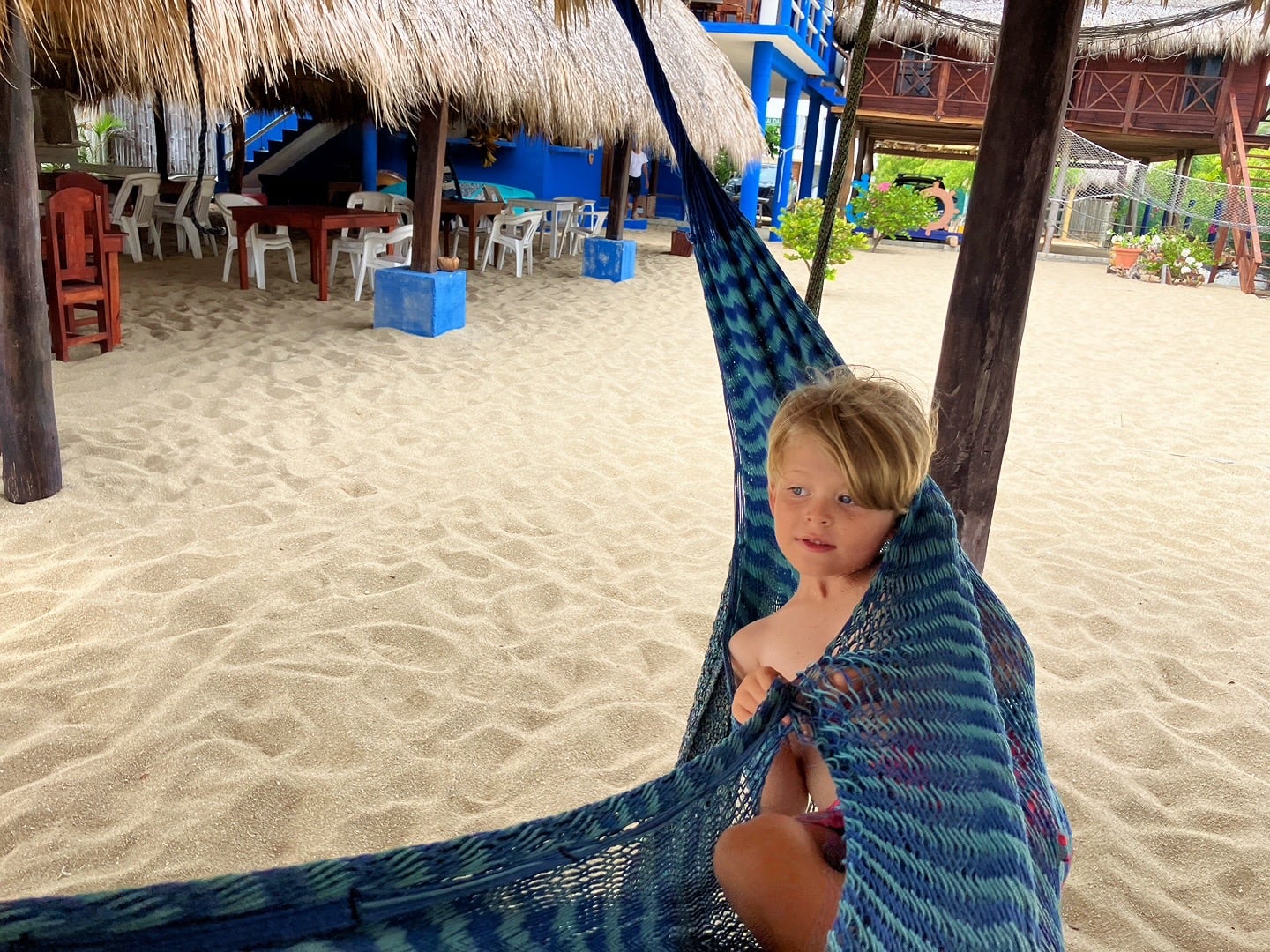
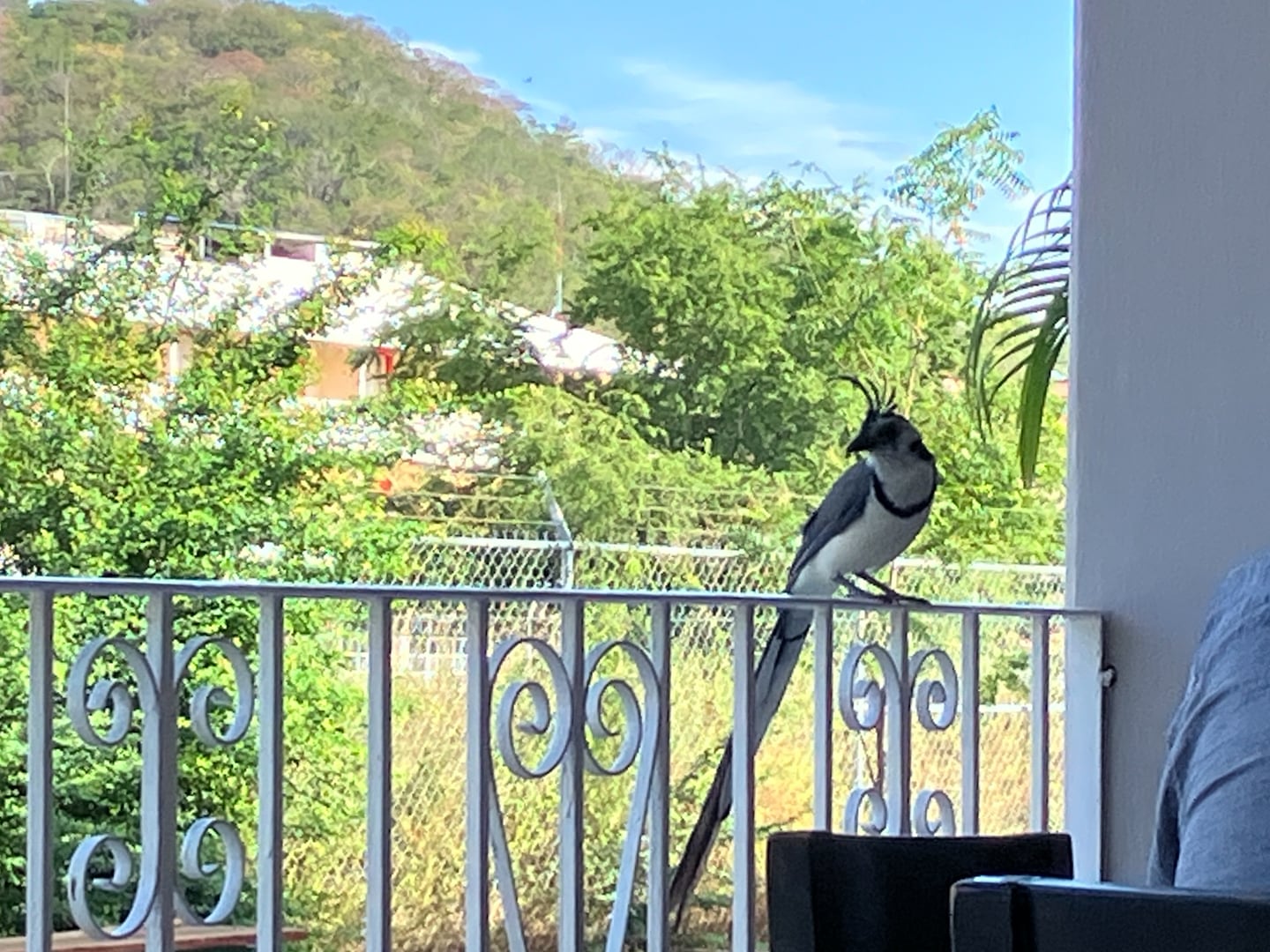
After two fun-filled weeks, Grammy and Grampy’s departure day arrived. It would turn out to be a big travel day for all of us.
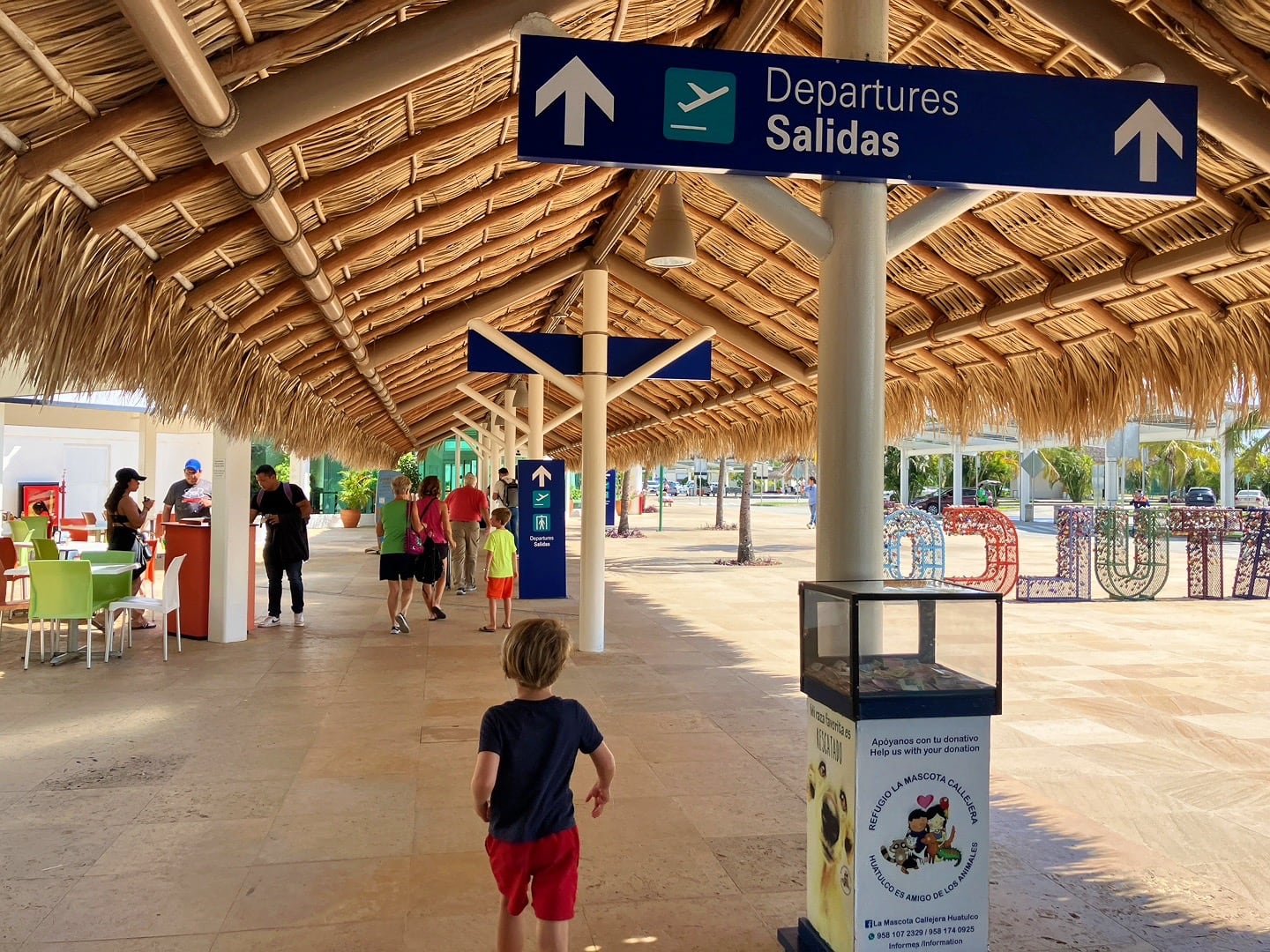
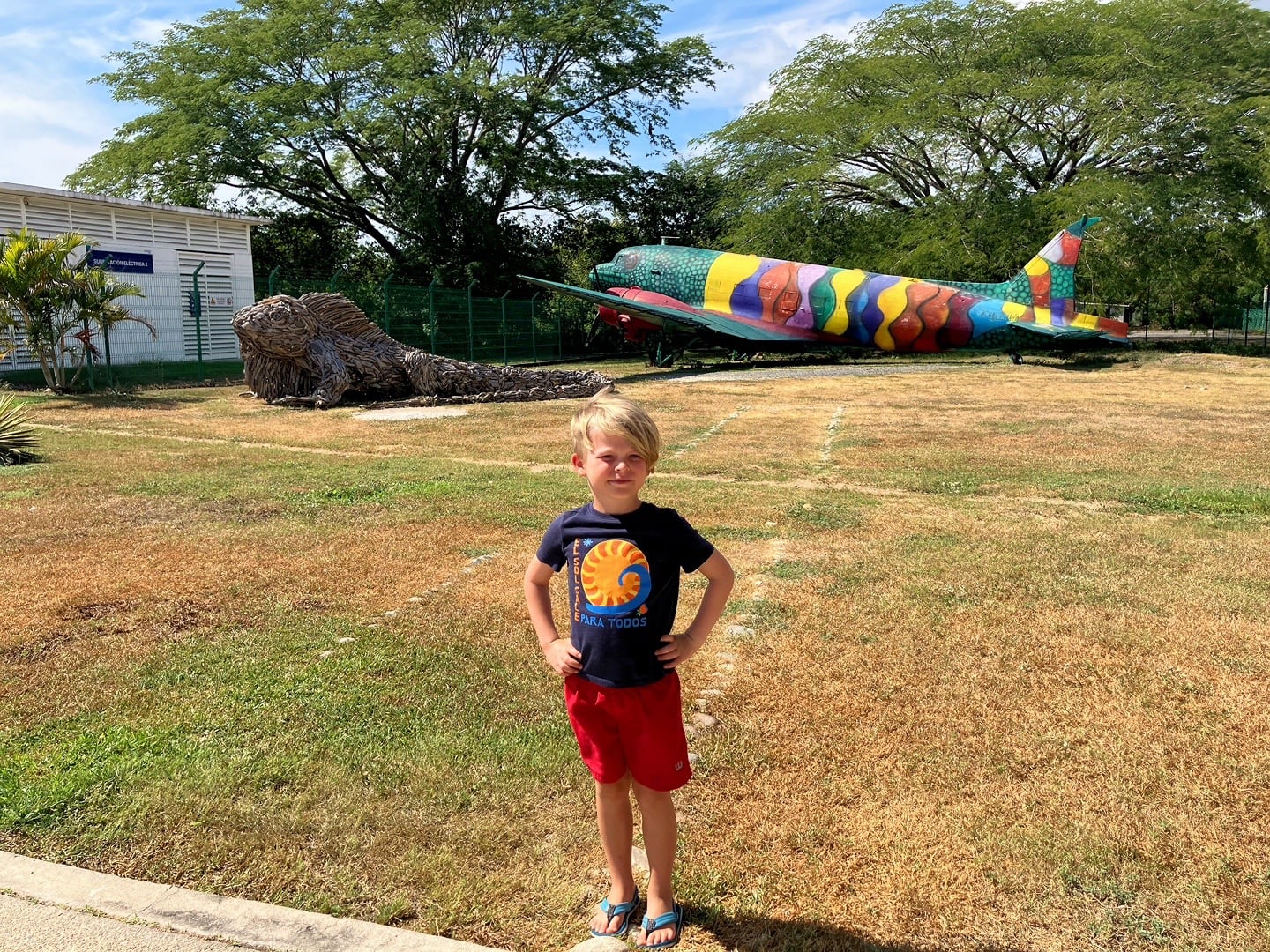
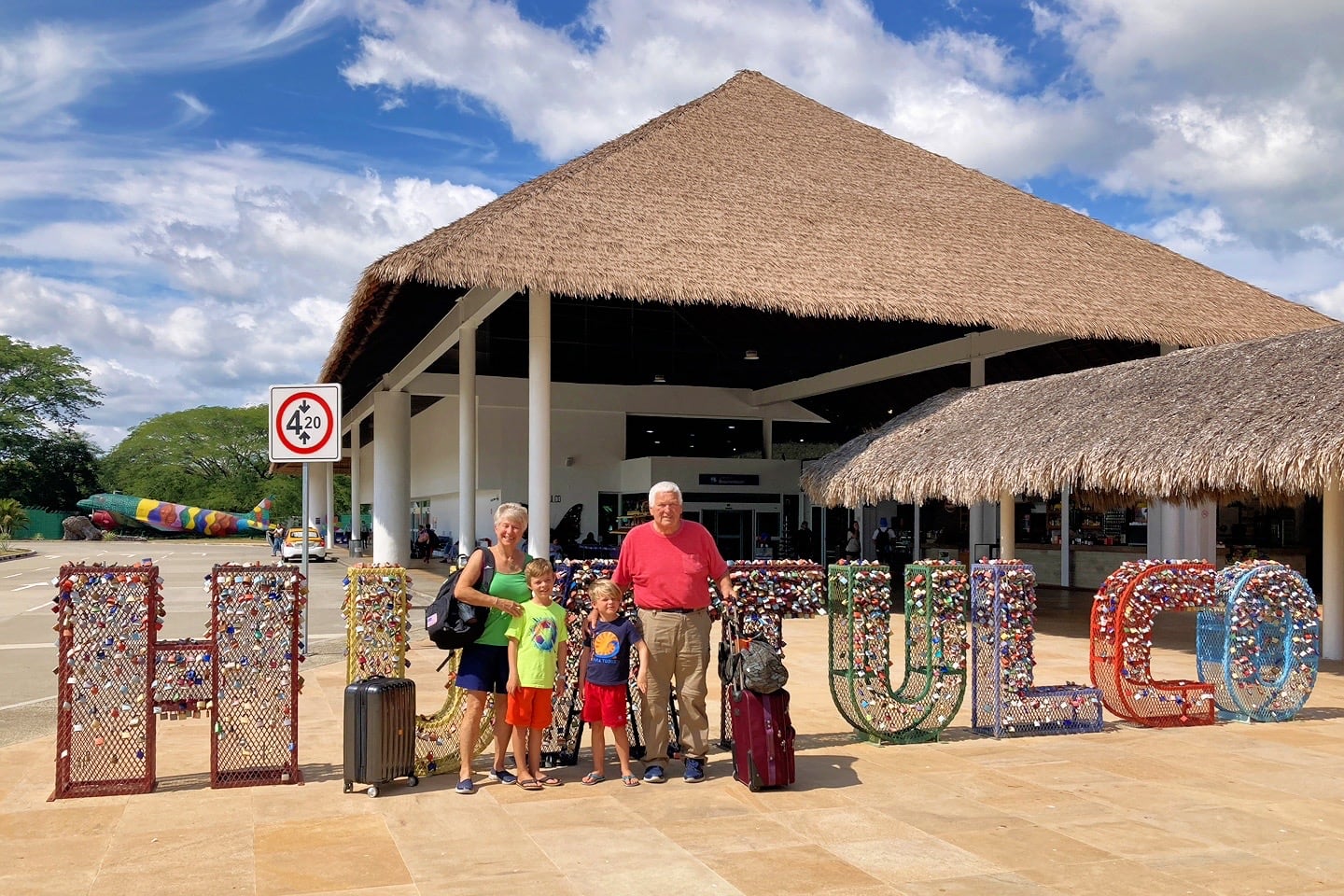
We said our see-ya-laters at Huatulco Airport, dropped off the rental car, and took a taxi to fetch Winnie.
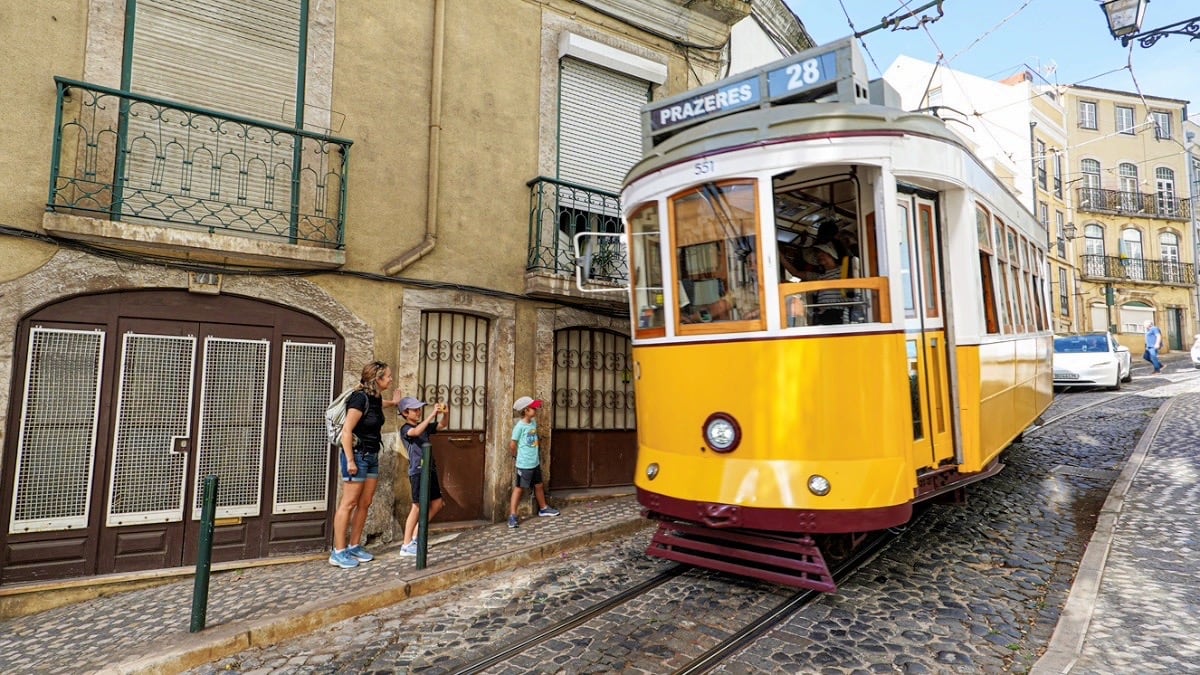
And just like that, we were back home AND back on the road.
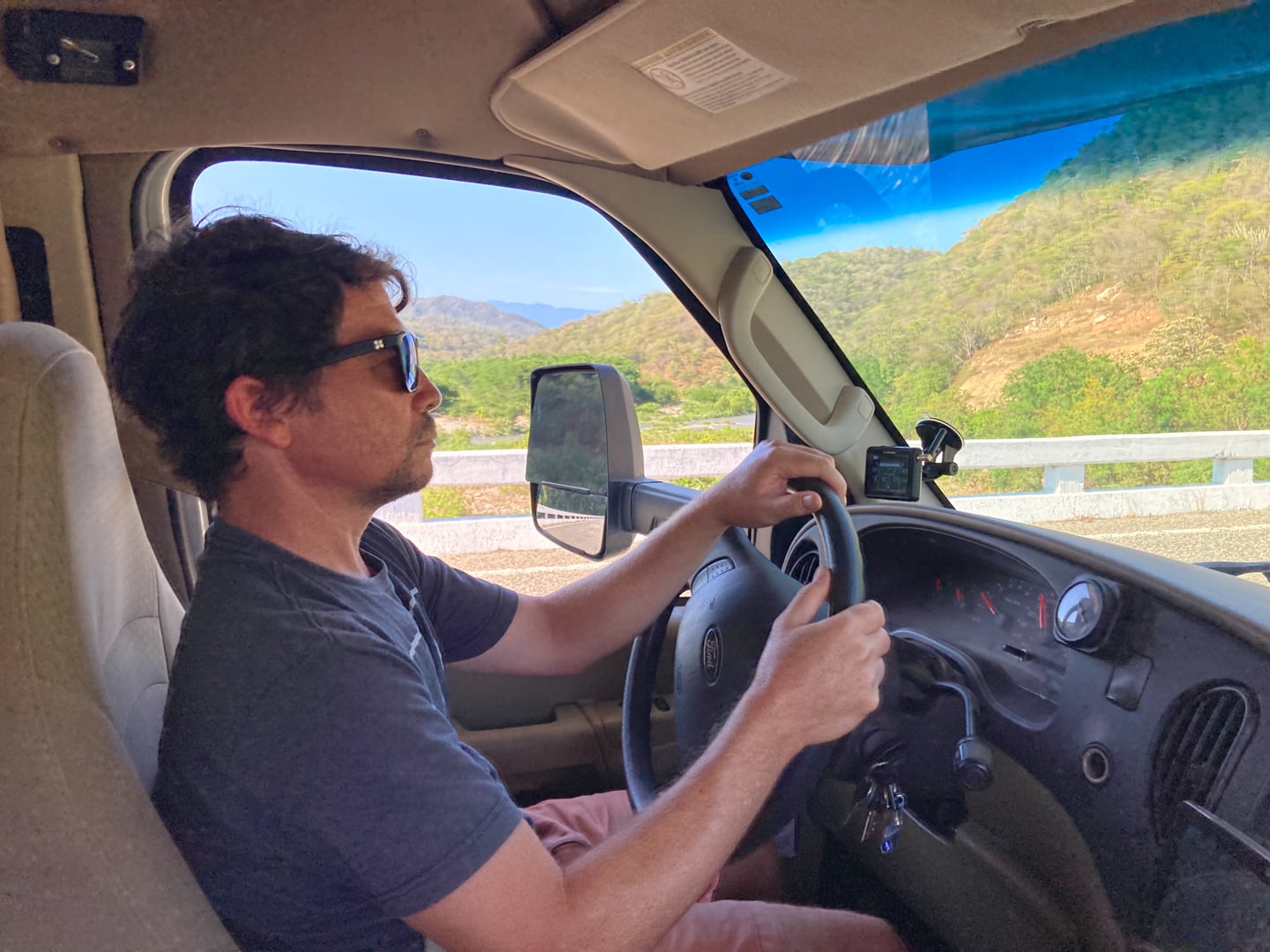
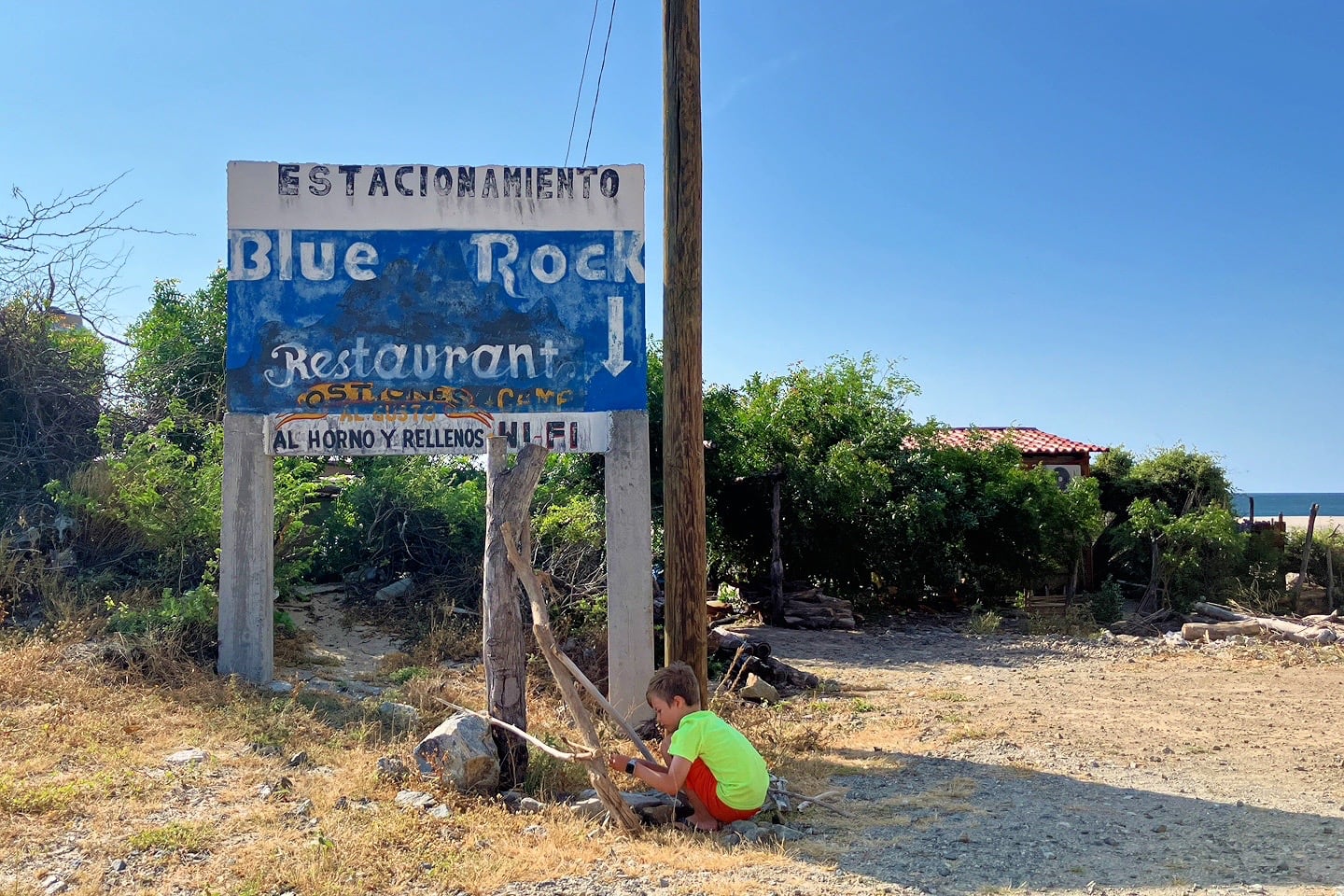
After spending some quality time at a supermarket to stock up, it was a pleasant two-hour drive to our next waypoint: Blue Rock Surf Camp.
The last mile or so was following an unsigned narrow gravel road, never my favorite in the RV. But soon enough, we arrived at our overnight destination.
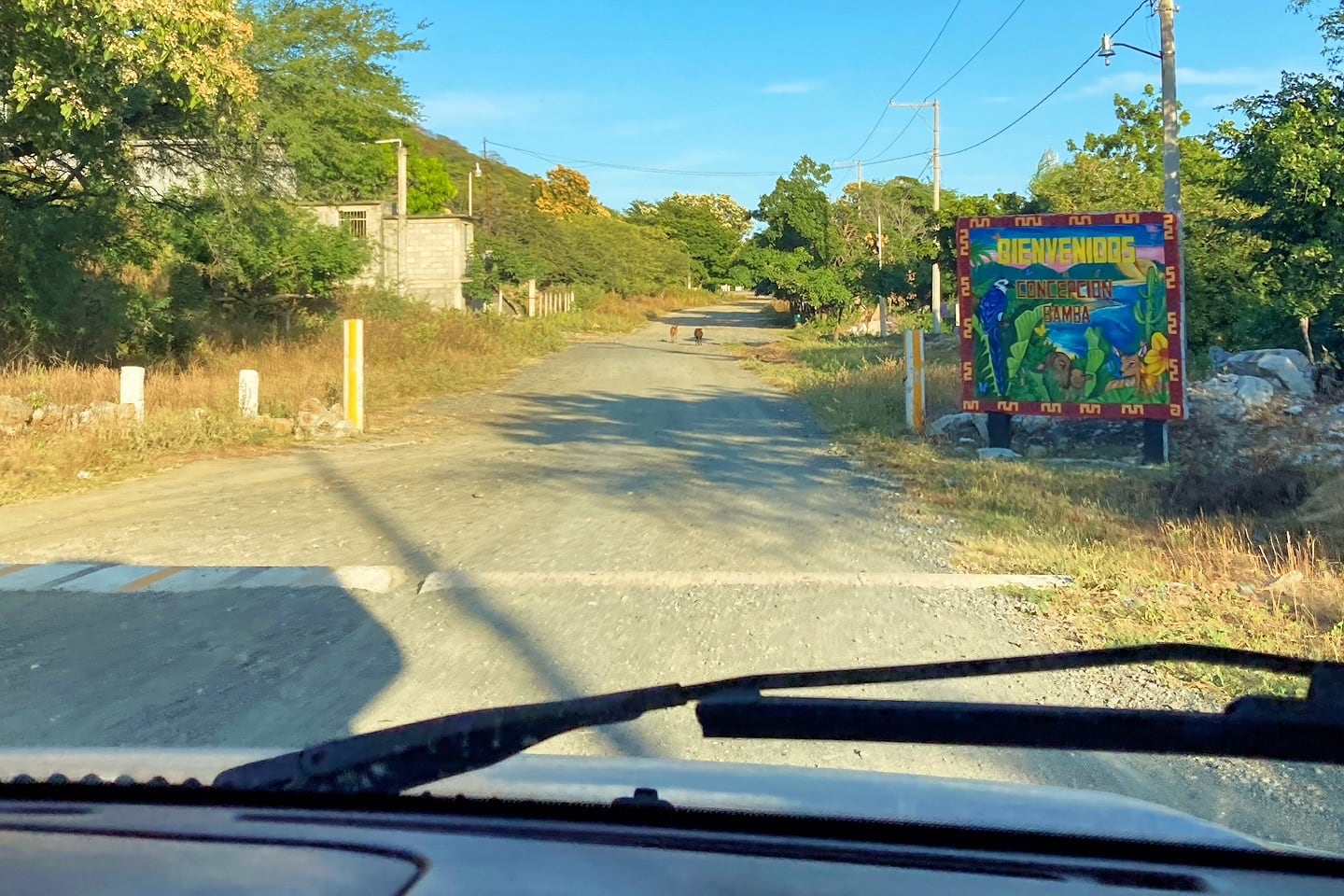
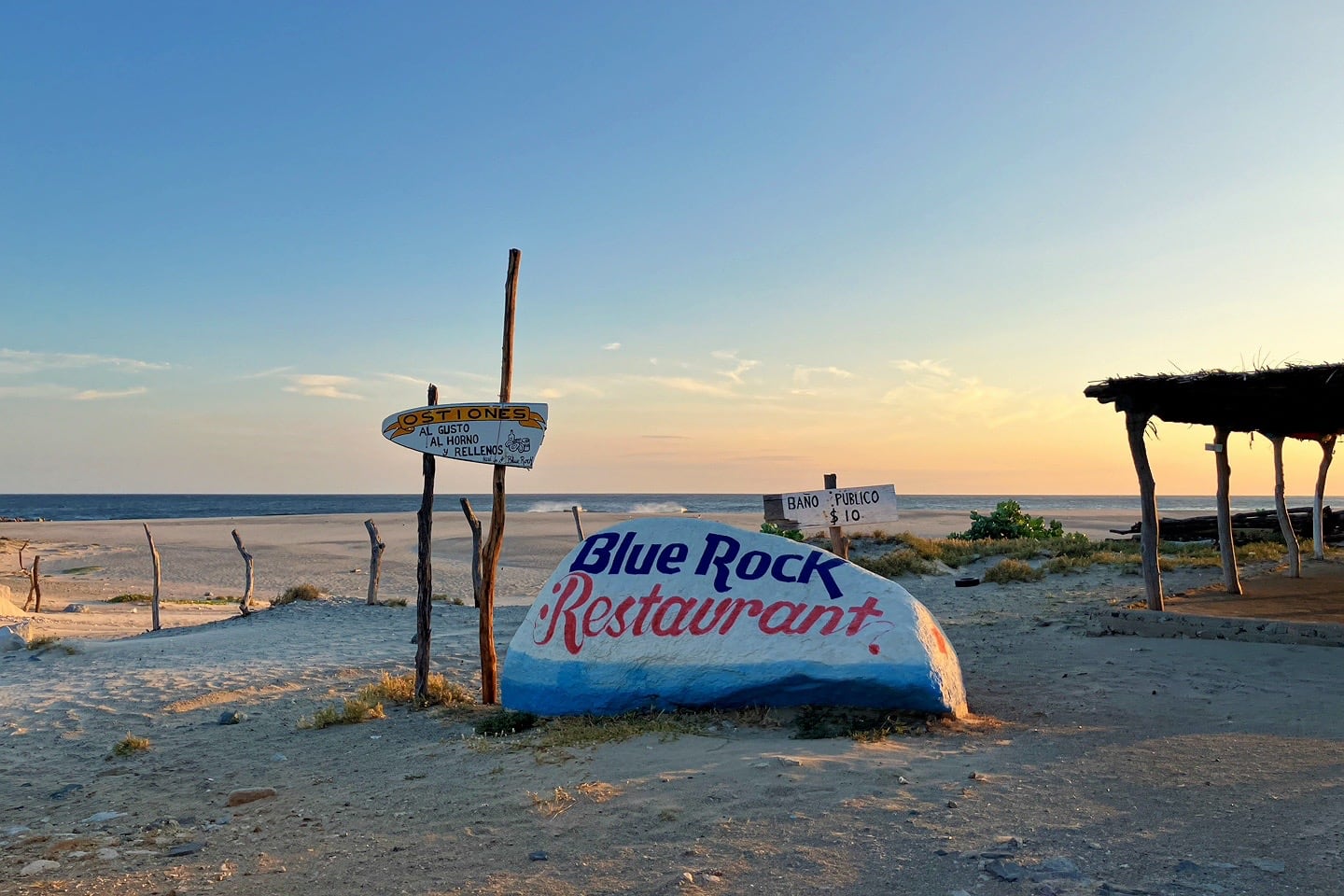
We rolled in just before sunset.
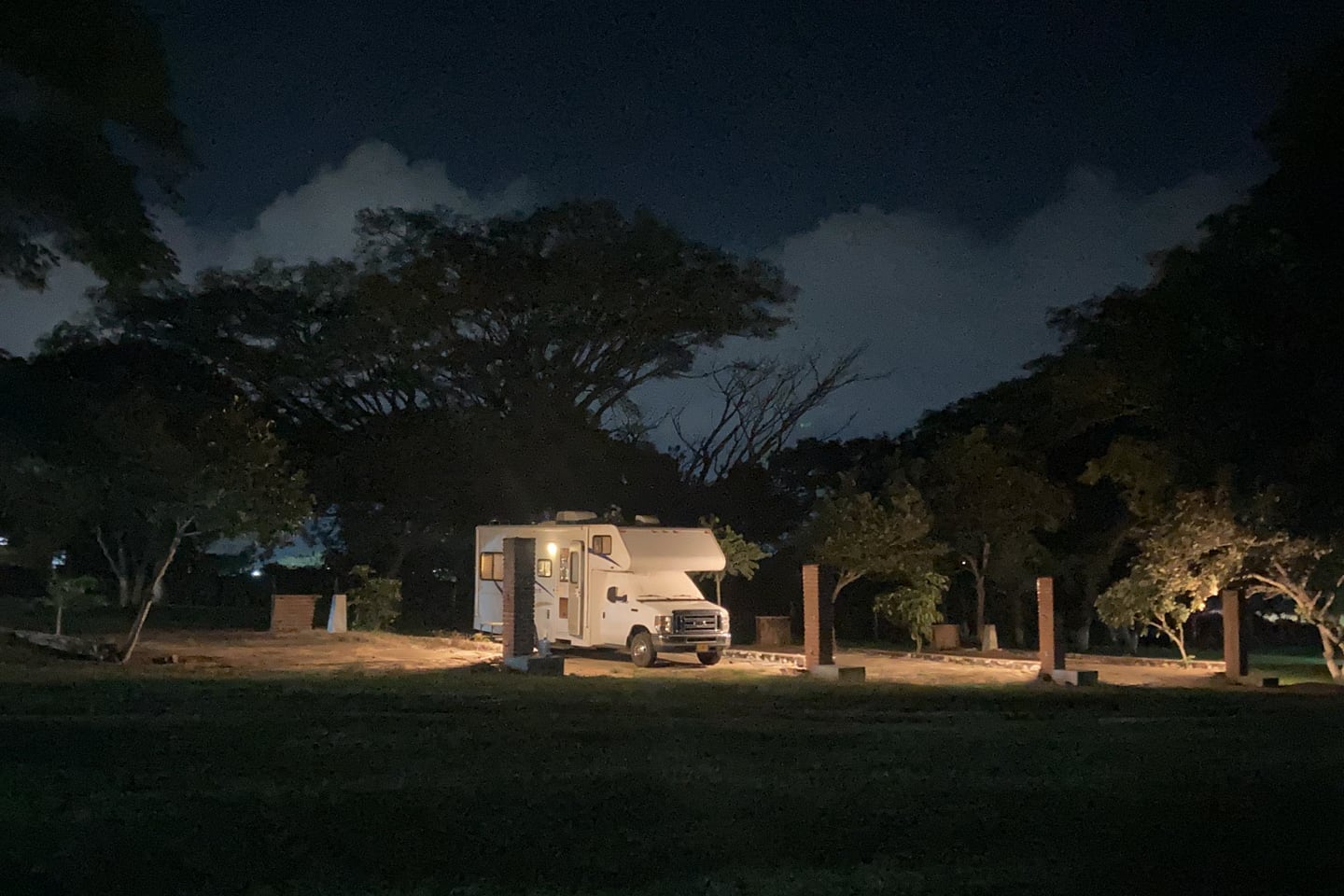
Saying there’s not much here is an understatement. The property was very basic and fairly run down. No hookups, no internet, no cell service, just dry camping and a beach.
But most visitors don’t come here to hang out and soak up the sun. As the name would imply, they come here to surf (in the right season).
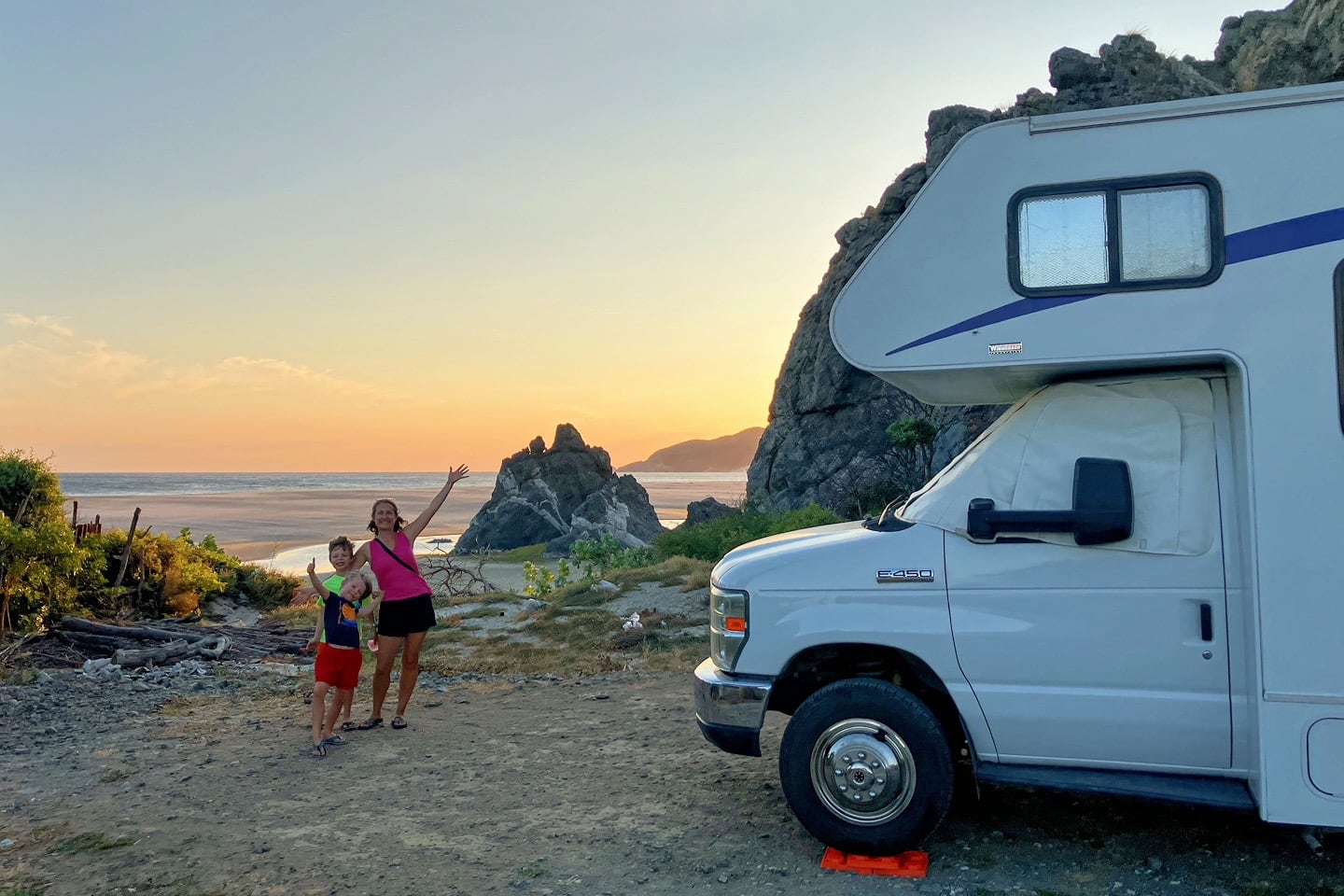
Why are we here? I didn’t feel like doing a 10-hour driving day or staying the night in a gas station parking lot, and this was the only suitable campground we could find between Huatulco and Tuxtla.
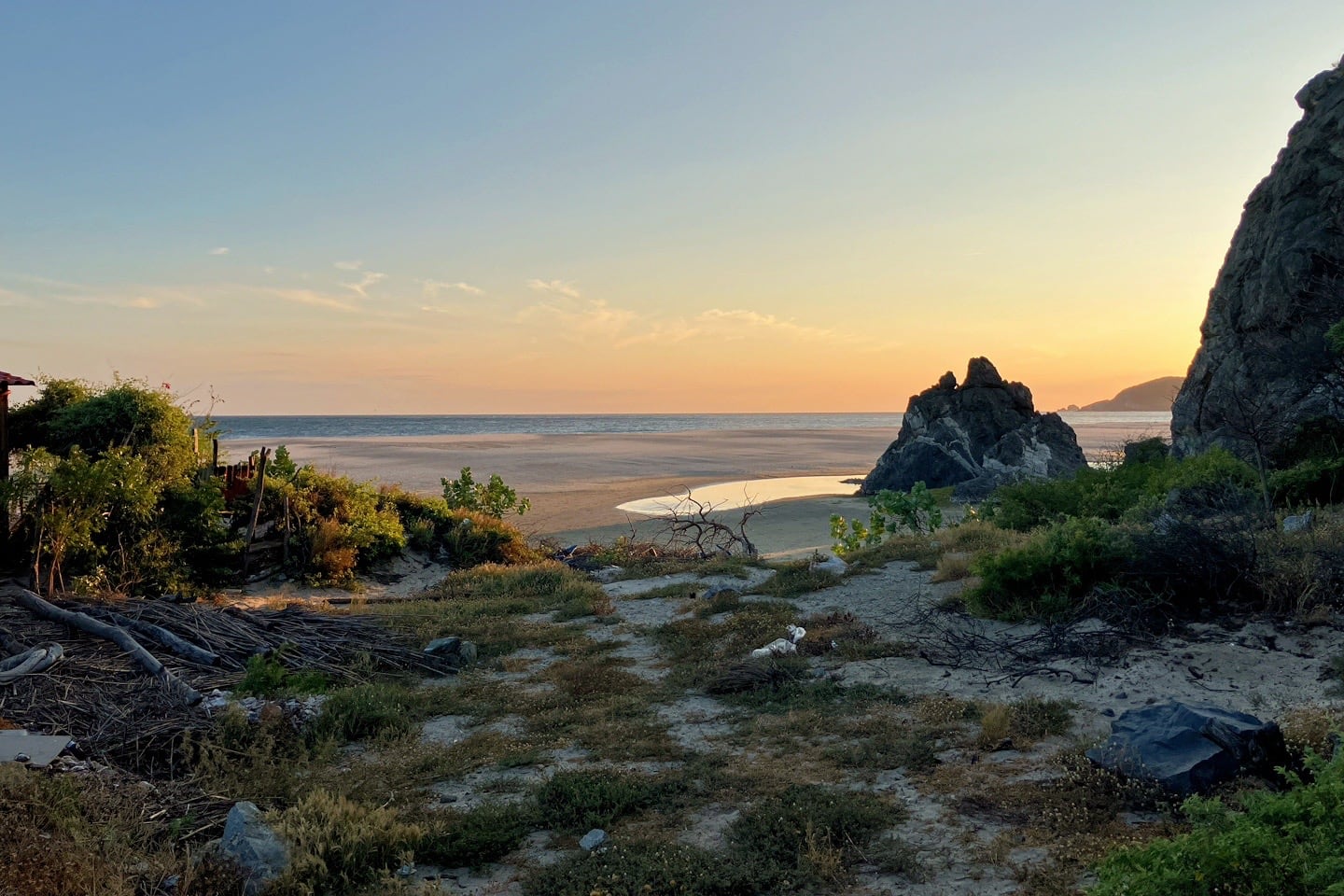
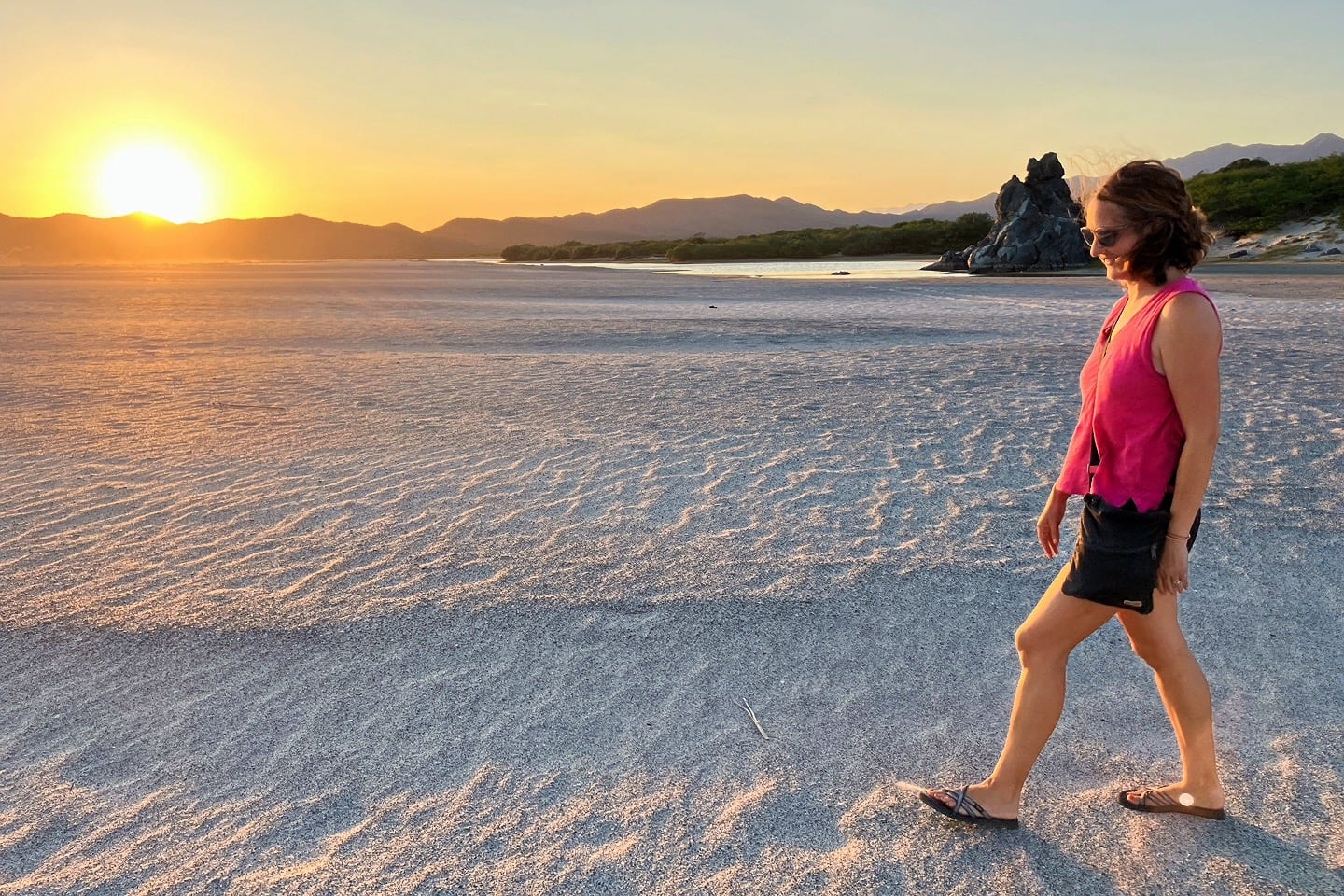
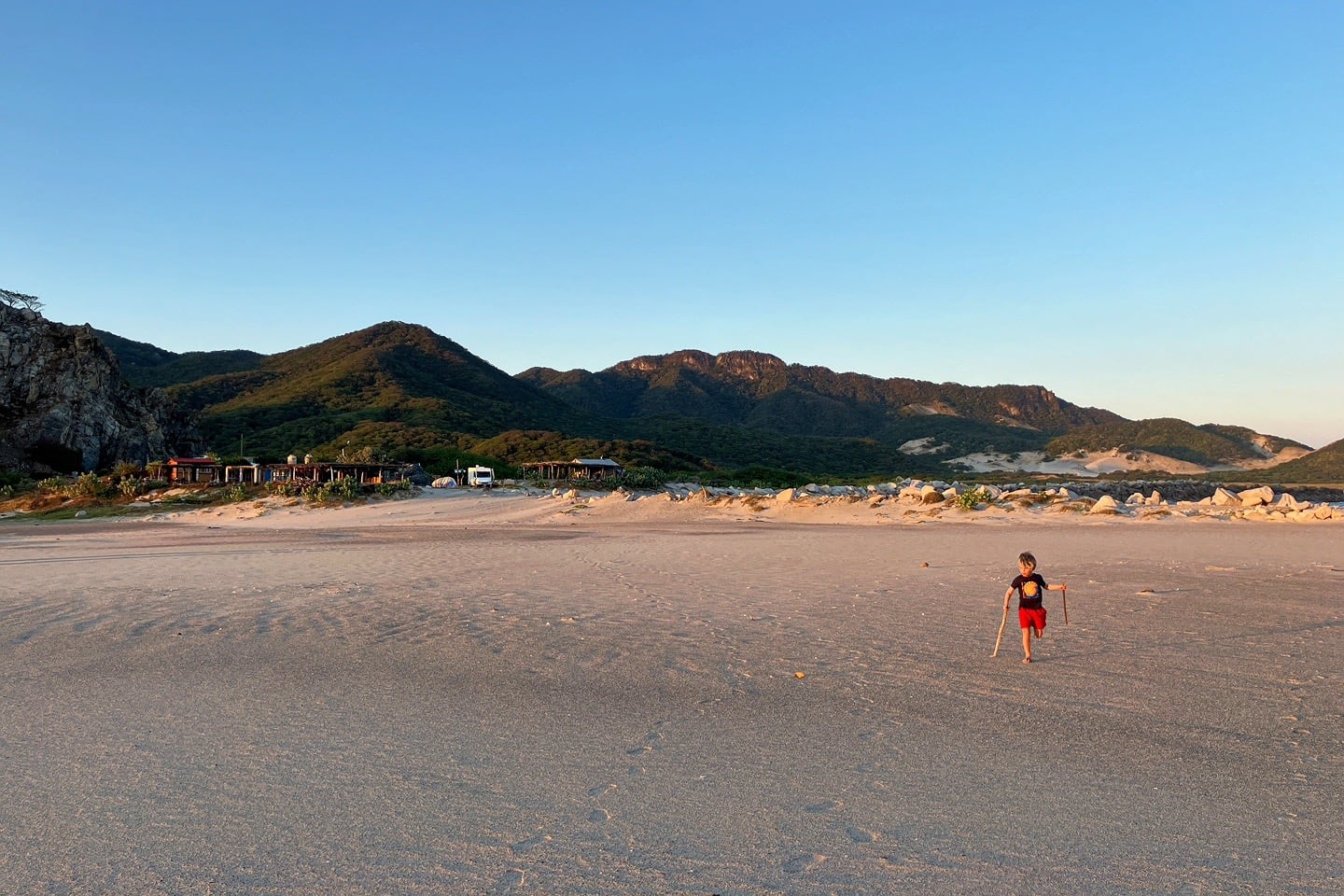
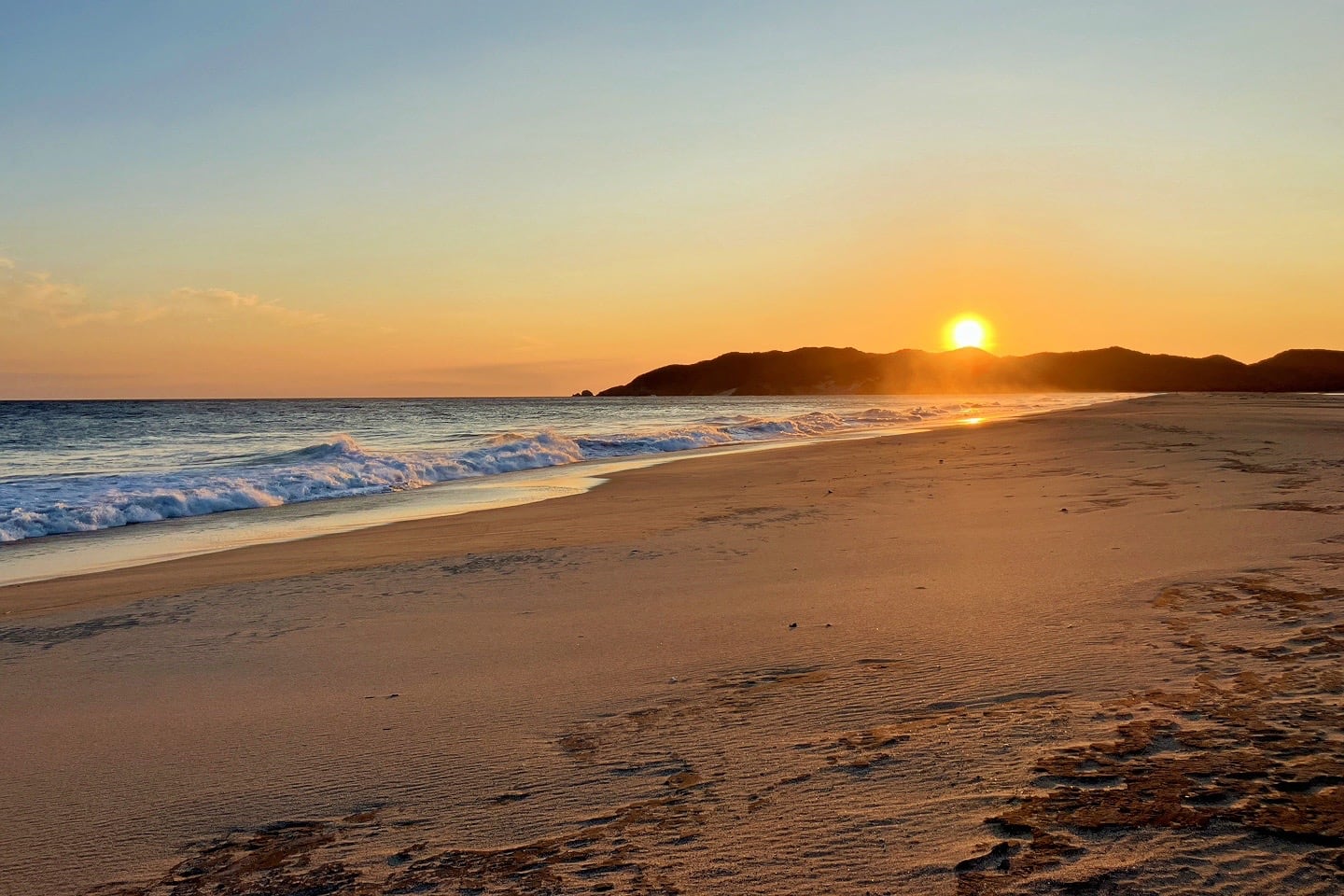
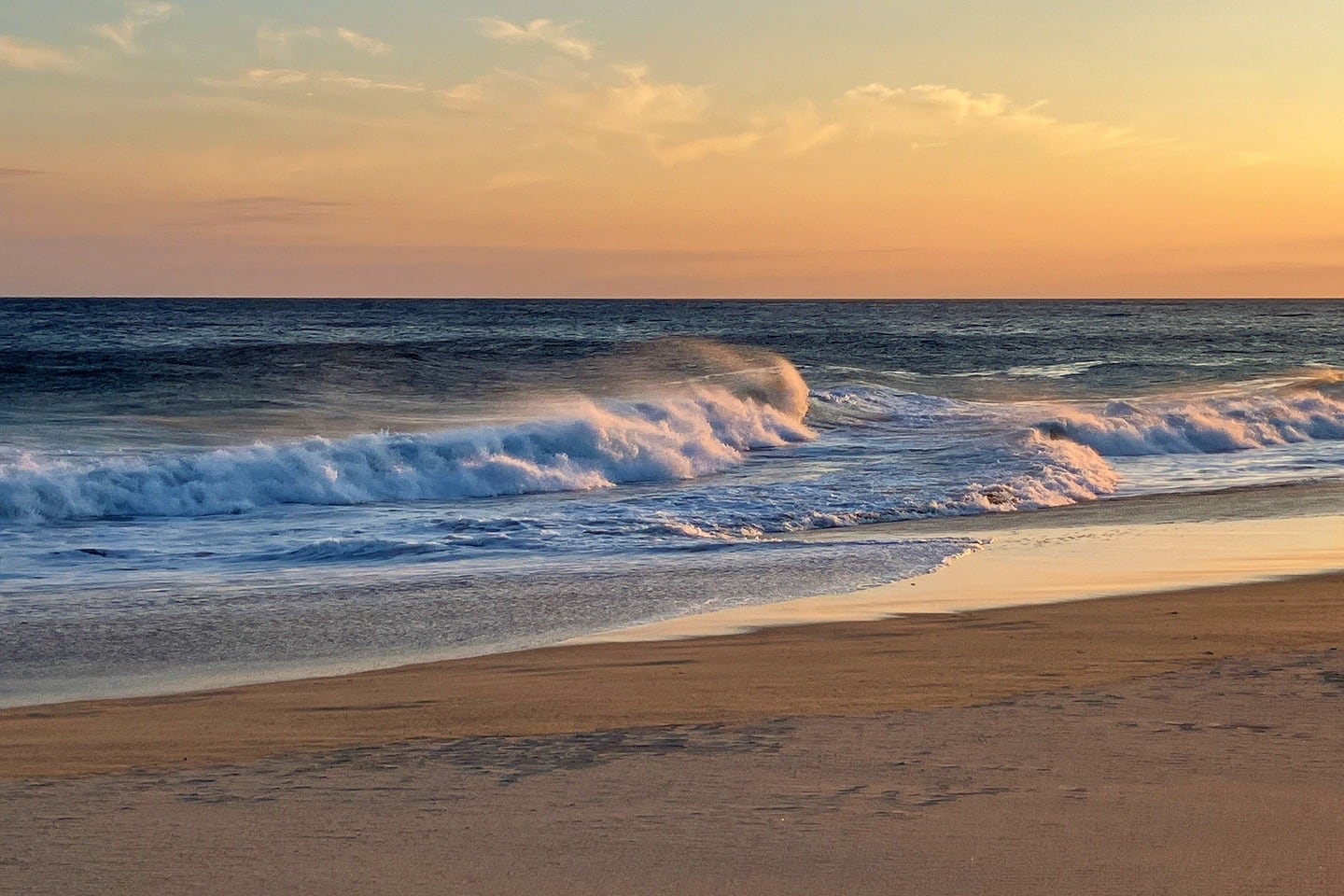
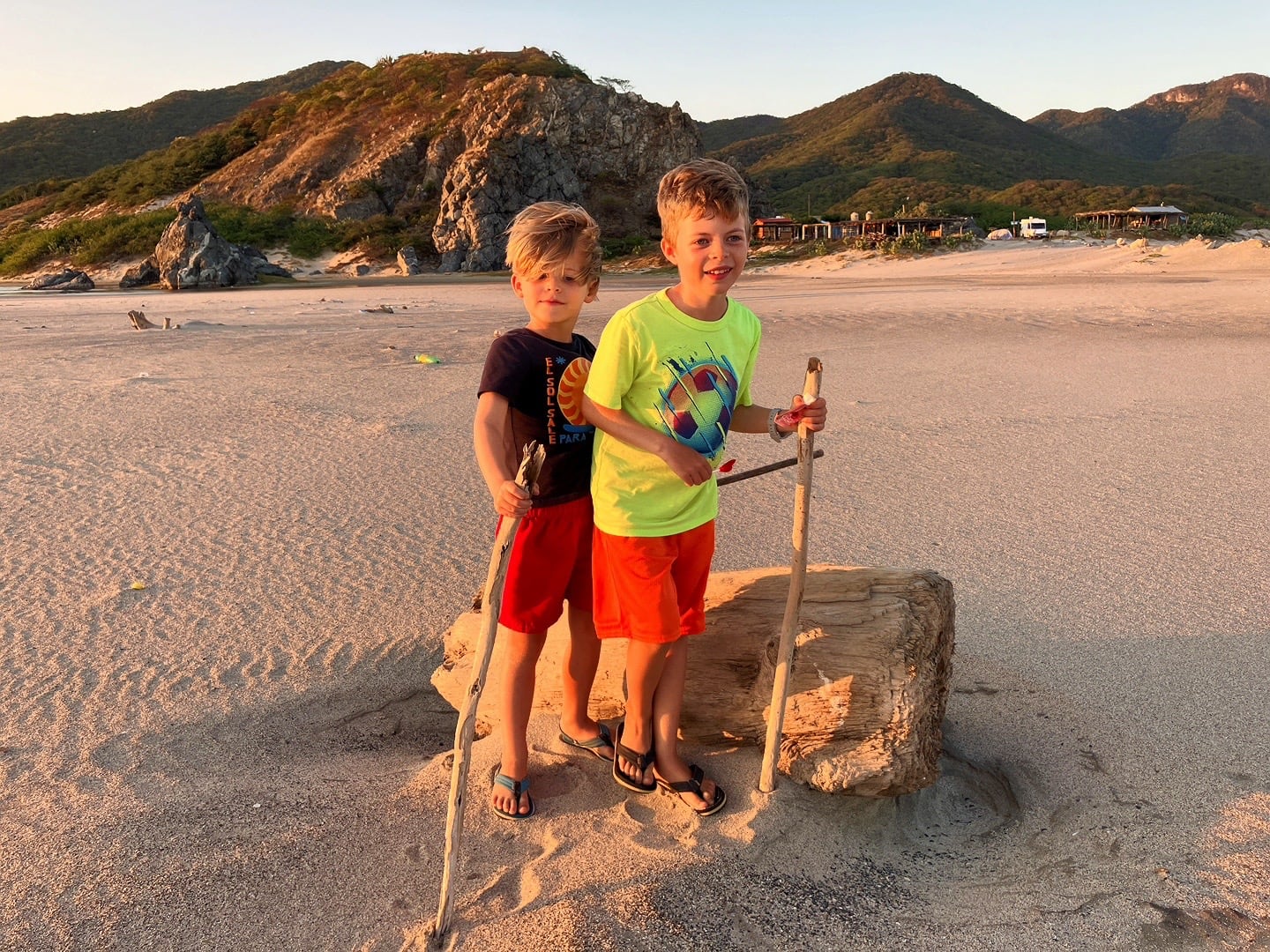
It was pretty darn windy, but nothing compared to what we’d experience over the course of the evening and into the morning. Once the sun went down, the wind picked up to a steady 30-40 mph and didn’t let off until sunrise.
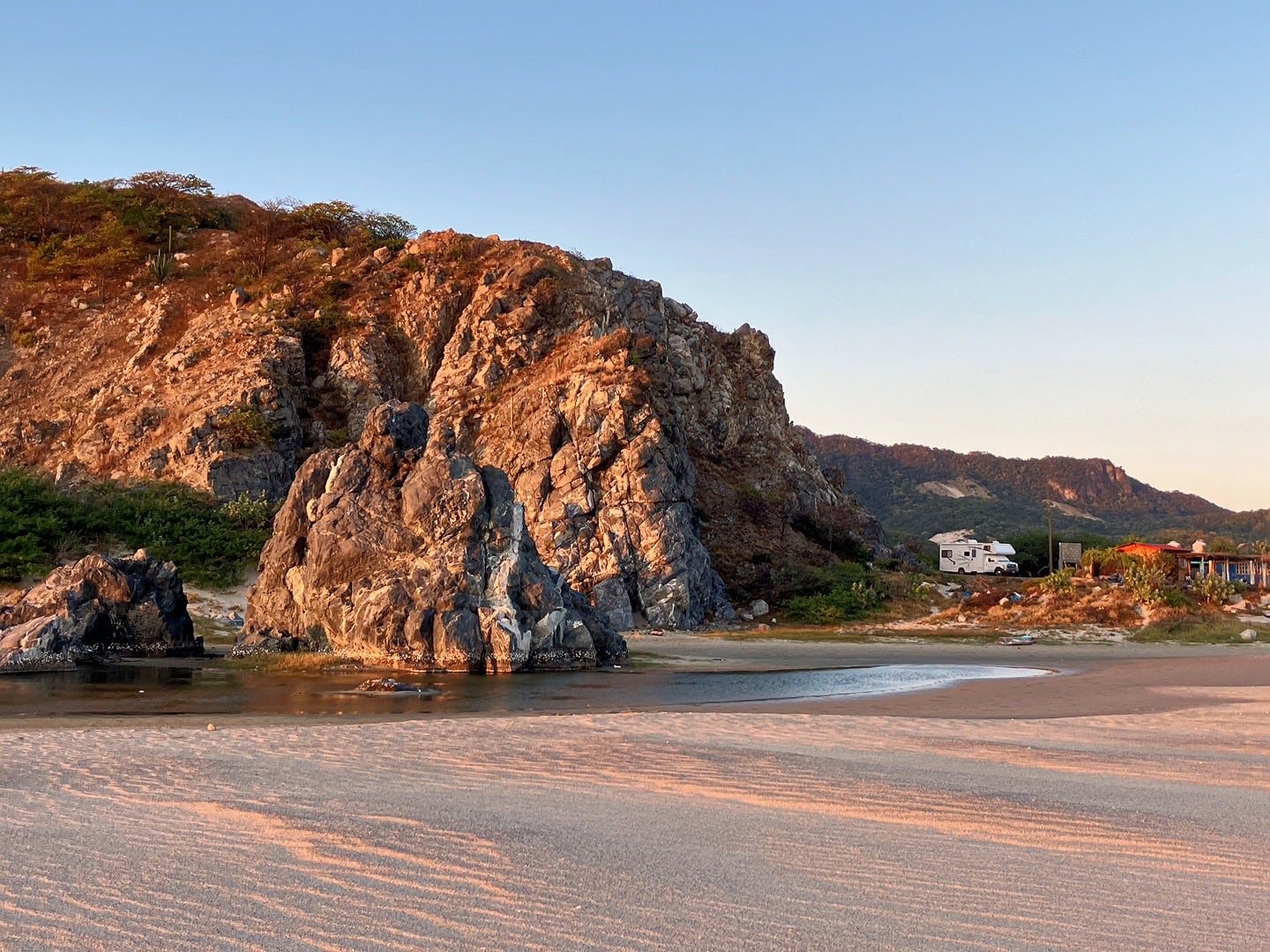
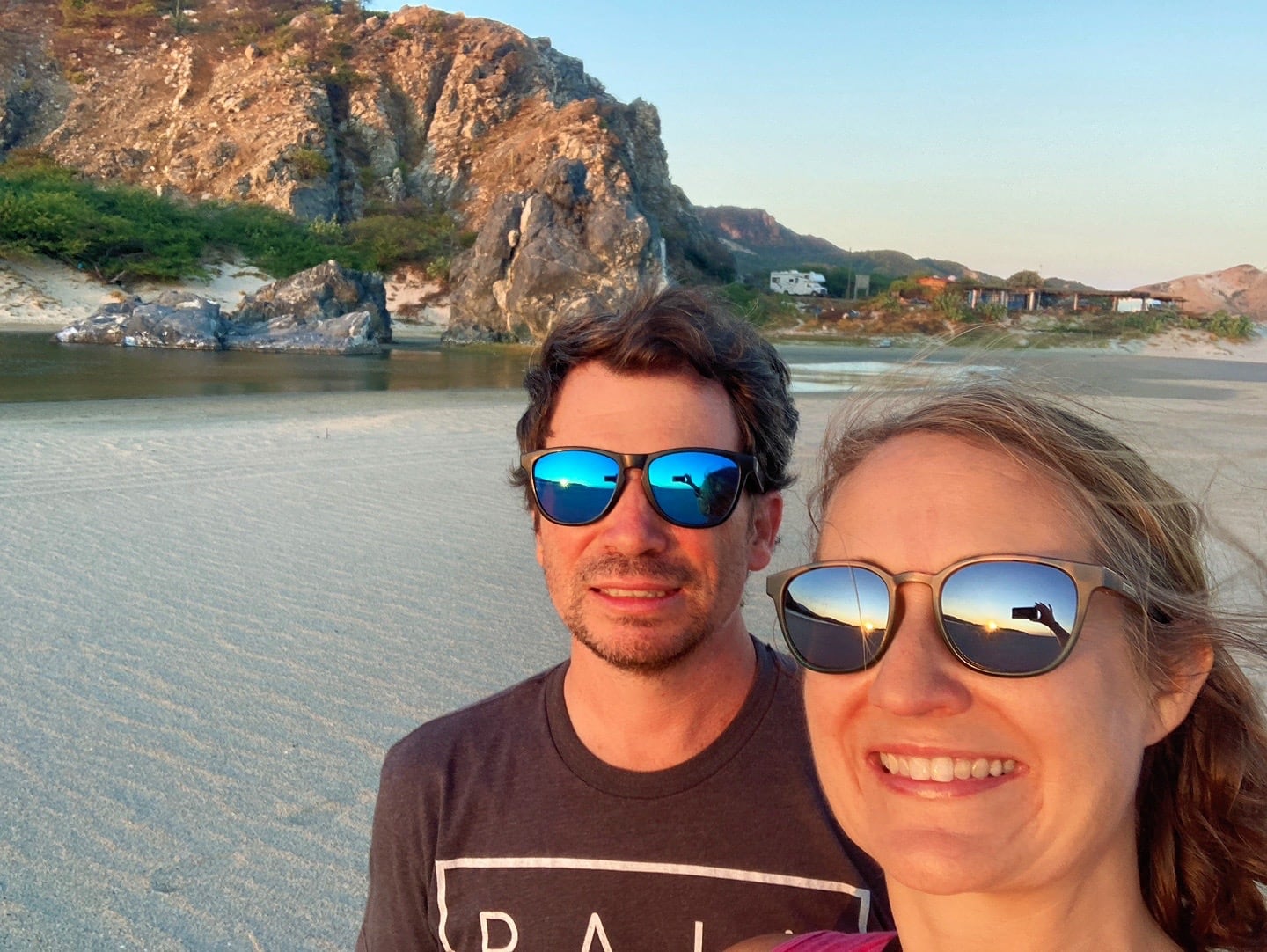
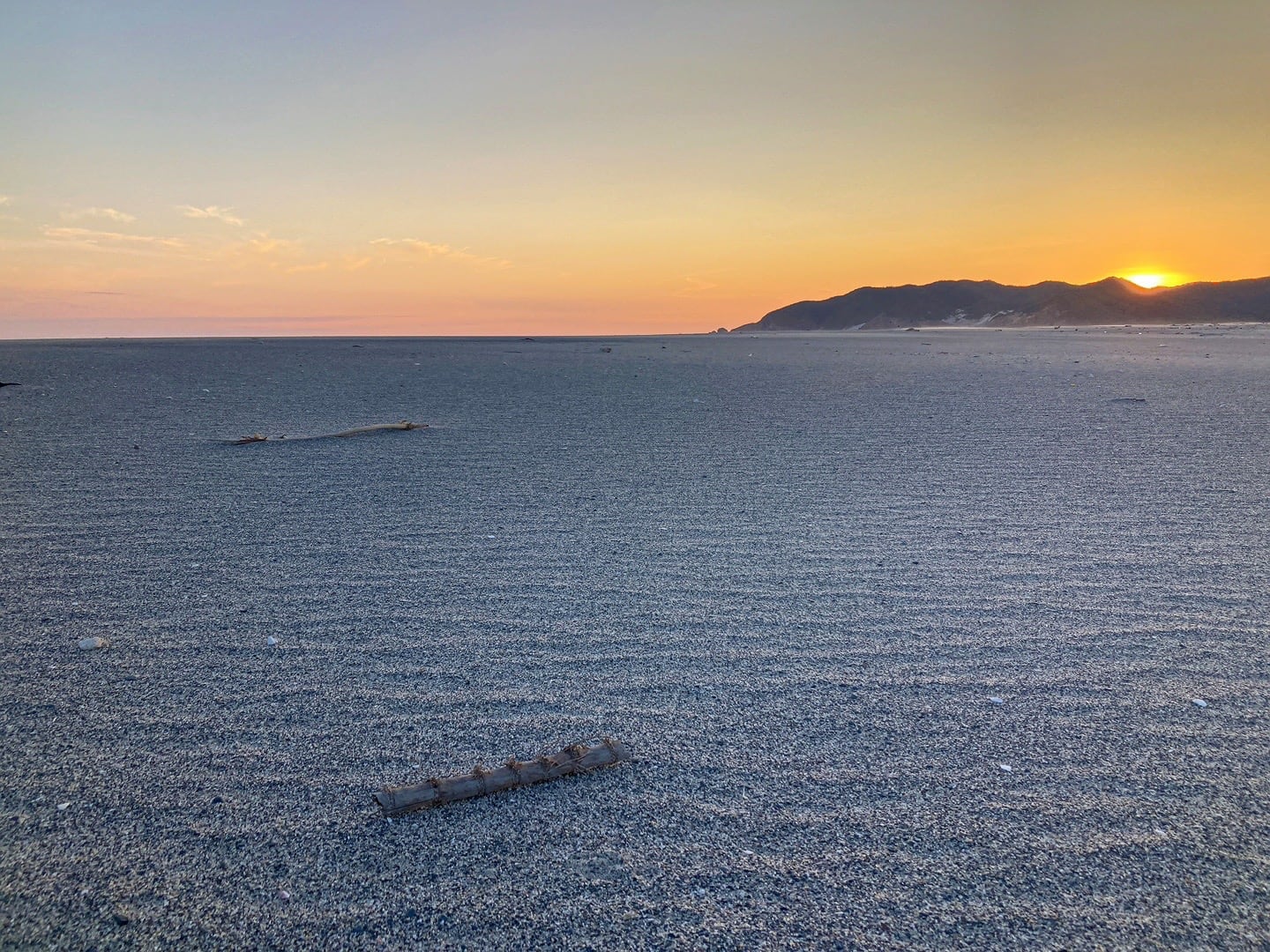
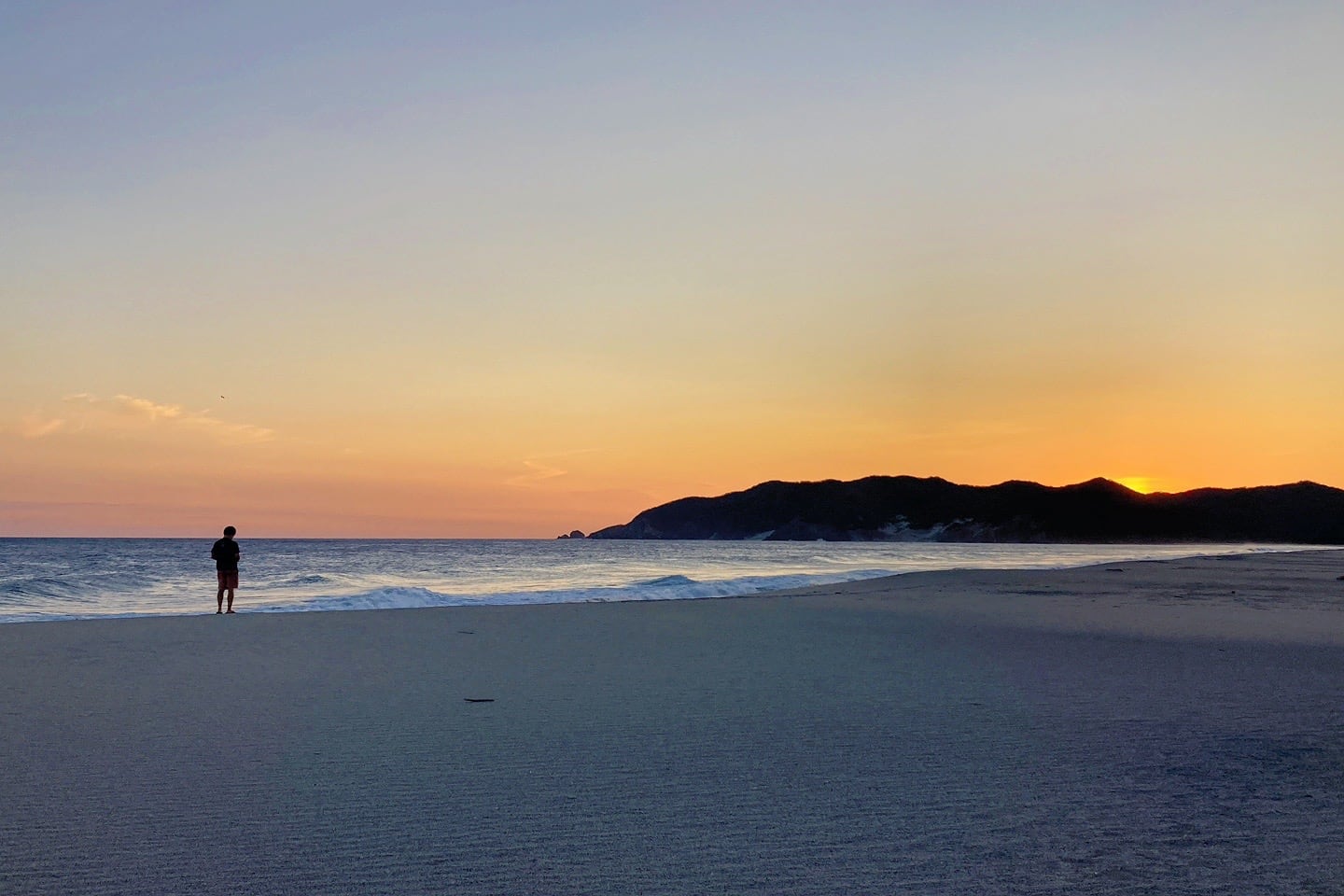
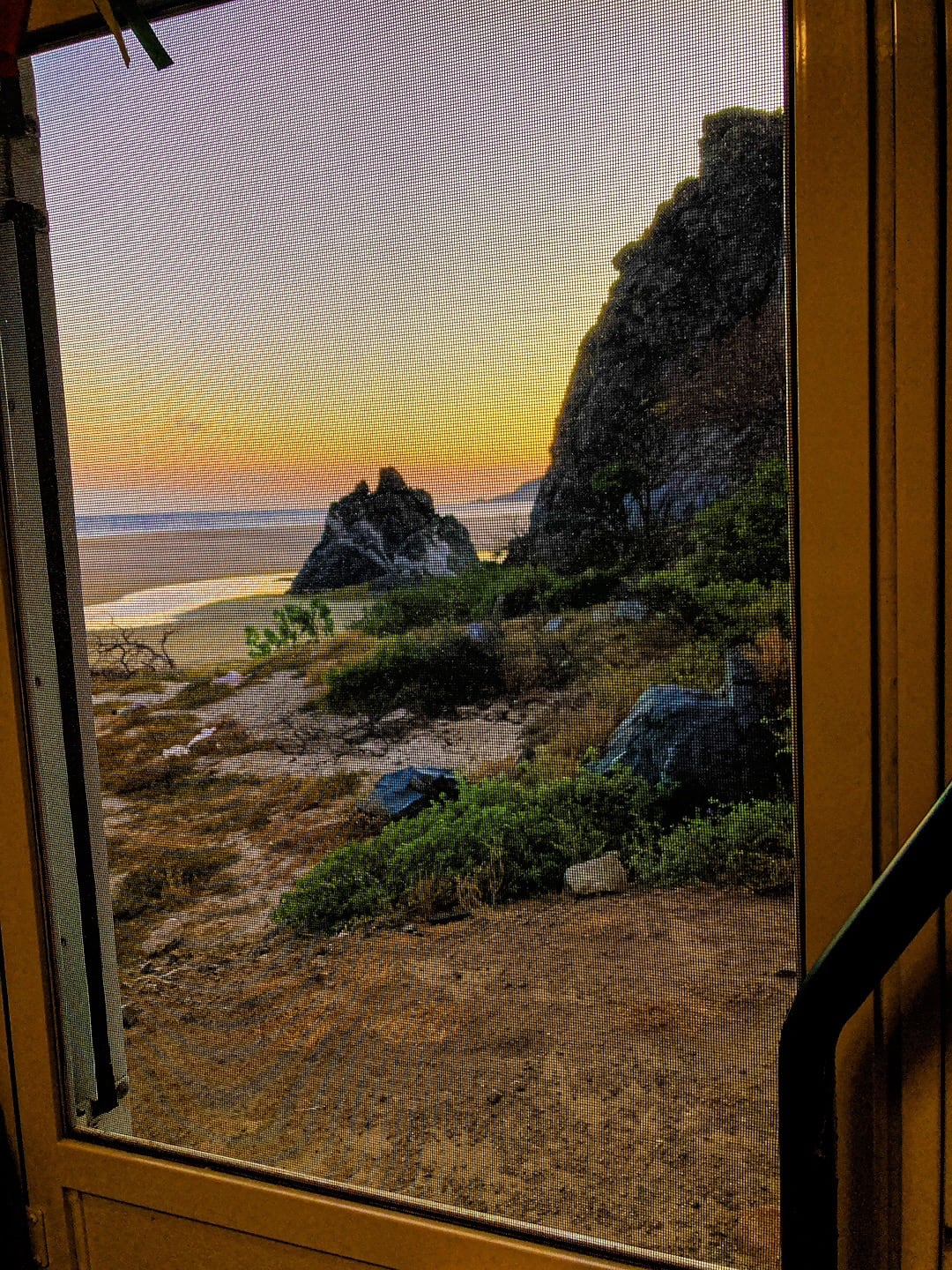
All night, we were serenaded by a sound I can only liken to a freight train, being buffeted this way and that. It felt like a bumpy flight riding the jet stream from North America to Asia, sustained for 8-10 hours.
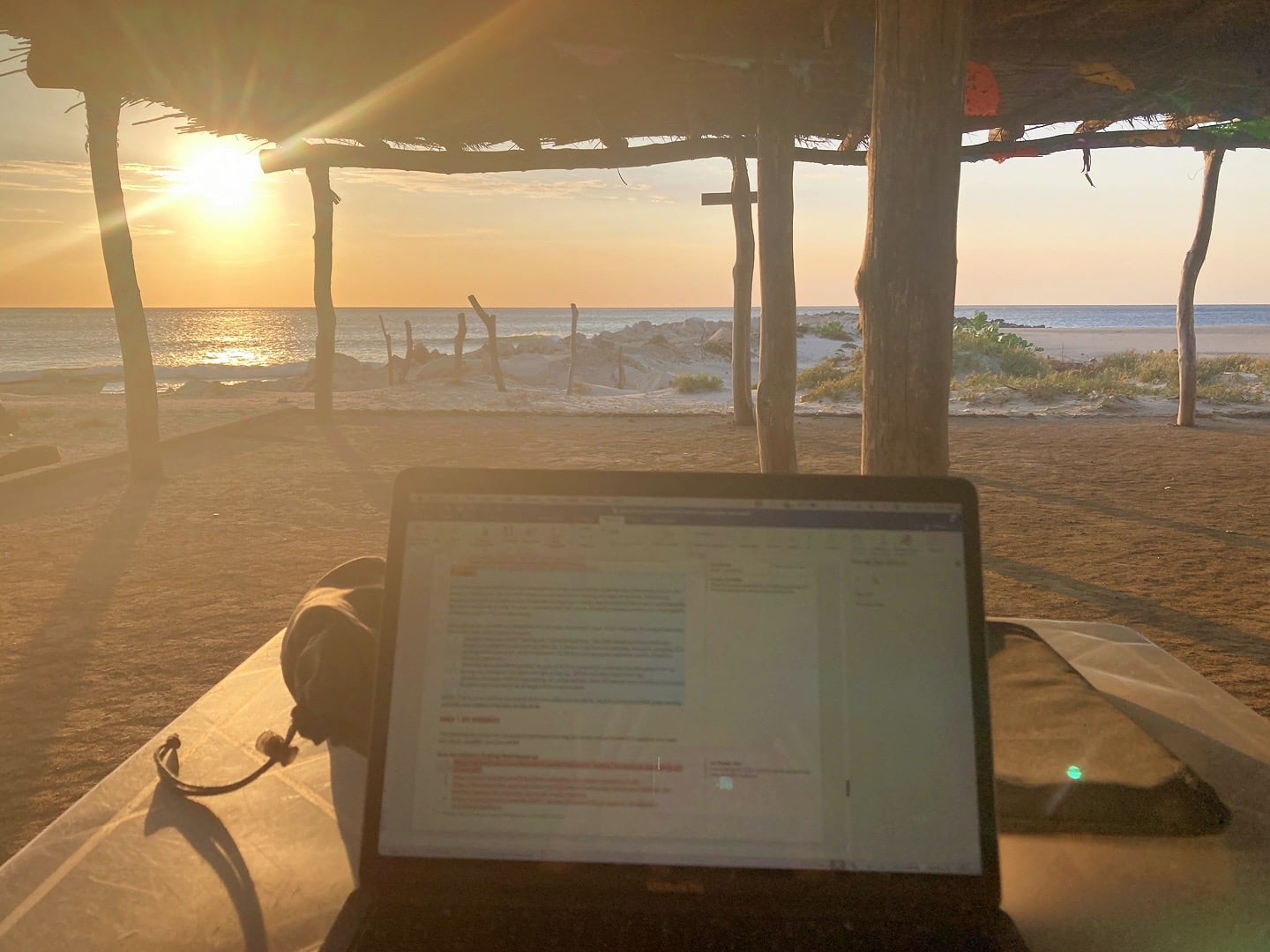
By the time Lori emerged from the RV to get some work done, the wind had all but died down. She planned to lead an early-morning call, but the power went out overnight (and with it, the restaurant’s WiFi). No power, no Starlink, no cell. Such is RV life in Mexico sometimes.
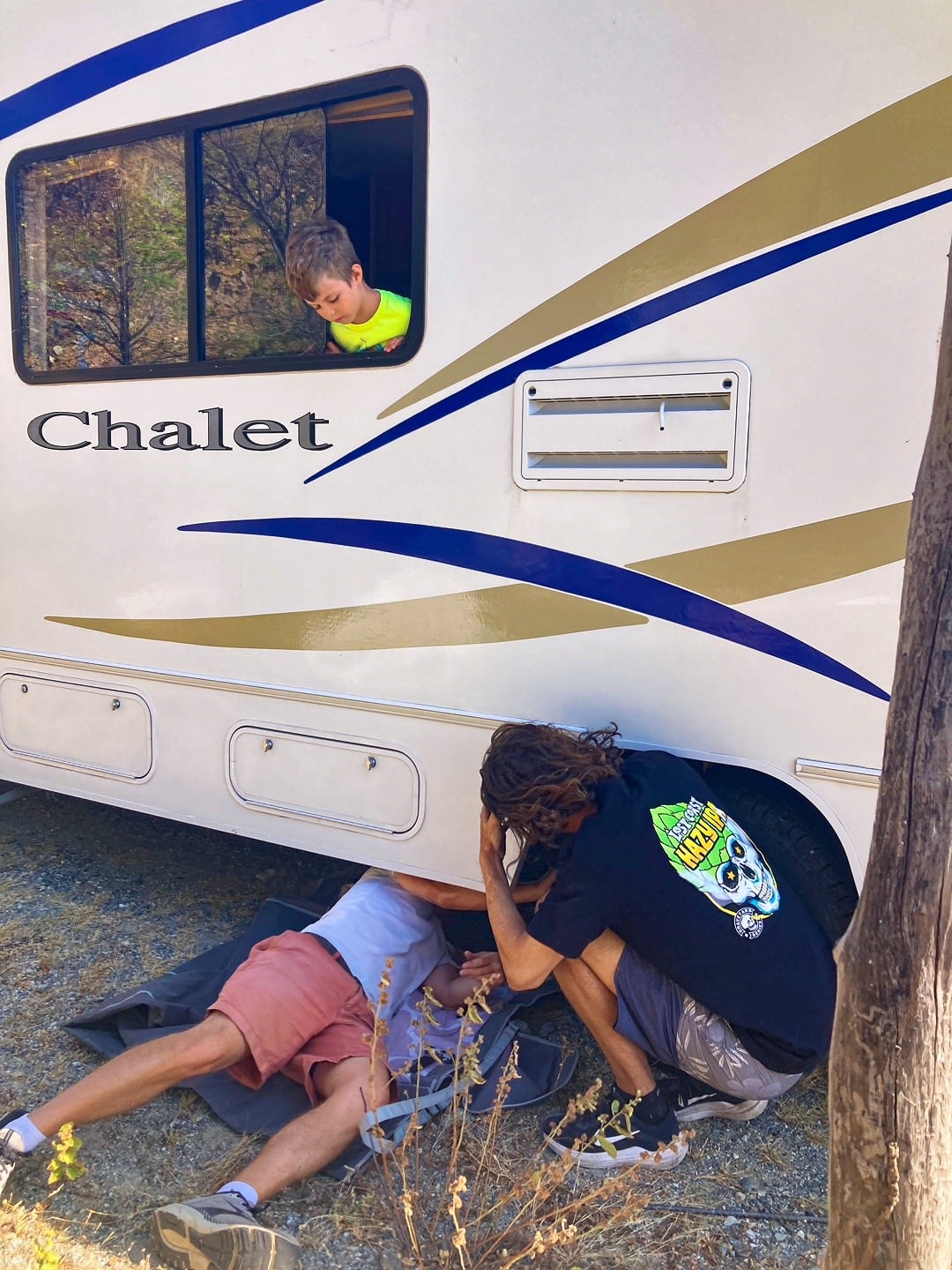
While I was backing up, Lori noticed a large rock lodged between the dualies. It took some work, but I finally got it dislodged, with the help of a crowbar from the only other guest at the surf camp.
He was having some issues with his alternator, so we gave him a lift into town to search for a couple of bolts. Interesting guy who happened to know a fair bit about Pokemon. He and Riley had a lot to talk about during the 20-minute journey.
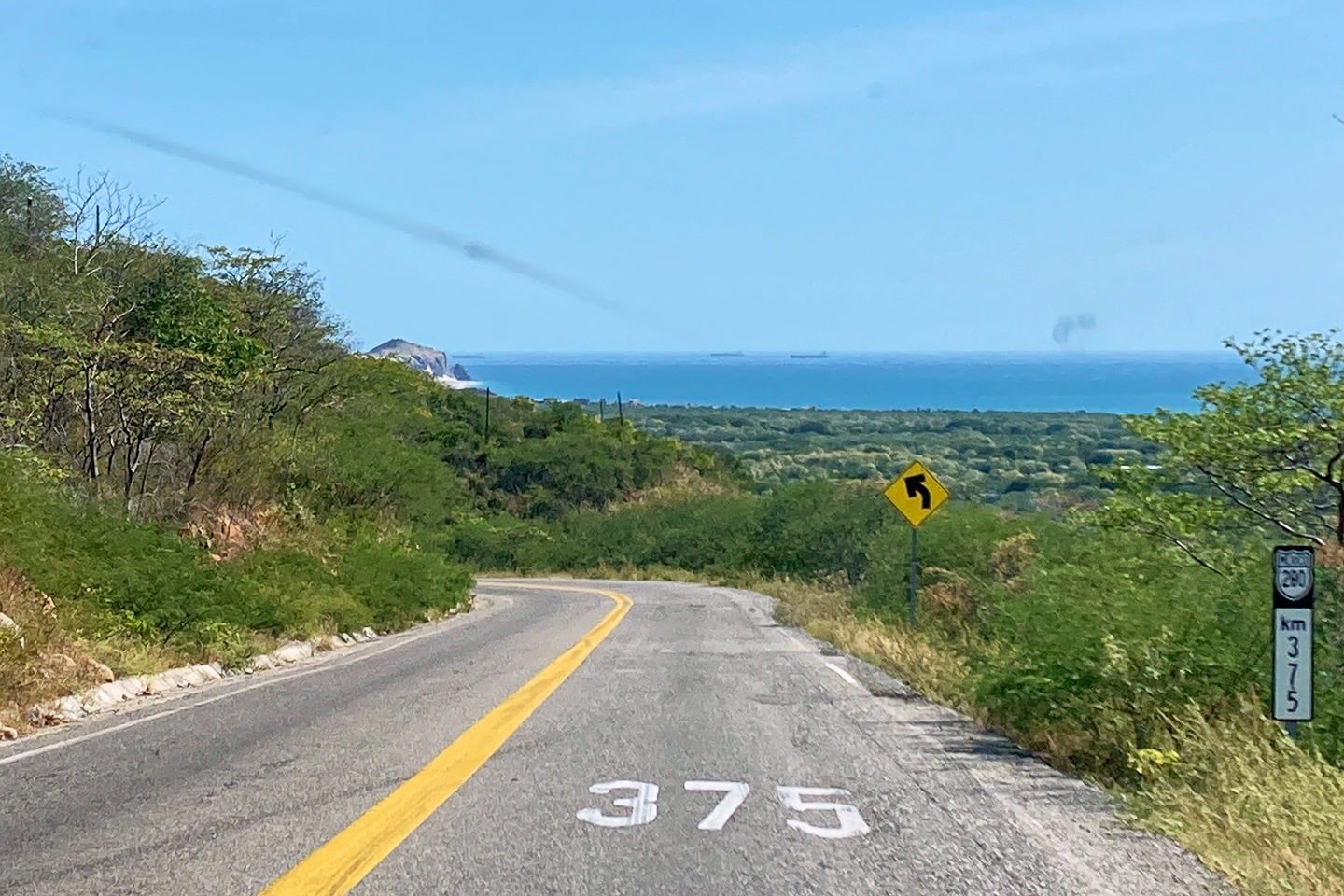
I didn’t need a poor night’s sleep and a rock wedged between the tires to put me off kilter this morning. I already had enough reason for concern about the day’s journey onward to Chiapas.
We were due to cross the windiest section of Mexico today, a stretch notorious for regularly blowing over tractor trailers and sending large rigs sailing sideways.
It’s not uncommon for winds to blow upwards of 45 mph, and up to 120 mph in extreme cases. For this reason, the authorities have been known to shut down the highway. But most of the time, you just have to get your intel from each toll booth operator as you roll along, and be ready to hunker down in a small village for several hours if need be.
To make matters worse, there are only TWO highways that cross the isthmus, and both experience high winds.
As expected, the first leg of the journey (the drive to Salina Cruz) went off without a hitch.
Once we were clear outside of town, I figured it would be a good time to look for an easy fill-up stop along the autopista (toll road).
Normally, we try and drive with mostly empty water tanks and a 1/2 tank of petrol. But I wanted to get as heavy as possible to give us a lower center of gravity heading through the worst of it.
As we approached the gas station, it wasn’t clear how we would access it. It looked as if we needed to exit the autopista to access the gas station. Certainly not ideal, but it also looked like a place we might be able to get a reliable update on conditions.
So, I exited the toll road and pulled in. Some minutes later, we had a full tank and were ready to hit the road. I went to start the RV (which has always started on the first crank without issue since the day we bought it). The starter struggled for a moment, then nothing.
I waited a moment and tried again. This time, nothing.
Hmm. Dead battery? Strange. No problem, I thought. I’ll just use the AUX power button to reroute juice from the house batteries to the chassis battery. I pulled out the manual and followed the instructions to a tee. Still nothing.
Crap. It was bad enough we were stuck out here in the middle of nowhere. It was worse knowing that we were heading into the warmest time of day, and every minute we wasted here the wind got stronger.
Our decision to exit the autopista was also coming back to haunt us. If we had been able to stay on, our toll entitles us to roadside assistance courtesy of Mexico’s Green Angels. Once you exit, you’re on your own.
Lori had already started to ask around to see if anyone could help us out. Unfortunately, because of the AUX power system, I didn’t think it necessary to equip the coach with jumper cables. Big mistake.
Lori managed to round up a pair, but they were old and rusty and didn’t do anything. By this time, we had three guys helping us, including a local police officer. Ultimately, their idea was to hot swap the chassis battery, which essentially meant starting the RV with someone else’s battery, then swapping that battery out and our battery back in while the engine is running.
I could see a number of issues with that solution and voiced them to Lori who translated them into fluent Spanish. I tried to explain that unlike a car, an RV is an interconnected network of sensitive systems and expensive appliances, and attempting such a maneuver could do some serious damage.
However, the three Mexican men were in no mood to take orders from a woman. After getting the rig started with the donor battery, without missing a beat, they plowed straight ahead anyway with their plan before I could climb out of the cab and physically stop them from doing so.
By the time I got to them, the deed had been done. We had a running RV and our battery reconnected with no observable damage but a bit of sparking. I was furious, but at the same time relieved. I couldn’t help but feel like these knuckleheads got lucky, but wasn’t going to dwell on it any longer. We needed to hit the road.
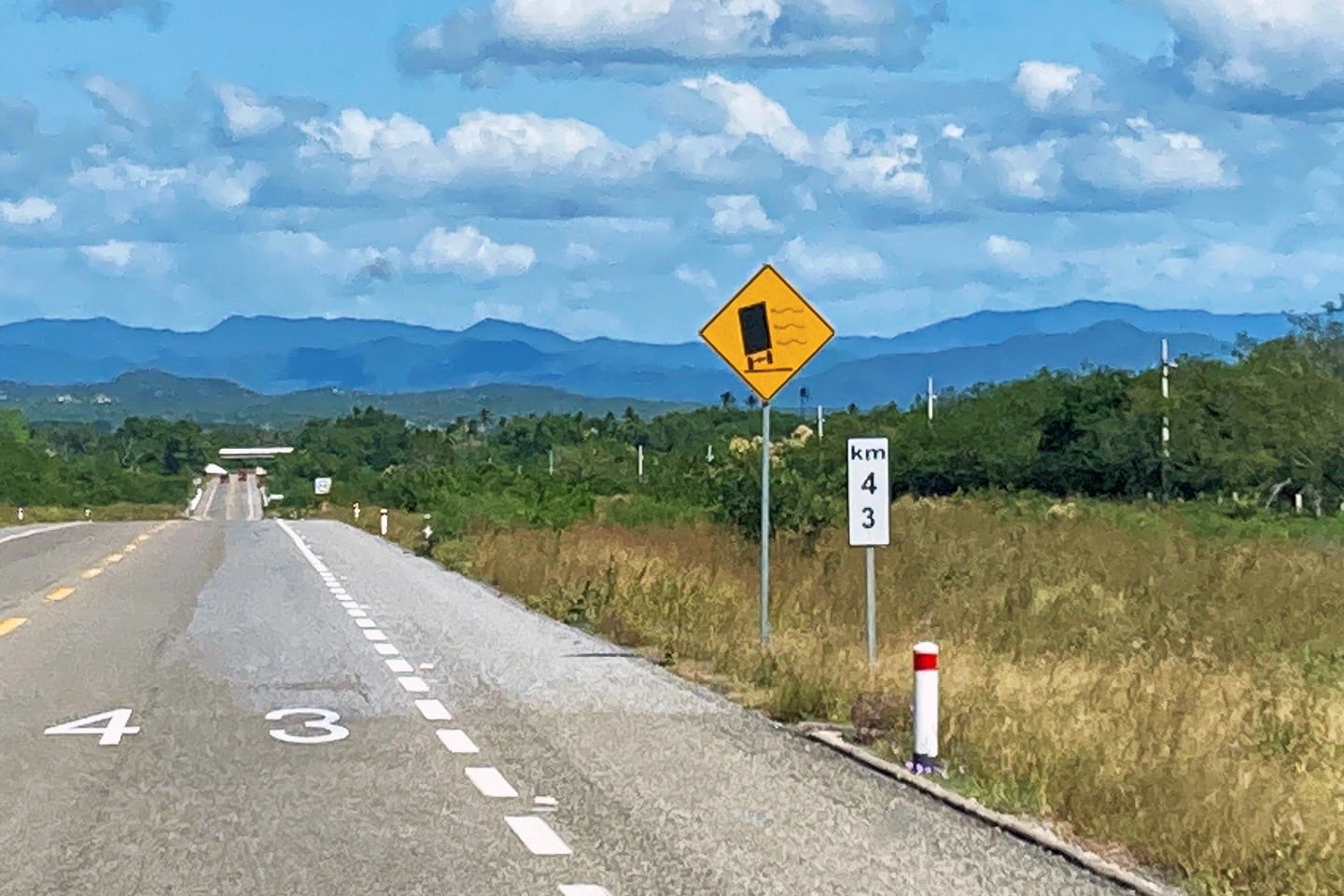
With a full tank of gas and a running engine, it was time to take a ride into the Danger Zone.
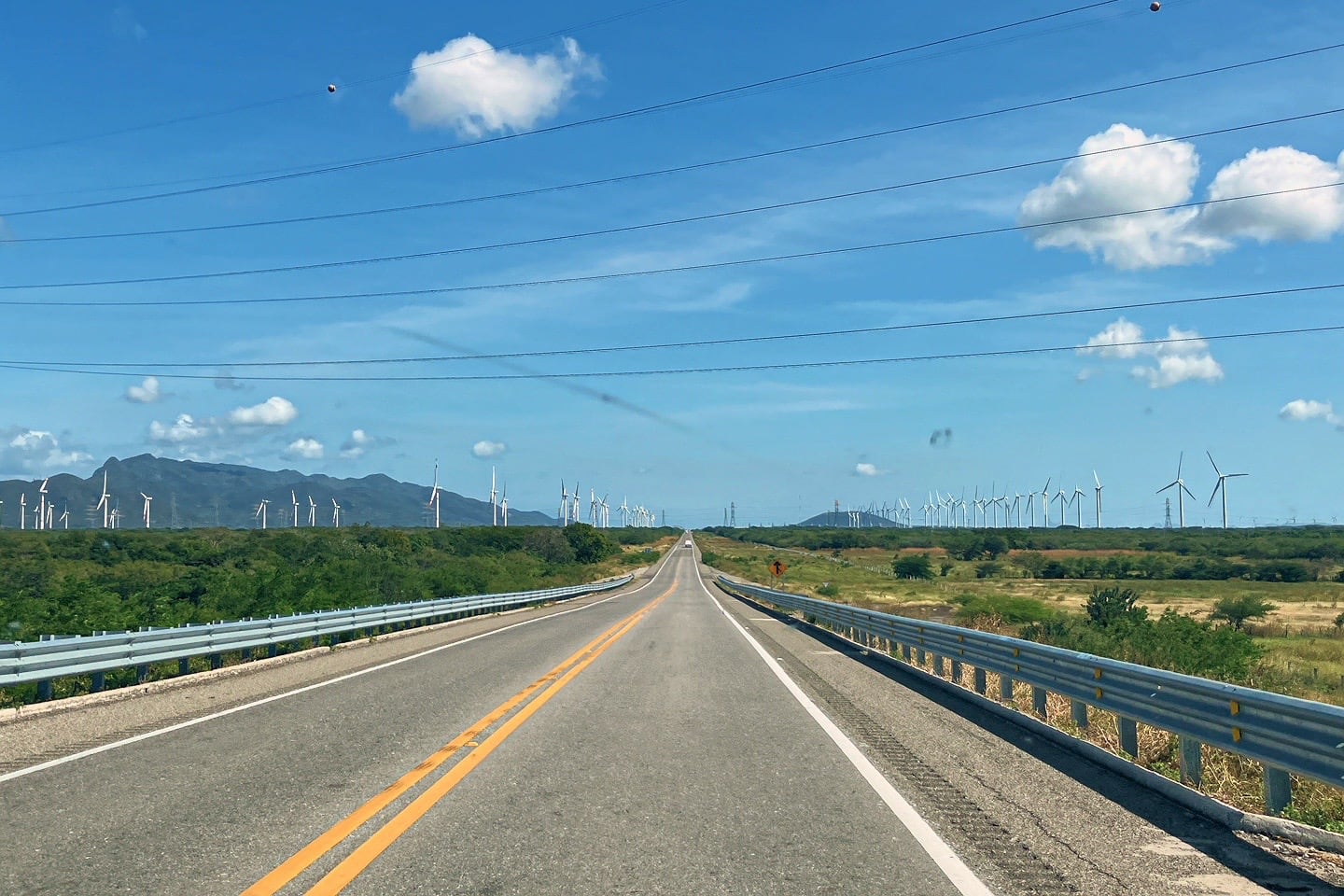
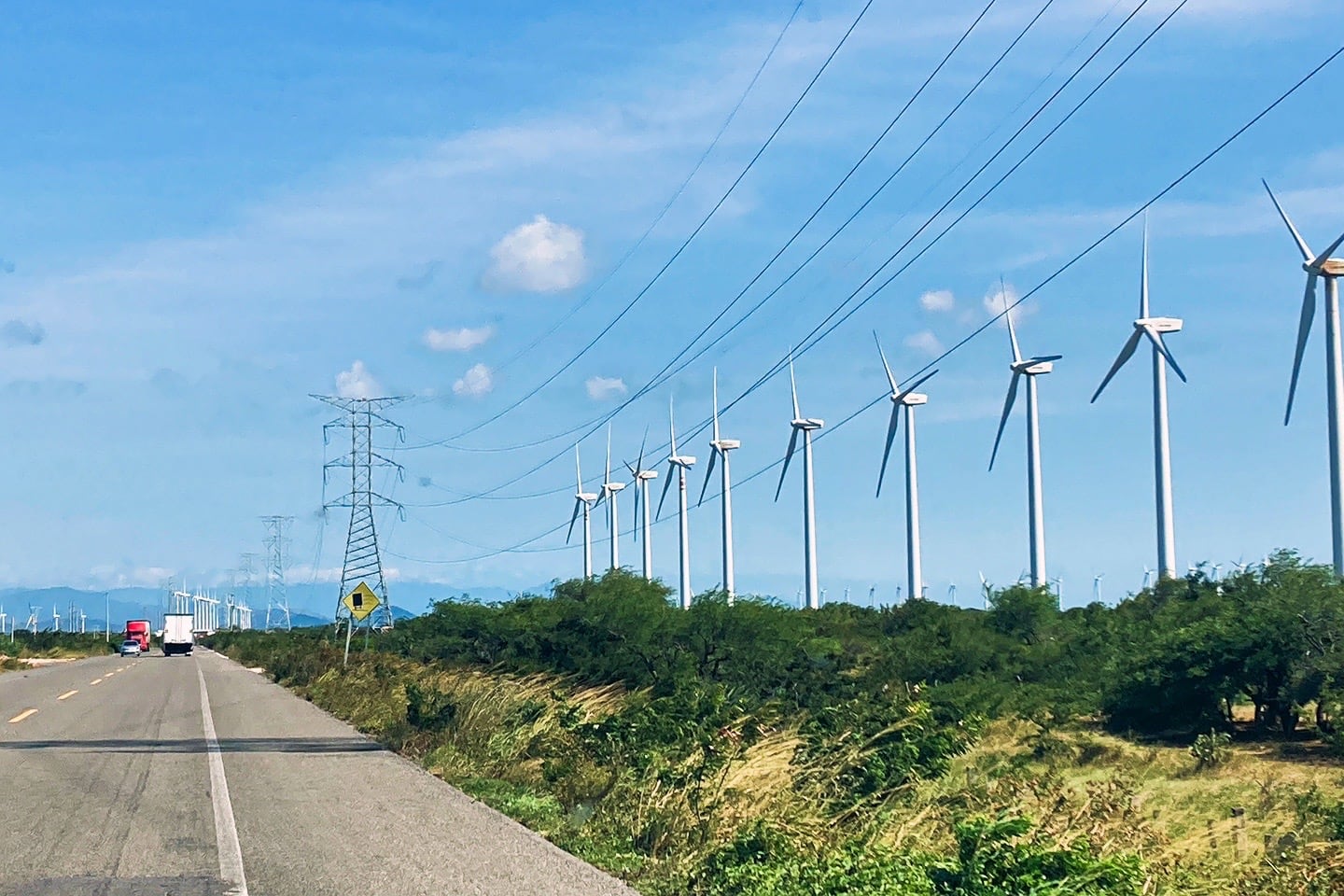
More windmills than I’ve ever seen in my life. They’ve really taken advantage of the wind tunnel.
So why so windy here? Well, it largely has to do with the geography of the rest of Mexico to the east and west and the Sierra Madre ranges that dominate those parts of the country.
In most of inland Mexico, the elevation averages between 6,000 and 9,000 feet. In the middle is a gap called the Chivela Pass which happens to sit on the Isthmus of Tehuantepec.
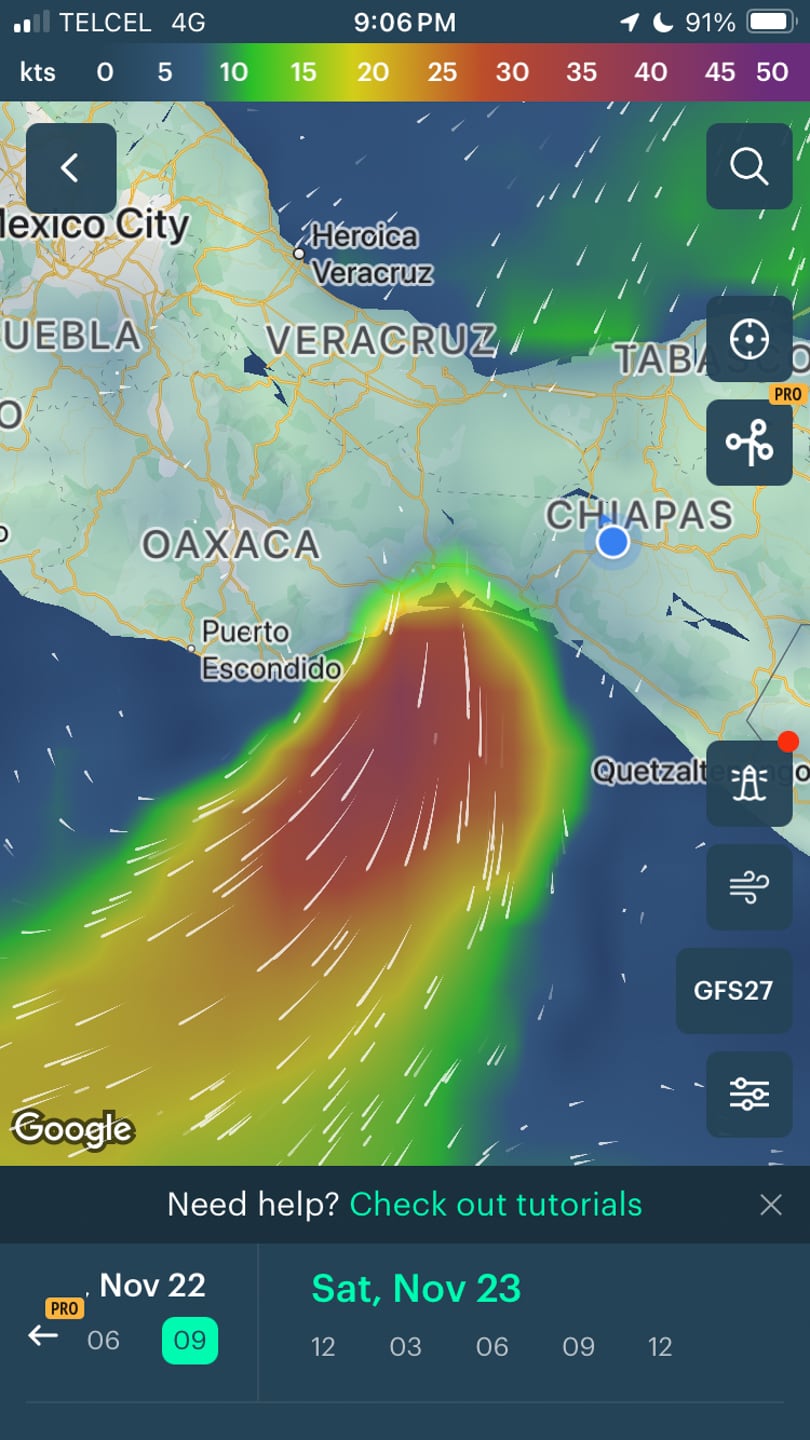
When cold air masses from the U.S. and Canada get funneled through this relatively tiny gap, it directs powerful winds into this 40-mile wide section.
This is what it looks like on Windy.app:
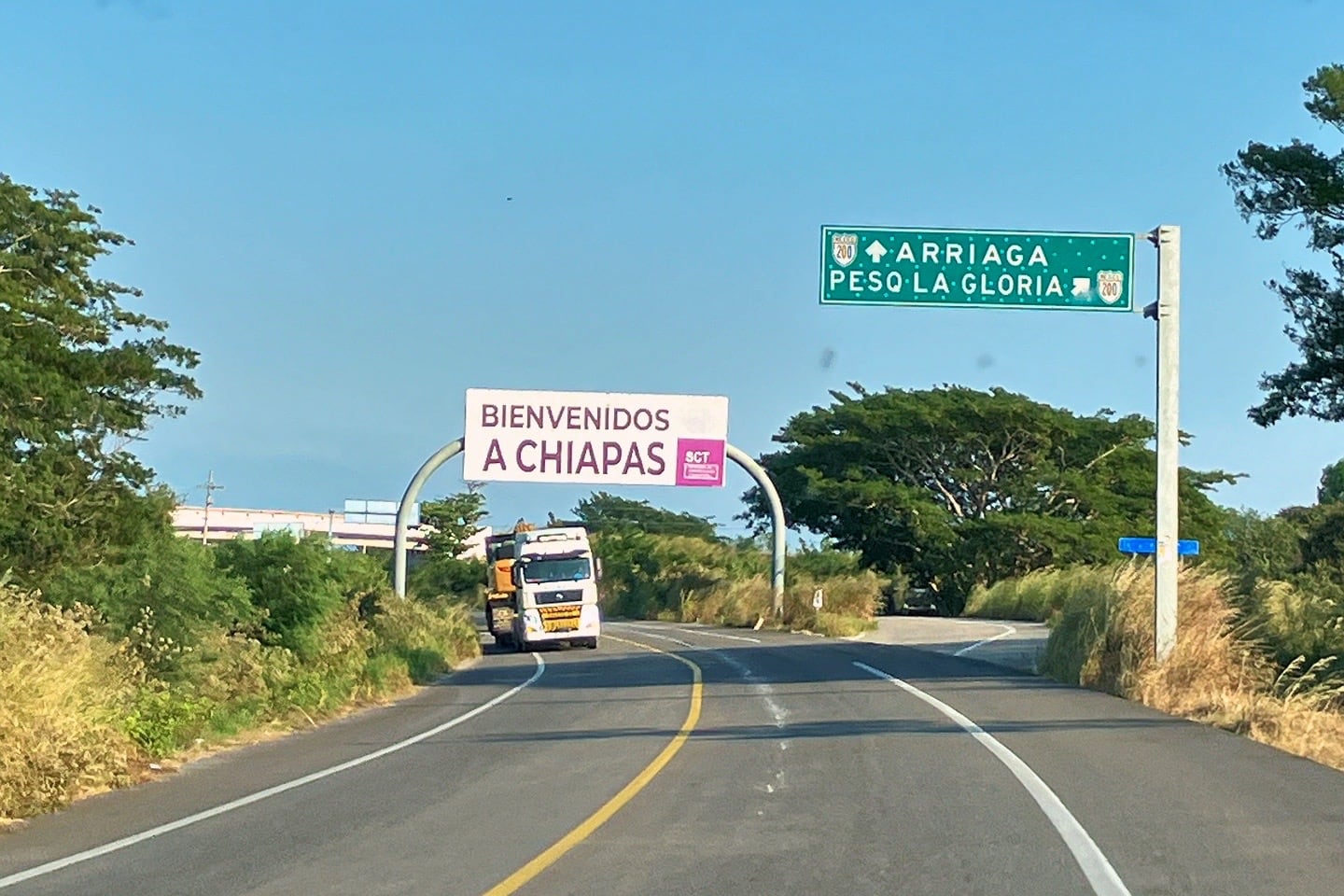
The RV got batted around quite a bit, but we lucked out with an average wind day here. No closures and no other issues to speak of. In reality, the worst part of the drive came after leaving the isthmus and entering Chiapas state.
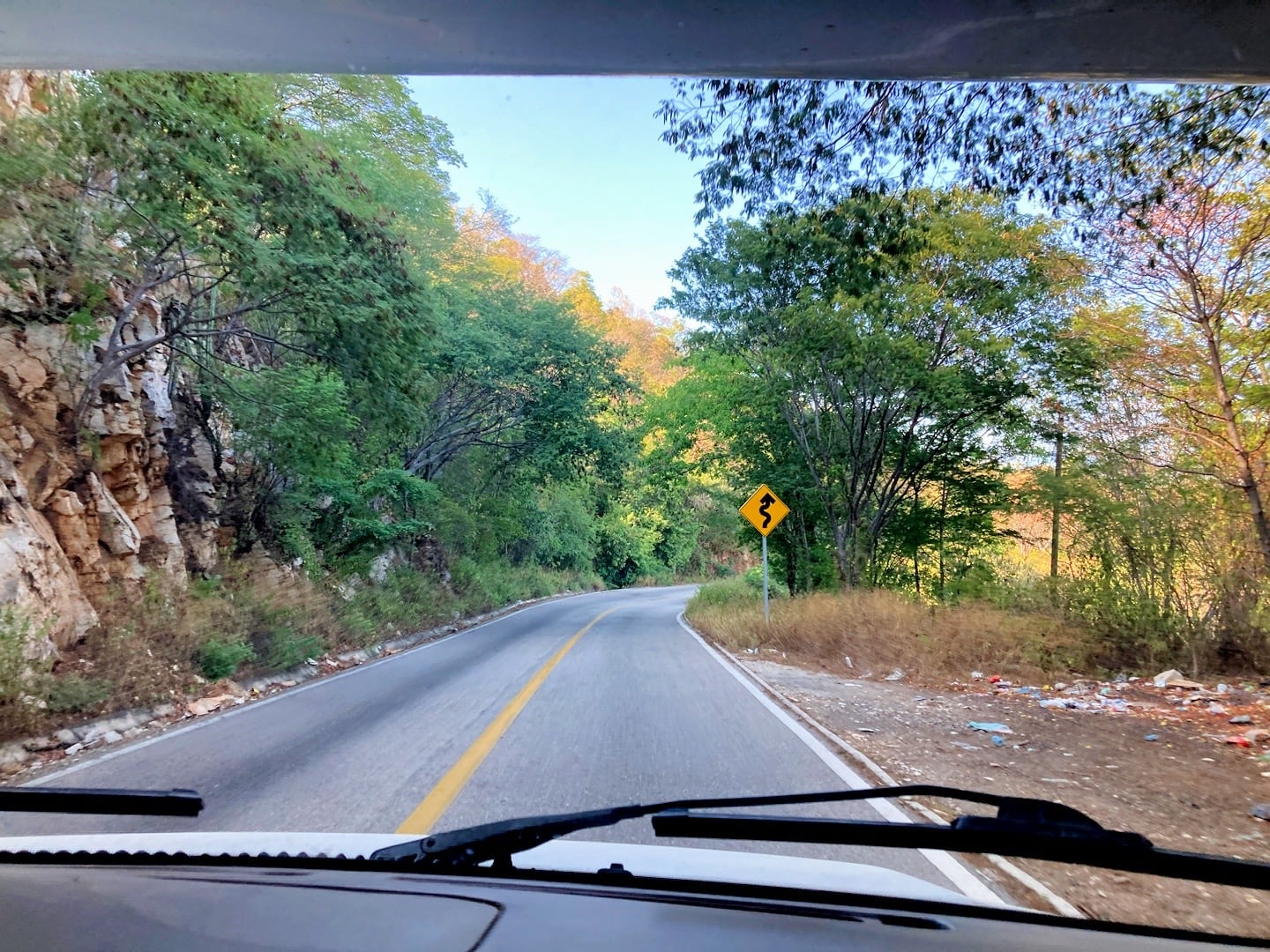
The road looked like this for the next two hours:
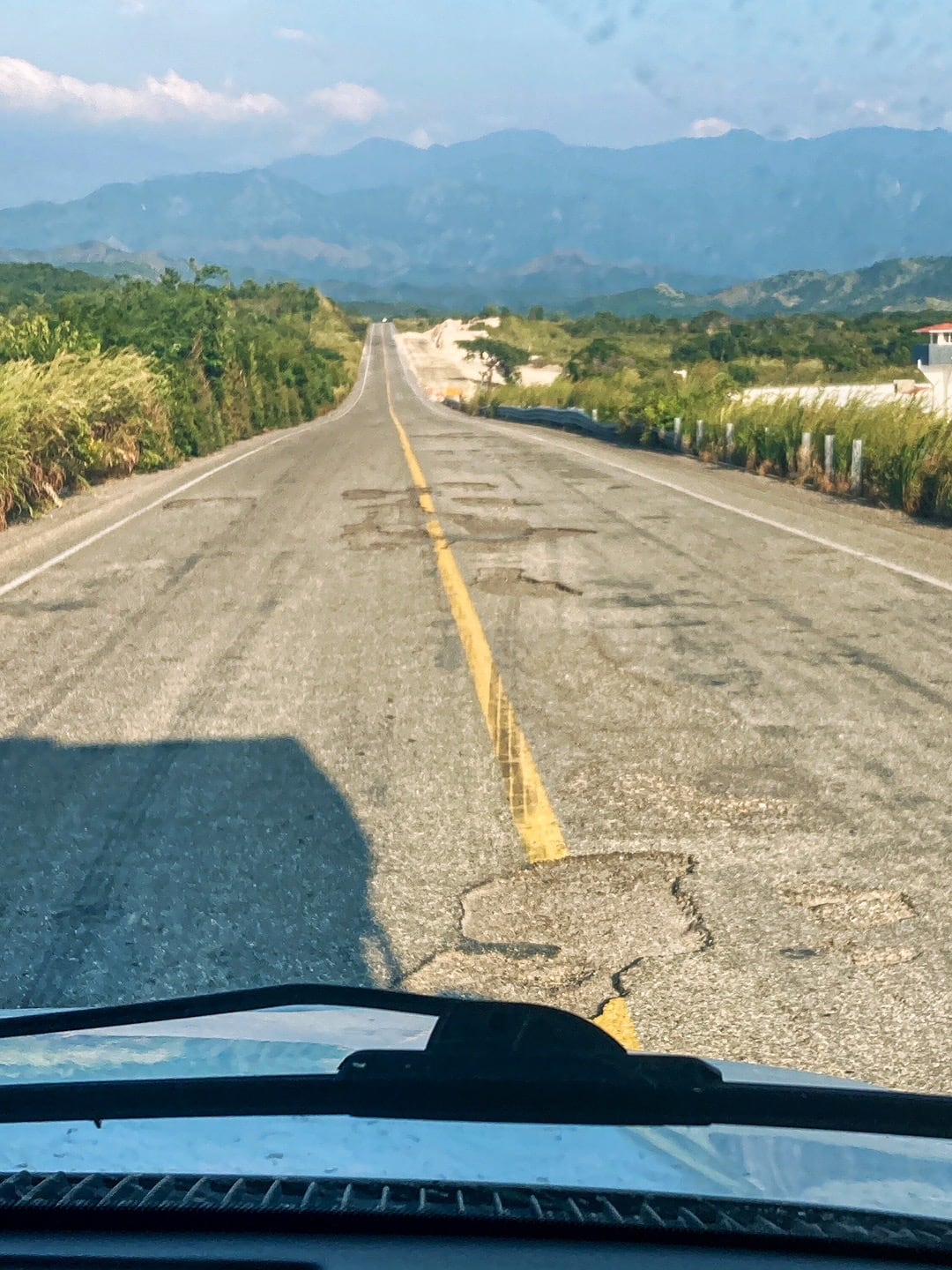
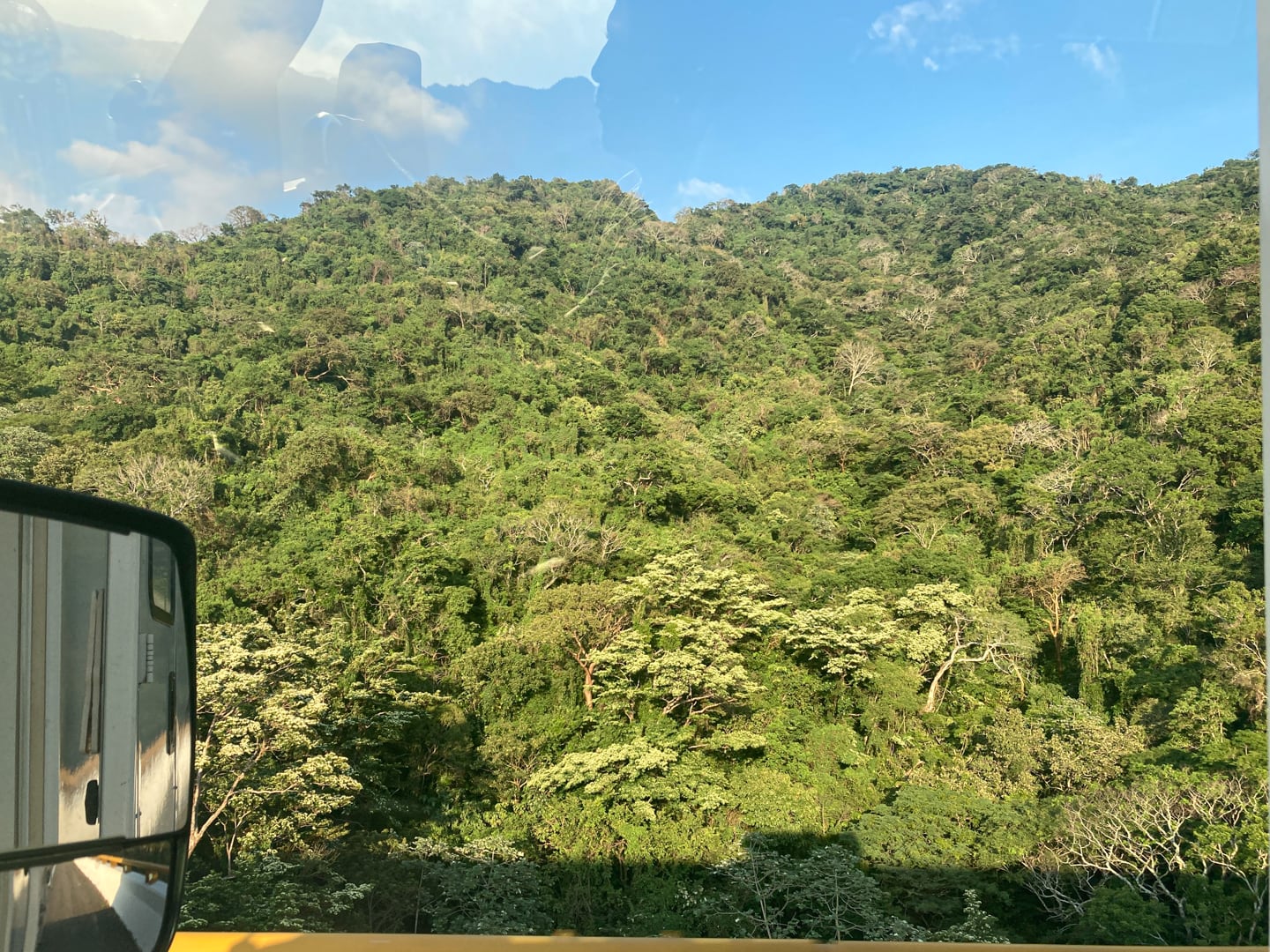
Chiapas is characterized by dense jungle. It finally feels like we’re getting close to the Yucatan and Guatemala.
I really wanted to make it all the way to San Cristobal de las Casas today. But after our battery delay I knew that wasn’t in the cards.
In hindsight, we’re glad we stopped when we did. San Cris would have added a couple more hours to our drive, but it wasn’t easy driving, and the approach into the RV park was pretty hairy.
Instead, Lori found a place to stay in Coita with full hookups! It also happened to be an orphanage, which proved to be an interesting experience.