On Thursday, we wrapped up our time in Lisbon (29 days flew by!) and moved four hours south to the Algarve on Portugal’s sunny southern coast.
Lagos wasn’t our first choice of places to spend Month #2 in Portugal, but we’re really happy with our choice so far—superb beaches, weather, a charming Old Town, great food/coffee/beer, cheap fresh seafood and produce, friendly locals, reasonable prices, and we can pretty much walk everywhere.
Our Euro-African Journey (So Far...)
Here in early November, there’s still ample sunshine, temperatures top out around 70, and the crowds are minimal.
Here’s a recap of our final days in Lisbon and our move south to Lagos.
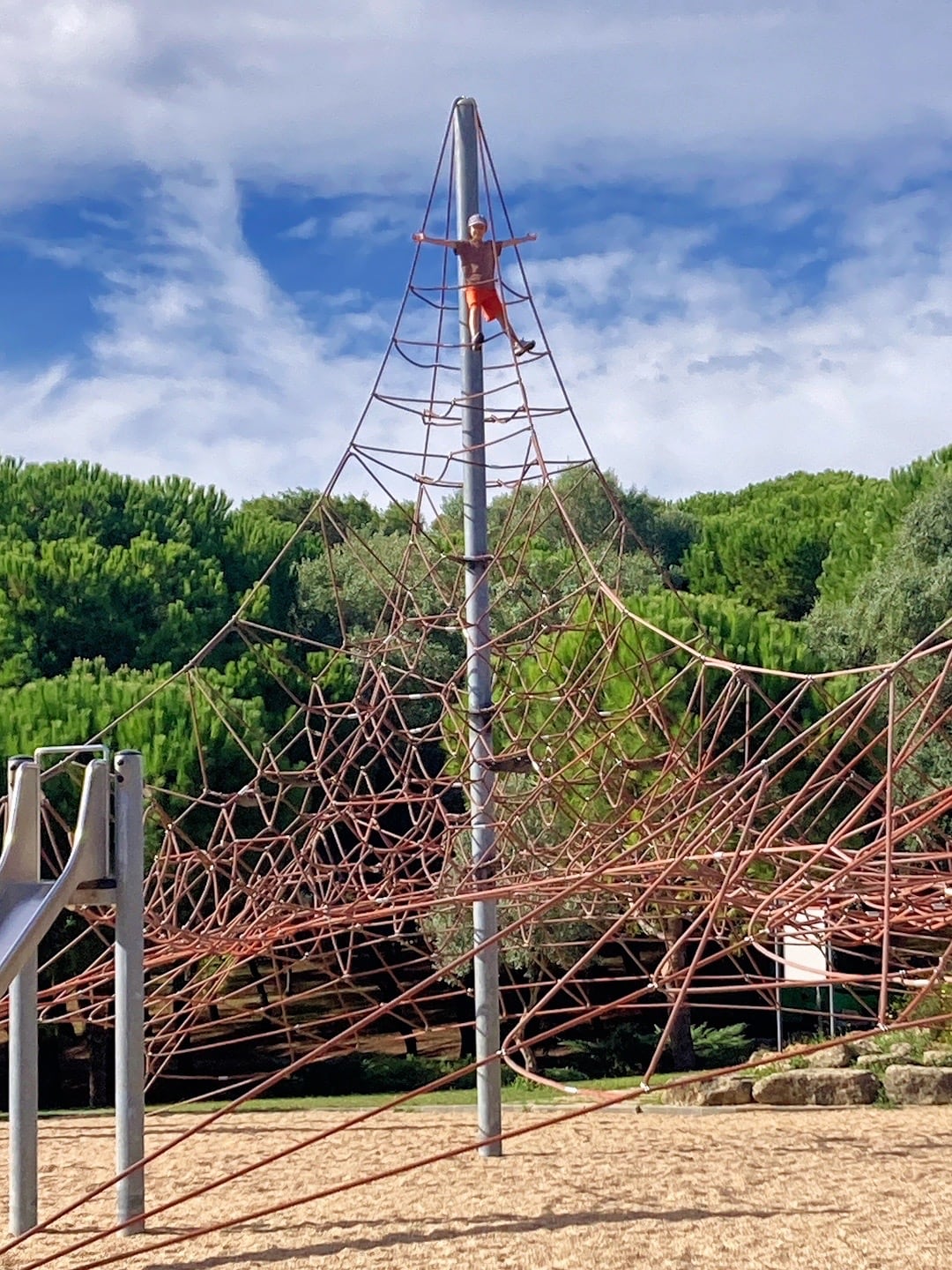
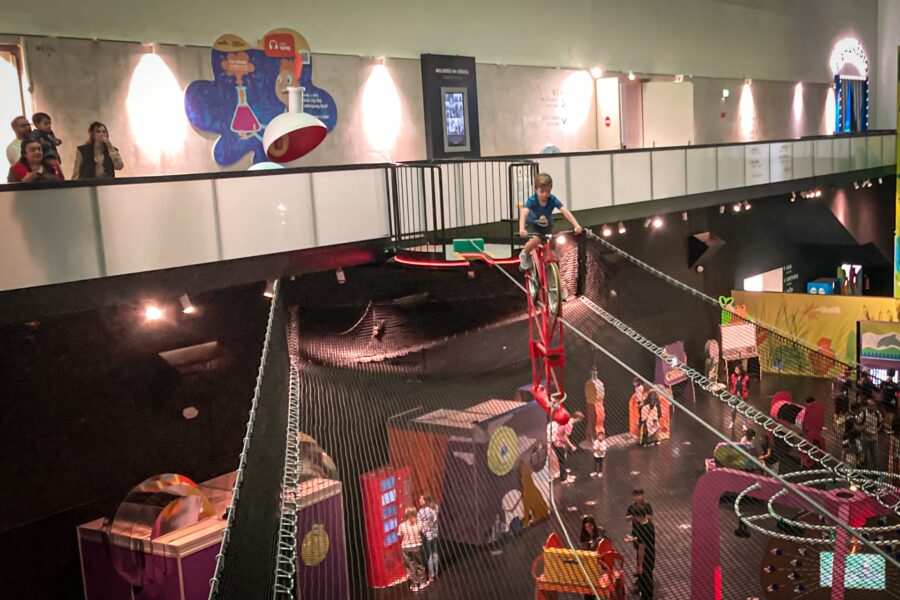
Noe loves this thing at one of the playgrounds in town. I’m not crazy about it.
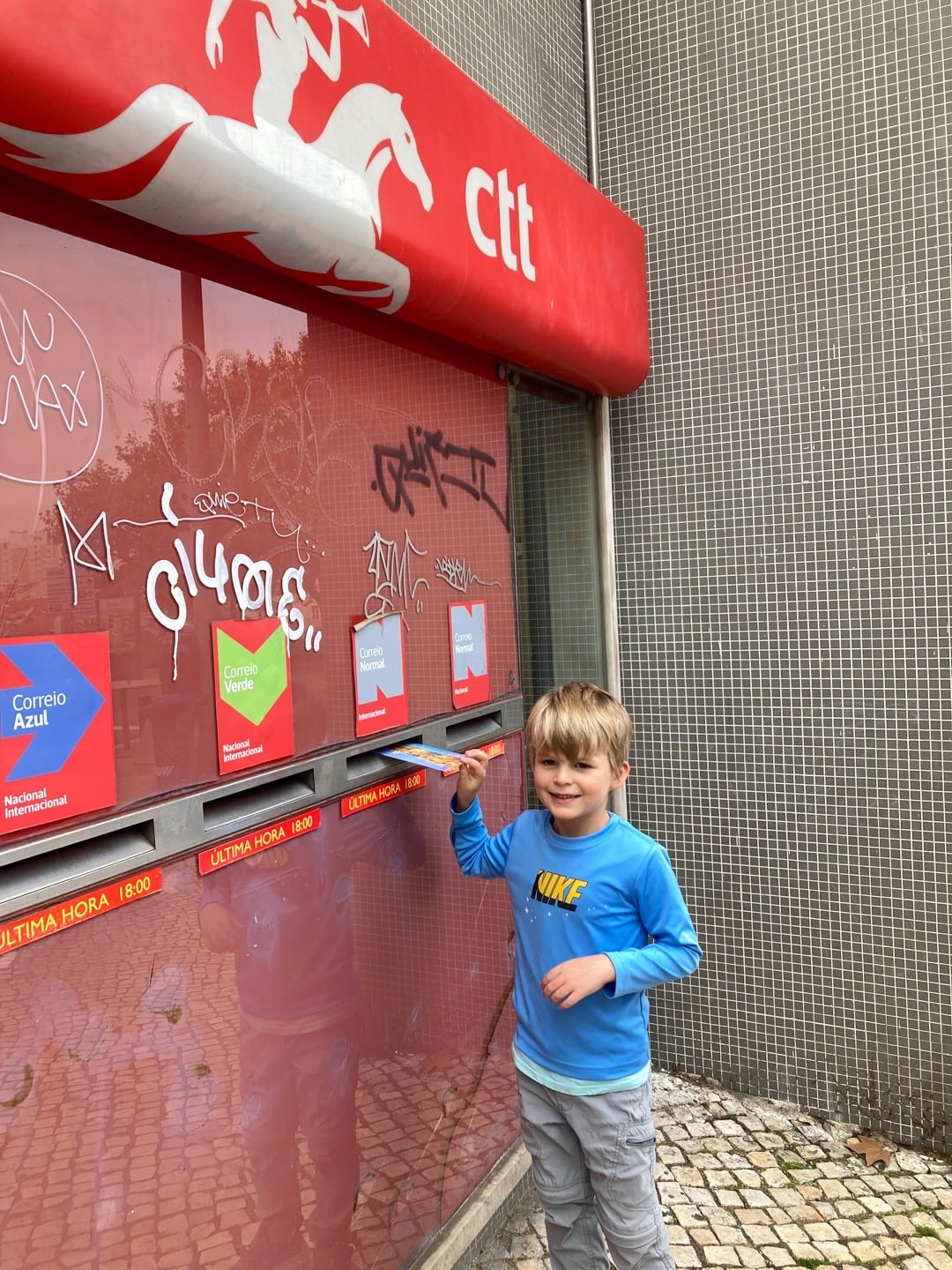
Mailing postcards back to the U.S. The boys’ letters from Mexico City to the Pacific Northwest took nearly six weeks. We’ll see how long these take. They do have to cross an ocean this time. And…GO!
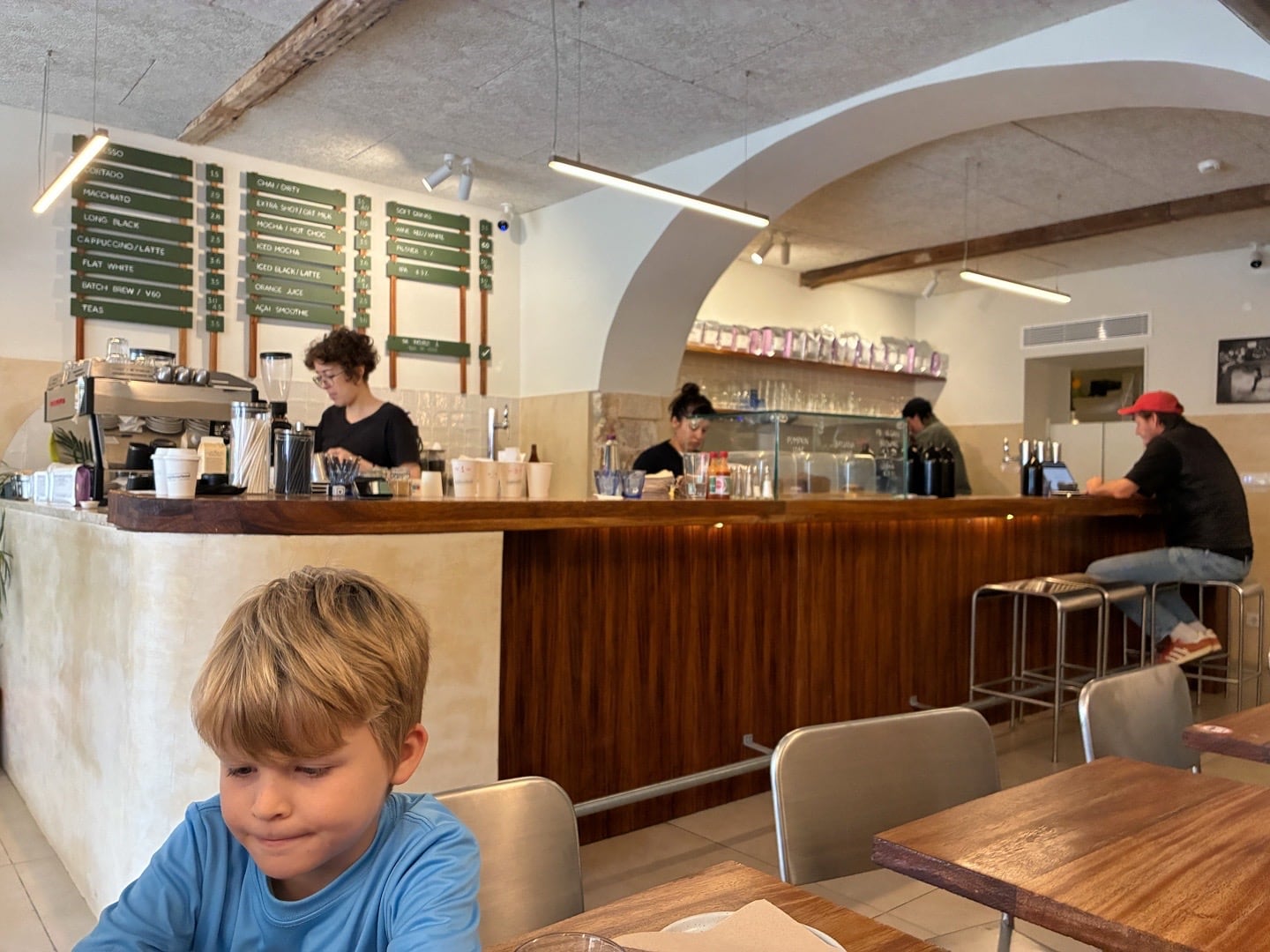
On one of our final mornings in Lisbon, we grabbed some coffee and breakfast at Neighbourhood Cafe. Prices weren’t bad and the coffee beans turned out to be the best (and freshest) yet in Portugal.
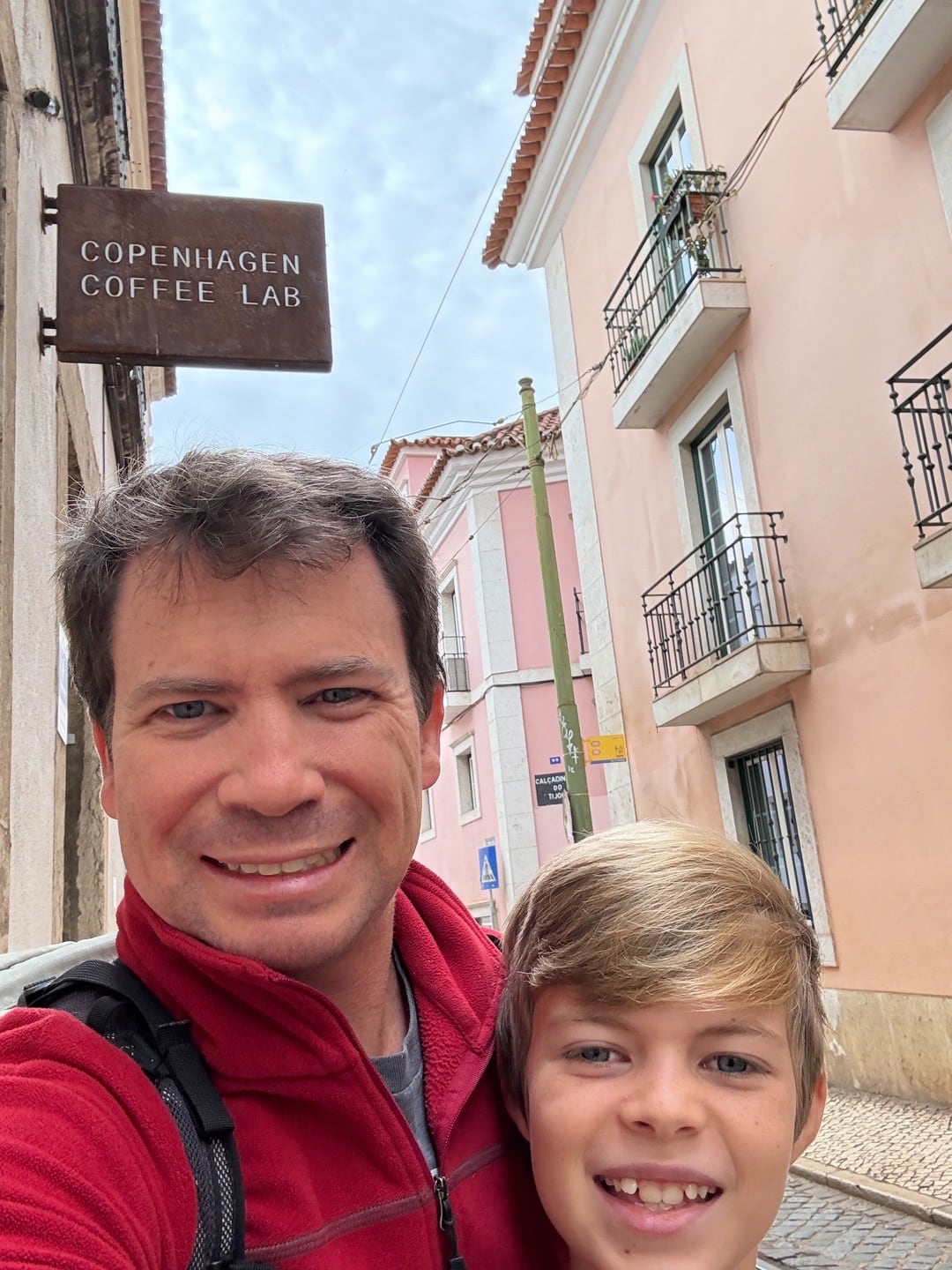
Speaking of coffee shops, we thought we’d split up one more time and take the boys out for a special treat. With all the time the four of us spend together, they’ve really enjoyed this one-on-one time lately.
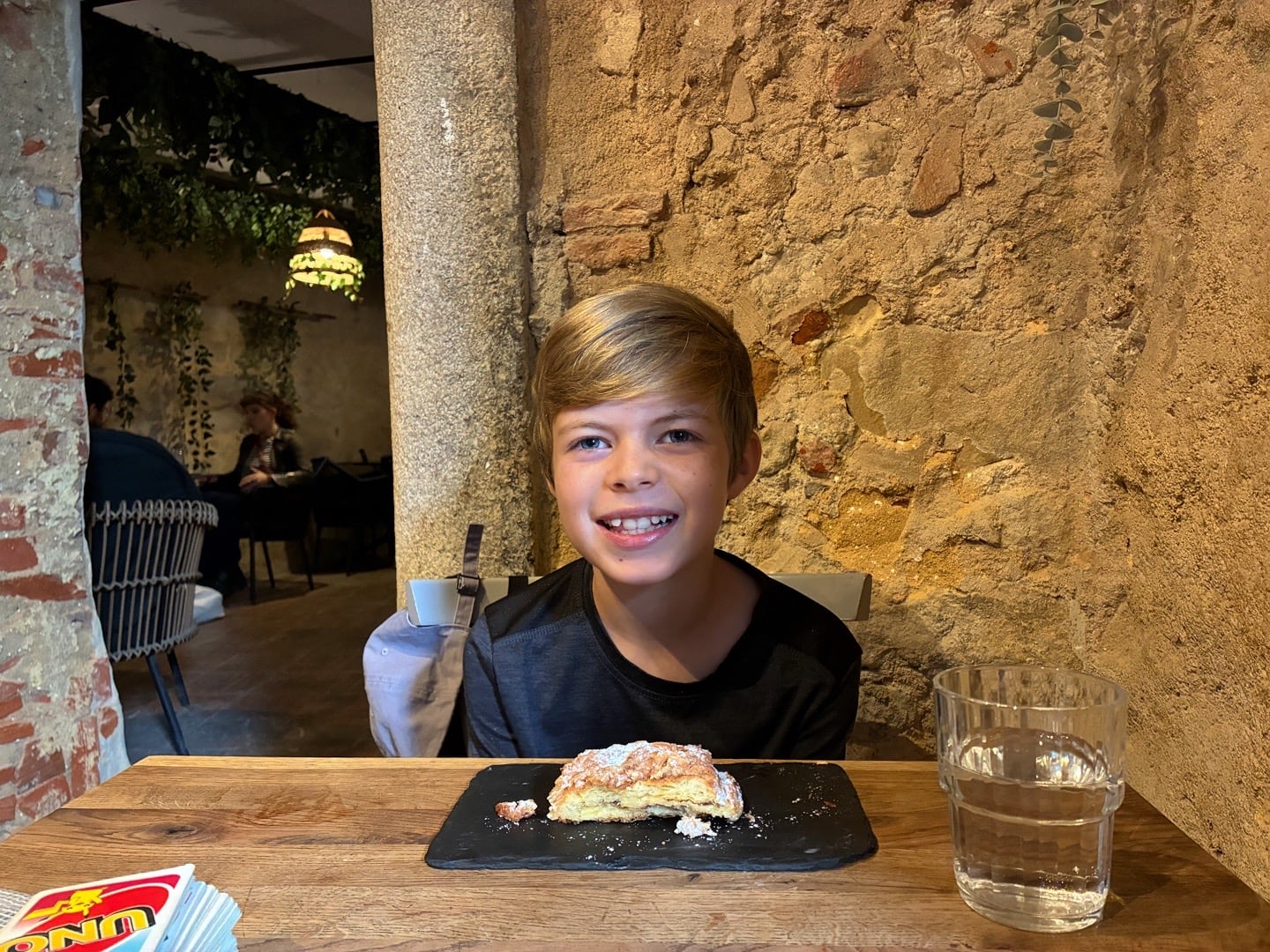
Pastry and a few games of UNO with the big boy.
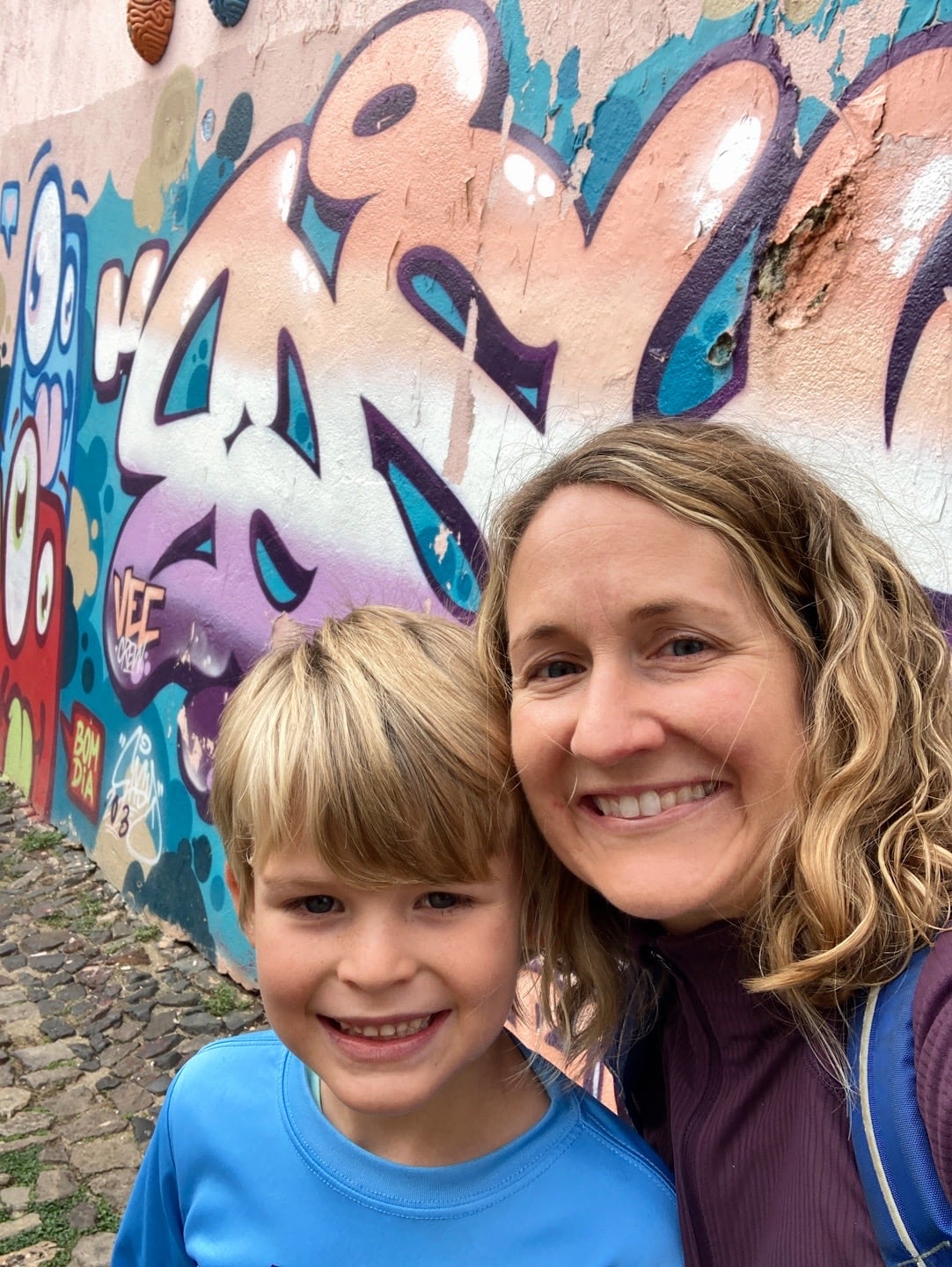
And…a stroll and bubble tea with the wee one.
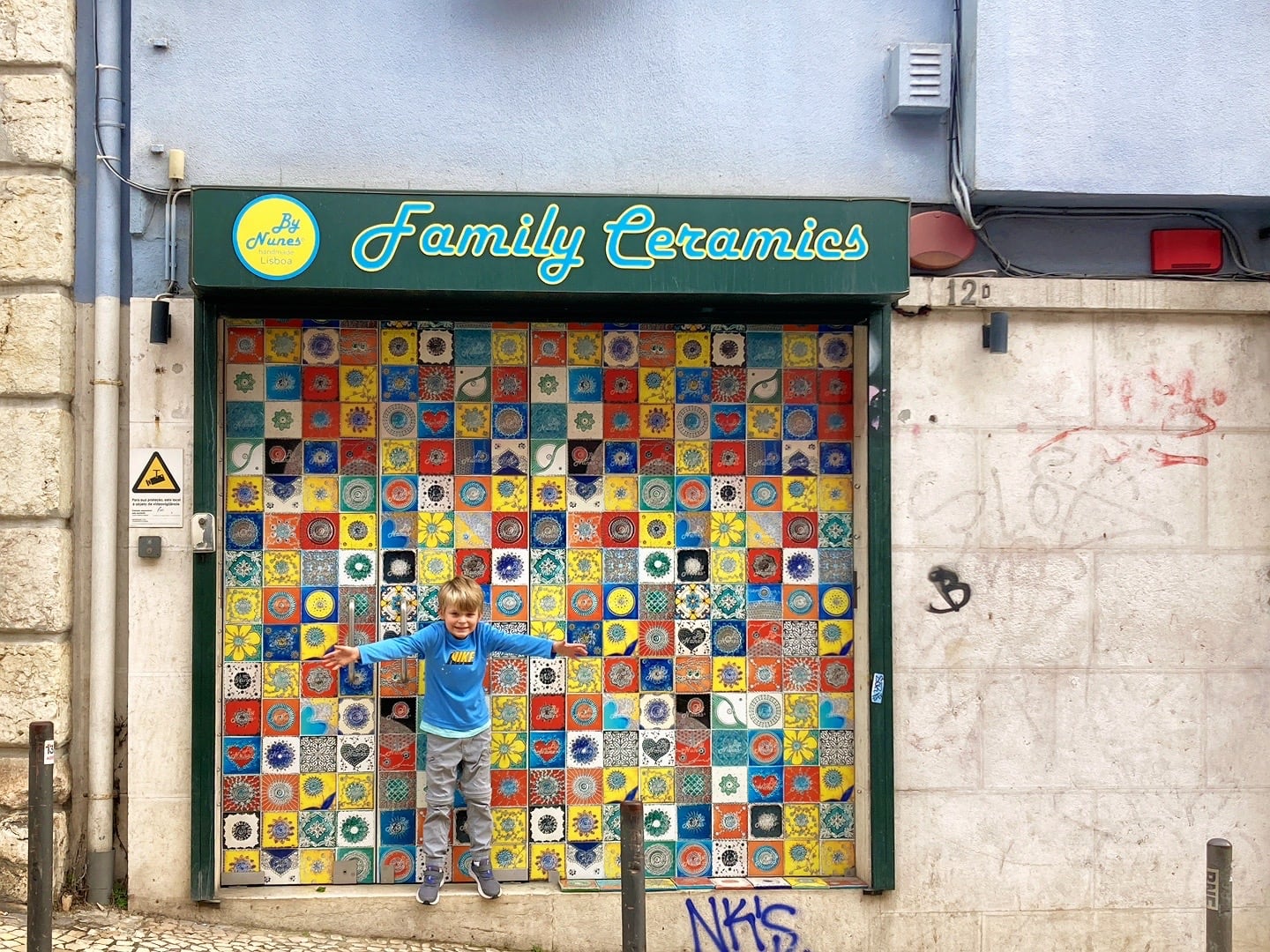

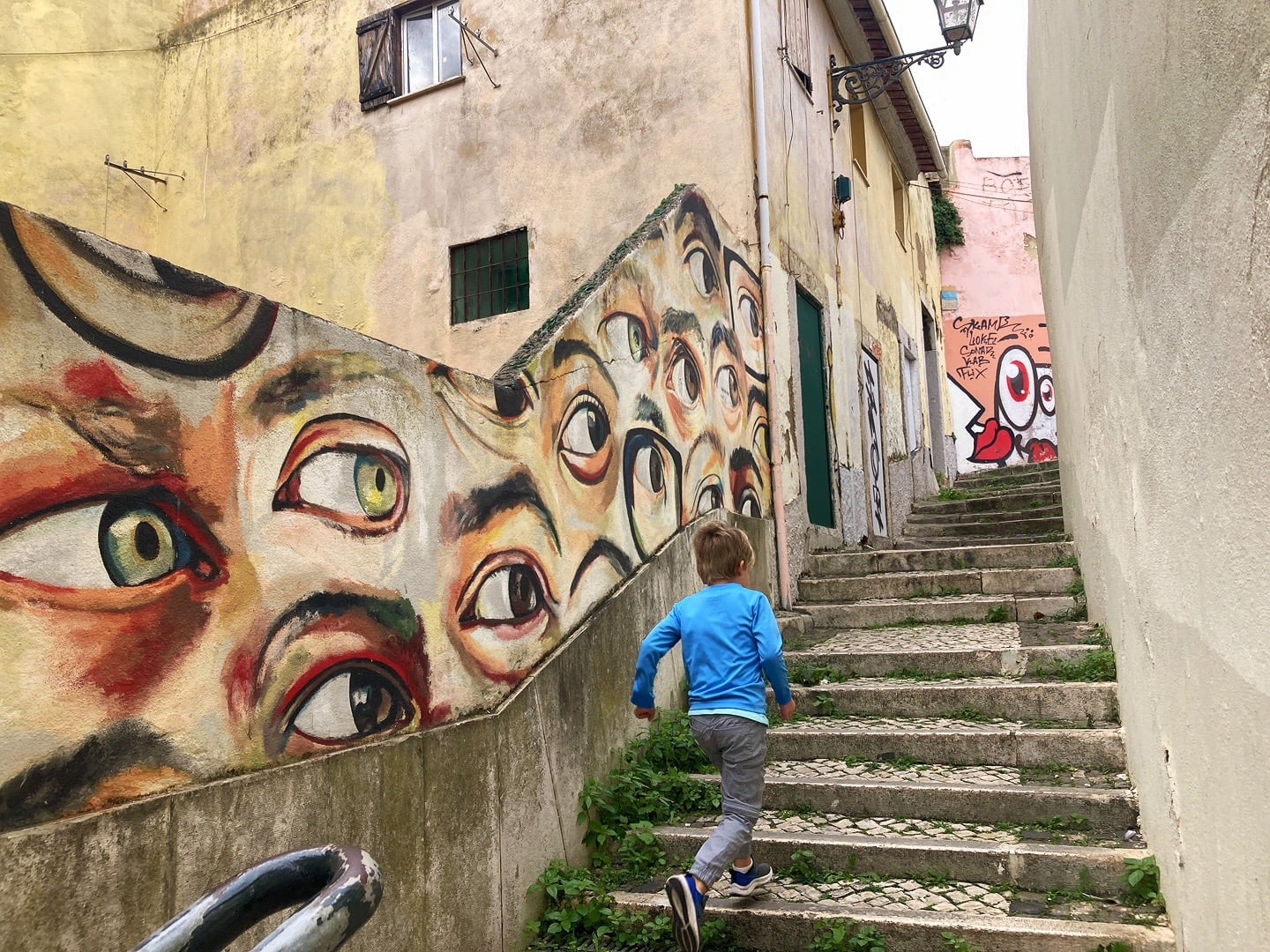
Despite averaging 12,000 steps and 4.6 miles per day this past month, Riley still always full of energy. Get those wiggles out, Mister!
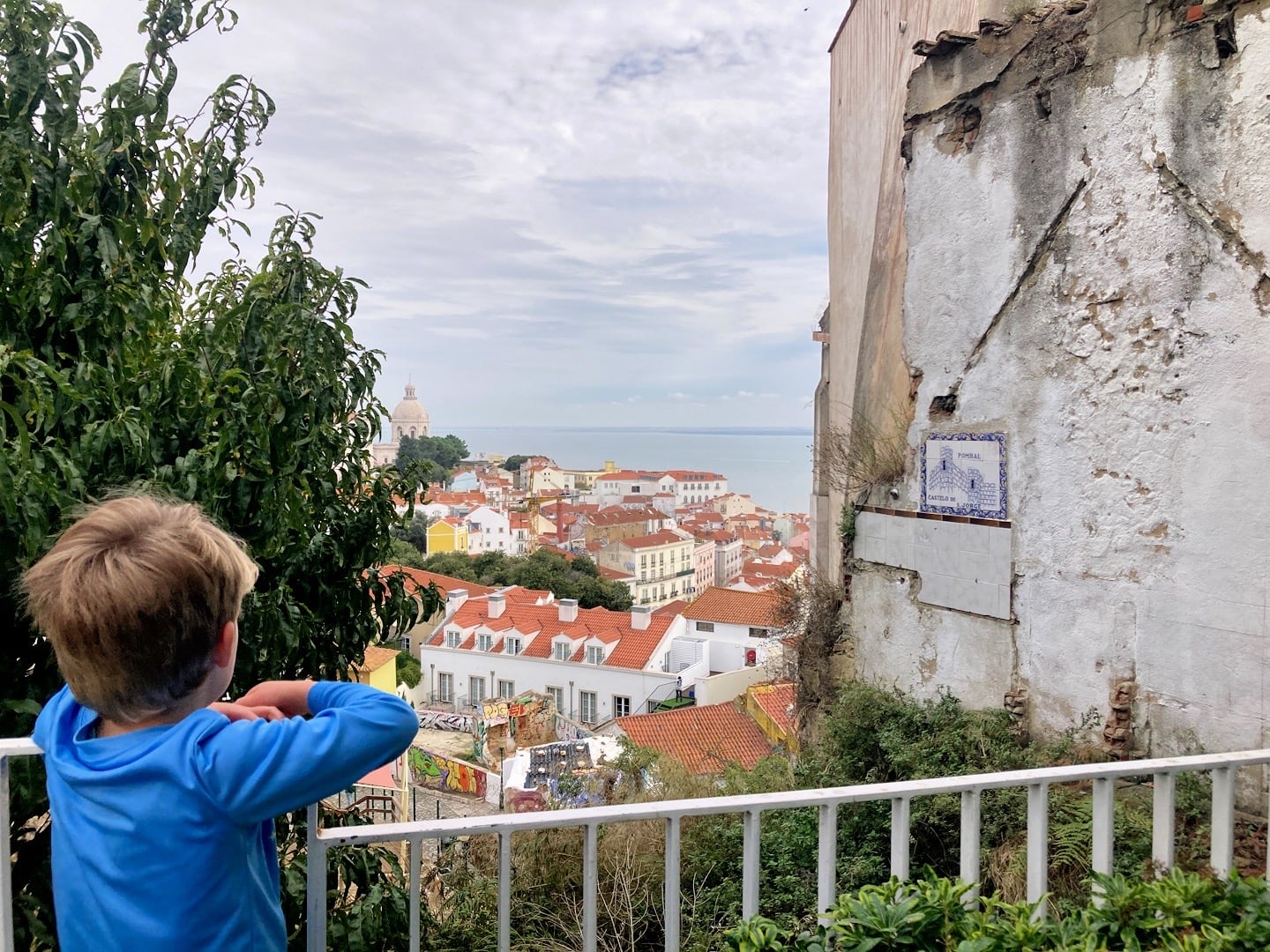
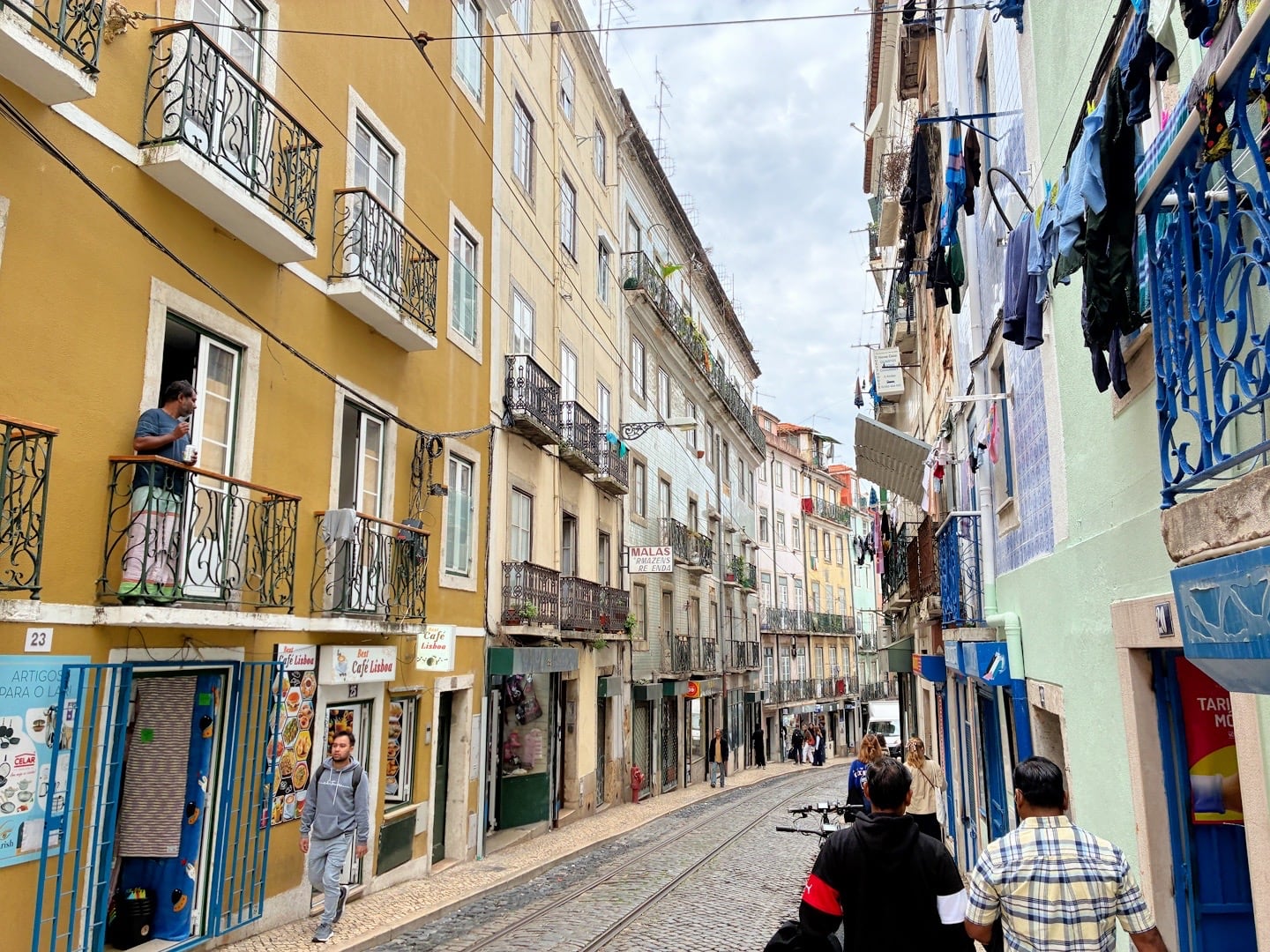
Before we could leave Lisbon, the weather threw us one last big hurrah. We were awakened at 4am by deafening thunder and more lightning than I’ve seen in a couple of years—probably since our Chacala days.
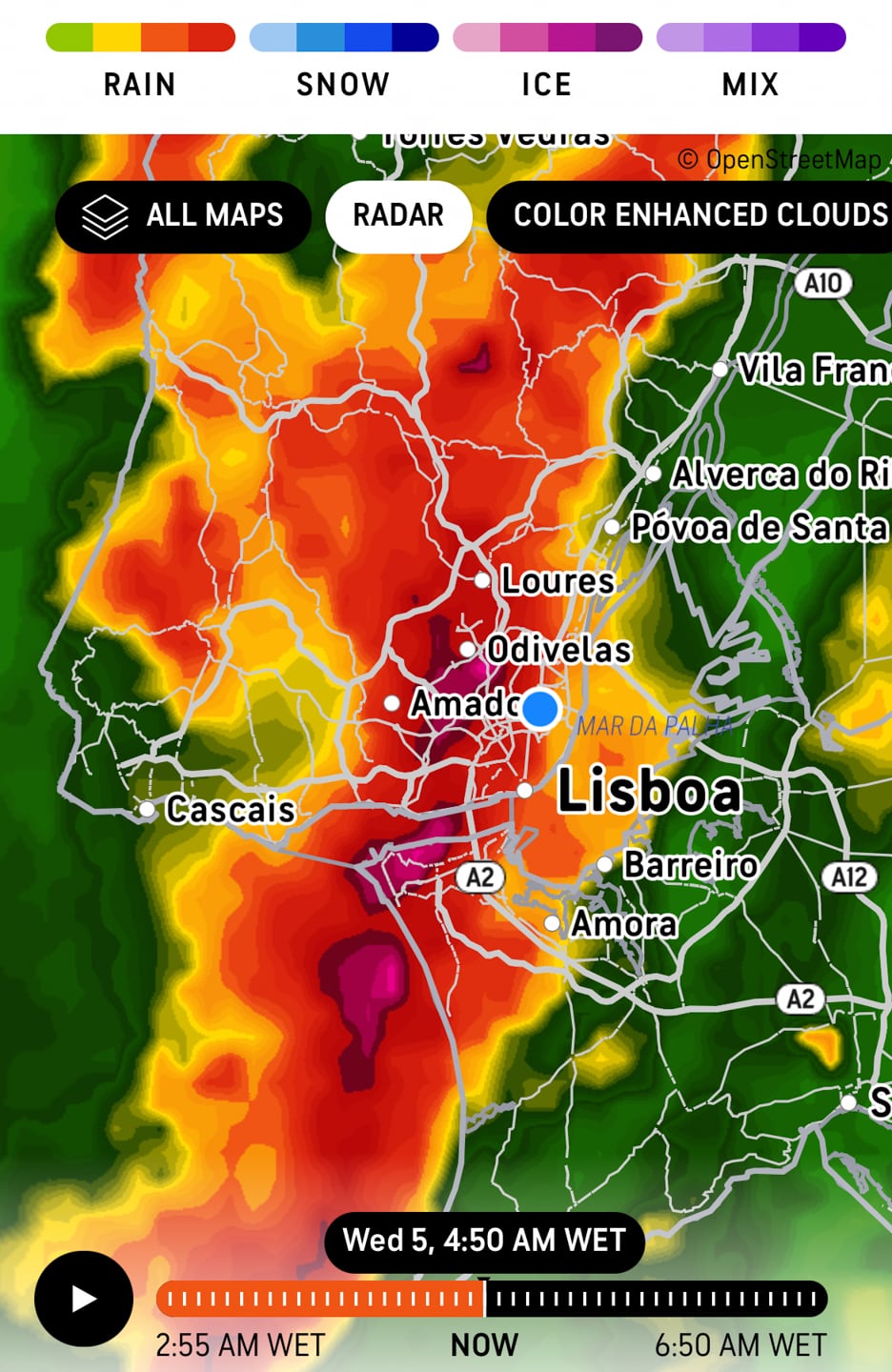
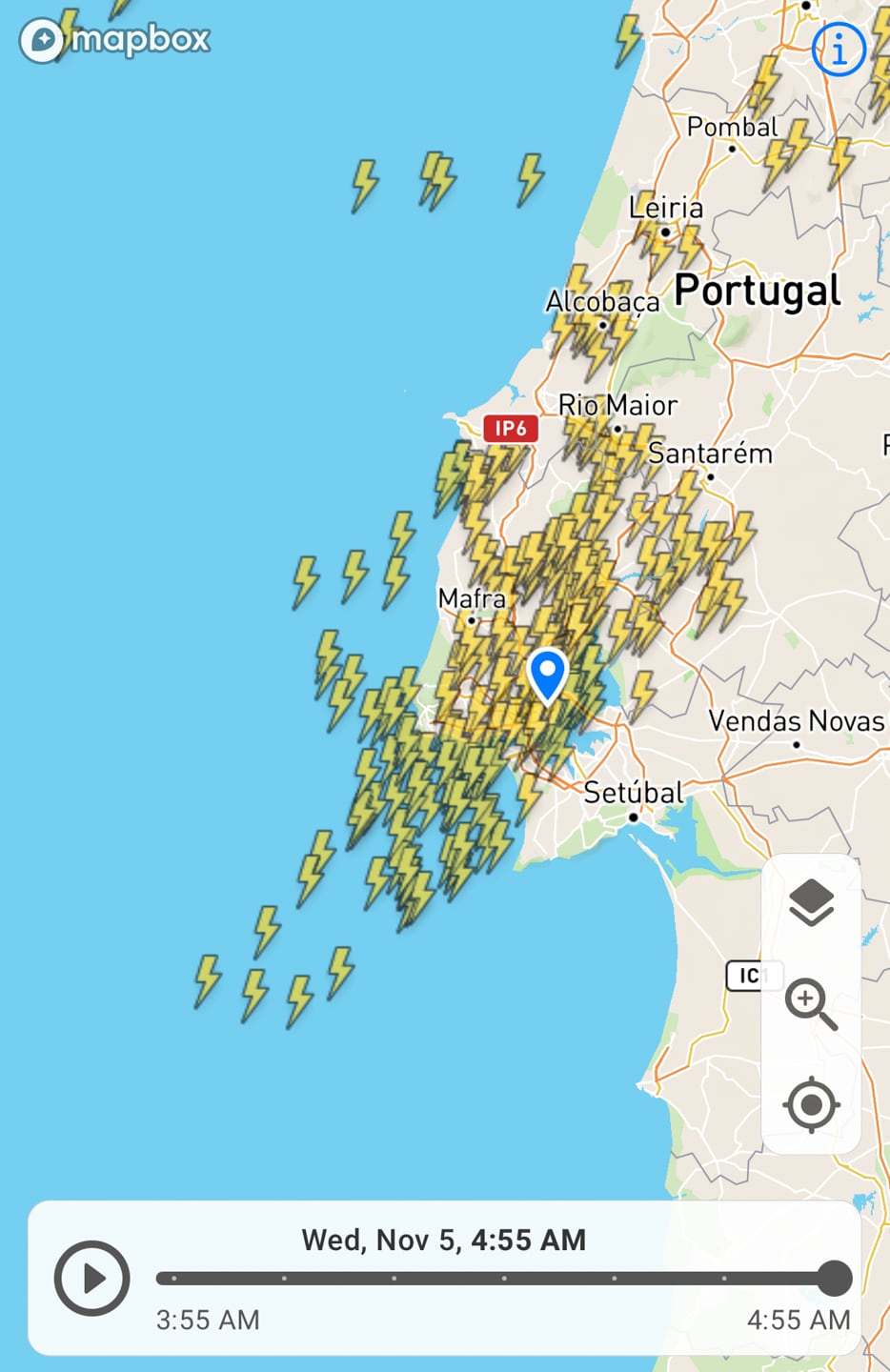
It poured all day and into the next. By the time we left Lisbon, we were ready.
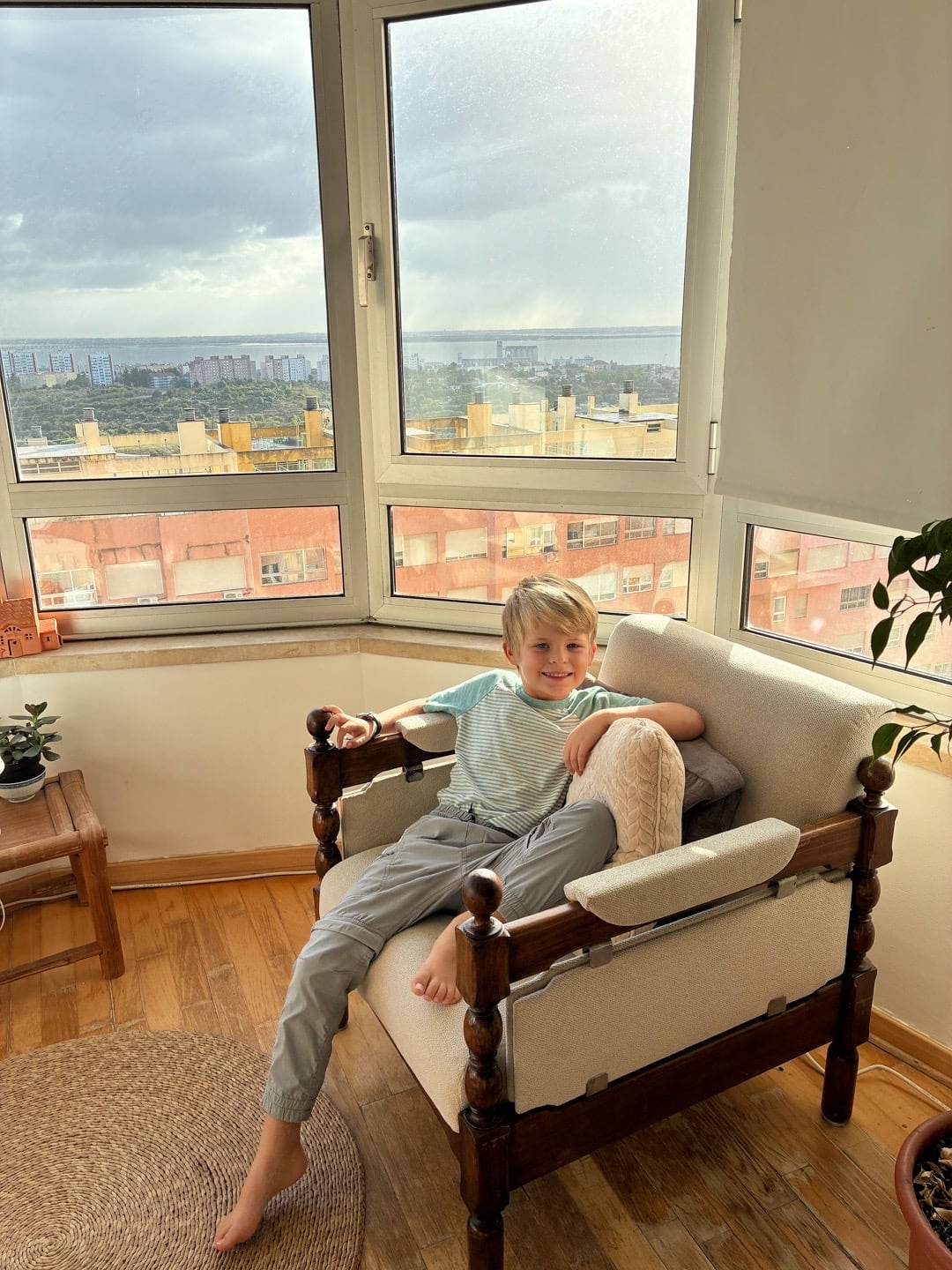
We left the Portuguese capital on a rainy Thursday morning looking forward to the Algarve’s famous sunshine.
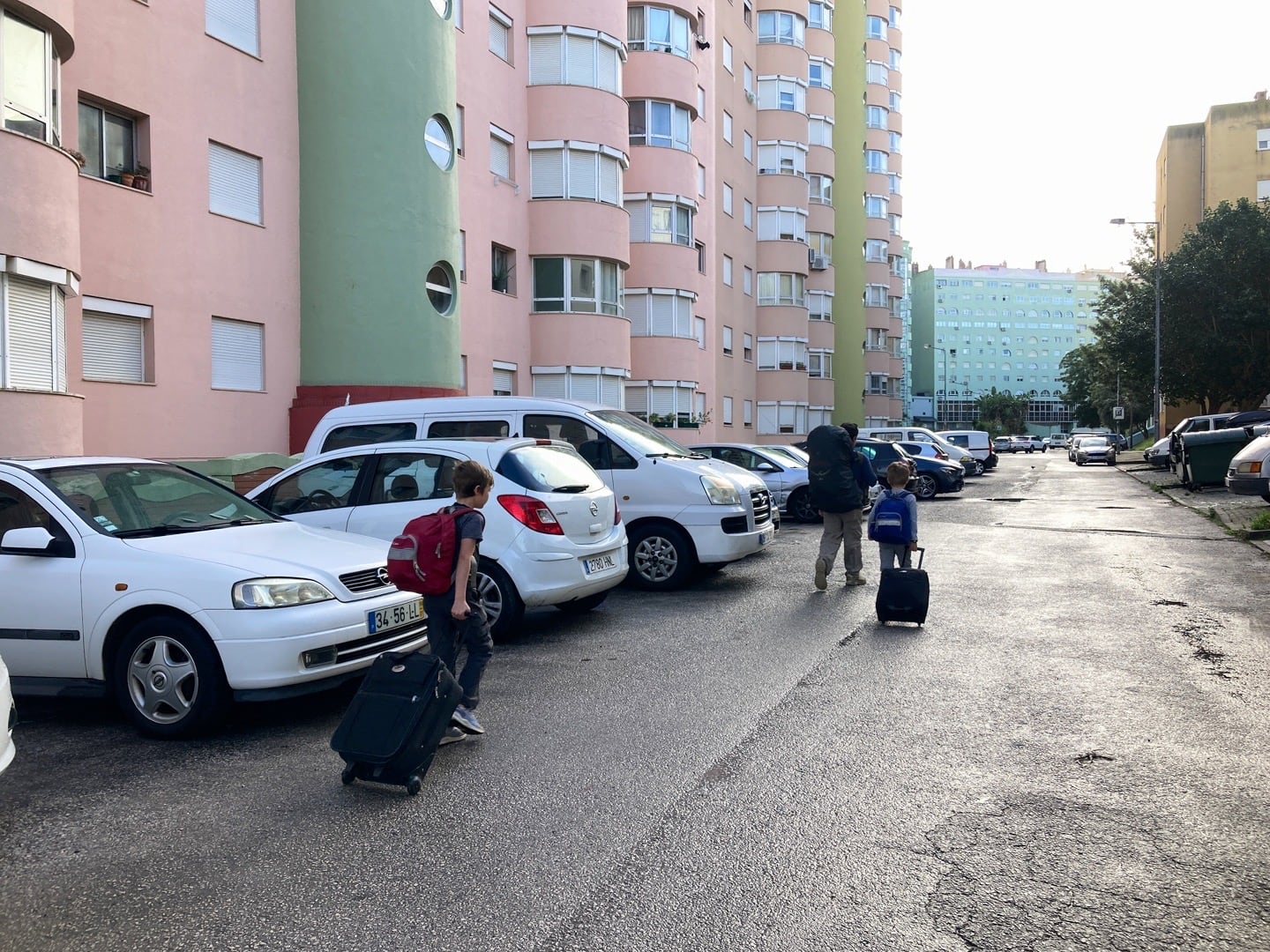
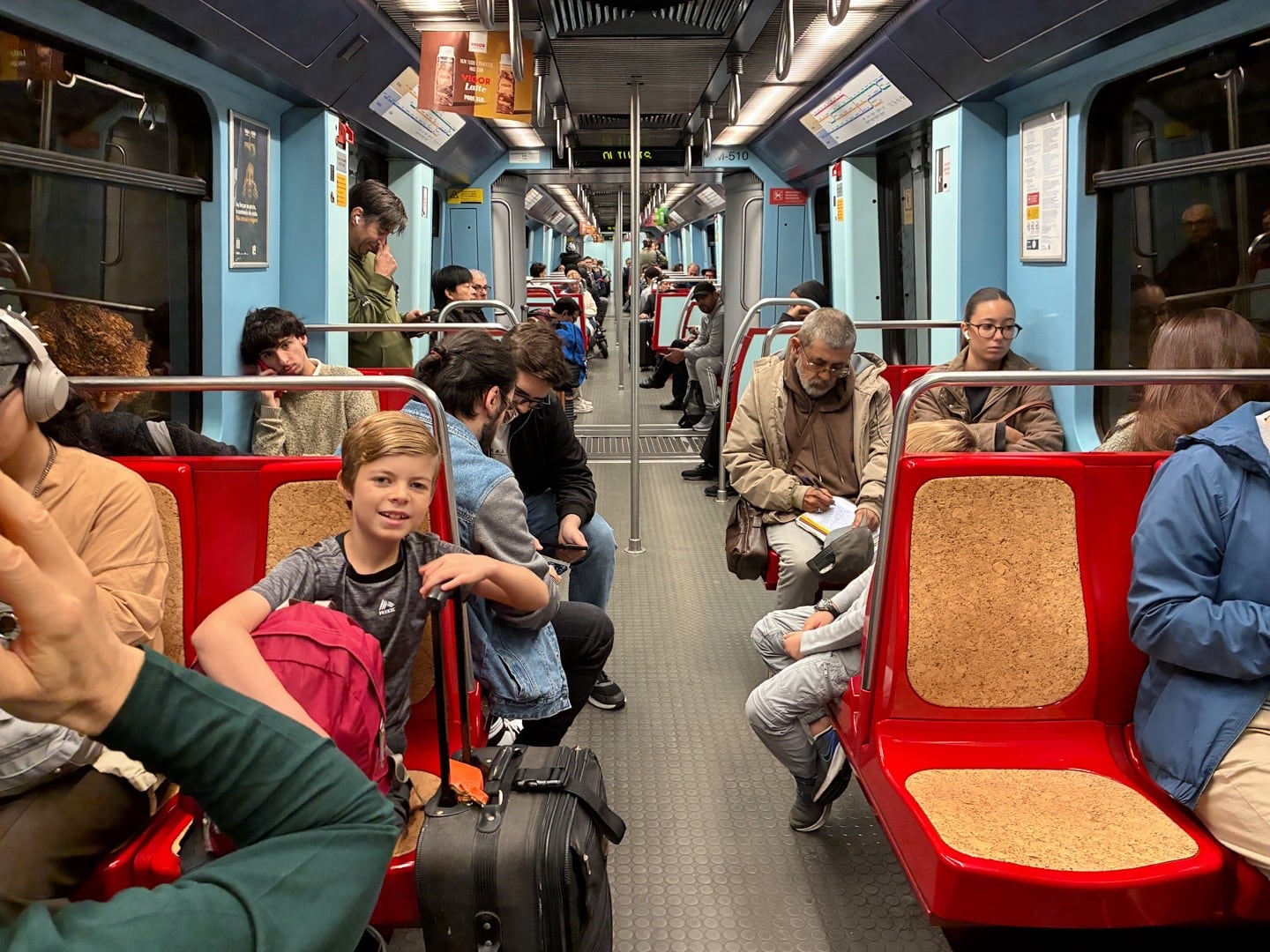
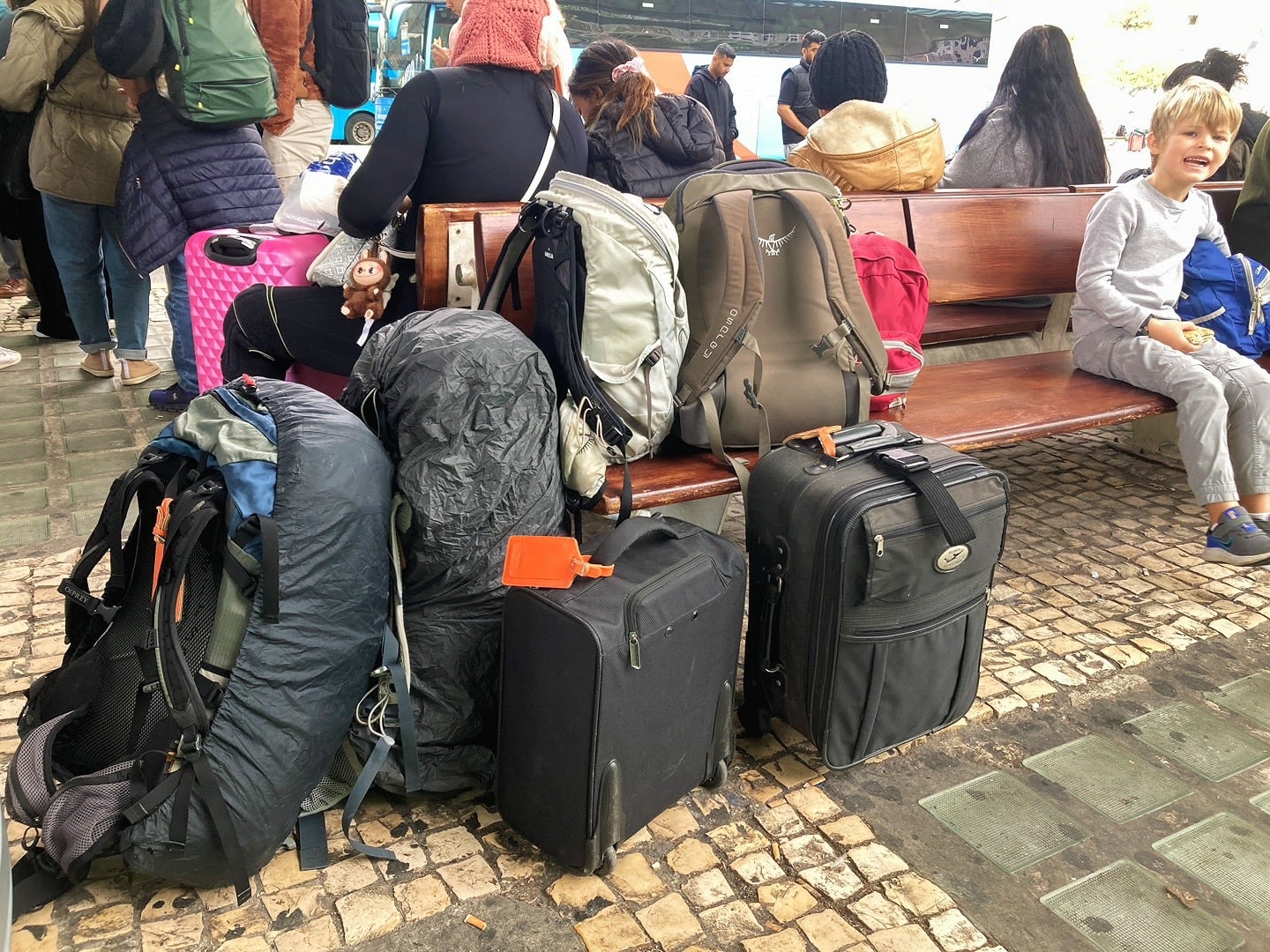
We walked/rolled our bags to the metro and hopped on the red line to Oriente station.
I was looking forward to taking the train down to Lagos, but there just happened to be a rail strike. And the line affected the most? You guessed it! the Intercity Algarve service.
So, we took the bus instead.
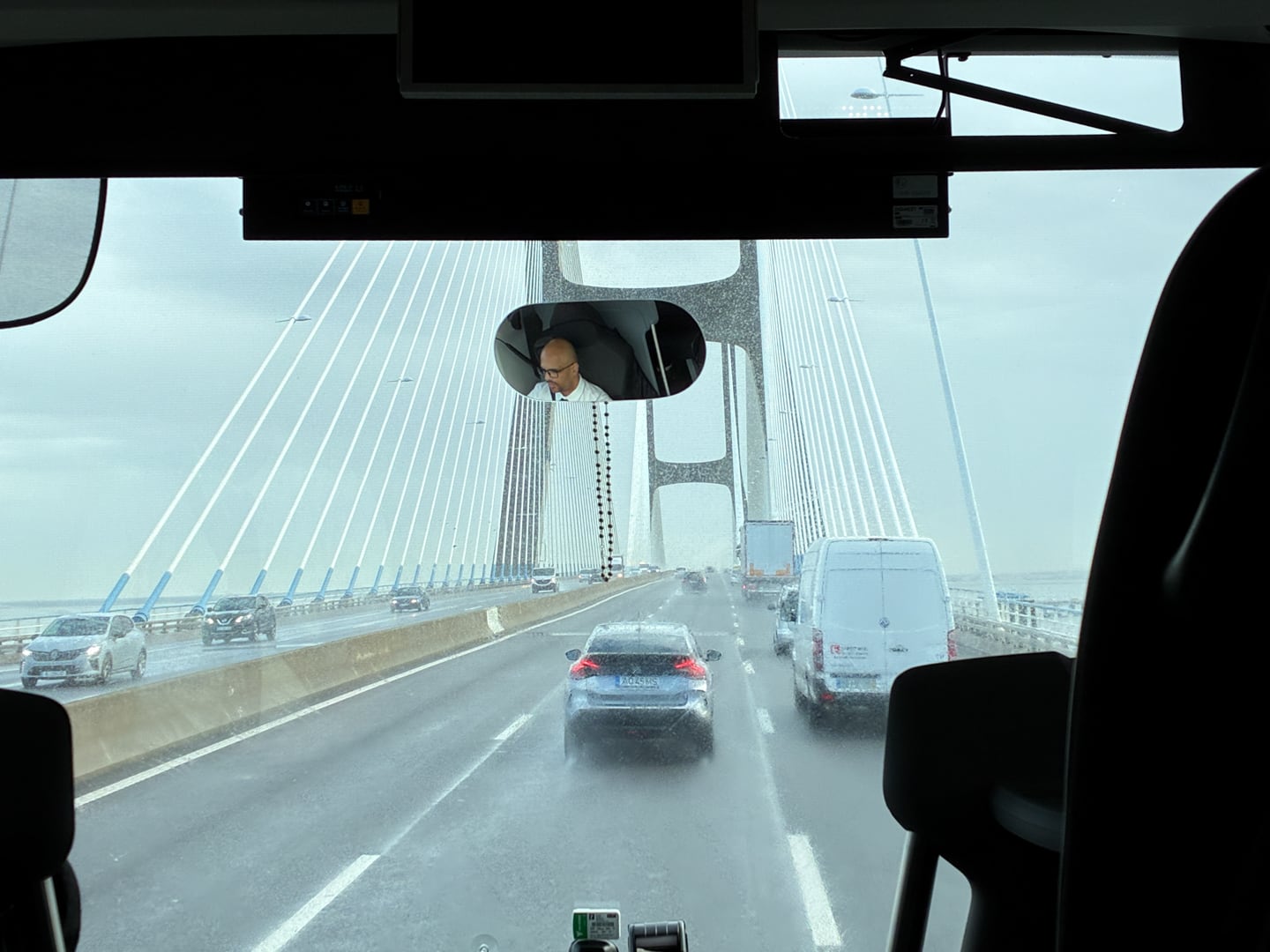
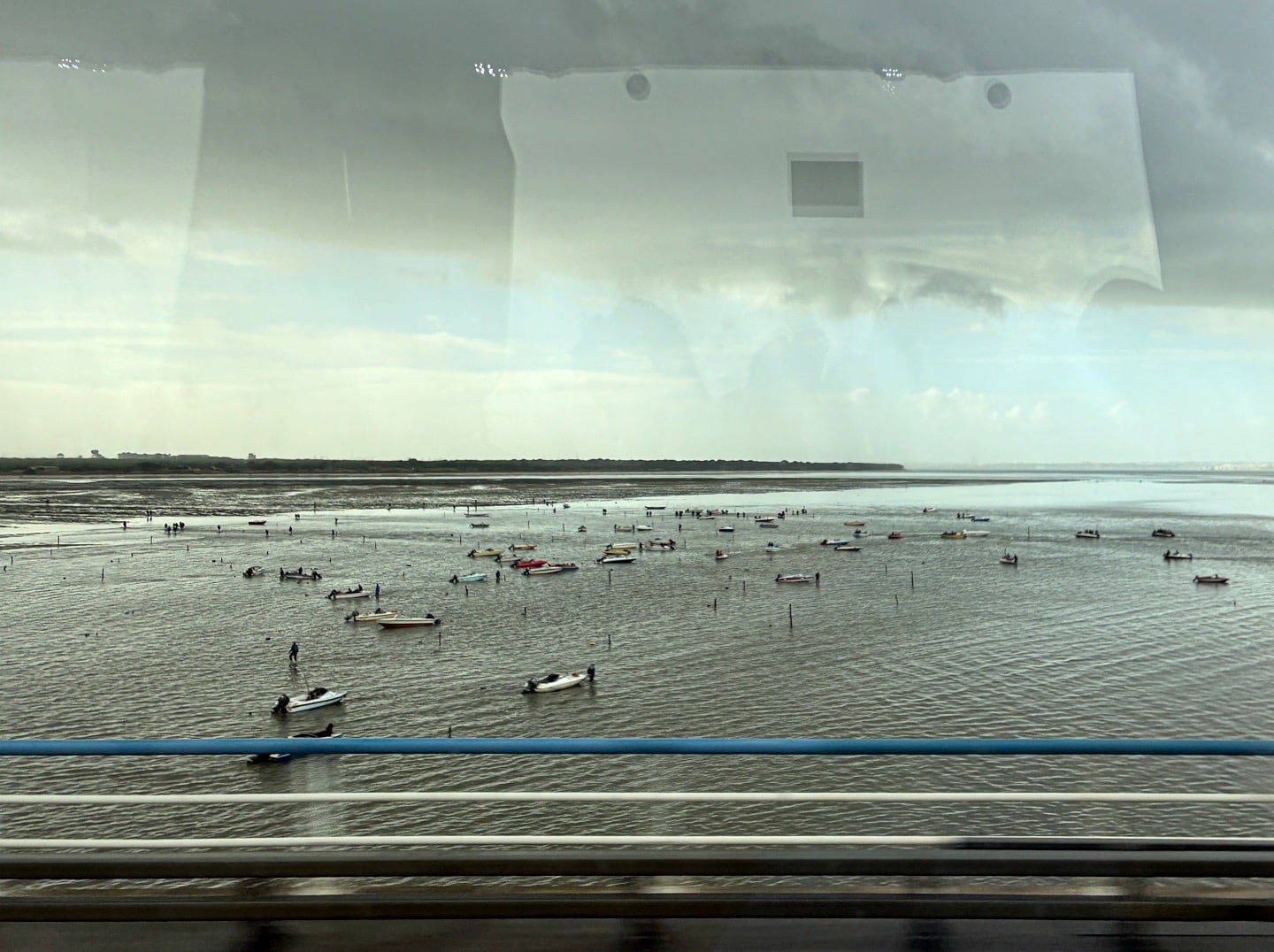
Skipping the train meant we didn’t get to cross Lisbon’s famous “Golden Gate Bridge,” o Ponte 25 de Abril. But we did get to cross the Vasco de Gama Bridge out of Lisbon—the longest bridge in the EU at 7.5 miles.
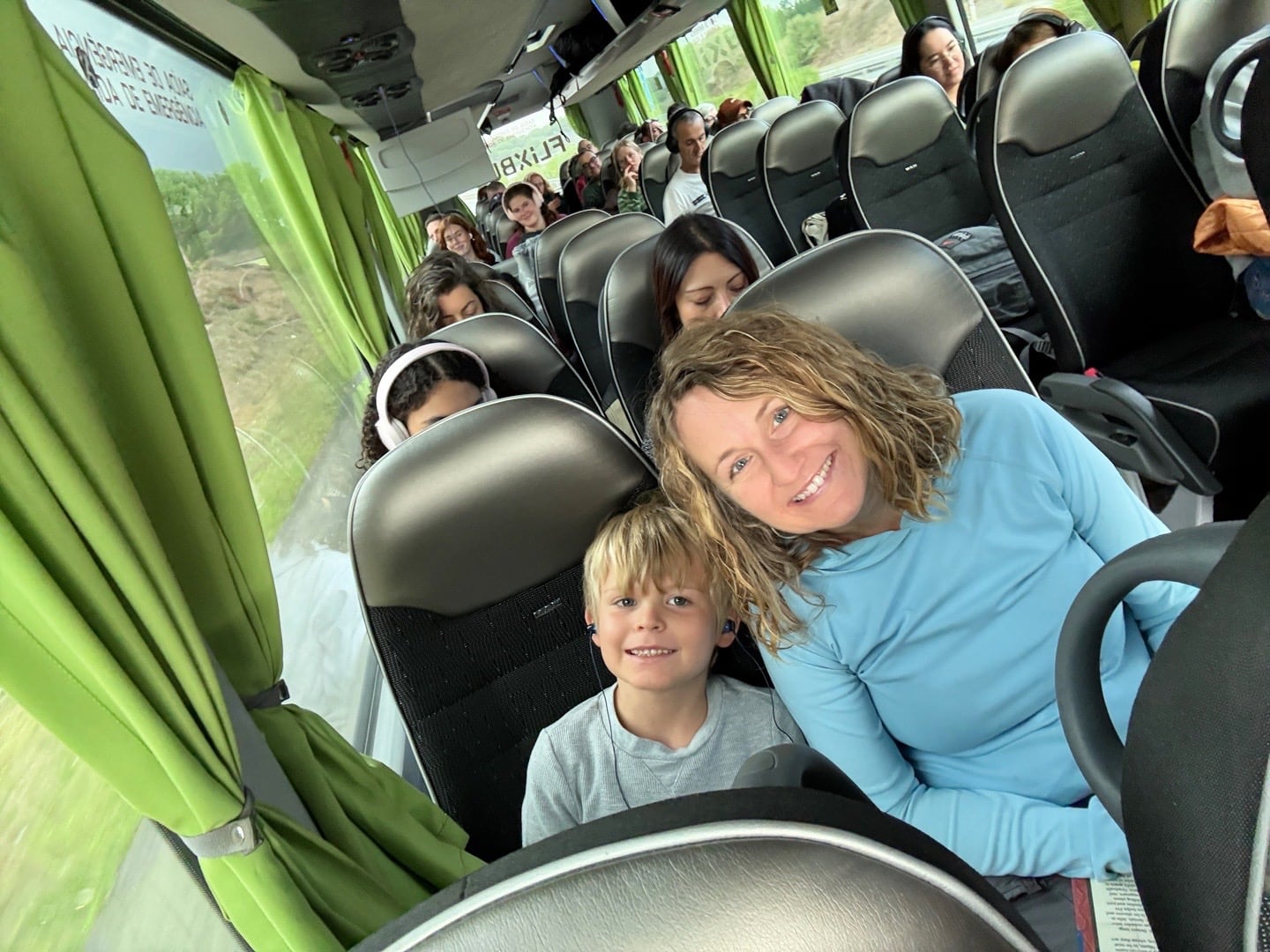
It was no train ride, but the Flix Bus was fine. Smooth, comfortable, and only 15 minutes late (we’ve heard worse). The journey took 3.5 hours and there was no toilet on board, but the bus driver made a pitstop about half way through.
The majority of the A2—the main highway between Lisbon and the Algarve—is causeway built high off the ground. I was hoping to be wowed by the Southern Portugal landscape—charming little hill villages with maybe a few vineyards and orchards thrown in. But no. Southern Portugal pretty much looks like this until you’re practically at the ocean:
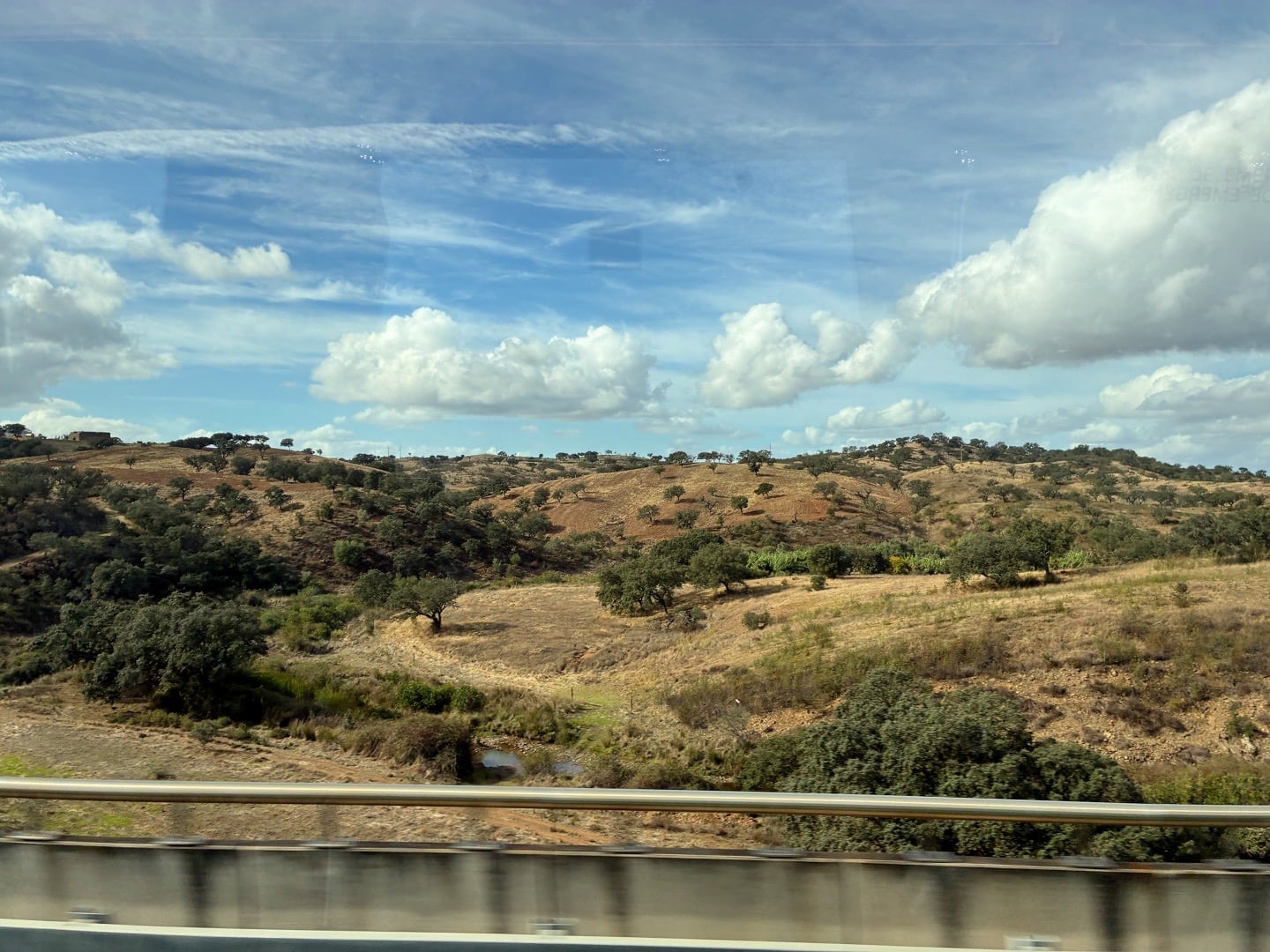
Apparently, the region doesn’t receive a lot of rainfall, so water (for crops or anything else) is a problem. Because of that, there’s little to no infrastructure. So, nobody lives here.
The Algarve coast, however, is another story.
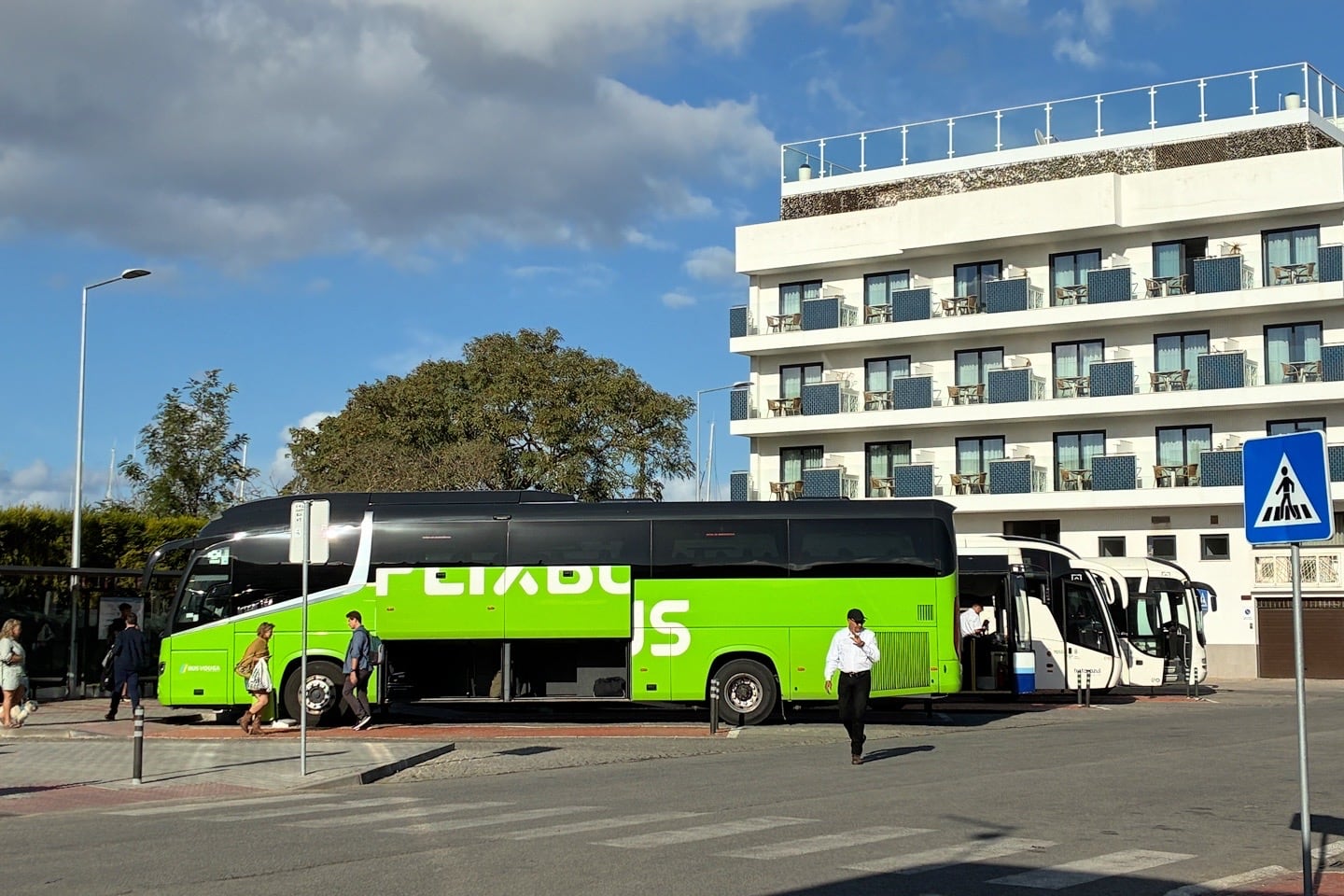
We considered walking from the bus station in Lagos to our apartment, as it was only a 13-minute walk. But we thought the boys and their suitcases might not fair so easily.
Instead, we opted for an Uber, and were glad we did. It was an uphill slog on narrow cobblestone roads for nearly the whole way.
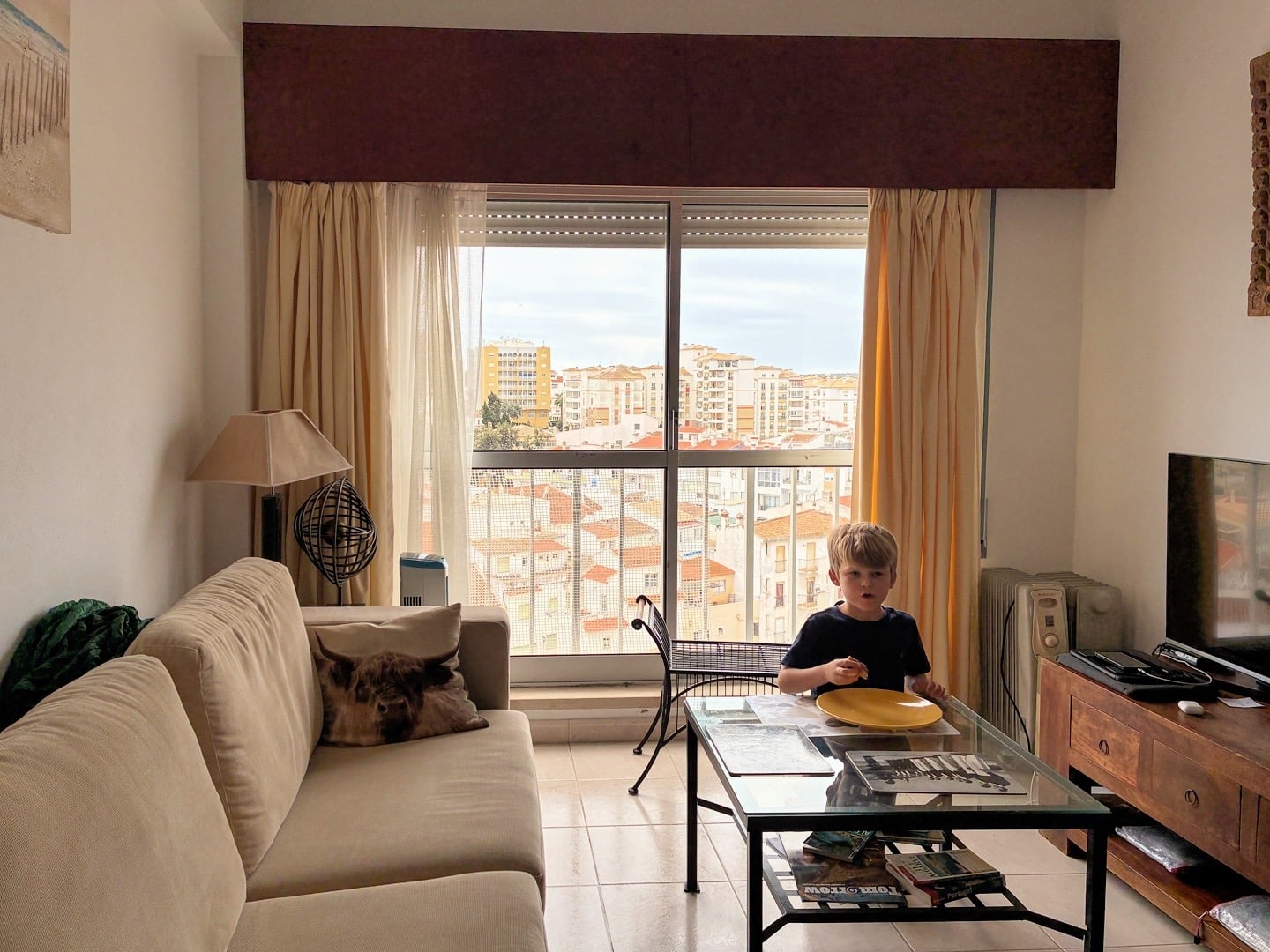
Our new home for the next month—a comfortable two-bedroom, seventh-floor flat with a nice southwest facing view.
We’re a five-minute walk from the Old Town gates and a 20-minute walk to the nearest beach.
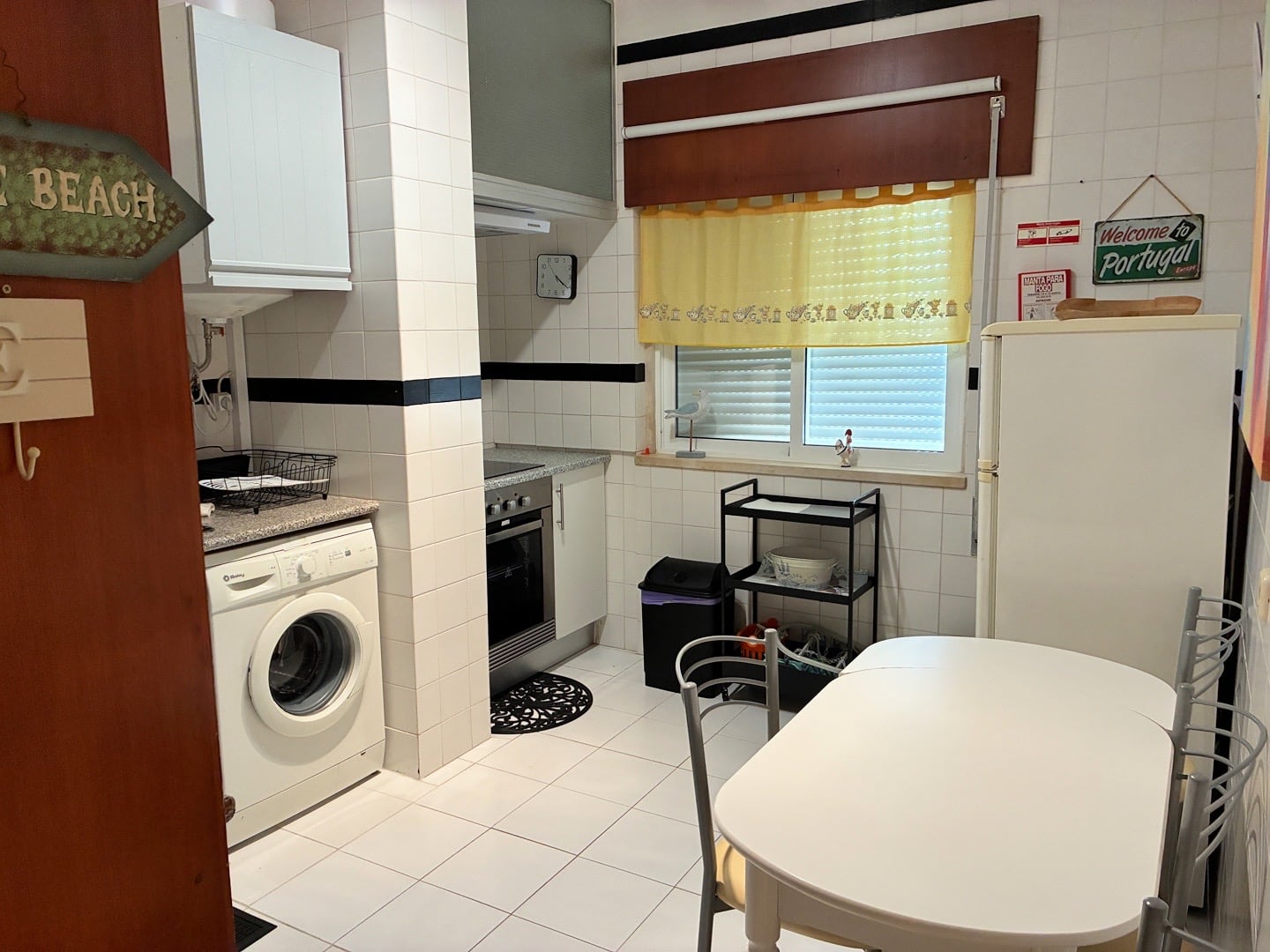
It’s about half the size of our place in Lisbon, but also half the price, so we really can’t complain.
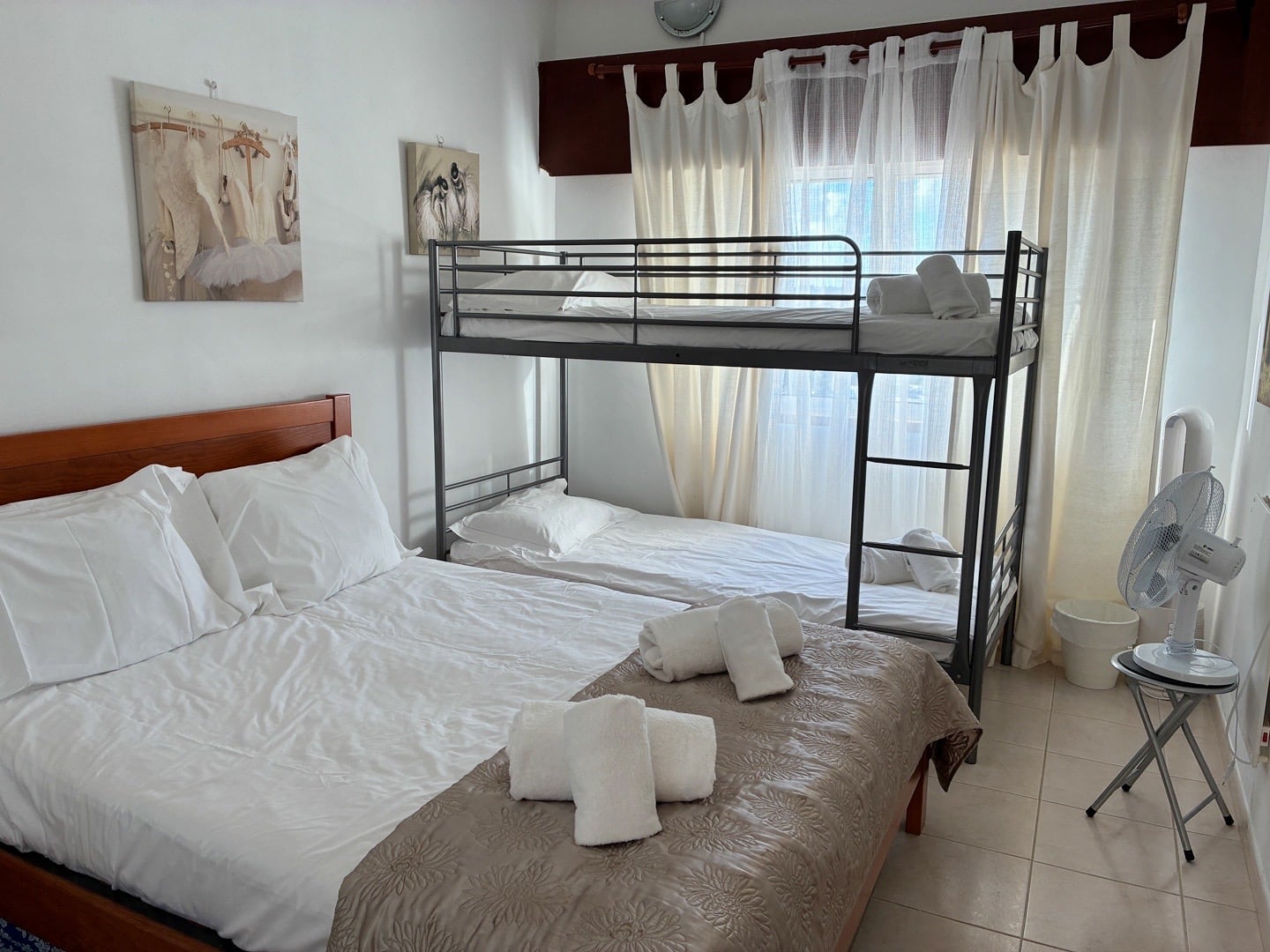
The boys’ room has a bunkbed and a queen bed. Noe gets top this time around, and Riley will sleep on the bottom. Not sure if we’ll use the big bed (Lori and I have got our own room).
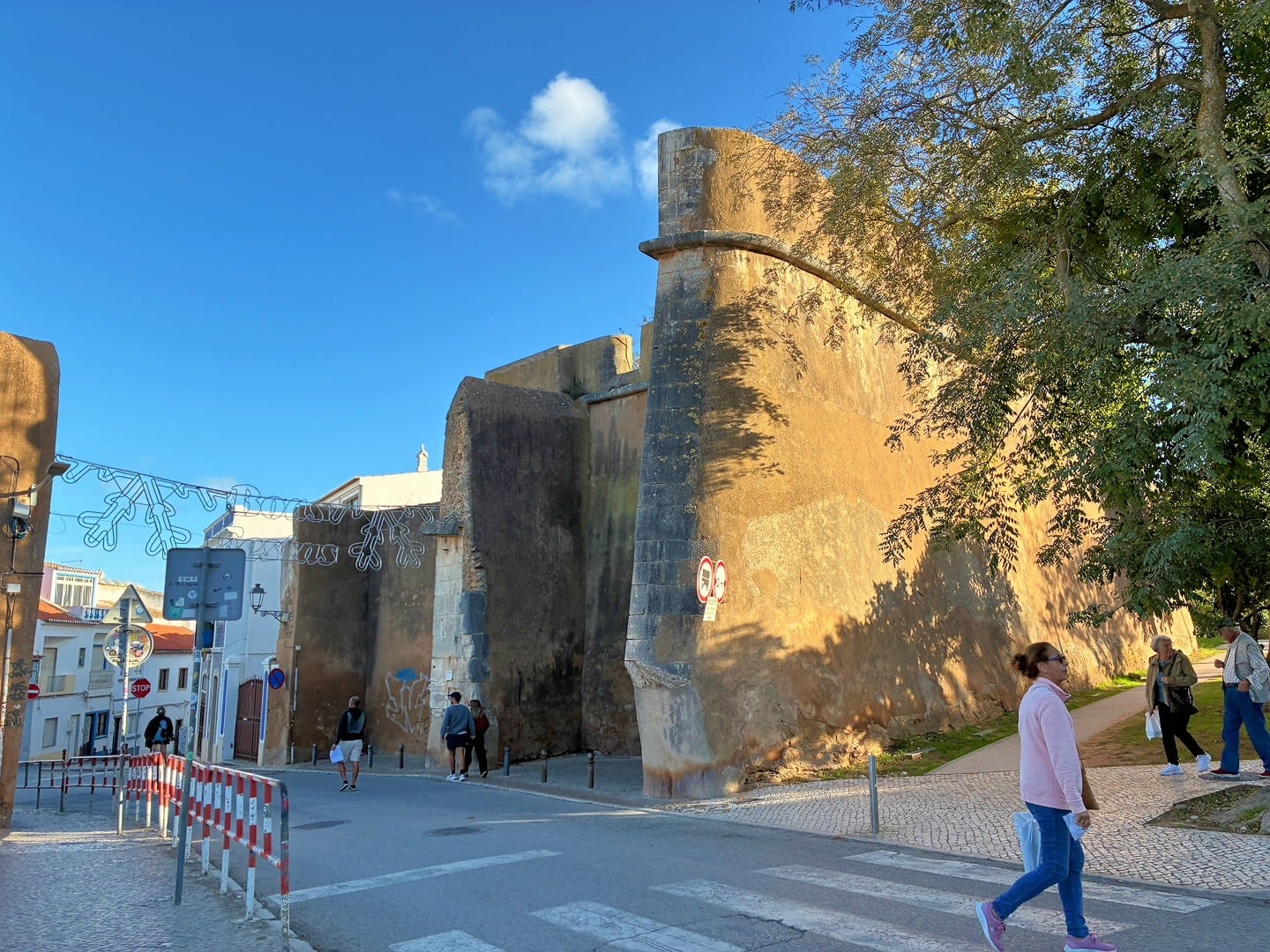
Lagos was a pleasant surprise from the get-go. People we talked to in Lisbon (as well as Rick Steves on his Algarve episode) weren’t too enthusiastic about the place. But it’s turned out to be a lot more charming and has a lot more to offer than we thought it would.
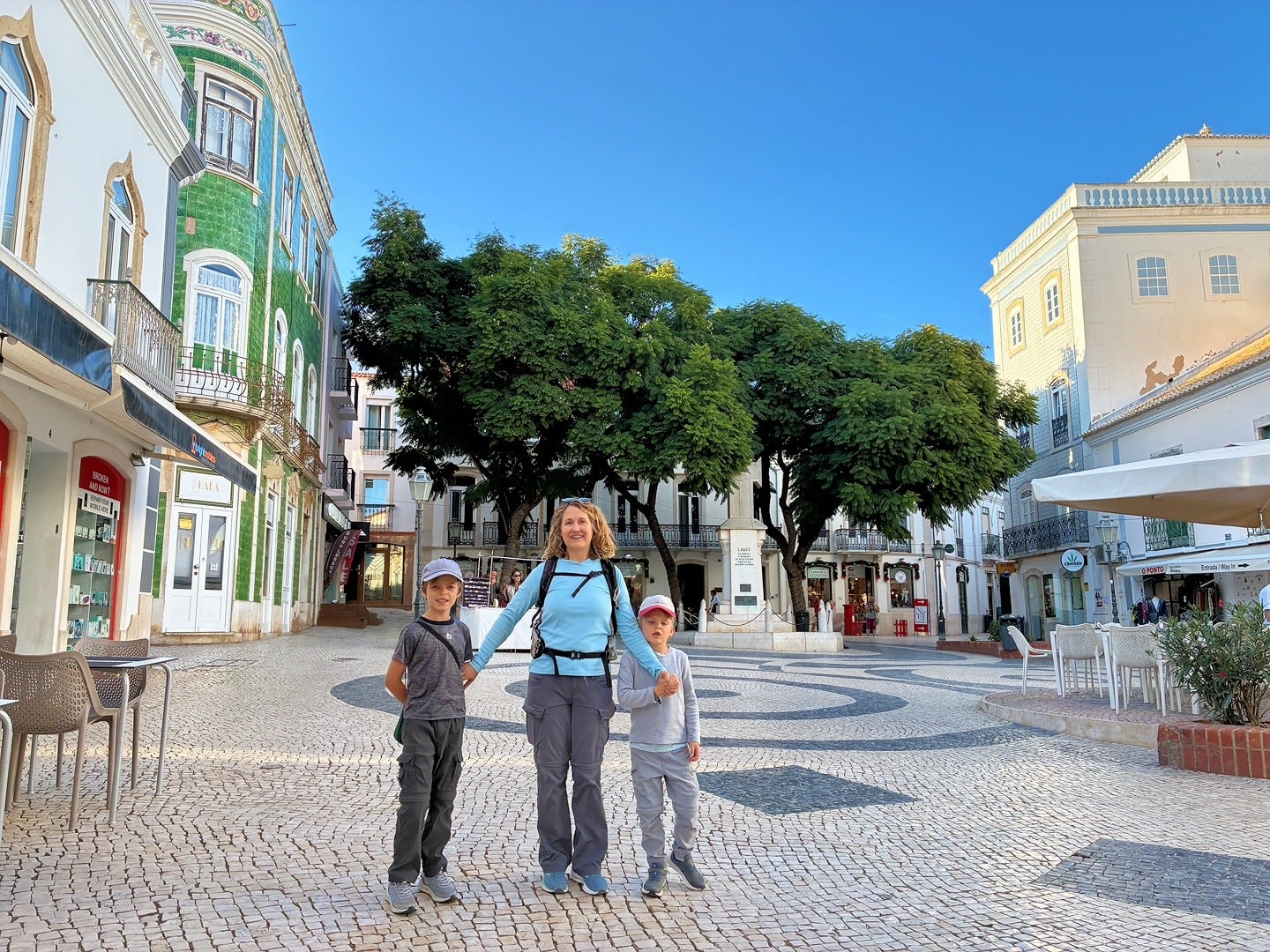
Old Town is surrounded by a medieval wall (most of it still intact) and is a labyrinthine web of tiled pedestrian alleys and narrow streets overflowing with cafes, restaurants, and shops.
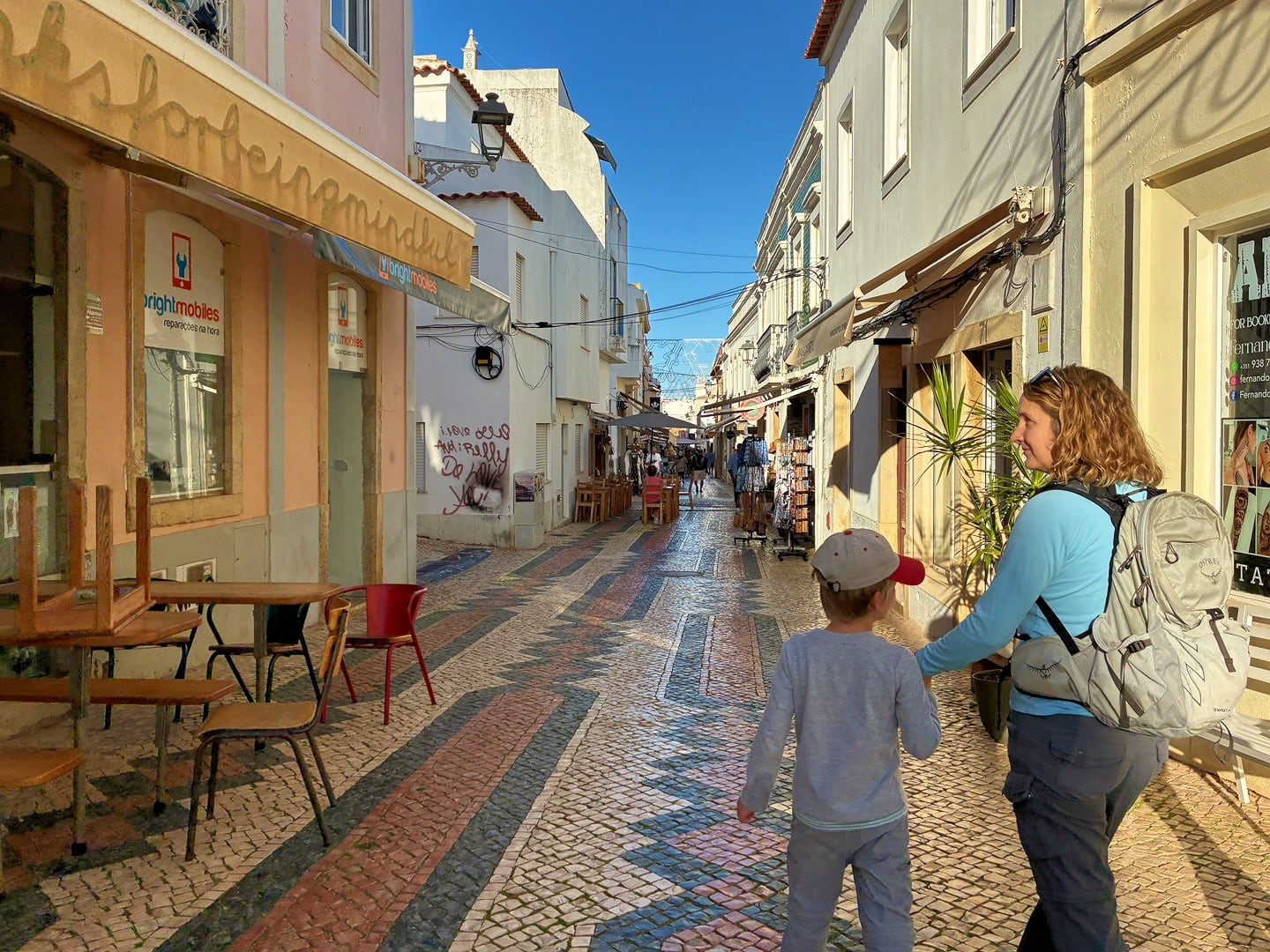
We arrived on a Thursday afternoon, and it wasn’t particularly busy around town. I can only imagine what it must be like during summer high season.
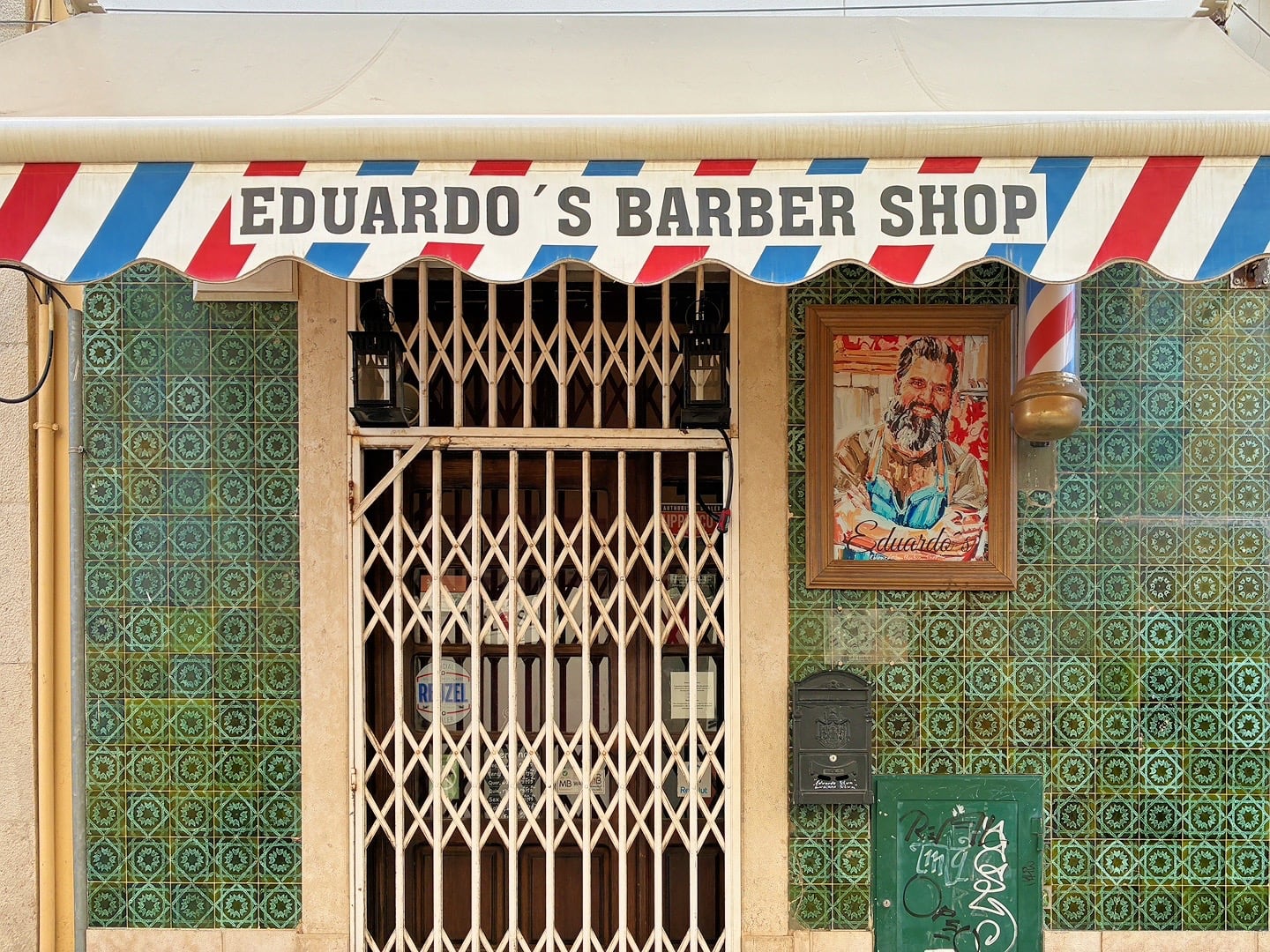
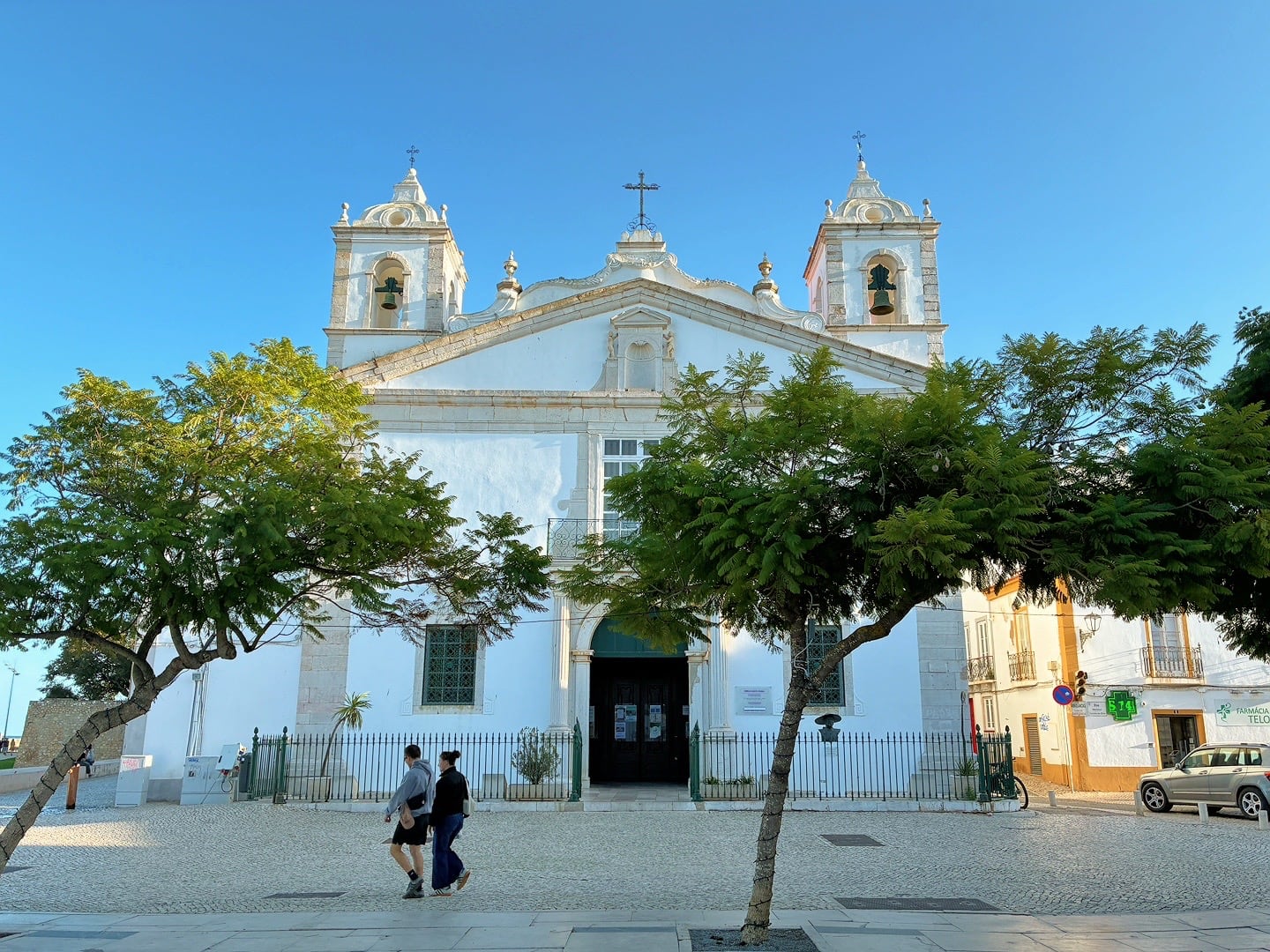
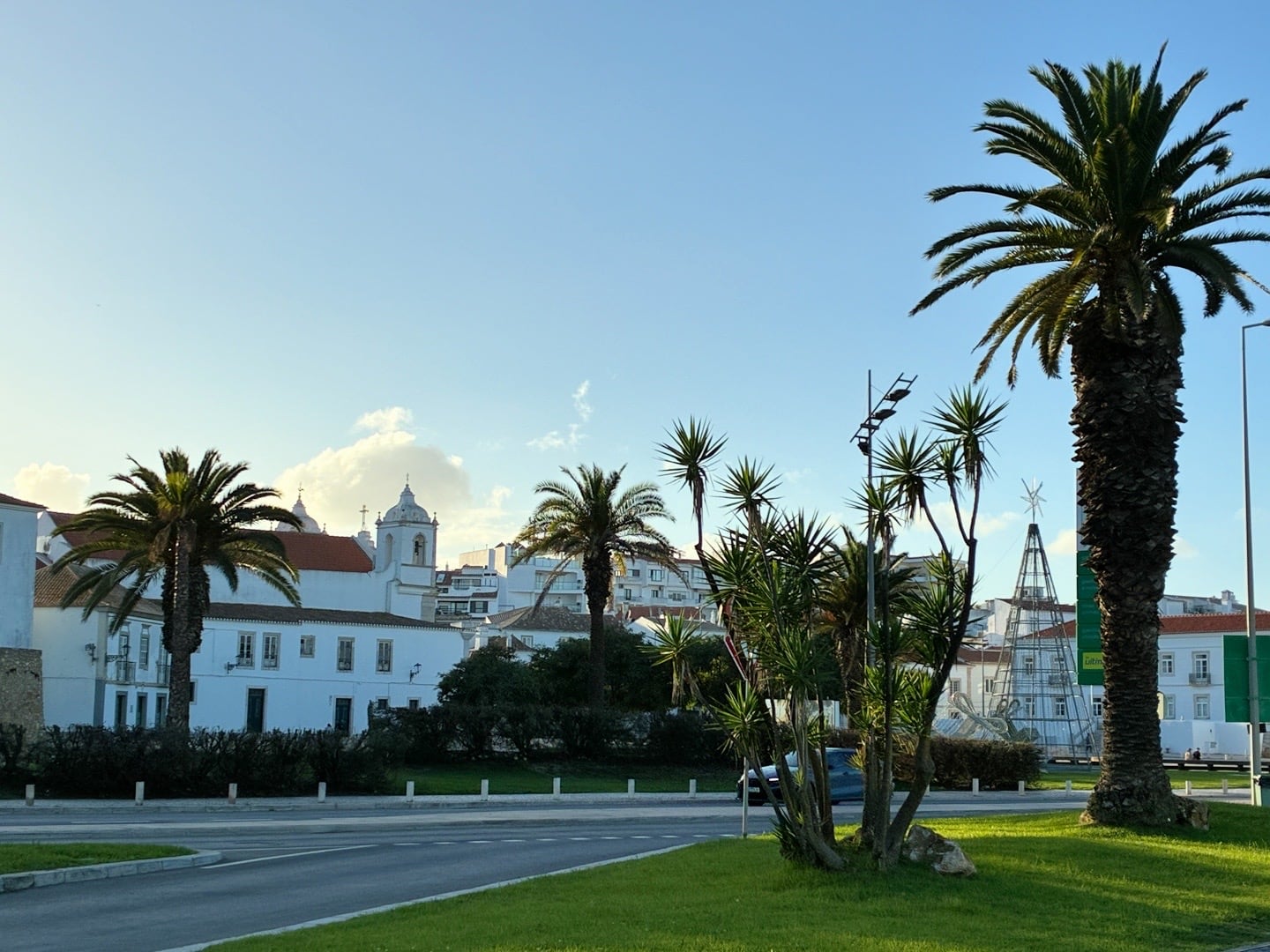
Five more minutes of walking gets us to one of the main churches in town, which fronts the main avenue running along the river.
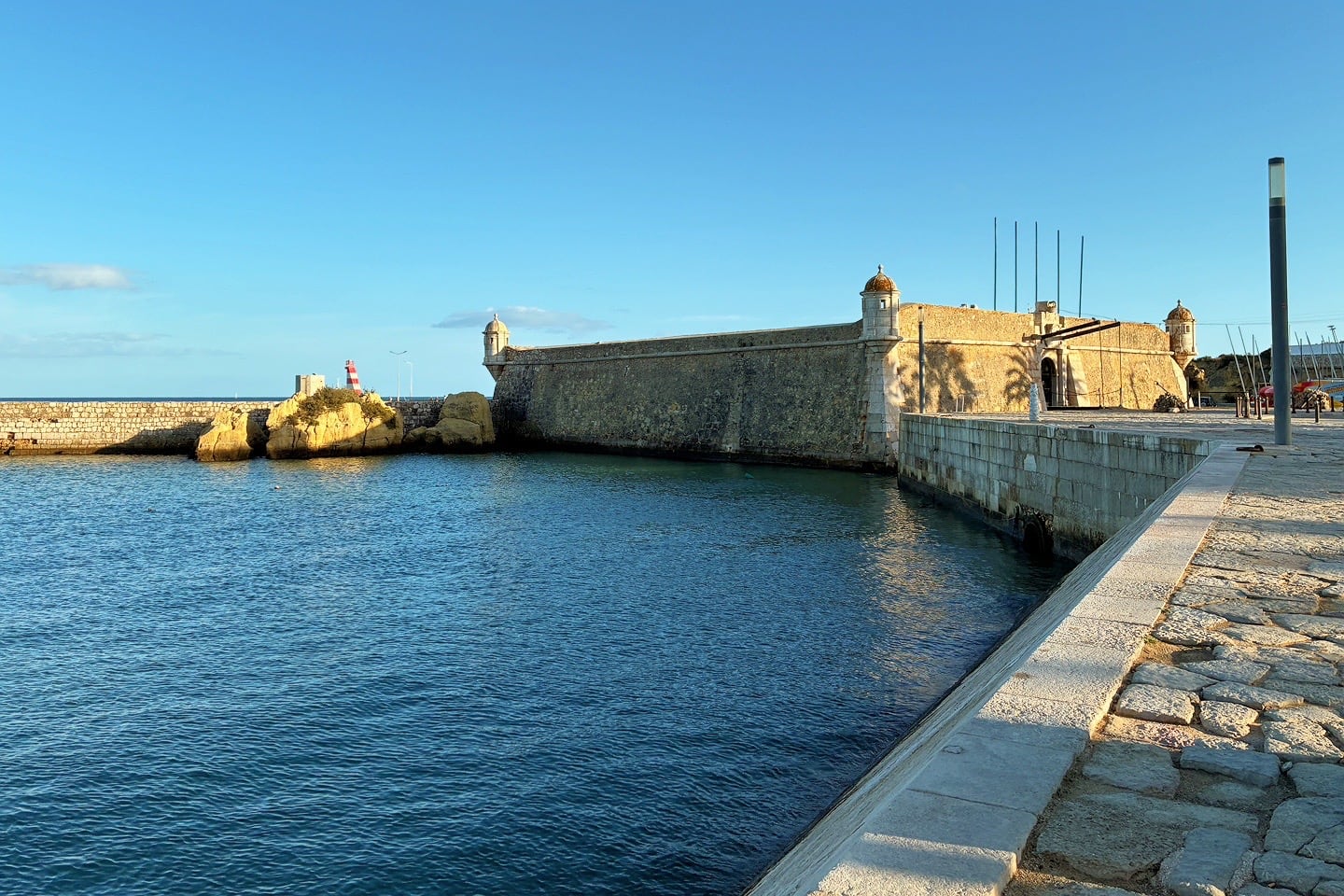
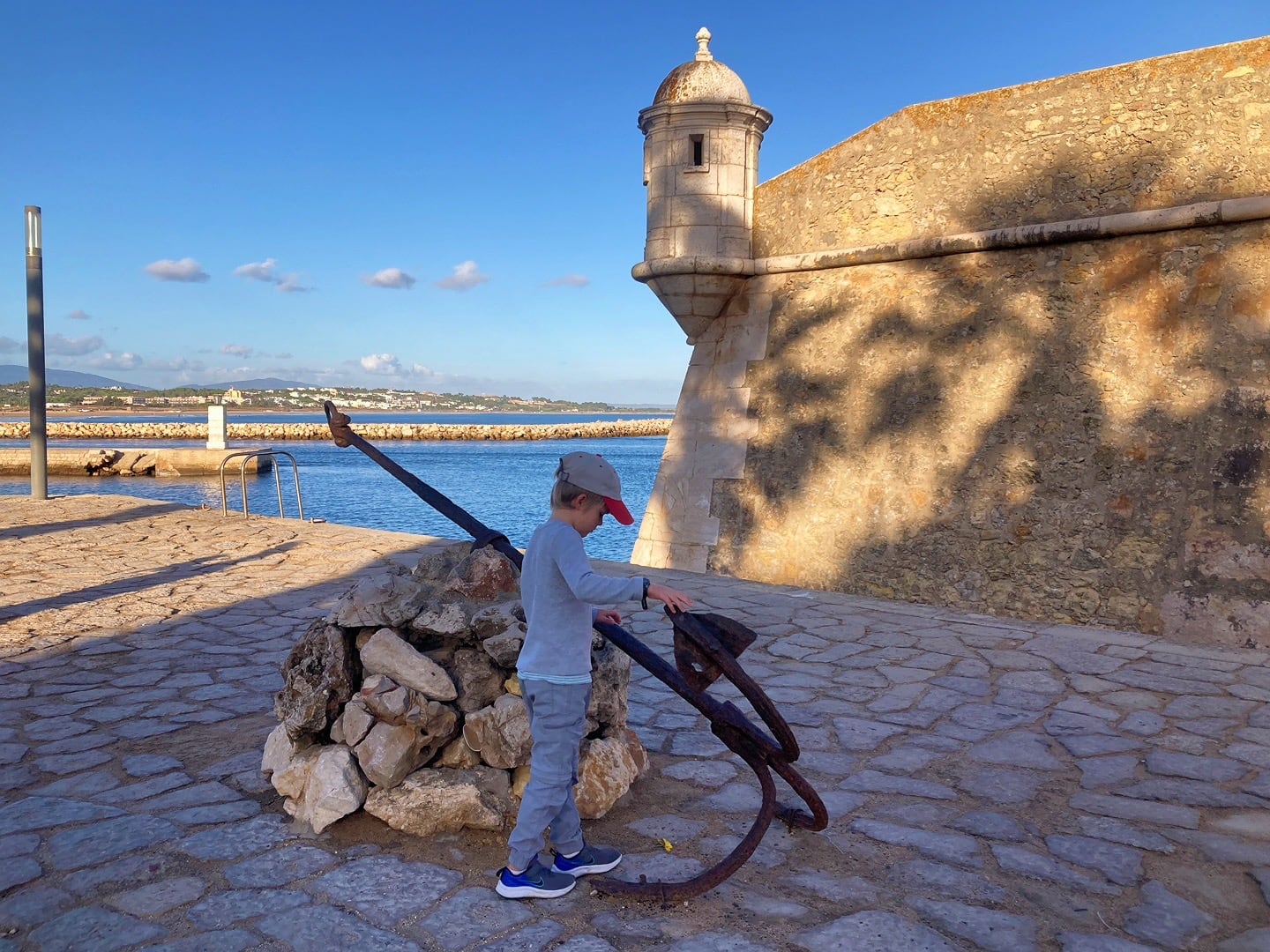
There are at least three 16th and 17th century forts in and around town.
Lagos was one often the last (and first) port-of-call for mariners leaving (and returning to) Portugal during the Age of Discovery. Vasco da Gama and Henry the Navigator would have known this place well.
Christopher Columbus also ended up here after swimming to shore following a shipwreck just off the coast.
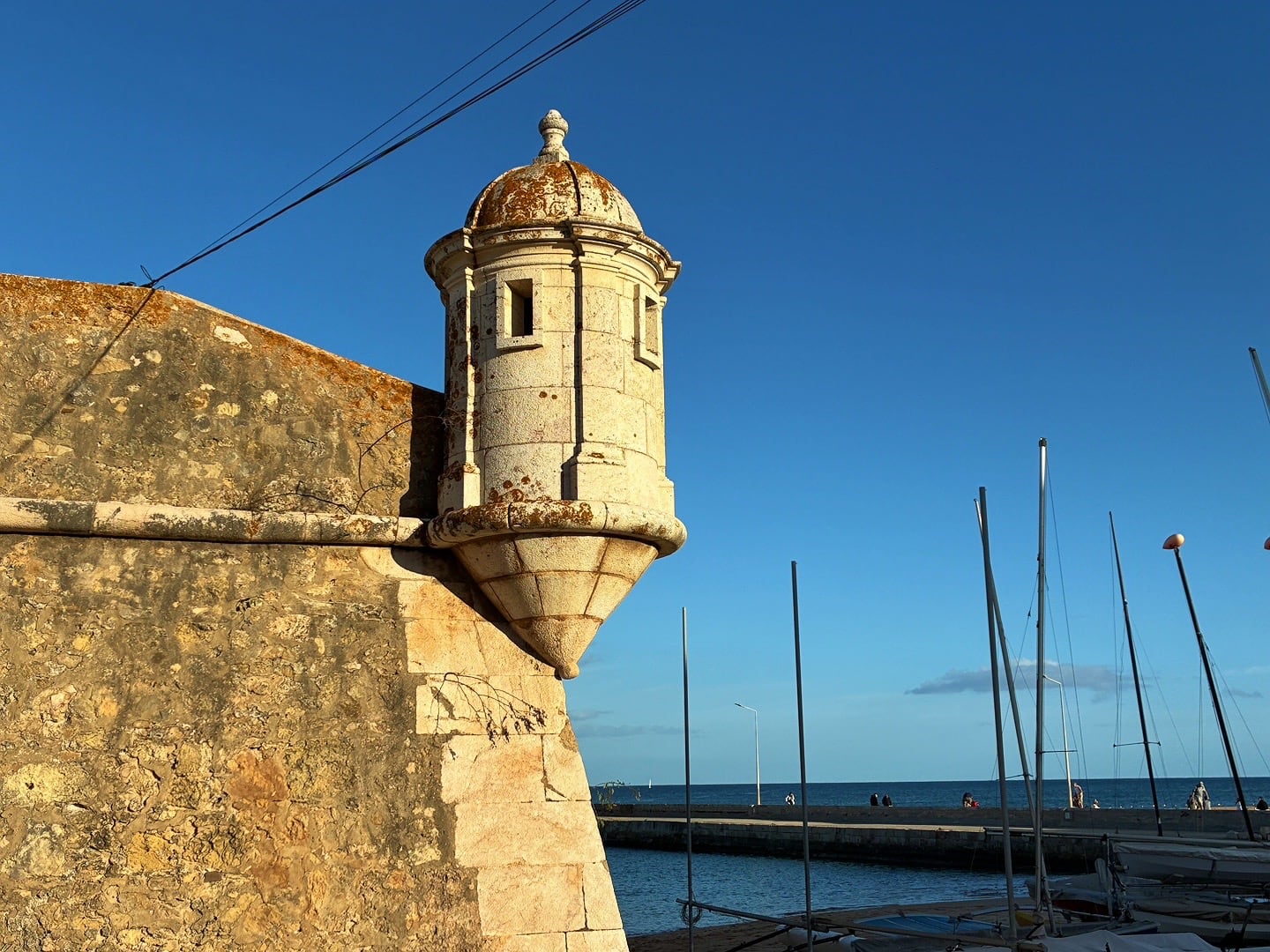
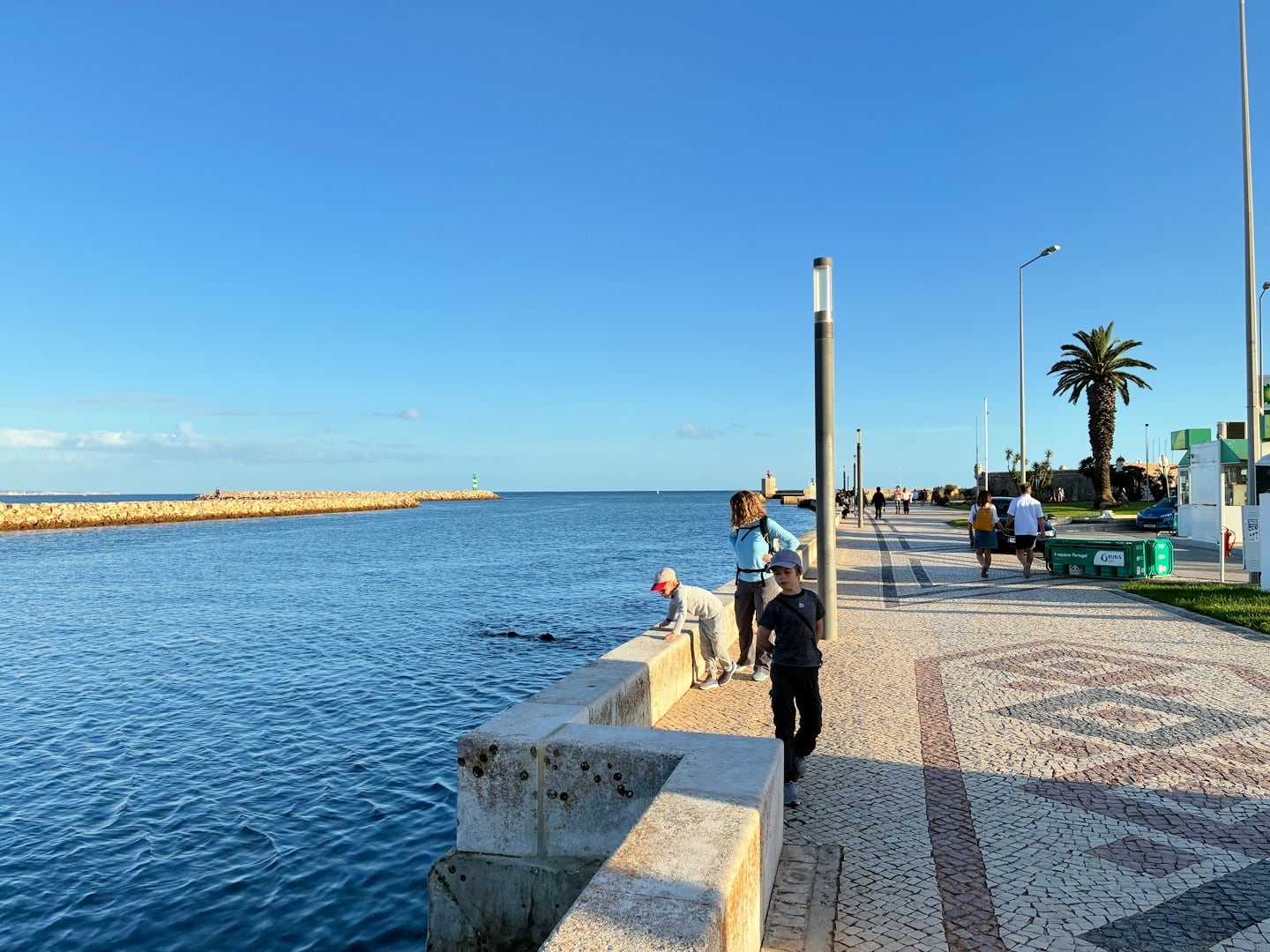
The Ribeira Bensafrim, the river that bisects the city of Lagos. Looking out towards the Atlantic, a left turn leads to a 5km-long beach, and a right turn takes you along the Algarve’s famous golden cliffs.
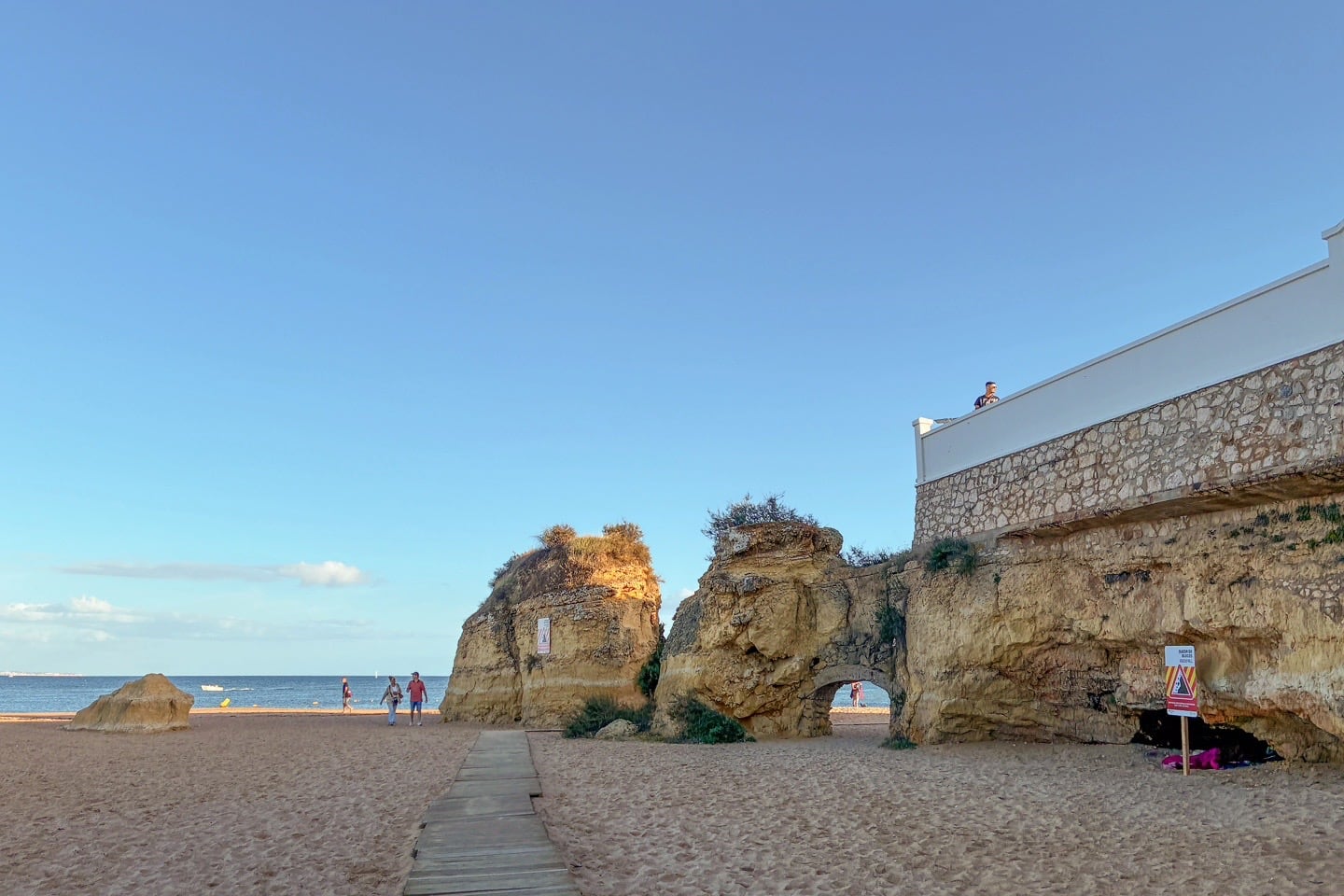
Praia Batata is the main municipal beach in Old Town. Heading right from here are several beaches connected by a network of hand-hewn tunnels and natural grottos.
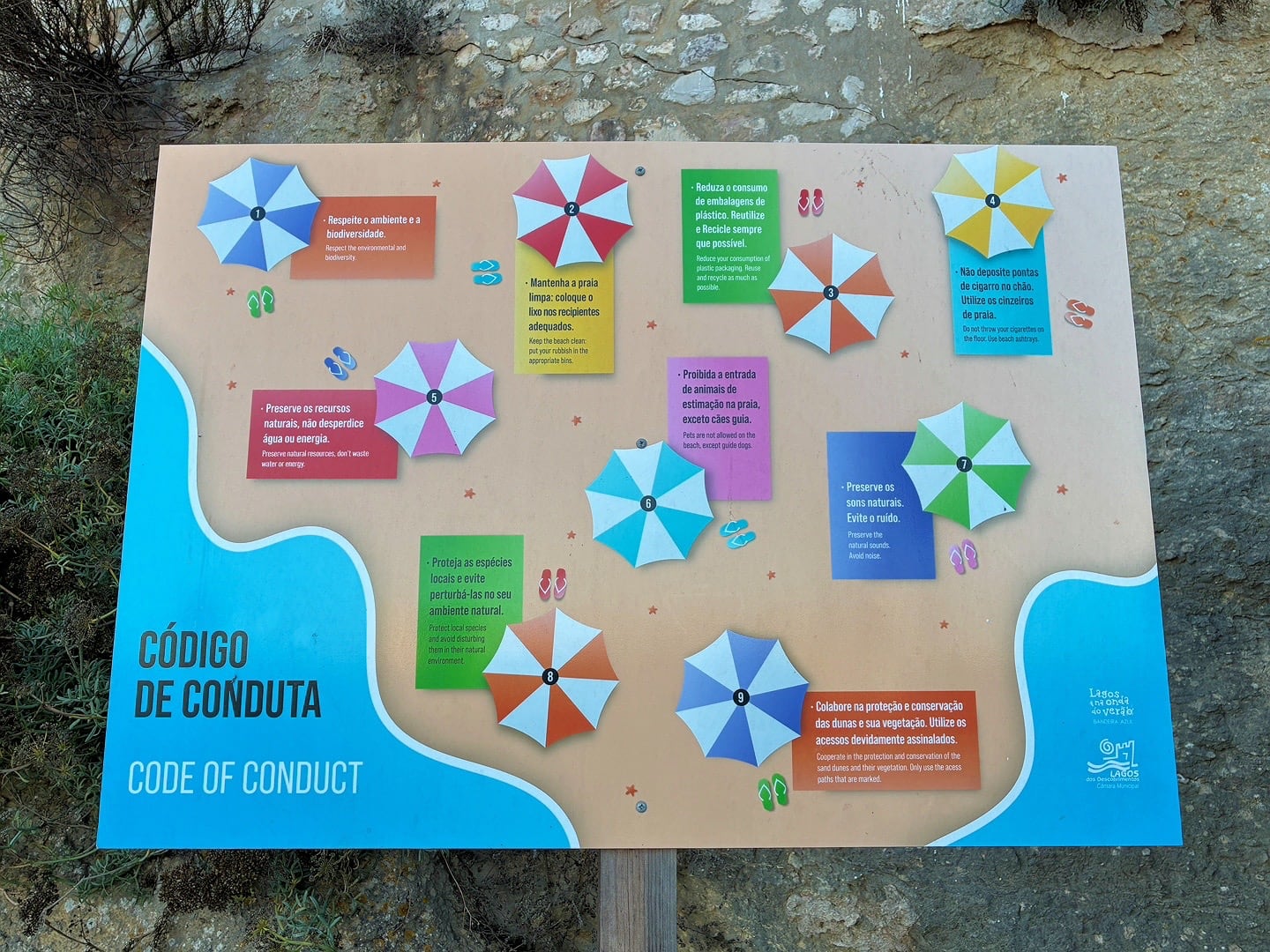
In five years in Mexico, I only recall seeing something like this once at a beach.
We’ve been told that the Portuguese are rule followers. I’m not sure I’d exactly say the same for most people in Mexico.
It’s a double-edged sword and we’ve been on both sides of the fence on this one. A lot of people say it comes down to enforcement. I tend to believe it ultimately comes down to what people are willing to put up with.
We’ll see what the reality is in Lagos.