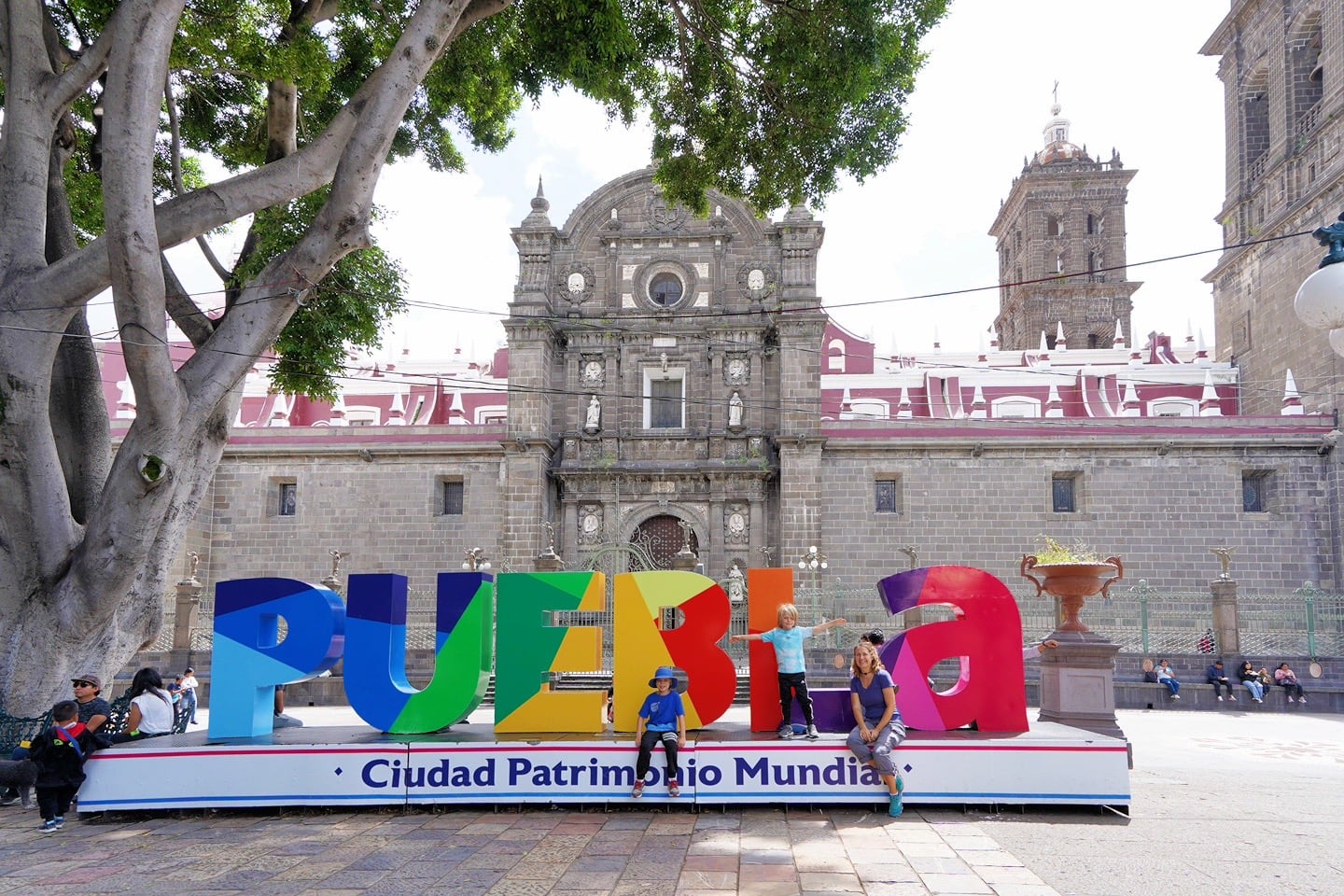
Mexico is packed with UNESCO-designated state capitals: Oaxaca, Queretaro, Morelia, Merida, Campeche, Guanajuato, Puebla…
Traveling in an RV, they’ve been some of the more difficult places to access for us.
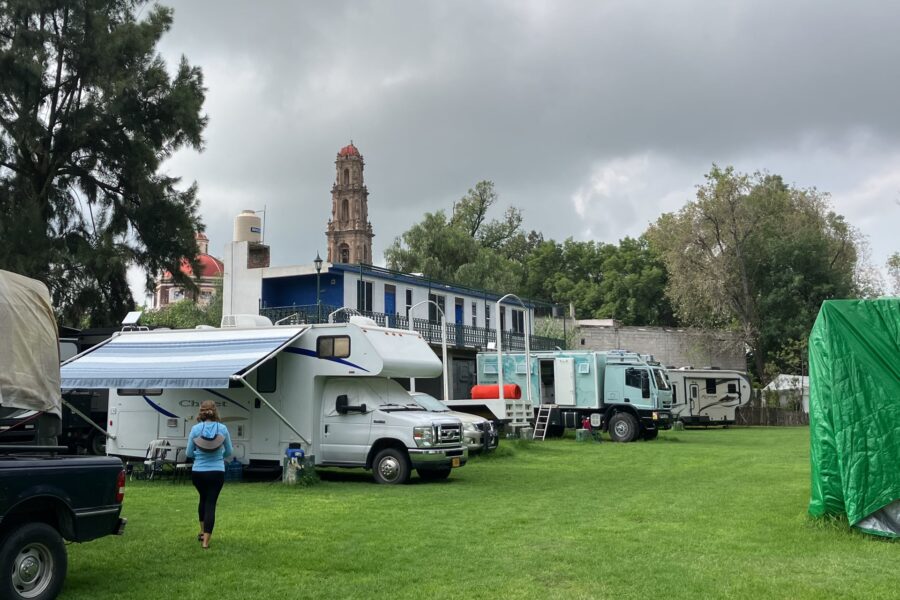
If there’s an RV park in Mexico, chances are, it’s in a beach town or smallish and historic Pueblo Magico in the highlands.
Our Mexico-USA RV Journey 2024-25
Generally speaking, Mexico’s largest cities are no place for big-rig-friendly RV parks. The best you can hope for is something that’s a 20 to 40-minute bus ride outside of town, like we’ve experienced in Guanajuato and San Miguel de Allende.
If you’ve got a smaller rig like a Class B or camper van, you’ve got more options in the heart of town. But not us.
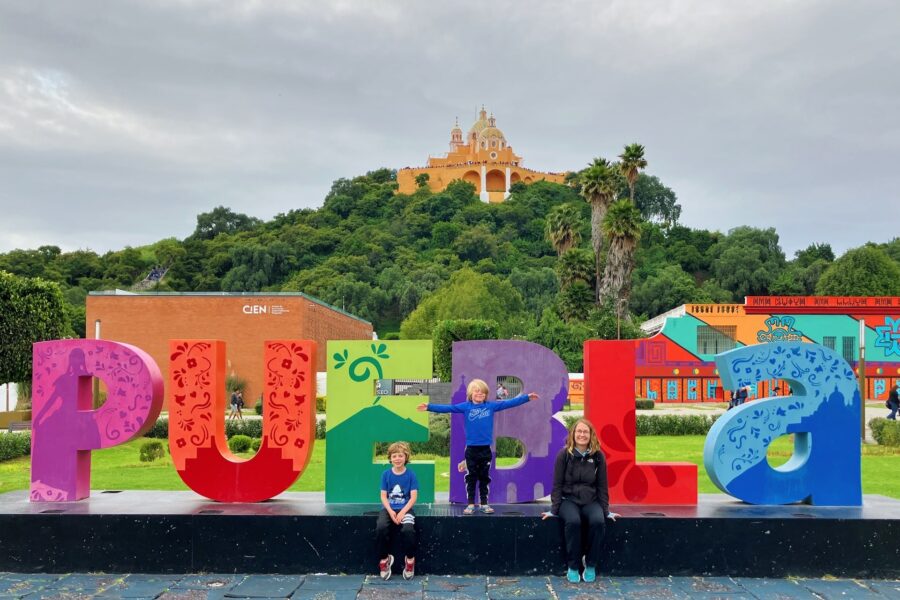
With a heavy heart, we opted to skip Queretaro and Morelia for this very reason. We thought for a while that we’d have to nix Puebla as well. Fortunately, Cholula is just close enough to make a day trip to Puebla feasible. And that’s what we’re doing today.
Central Puebla is nearly a straight shot from Trailer Park Cholula along Highway 150 (Blvd. Forjadores), which took us just over 30 minutes by Uber.
Lori planned the day, so we knew we were in for a treat (she takes her job very seriously, in a good way). That means a day of taking in the top sights and sampling some of the city’s standout food and drink offerings.
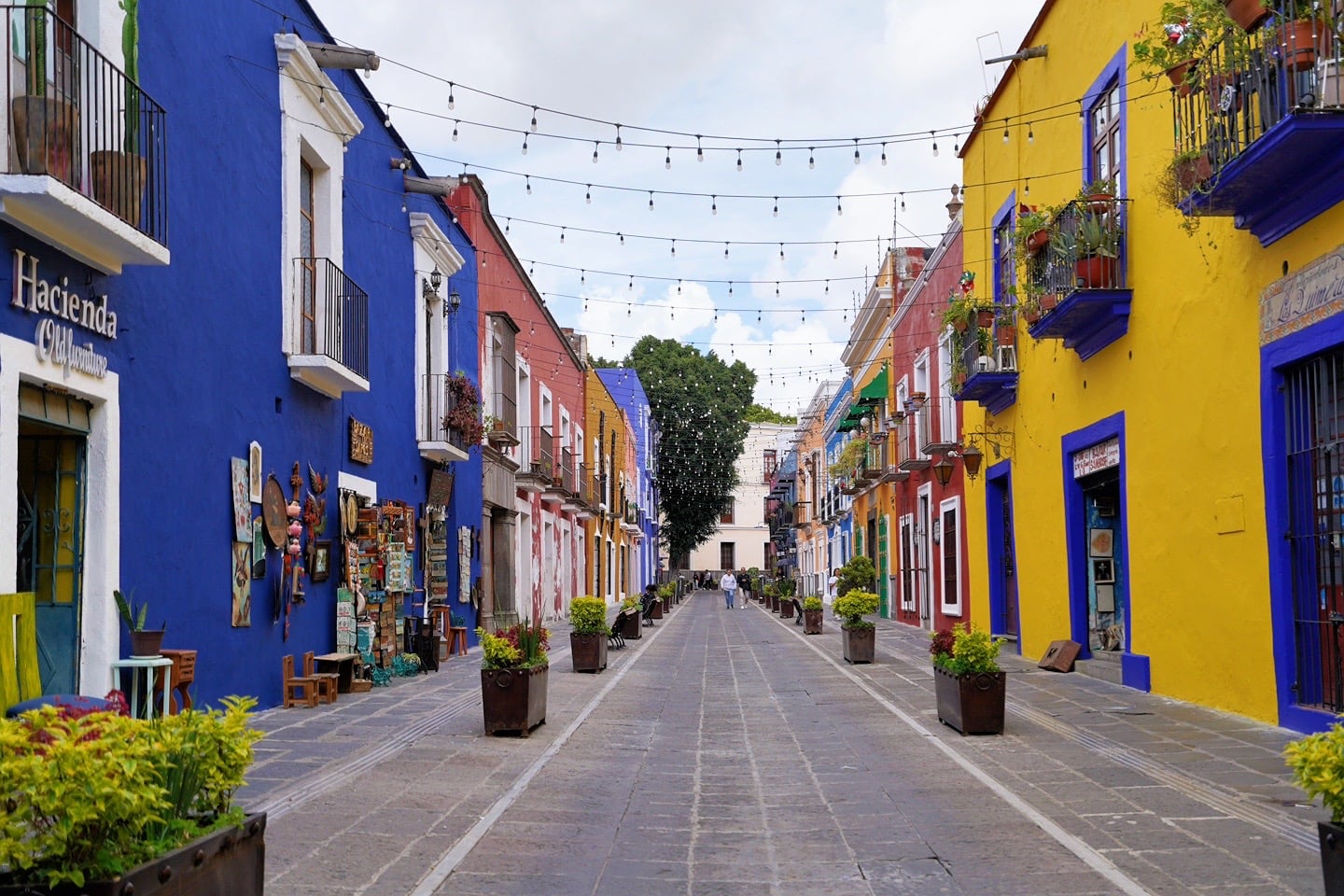
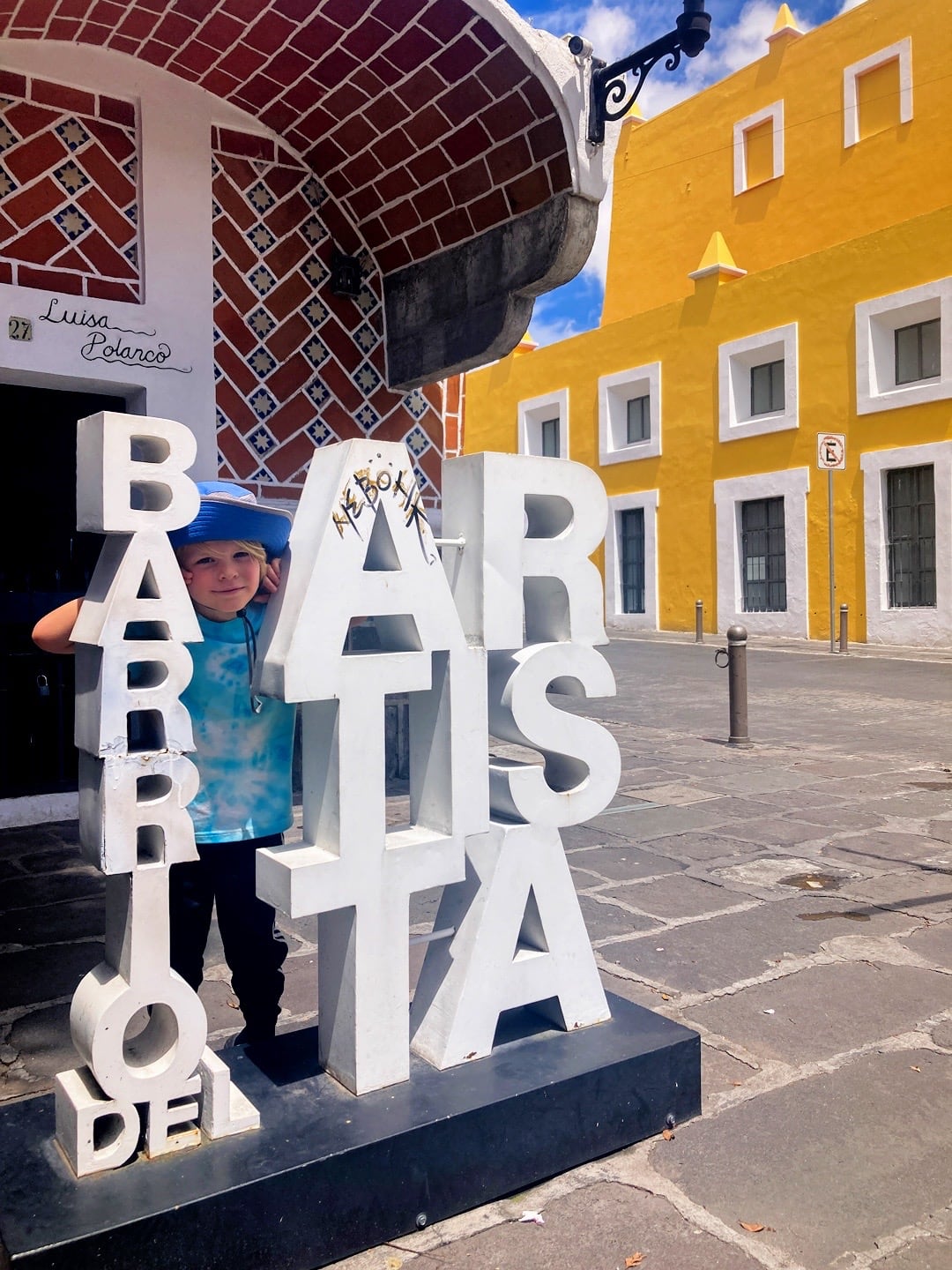
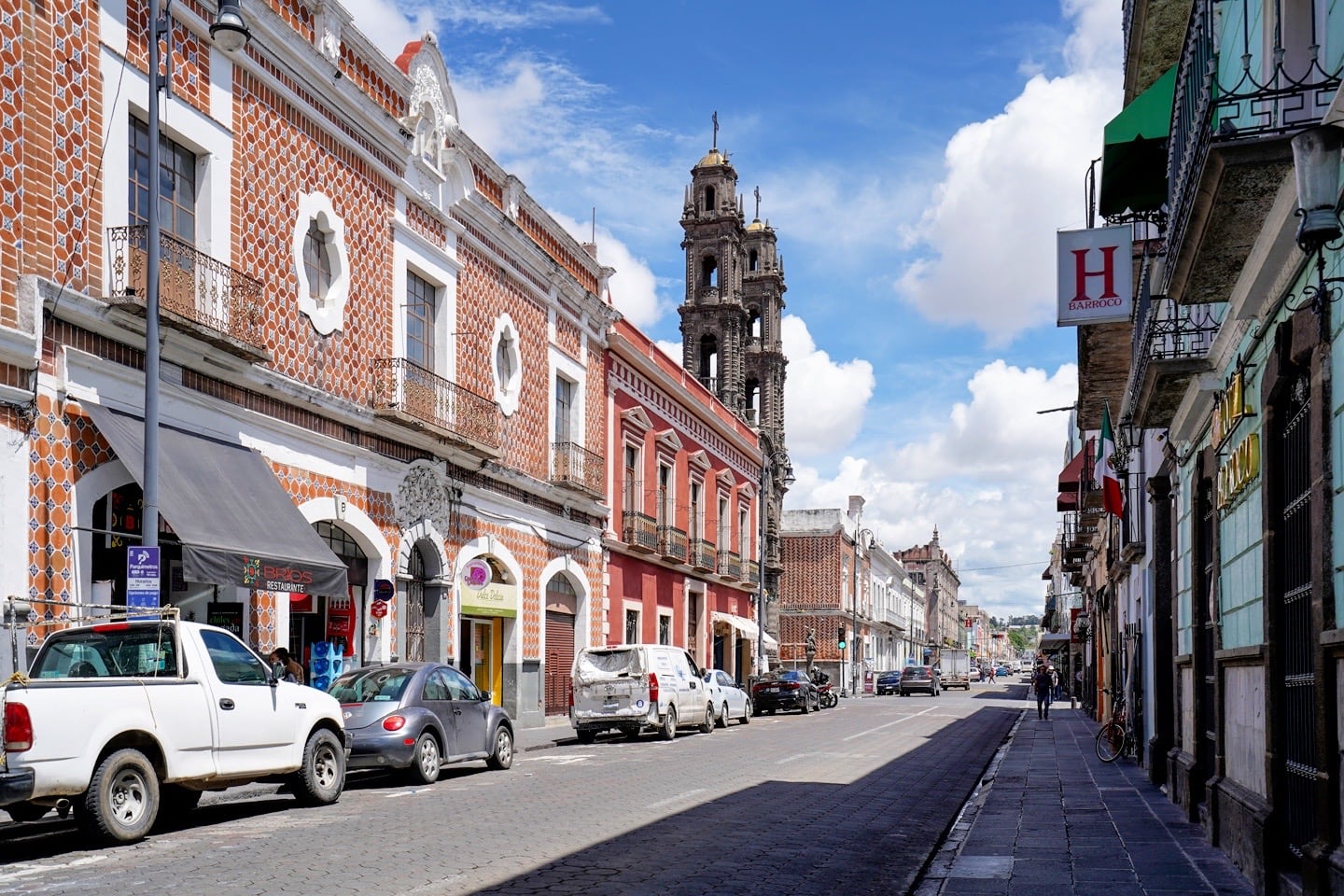
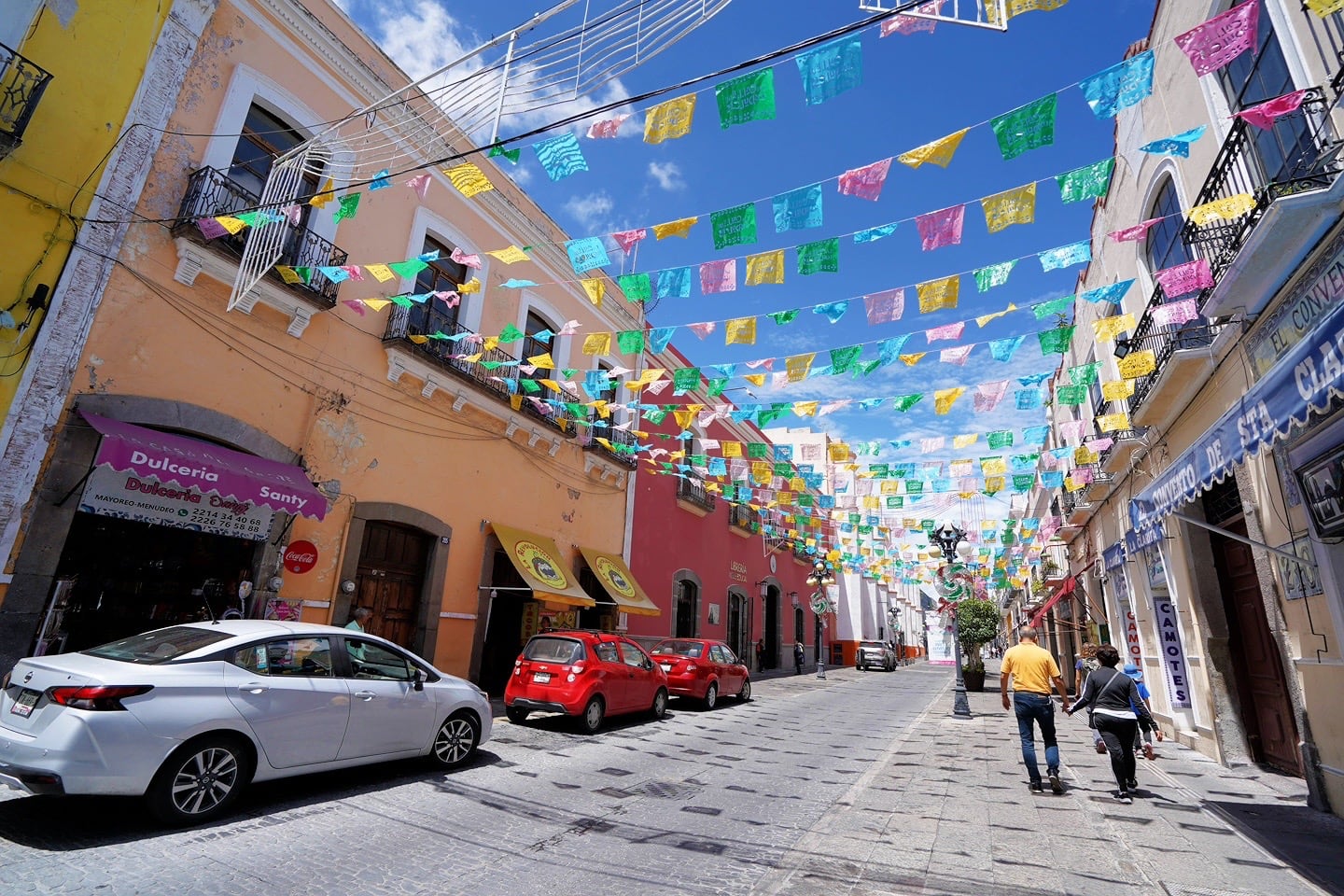
We grabbed a cold brew at Cafe Cultura (one of the best I’ve had in a while), then headed to colorful Calle 6 Sur (above) and the art and market stalls of Plazuela los Sapos. The artisans were still setting up, so we made our way to Parian Market, an interesting enough place to kill some time.
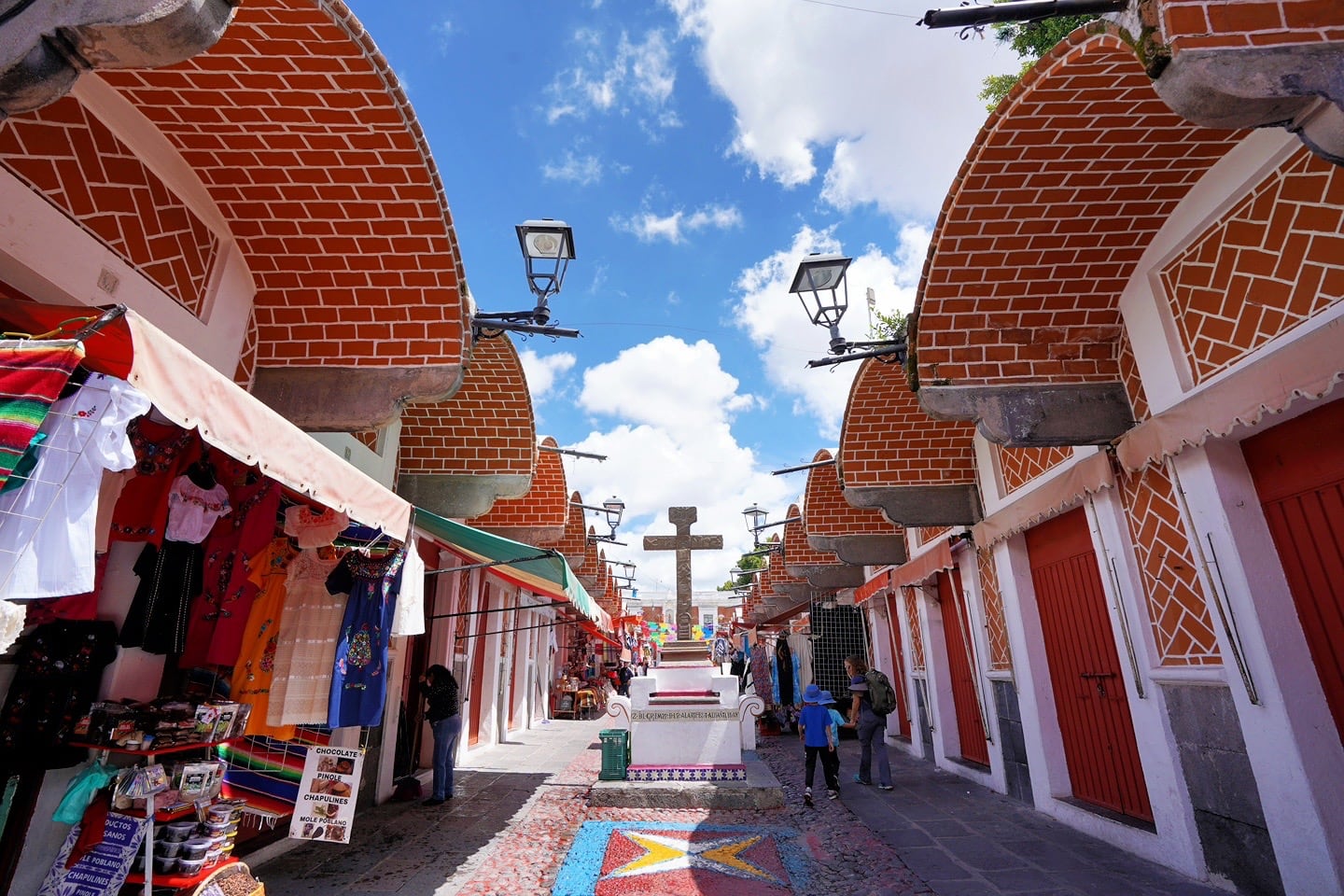
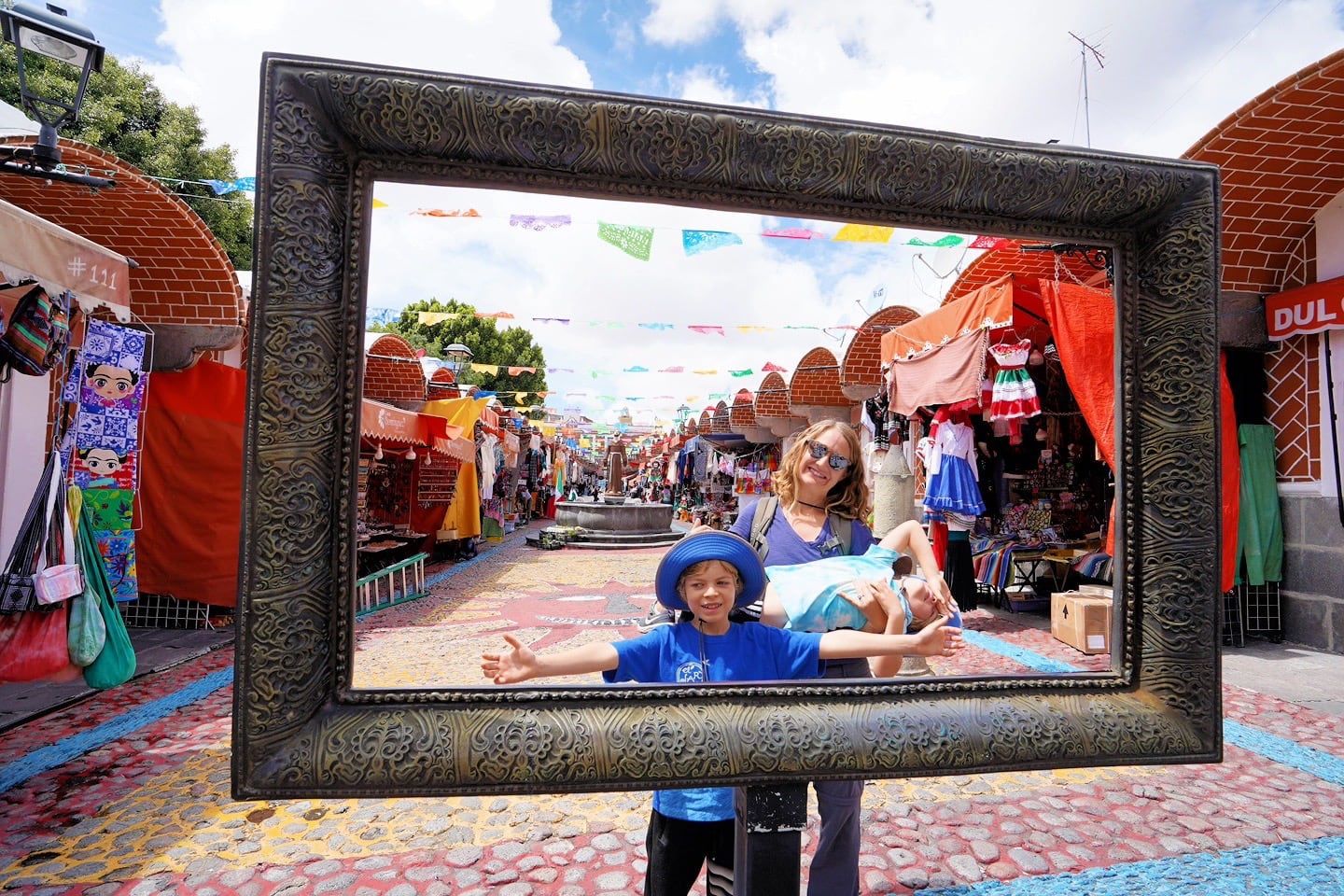
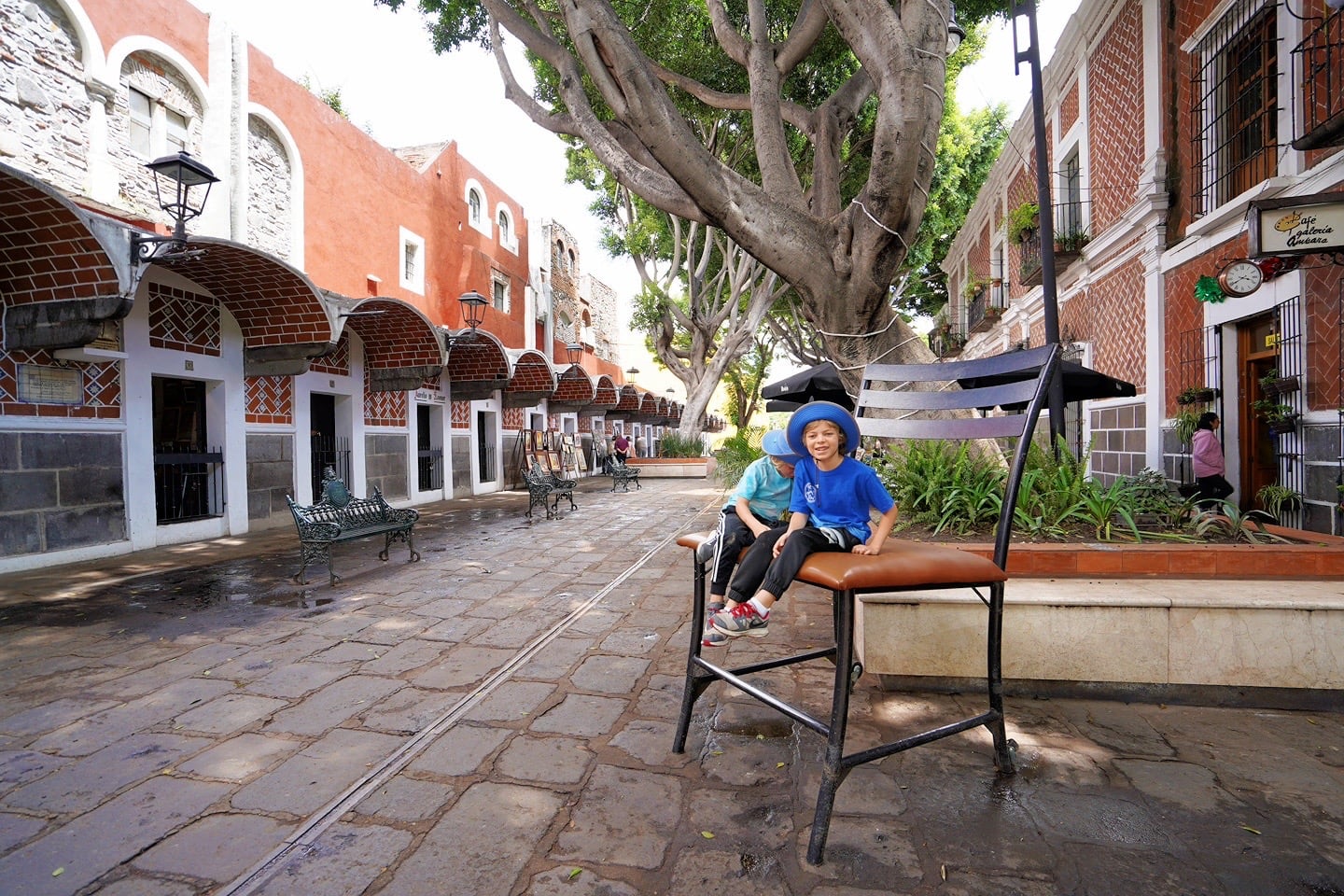
Back at the Plazuela los Sapos, the boys were able to chat up some of the resident artists who have workshops here and ask them some questions about their work and art.
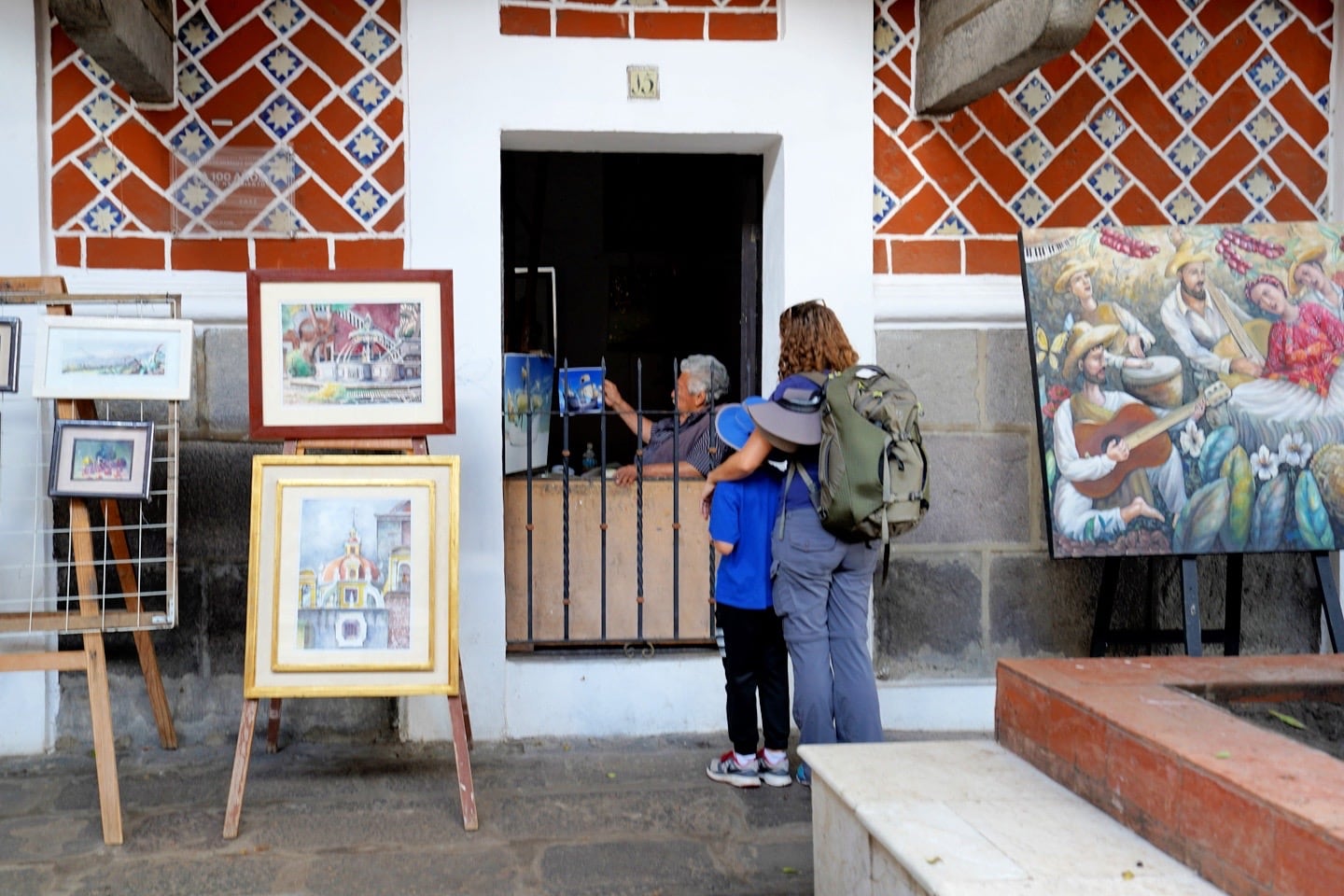
There must be a dozen active bodegas with artists going about their craft right off the street. It’s a really unique place and made for the kind of road school day that the boys love.
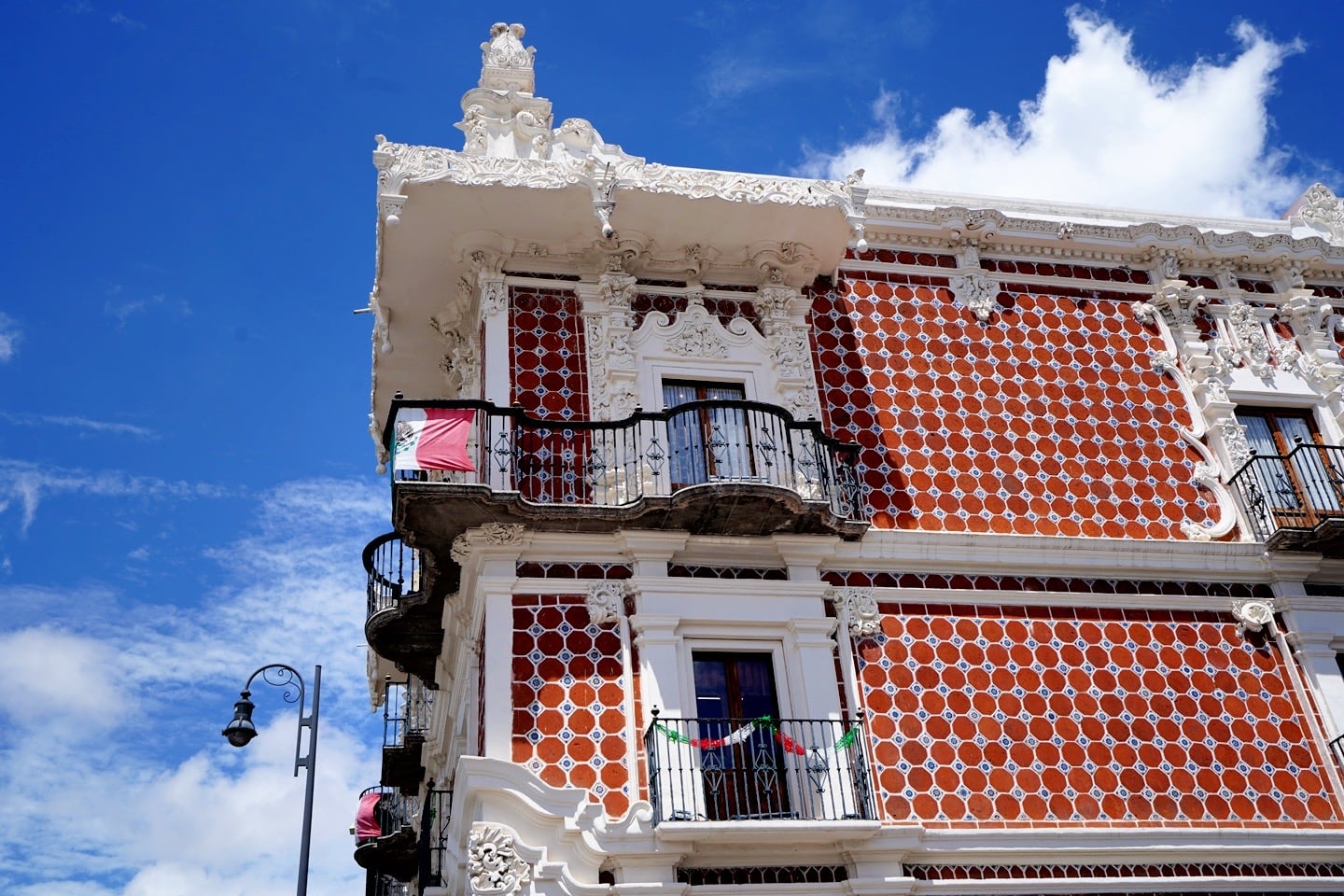
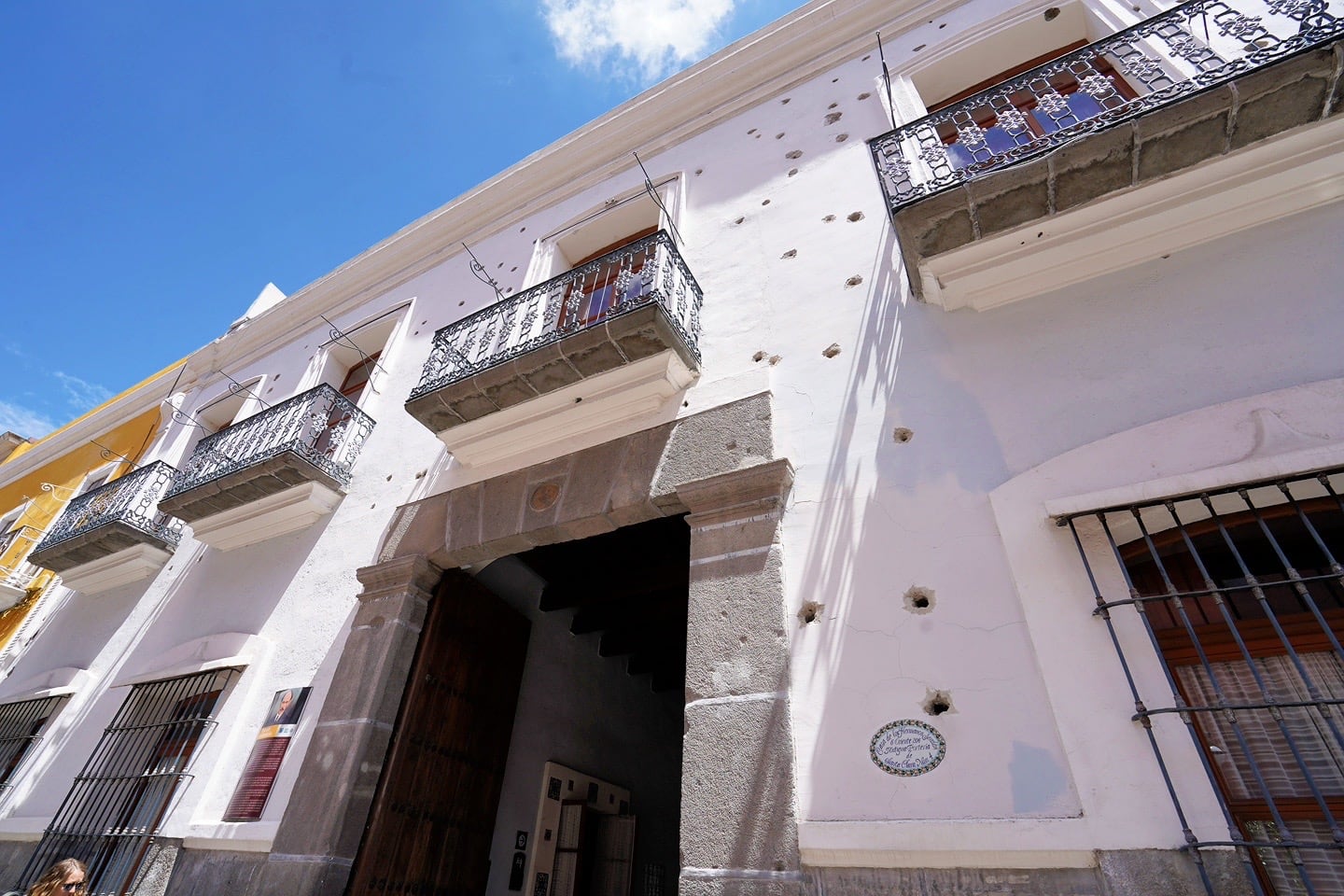
This is a historic house (now a regional museum) that still bears the bullet holes it received when it came under attack during the Mexican Revolution.
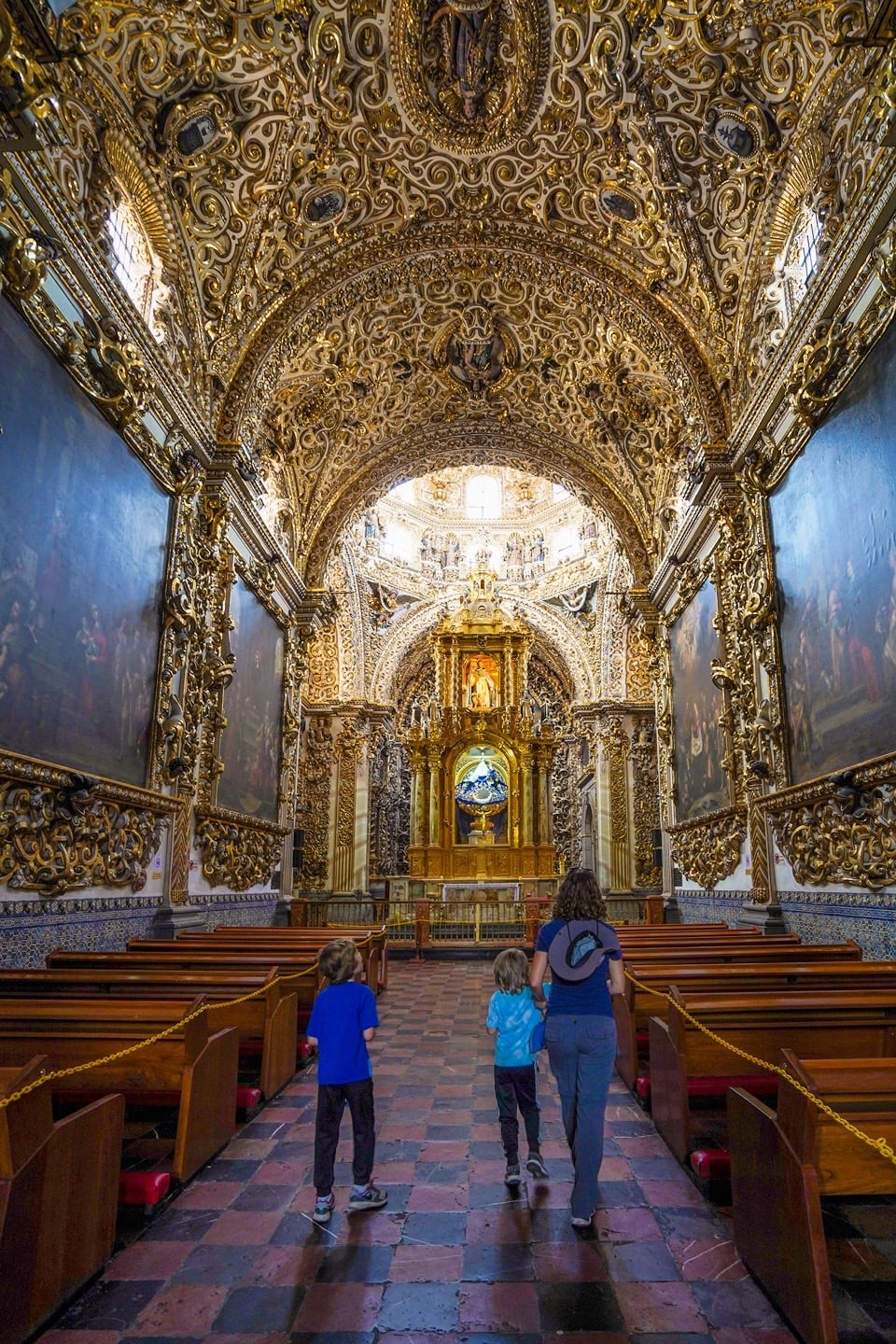
Around the corner is the gilded Capilla del Rosario at the Templo de Santo Domingo.
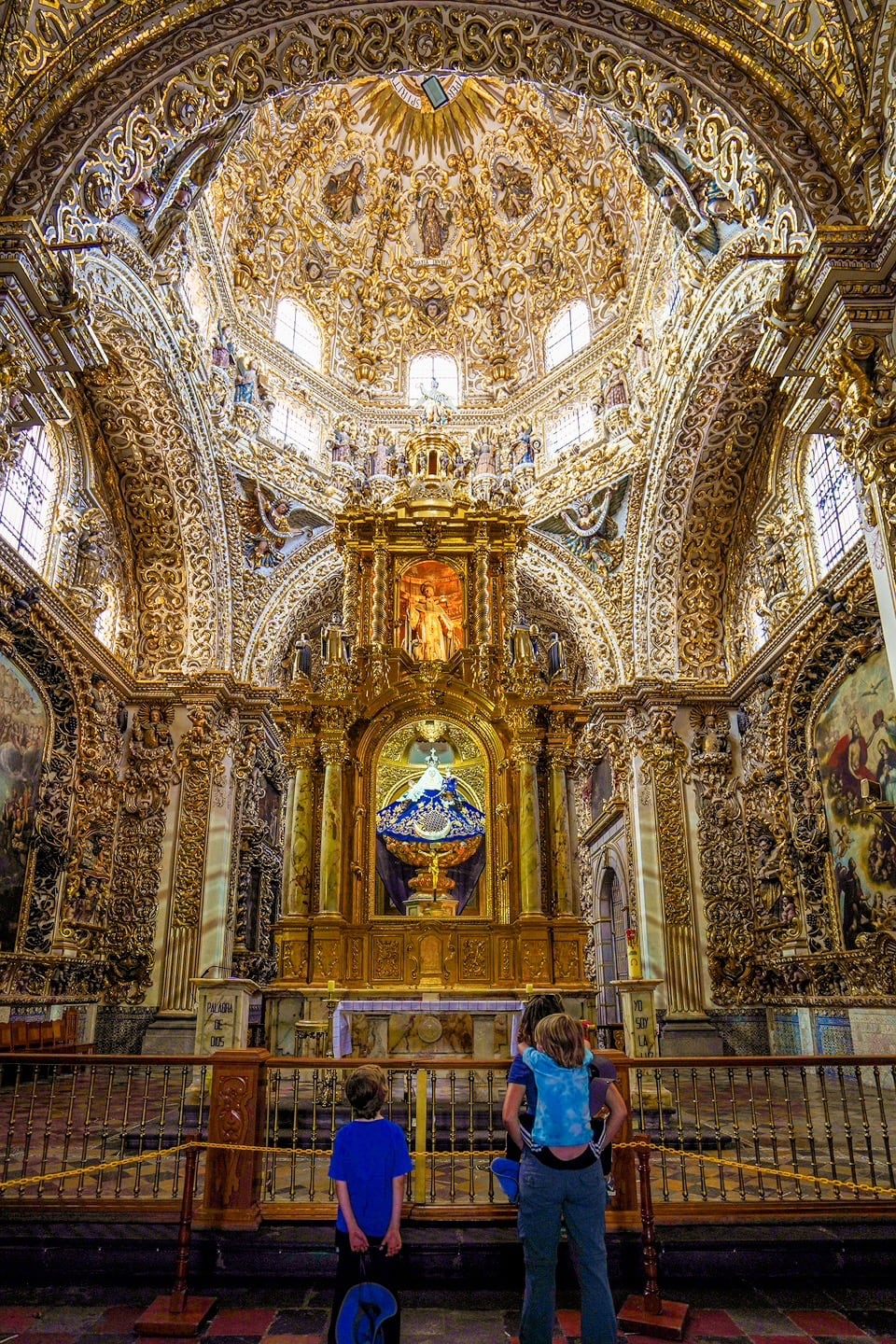
Seeing the sights of Puebla was fun and all, but the our lunch experience gave Lori’s food crawl in Guanajuato some tough competition.
Antojitos Tomy Matriz is something of a longstanding local institution (since 1983), offering regional dishes we haven’t had elsewhere in Mexico (always a treat when that happens).
We got four local dishes:
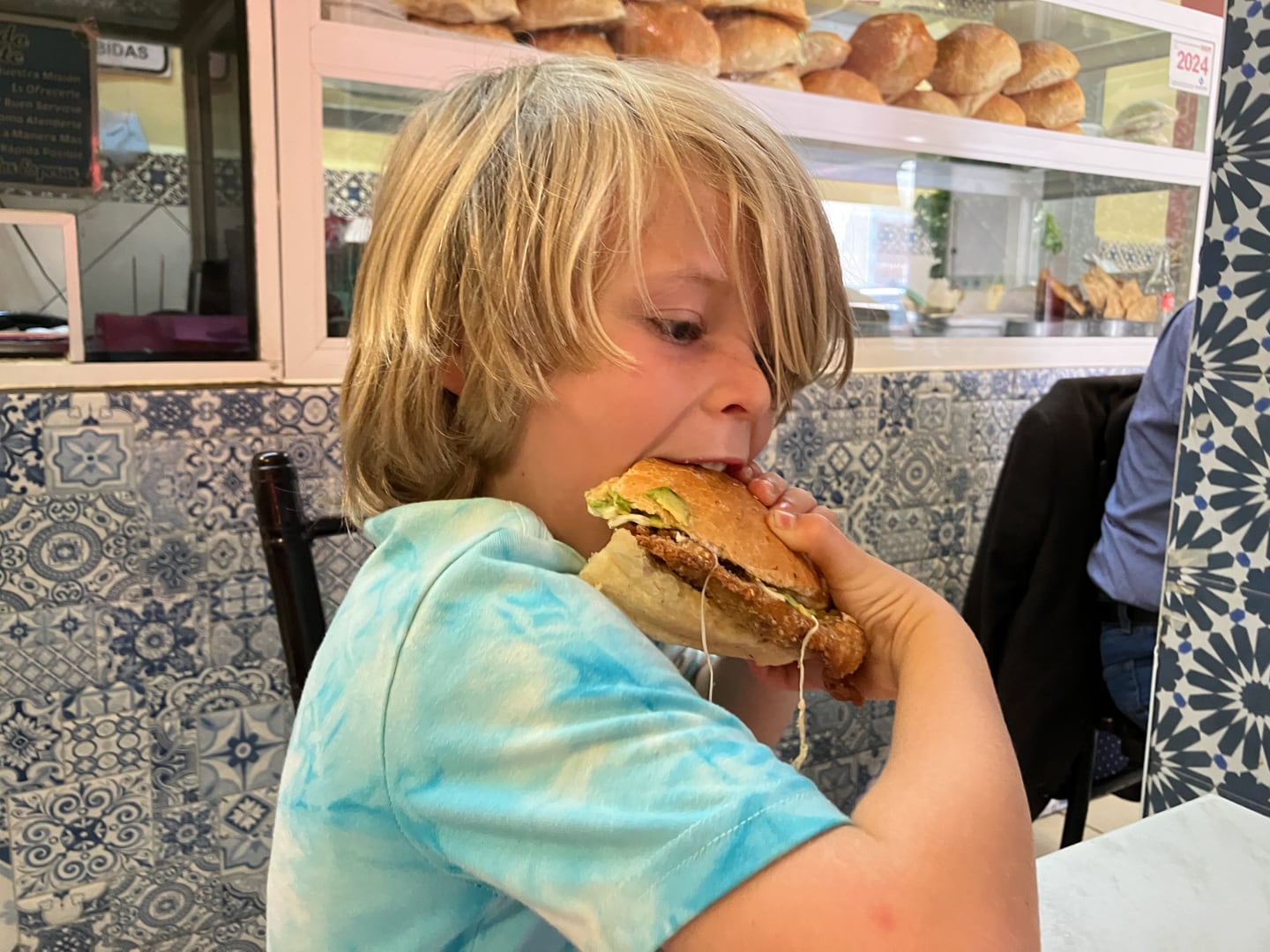
Their famous Cemitas Poblanas de Milanesa (Puebla-style pork Milanese sandwich on a seeded-bun);
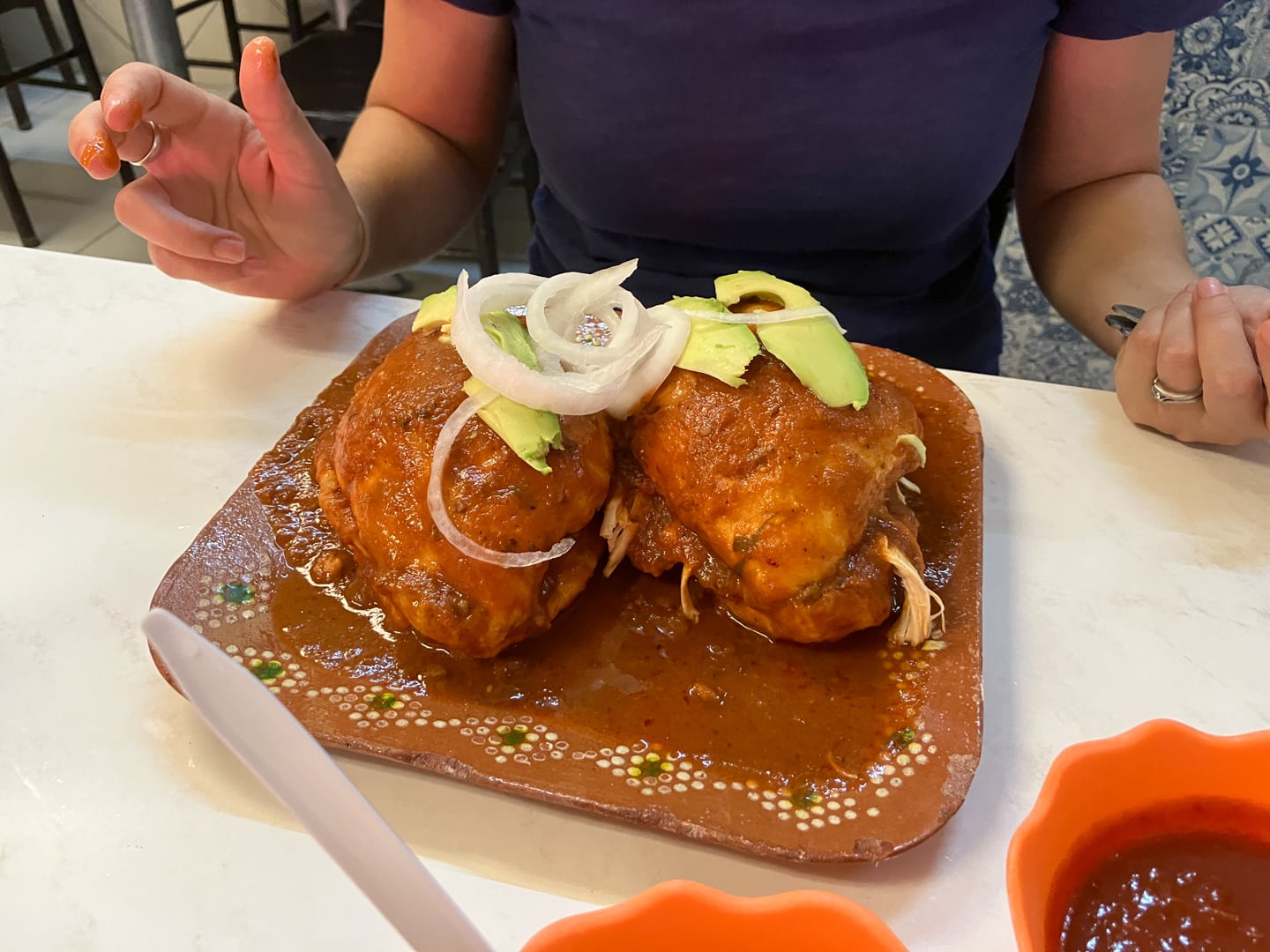
Chanclas, a pair of very sloppy sandwiches filled with shredded chicken, avocado, and onion, and drowned in spicy tomato-guajillo salsa—this one’s best eaten with a fork and knife for obvious reasons.


We also had a Molote filled with Tinga de Pollo (shredded chicken in a tomato-chipotle sauce) (above, left);
And finally, a Pelona (bald-headed roll) filled with shredded beef and white sauce (above, right).
They were all excellent, but I think I’m partial to the messy but very tasty Chanclas.
Even after nearly four years in Mexico, we’re always finding “Mexican food” we’ve never had before. It blows me away sometimes how tiny of a fraction of the country’s cuisine we get north of the border. I can’t help but feel a bit robbed now every time I eat at a Mexican restaurant in the States.
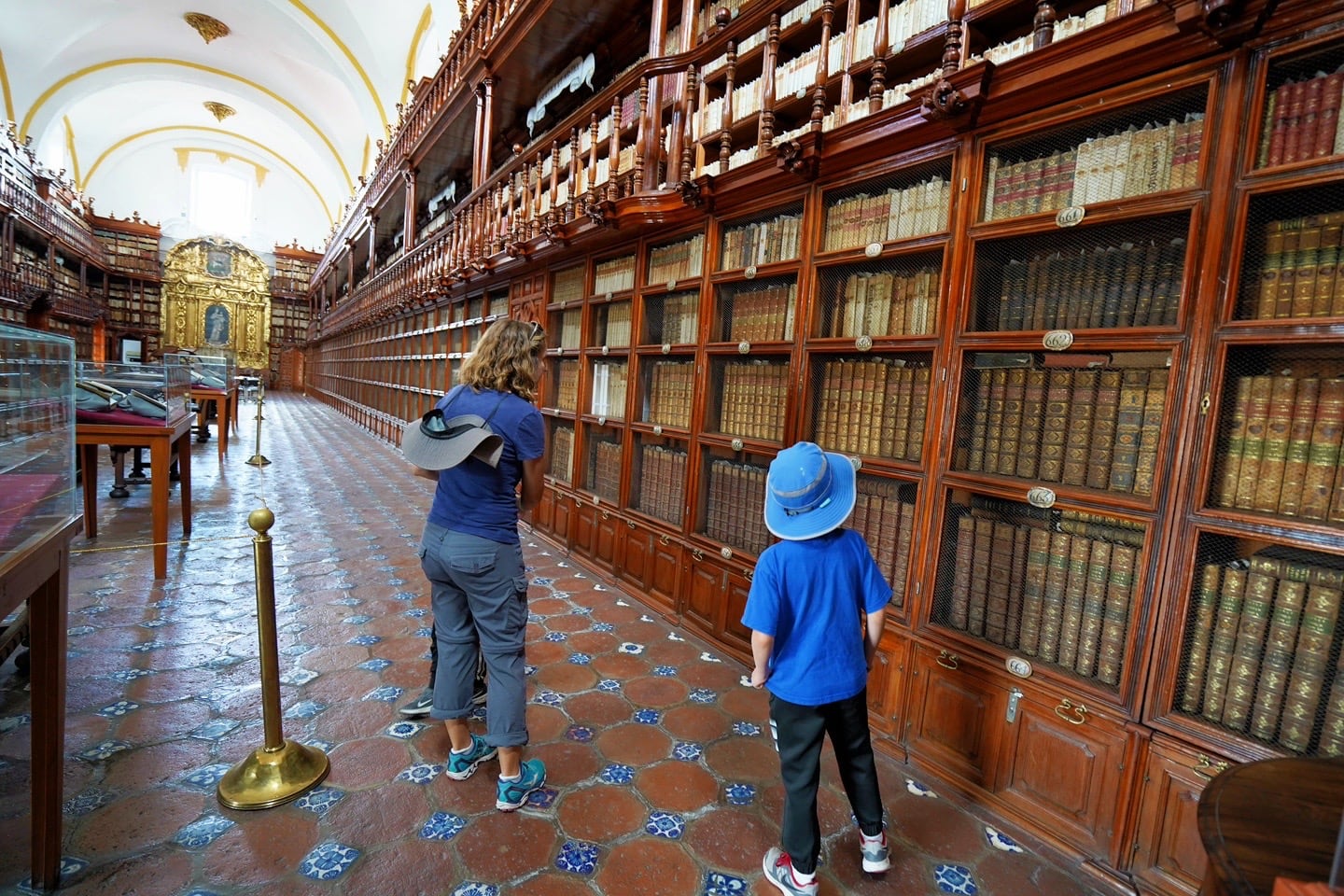
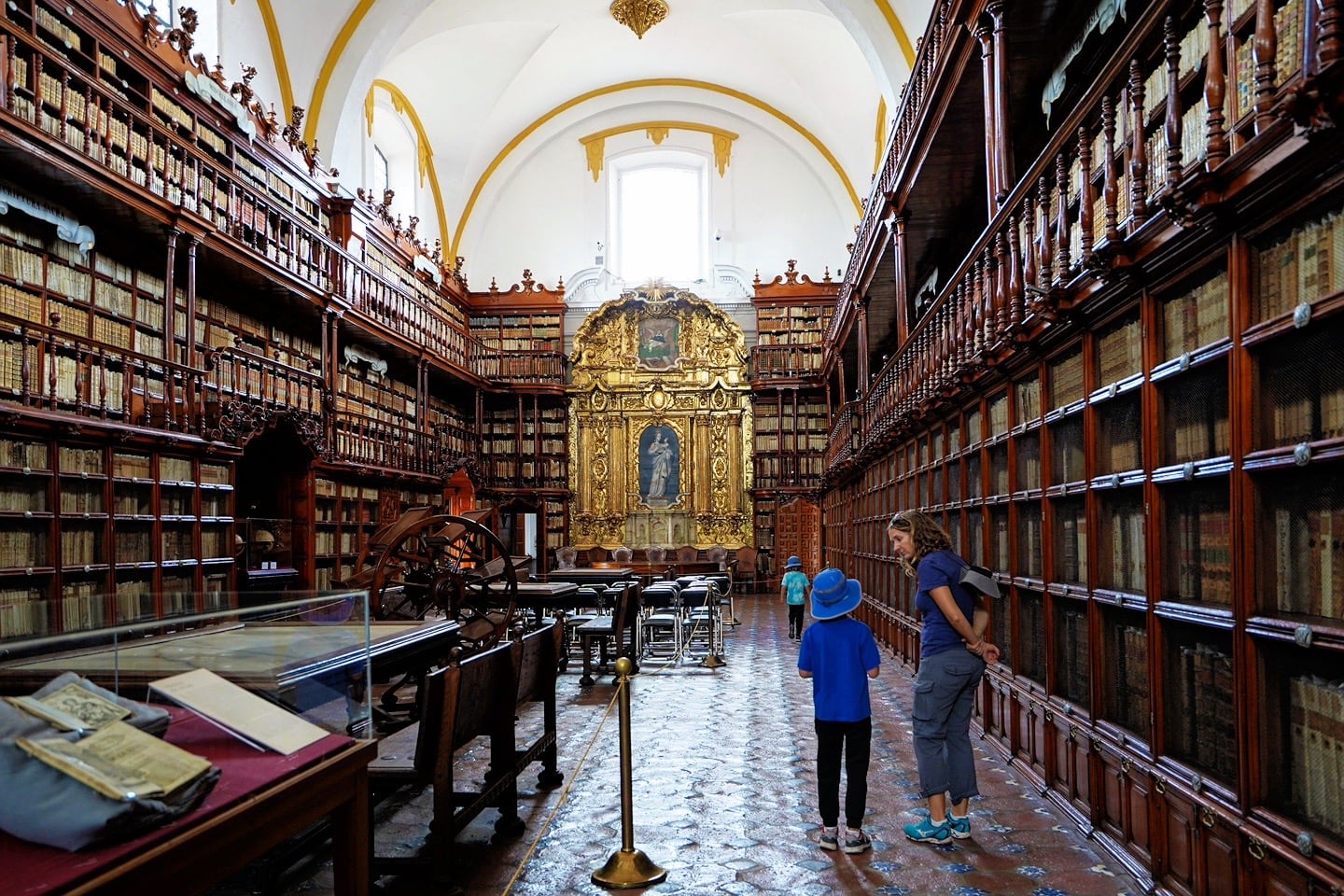
After lunch, we continued our city tour (we had a lot of food to walk off!). Next up, a 17th century library (Biblioteca Palafoxiana) that houses thousands of rare books.
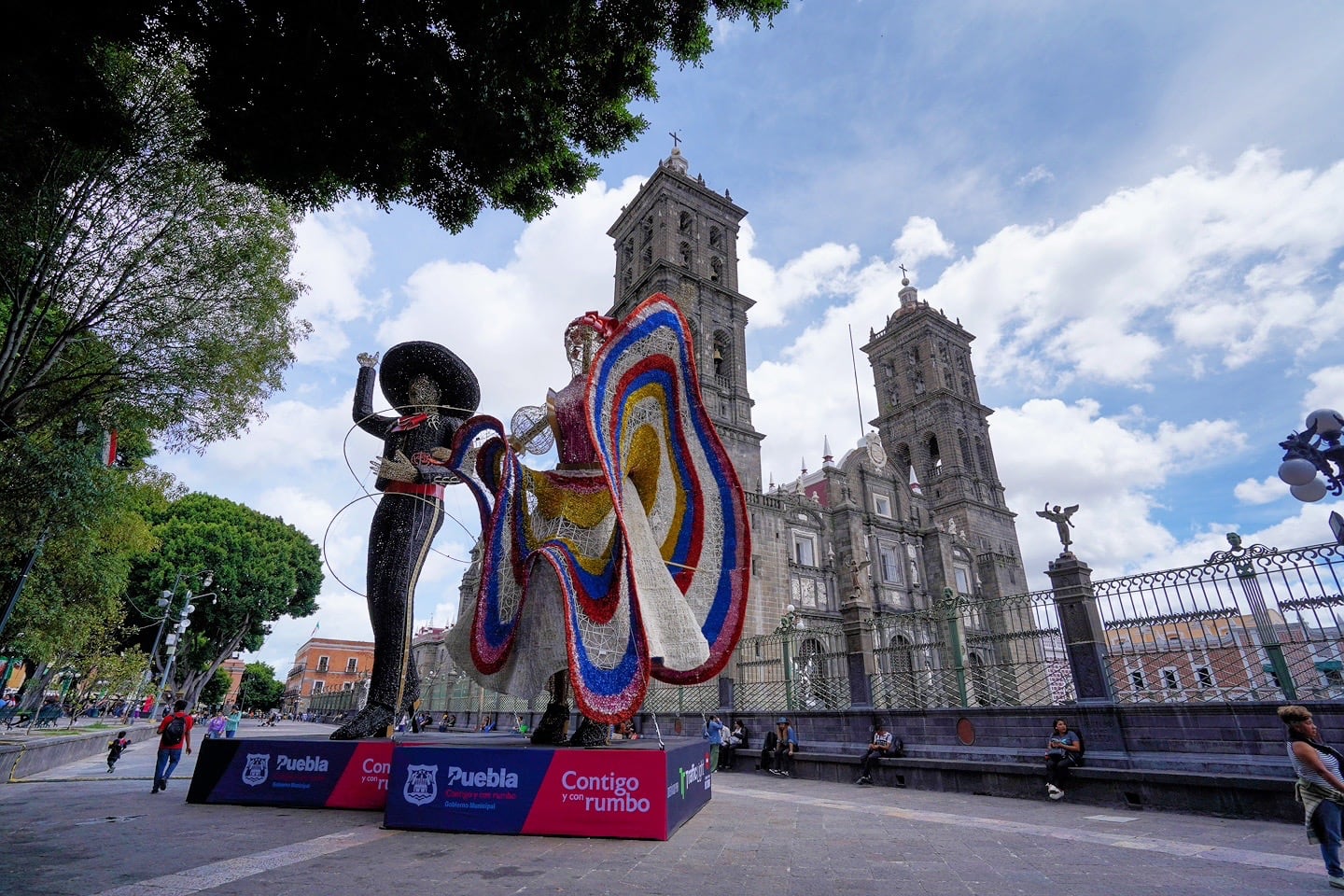
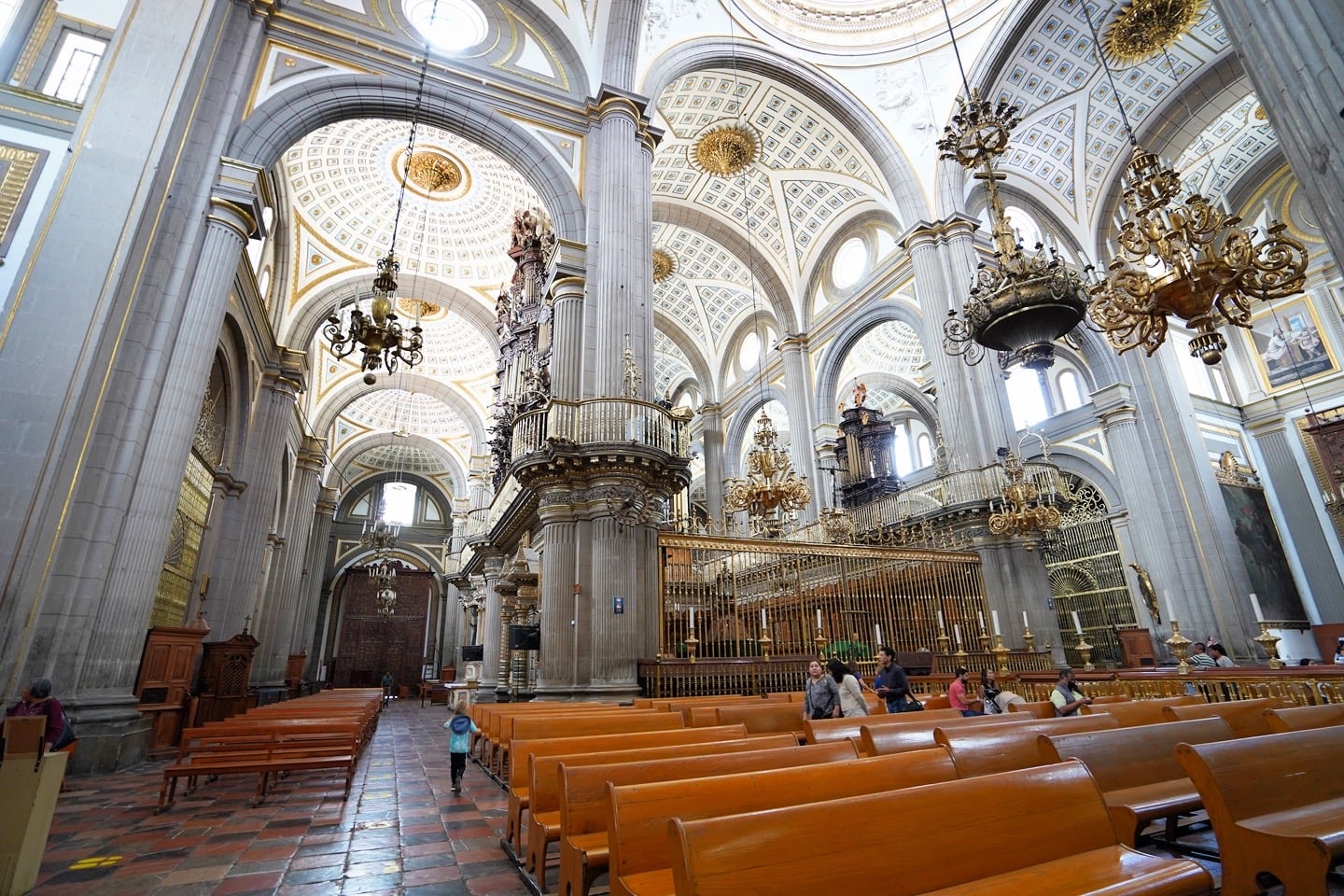
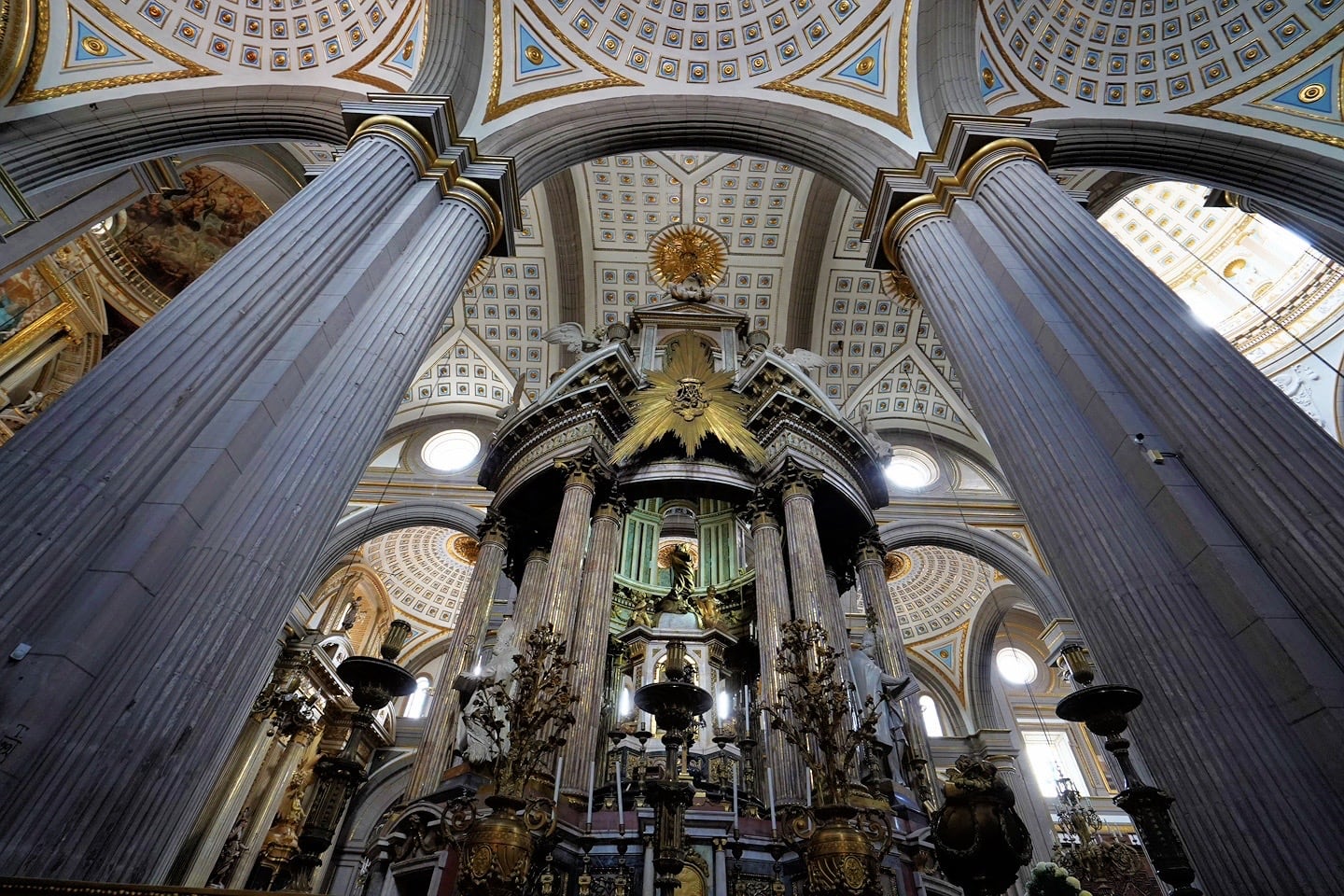
No visit to any major city in Mexico would be complete without a stop at the main plaza (Zócalo) and cathedral.

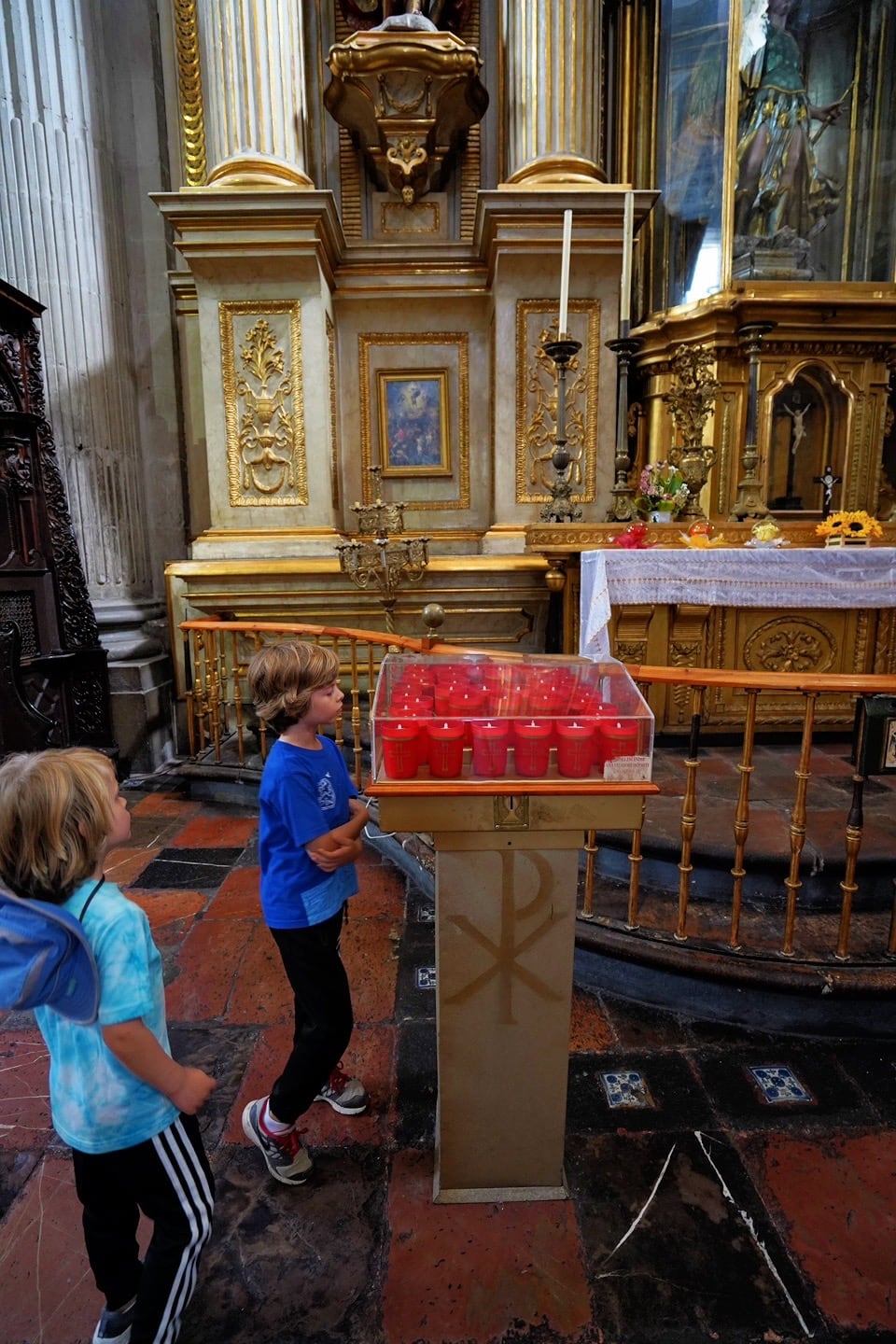
Got a couple of pesos? Slide them in and, voila! Instant prayer candle.

A quick walk back through Calle 6 Sur to visit one of the most famous watering holes in the city and legendary home of one of perhaps Puebla’s most beloved drink: La Pasita.
We came here for the liquor, but the old-school curiosity shoppe ambience, alone, deserves a look.
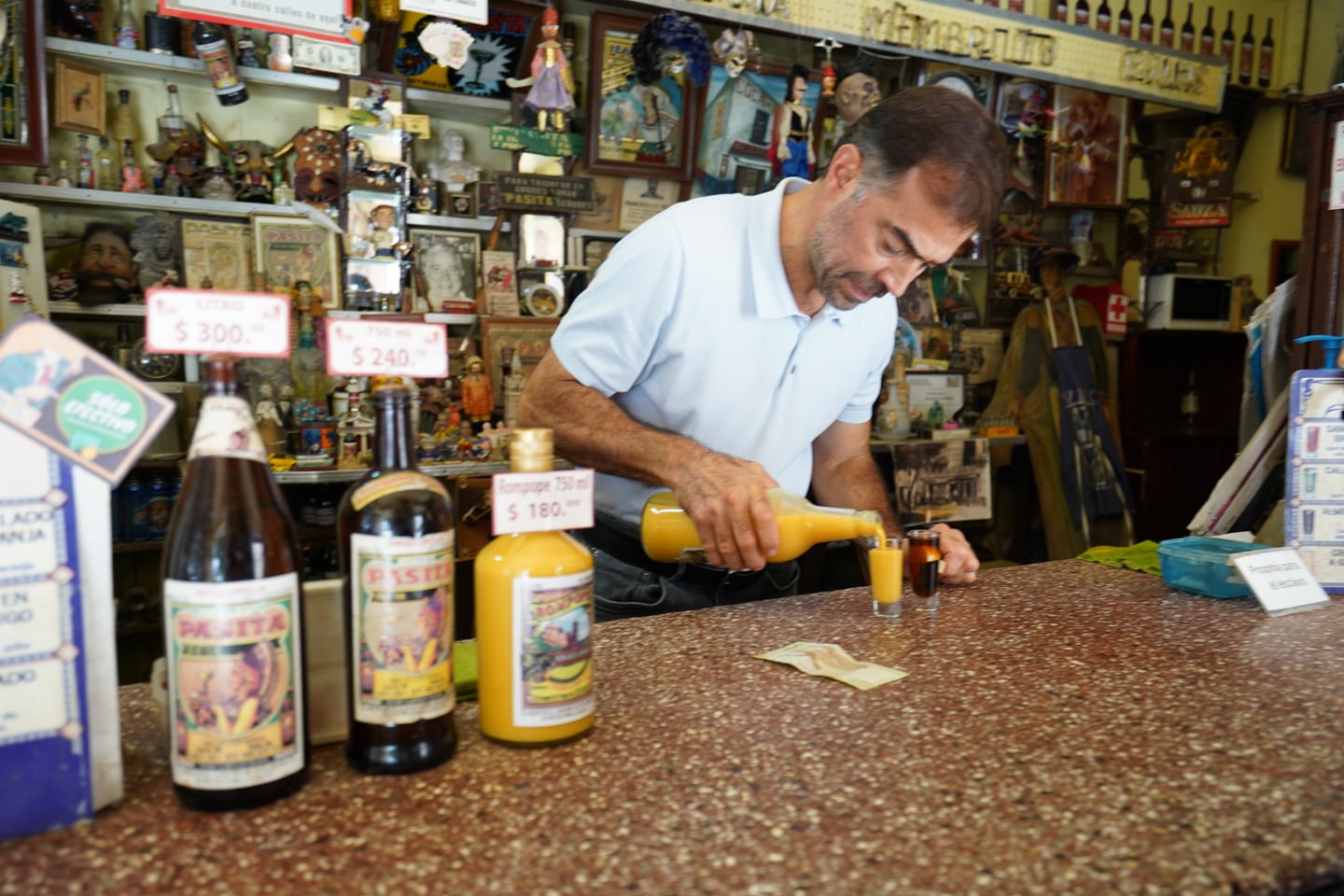
One pour of Rompope (the yellow stuff) and one pour of Pasita (distilled from raisins and served with a chunk of queso fresco in it).
Rompope tastes something like spiked egg nog, while the Pasita tastes something akin to Port. The Rompope was good, but we walked out with a bottle of the Pasita.
The last two things on our list for the day was exploring Puebla’s historic tunnels leading to the city’s Fort Zone on the hill.

The tunnel system starts near Hotel 5 de Mayo and stretches underground for half a kilometer to Parque Lago de La Concordia. It’s an impressive and very well-maintained subterranean museum that’s especially nice to do in the heat of the day
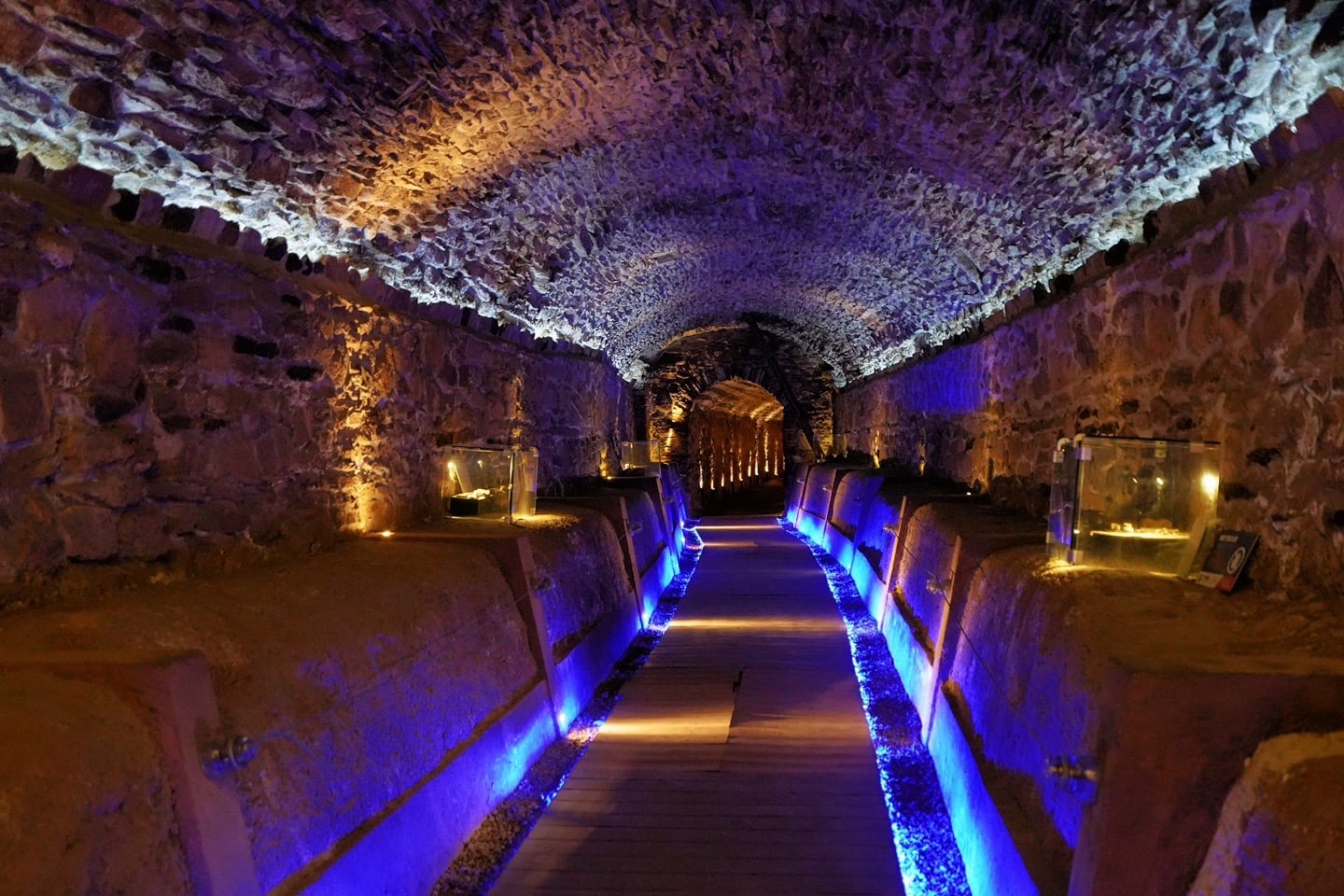
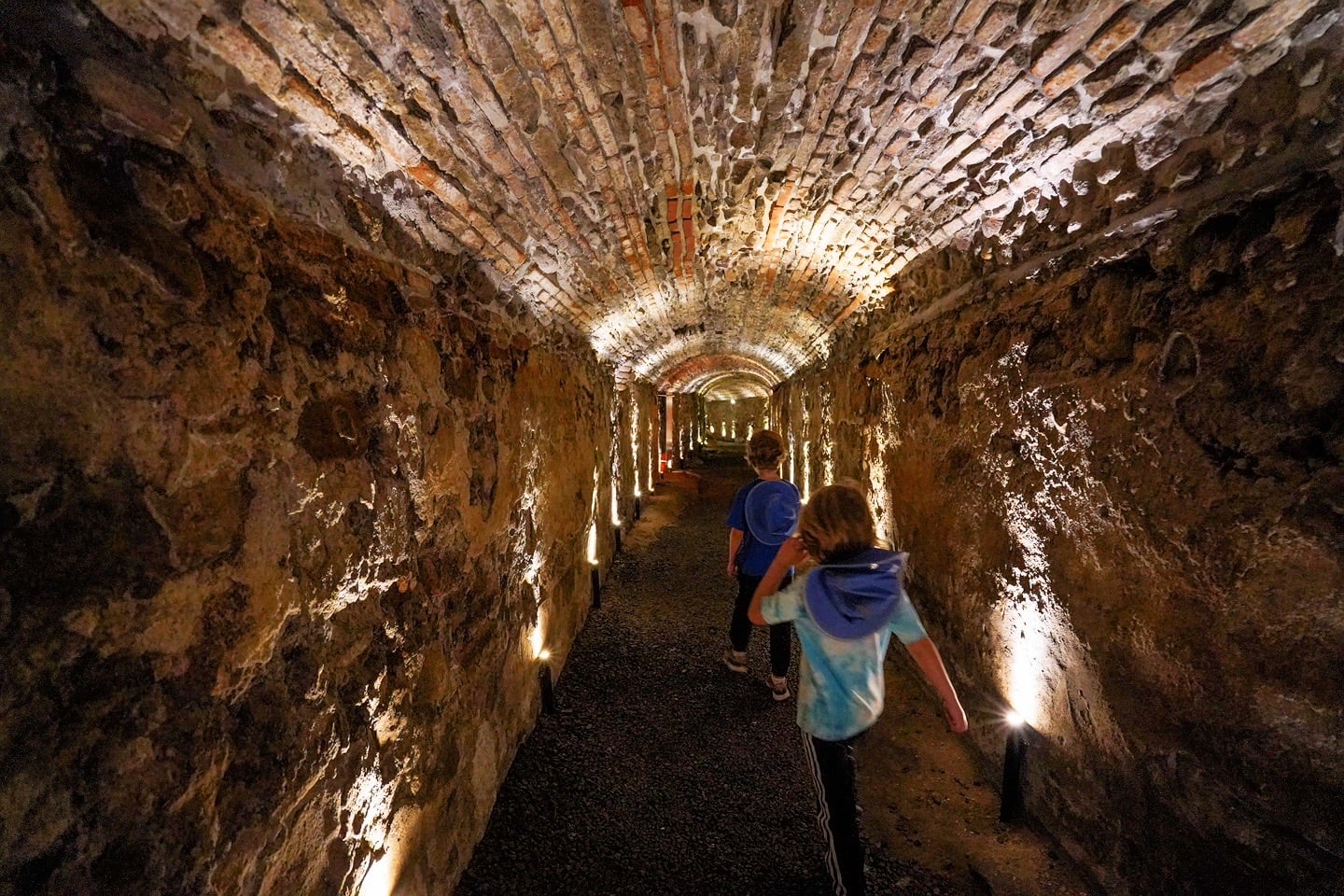
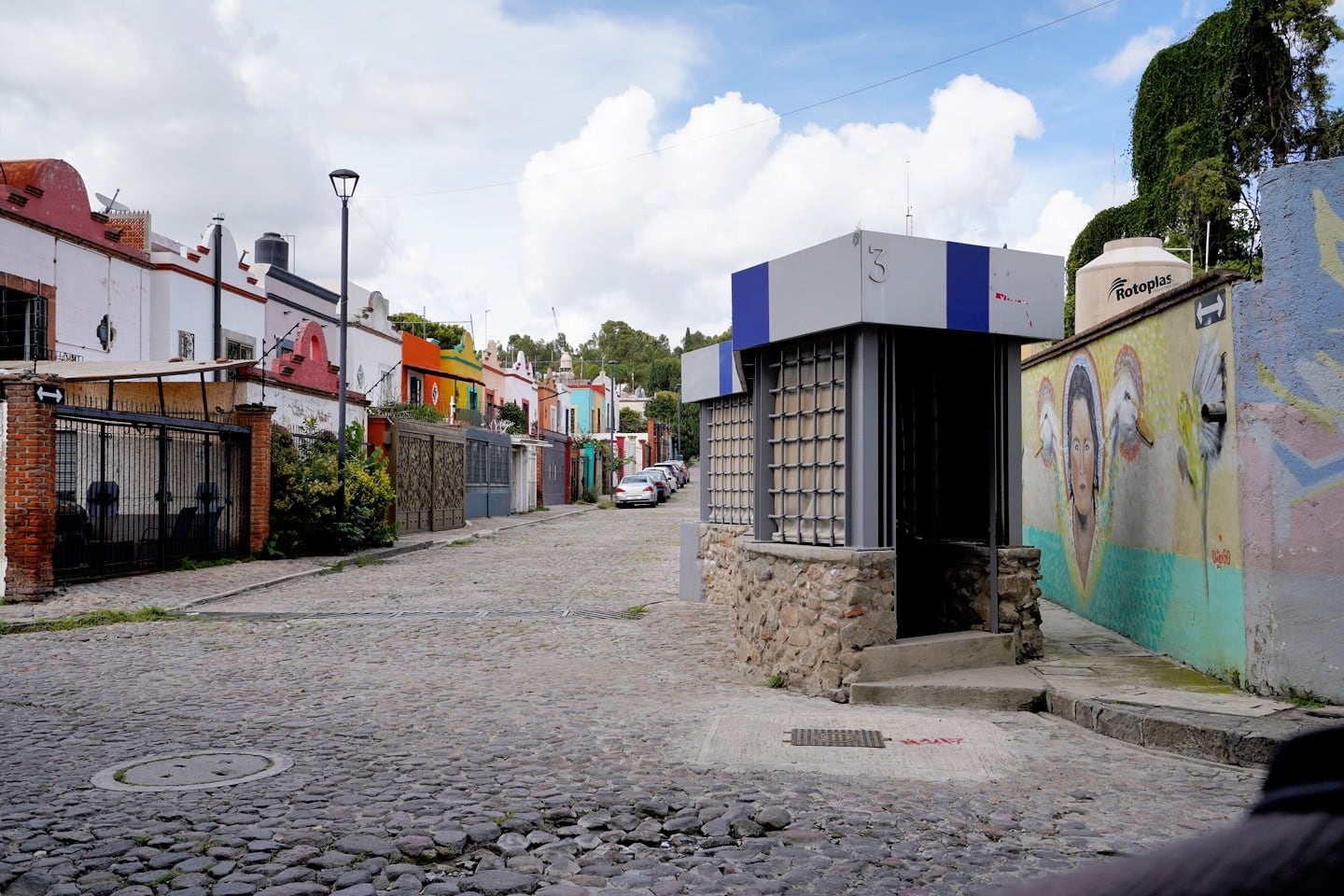
At one point, we had to resurface, cross a street, and head back down below.
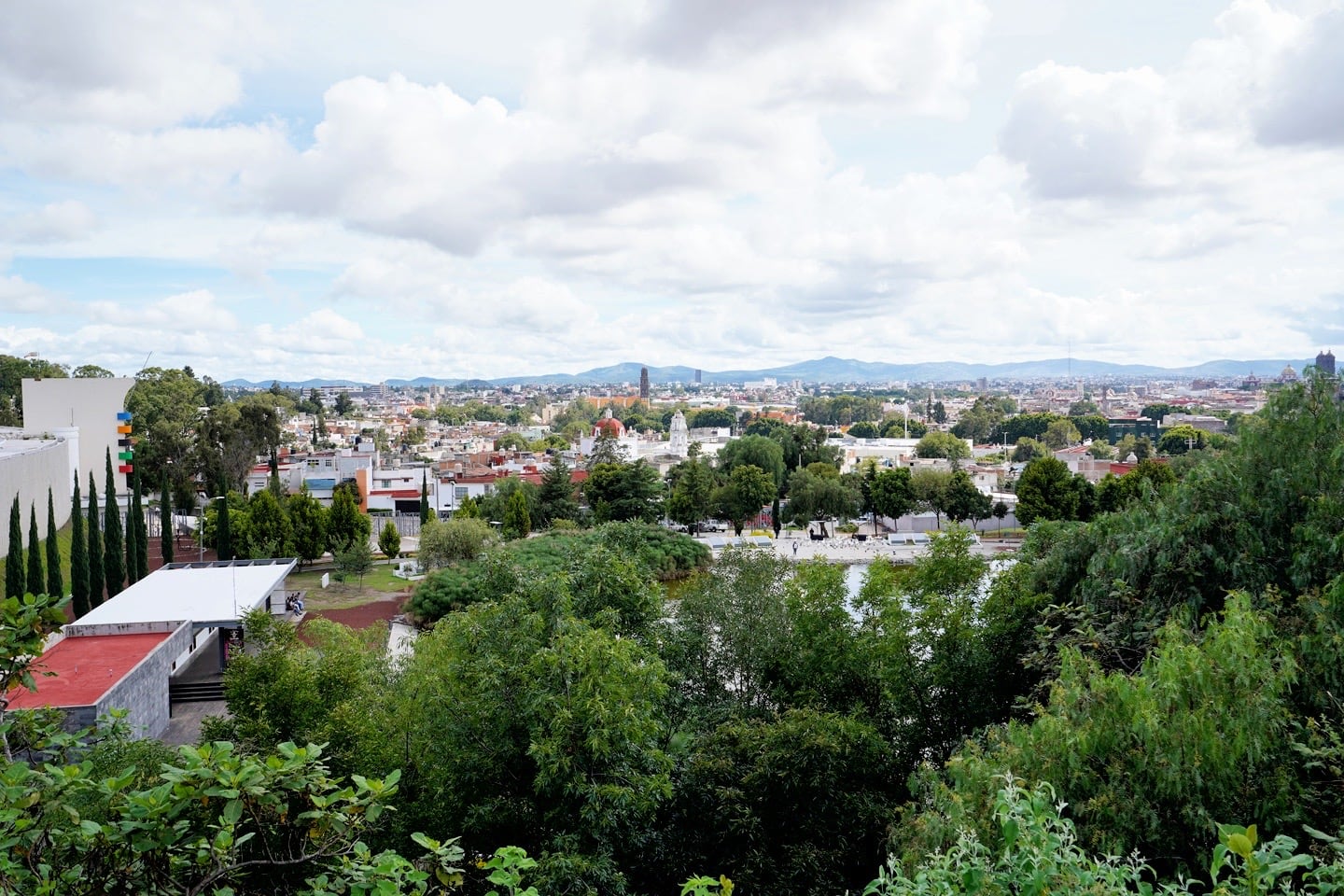
The tunnel exit drops you right in the heart of a sprawling park on a hill. Farther up the hill are a small collection of forts, the most significant and best preserved of which is Fort Loreto.
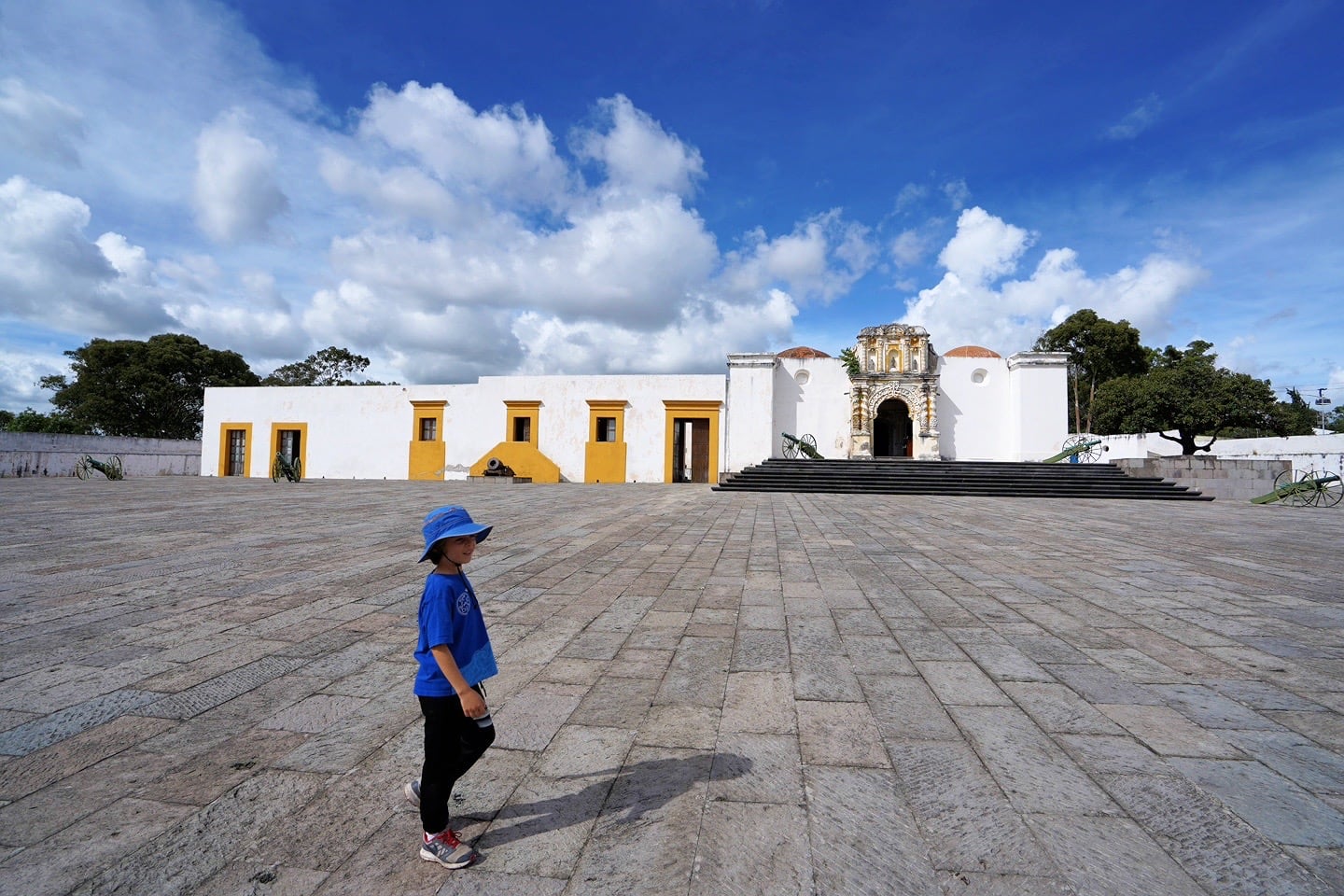
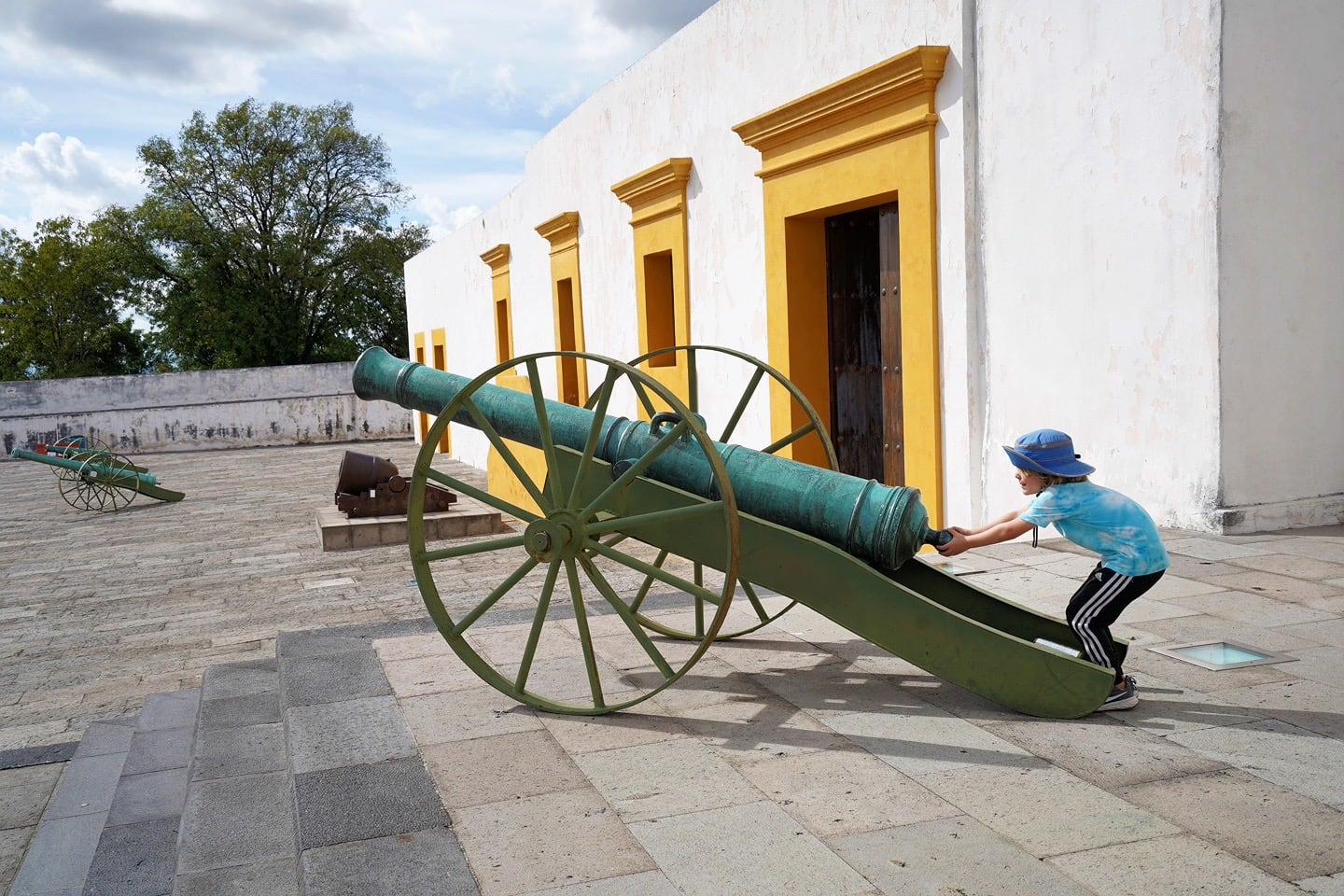
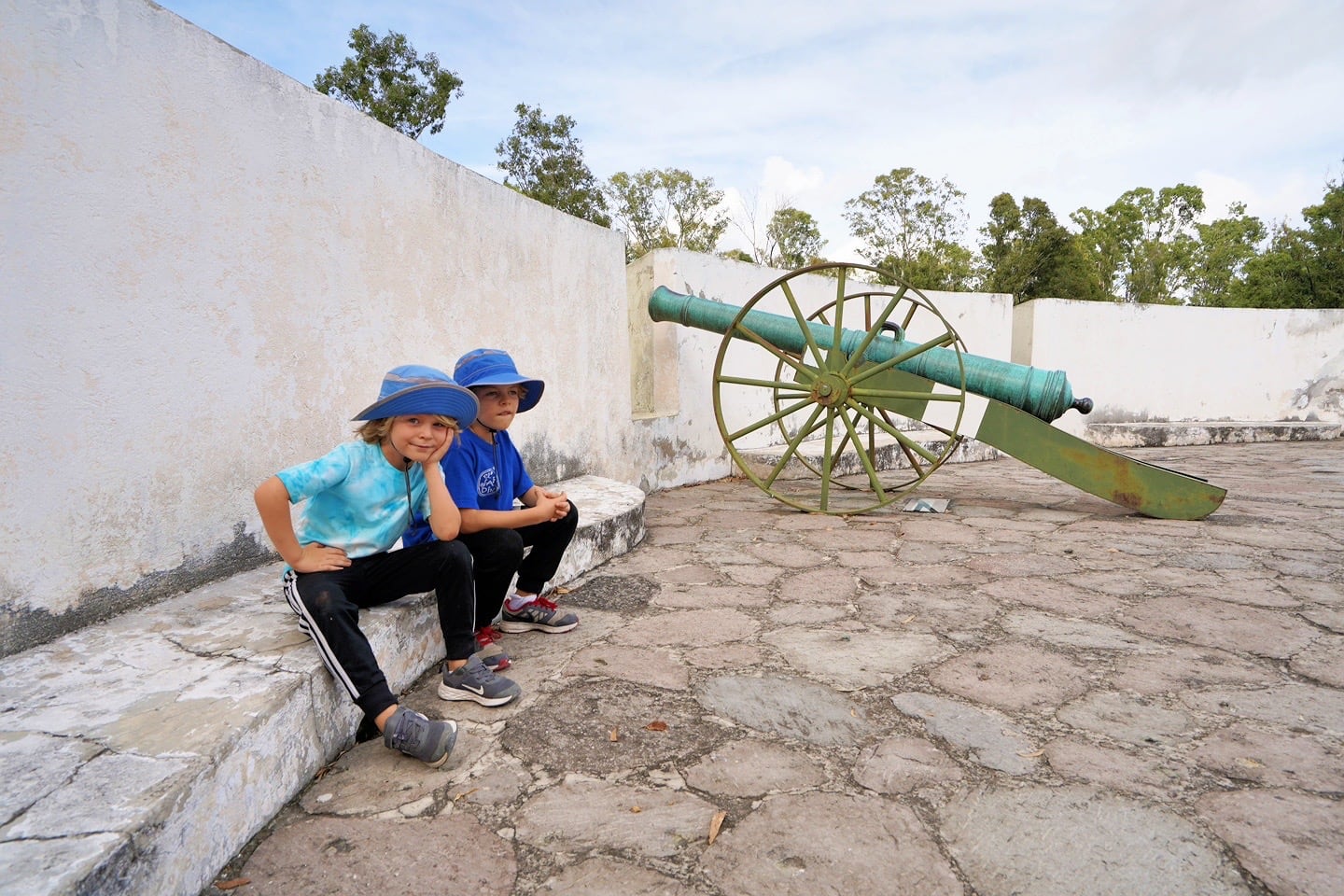
A jam-packed day full of lots of fun and interesting attractions and activities. The boys slept very well after logging six miles (16,000 steps) around town.
The historic center of Puebla is way more charming and interesting than I imagined. It is, after all, a UNESCO world heritage site, so I guess I shouldn’t have been surprised.
The fact that we have met so few travelers who pay a visit to Puebla planted the seeds of doubt in my mind. But I would certainly recommend at least a day’s visit to the city to anyone traveling through the region.