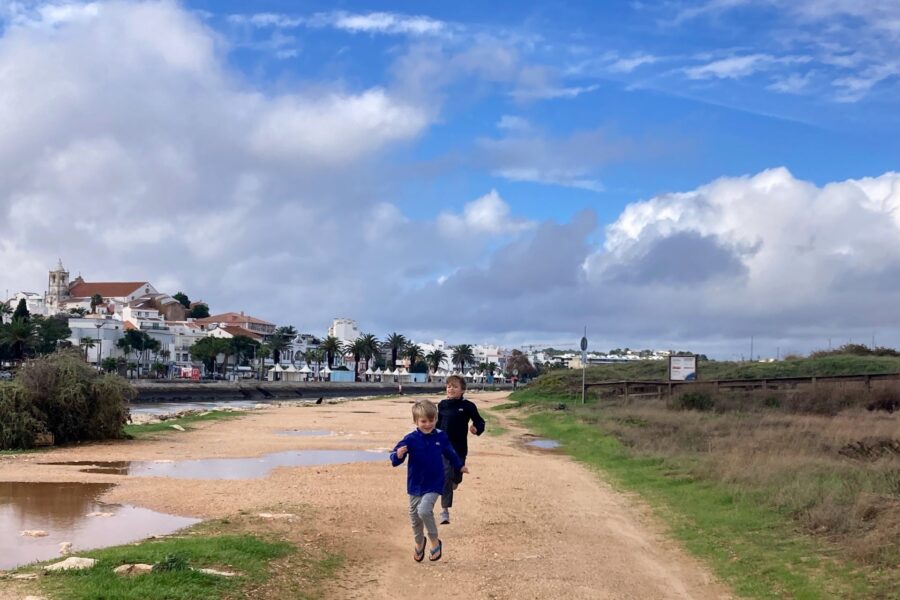
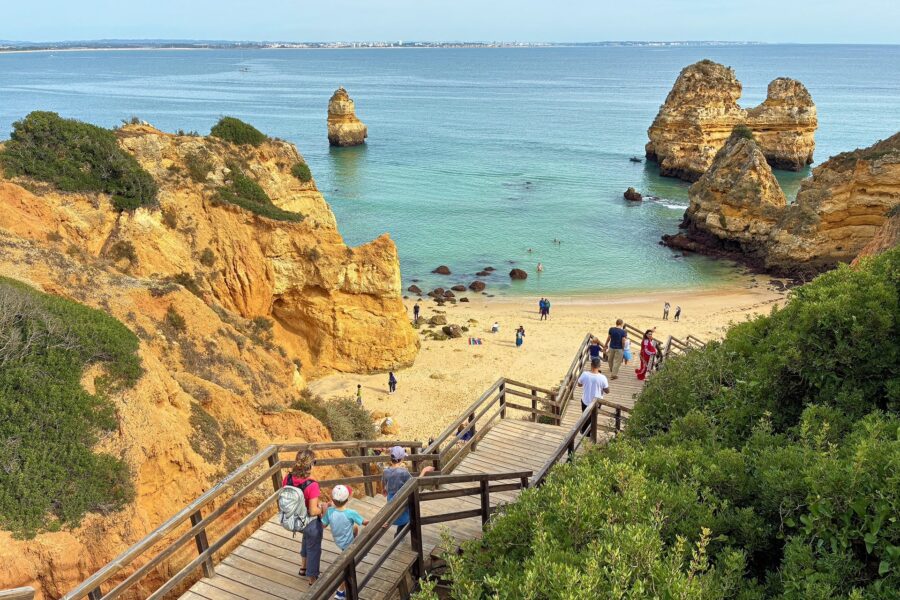
The Algarve is really a beautiful little corner of the world, and this time of year everything seems pretty low key.
When we made plans to spend the winter in Southern Portugal, I was a bit concerned that everyone else in Europe might have the same idea. But nope. November (at least) seems like a pretty darn good time to visit.
Our Euro-African Journey (So Far...)
I can only imagine what things are like in Old Town and on the beaches during the summer months. Scratch that. I think I’d rather not know.
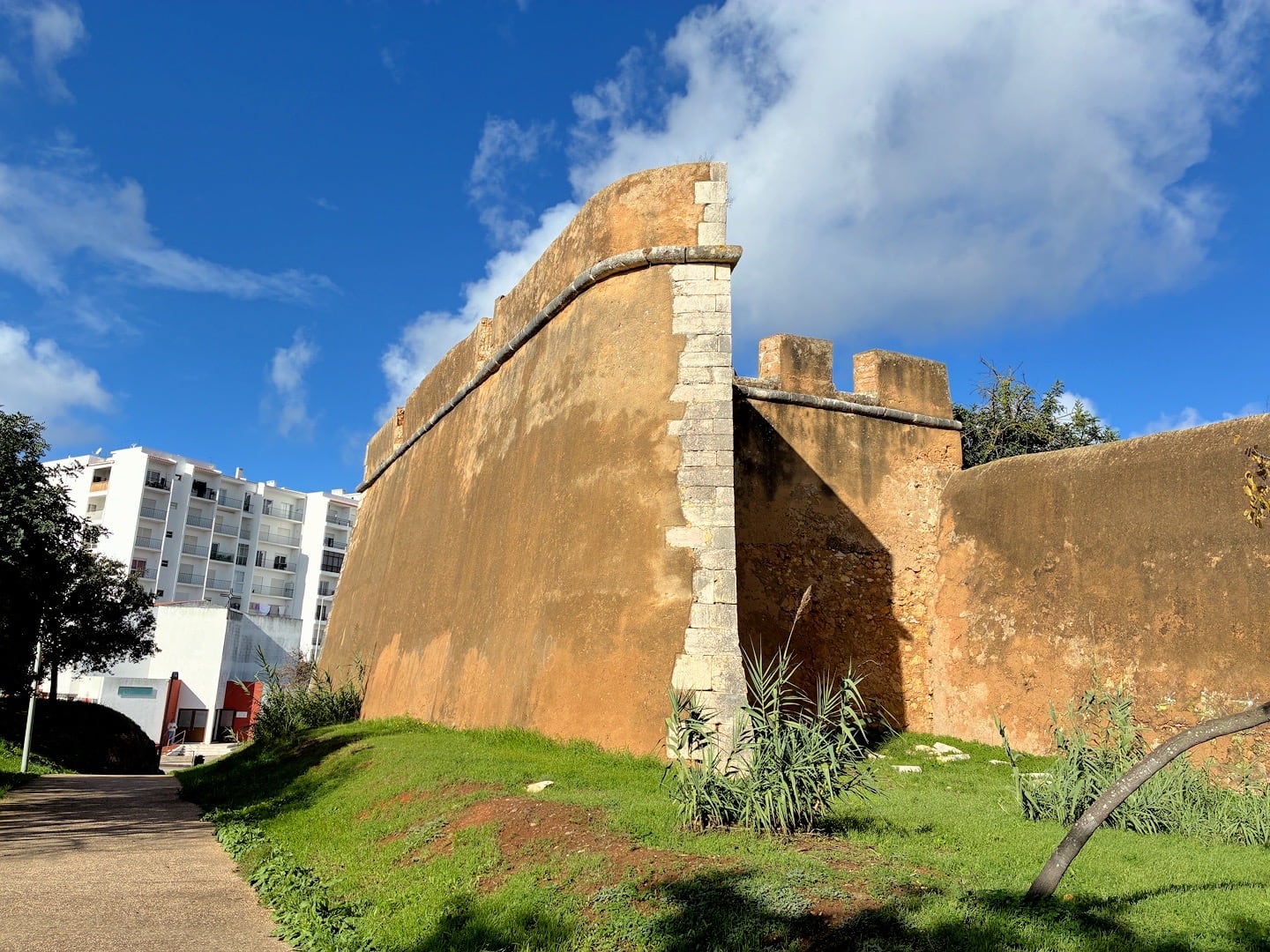
The days are just rolling by here in Lagos. We’re really enjoying the post-Claudia [storm] sunshine and warmer temps—and trying to get outside as much as possible—something we’ve grown accustomed to in Mexico in November, but know we could rarely do growing up in the Pacific Northwest.
The boys have no idea.
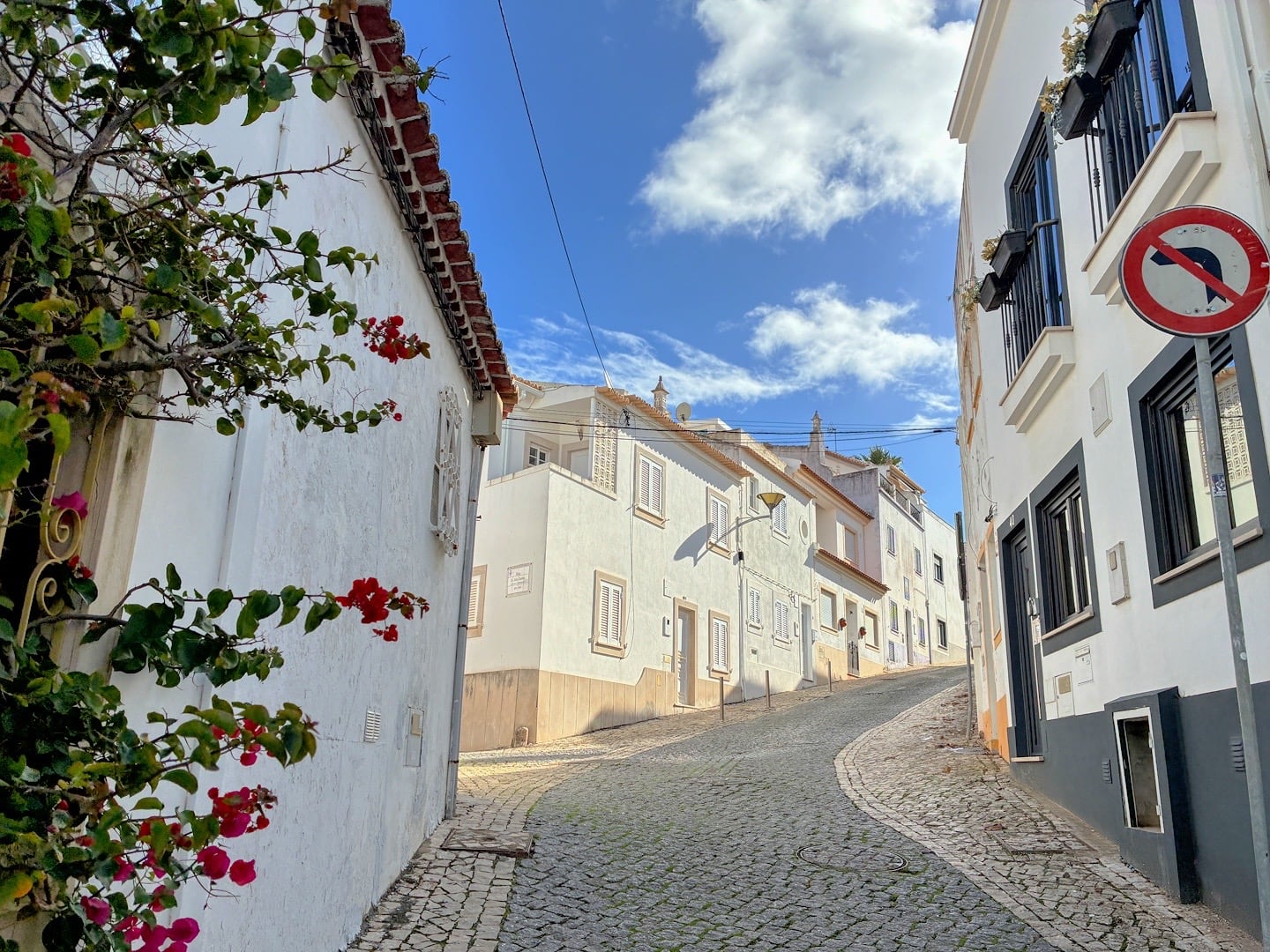
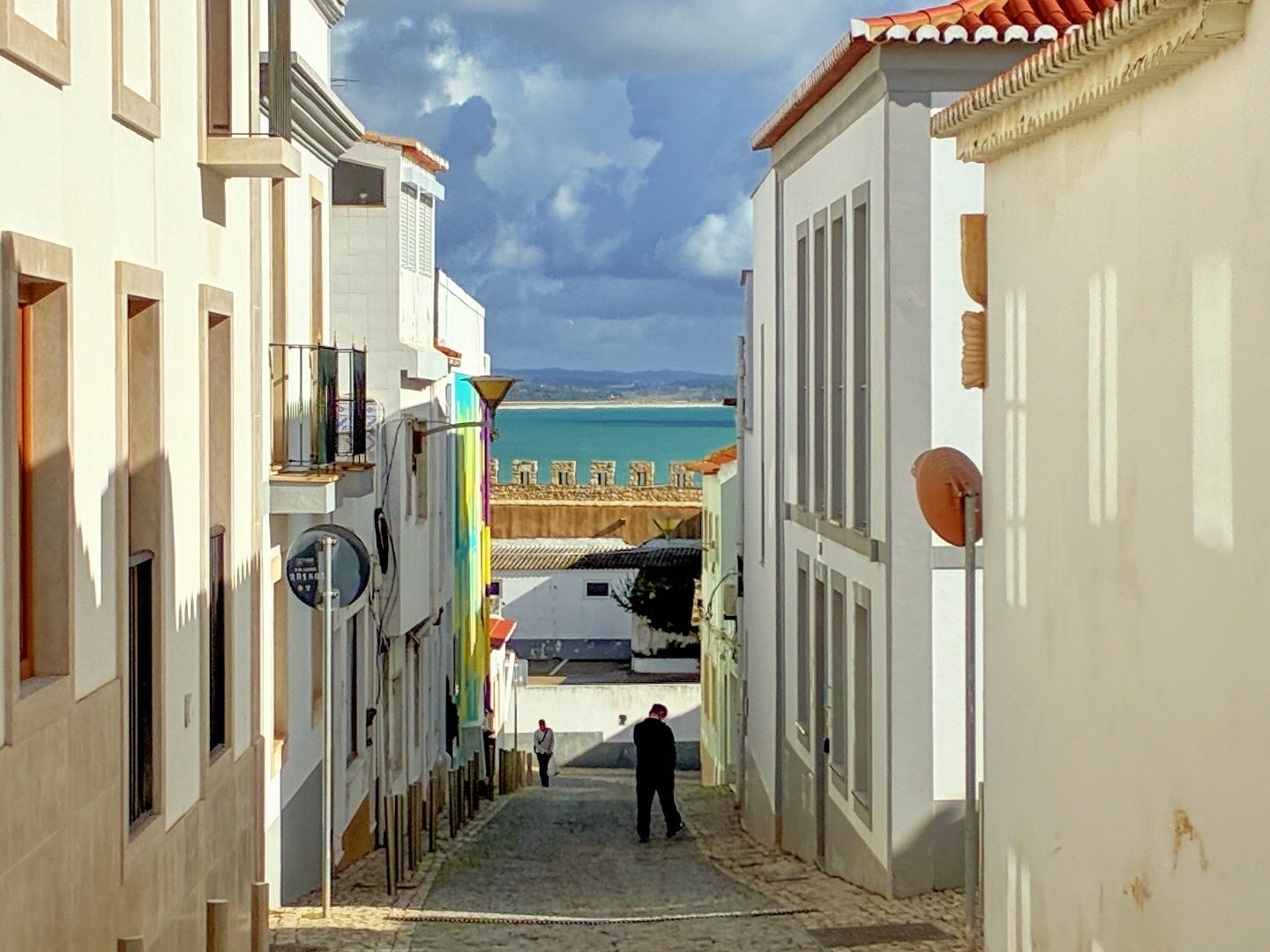
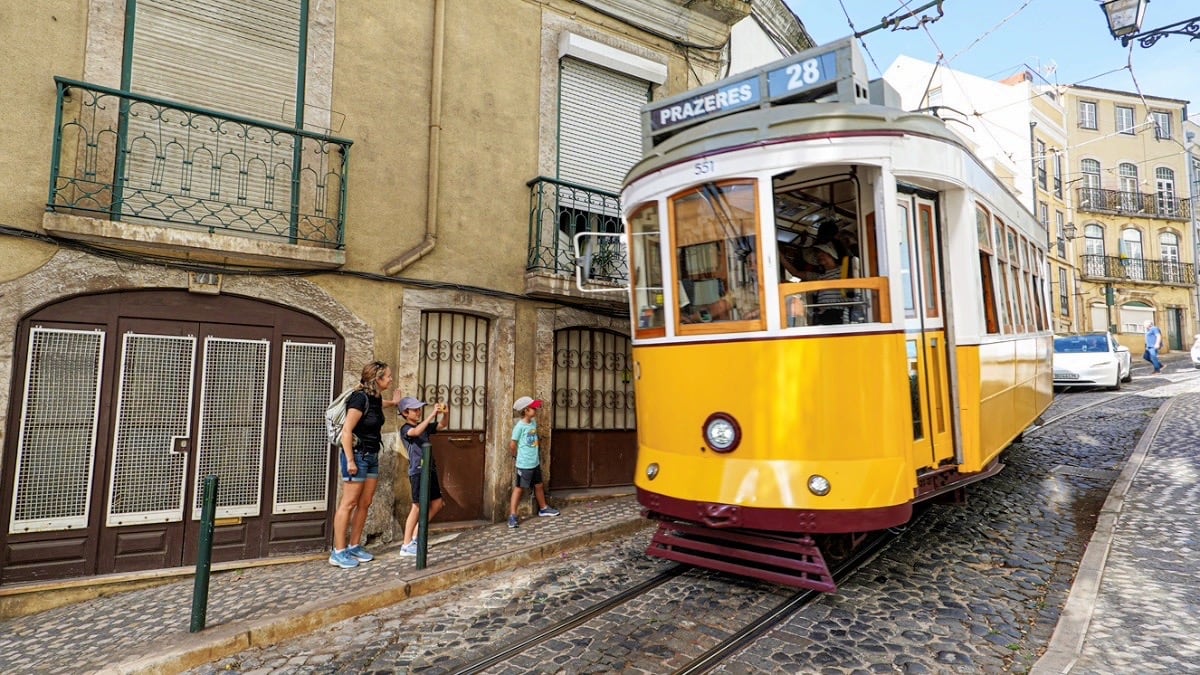
Every morning, I’ve been eying people on the streets below our apartment walking back from this or that bakery with fresh pastries.
By Sunday, I had seen enough. I made it a personal mission to do the same for our own brunch.
But there was a snag. A pretty big one, actually.
Apparently, in Portugal (or at least in Lagos), padarias (bakeries) are closed Sundays. SUNDAYS.
This blew my mind. In Mexico, Sunday is THE day when the chosen family member buys out the bakery or pastry shop for the pre-church feeding frenzy. In Lagos, every one of the seven bakeries in town is shuttered on Sundays.
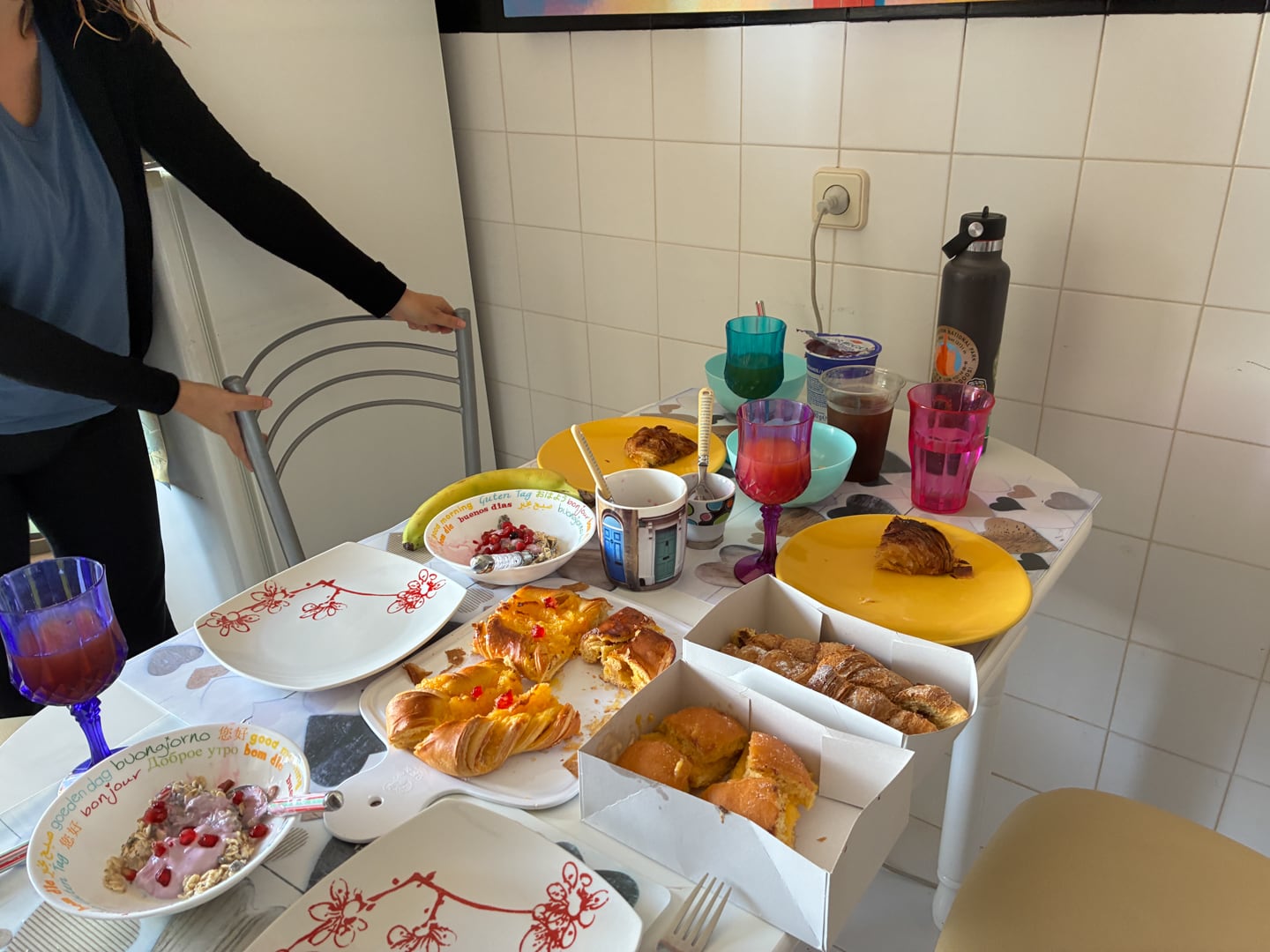
I returned the next day with Riley to the venerable Padaria Central and picked out a half dozen of what looked good, for easily less money than I’ve ever spent on six pastries.
In Mexico, they almost always look better than they actually taste. Was this the case in Lagos? NO! These pastries were fresh, sweet, and delicious. This might be our new Monday tradition.
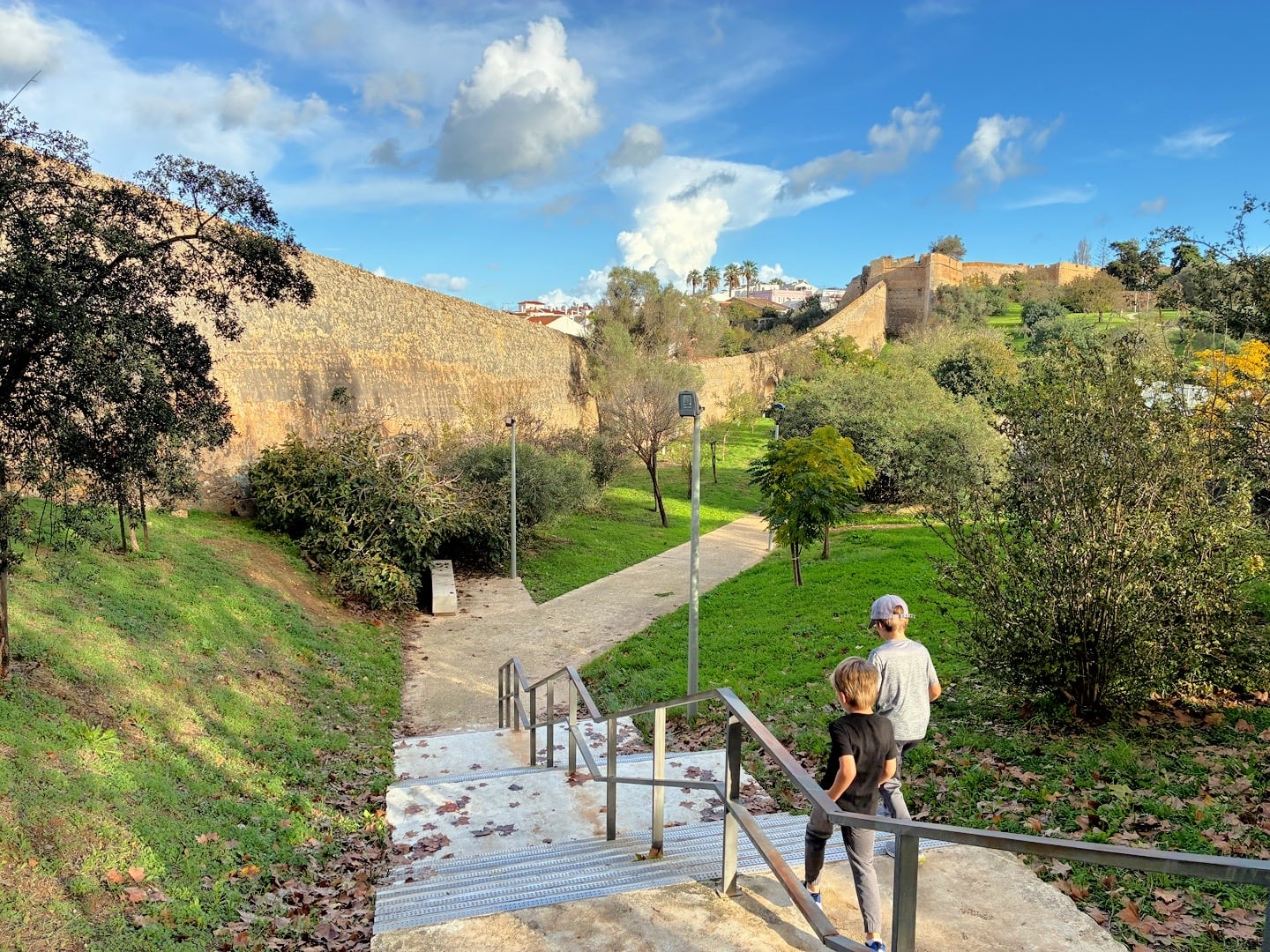
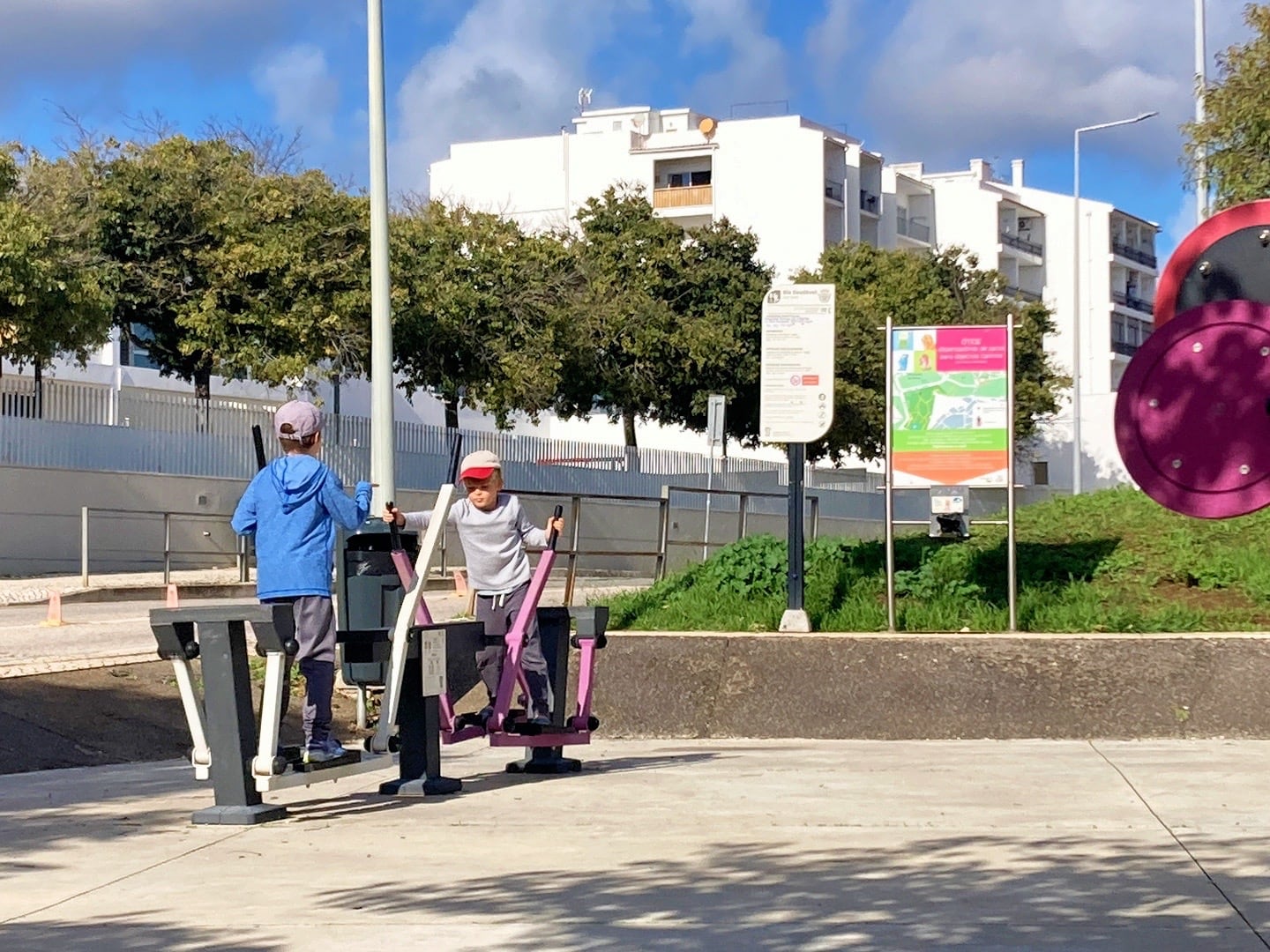
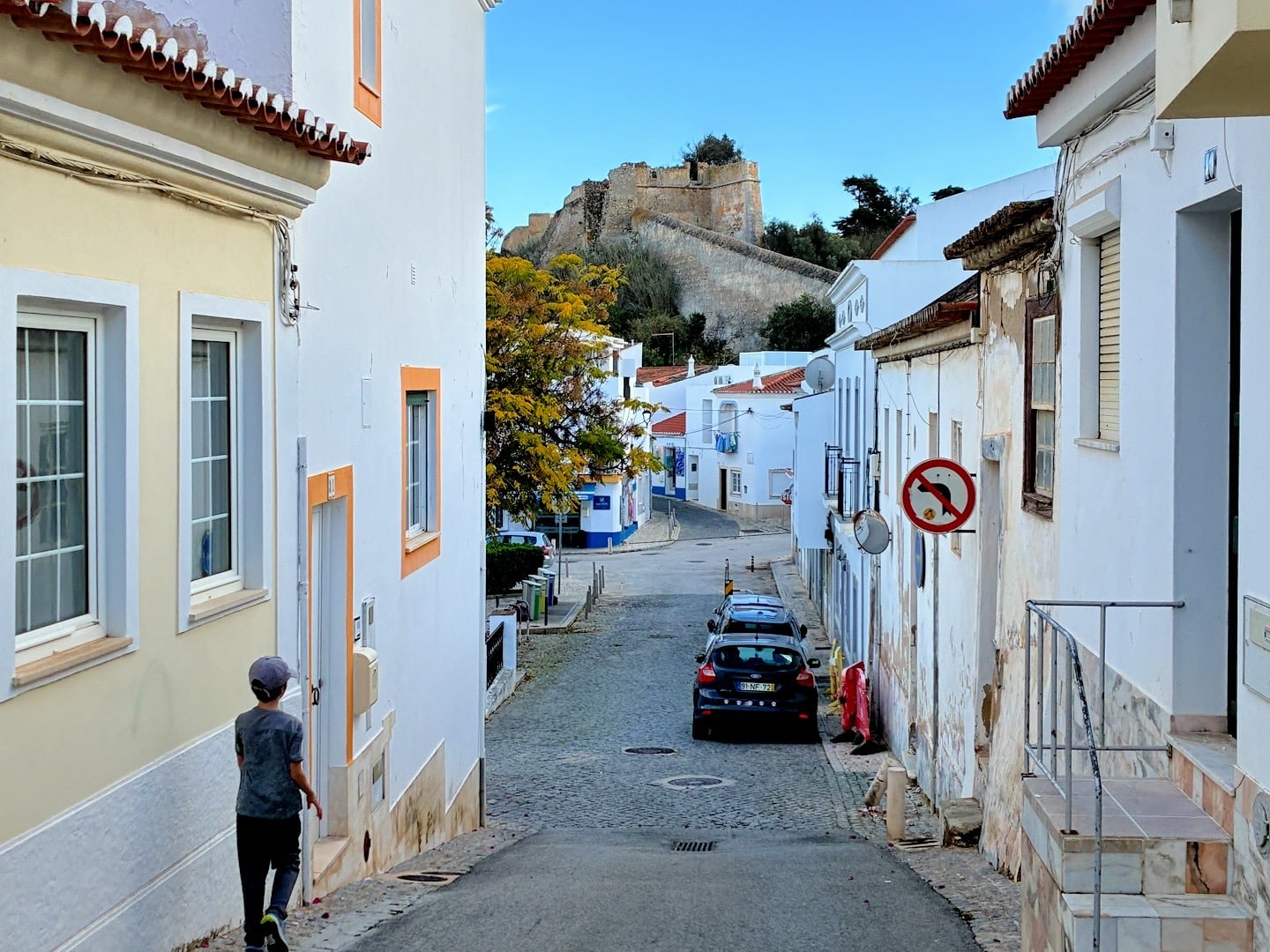
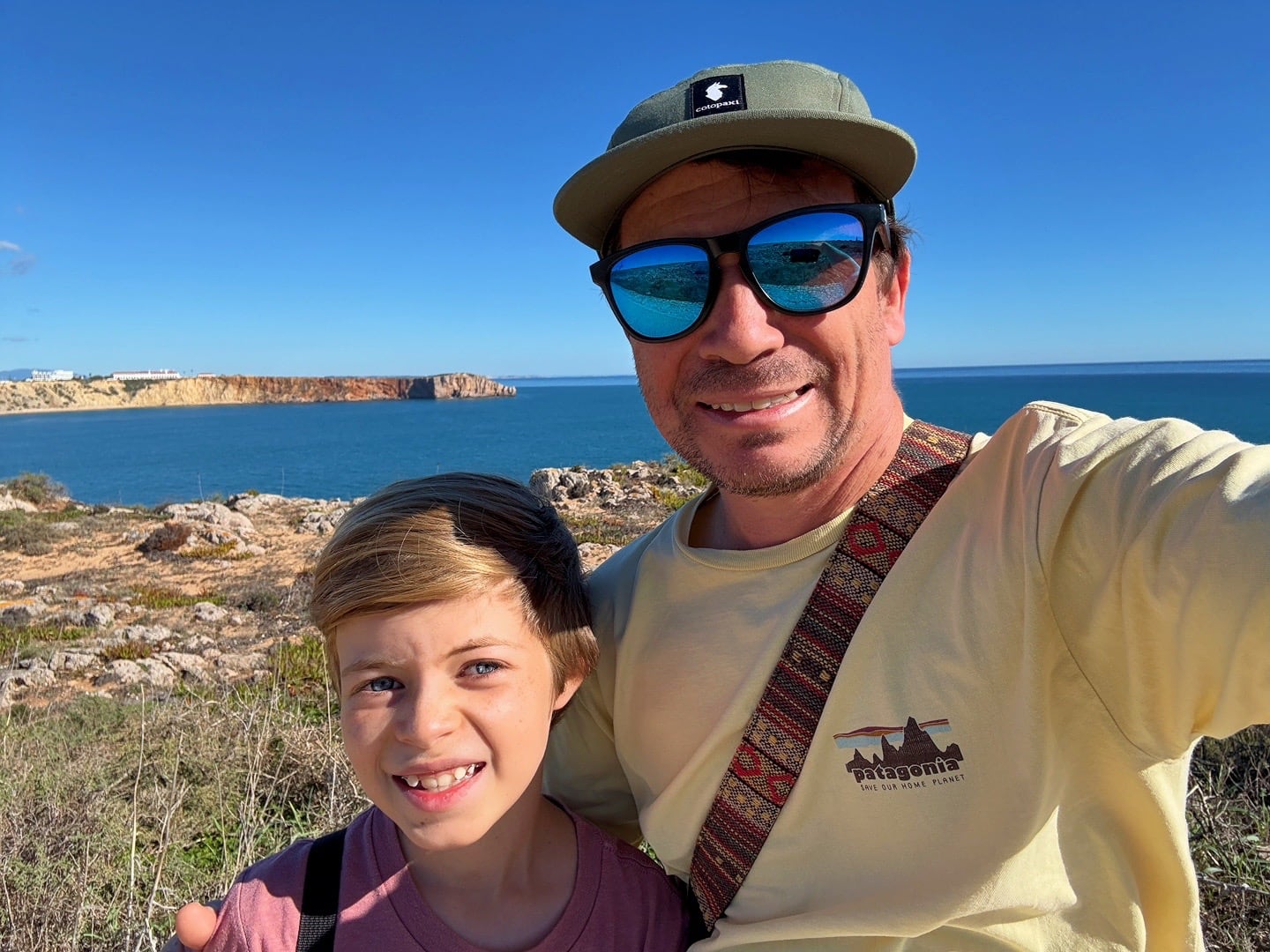
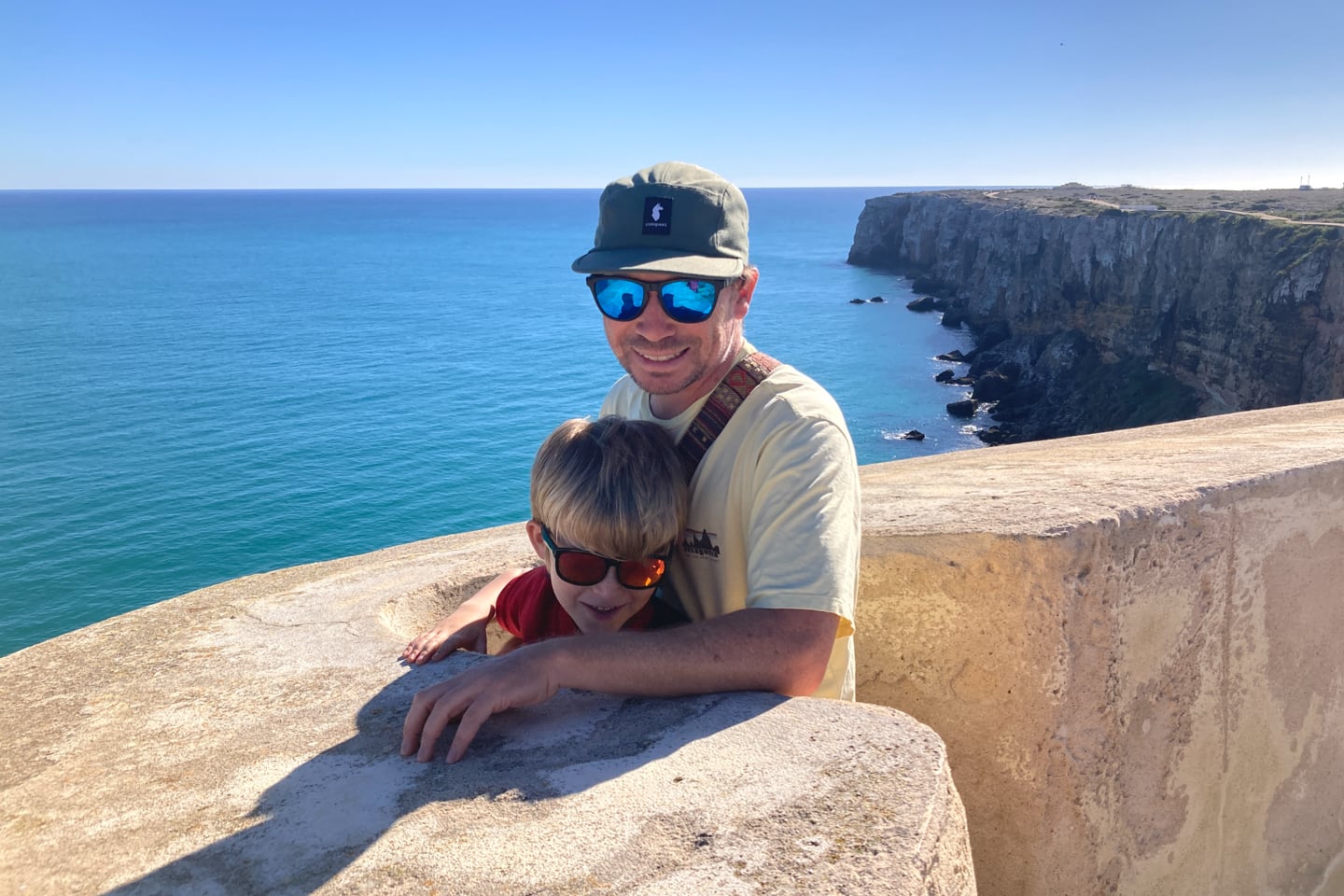
Taking the boys out on a daddy outing around the neighborhood.
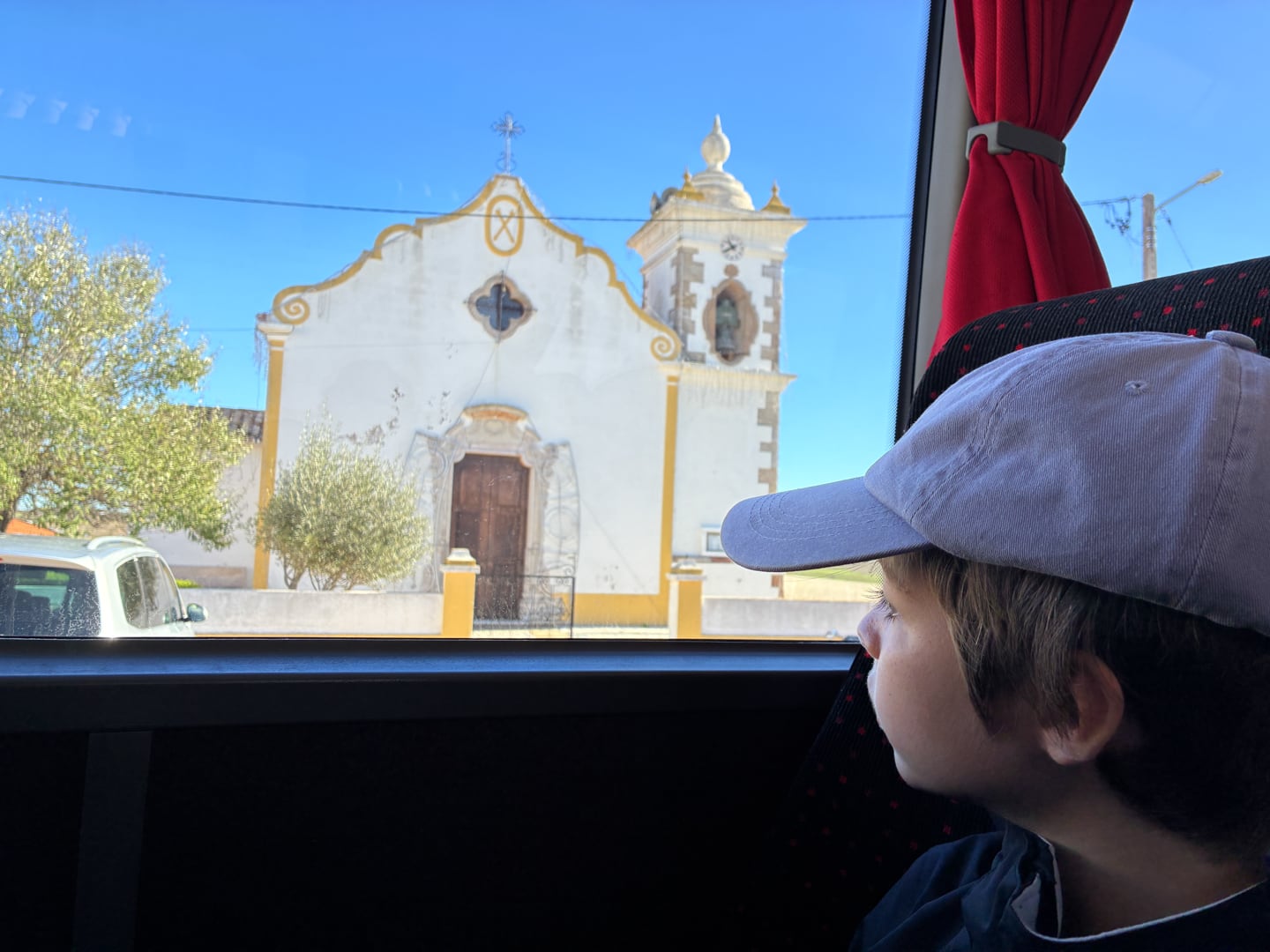
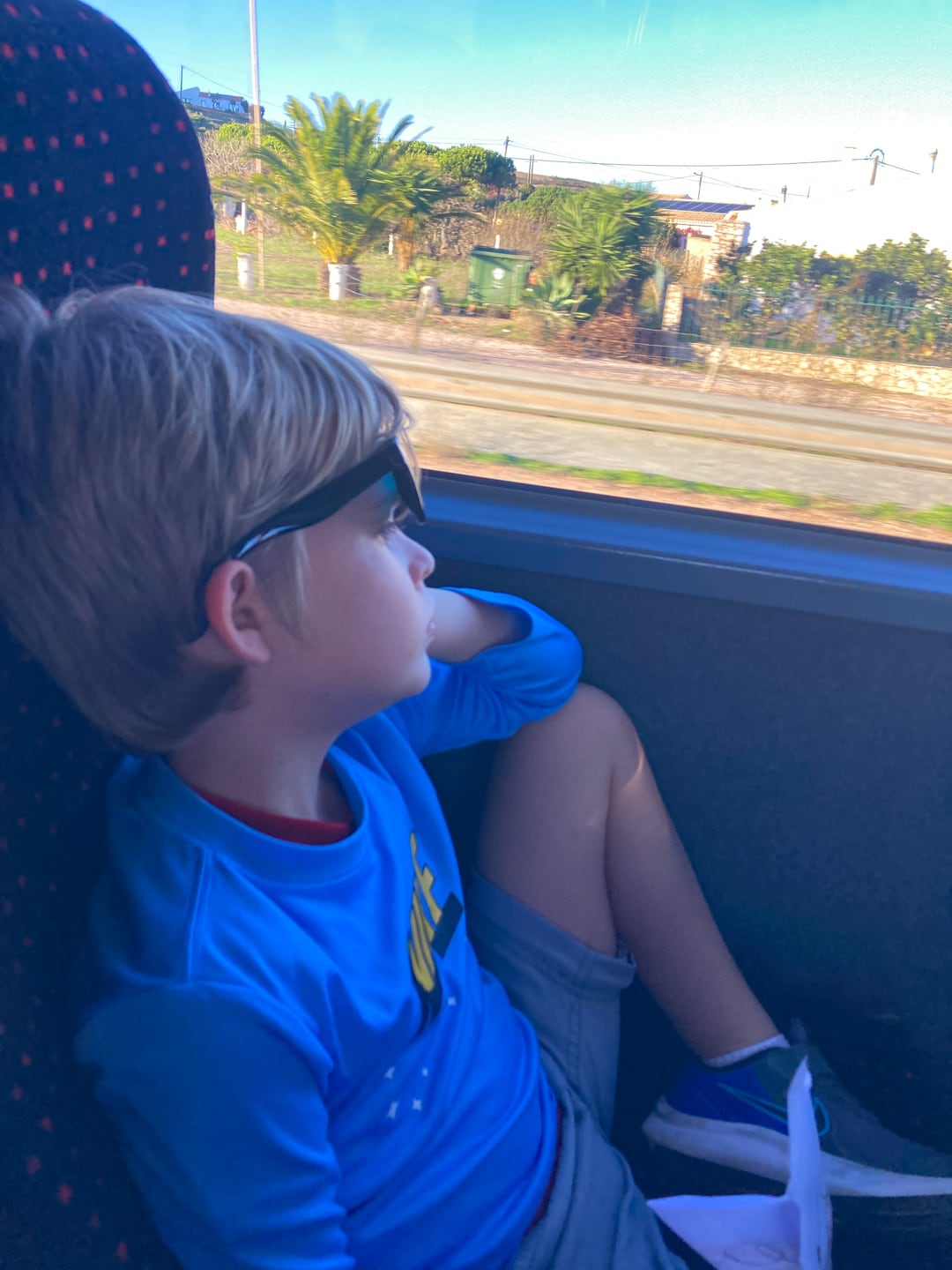
We set aside Tuesday for a day trip to Sagres. An hour’s journey on the Vamus intercity bus gets you to the End of the World.
Another twenty gets you to the END of the End of the World—Cabo do São Vicente—but we’ll save that one for another time.
In addition to being famous throughout Europe as the “End of the World,” Sagres, Portugal, is also known for its dramatic cliffs, important role in the Age of Discovery (home to Henry the Navigator’s navigation school), surf scene, hiking, and birthplace of Portugal’s most well-known beer, Sagres.
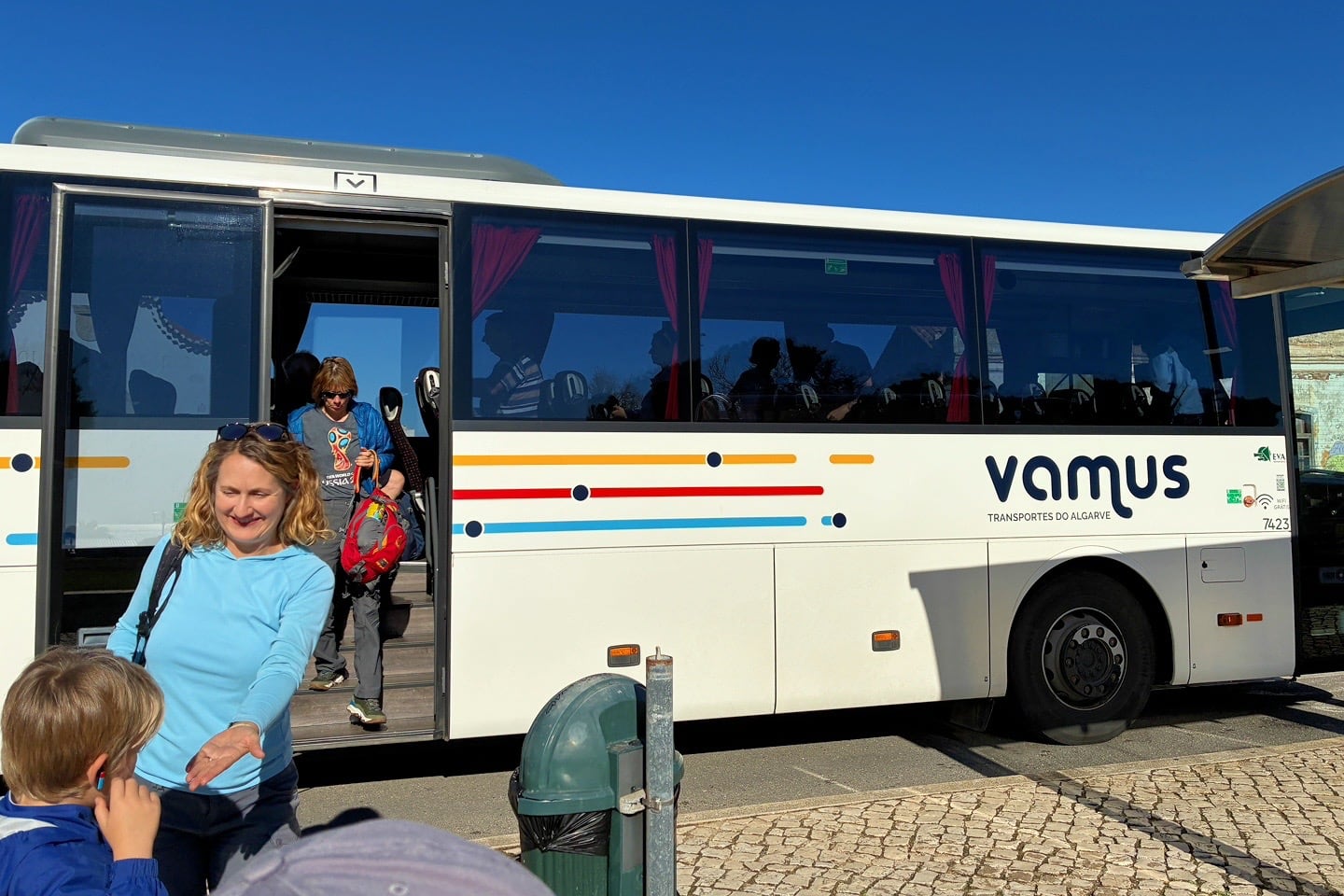
The bus dropped us in the town’s main square. There wasn’t a whole lot going on, so we headed towards the beach.
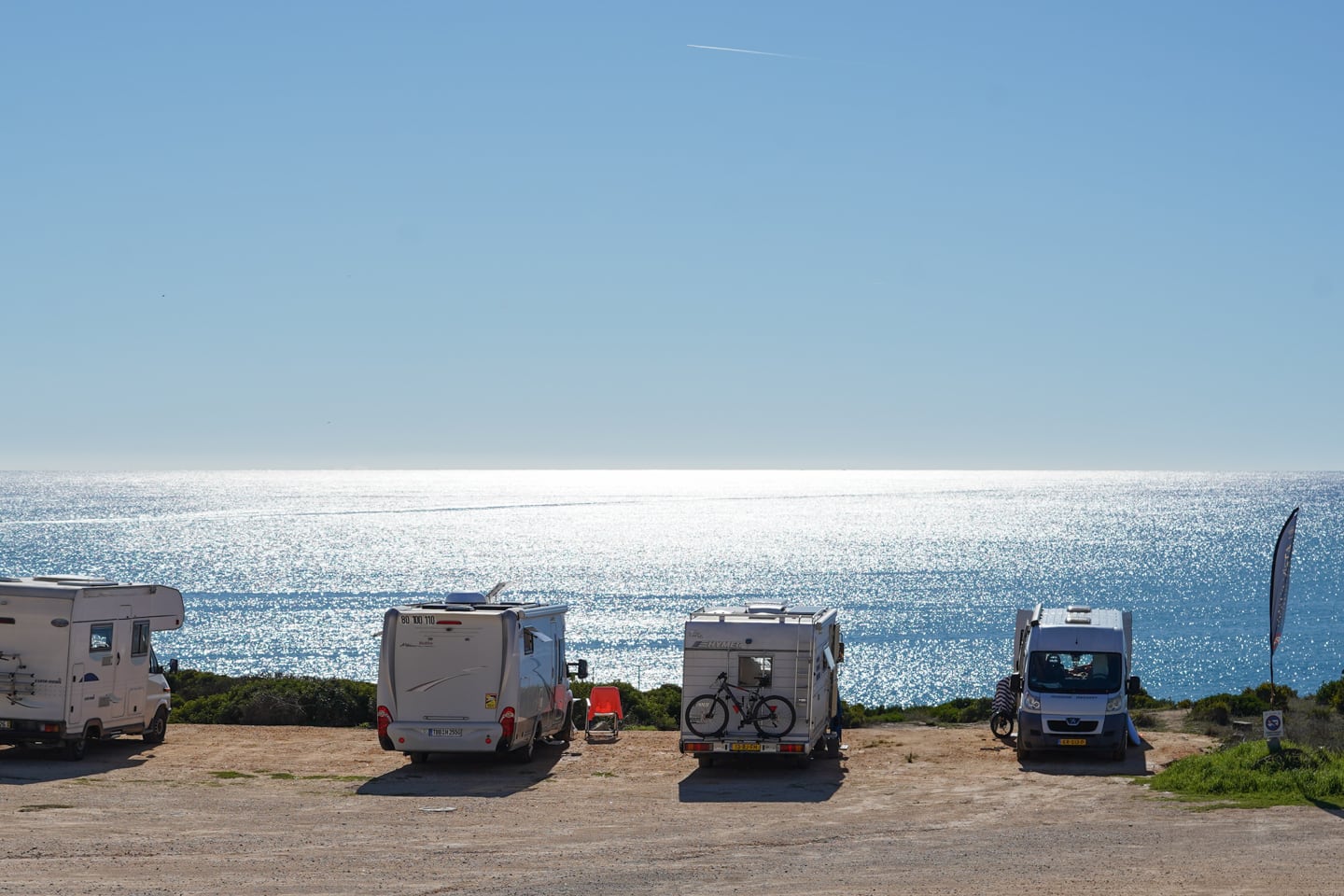
The Algarve is a popular place for RVers this time of year. Euro campers all look so compact and efficient compared to their New World cousins.
If you’re a couple traveling without kids, you really don’t need anything more than this. If Lori and I could get our hands on one when the kids are grown, we’d be totally content with that.
The snowbirds who take over Northern Mexico in the wintertime with their 40-foot Class A monsters might disagree with me, however.
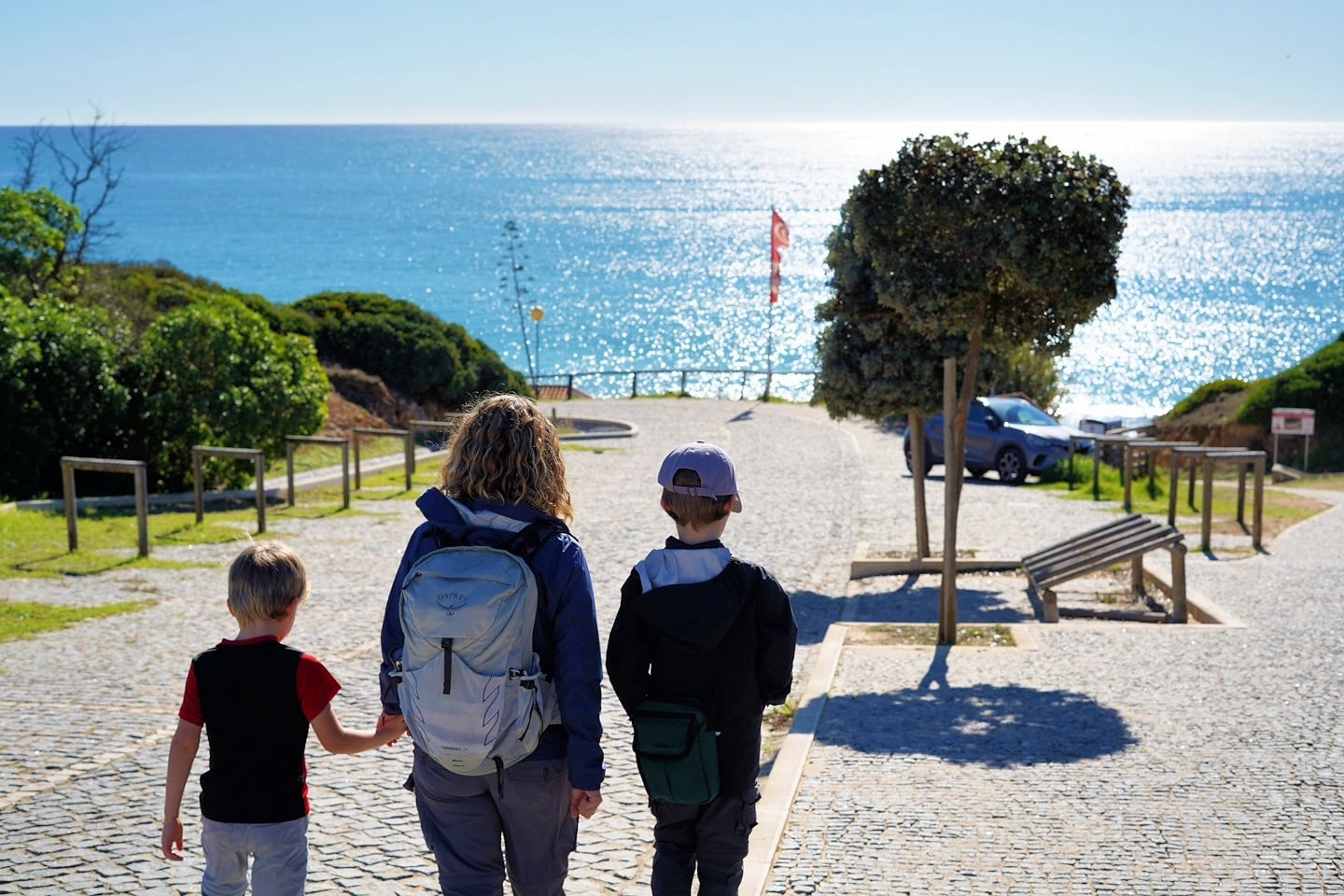
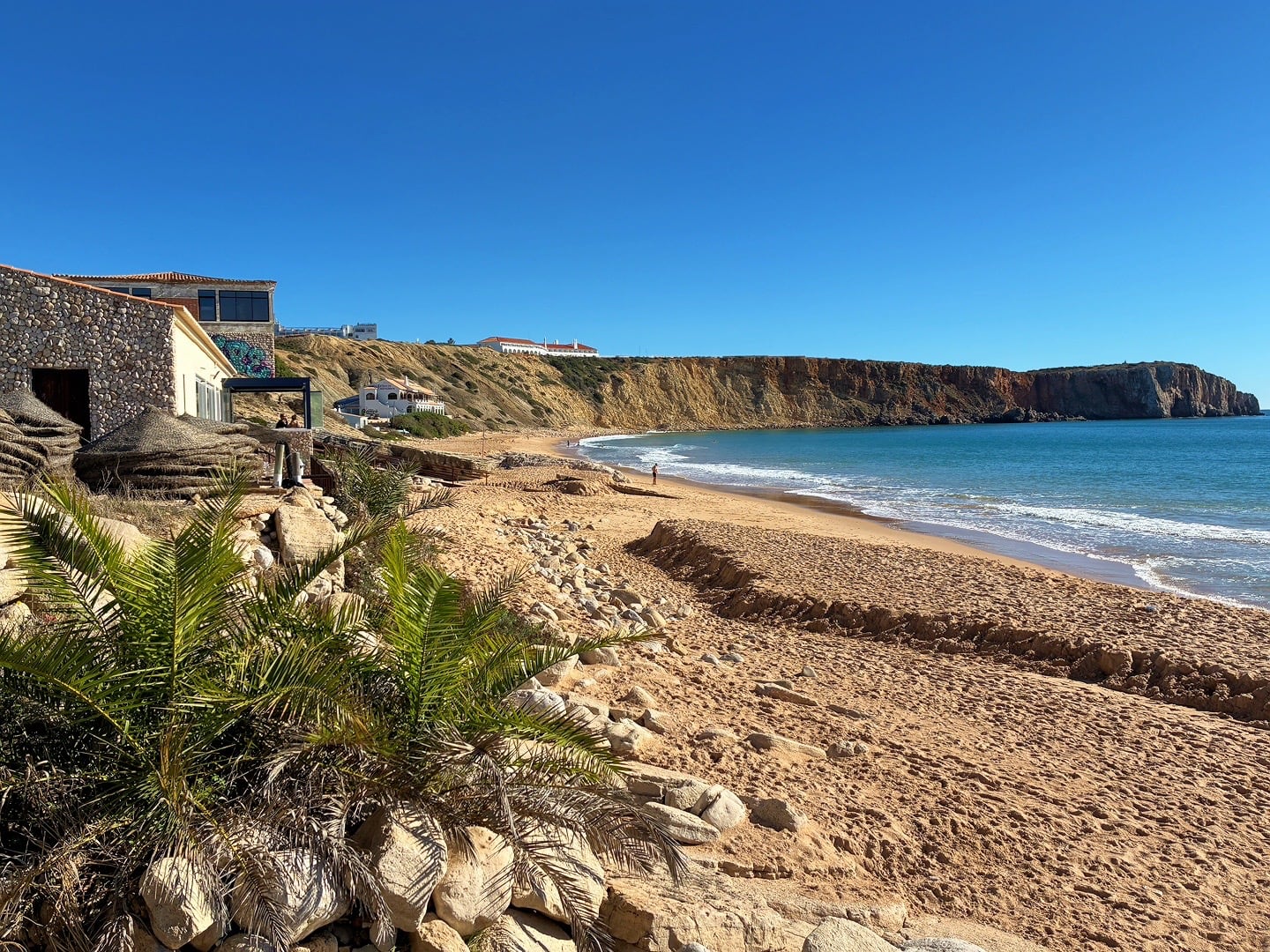
The main beach in Sagres Town (Praia da Mareta) looked super inviting. Too inviting, in fact. Blue skies, beachgoers wading into the water in their skivvies (and some with nothing at all).
Could the water here be that much warmer than in Lagos?
Nope. Just as cold. People are just crazier at the End of the World, I suppose.
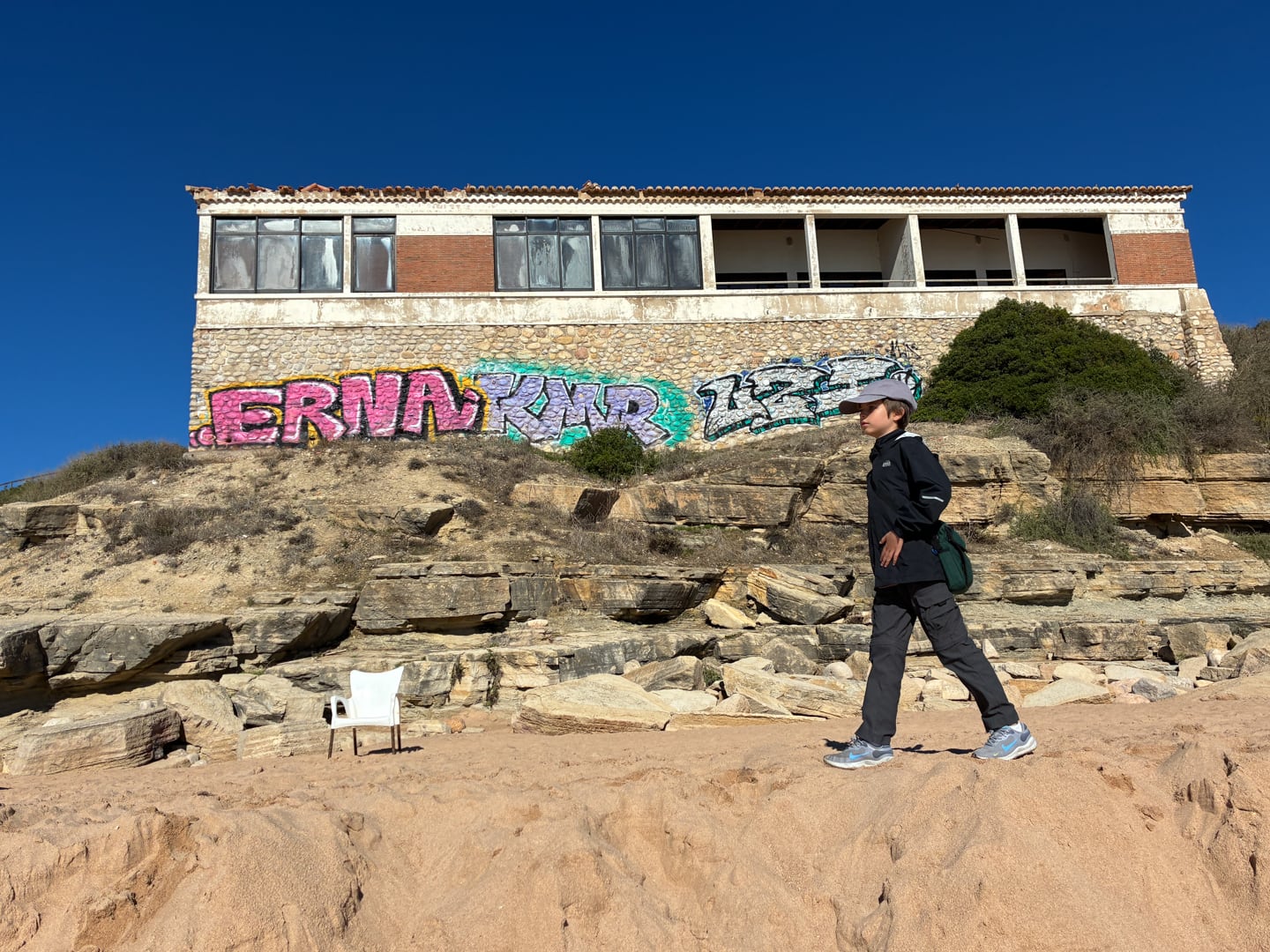
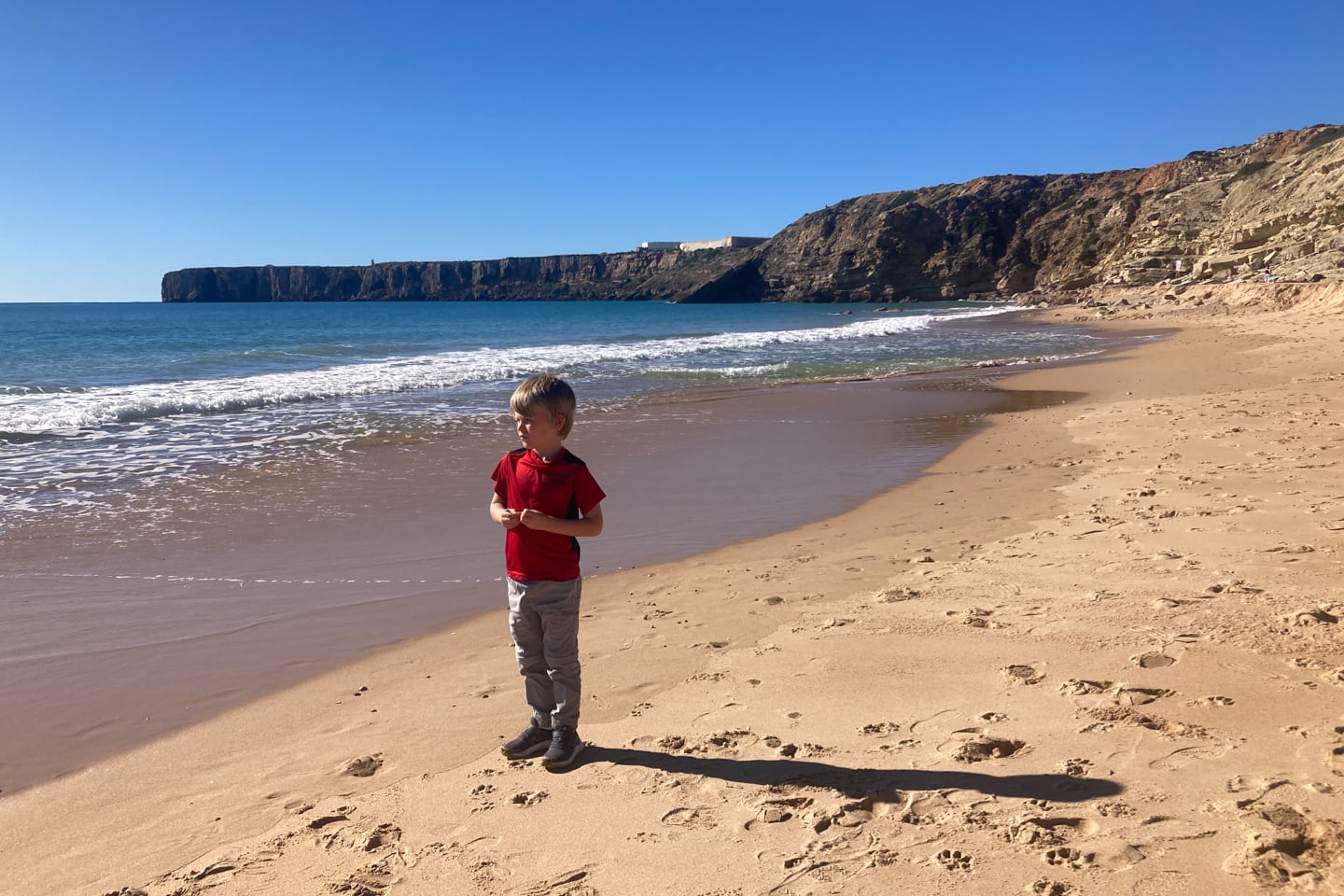
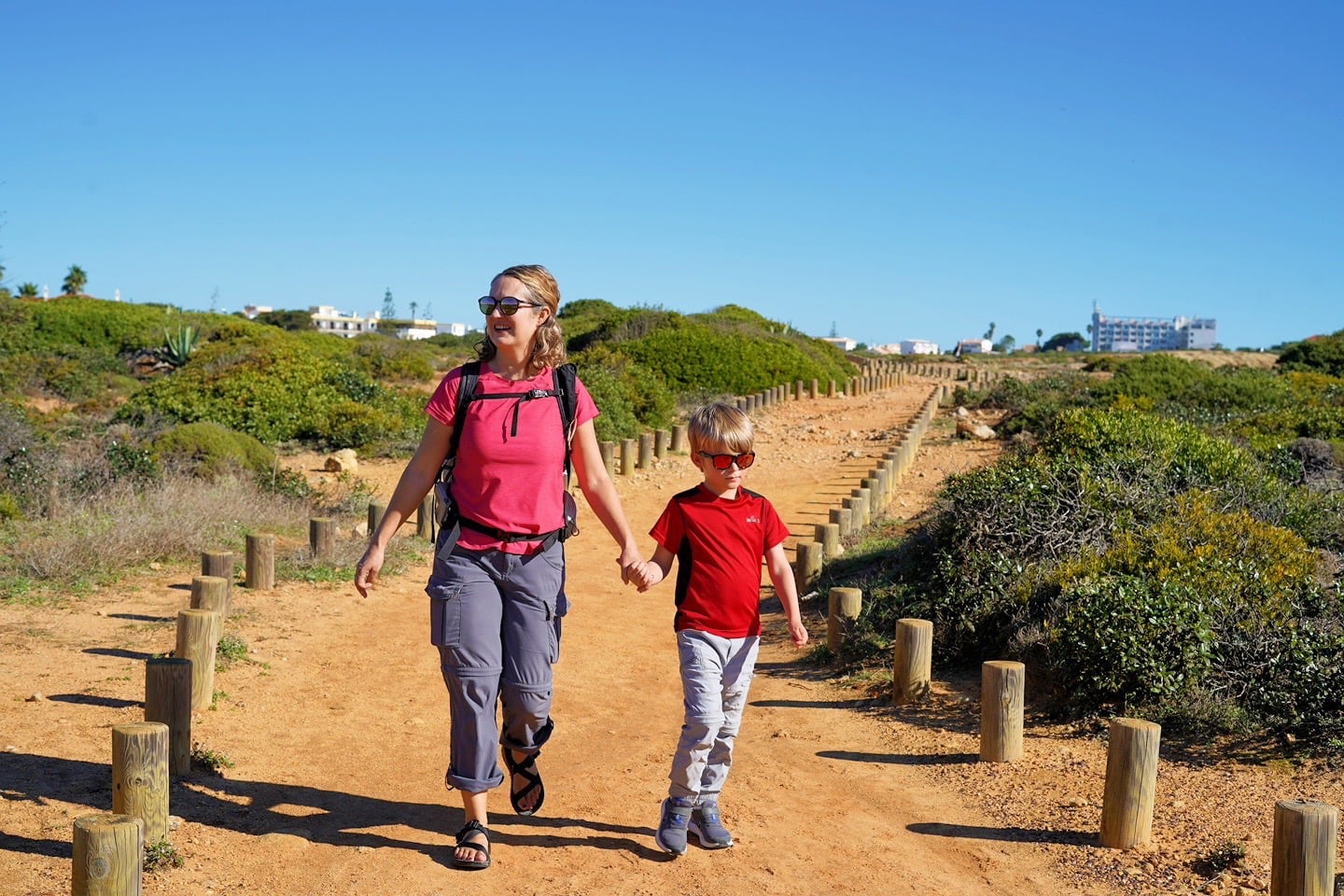
A short walk along the tops of the cliffs got us to the town’s main attraction: The Cape and Fort of Sagres (Fortaleza de Sagres).
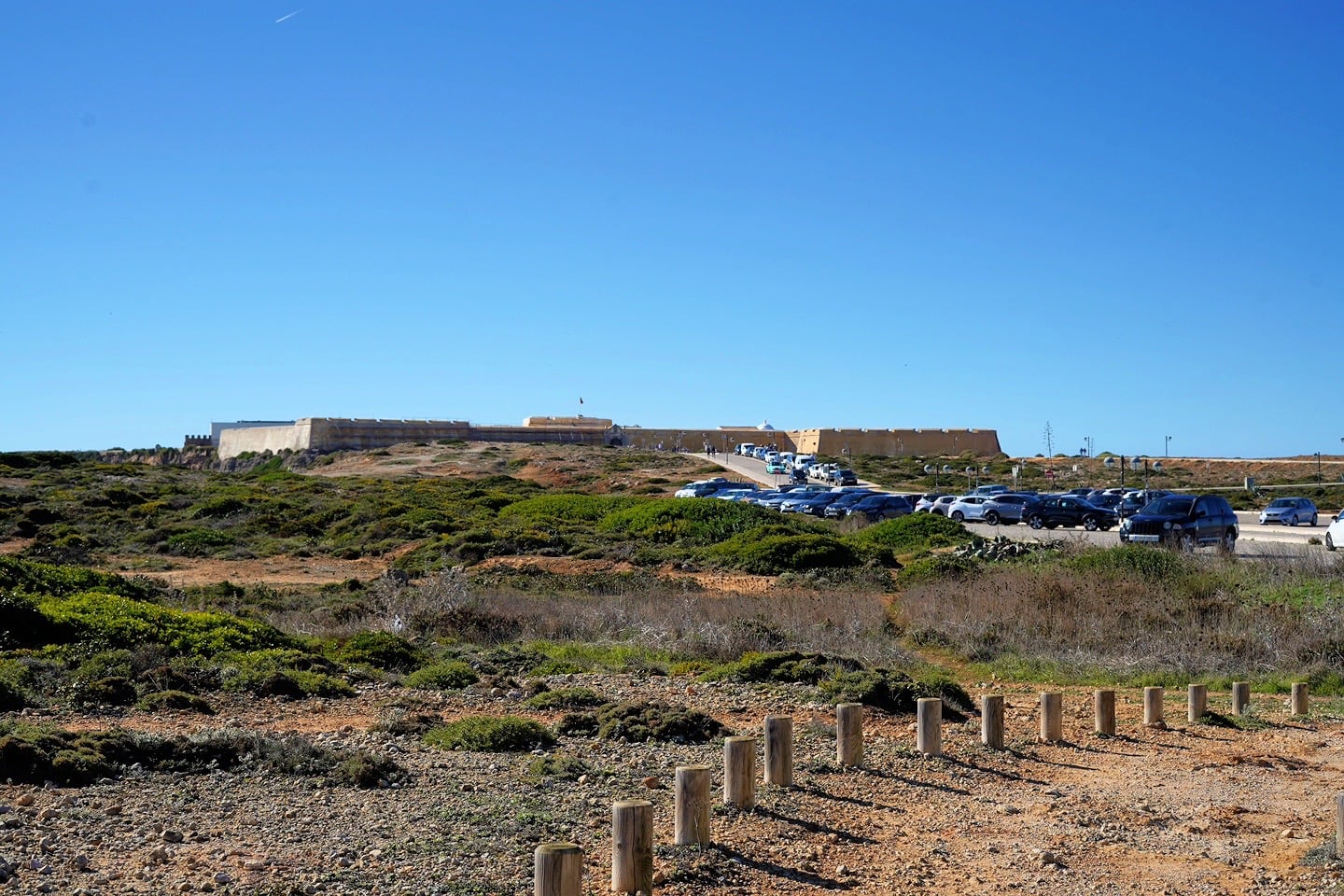
It was just before noon on a Tuesday and to my surprise the parking lot was looking pretty full.
Once we were inside the fortress walls, there weren’t a lot of people at all. We think a lot of people must use the same lot for beach parking and day trips around town.
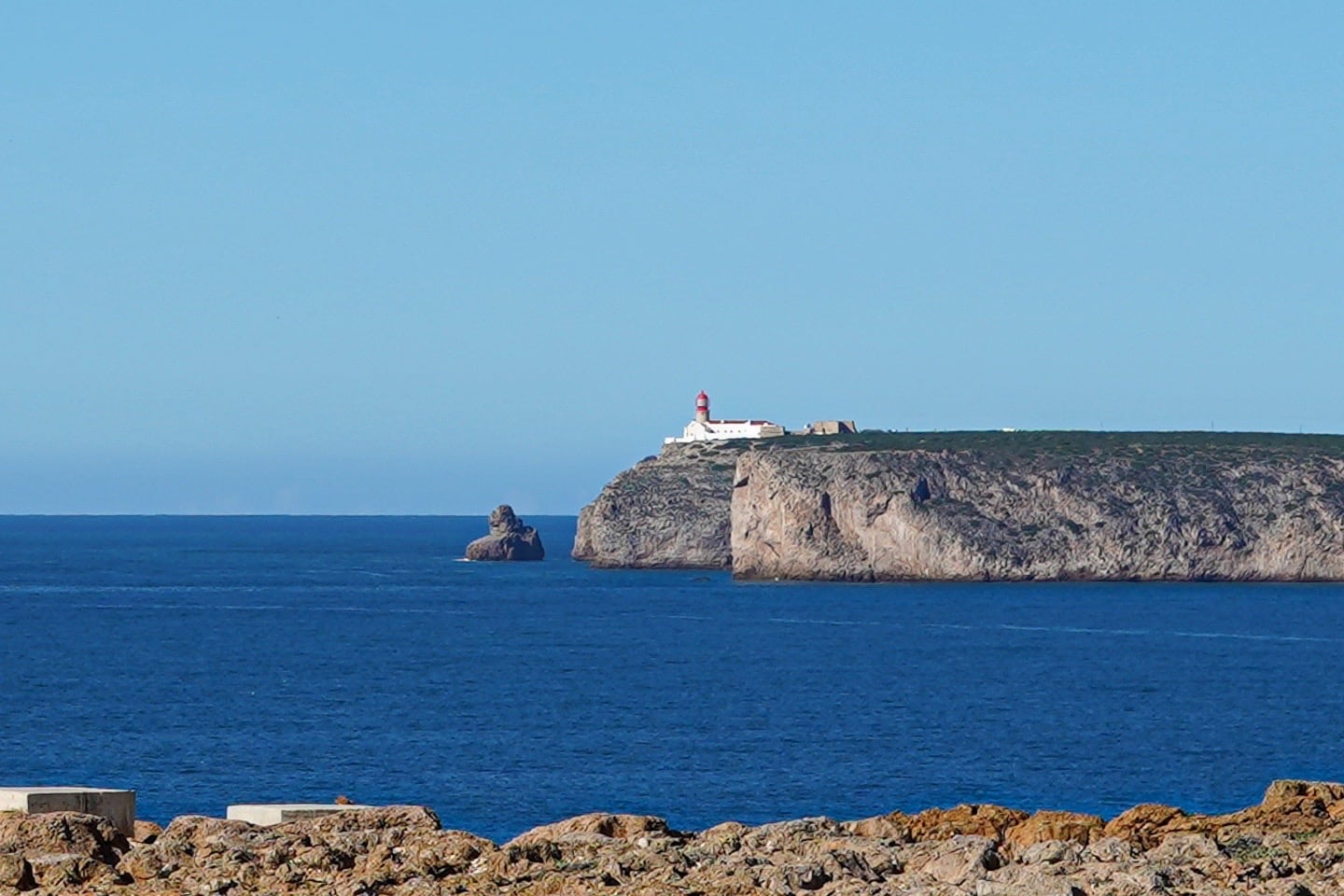
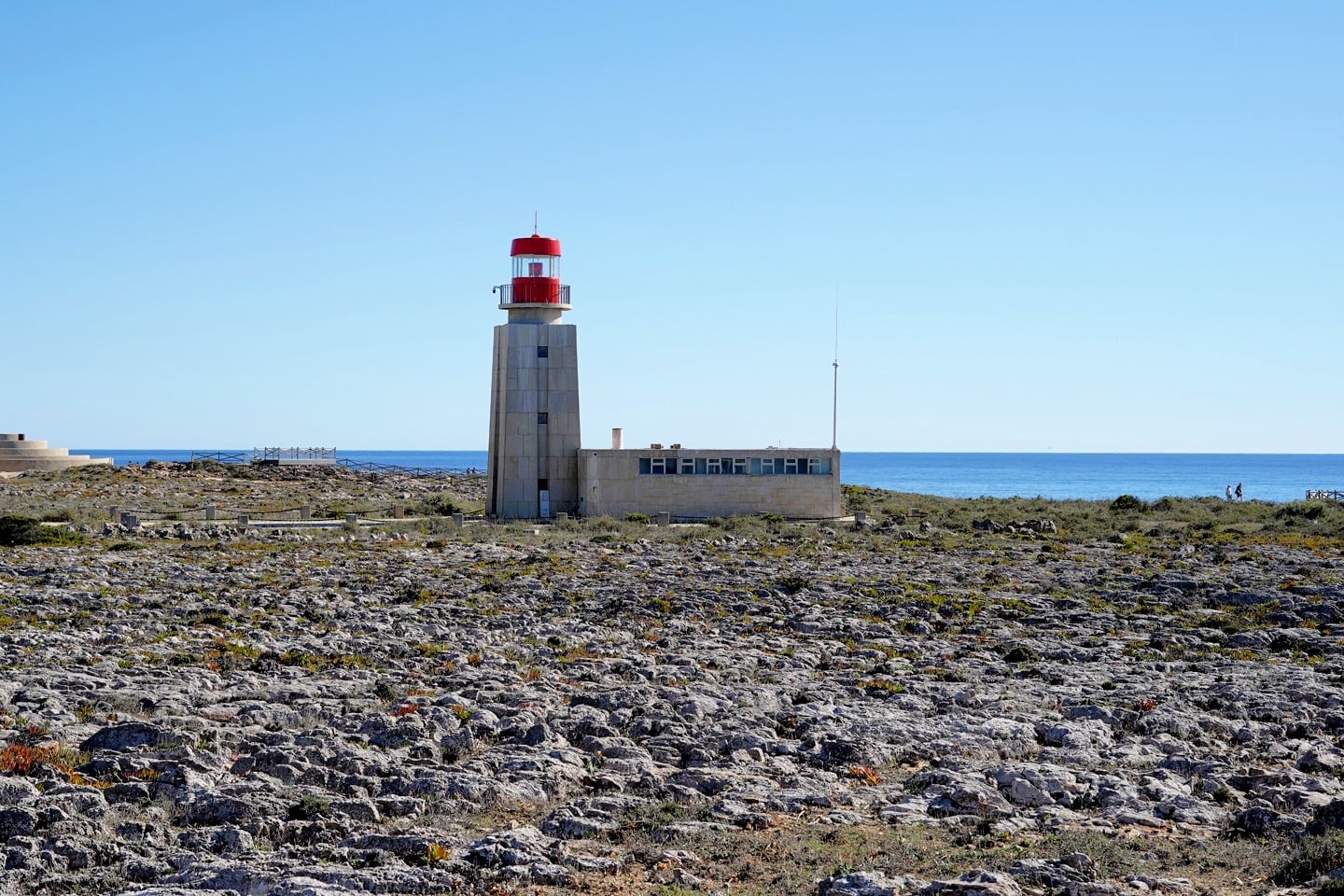
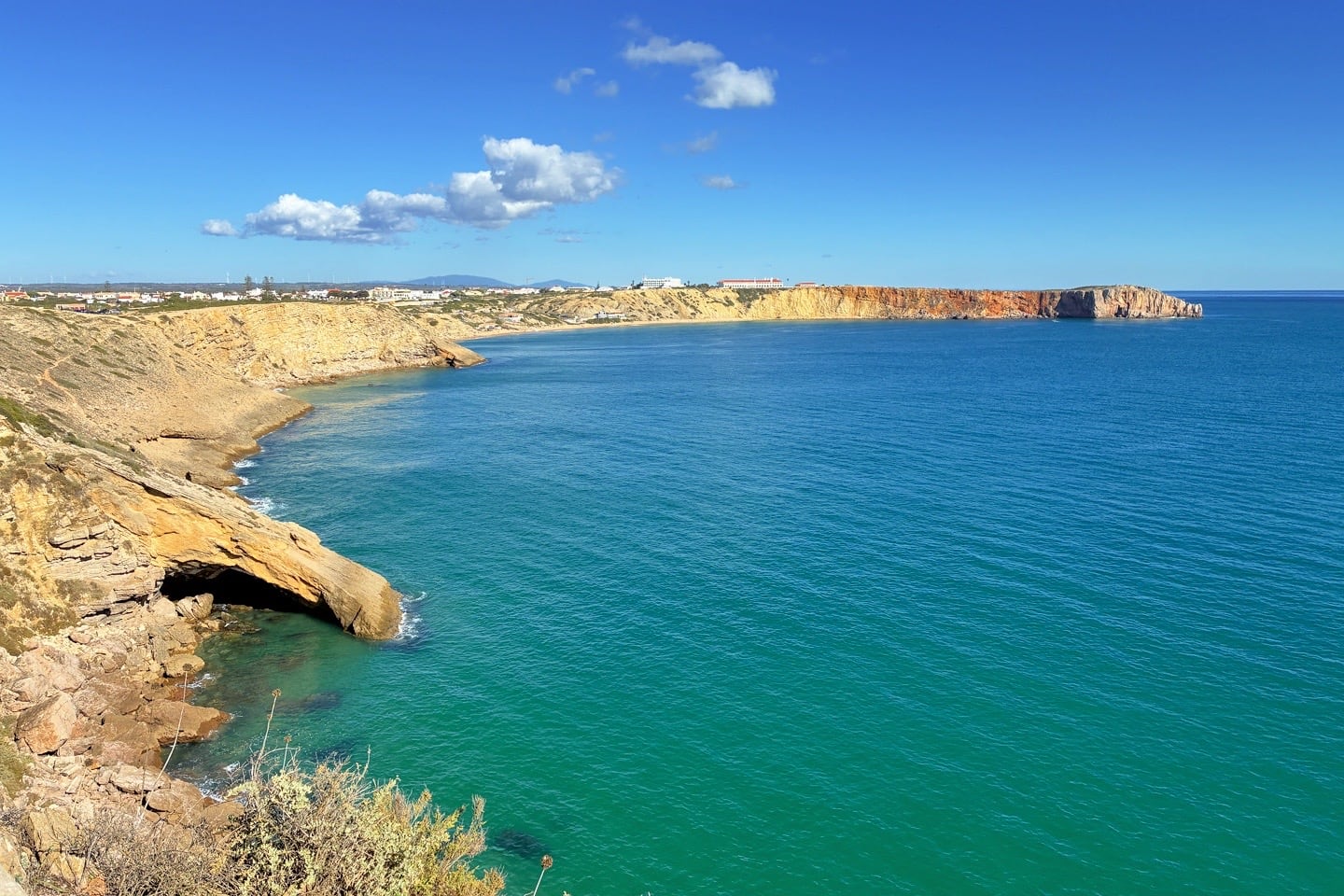
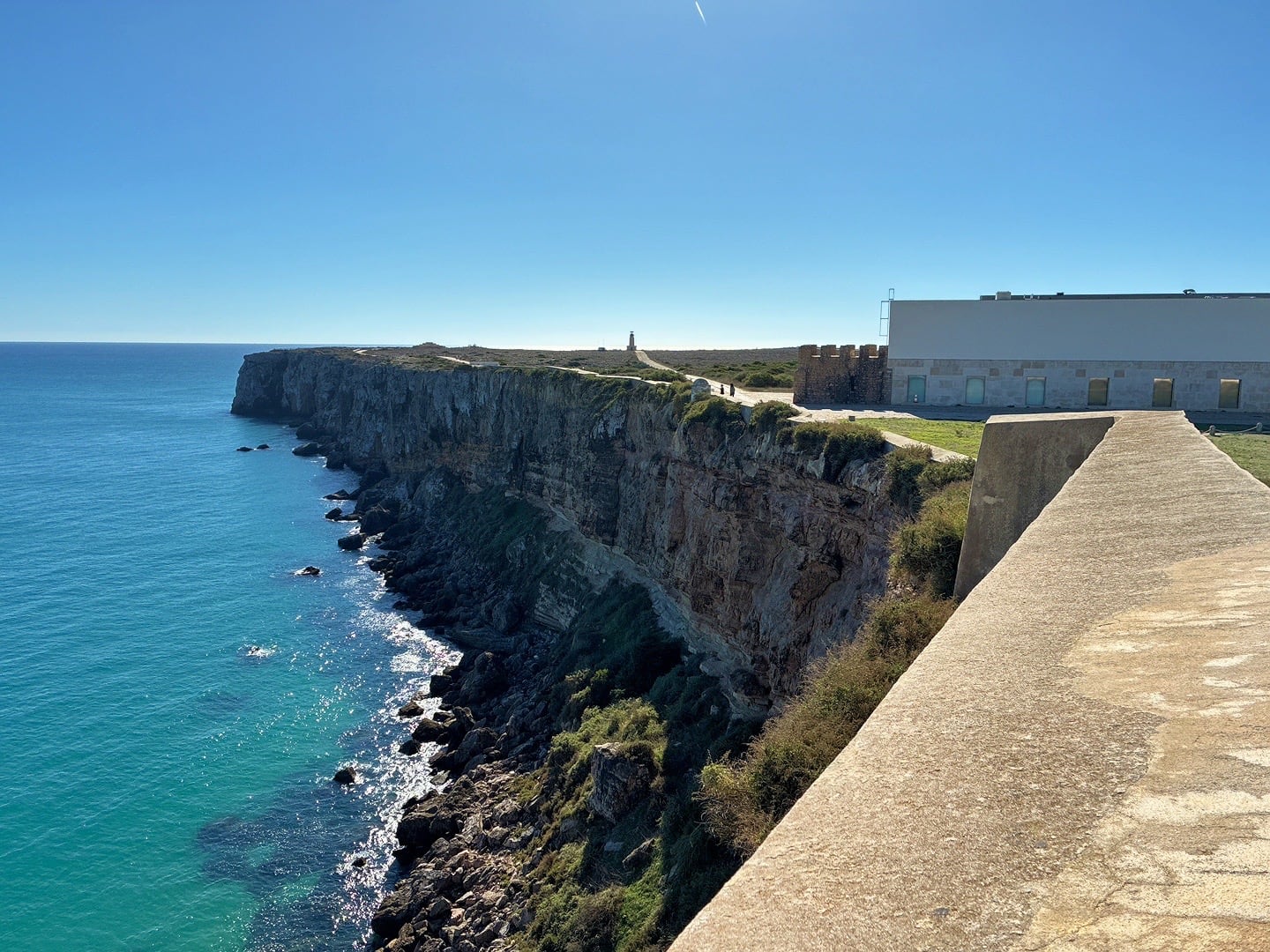
The fort offers one of the best views of the lighthouse at the tip of Cabo de São Vicente, the southernmost point in continental Europe, and the literally edge of known world for most Europeans prior to the 15th century.
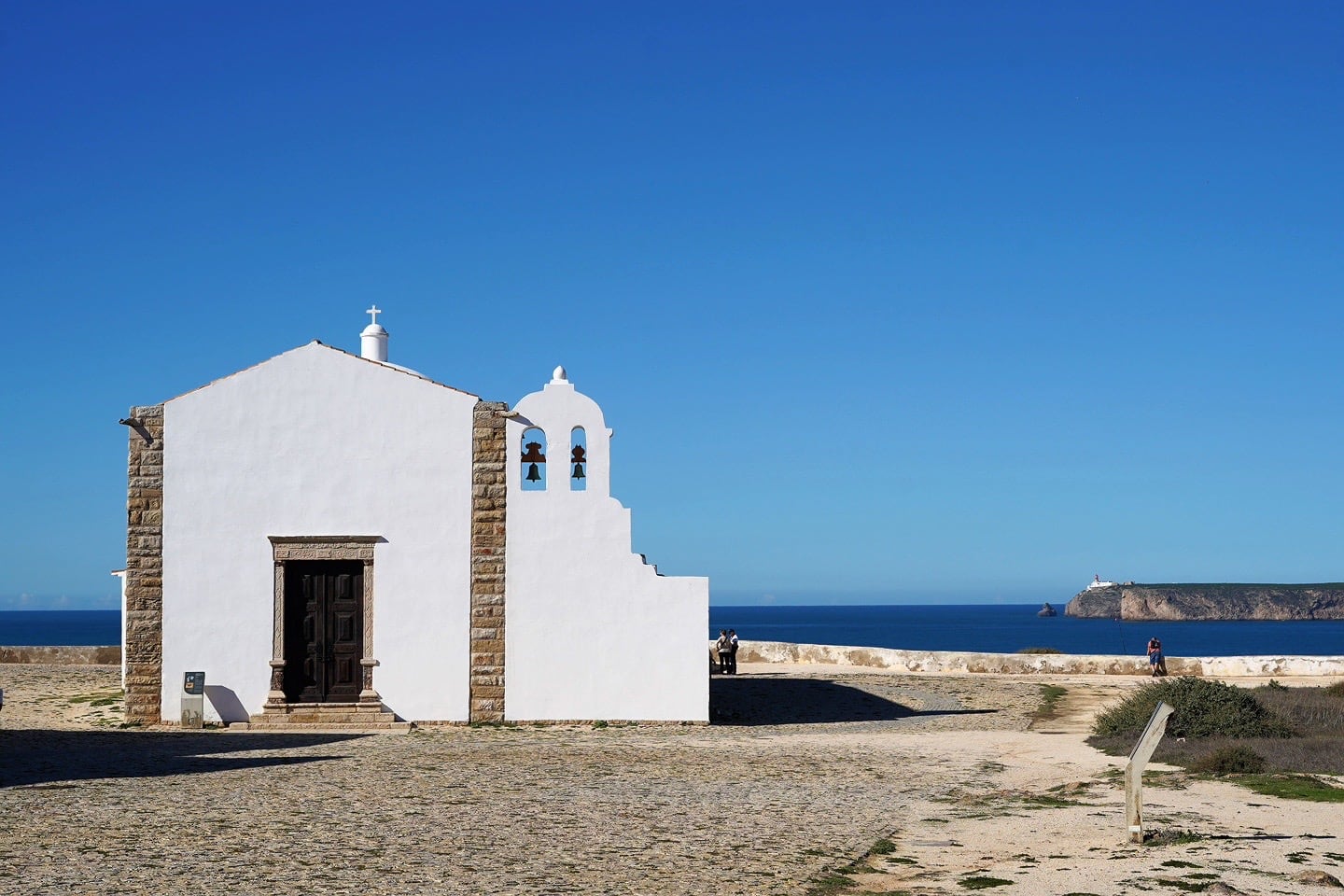
There isn’t a whole lot to see in the actual Sagres Fortress (it’s no São Jorge Castle or Moorish Castle). The main draw here is exploring expansive cape on which the fort was constructed.
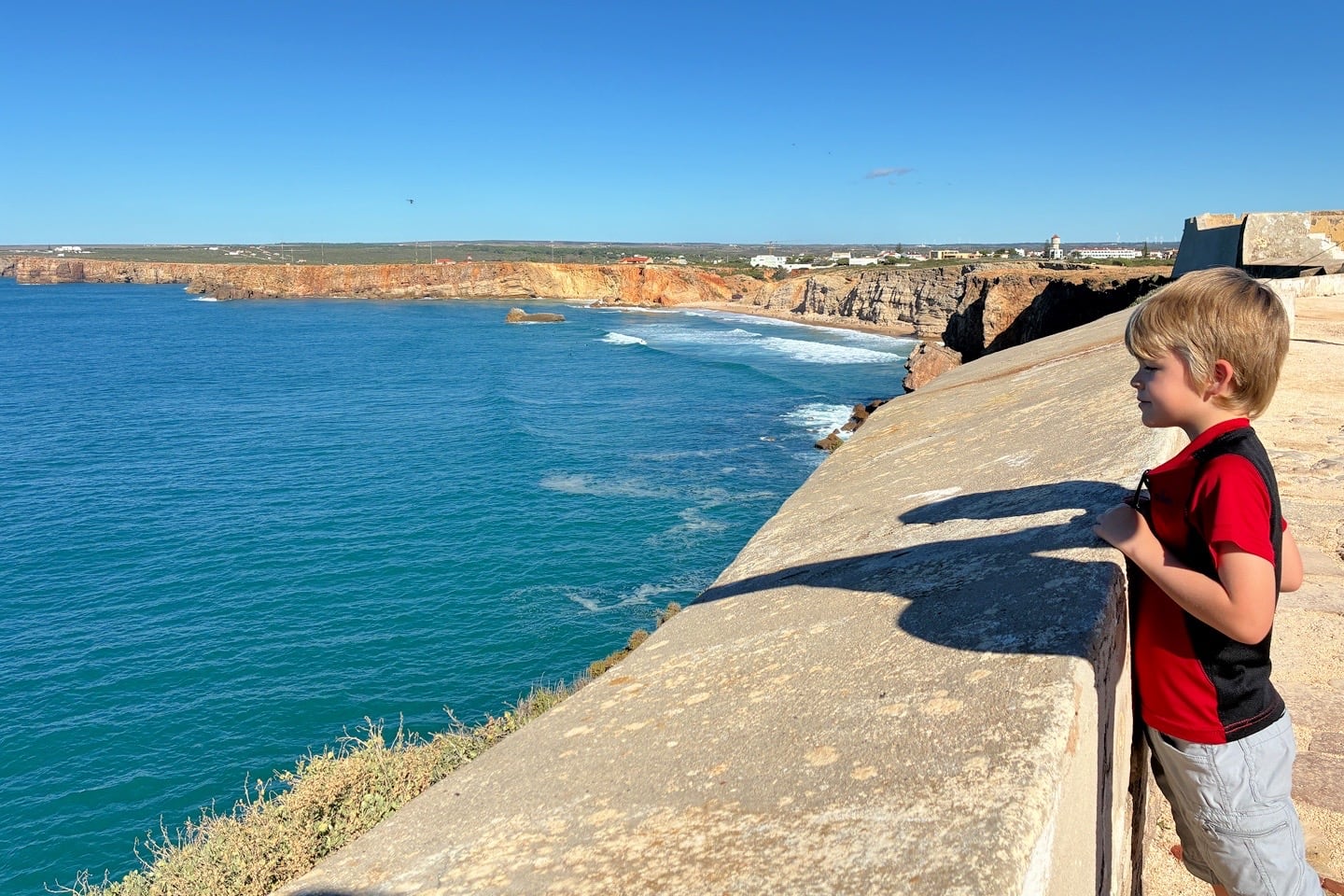
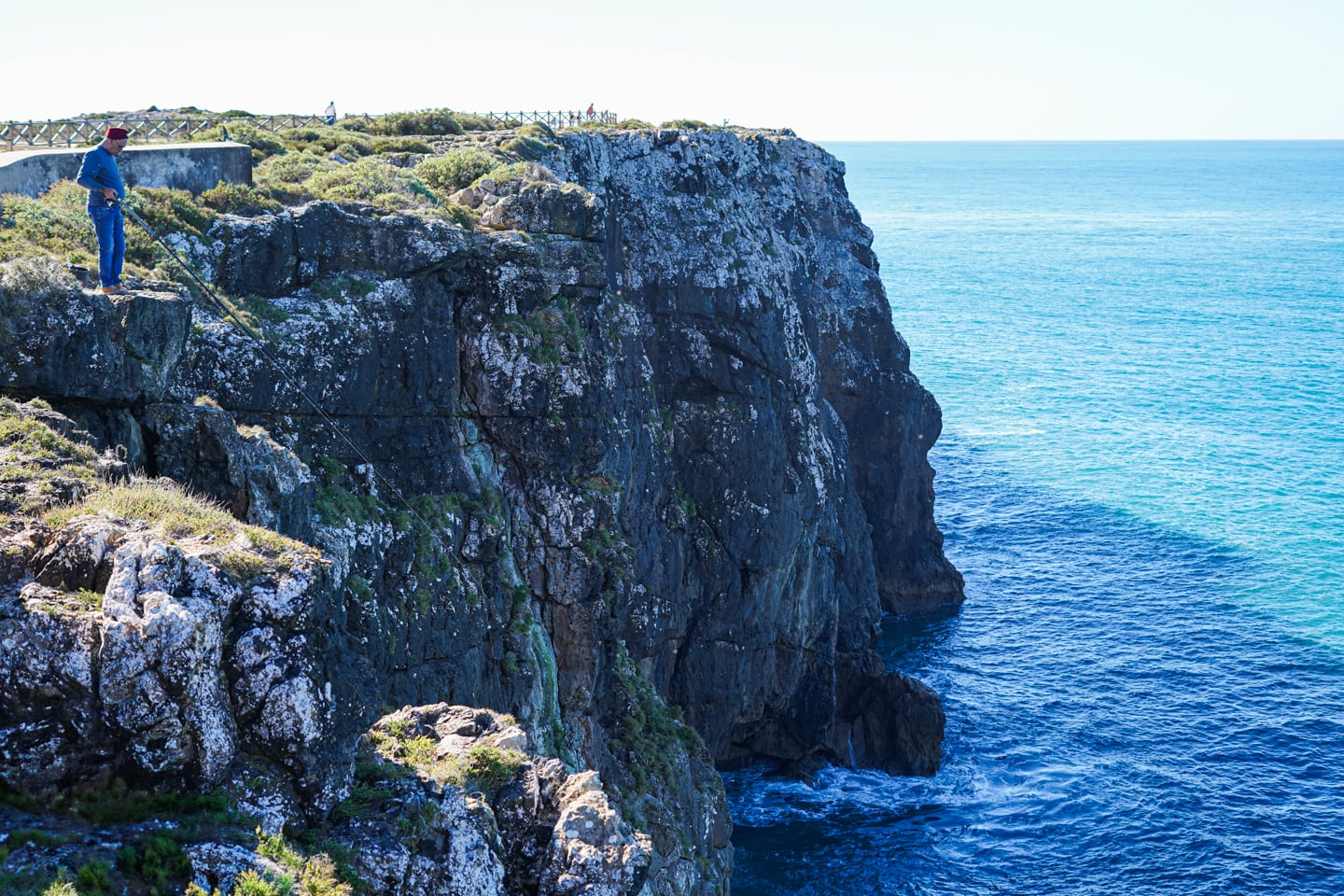
We spotted a number of local fishermen fishing from the tops of the cliffs around the cape.
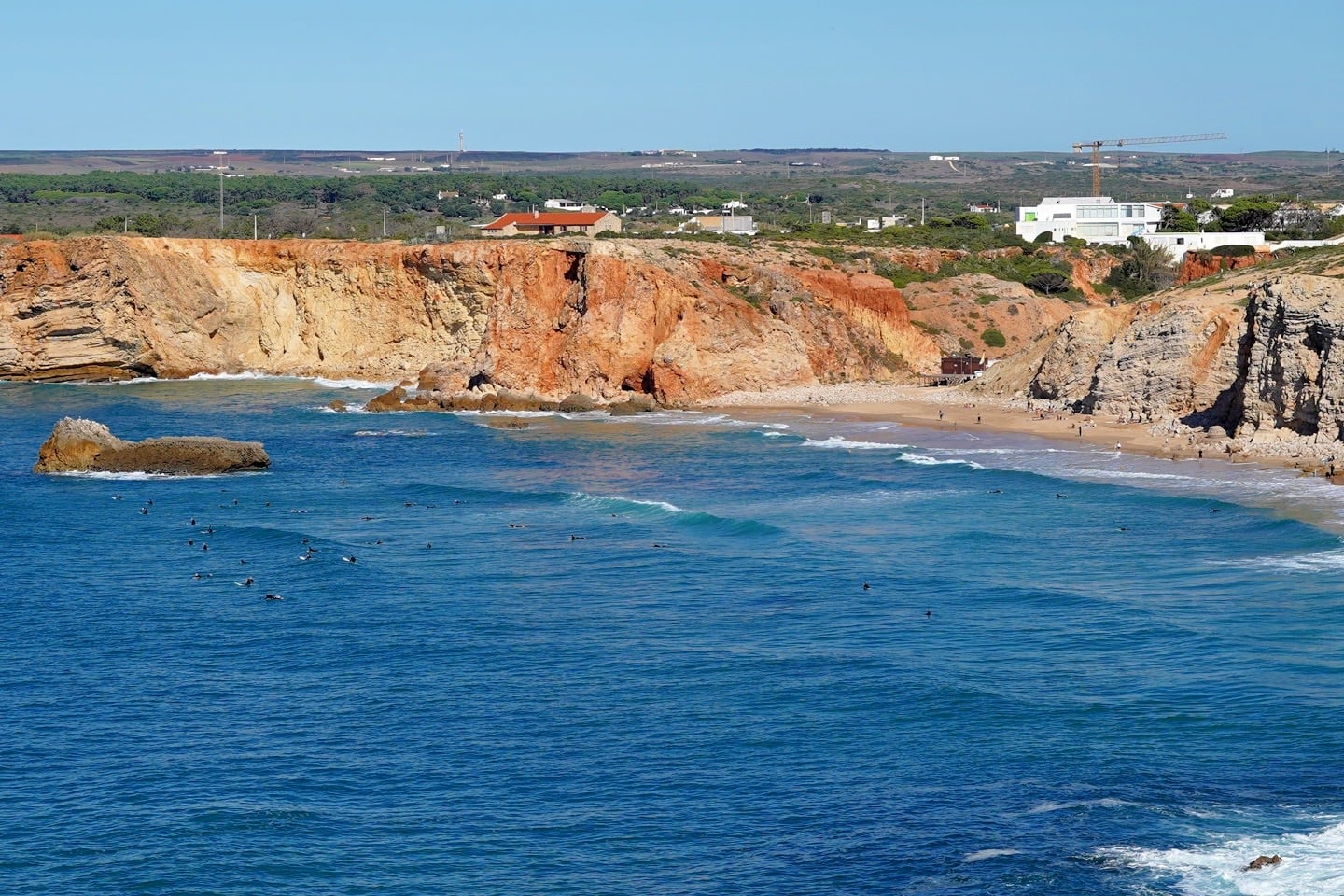
…and dozens of surfers waiting to catch a wave into nearby Praia do Tonel.
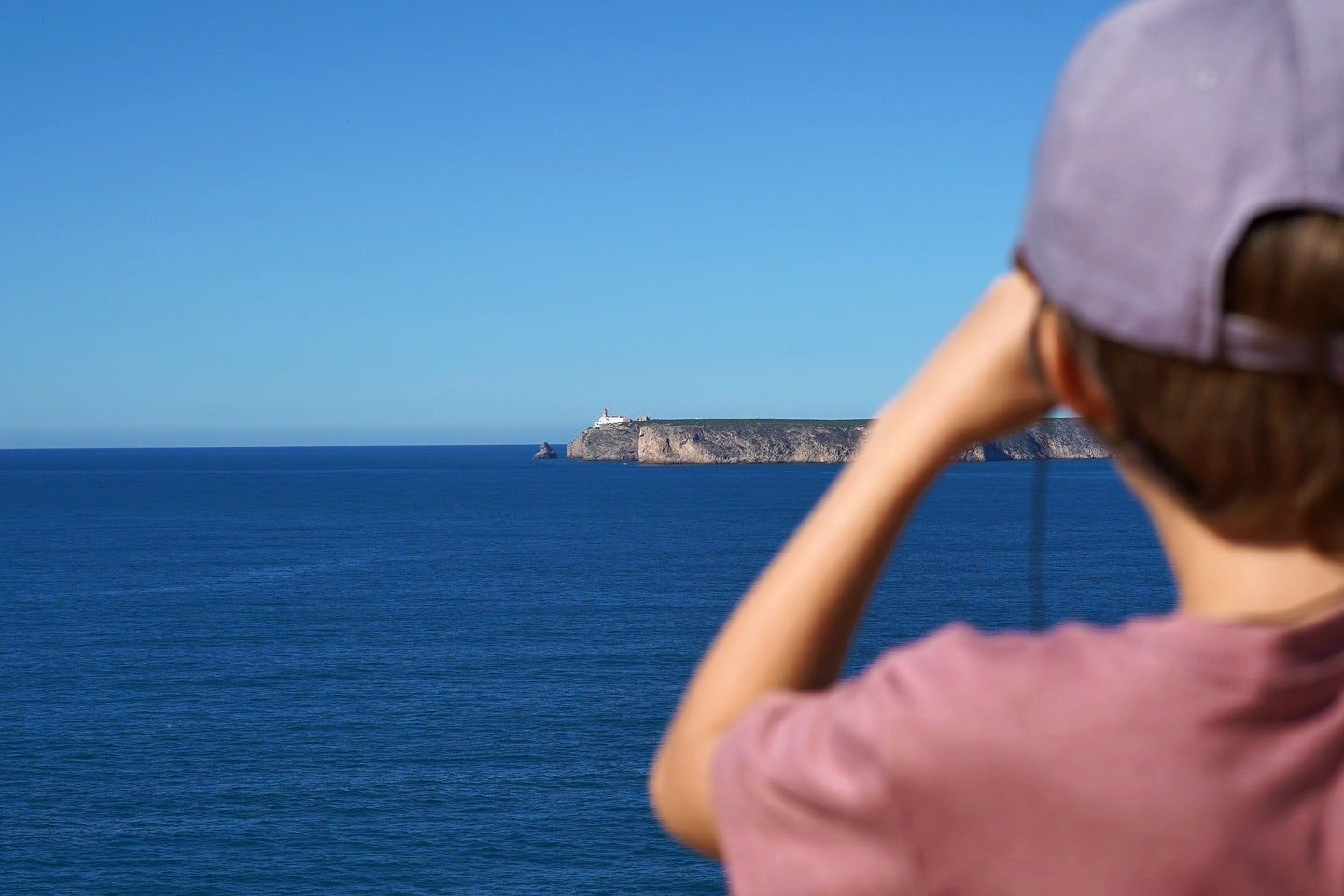
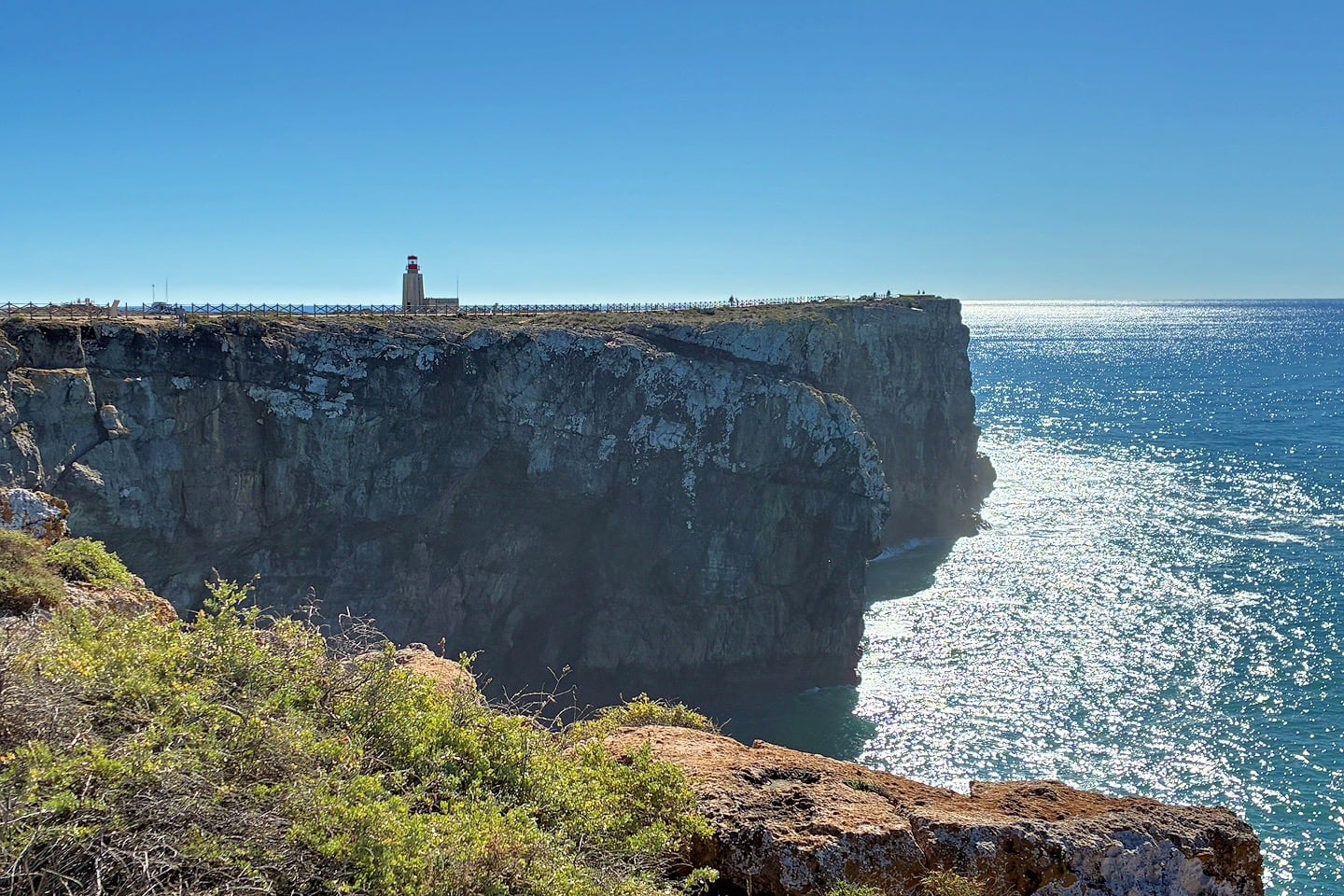
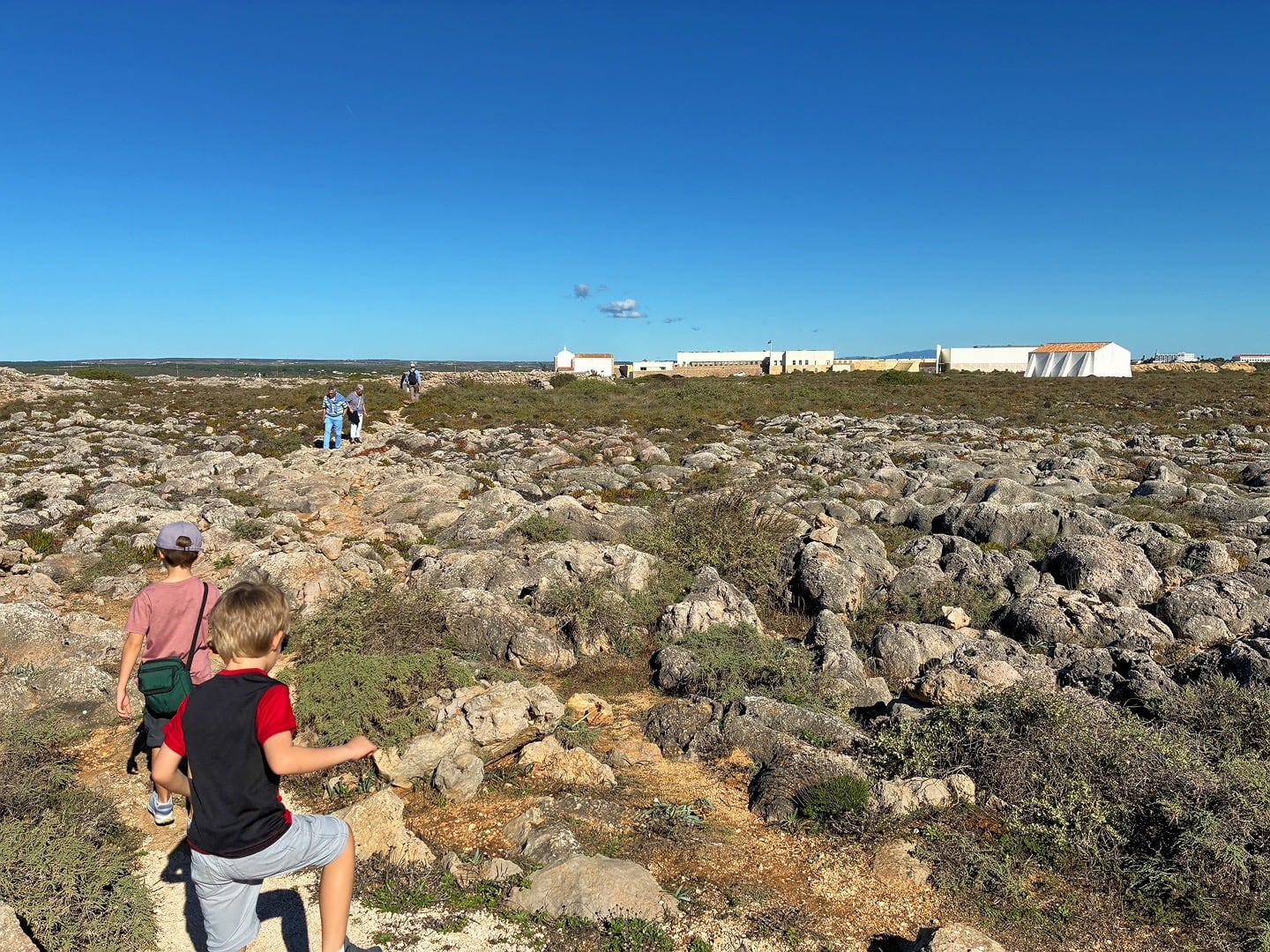
The entire cape is strewn with rock and low-lying brush like this.
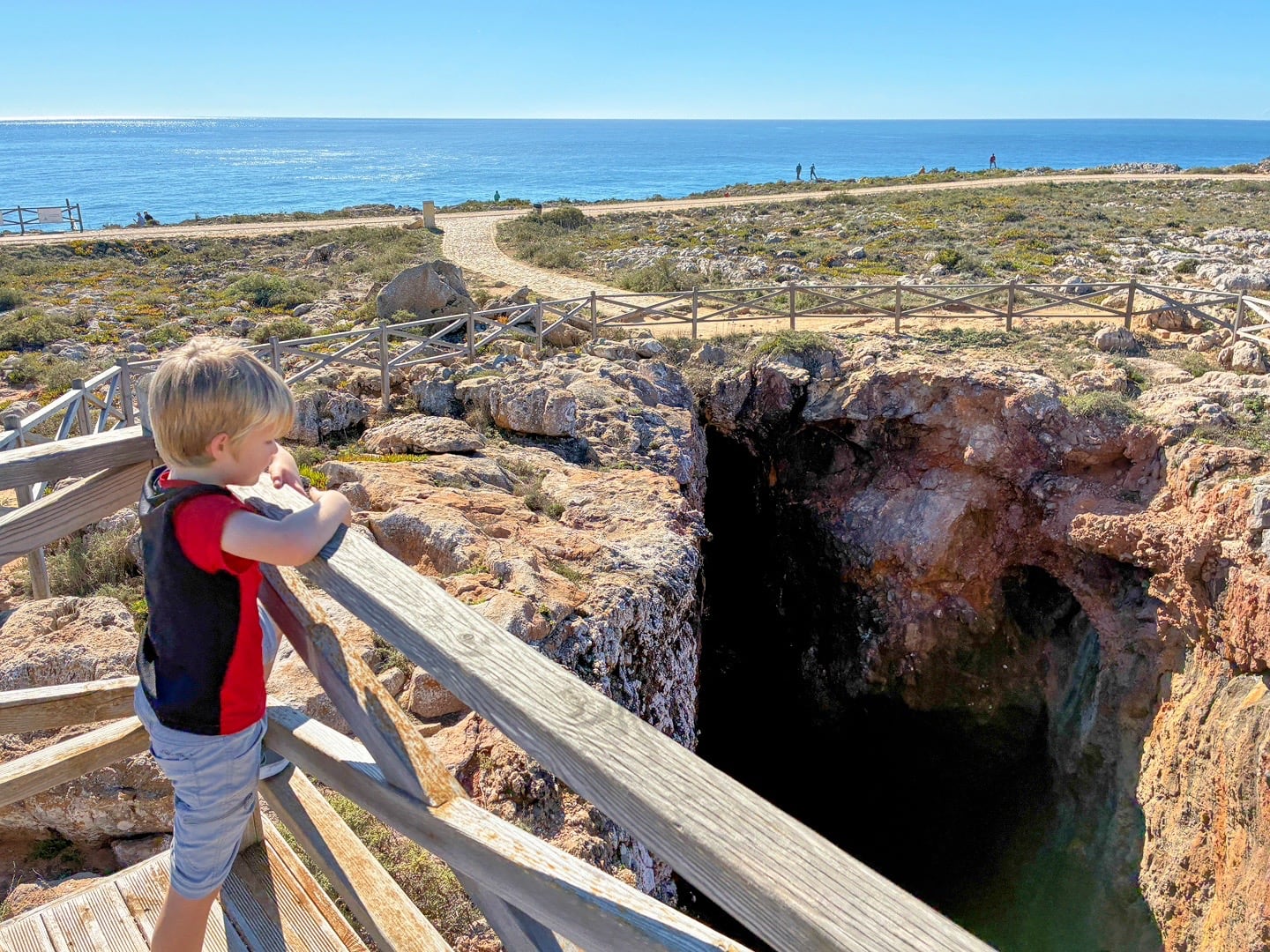
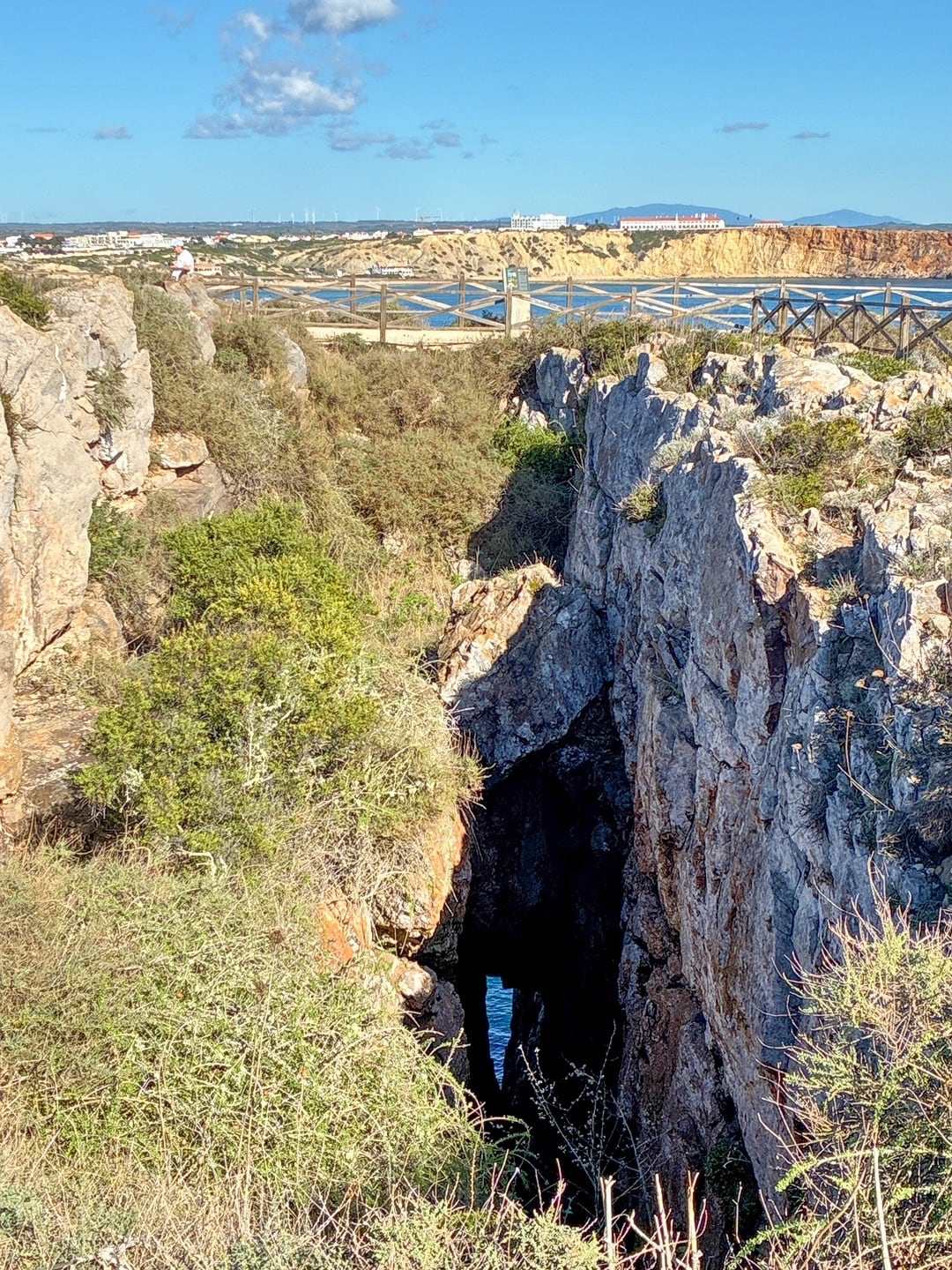
There are a number of gashes in the ground where you can hear (and sometimes see) the waves crashing against the rock far below. The whole cape sits atop a vast network of caves and grottos open to the sea.
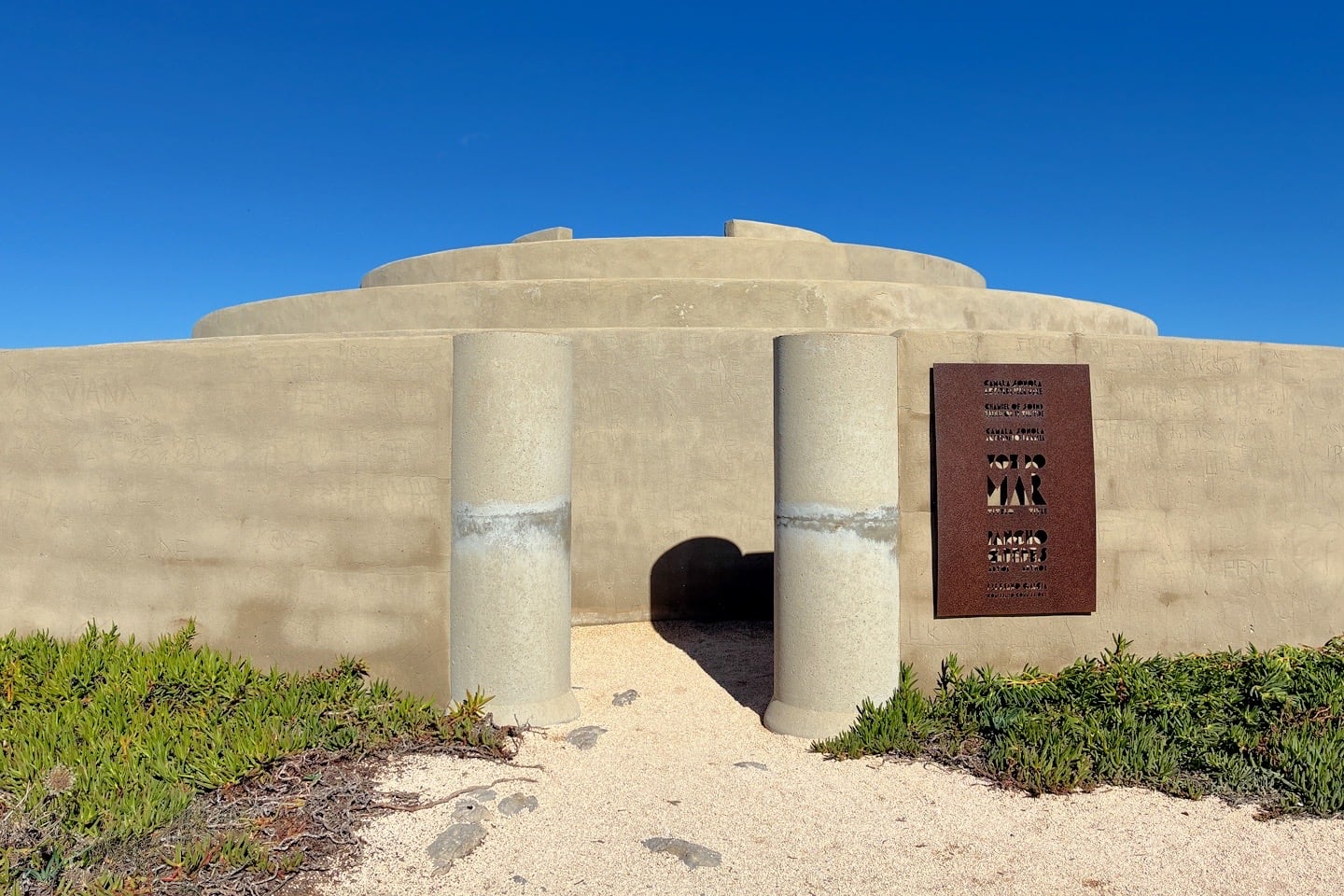
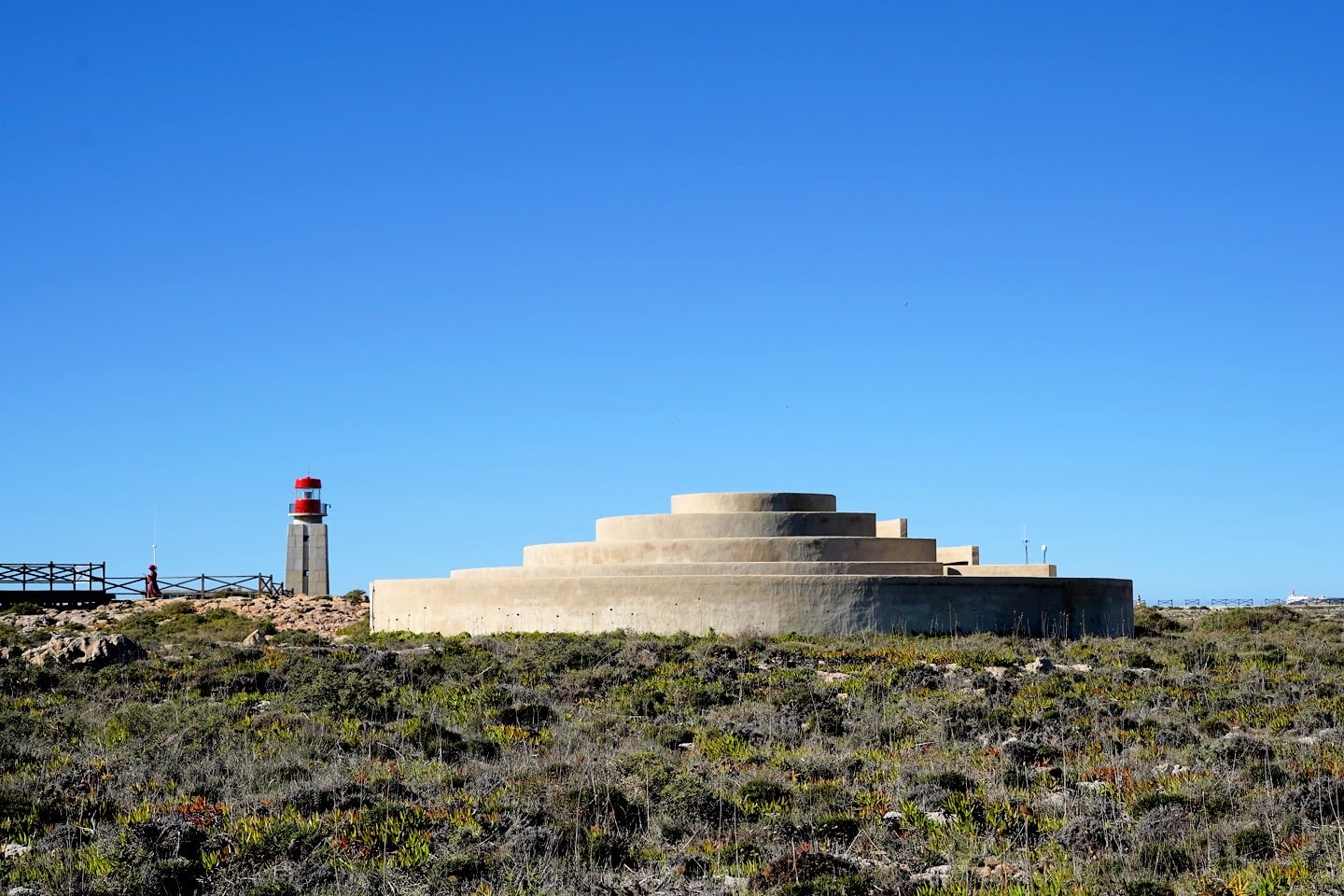
We weren’t exactly sure what this is. After having explored it, we still aren’t sure.
The sign says “A Voz do Mar” (The Voice of the Sea). It’s sort of a labyrinth, but not, really. In the center, you can listen to the waves crashing below.
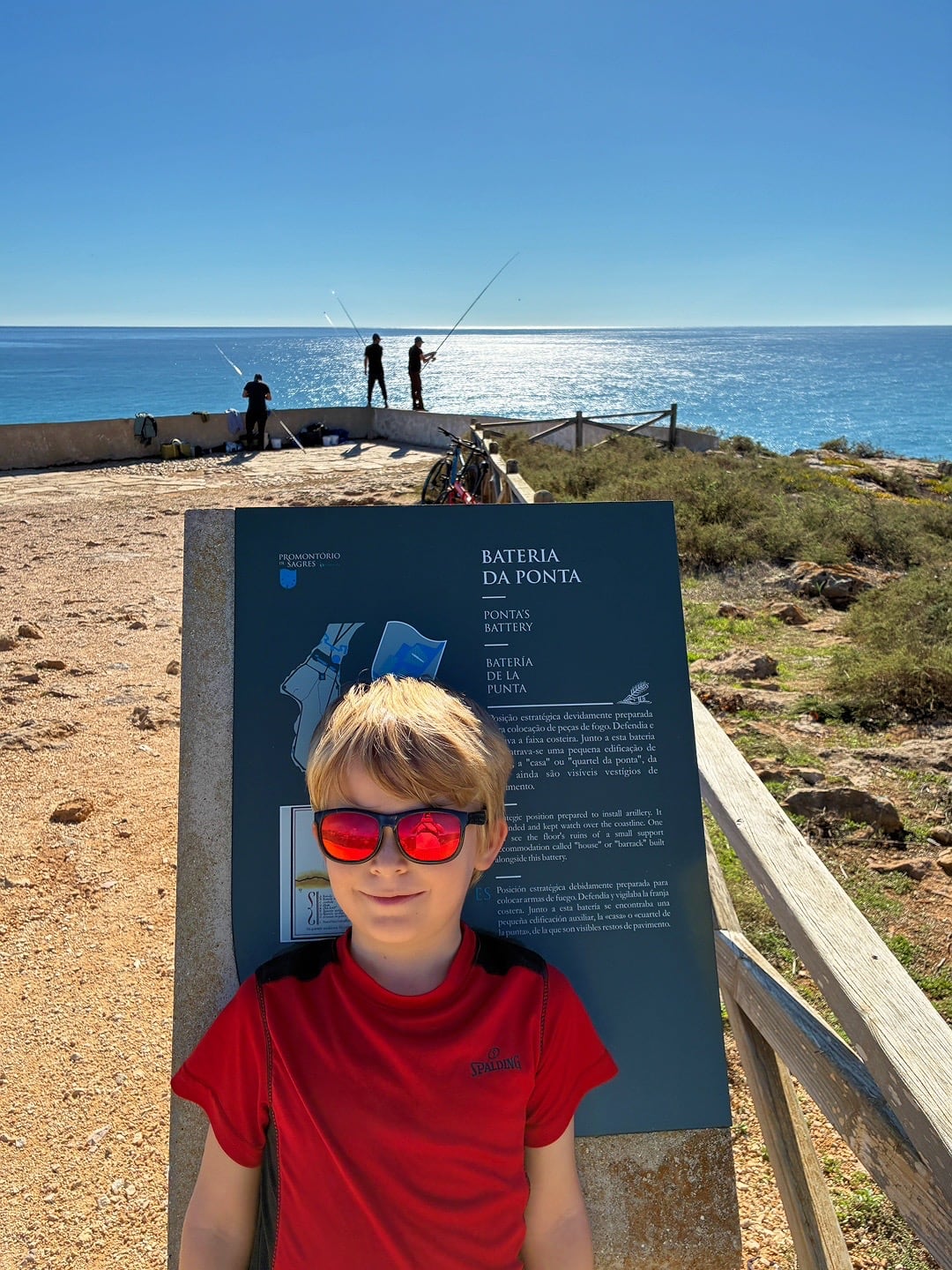
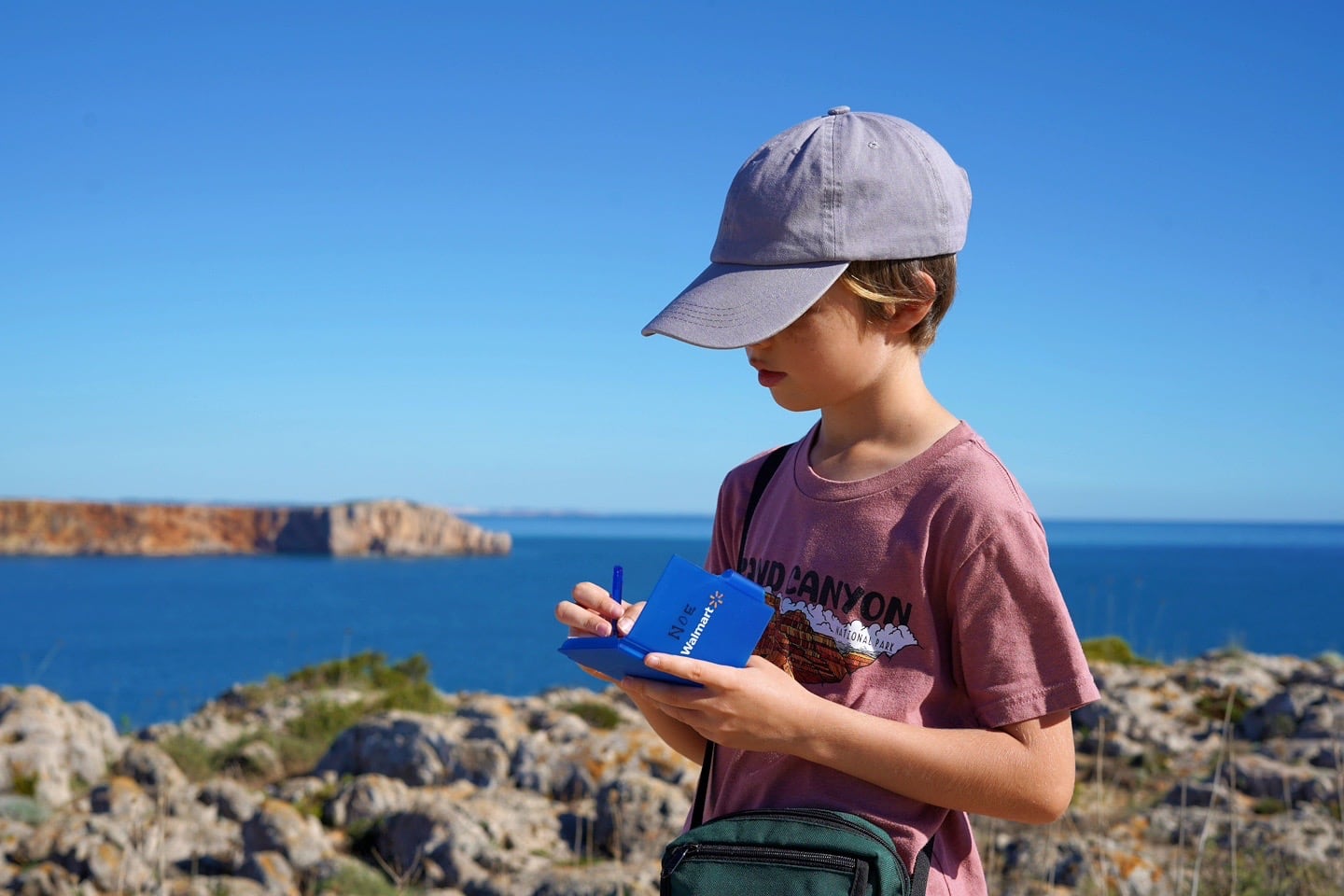
Taking notes for his journaling later. We don’t even have to remind him anymore. If Noe sees something interesting, he jots it down.
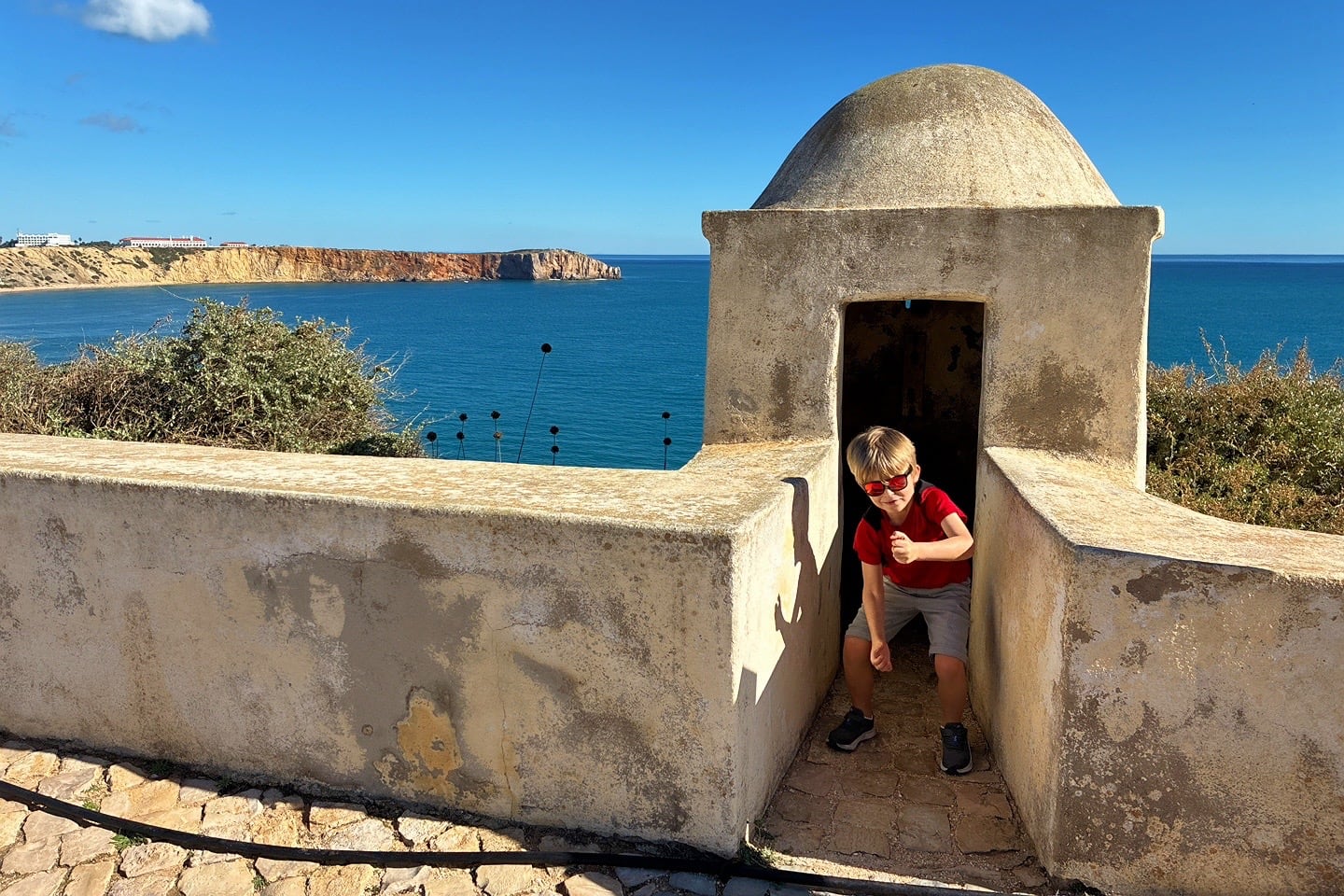
Riley just likes to have a good time, wherever we are.
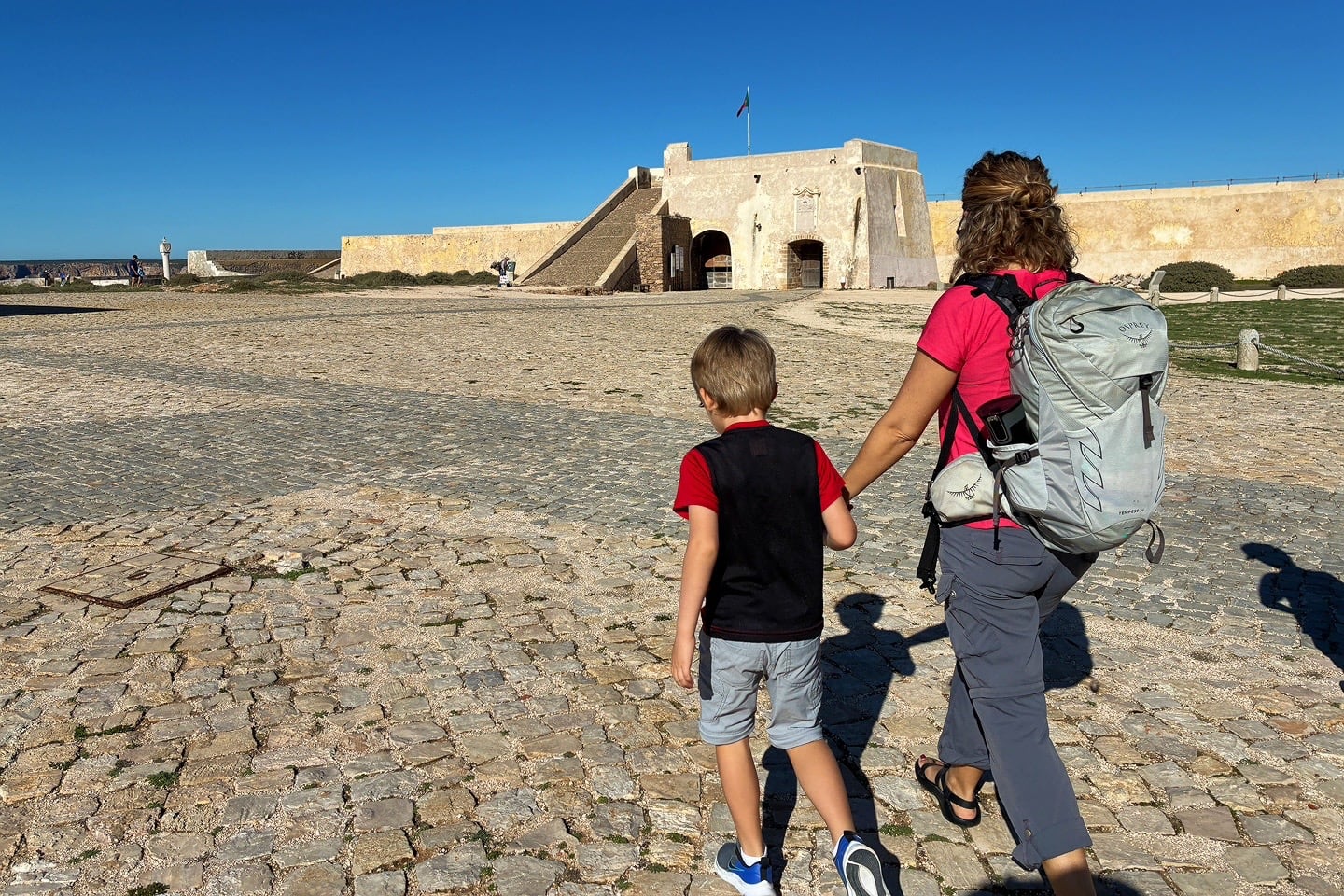
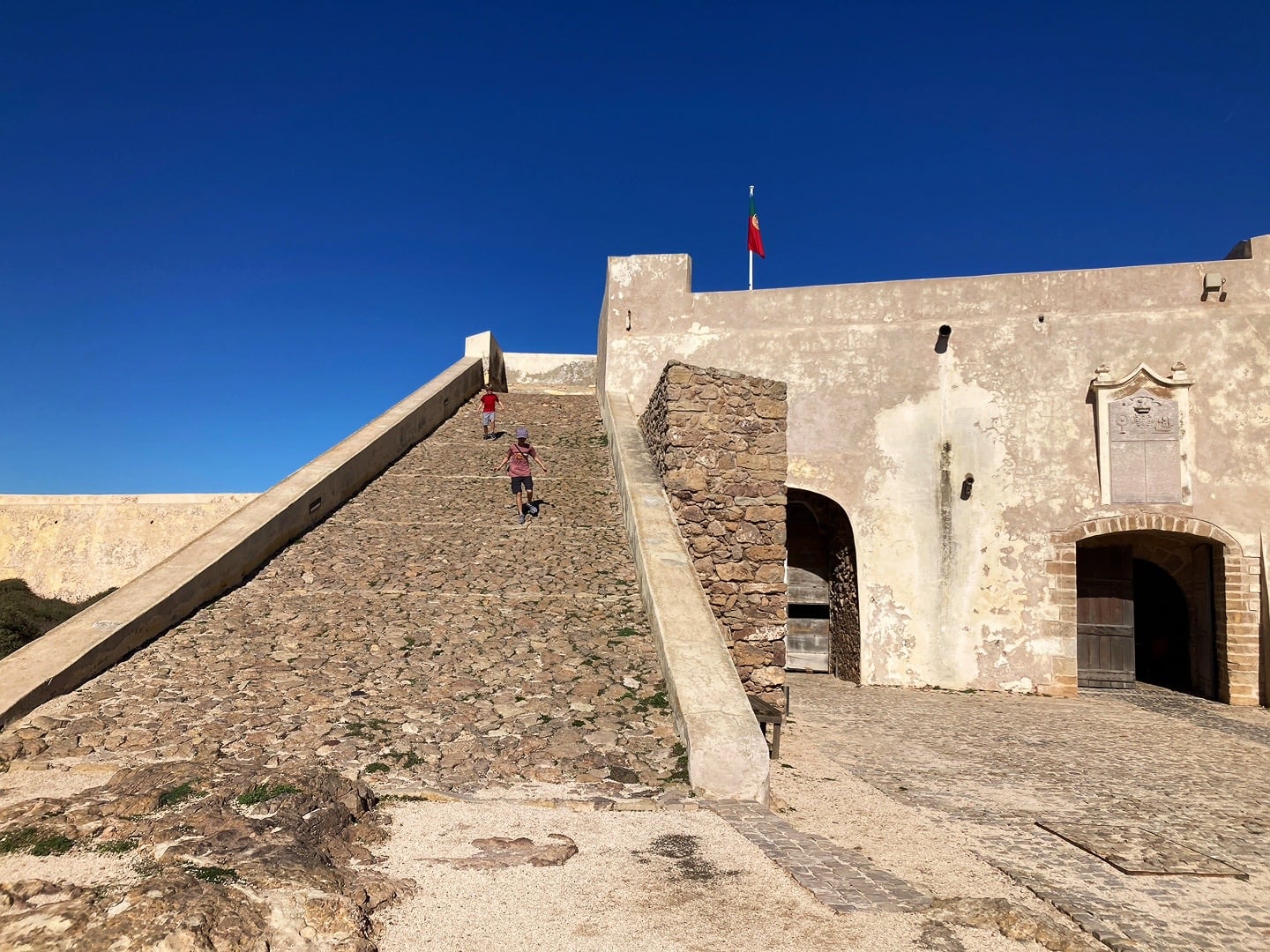
Inside the actual fort, there are a couple of things worth seeing. There’s a new museum that interested the four of us for about 15 minutes. And they do let you climb to the top of the old ramparts, which is always one of our favorite things to do in any fort.
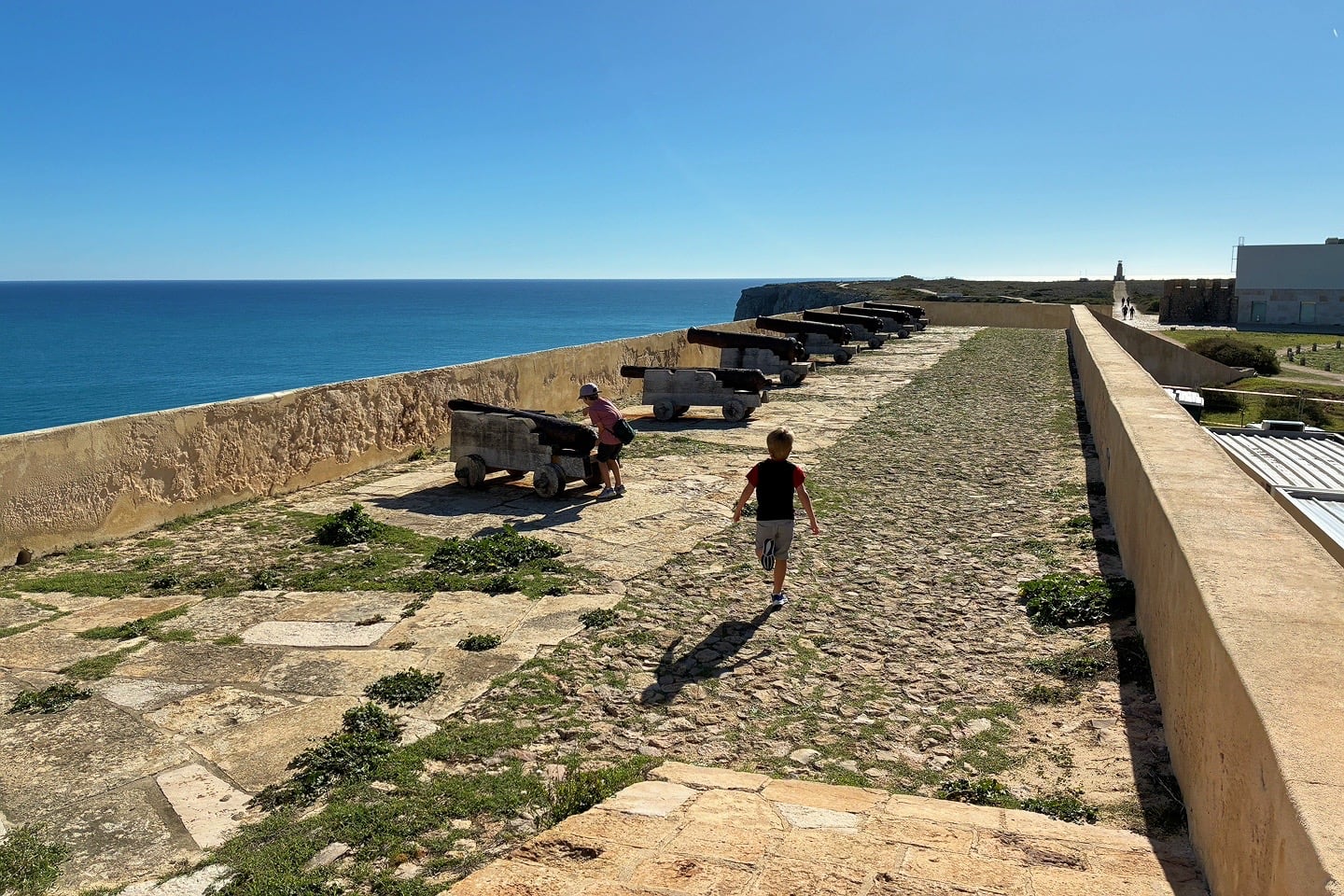
This one even had some old cannons set up and ready to fire. Fortunately, they didn’t leave any gunpowder lying around. Our boys would have most certainly figured out how to work it all.
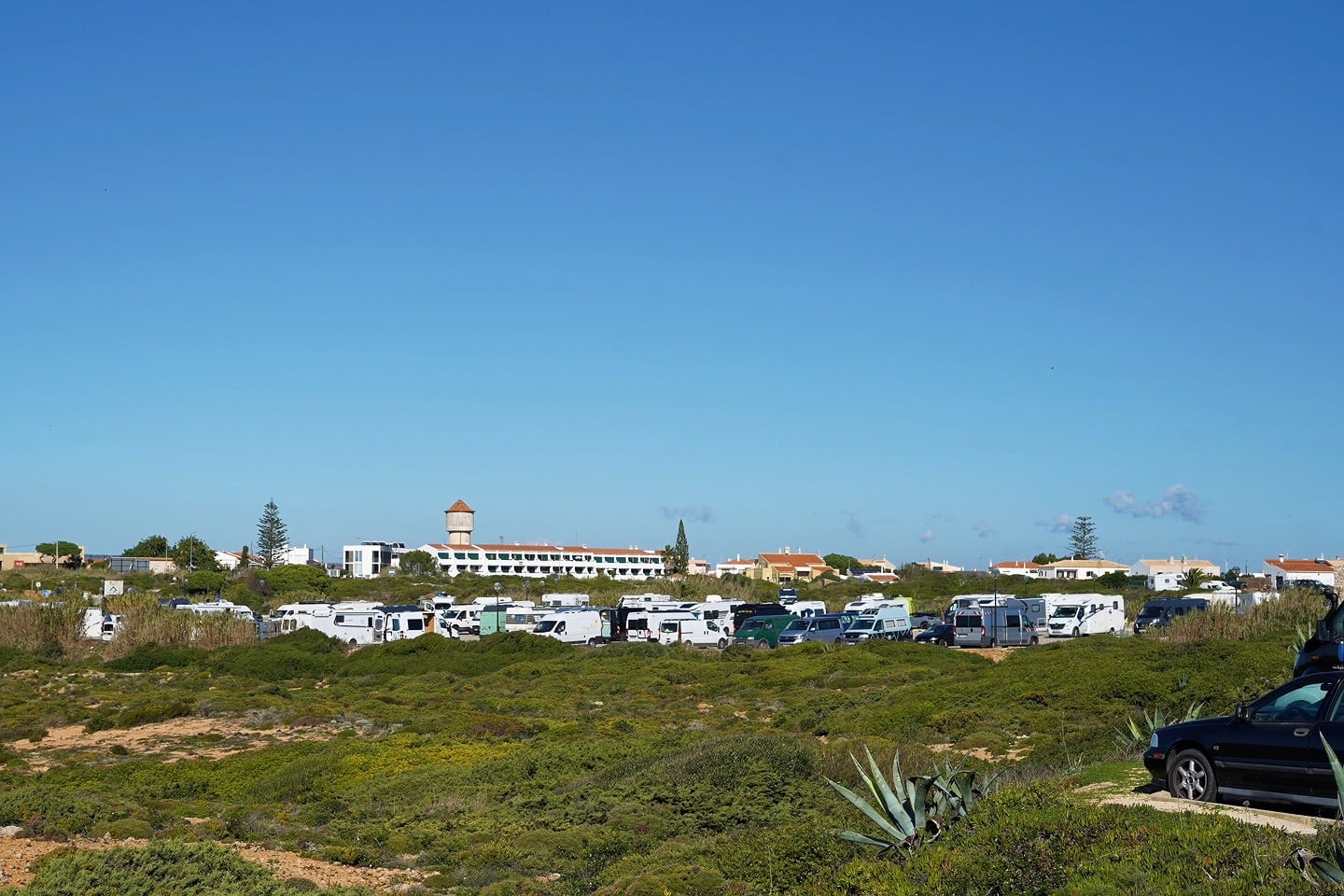
No clue what the deal is with this place—at first, we assumed it was an RV park. But it has no signage, isn’t labeled on any map apps, and no hookups of any kind. Furthermore, there are “No Overnight Parking” signs posted all around.
Could it be that these are really all RVers visiting Sagres for the day? If that’s the case, then where are they all? The town is half-deserted.
Add that one to the list of things you’ll never see in Mexico (or the U.S., for that matter).
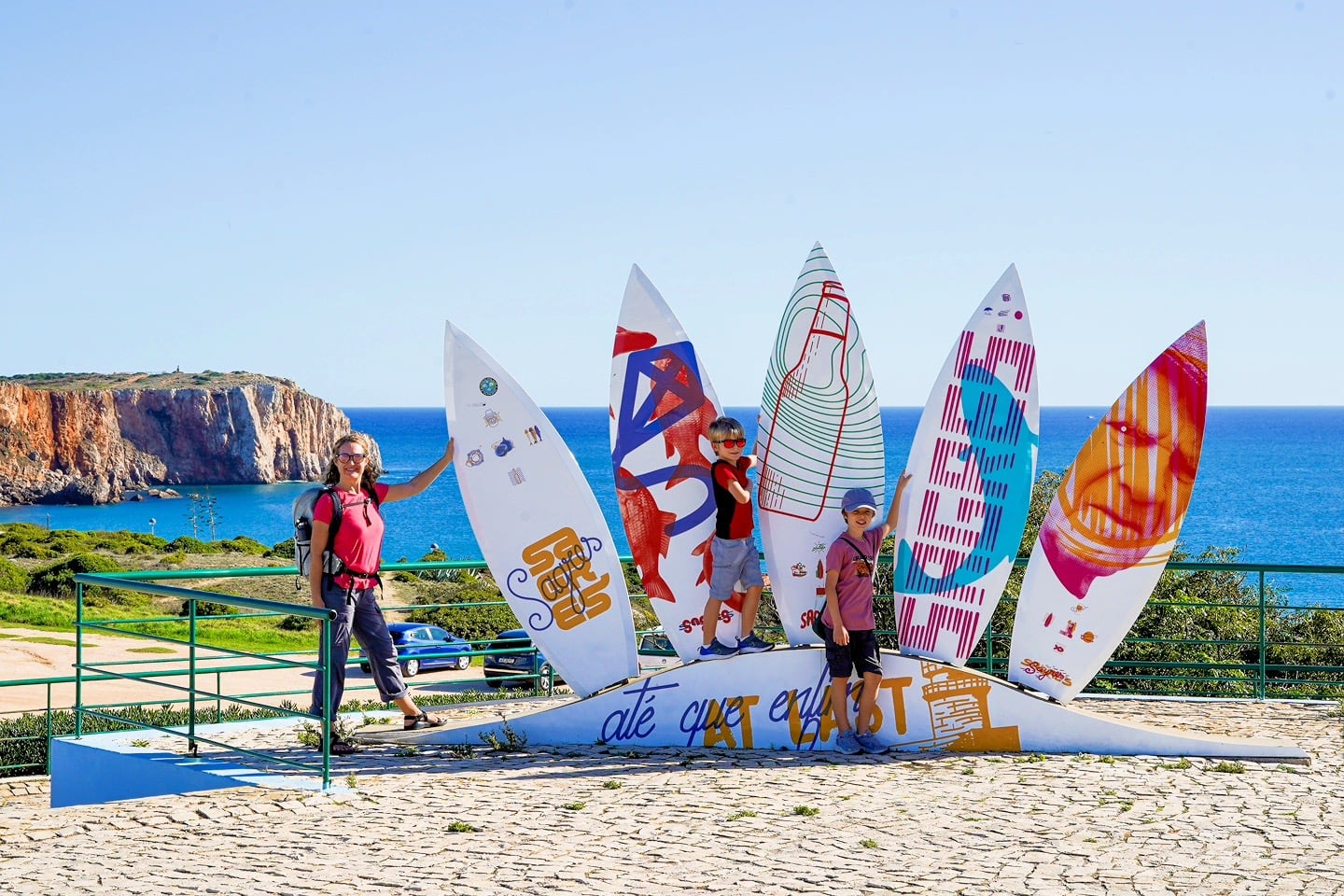
After a fun day of exploring, it was time to grab some lunch. After peeping a handful of menus in the diminutive Old Town, we landed on Bossa Brew House.
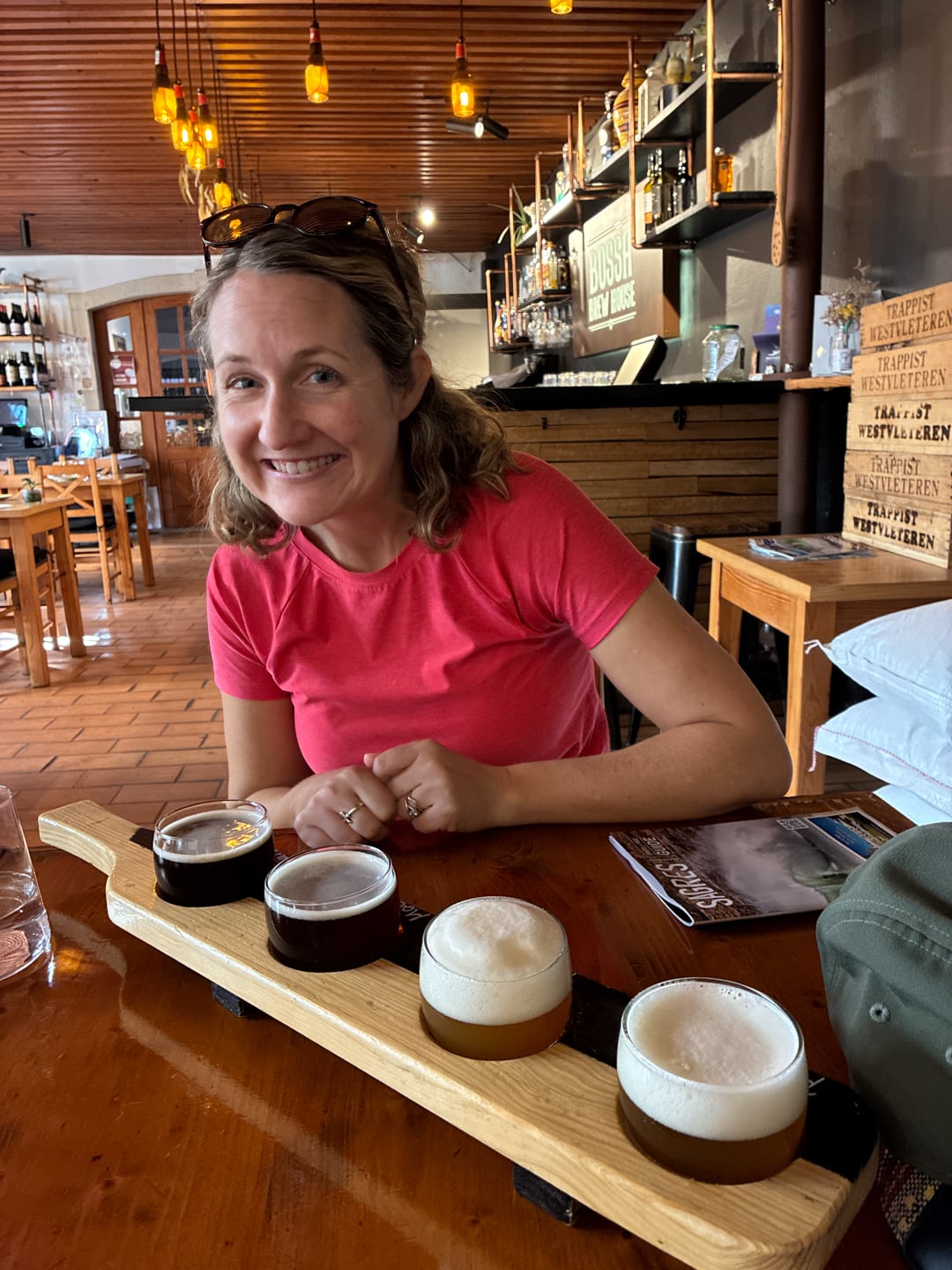
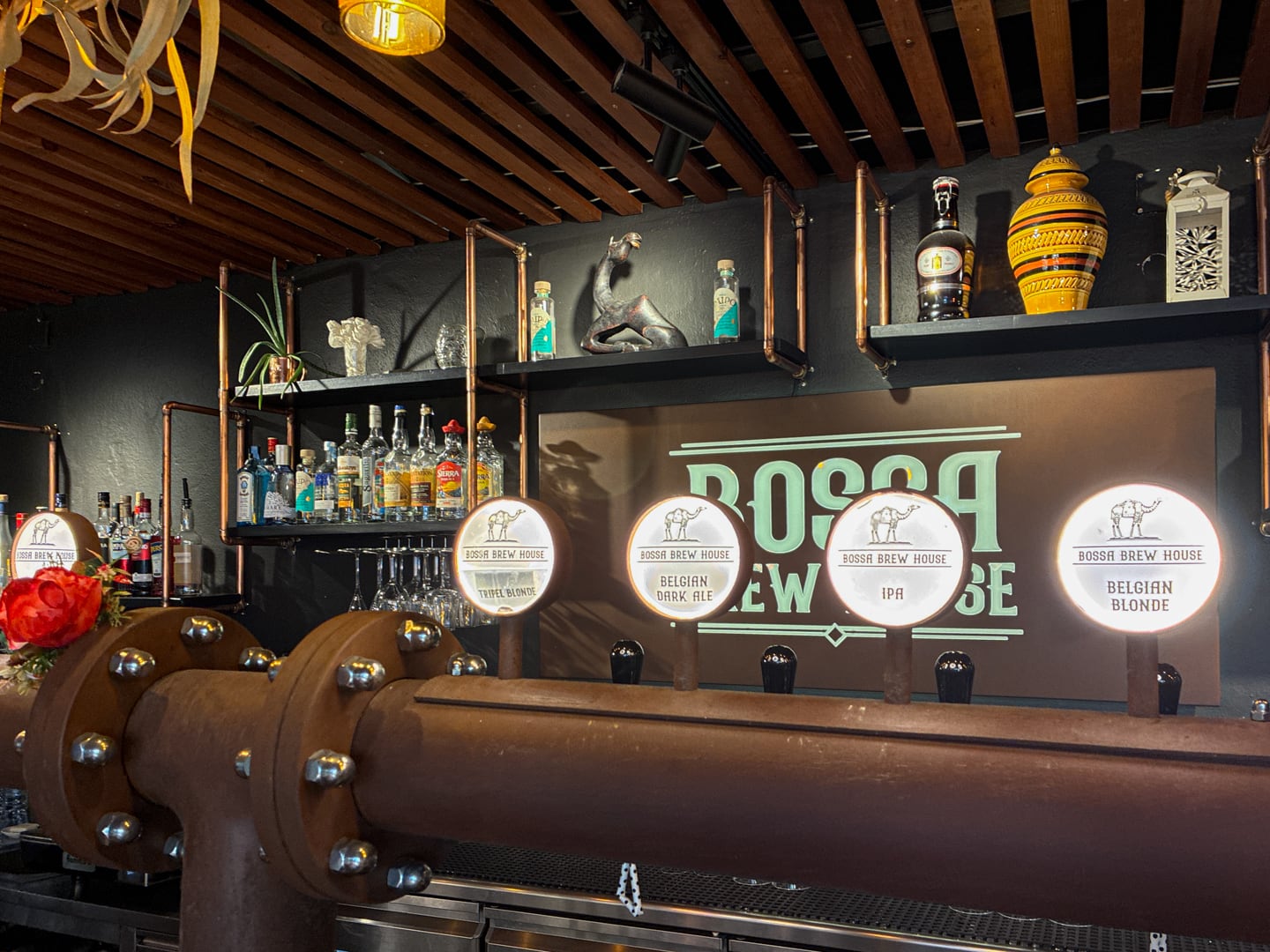
After lunch, we had just enough time before the 4pm bus back to Lagos to explore the town’s other notable headland: Ponta da Atalaia.
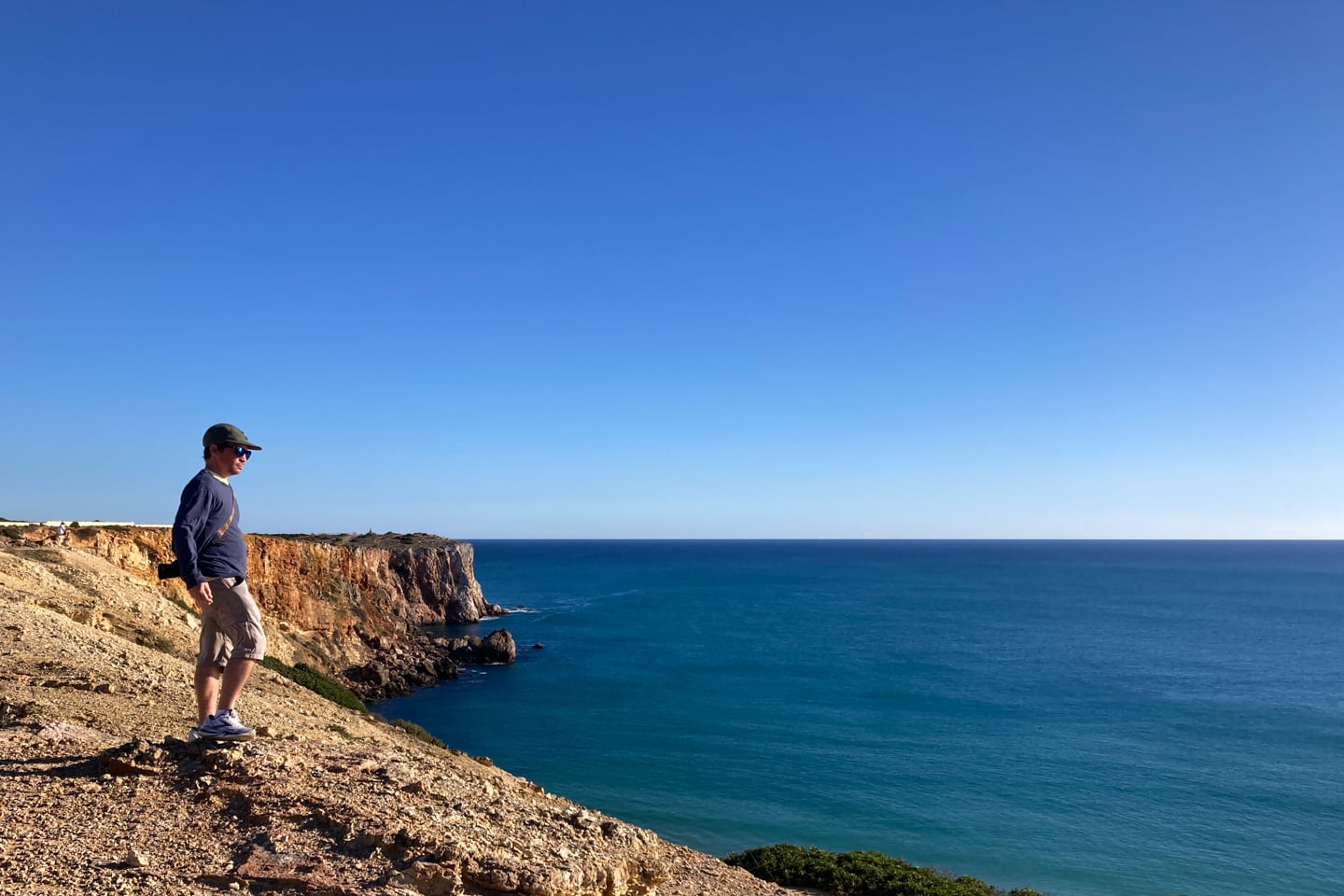
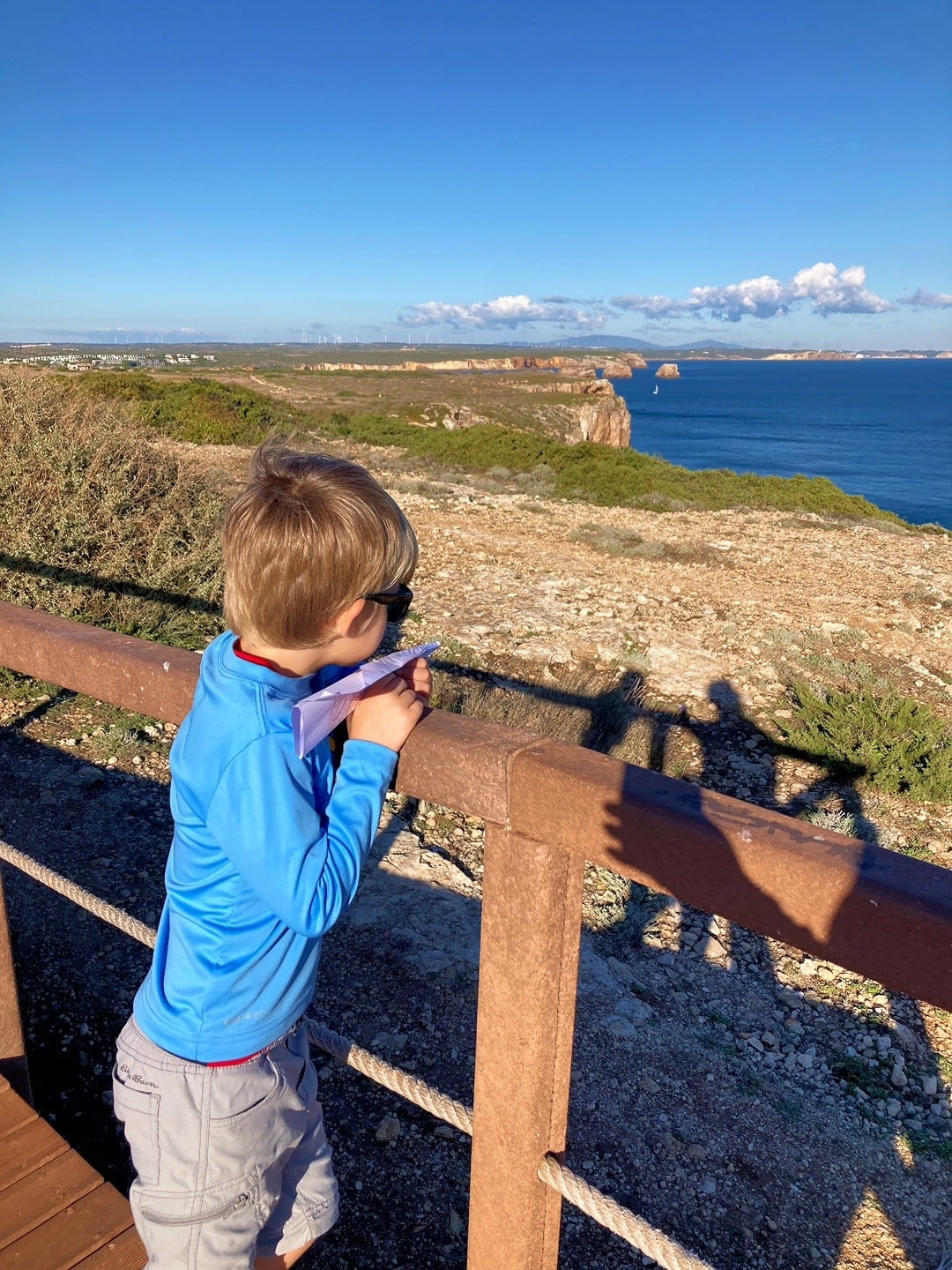
Atalaia is less developed and much more rugged than its neighbor to the west. Not a lot of rails here, but the paths are wide and well-marked so we felt confident walking the bluff with the boys.
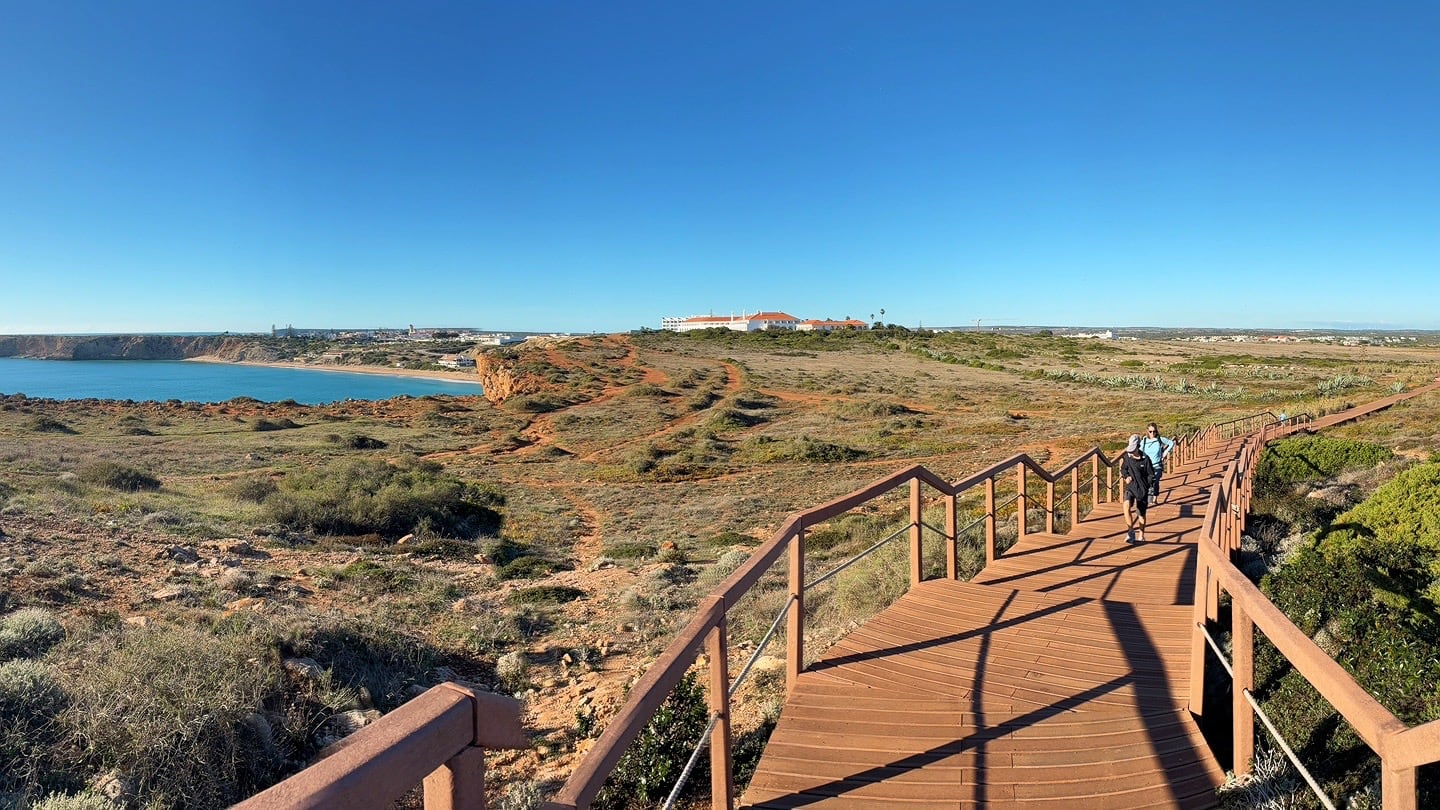
It appears they’ve even started to build boardwalks to rival the ones over in Lagos.
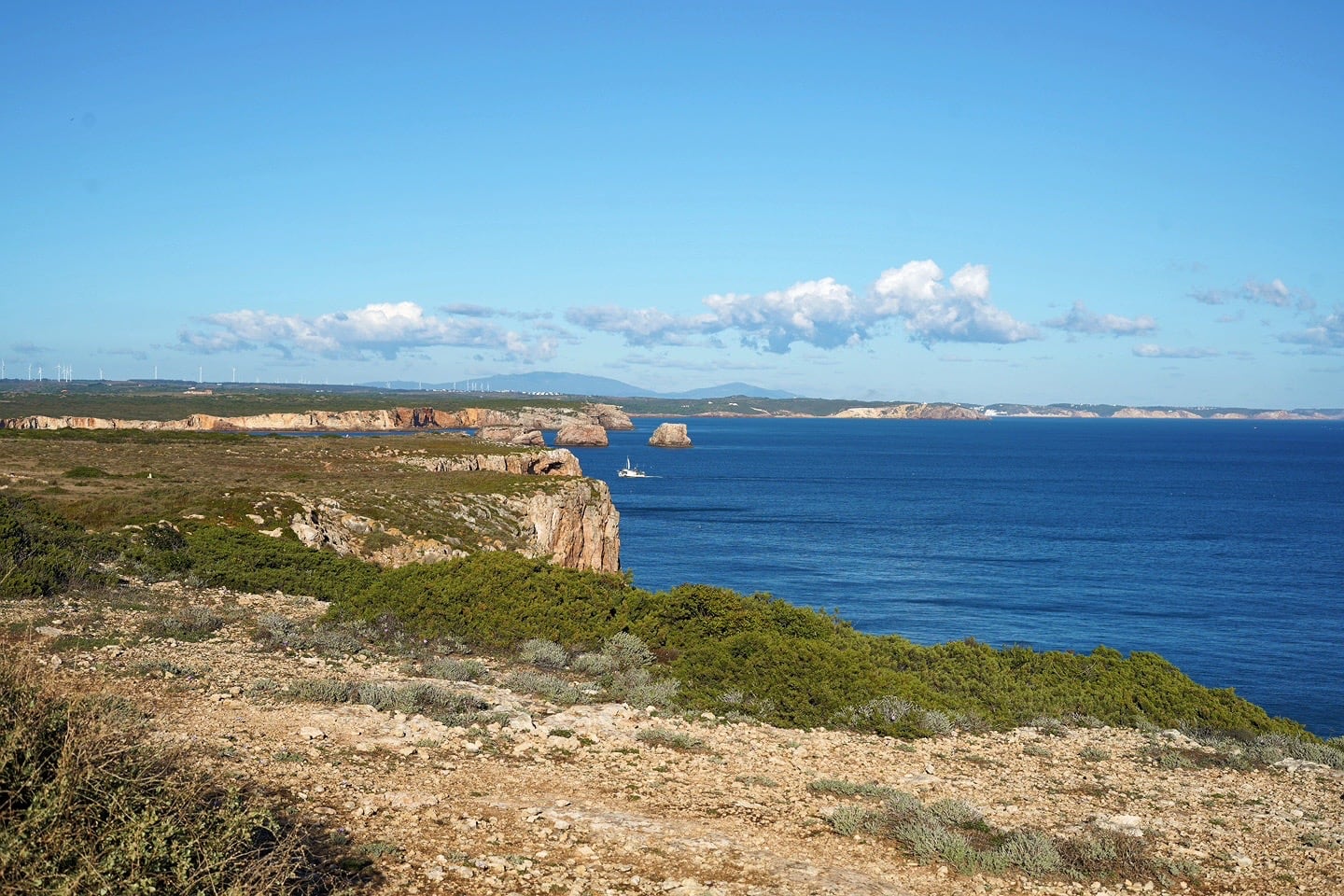
It was a very clear day, so much in fact that we could spot Lagos’ Ponta da Piedade about 20 miles up the coastline.
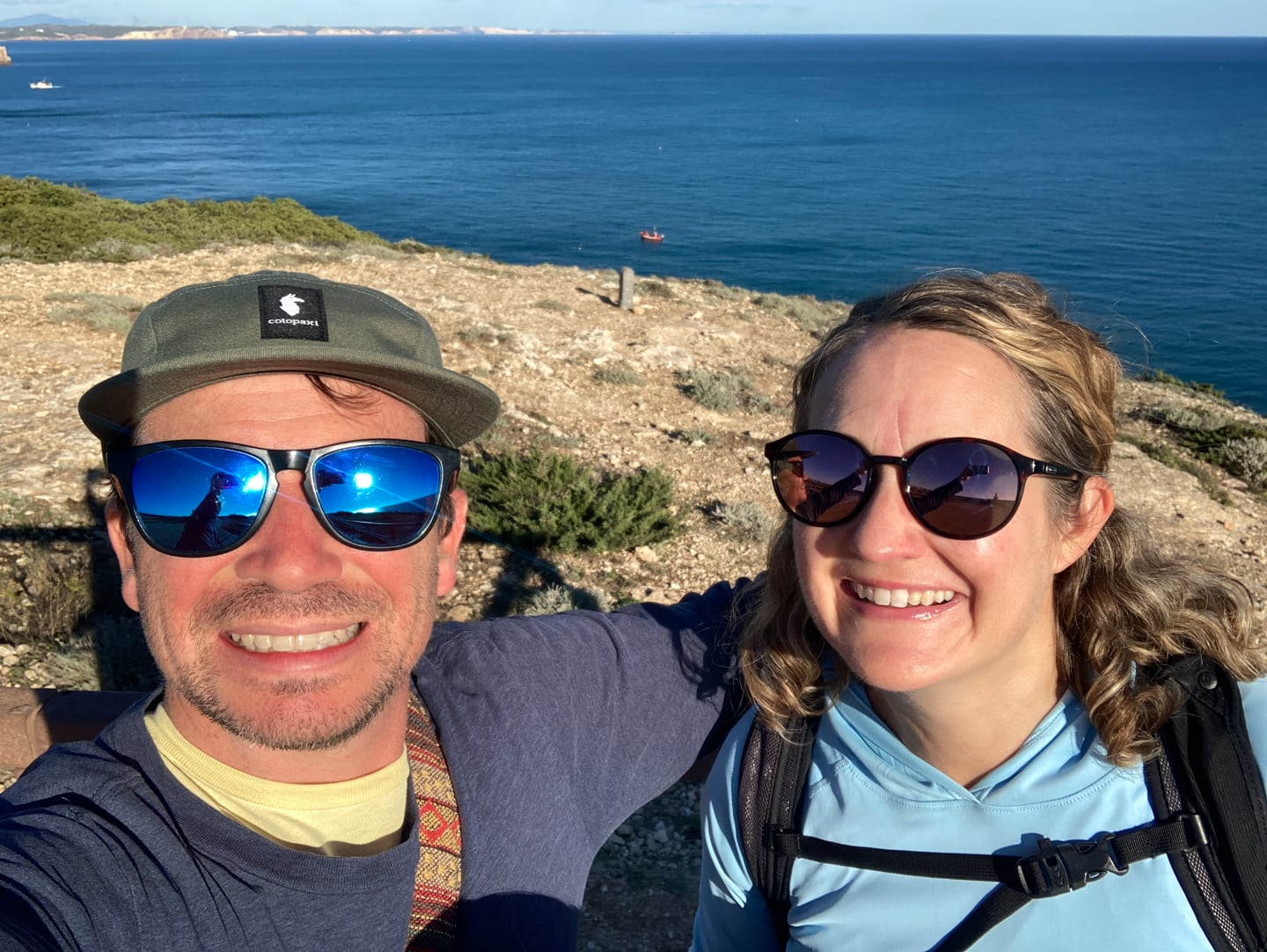
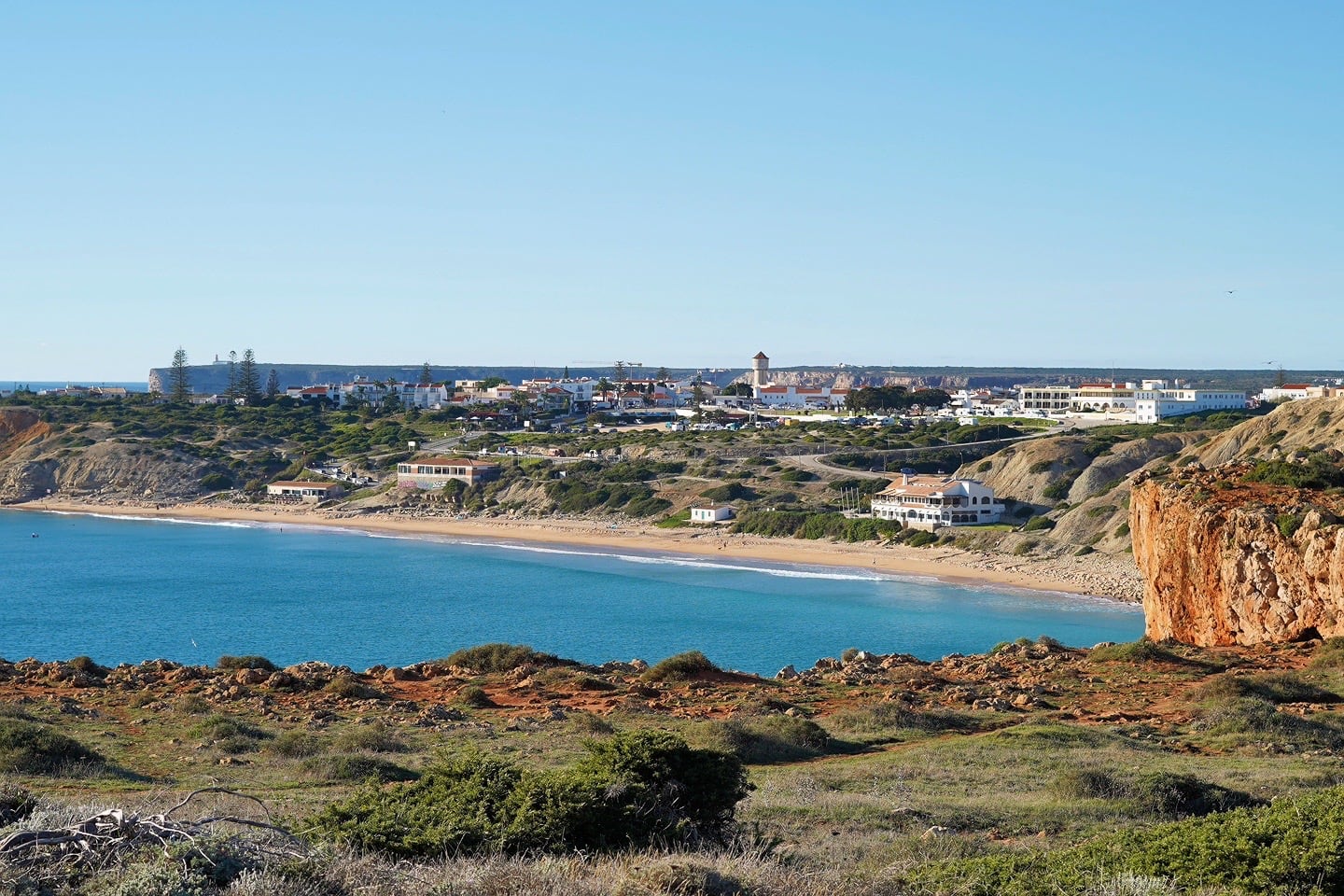
Looking back at the diminutive beach town of Sagres.
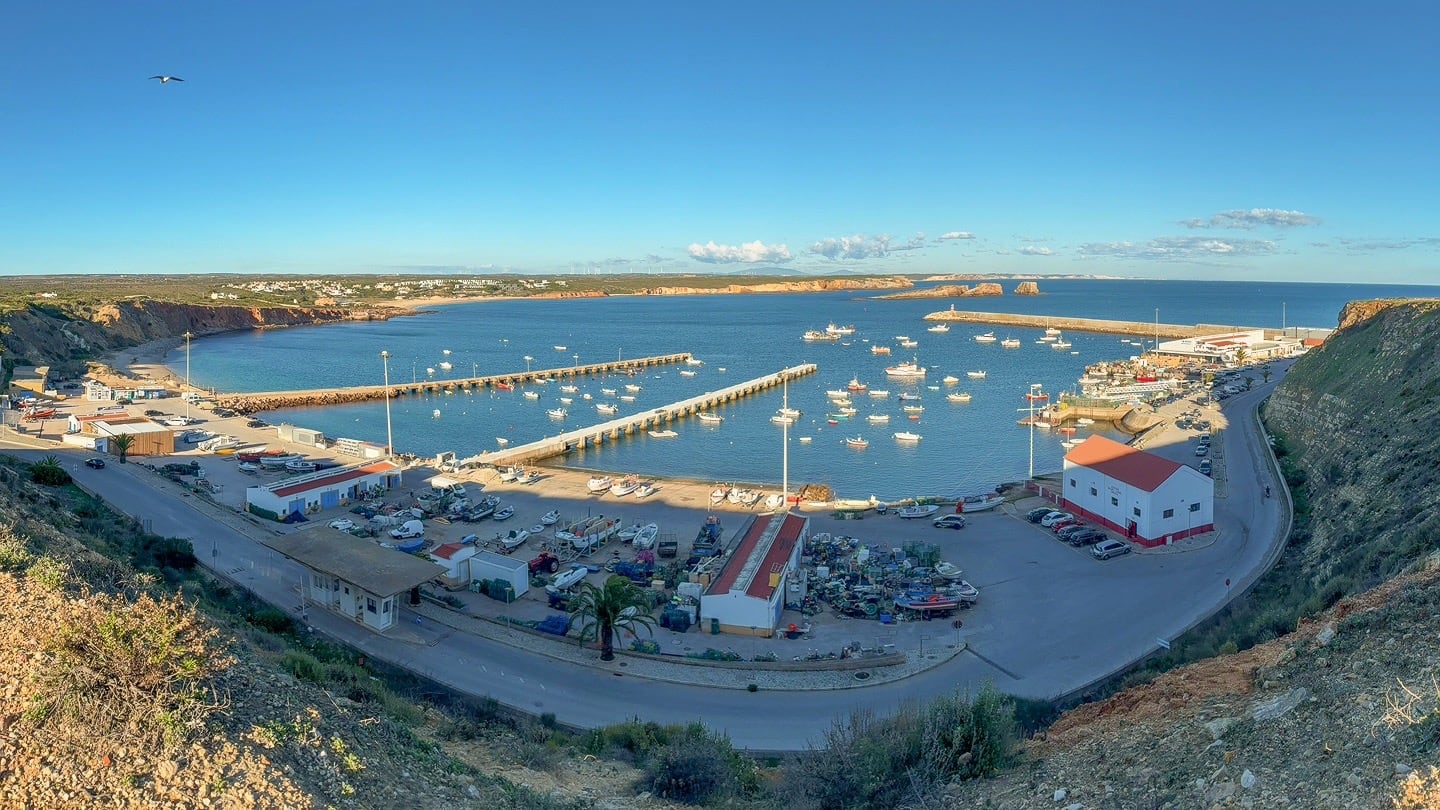
Sagres’ bustling port, just on the other side of the headland.
Back to Lagos!