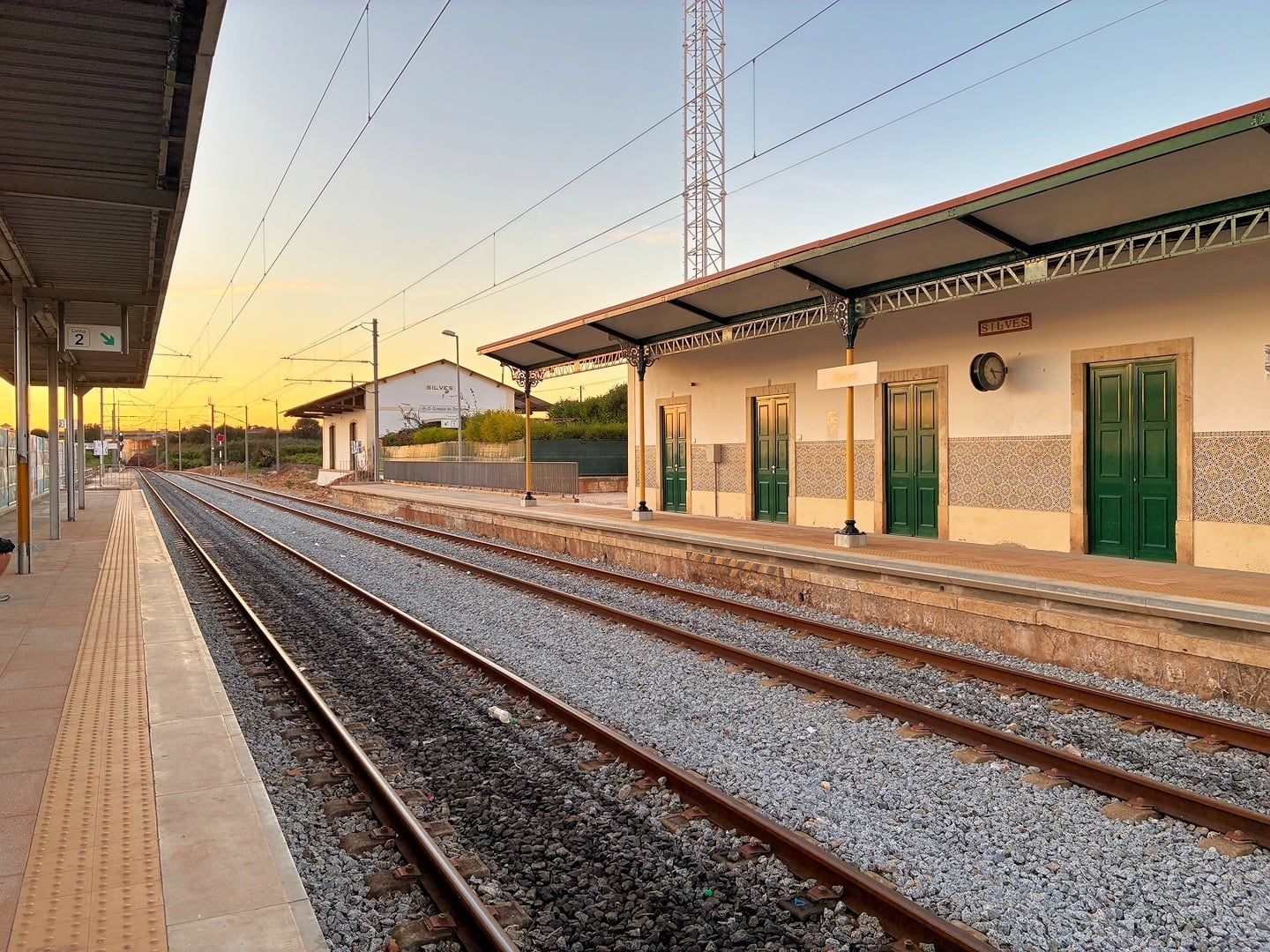
Most of the Algarve’s best-known destinations hug Portugal’s idyllic southern coastline. But historic Silves is an exception.
For nearly 700 years, Silves was the capital of the Algarve Kingdom, which dissolved in 1910 when the Portuguese monarchy was deposed.
Our Euro-African Journey (So Far...)
Today, Silves is a small town of just 11,000, but is a popular tourist draw for its medieval fortifications and quaint cobblestone footpaths. It’s an easy 40-minute train ride from Lagos, which made it an enticing little day trip for us.
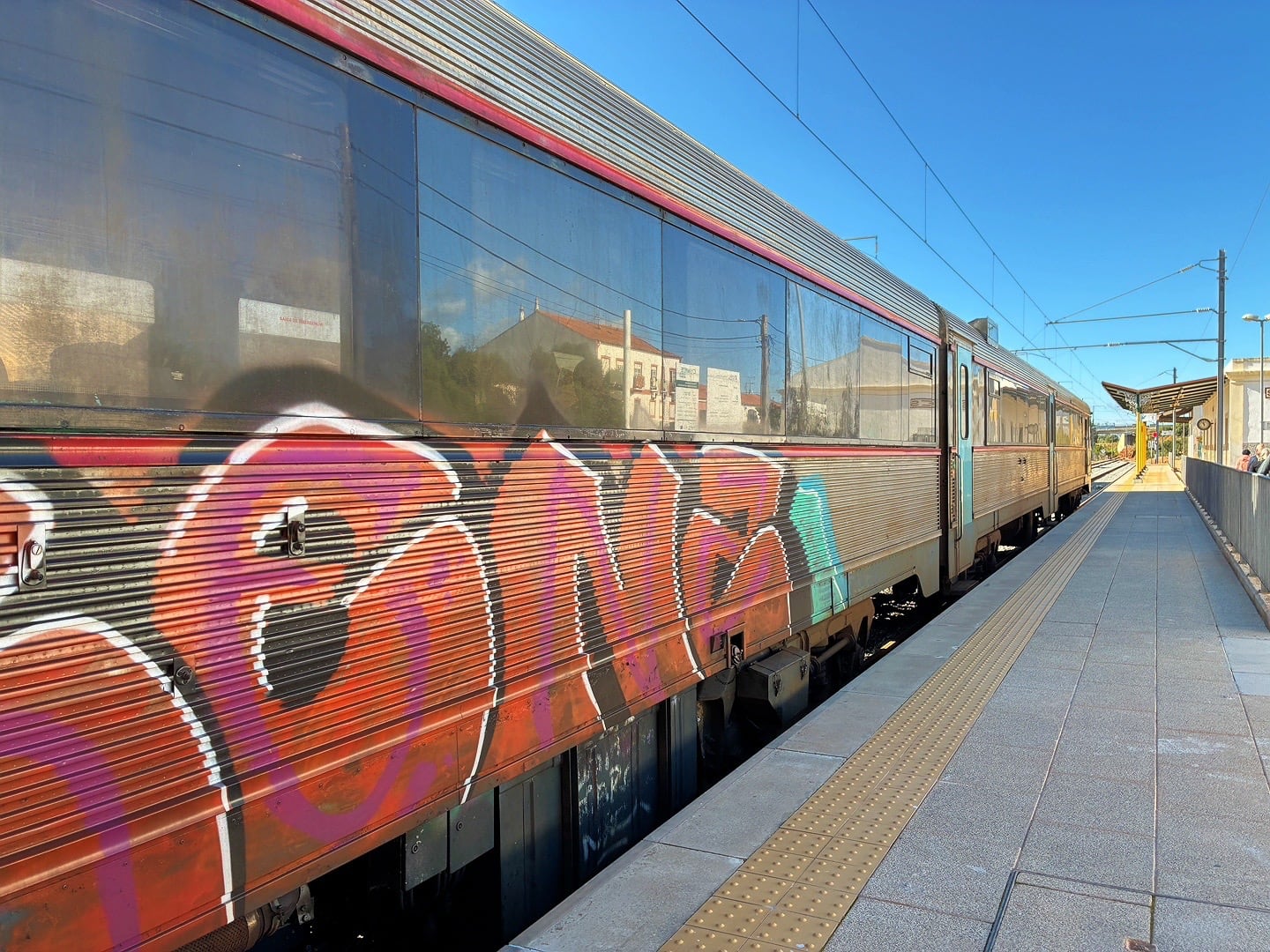
The train from Lagos to Silves didn’t look like much, but it was easy and efficient and just $12 for the four of us each way.
Unfortunately, we didn’t get this rate on our outbound journey because the woman at the ticket window insisted that the boys needed their passports to get the youth rate. However, the conductor on the return trip didn’t seem to care.
We’re learning this sort of thing isn’t unusual in Portugal—on any given day our dealings with officials might be mired in draconian bureaucracy or what I can only describe as a loose-goosey laissez-faire approach, and you never know which it’s going to be.
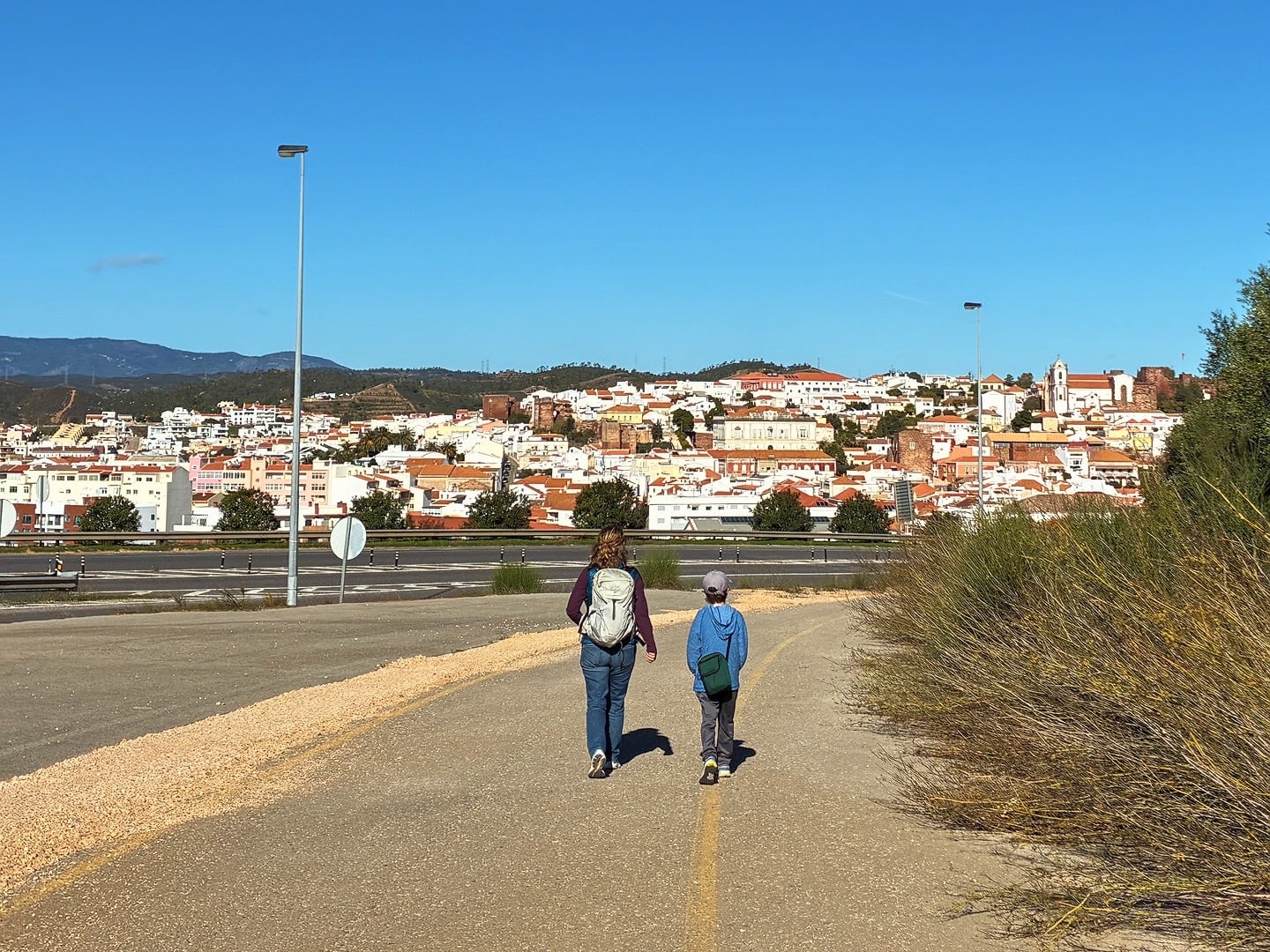
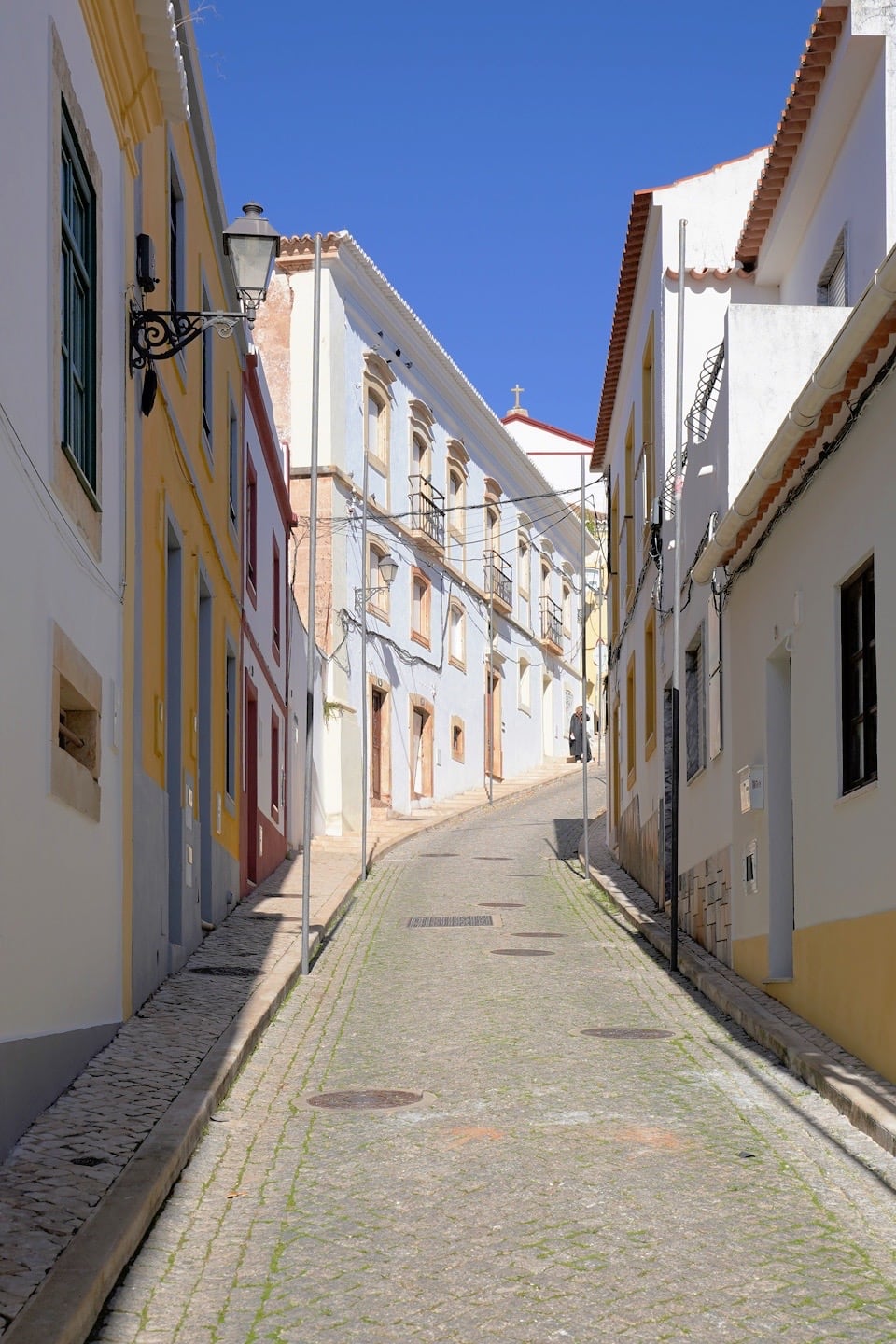
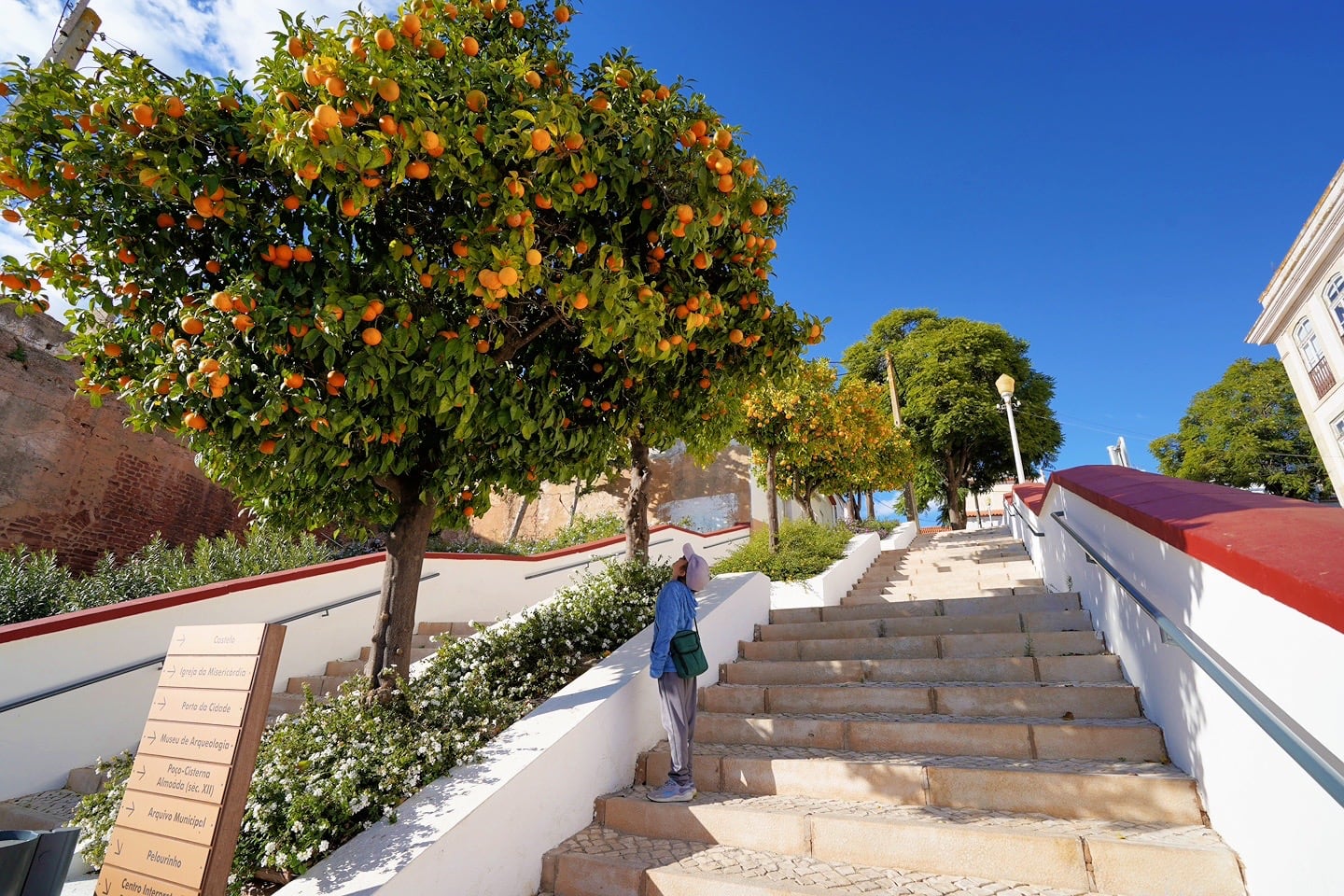
The Silves train station is located a bit out of town on top of a hill. We opted for the 20-minute downhill walk in and a taxi back to the station in the afternoon. The walk gave us a good perspective on the picturesque little town coming in.
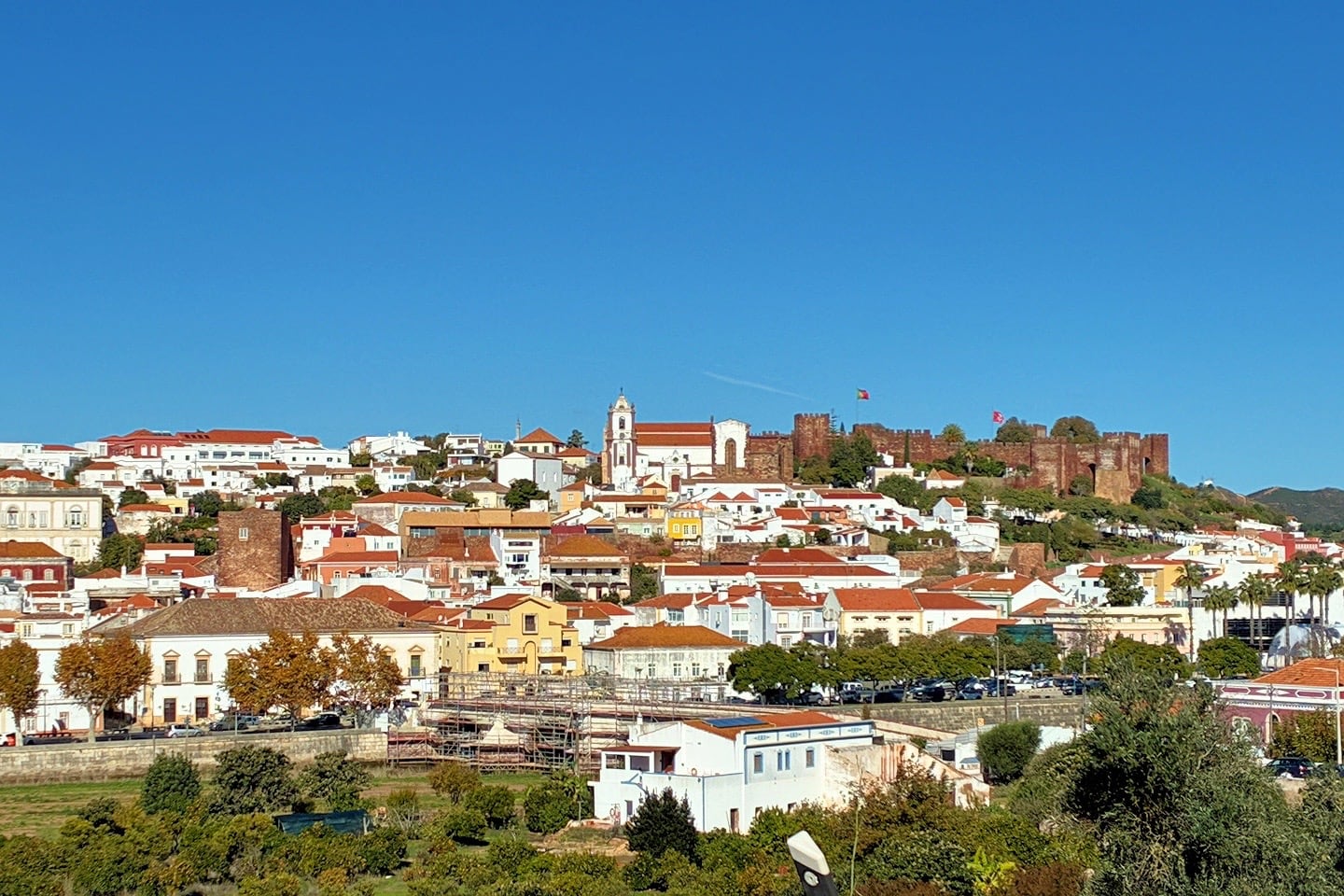
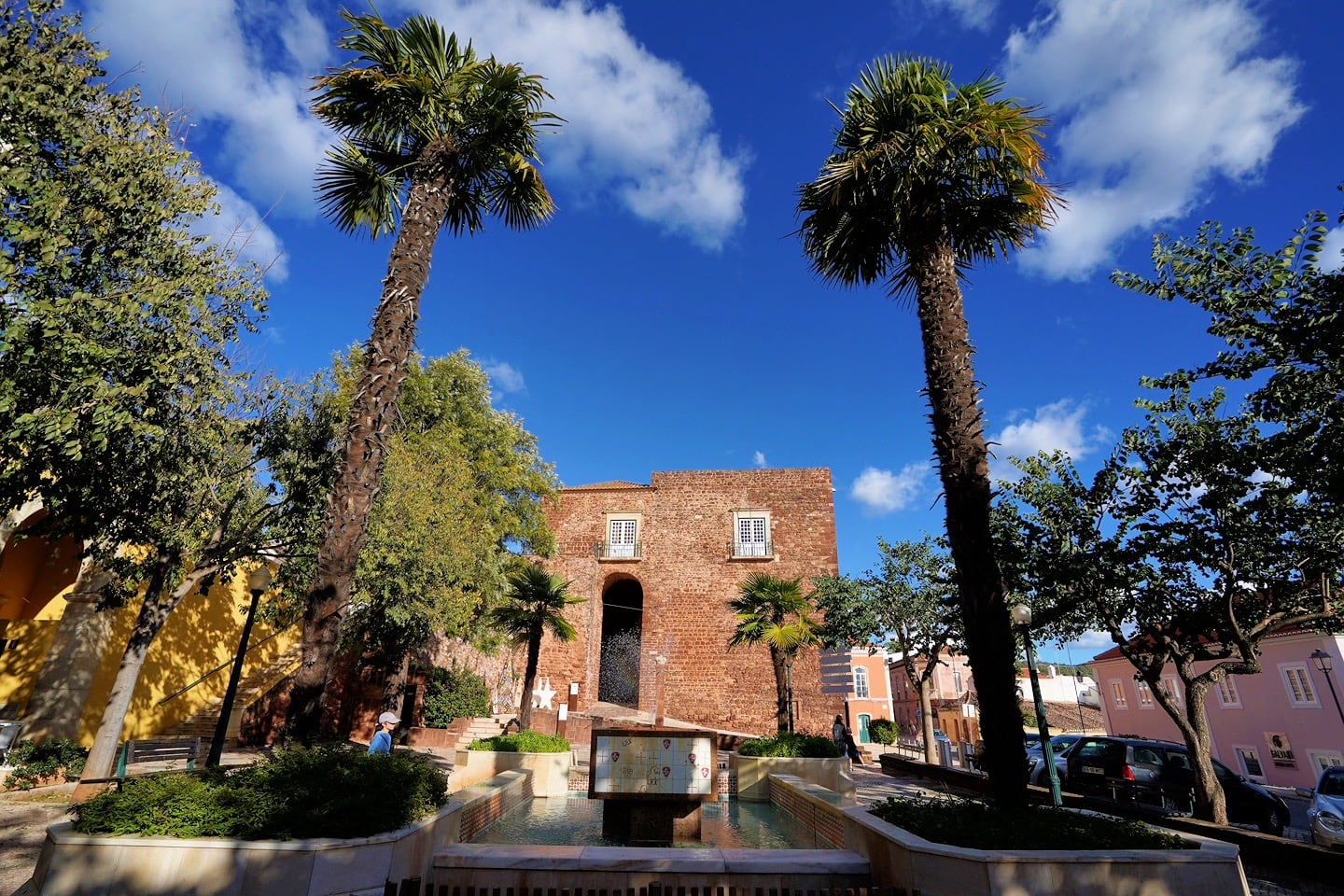
Silves’ two most famous attractions are the castle and cathedral (a the top of the hill). In their current form, they both date to the 13th century.
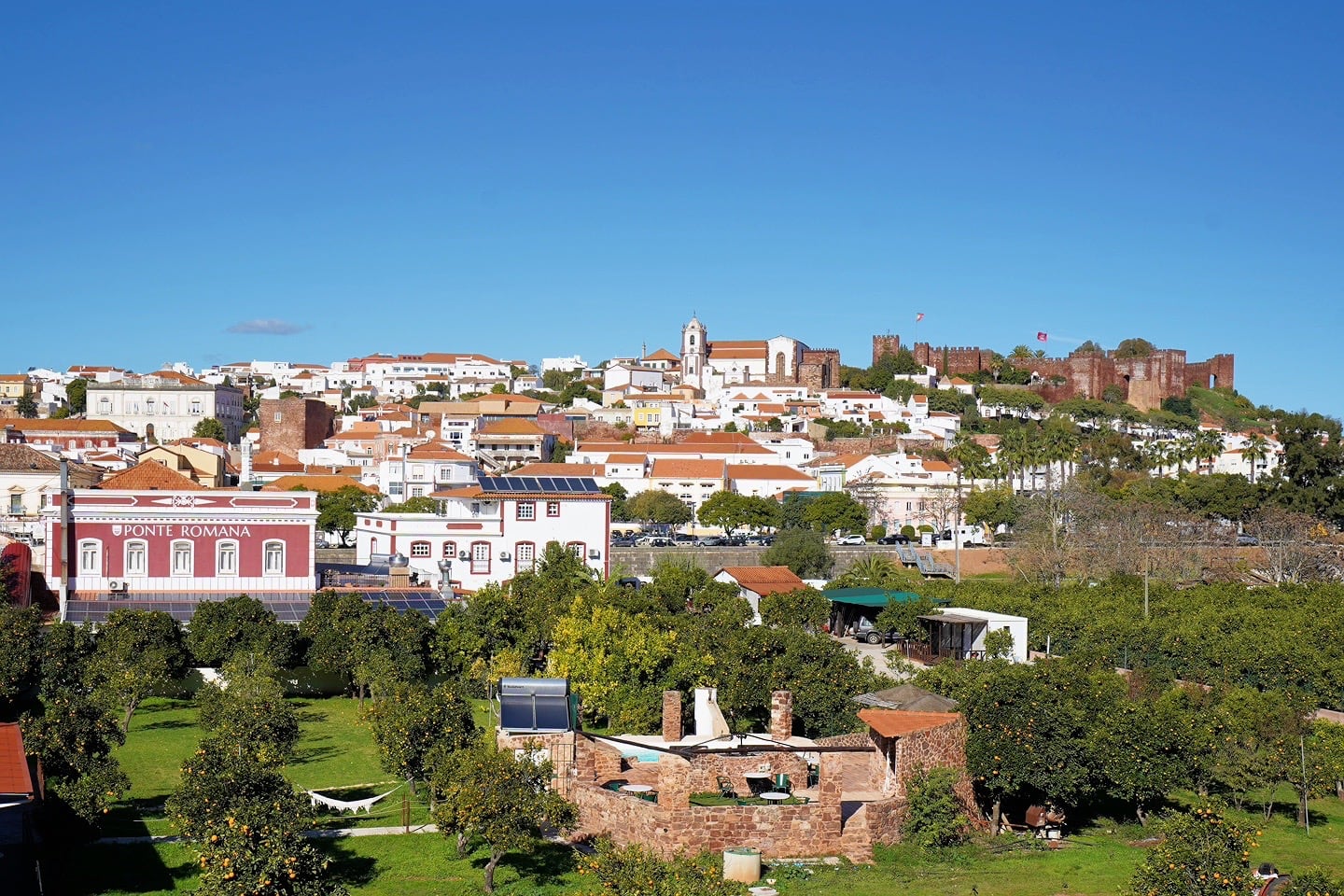
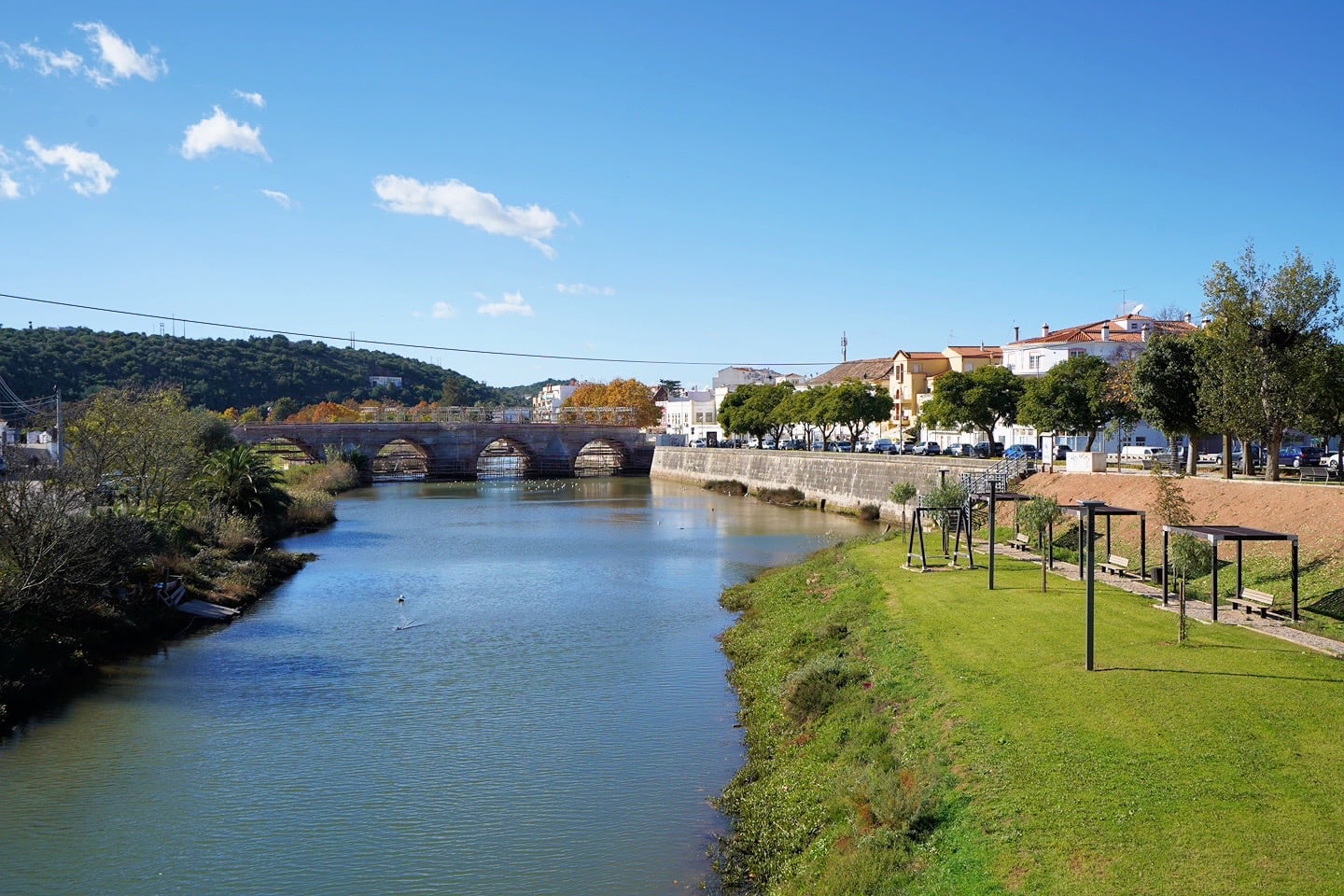
Another one of the city’s top sights is the Roman Bridge spanning the Arade River. The bulk of the bridge only dates to the 14th century, but it’s said to be built on the ruins of a much earlier Roman bridge.
It’s closed for renovations right now, so we took an alternate bridge into town.
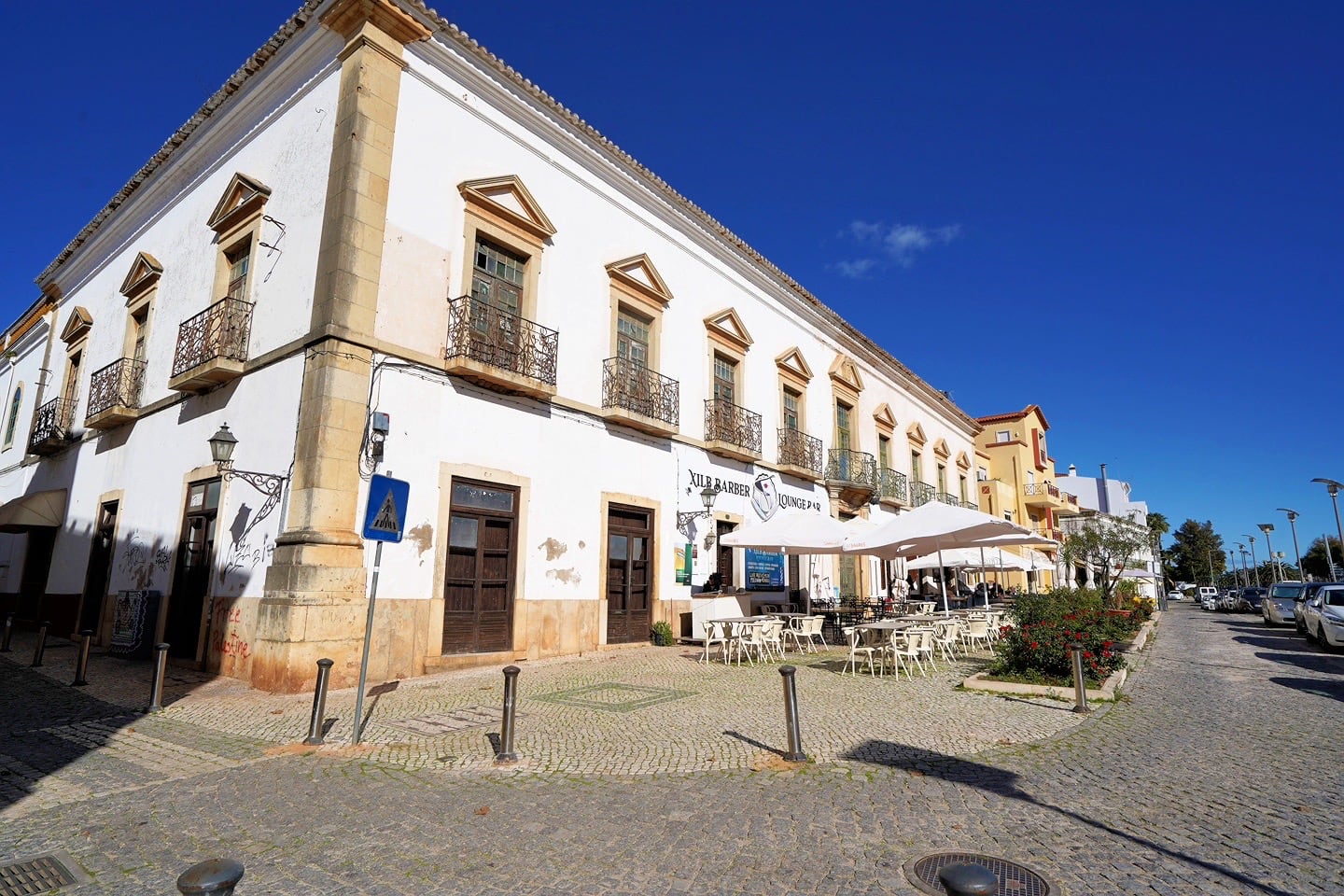
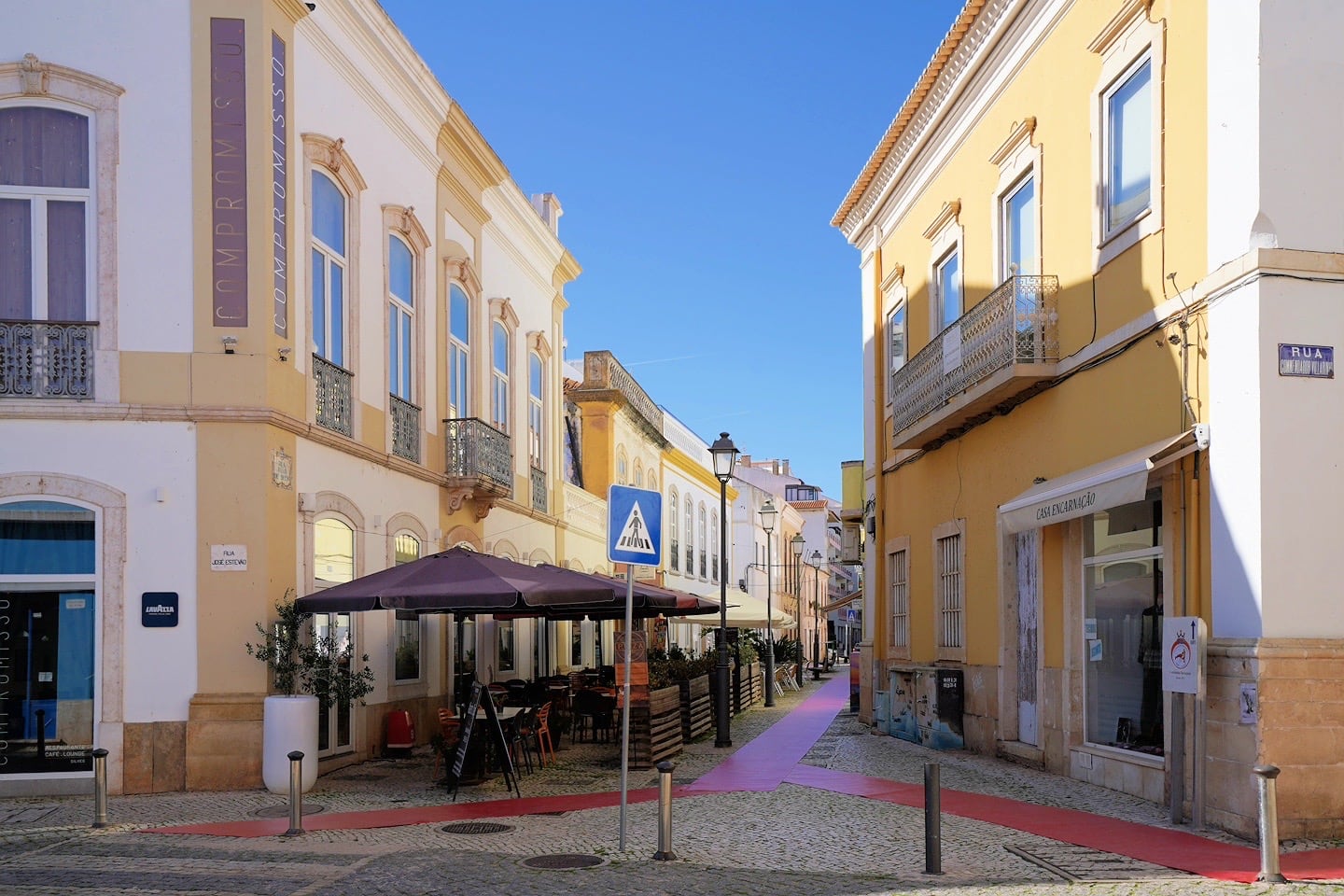
We weren’t quite prepared for how sleepy the town would be this time of year—a stark contrast from bustling Lagos where we’ve been staying. It’s clear that things pick up in the warmer months, but it’s a nice change of pace for the day.
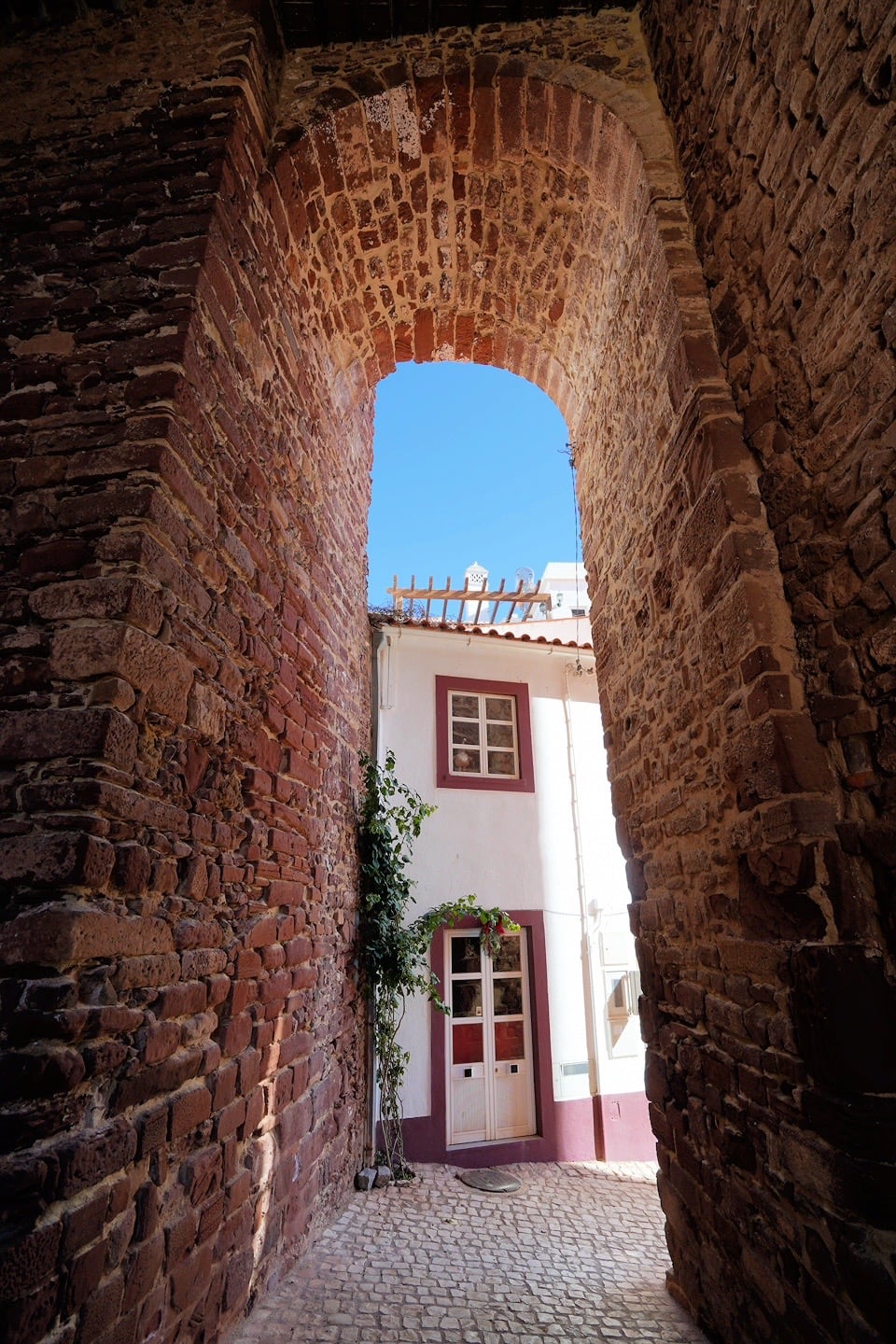
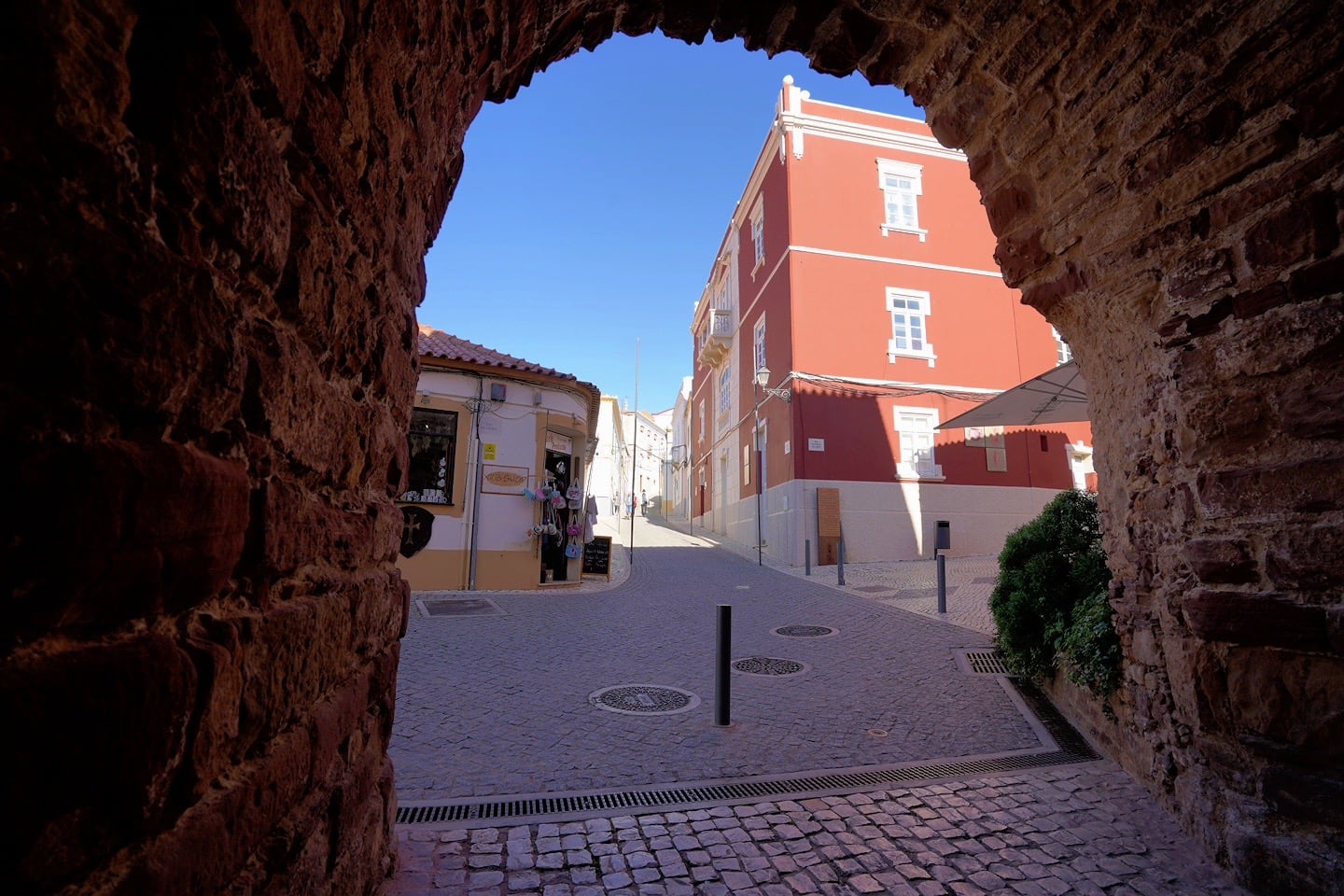
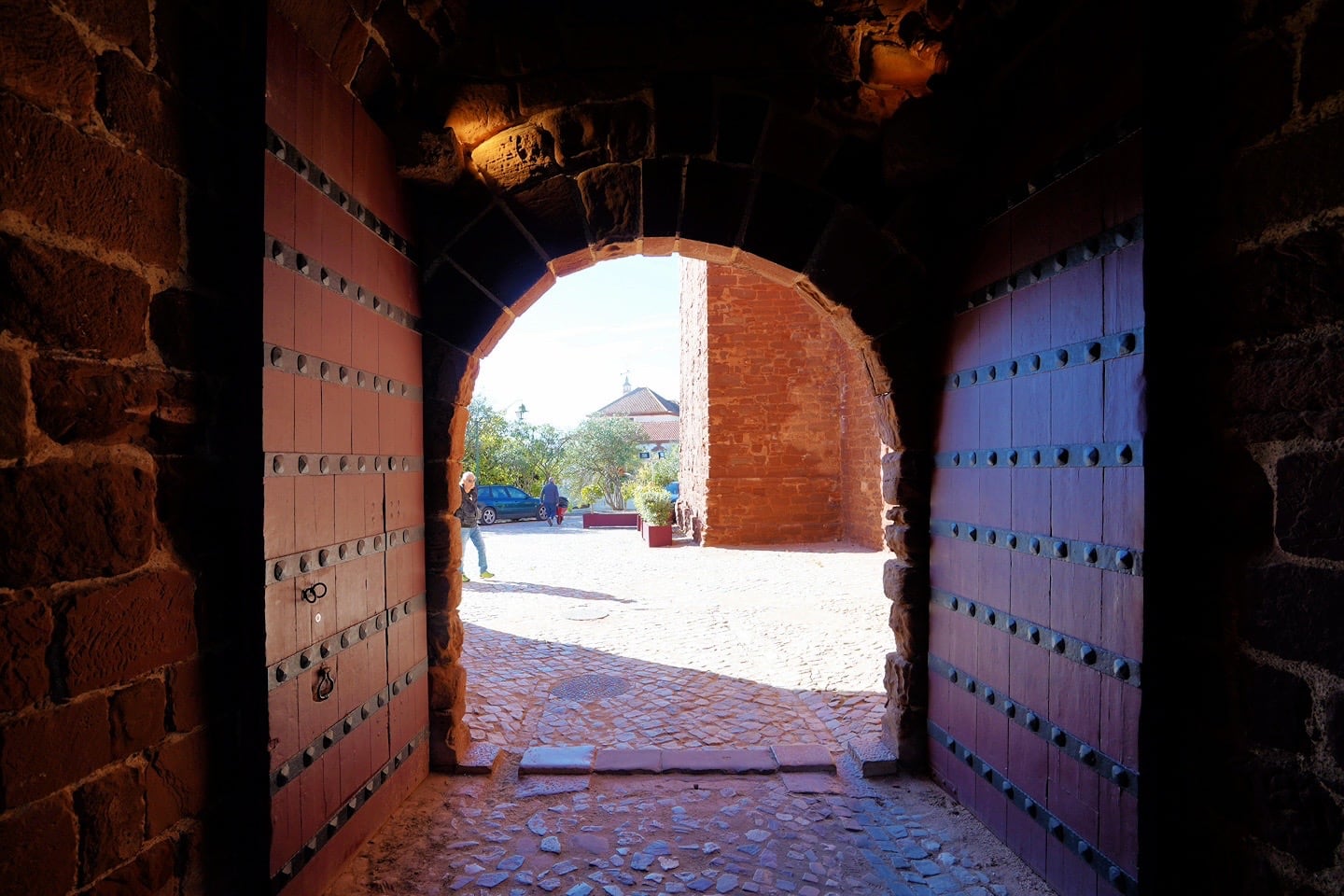
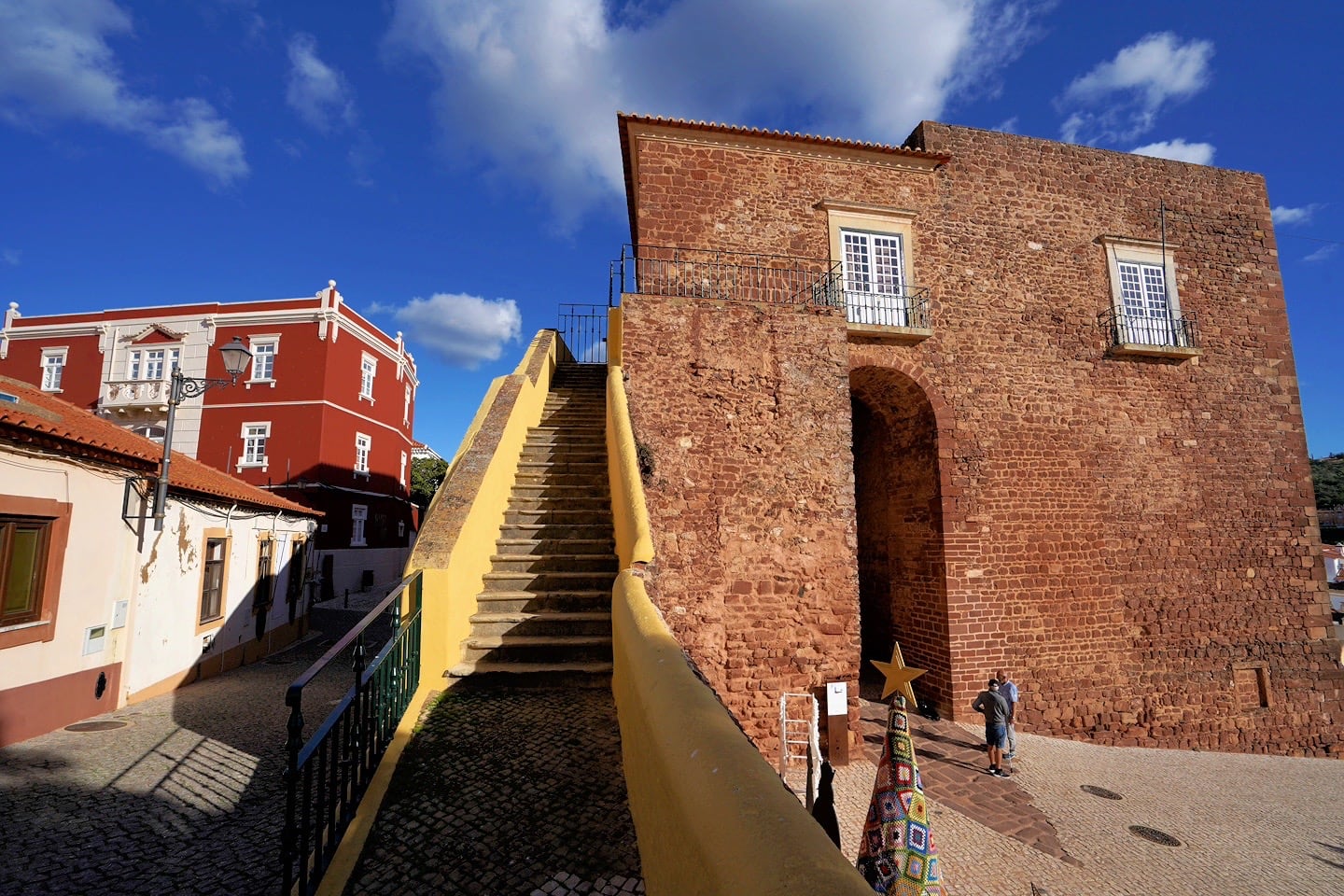
Like so many old towns in this part of the world, Silves was once encircled by a formidable wall. This is one of the old gates.
Before heading up to the cathedral, we stop for a quick bite to eat…and some sketching.
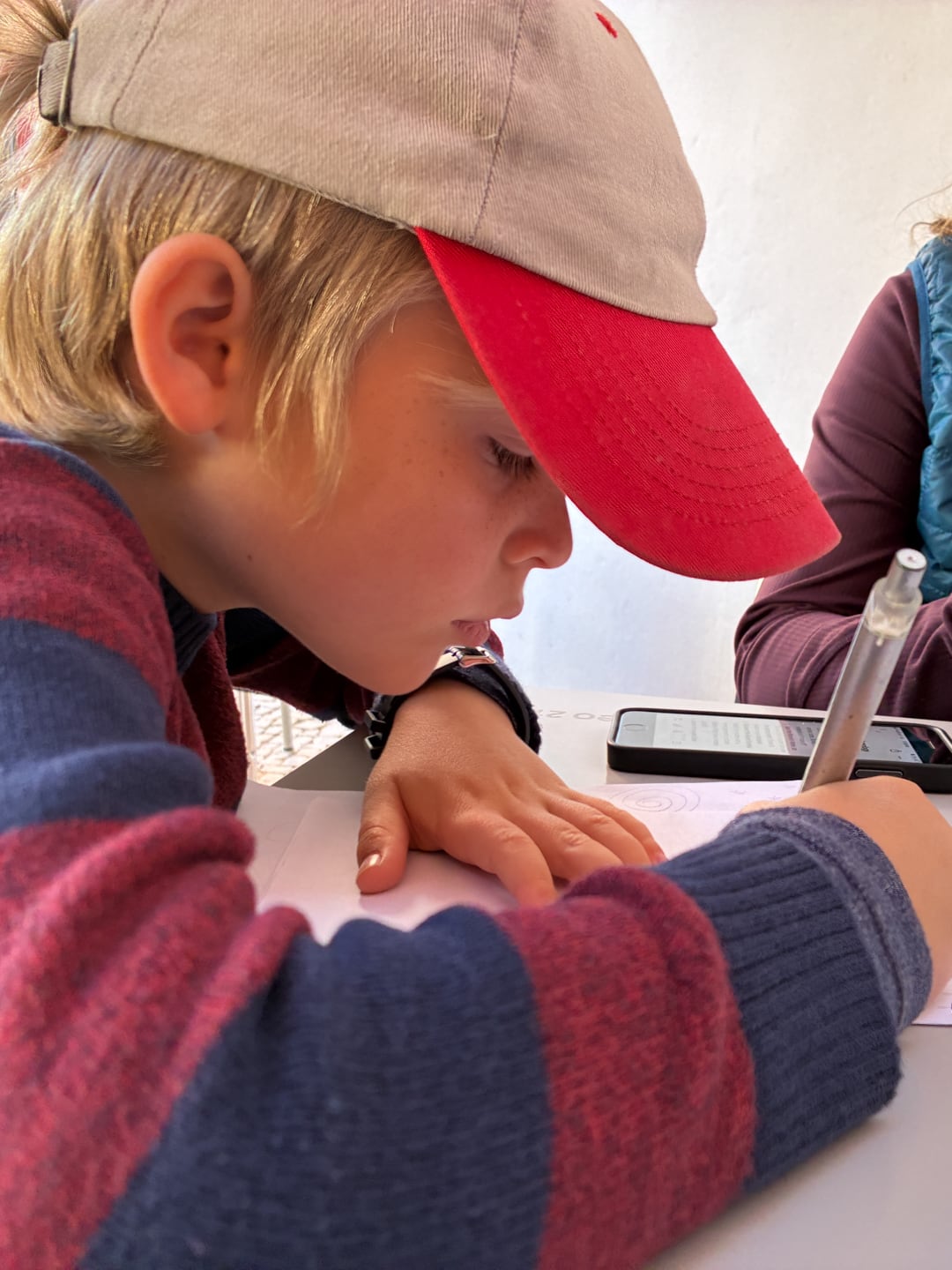
Halfway Cafe seemed like as good a place as any to break up our ascent.
With happy bellies, it’s time to continue uphill to the fort.
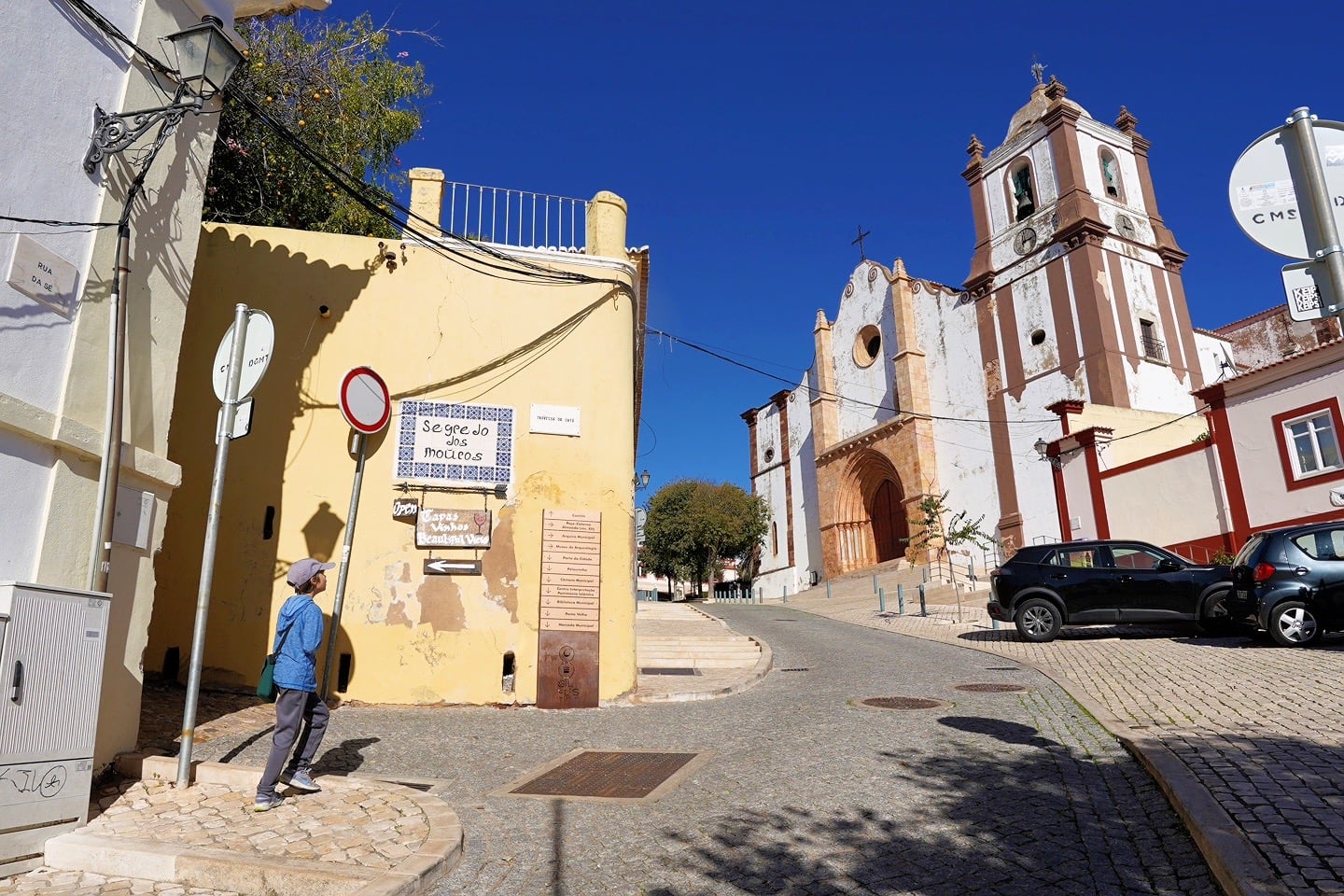
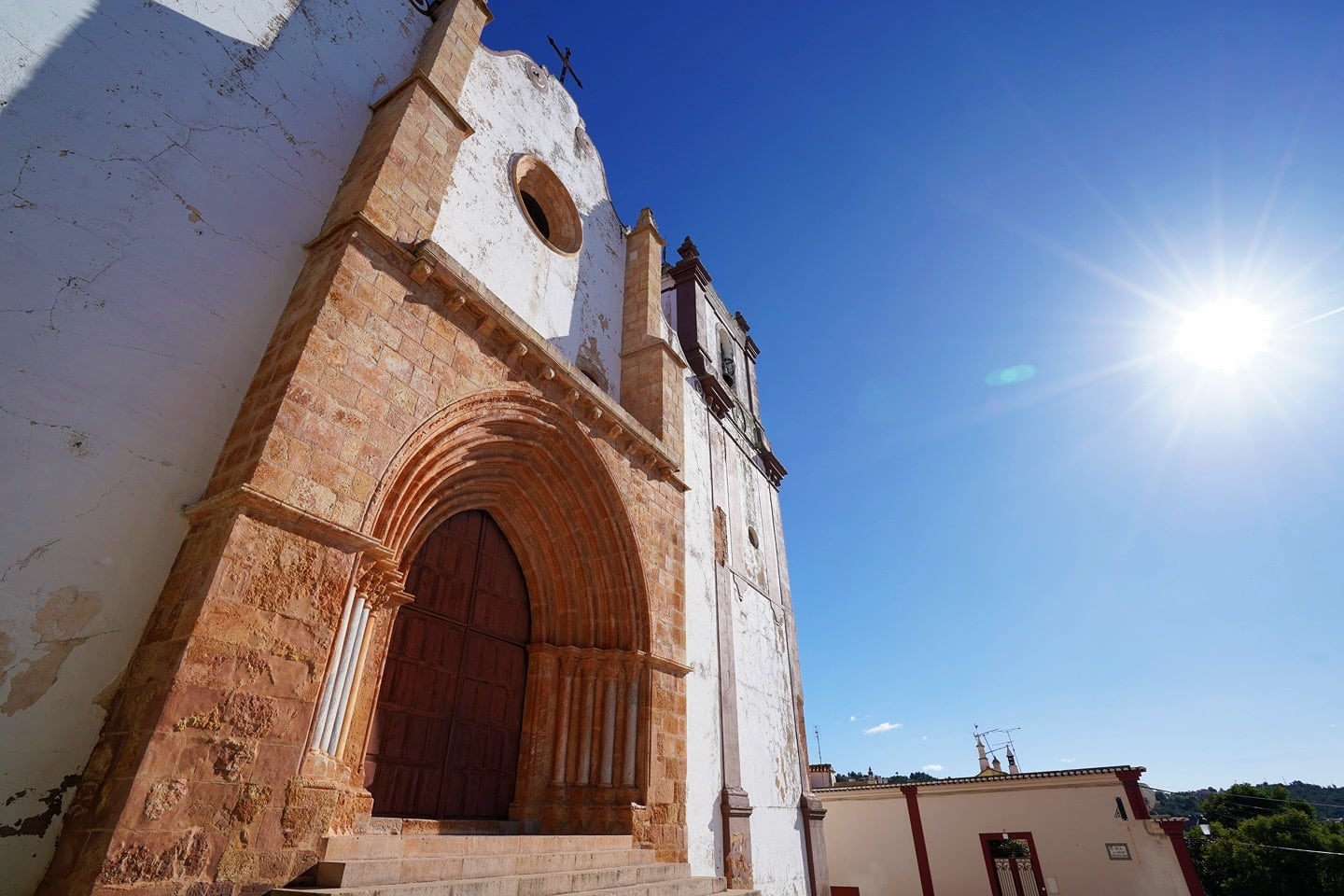
The cathedral’s closed today, so we can only admire it from outside. It’s always interesting to visit such a small town with such a large church in the center of things—a reminder of the importance this place once held.
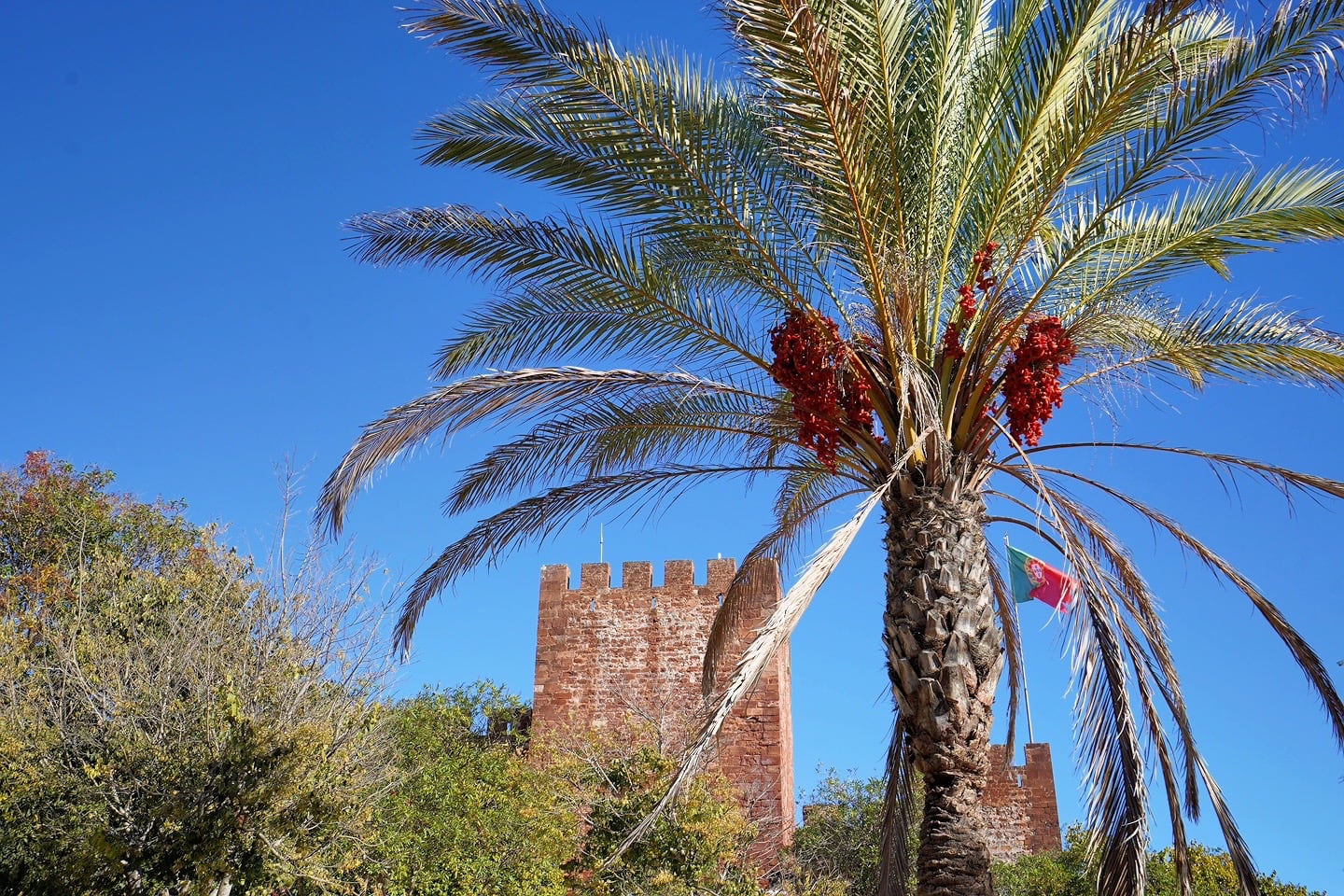
Date palms are a common sight throughout Silves.
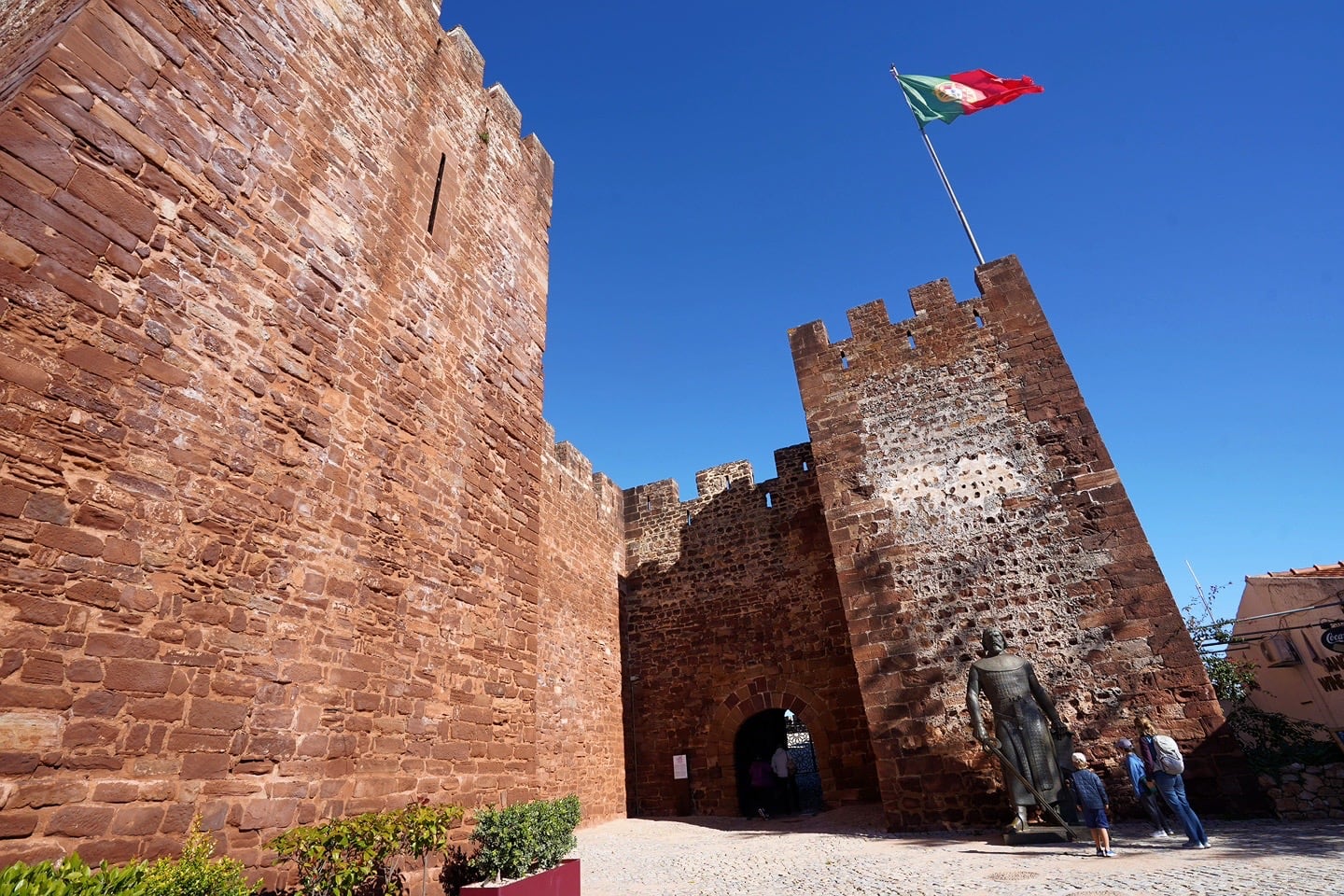
One of the great things about Silves (and Sagres, which we visited a couple weeks ago) is that we didn’t have to book any tickets in advance (not even our transport).
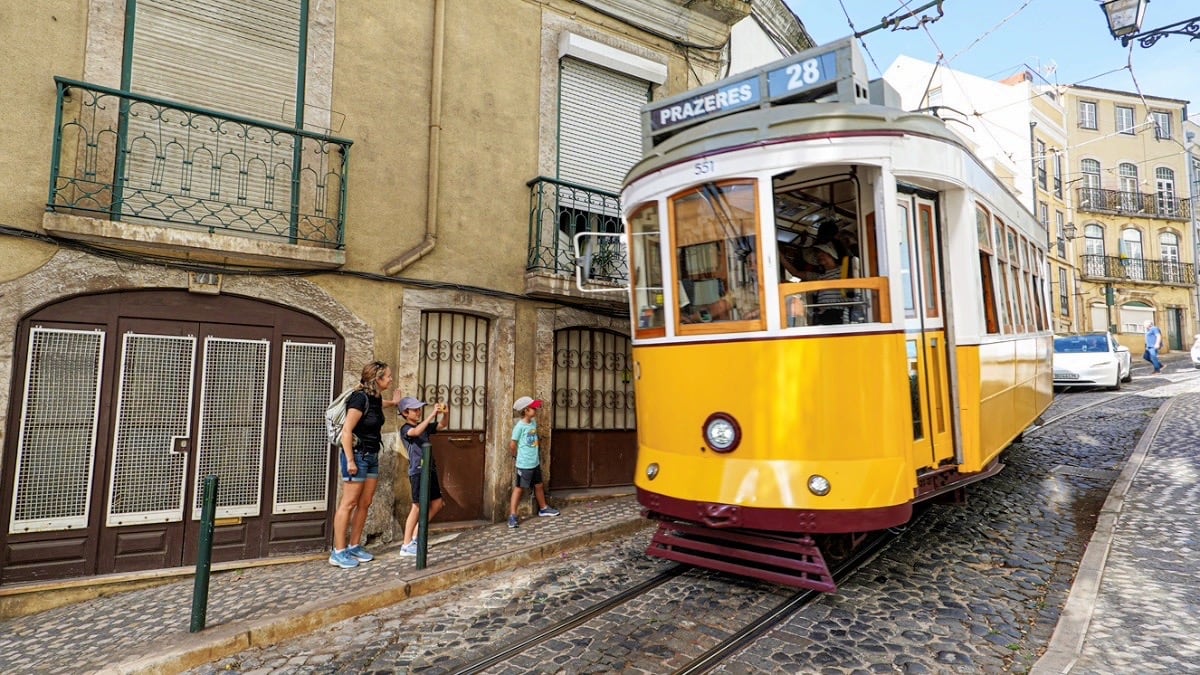
We were surprised by how many major attractions we had to plan in advance to visit in Lisbon. Silves is more our style.
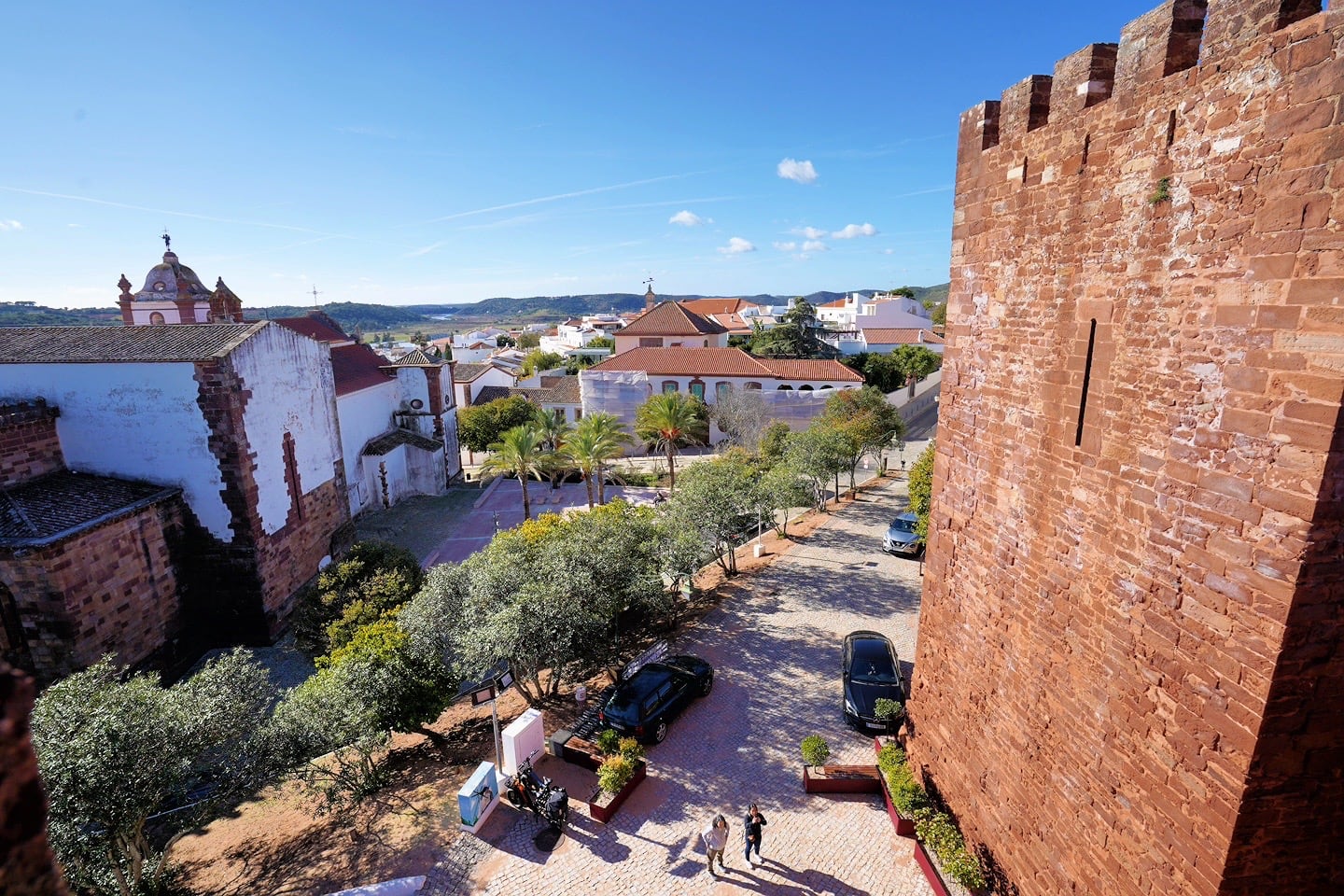
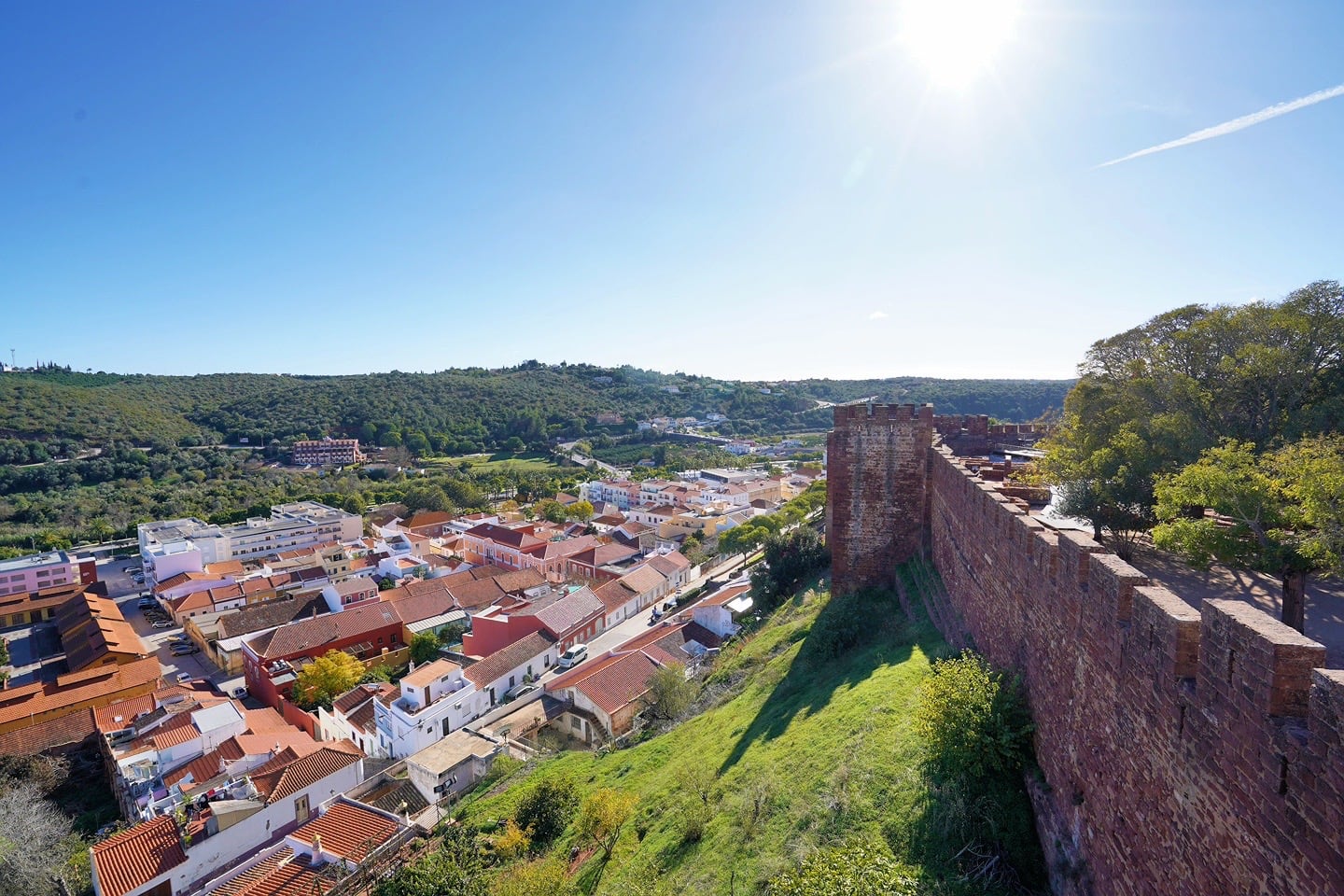
Great views from the castle’s ramparts.
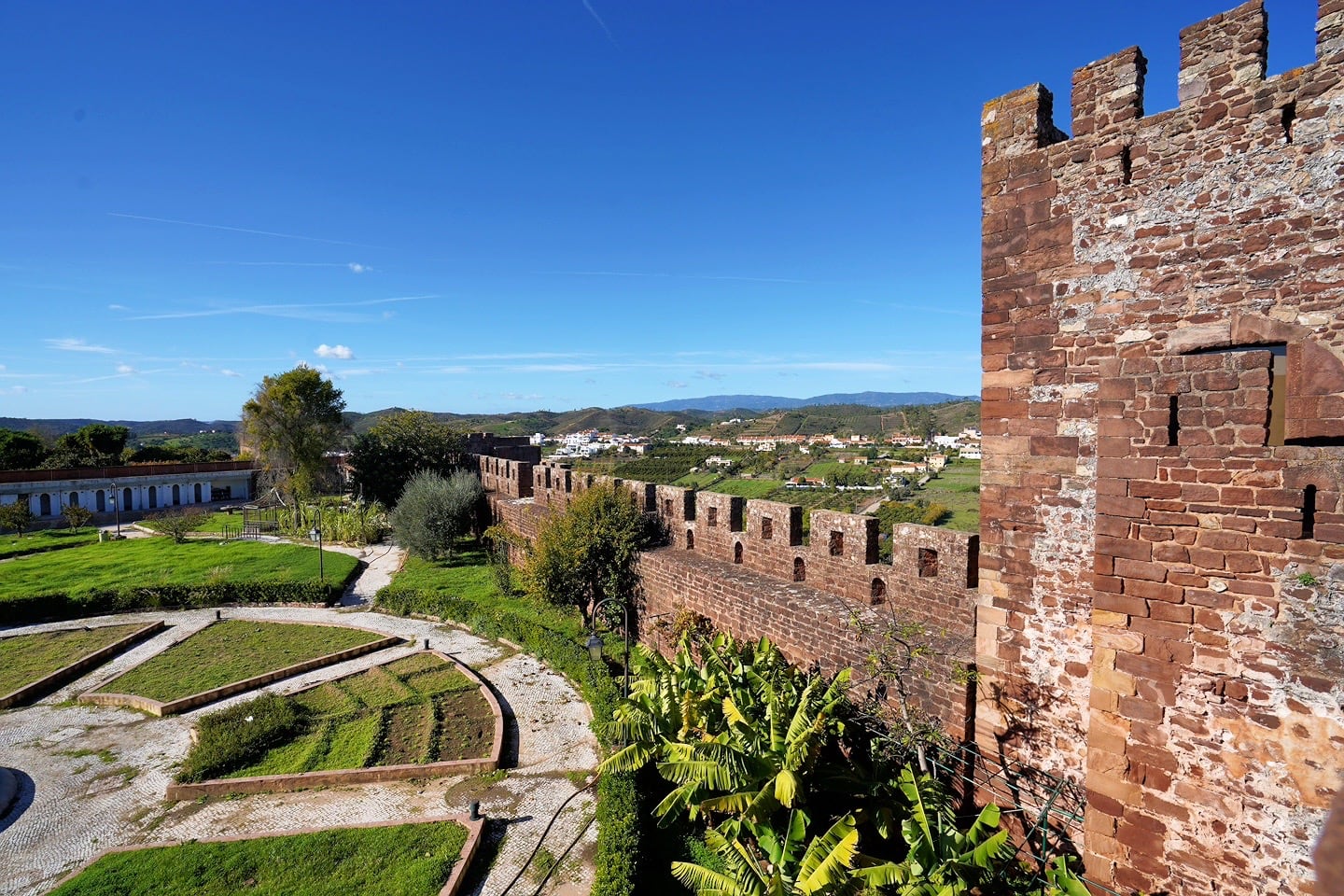
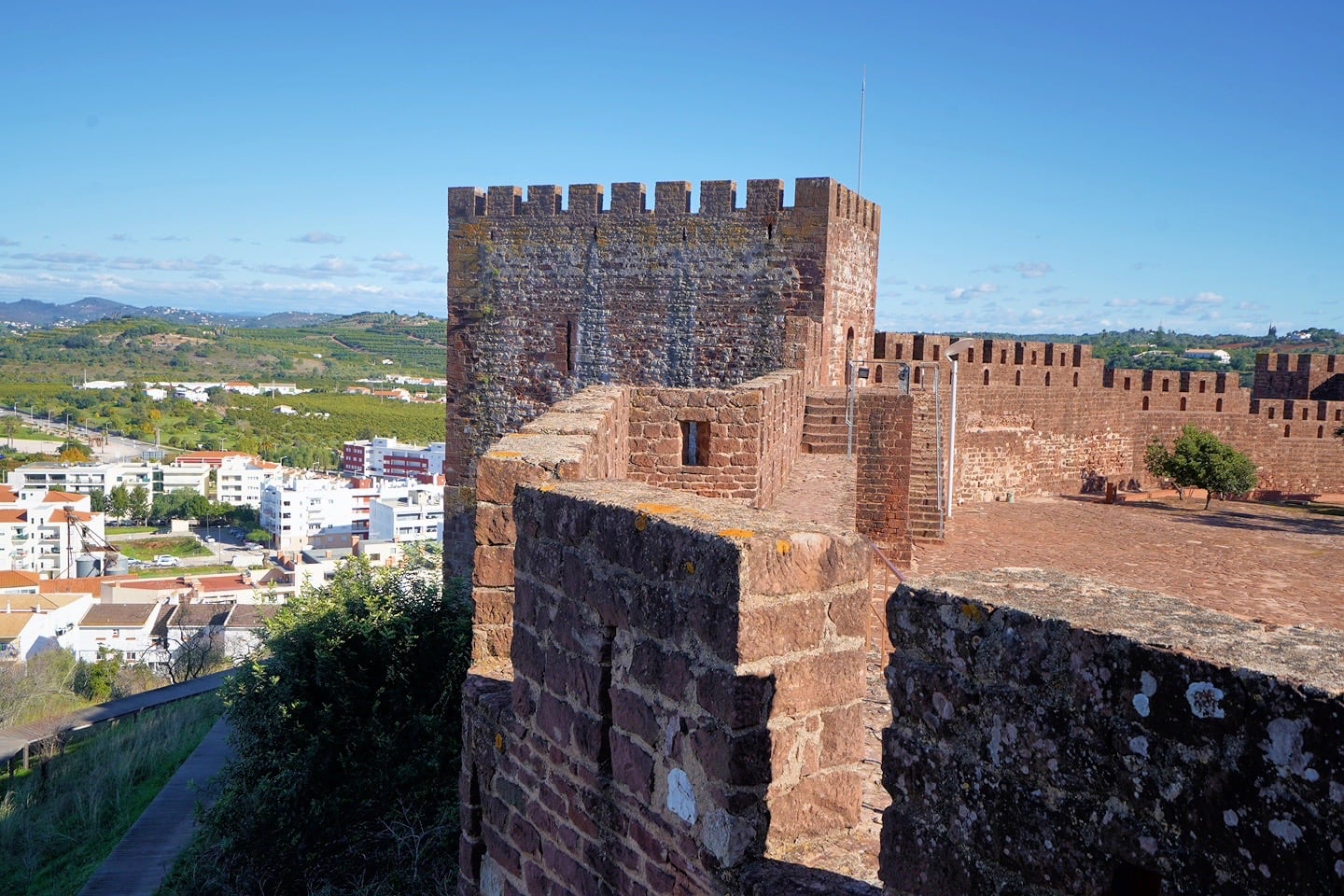
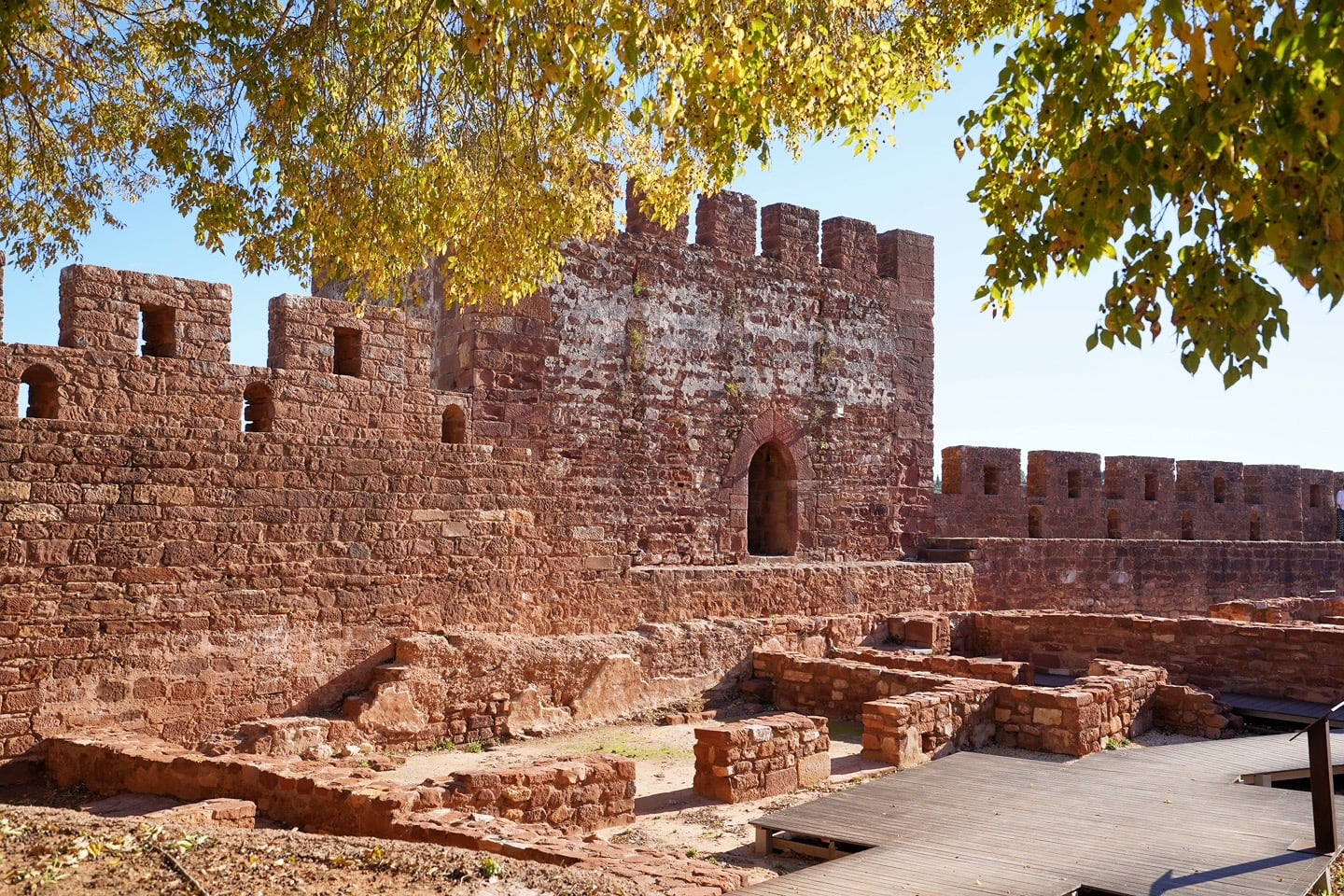
The basic structure of the castle is surprisingly well-preserved. Half the fun is walking the entire perimeter of the castle along the ramparts, which I can’t recall ever being able to do.
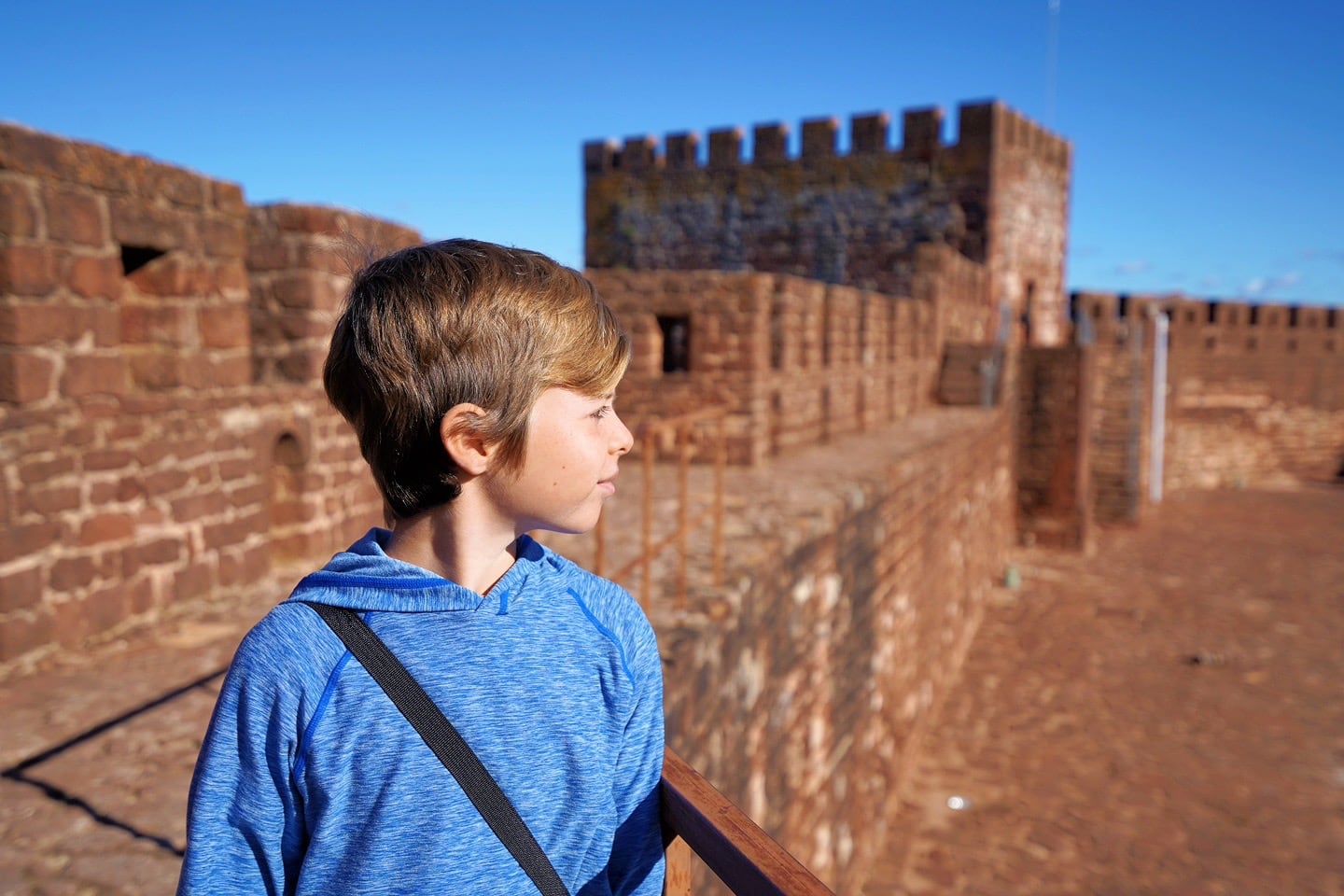
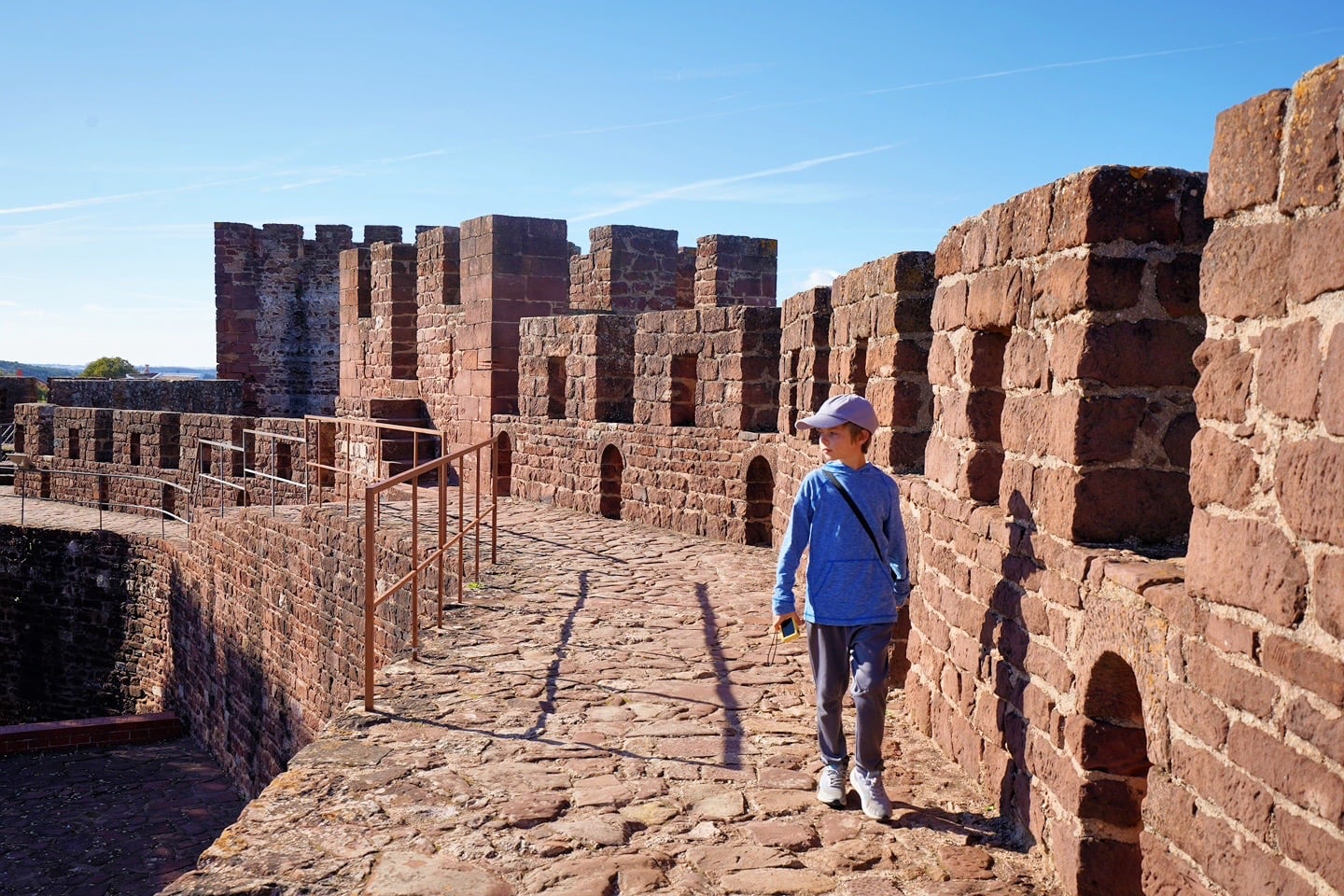
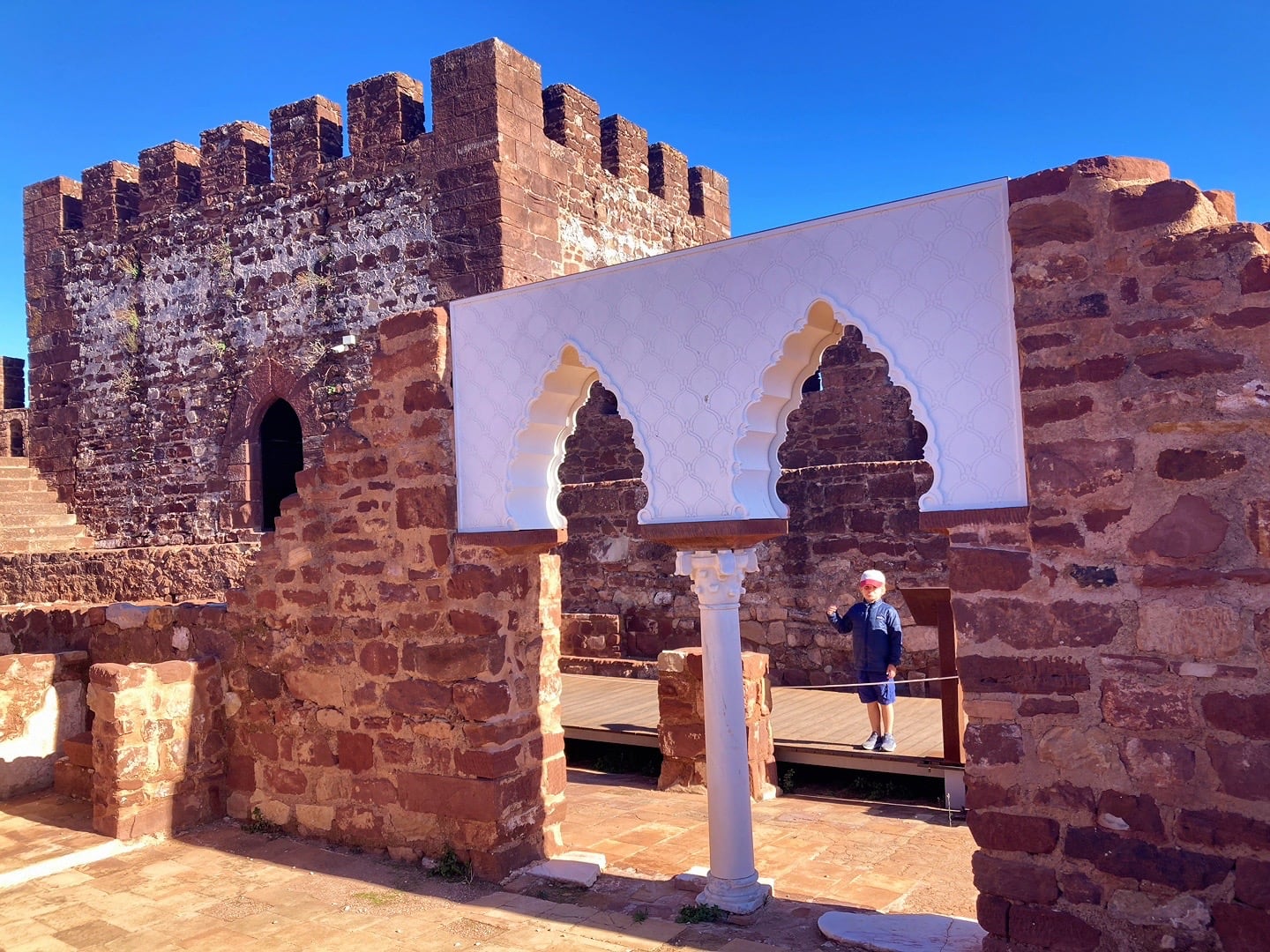
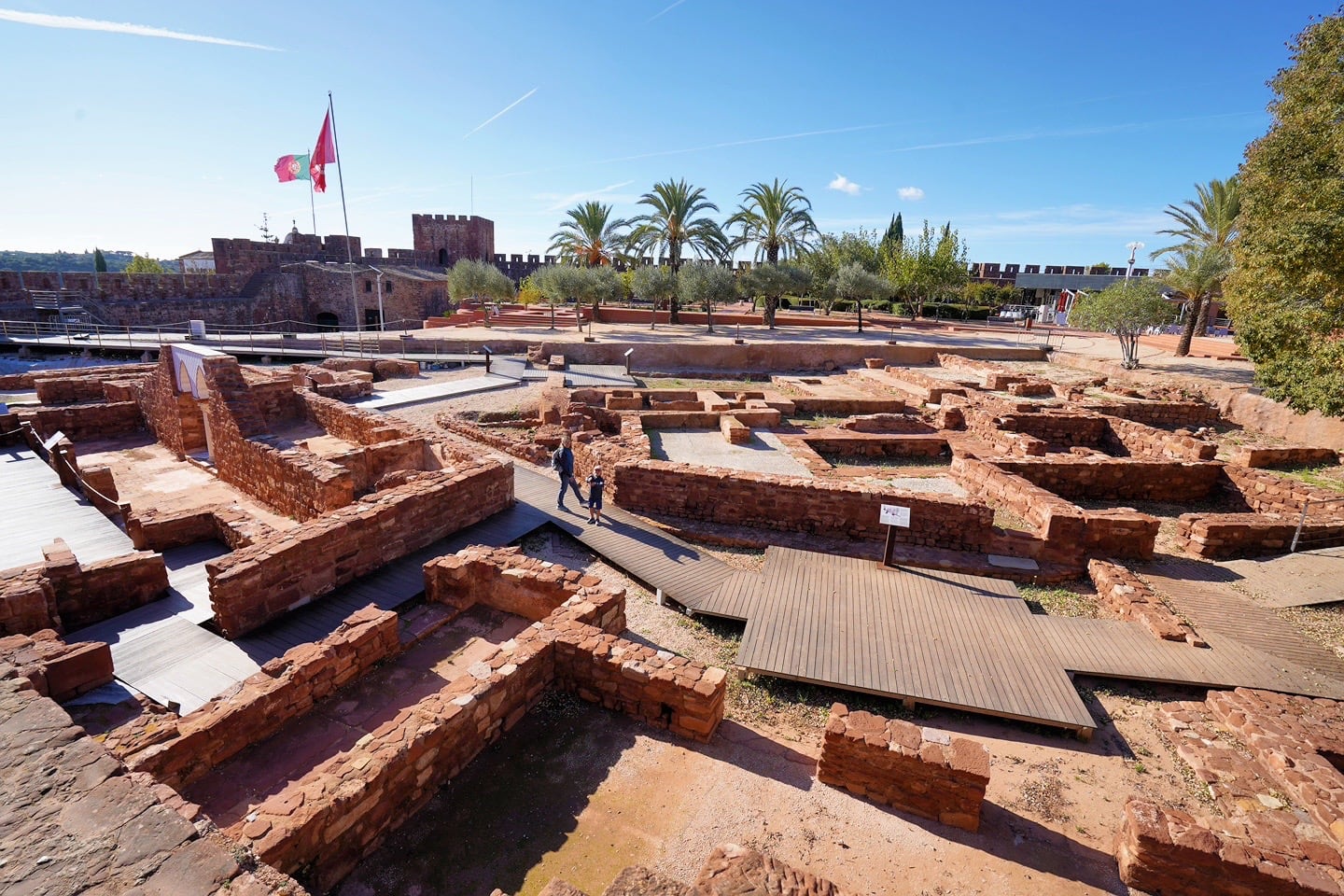
In the center of the castle are the ruins of a Moorish palace, some areas dating to the 8th century. The palace was built on top of an earlier Roman/Visigothic structure.
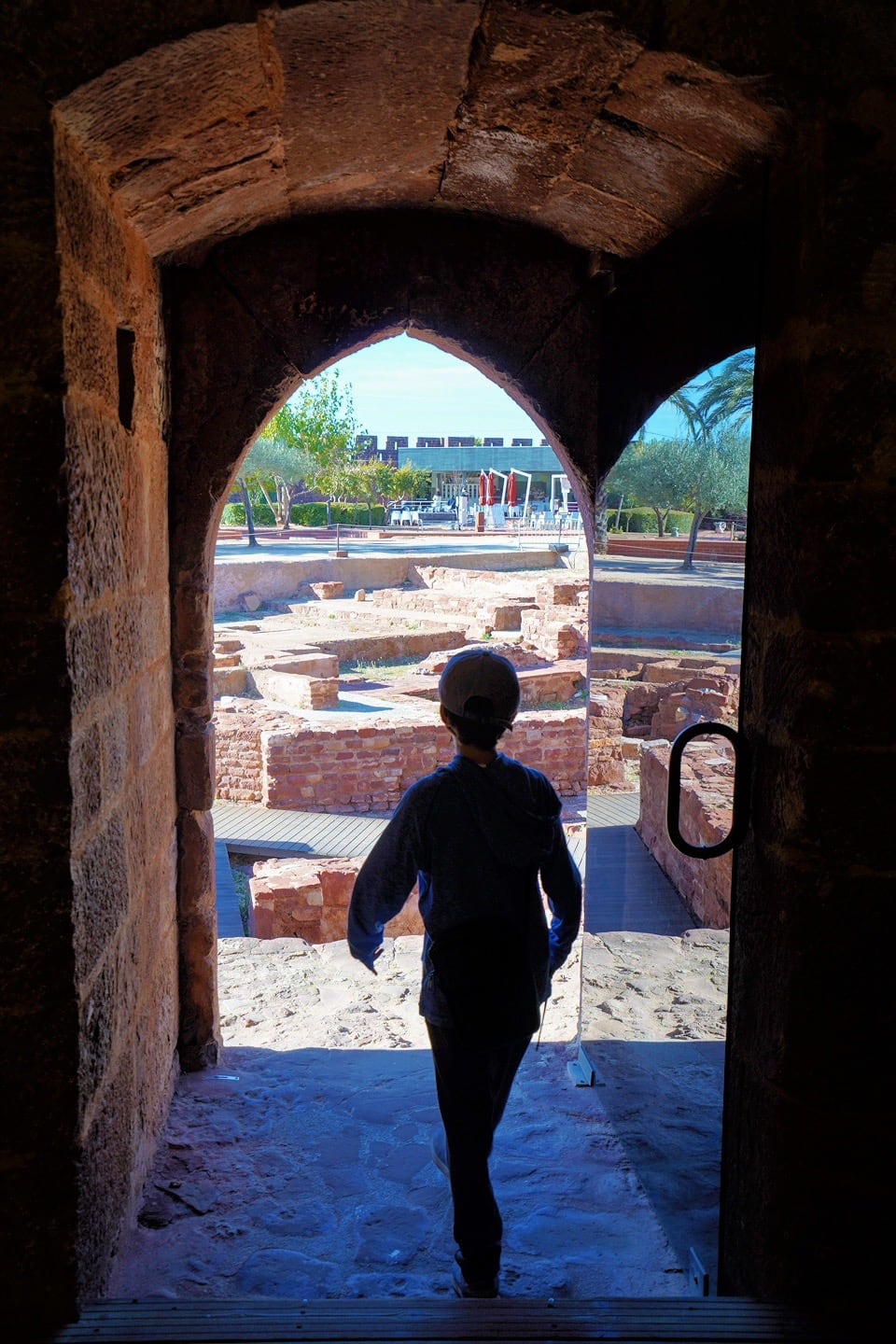
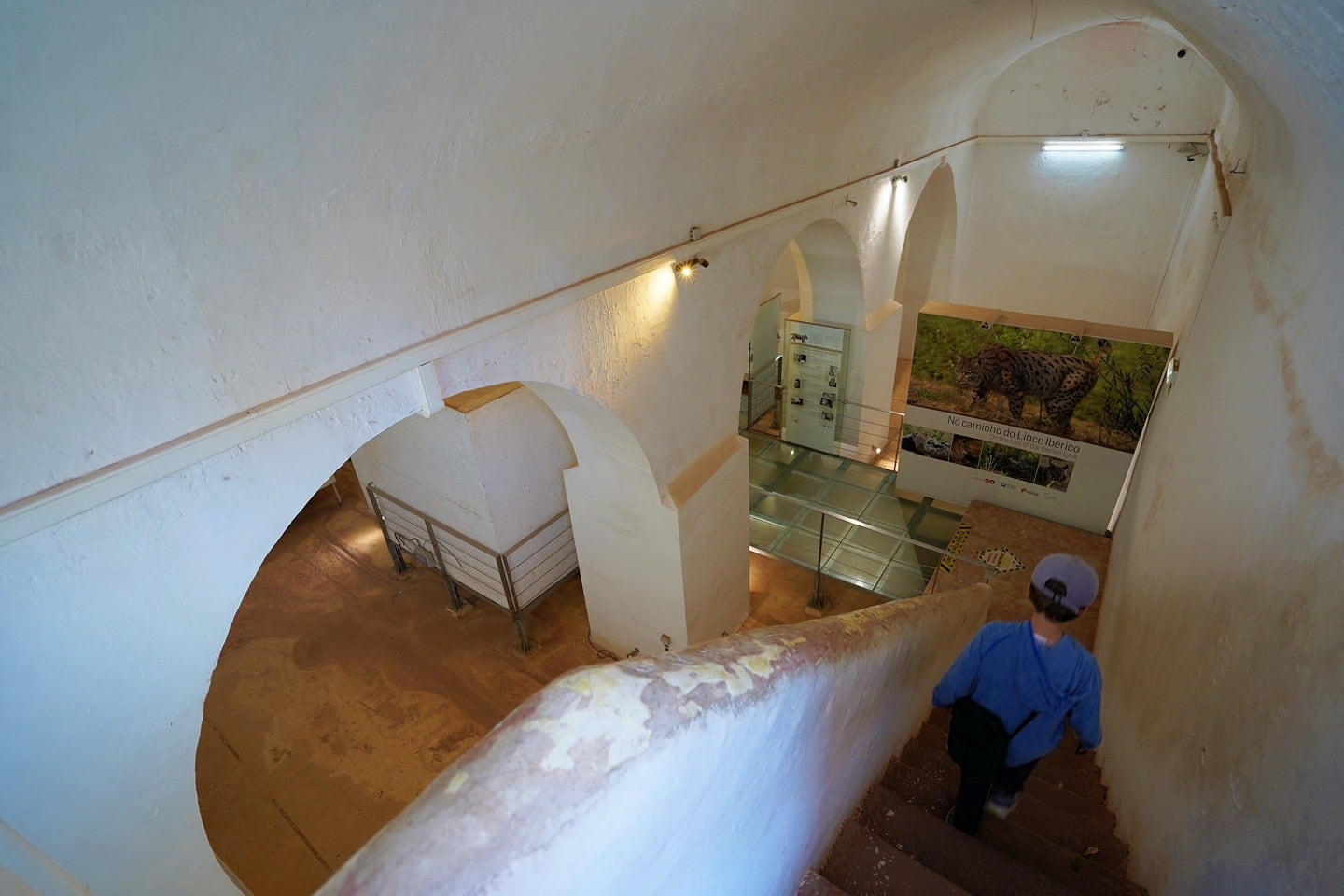
Underneath a portion of the castle grounds lies the Moorish cistern which was used to store the town’s drinking water up until the 1990s. These days, it houses rotating exhibitions.
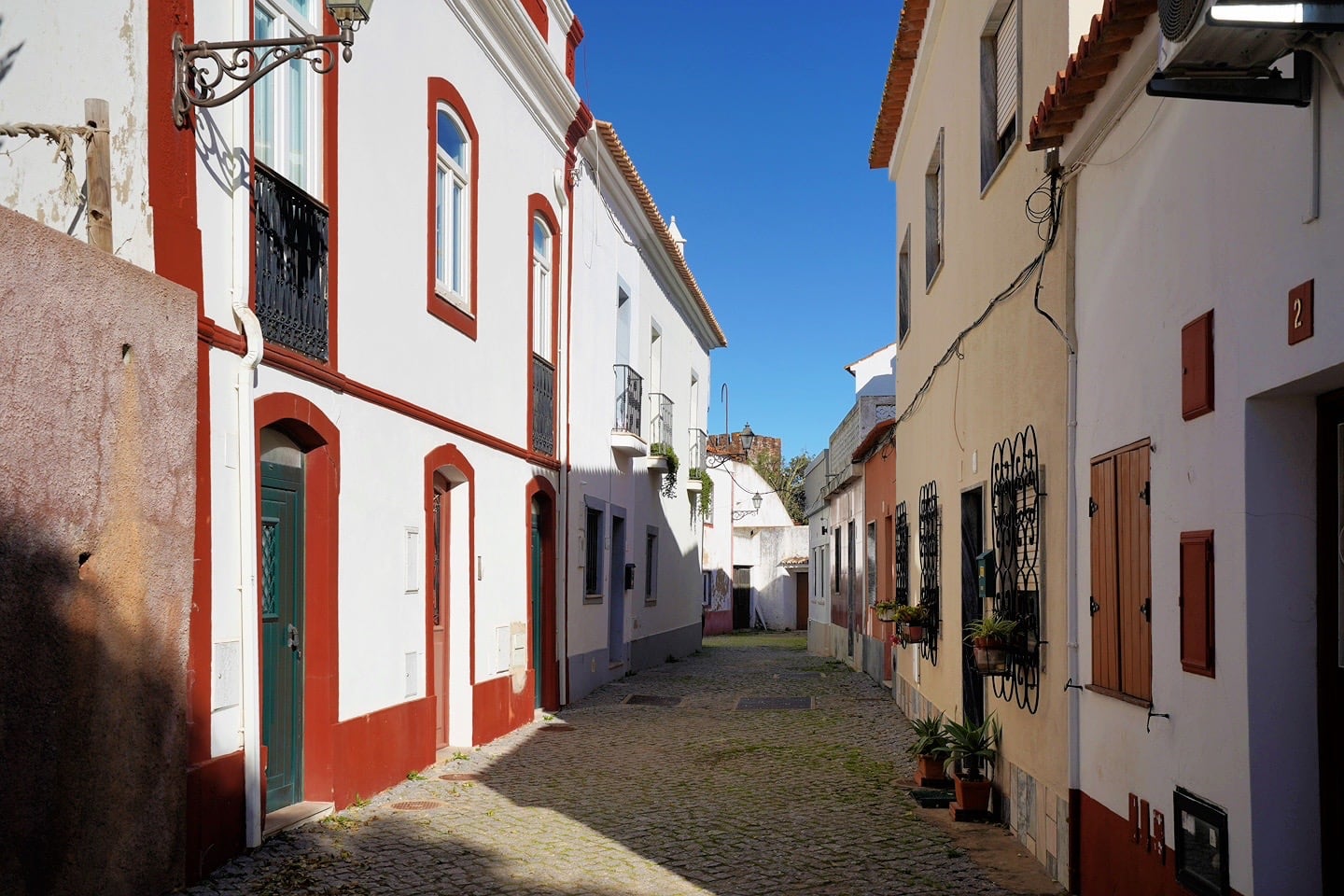
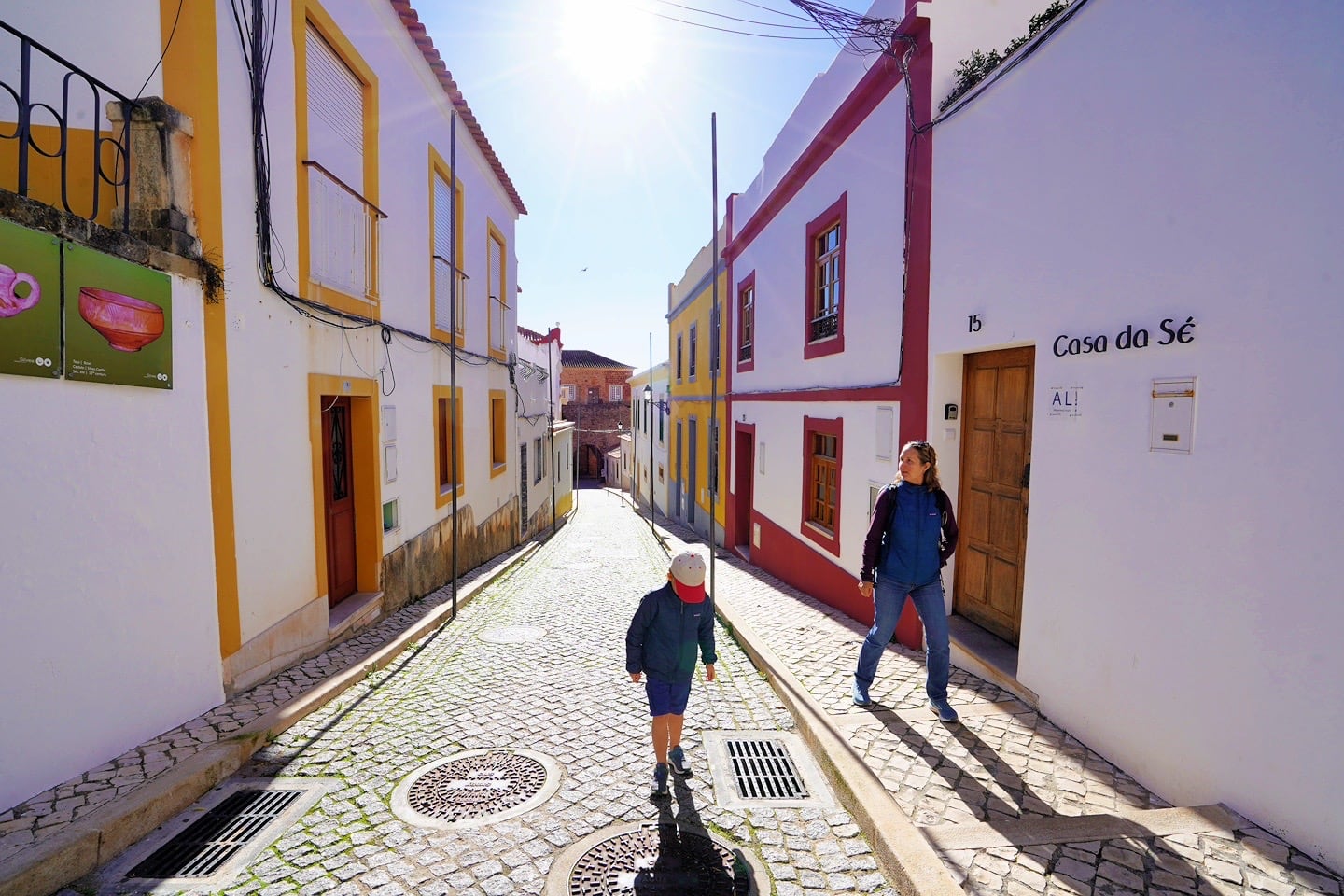
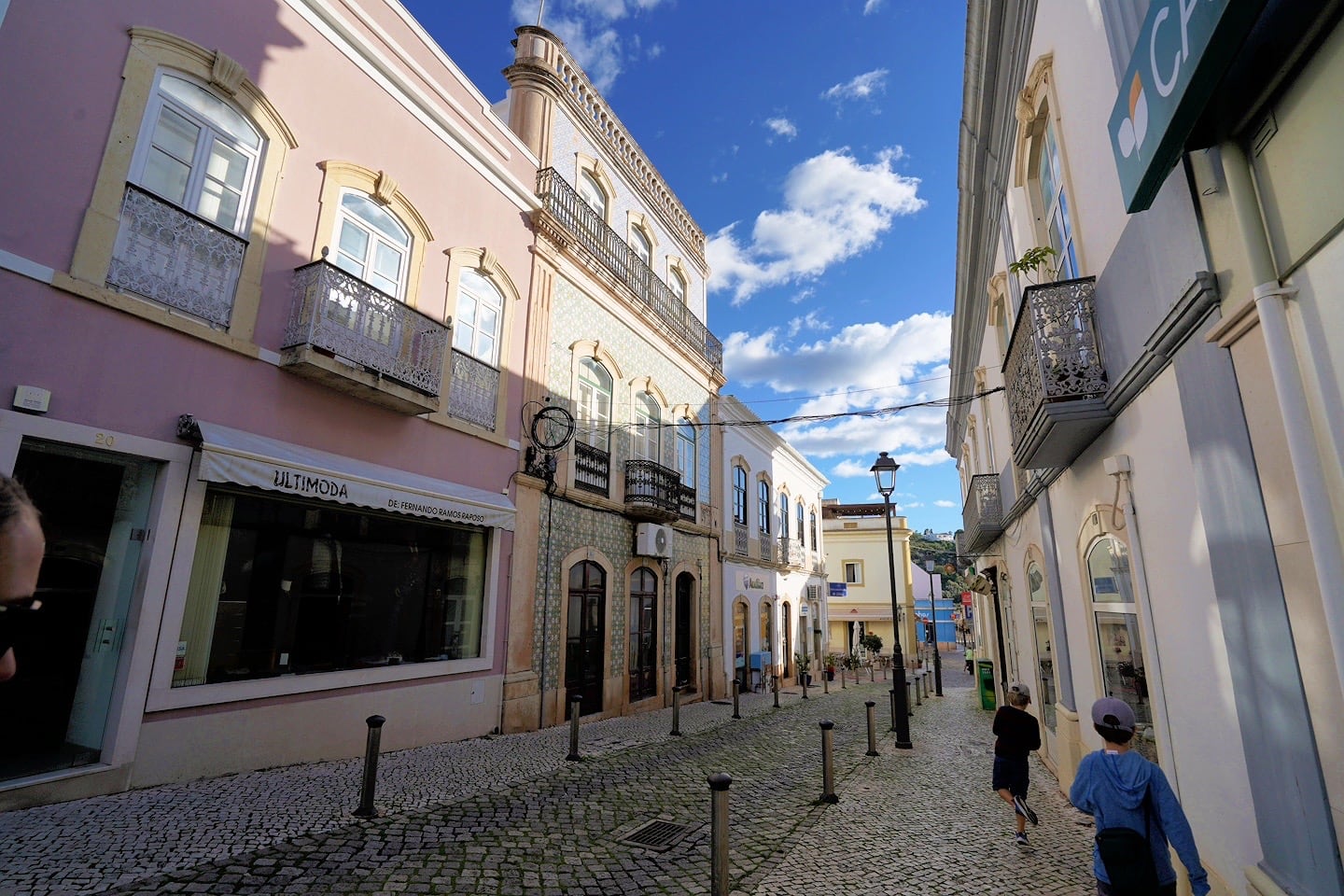
Back in town, we enjoyed strolling the narrow roads and alleyways, but were put off a bit by the deserted feel. Where is everybody?
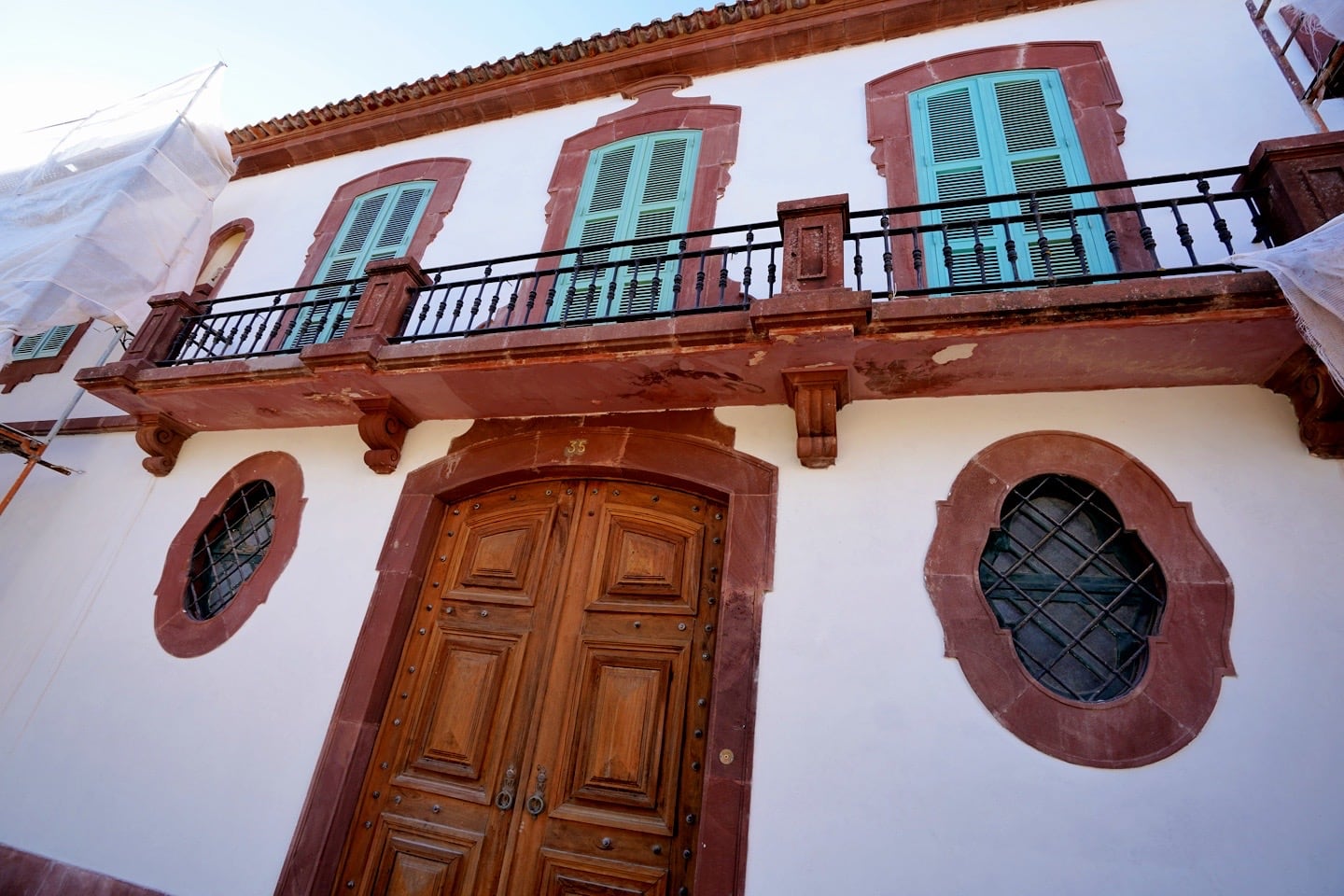
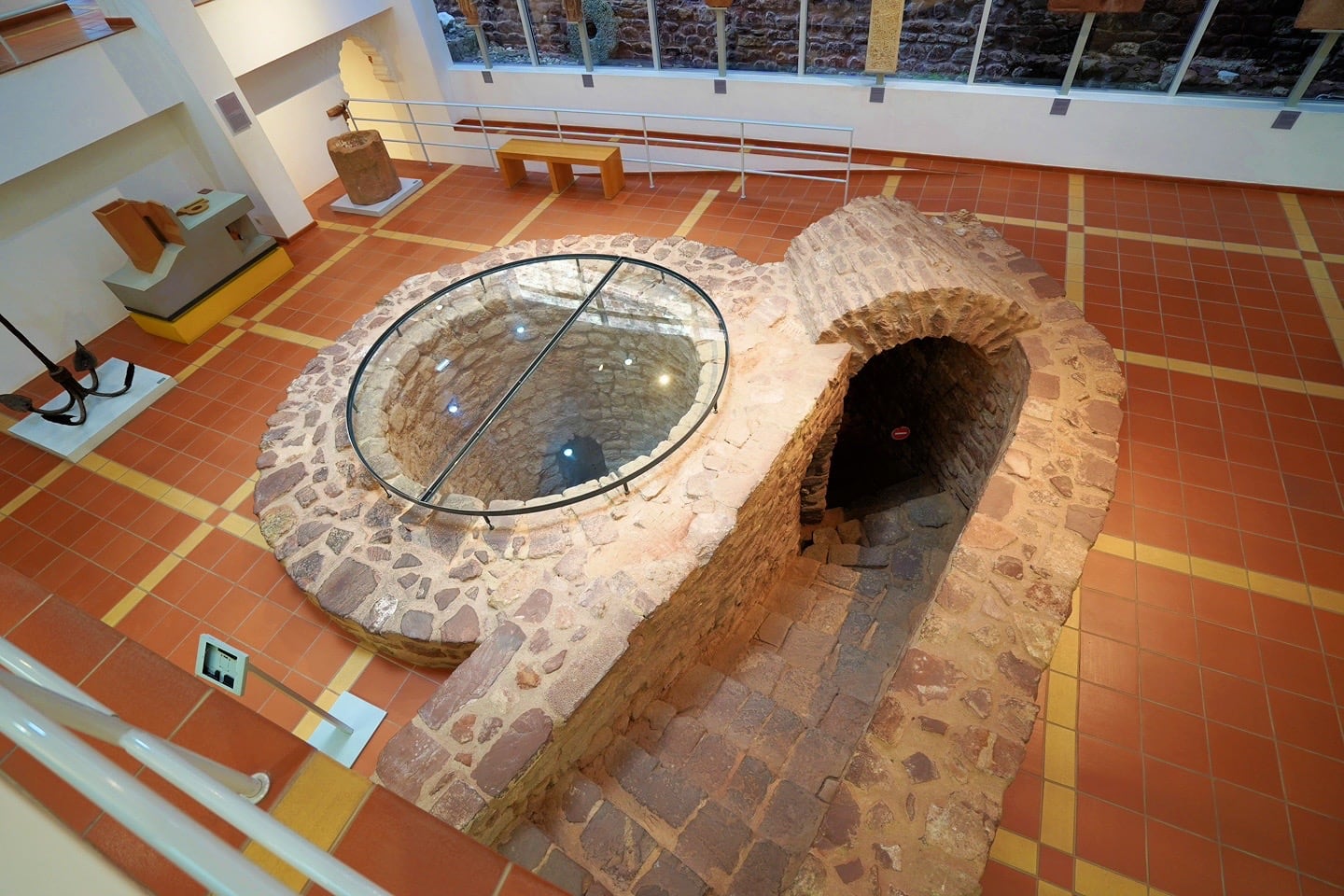
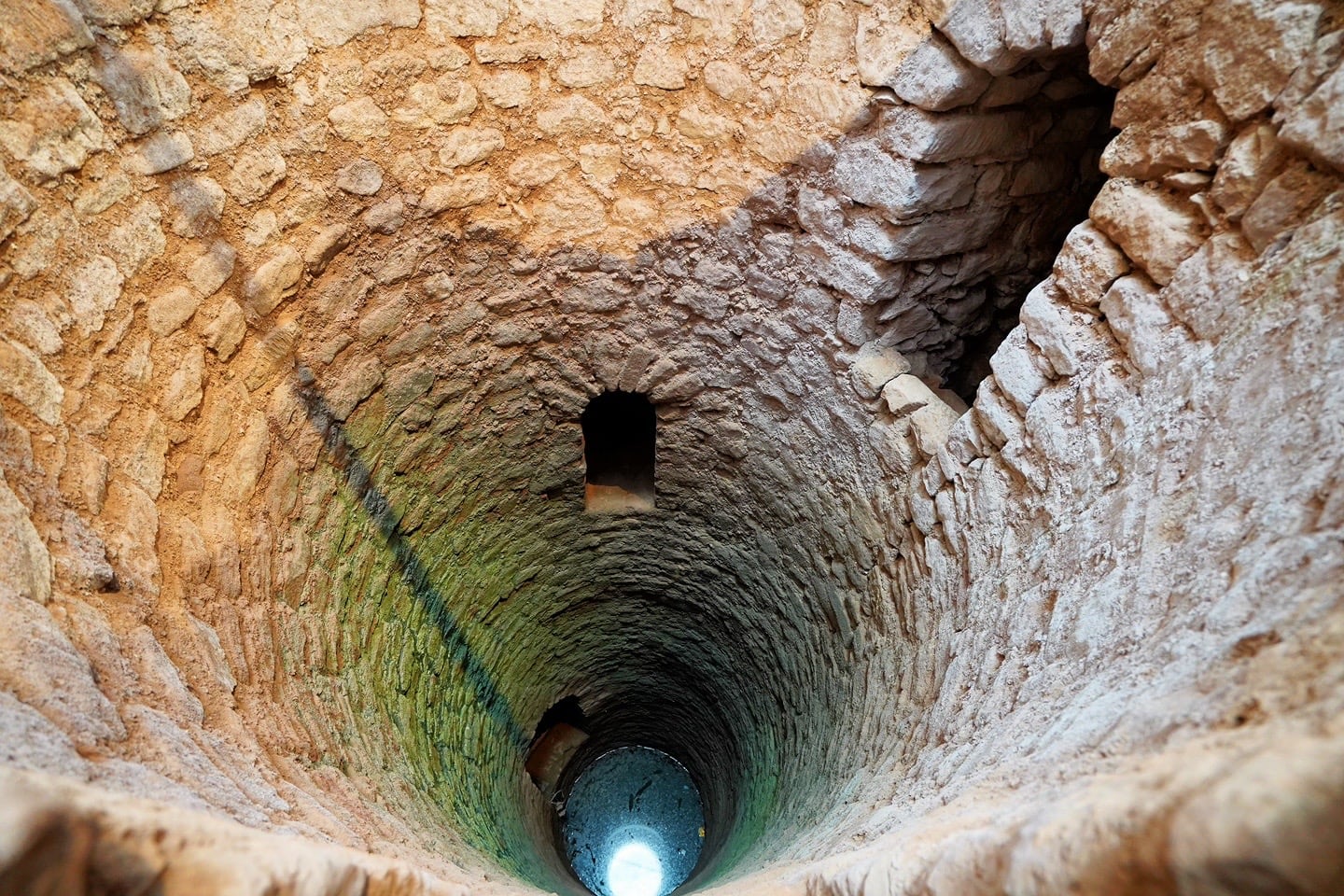
Before leaving the ancient city, we made a quick visit to the museum of archeology, which is built around a 12th-century cistern that you can partially explore.
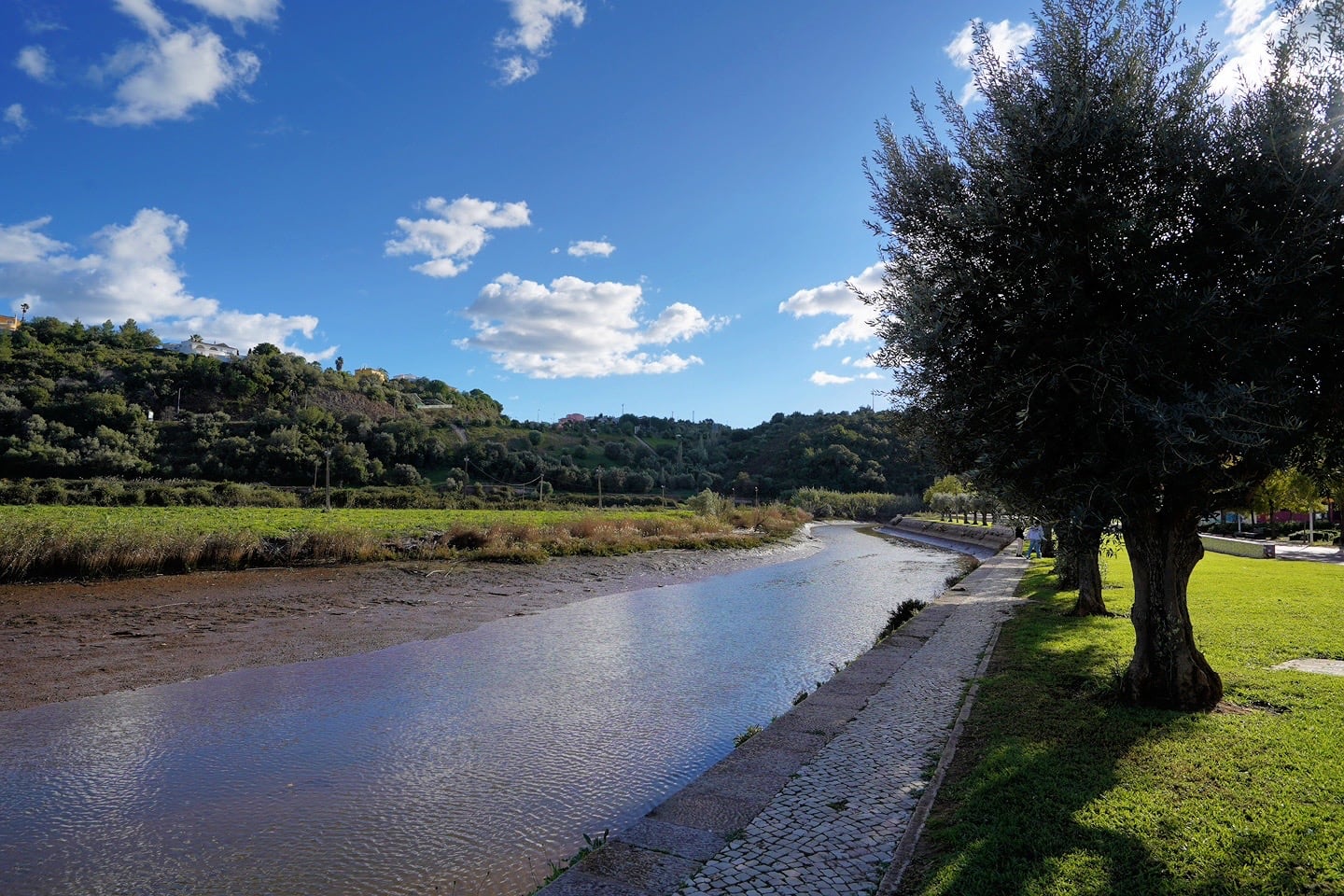
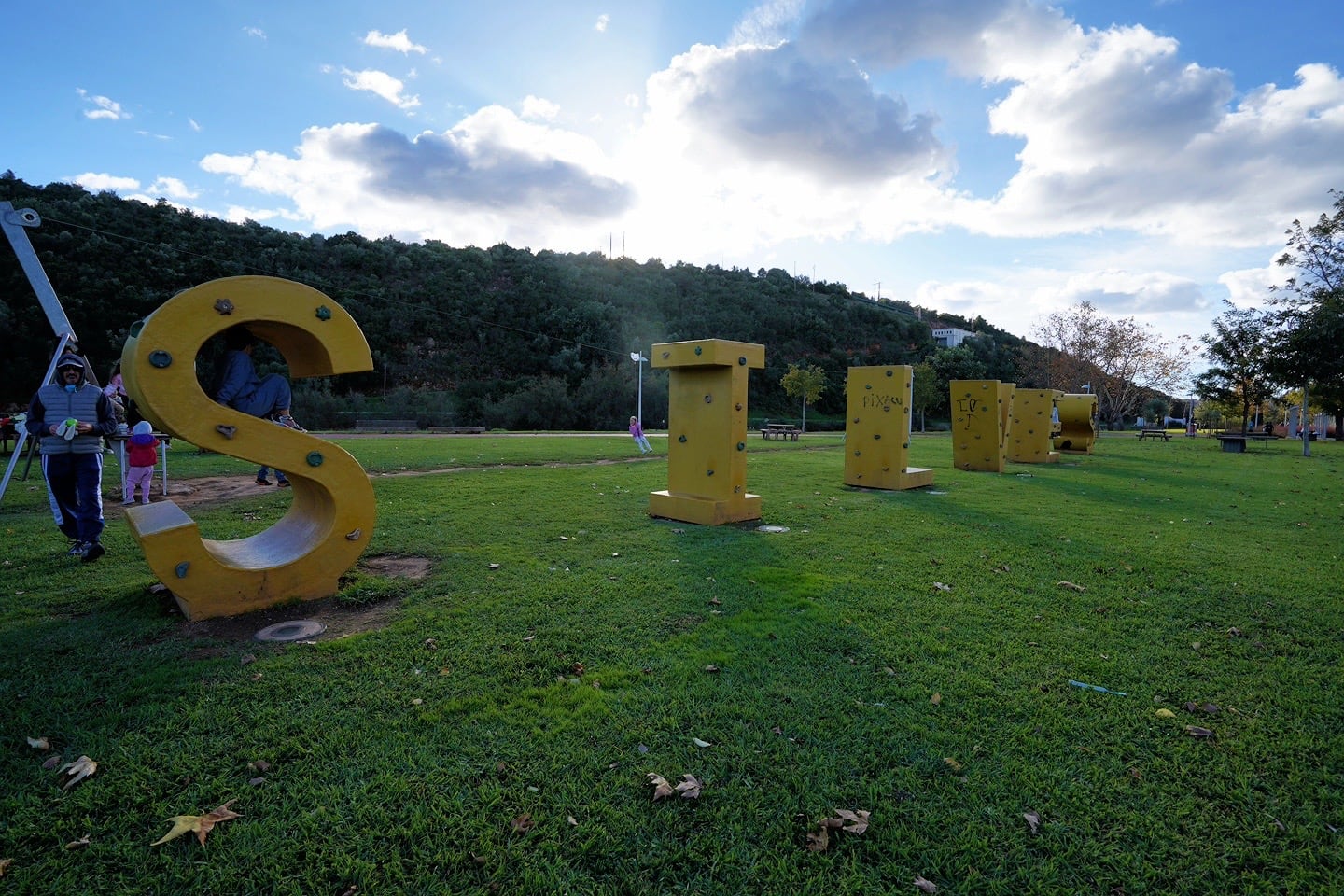
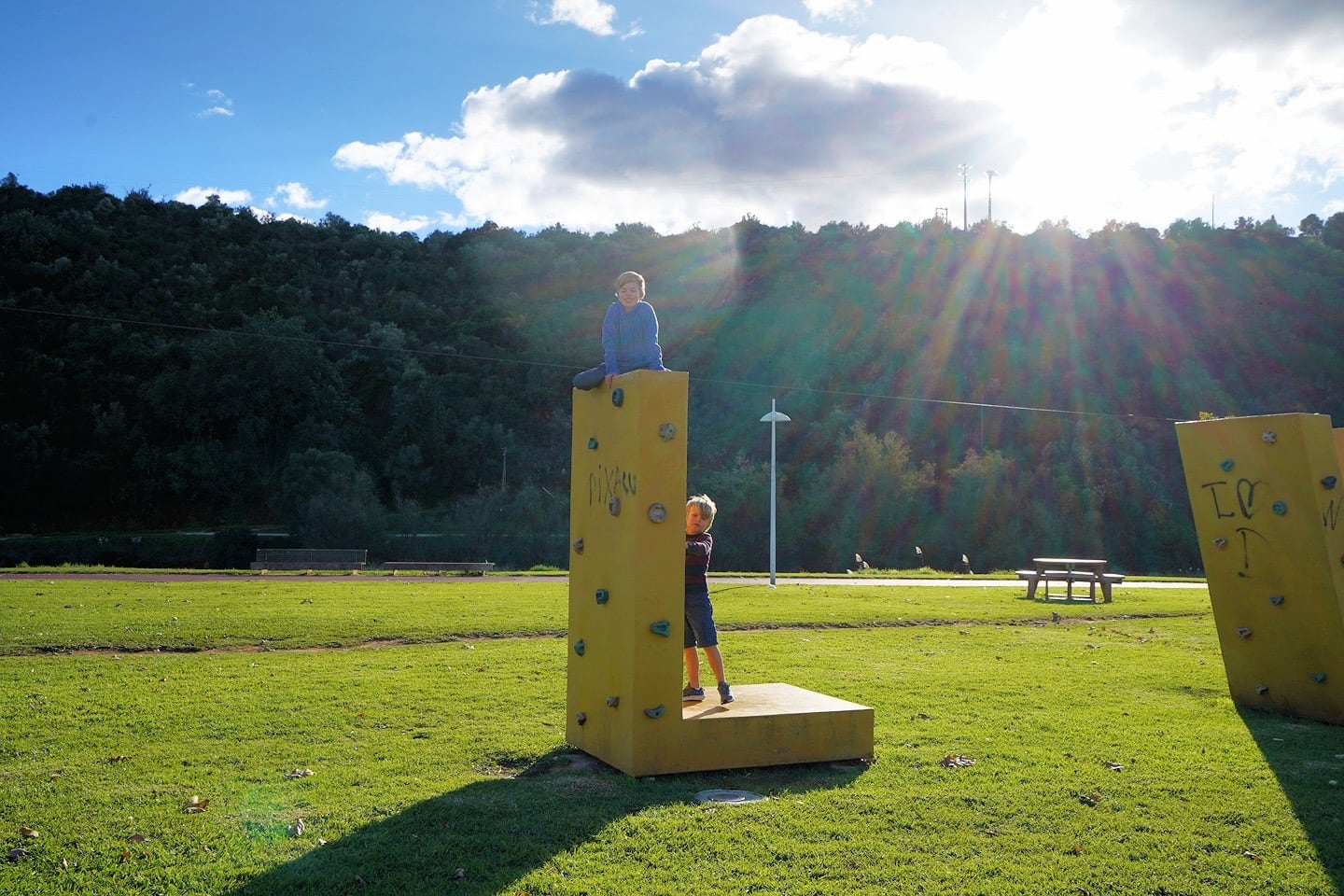
Before grabbing dinner, we headed to a nearby park and finally found signs of life.
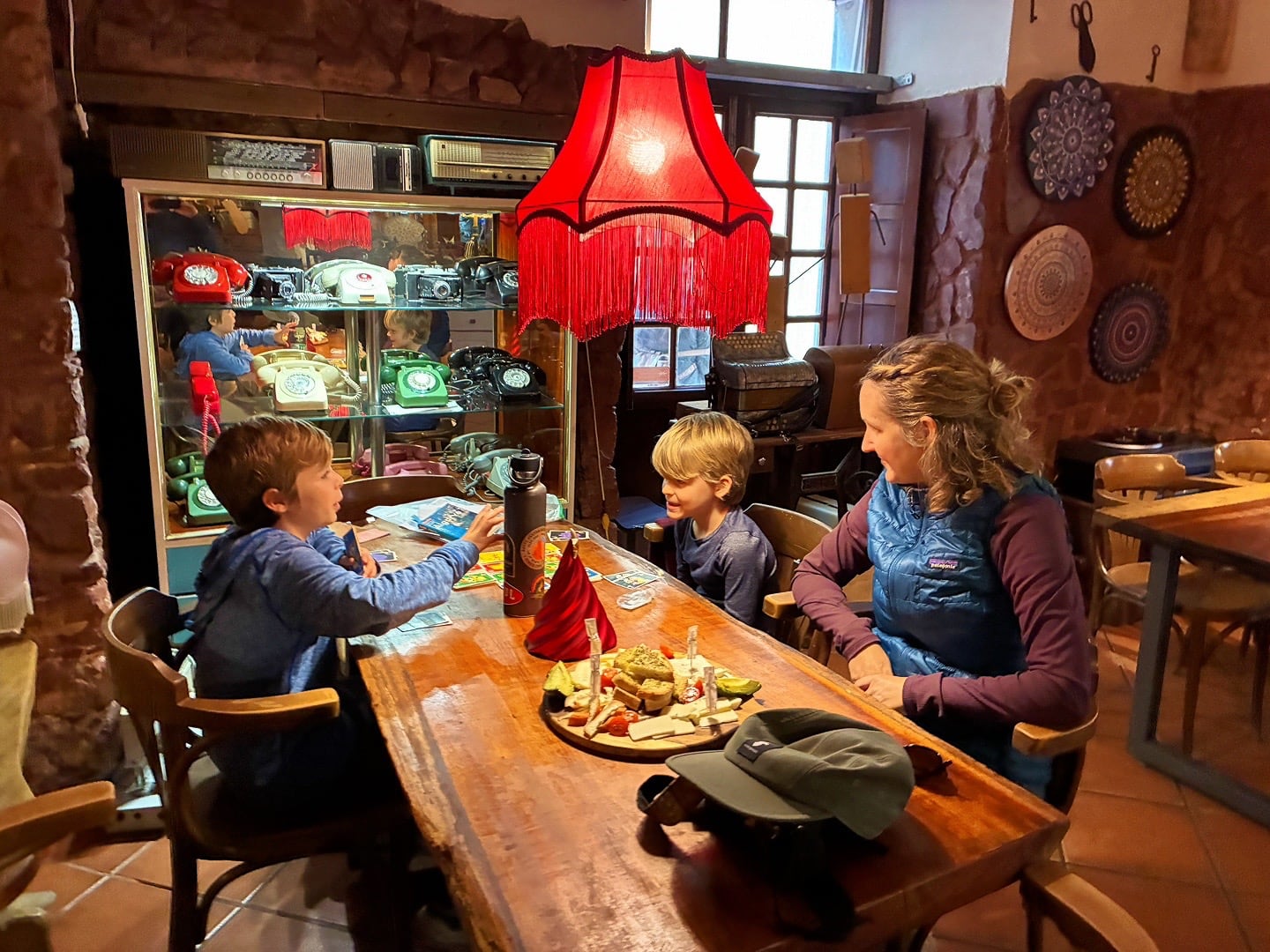
We planned on just having a snack in Silves before catching our train back, but our cheese appetizer plate ended up being much larger than we thought.
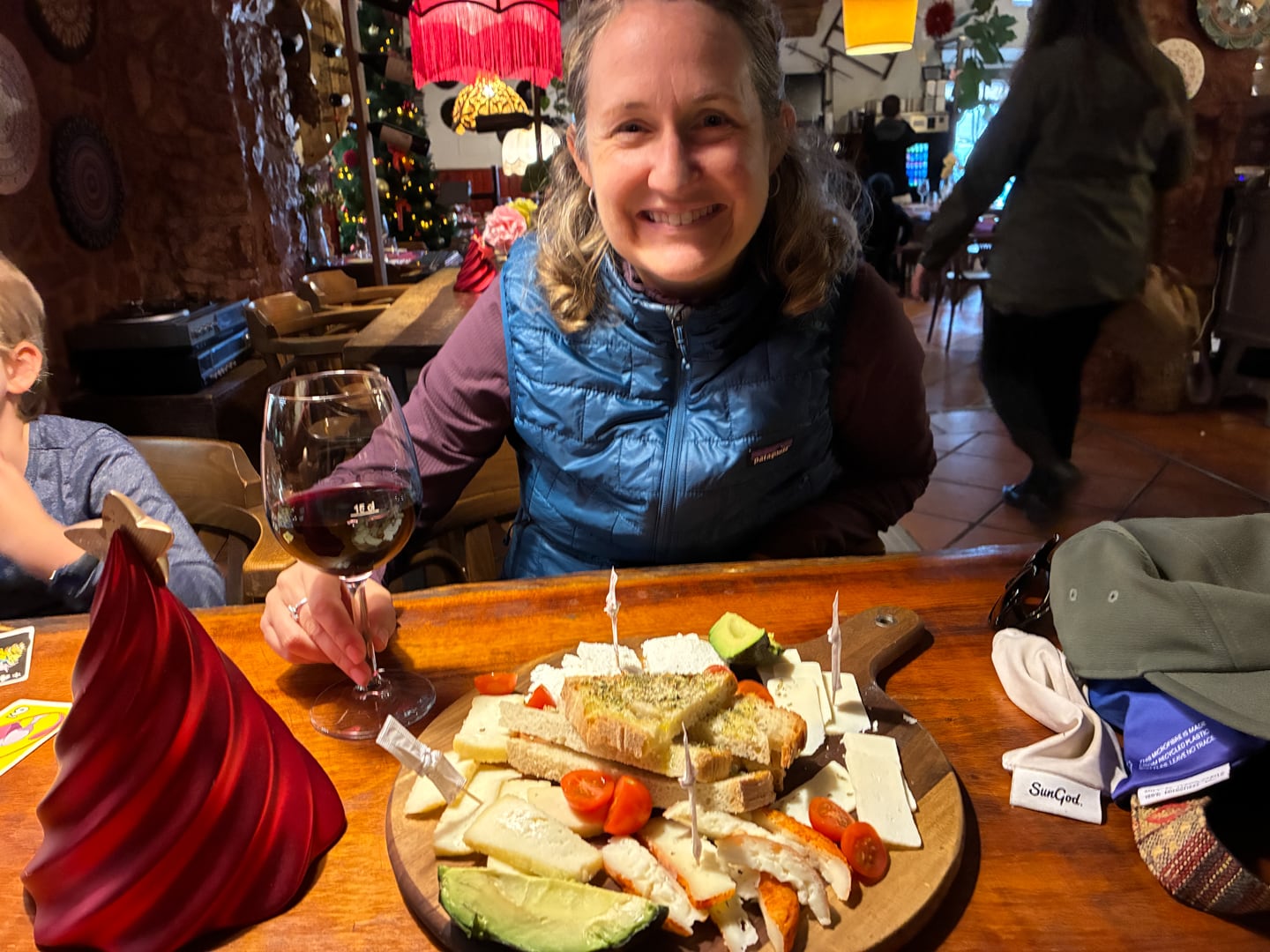
Apparently, they thought we ordered the cheese platter from the Mains menu instead of the Appetizer menu (even though Lori clearly pointed to the correct one).
Fortunately, they were nice enough to acknowledge the mistake and gave us a generous discount which I didn’t think they’d do.
In the five previous years we lived in Mexico, I’m fairly certain I can count the number of times somebody owned up to a mistake: Zero.
It took a bit longer than we thought to finagle our ride back up the hill to the train station, but we made it in the nick of time.